Terrace Garden Design Essentials for Urban Spaces
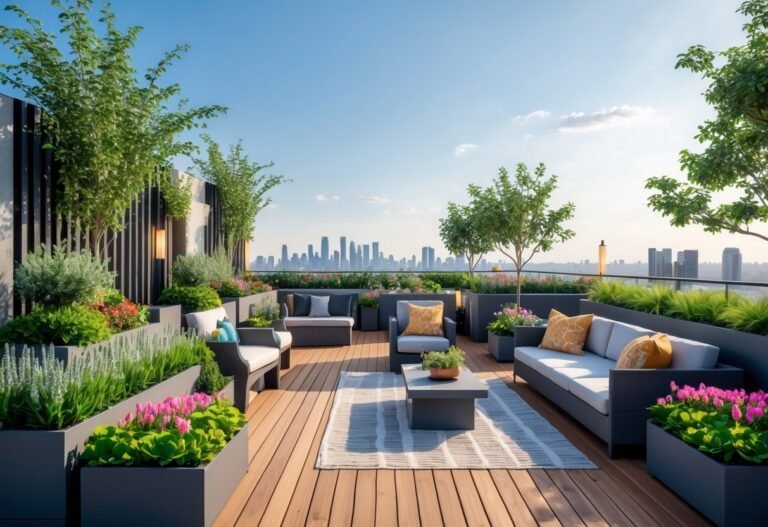
Terrace garden design turns unused outdoor areas like rooftops or balconies into beautiful, green spaces that enhance a home’s look and feel. A well-planned terrace garden combines smart use of space, plant choices, and design features to create a relaxing and functional environment. This can make even small terraces feel like a peaceful retreat or a lively spot for gatherings.
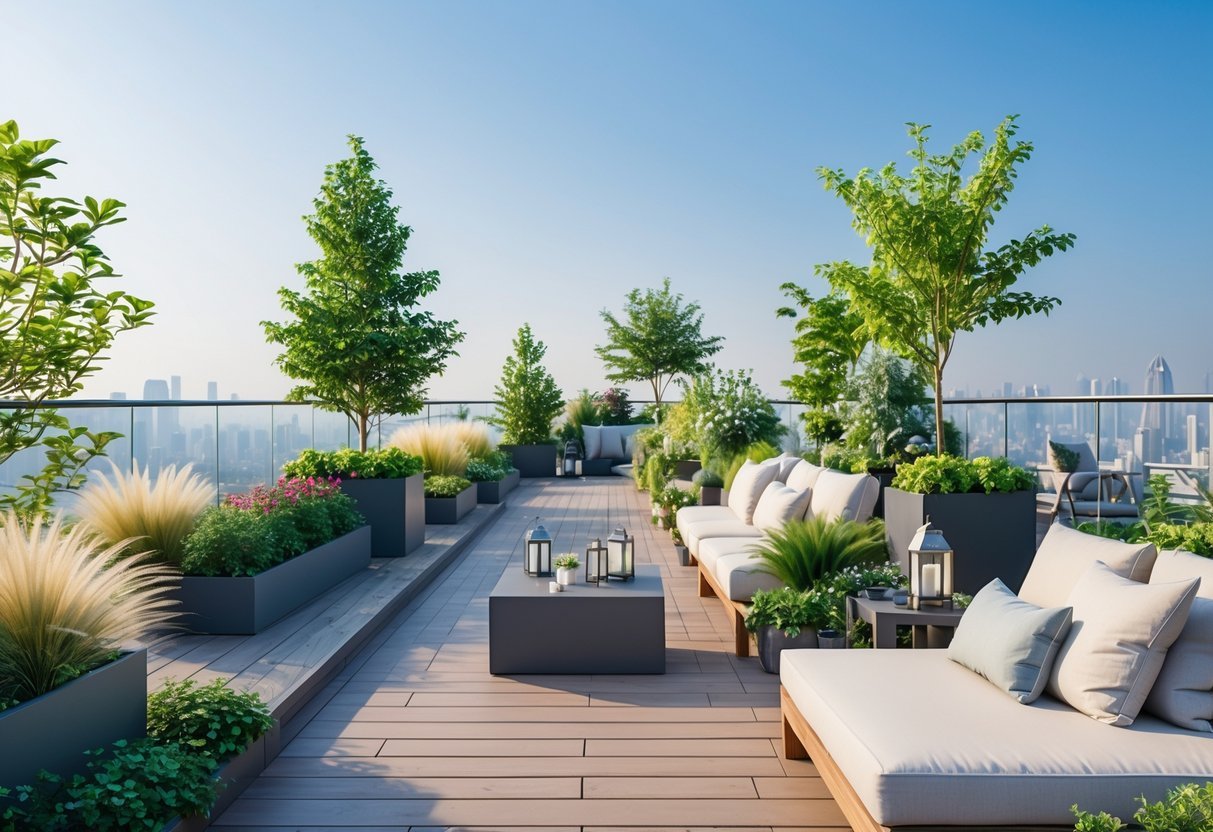
Effective terrace garden design focuses on layering plants, choosing the right containers, and adding elements like lighting, seating, or water features. These details help maximize limited space while keeping the garden easy to maintain. Whether the goal is growing herbs, flowers, or simply creating fresh air, thoughtful design makes the space enjoyable year-round.
With the right balance of style and practicality, a terrace garden can improve property value and provide a green escape amid urban living. It is a rewarding project that suits different skill levels and budgets.
Key Takeways
- Terrace gardens make small outdoor spaces both attractive and useful.
- Smart plant arrangement and design features enhance space and comfort.
- Proper planning helps maintain a healthy and lasting garden.
Essential Elements of Terrace Garden Design
A well-designed terrace garden depends on careful planning, strong structural support, effective water management, and the right choice of materials. These elements work together to create a safe, attractive, and functional outdoor space.
Space Planning and Layout
Proper space planning ensures the terrace garden is both useful and visually balanced. Designers often divide the available area into zones for planting, seating, and pathways. This helps avoid overcrowding and allows easy movement.
Arranging plants by height and type adds depth and interest. Taller plants or shrubs typically go along the edges or corners, while smaller flowers and herbs fill the center sections. Adding vertical gardens or containers optimizes limited space.
Furniture placement should not block access to planters or doors. Keeping pathways clear and wide enough, usually 2-3 feet, allows comfortable walking and maintenance access. Lighting is also planned alongside the layout, enhancing safety and ambiance.
Structural Considerations
The terrace must support the extra weight of soil, plants, containers, and furniture. A thorough inspection of the structure’s load capacity is essential before design begins.
Heavy planters and water features require stronger support, often meaning additional reinforcements. Pergolas, trellises, and seating also add to the load and need secure anchoring points.
Choosing lightweight materials for containers and furniture can reduce strain on the terrace. Proper weight distribution prevents damage or collapse, preserving the building’s integrity and safety for users.
Drainage and Waterproofing
Effective drainage is critical to avoid water buildup that can damage the terrace and plants. Designing a slope, usually about 1-2%, directs water away from the building.
Installing drain pipes, channels, or scuppers ensures quick water removal. A layer of gravel or drainage mats under planting beds helps keep roots healthy by preventing excess moisture.
Waterproof membranes protect the terrace surface from leaks. These layers are applied before soil and hardscaping go in, guarding against water damage to the structure below.
Selecting Materials
Durable and weather-resistant materials extend the life of a terrace garden. Common choices include natural stone, ceramic tiles, composite decking, and treated wood.
Plants need containers made of materials that can handle sun, rain, and temperature changes without cracking. Lightweight plastic or fiberglass pots are popular for this reason. Terra cotta offers breathability but can be fragile.
Hardscape features like benches and pergolas should use rust-resistant metals or sealed wood. Non-slip surfaces are important for safety, especially when the terrace is wet.
Using materials that match the surrounding architecture creates a cohesive look and enhances the overall design.
Plant Selection and Arrangement
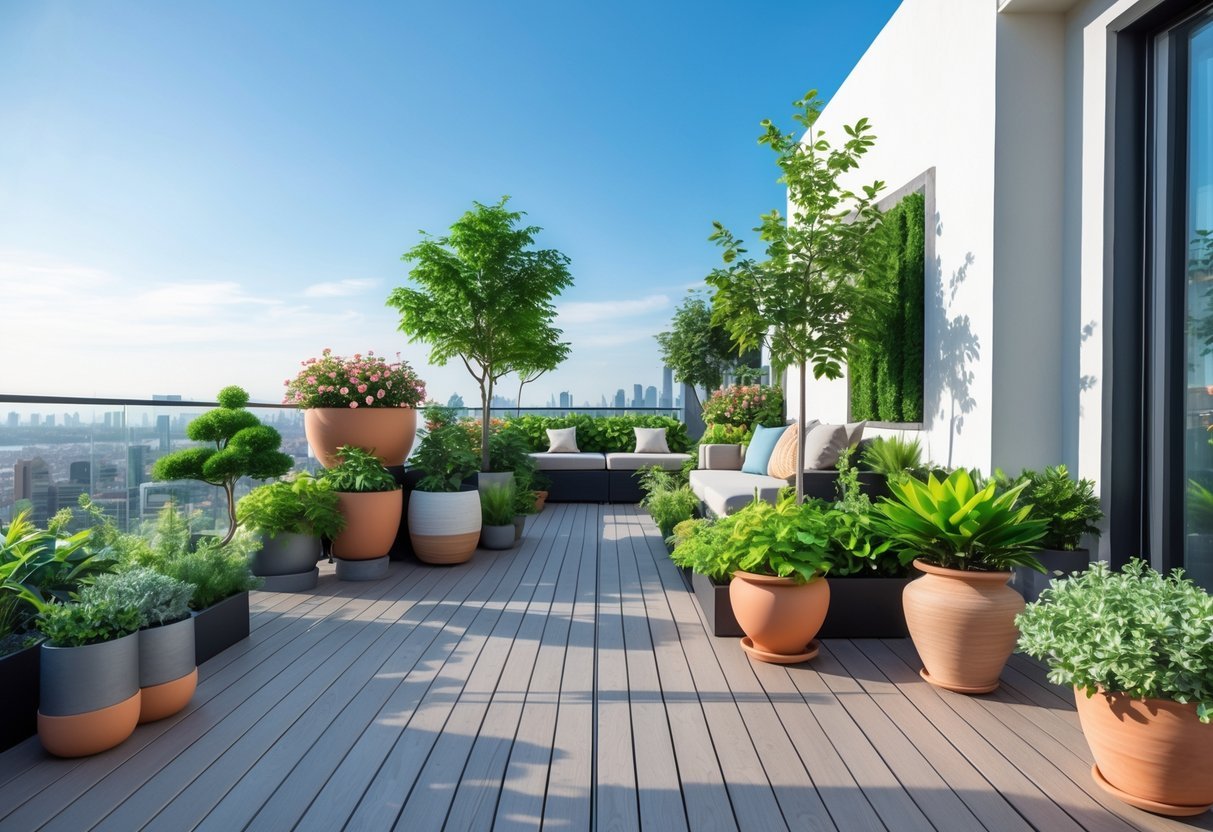
Selecting the right plants and arranging them properly can make or break a terrace garden. Effective choices depend on the space, sunlight, and climate conditions. Proper techniques help maximize growth and aesthetic appeal while managing limited space.
Choosing Suitable Plants
Plants for terrace gardens should fit the local climate and available sunlight. Hardy, drought-tolerant plants like succulents work well in sunny spots. Shade-loving plants such as ferns thrive in less bright areas. Edible options like herbs and small vegetables suit many terrace gardens too.
Consider plant size and root depth to avoid overcrowding or damage to containers. Mixing flowering plants with greenery creates interest and color variety. It is also important to check if plants require similar watering schedules to simplify maintenance.
Vertical Gardening Techniques
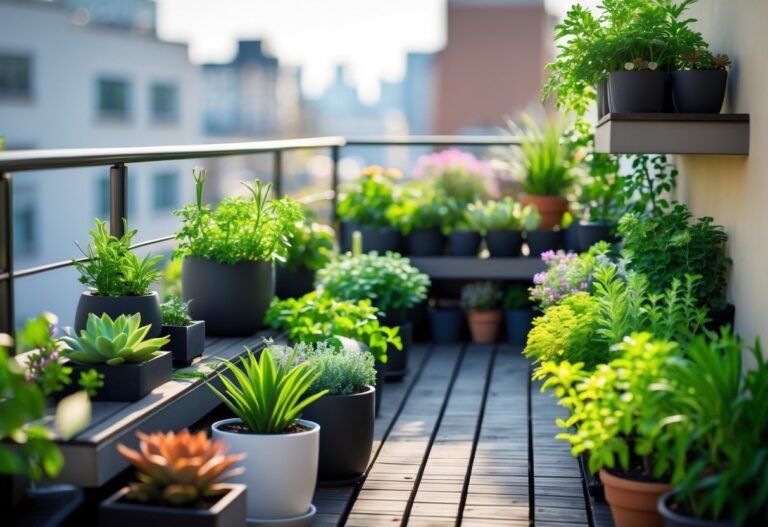
Vertical gardening uses walls or trellises to grow plants upward, saving floor space. It is useful for small terraces where space is limited. Hanging planters and wall-mounted pots are common tools.
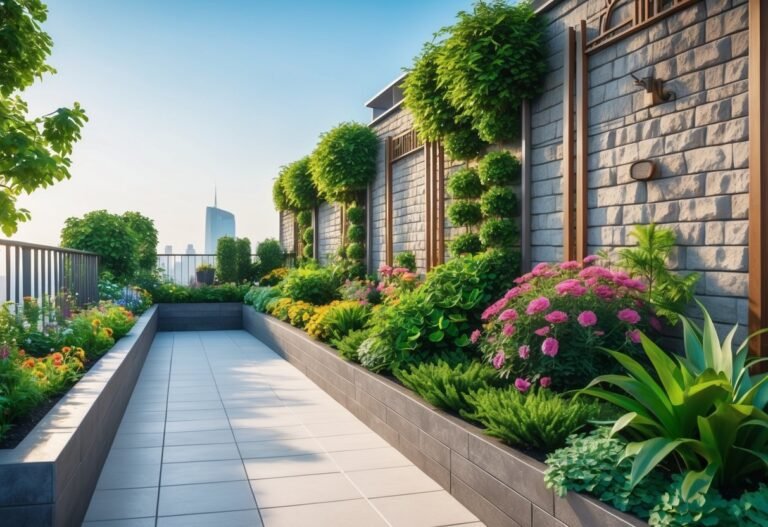
Climbing plants such as ivy or beans can cover structures and create natural shades. Vertical setups often need well-draining containers and strong support frames. Regular pruning helps keep plants healthy and prevents overcrowding.
Container Gardening Strategies
Container gardening allows flexibility in plant placement and ease of soil control. Containers vary in size, shape, and material, influencing plant growth and watering needs. Lightweight options like plastic or fiberglass are easier to move, while clay pots offer better breathability.
Using containers with drainage holes prevents waterlogging. Grouping containers by plant type or watering needs simplifies care. Layering tall plants with smaller ones nearby can save space and improve visual appeal. Adding mulch helps retain moisture and reduce weeds.
Aesthetic and Functional Features
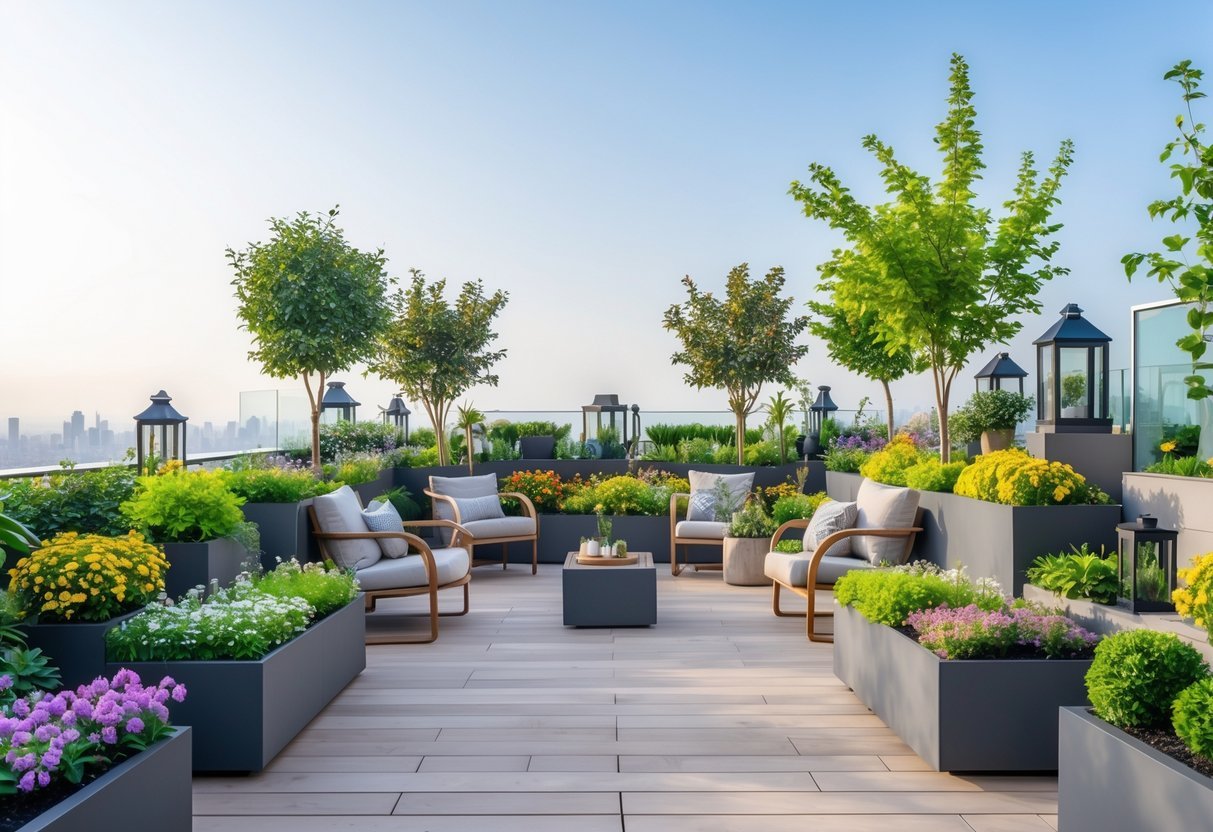
Terrace garden design balances beauty with usefulness by carefully choosing furniture, lighting, water elements, and decorative touches. These features help create inviting spaces that suit different activities while enhancing the overall atmosphere.
Outdoor Furniture Placement
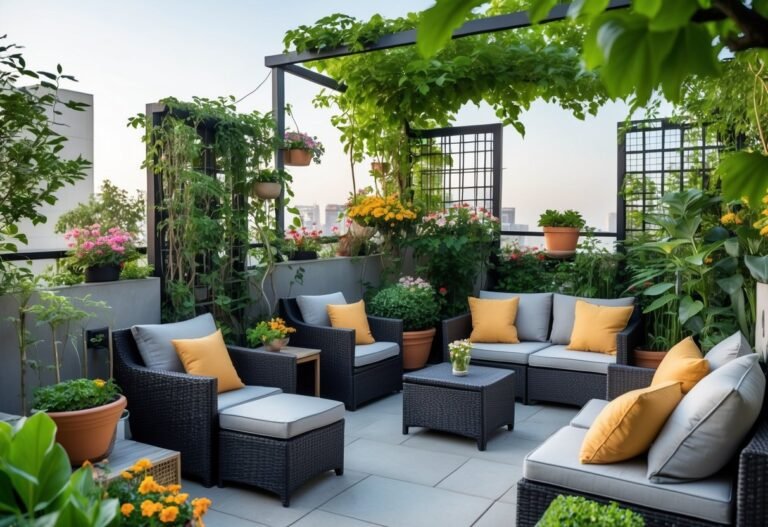
Furniture in a terrace garden should fit the space without overcrowding it. Seating areas work best near walls or corners to maximize open space and create cozy spots for conversation or relaxation. Using multi-functional furniture, like benches with storage, saves space and adds practicality.
Positioning furniture to catch sunlight or avoid strong winds improves comfort. Durable materials such as treated wood, metal, or weather-resistant rattan ensure pieces last through changing weather. Tables and chairs should be easy to move, allowing flexible use for dining, reading, or entertaining.
Lighting Solutions
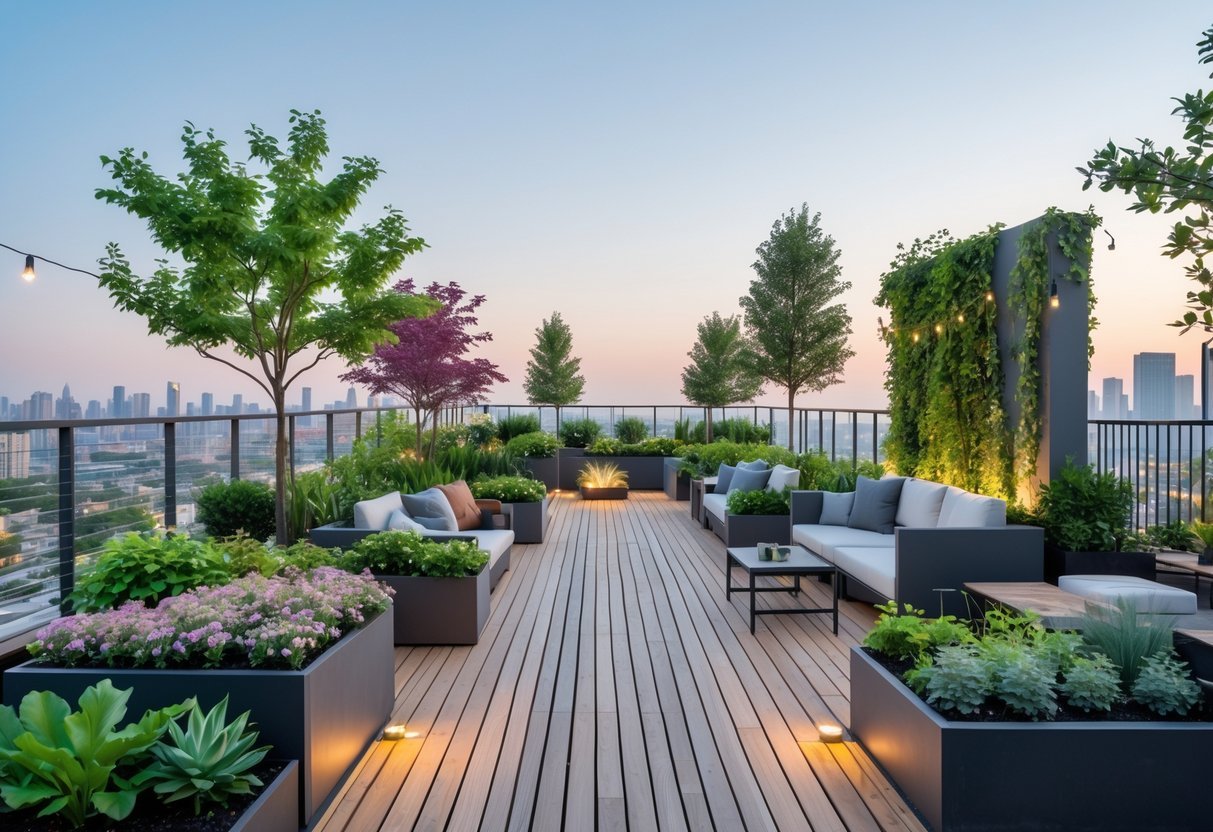
Lighting serves both safety and style in terrace gardens. Pathway lights or small spotlights highlight important features like plants or steps, helping prevent trips in the dark. Warm LED lights create a soft glow that invites evening use without being harsh or glaring.
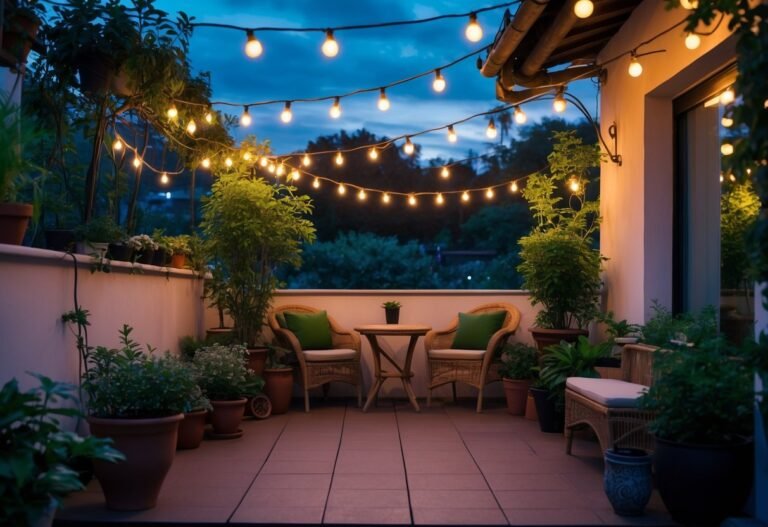
Solar-powered or low-voltage fixtures reduce energy use and simplify installation. String lights or lanterns add charm and can mark seating areas, while recessed lighting creates a modern, clean look. Timers and dimmers offer control over brightness and timing, adapting the mood to the occasion.
Water Features
Water features add calm sounds and movement, improving the garden’s sensory appeal. Small fountains or bubbler-style waterfalls are common choices that fit well in limited terrace spaces. They also help mask noise from nearby streets or neighbors.
When selecting a water feature, consider size and maintenance needs. Features with closed systems recycle water and save resources. Materials should match the garden’s style: natural stone suits rustic looks, while smooth ceramic fits modern designs. Proper placement near seating areas or pathways enhances enjoyment.
Decorative Accents
Decorative accents give character to a terrace garden by linking the design elements. Choosing items like colorful pots, sculptures, or bird feeders adds visual interest without overwhelming the space.
Plants in creative containers, such as hanging baskets or stacked planters, bring layers and texture. Rugs designed for outdoor use define areas and add warmth underfoot. Groupings of multiple accents work best when balanced and coordinated by color or theme, ensuring the space looks intentional and well-planned.
Maintenance and Sustainability
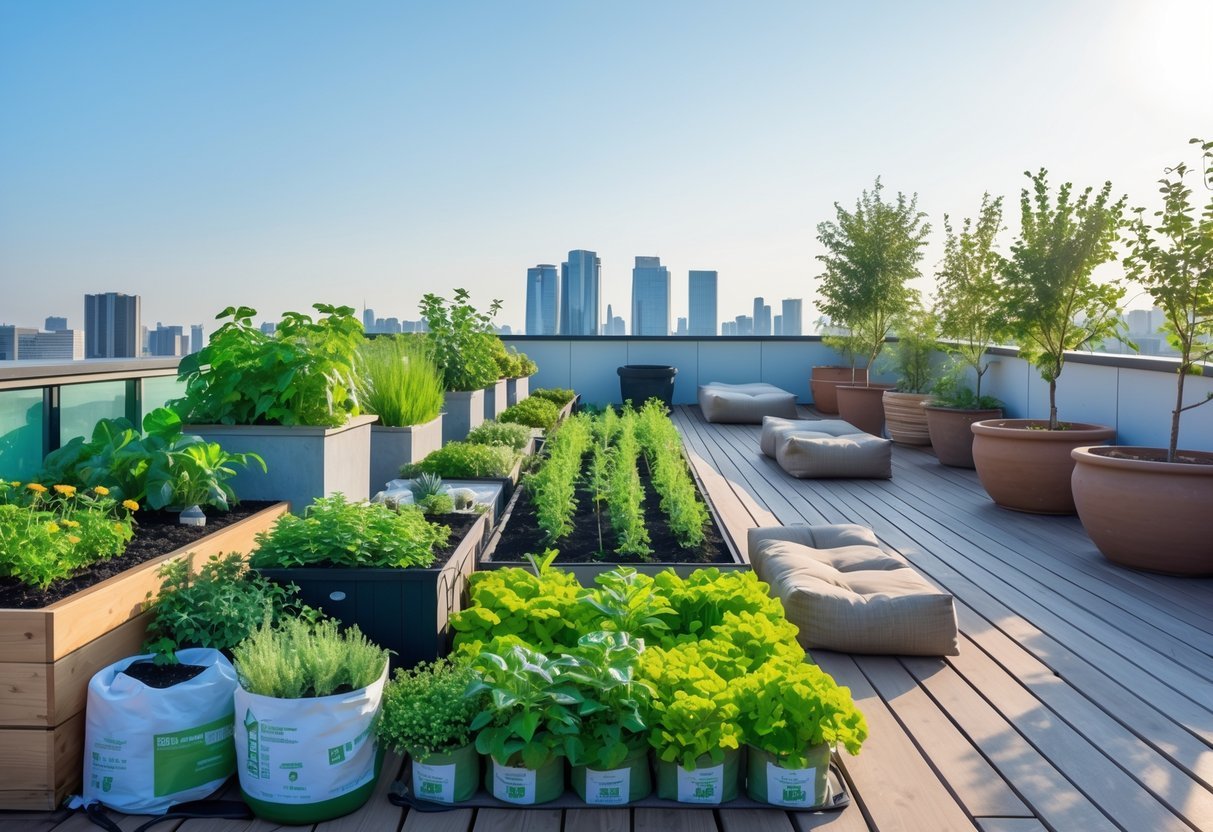
Proper care is essential to keep a terrace garden healthy and productive. This involves setting up efficient watering, managing soil nutrients well, and adopting practices that reduce waste and environmental impact.
Irrigation Systems
Using an effective irrigation system helps maintain consistent moisture levels in a terrace garden. Drip irrigation is often the best choice because it delivers water directly to plant roots, reducing evaporation and water waste. Timers can automate watering, ensuring plants receive water at optimal times, such as early morning or late evening.
Regularly checking for leaks or blockages in the system is important to avoid overwatering or dry spots. Rainwater harvesting can supplement irrigation, providing a sustainable water source that reduces reliance on municipal supplies. Simple techniques like mulching also help retain soil moisture, cutting down on how often watering is needed.
Soil and Fertilizer Management
Soil quality affects plant health and growth in terrace gardens. Using lightweight, well-draining soil mixes prevents waterlogging and supports root development. Regularly adding organic compost improves soil structure and nutrient content while promoting beneficial microorganisms.
Fertilizers should be applied based on the specific needs of the plants. Slow-release organic fertilizers supply nutrients gradually, reducing the risk of over-fertilization and nutrient runoff. Crop rotation and planting different species help maintain soil balance and reduce pests naturally. Routine soil testing can guide adjustments in fertilization and amendment.
Eco-Friendly Practices
Sustainability in terrace gardening means reducing chemical use and conserving resources. Choosing native or drought-tolerant plants lowers water and maintenance needs. Avoiding synthetic pesticides in favor of natural pest control methods protects beneficial insects and the environment.
Reusing materials such as containers and supports minimizes waste. Composting garden scraps supports a closed-loop system, turning waste into valuable soil nutrients. Properly managing runoff prevents pollution and supports urban water quality. These eco-friendly steps make terrace gardens both productive and environmentally responsible.
Frequently Asked Questions
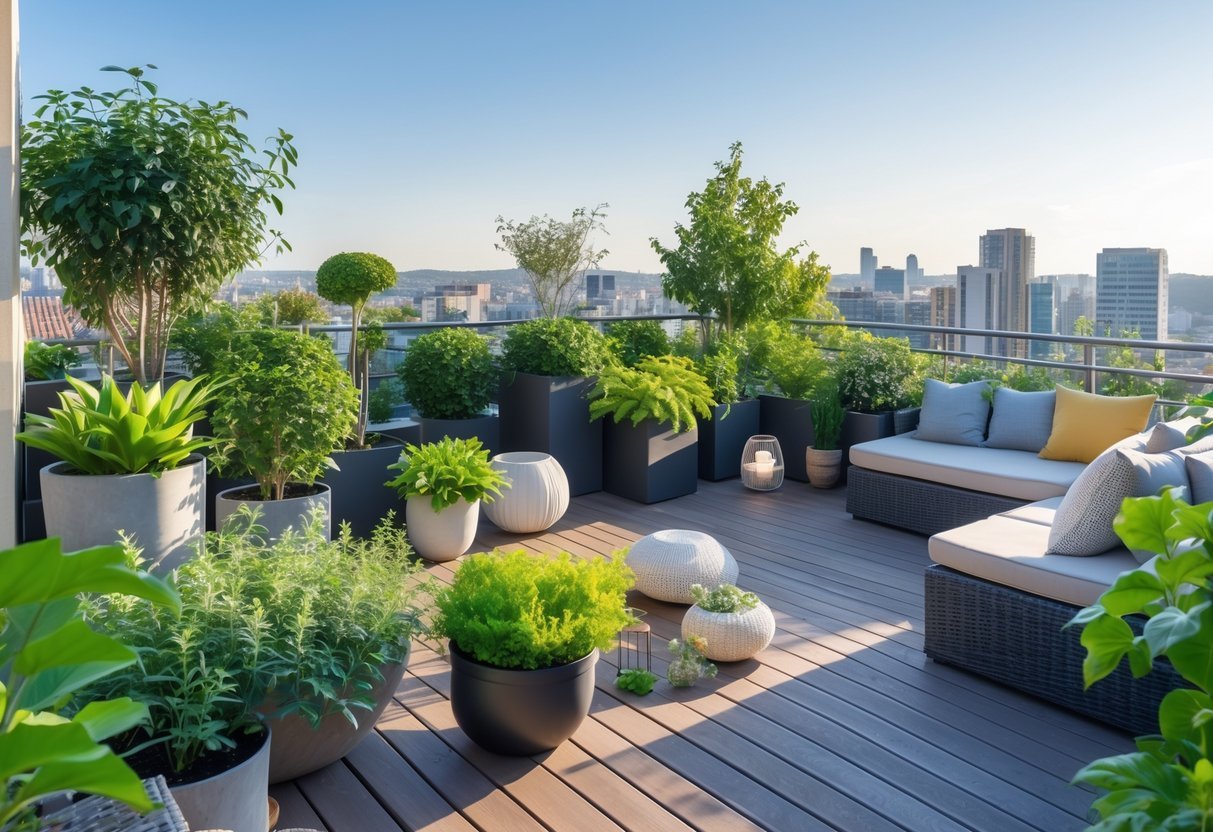
Designing a terrace garden involves balancing space, style, and function. Key considerations include using vertical space, choosing the right plants, and planning layouts that fit the area and the gardener’s lifestyle.
What are innovative design ideas for small terrace gardens?
Using vertical planters and wall-mounted pots helps save floor space. Incorporating multi-level shelves or hanging baskets adds layers without crowding the area.
Compact furniture and movable containers make the space flexible. Mixing herbs, flowers, and small vegetables can maximize variety in limited space.
How can one create a modern terrace garden?
Clean lines and minimalistic furniture define modern terrace design ideas. Using materials like metal, glass, and concrete creates a sleek look.
Incorporating smart irrigation systems and LED lighting enhances functionality and mood. Choosing plants with interesting shapes or textures adds a contemporary feel.
What are some effective strategies for designing a terrace garden on a budget?
Using recycled materials for containers and furniture cuts costs. Choosing native or low-maintenance plants reduces ongoing expenses.
Planning the garden in phases allows spreading out the investment. DIY projects like painting pots or building simple shelves save money.
How can terrace gardens be designed for low maintenance?
Selecting hardy, drought-resistant plants lowers watering needs. Using self-watering containers or drip irrigation decreases upkeep.
Mulching soil conserves moisture and prevents weeds. Grouping plants with similar care needs simplifies management.
Are there any creative ideas for incorporating a slope in garden terrace design?
Building stepped terraces stabilizes the slope and prevents erosion. Creating distinct flat planting areas makes gardening easier.
Using retaining walls with built-in seating or planters adds function and style. Planting ground covers on steep parts controls soil loss.
What are common pitfalls to avoid in terrace garden design?
Ignoring drainage can cause waterlogging and damage. Overcrowding plants reduces air flow and increases disease risk.
Choosing heavy pots without strong support can be unsafe. Failing to check building permissions or weight limits may lead to problems.