Succulent Rock Garden Design: Confident Guide to Low-Maintenance, Drought-Tolerant Landscaping
You can build a striking, low-water garden that keeps its shape with little fuss by choosing the right mix of succulents and stones. Use contrast between rock sizes and plant forms to create focus, then group plants by water needs so everything stays healthy.
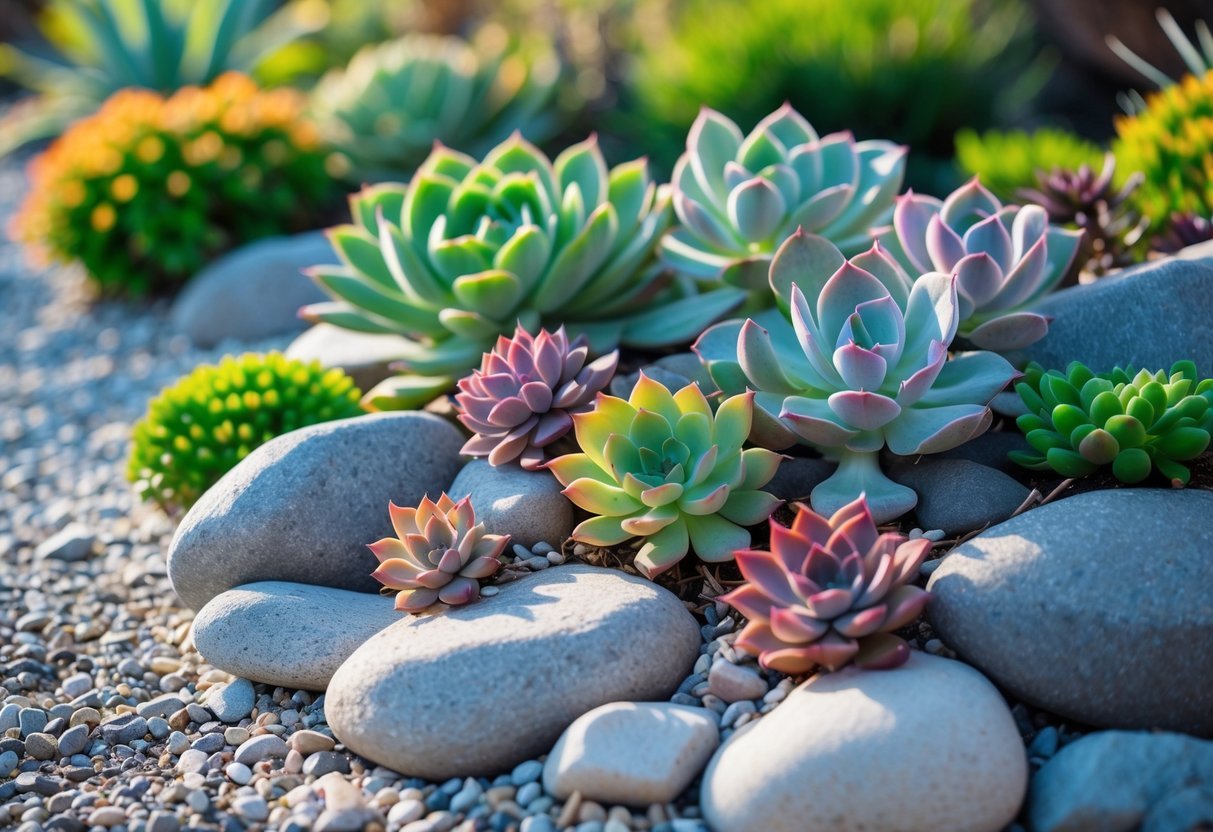
Start by picturing the overall shape and pick a few key rocks as anchors; arrange plants around them in clusters and leave breathing space so each succulent shows its best angle. A simple plan—good rock placement, drought-tolerant plant choices, and easy maintenance—gives you a long-lasting, attractive succulent rock garden.
Keep your tools and soil gritty, water sparingly, and check seasonal needs so the design stays tidy and vibrant year-round.
Key Takeaways
- Plan layout with rocks as focal points to guide plant placement.
- Choose succulents and soil that match for low-maintenance health.
- Use simple seasonal checks to keep the garden neat and thriving.
Principles of Succulent Rock Garden Design
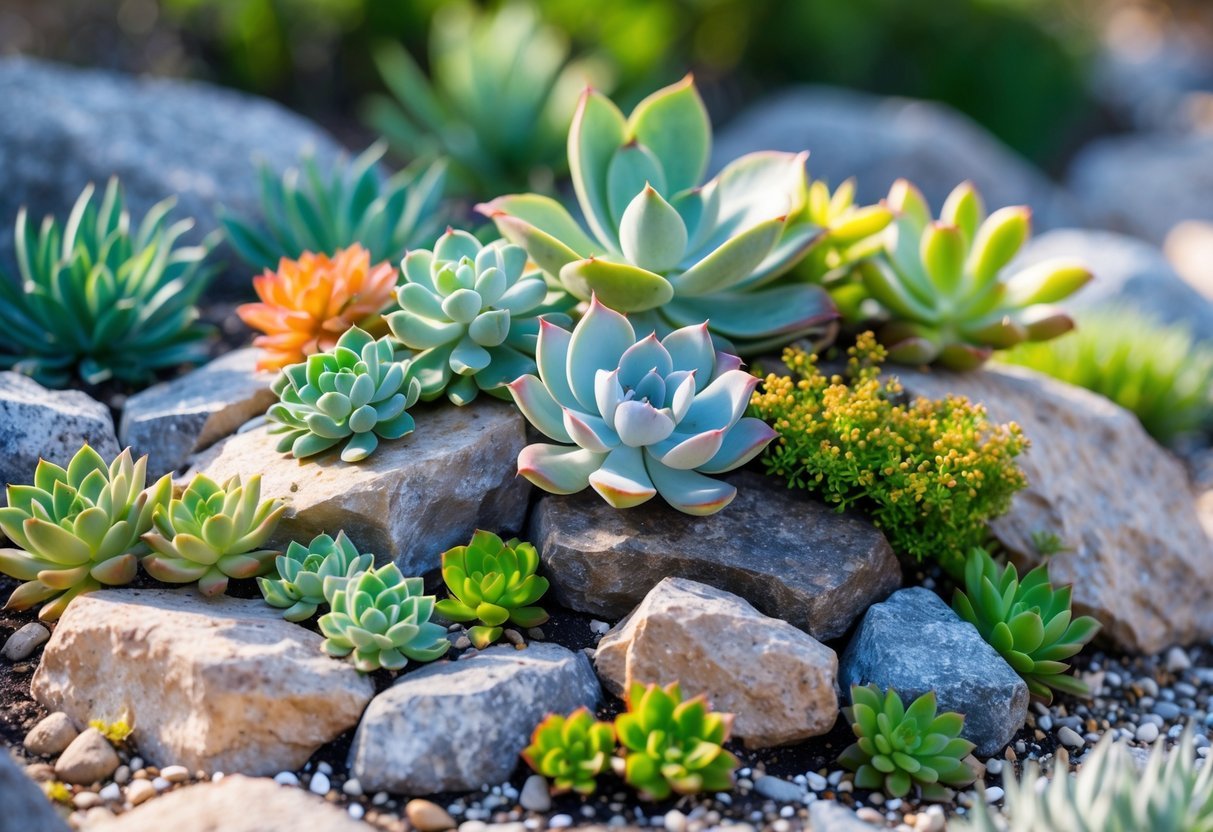
Balance drainage, light, and scale when you pick plants, rocks, and soil. Choose succulents that match your sun exposure, arrange rocks to shape flow and pockets for soil, and plan heights so every plant gets light and air.
Understanding Succulent Growth Habits
Know how each succulent grows before you plant it. Some, like echeveria, form low rosettes and spread slowly. Others, like agave or aloe, grow tall or send out pups. Match plant size to the space so tall species don’t shade low ones.
Pay attention to root depth and watering needs. Many succulents have shallow roots and need gritty, fast-draining soil. Avoid heavy amendments that retain water; use a mix of coarse sand, pumice, and potting soil for good drainage.
Note seasonal changes. Some succulents grow most in spring and fall, while others rest in summer. Group plants with similar sun and water needs to reduce stress. Label or map plants if you mix many species.
Key Elements of Rock Gardens
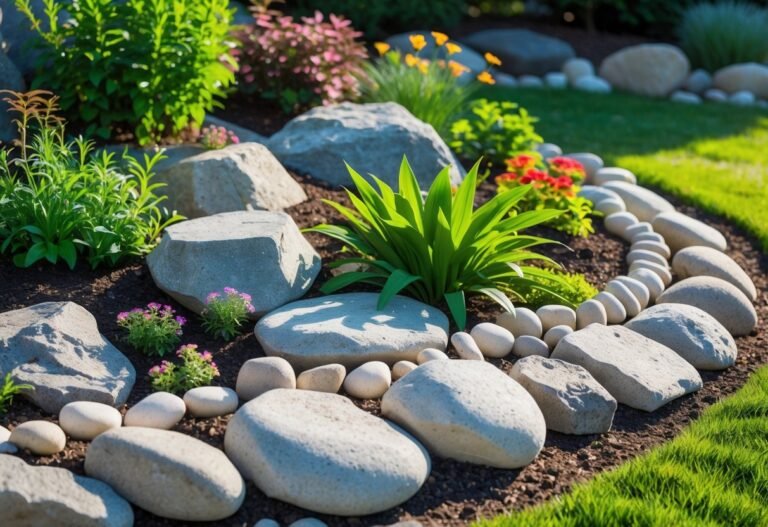
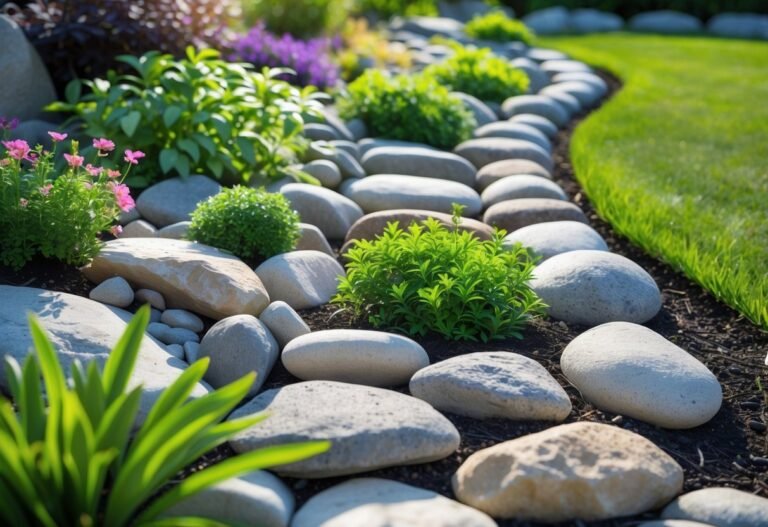
Rocks set structure and control water movement. Use larger boulders as focal points and smaller stones to define beds, terraces, and drainage paths. Place rocks so they look natural—partly buried and varied in angle.
Choose gravel and mulch for appearance and function. Coarse gravel around plants reduces weeds and keeps crowns dry. Avoid fine mulch that holds moisture next to stems.
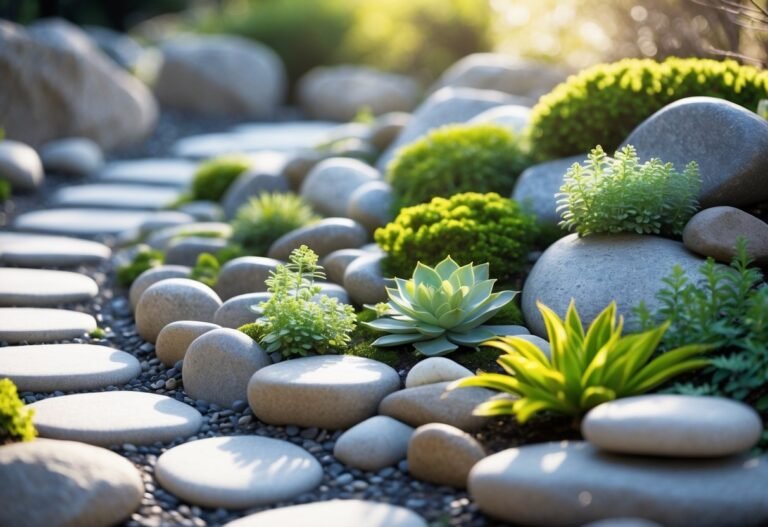
Think texture and contrast. Combine smooth river stones with rough lava rock. Pair spiky succulents with round stones, and use color contrast—dark rock with pale succulents—to highlight shapes. Leave breathing space around crowns to prevent rot.
Planning Garden Layouts
Start with a site map showing sun direction, slope, and existing trees. Mark areas that get full sun, part shade, and where water drains. This helps place drought-tolerant species on the sunniest slopes and shade-tolerant ones where they’ll avoid midday heat.
Design for layers and sightlines. Place taller specimens at the back or center for round beds, and low spreaders at the front. Use groupings of 3–5 plants of the same type for visual impact and easier care.
Create microhabitats with soil pockets and raised mounds. You can plant shallow-rooted sedums in thin soil zones and give deeper pockets to succulents that need more room. Plan irrigation lines or drip systems to target groups with similar needs.
Choosing Rocks and Succulent Plants
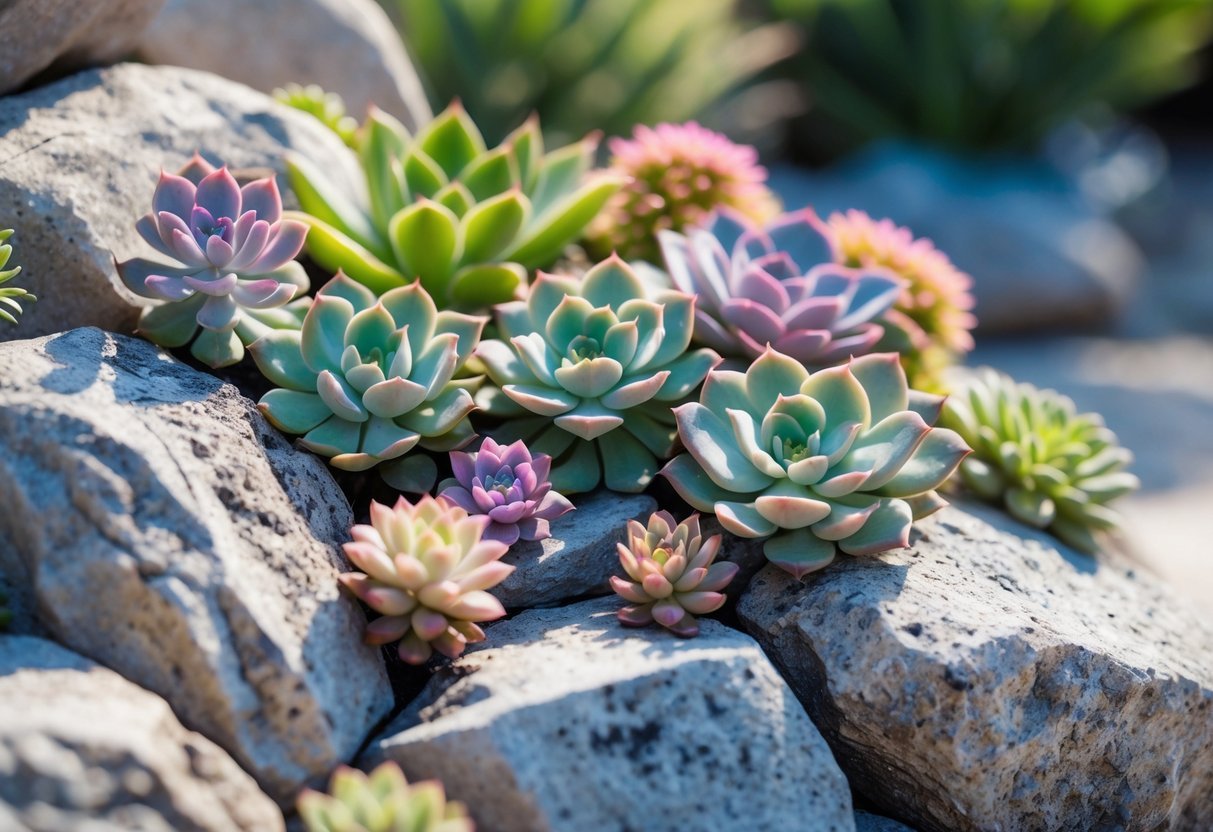
Pick rocks that drain well and stand up to weather. Choose succulents that match your sun exposure and water limits. Plan how color, size, and texture will work together before you plant.
Selecting Suitable Rock Types
Choose rocks that fit your climate and the look you want. Use larger boulders or flagstones as anchors; they create focal points and hold heat that helps cold-tender succulents. Use gravel or pea stone (3/8″–1/4″) around plants to improve drainage and reduce soil splash.
Consider rock color and porosity. Light-colored rocks reflect heat and keep roots cooler; dark rocks absorb heat and can help warmth-loving succulents. Porous rocks like tufa and lava offer extra drainage and places for roots to cling. Avoid flat, water-retaining stones in planting pockets.
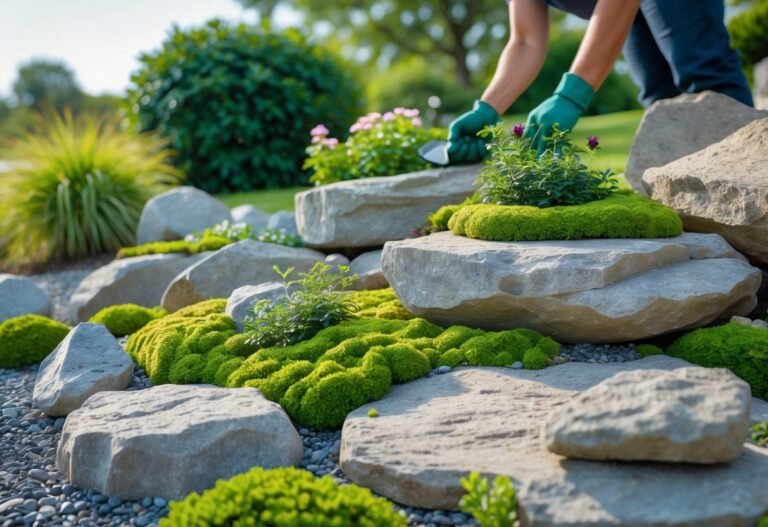
Place rocks to direct water away from crowns and toward drainage channels. Stack or tilt a few rocks to form micro-elevations and pockets where succulents can root. Test placement before planting so you can tweak sun exposure and runoff.
Best Succulent Varieties for Rock Gardens
Pick succulents that match your light and winter conditions. Use Sedum and Sempervivum for cold-tolerant spots; both handle frost and shallow soil. For warm, sunny sites, choose Agave, Aloe, and Echeveria—these need full sun and quick draining soil.
Mix low-spreading groundcovers with taller specimens. Use Sedum spurium and Sedum album as mats. Add Aloe vera or Agave americana for vertical interest and focal points. Include sempervivums in crevices where roots stay dry.
Match plant size to rock scale. Small rosettes fit narrow pockets; larger agaves need open space. Check mature widths and heights before planting to avoid crowding and to maintain airflow around crowns.
Combining Colors and Textures
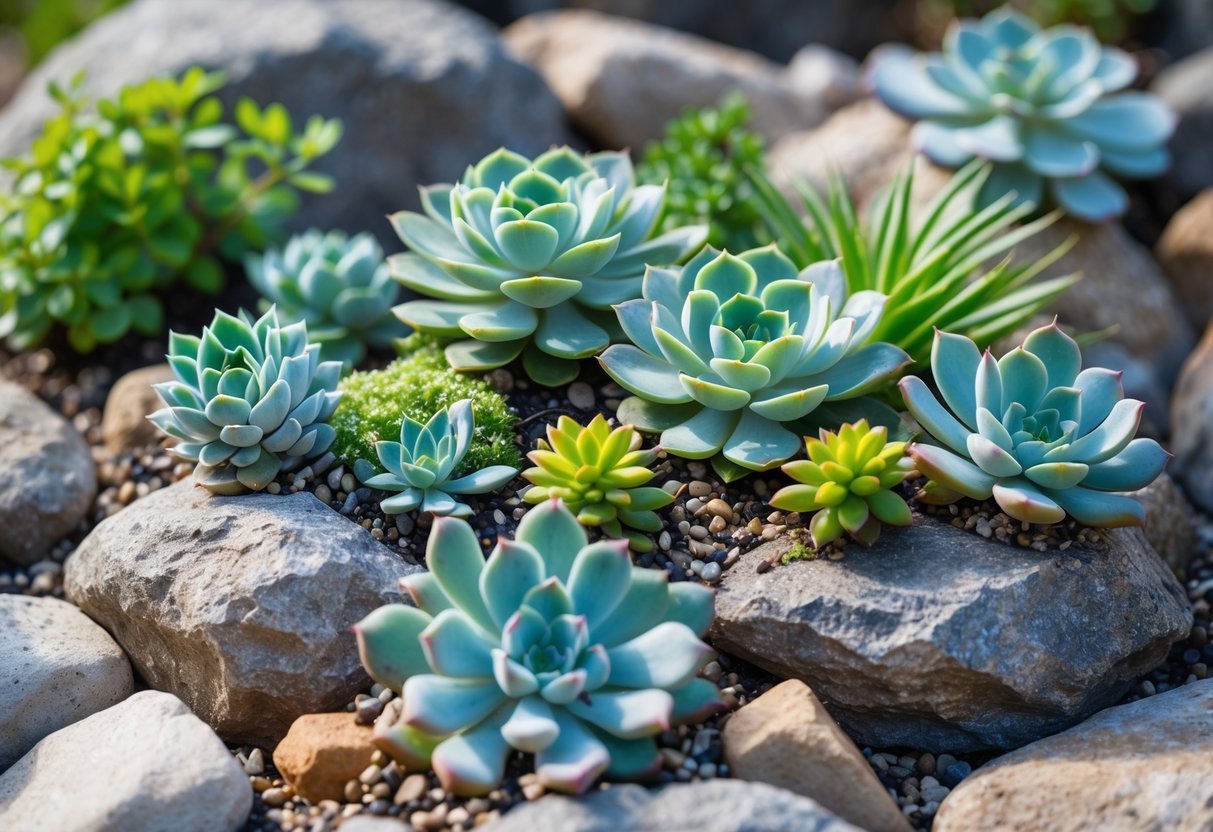
Create contrast by pairing smooth-leaf succulents with rough rocks. Echeveria and Pachyphytum provide soft rosettes against gritty gravel. Use textured rocks like lava or slate near coarse-leaf plants to highlight form.
Balance color temperature: pair blue-green Aloes with warm-toned rocks, or set purple Sedum against pale limestone. Repeat a color or texture three times across the bed to create visual rhythm.
Vary plant sizes and leaf shapes to avoid monotony. Place clusters of the same species in odd-numbered groups for a natural look. Leave breathing room between crowns to reduce rot and make shapes readable from a distance.
Planting and Arrangement Techniques
You will arrange succulents to look natural, drain well, and get the right sun. Focus on clumping similar species, using gritty soil, and placing rocks for slope and shade.
Creating Natural-Looking Groupings
Group plants by type, size, and water need to mimic nature. Put rosette-forming succulents like echeveria in small clusters of 3–5 so they read as a single unit. Use taller, upright plants such as agave or yucca as focal points and place them toward the back or center of the bed.
Scatter low-growing groundcovers, such as sedum, around rock edges and between larger clumps to soften hard lines. Repeat plant varieties and colors in at least three spots across the garden to create visual rhythm. Place a few empty pockets of gravel or bare rock to break up massing and make the layout feel less planted.
Proper Soil Preparation
Good soil starts with removing turf, weeds, and roots to a depth of 6–8 inches. Mix native soil with coarse sand, pumice, or perlite at roughly a 50:50 ratio for most outdoor rock gardens; heavier clay may need more grit.
Create raised mounds or berms for each planting zone when drainage is a concern. Add a 1–2 inch layer of pea gravel or decomposed granite on top to reduce splash and conserve moisture. Avoid rich compost blends—succulents prefer lean, fast-draining mixes.
Planting for Drainage and Sun Exposure
Place succulents on slopes or raised beds so water runs away from crowns. Plant crowns slightly above the surrounding soil surface to prevent sitting water at leaf bases. Use rocks to channel excess water away from sensitive species.
Match each plant to its light needs. Full-sun succulents should get 6+ hours; shade-tolerant types need filtered light. If part of the bed gets afternoon shade, move taller or sun-sensitive plants there. Check sun patterns across seasons before final placement.
Spacing and Layering Methods
Space succulents based on mature spread, not current size. For 6–12 inch mature rosettes, leave 8–12 inches between centers; for 2–3 foot plants, allow 18–36 inches. Tight spacing reduces weed growth but can increase rot risk if airflow is poor.
Layer by height: low groundcovers and mats in front, medium-height clumps in the middle, and tall spires or boulders as anchors. Use staggered groupings rather than straight lines to create depth. Add small gravel or mulch between plants to define spacing and improve drainage.
Maintenance and Seasonal Care
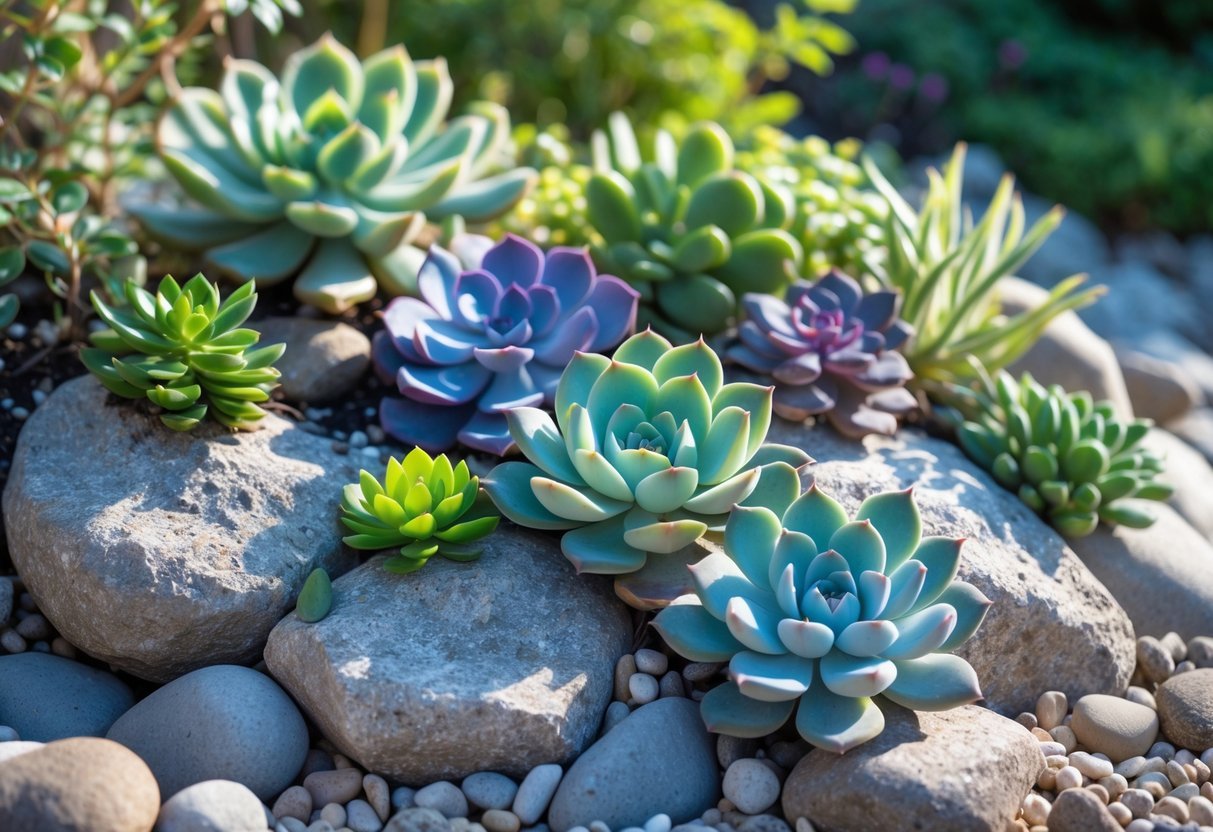
Keep soil fast-draining, check plants weekly, and adjust care by season. Focus on correct water timing, clean rock beds, and frost protection to keep succulents healthy.
Watering and Fertilizing Strategies
Water only when the soil is dry 1–2 inches down. In spring and summer, soak thoroughly then let the soil dry; this promotes deep roots. In fall and winter, cut back to one light watering every 3–6 weeks depending on rain and temperature.
Use a well-draining mix and avoid water pooling around crowns. Apply water directly to the soil, not over leaves, to prevent rot and fungal issues.
Fertilize lightly during active growth (spring and early summer). Use a balanced, diluted fertilizer (quarter to half strength) once a month. Skip fertilizing in dormancy. Slow-release granular fertilizer at planting time can reduce the need for frequent feeding.
Controlling Weeds and Pests
Remove weeds by hand when small to stop root competition. Pull weeds after watering when the soil is loose, or use a shallow hoe to avoid damaging roots. Keep gravel and rock layers tidy to block weed seeds.
Watch for mealybugs, aphids, and scale. Inspect new plants and shaded crevices regularly. For light infestations, wipe pests off with rubbing alcohol on a cotton swab. For larger outbreaks, use insecticidal soap or a neem oil spray, following label directions.
Avoid broad-spectrum pesticides that kill beneficial insects. Keep good air flow and avoid overwatering to reduce pest and fungal problems.
Winter Protection for Succulent Rock Gardens
Move potted succulents to a sheltered, frost-free spot when night lows drop below 28°F (-2°C). For in-ground plants, add 2–3 inches of coarse mulch like gravel around roots to stabilize soil temperature without trapping moisture against stems.
Cover vulnerable groups with breathable frost cloth when hard freezes are forecast. Avoid plastic sheeting that traps moisture and raises rot risk. Remove covers during the day if temperatures climb above freezing to reduce humidity.
If you expect prolonged freezes, consider temporary cold frames or moving smaller specimens indoors. Reduce watering before cold snaps so plants enter winter slightly dry, which lowers freeze-damage risk.
Frequently Asked Questions
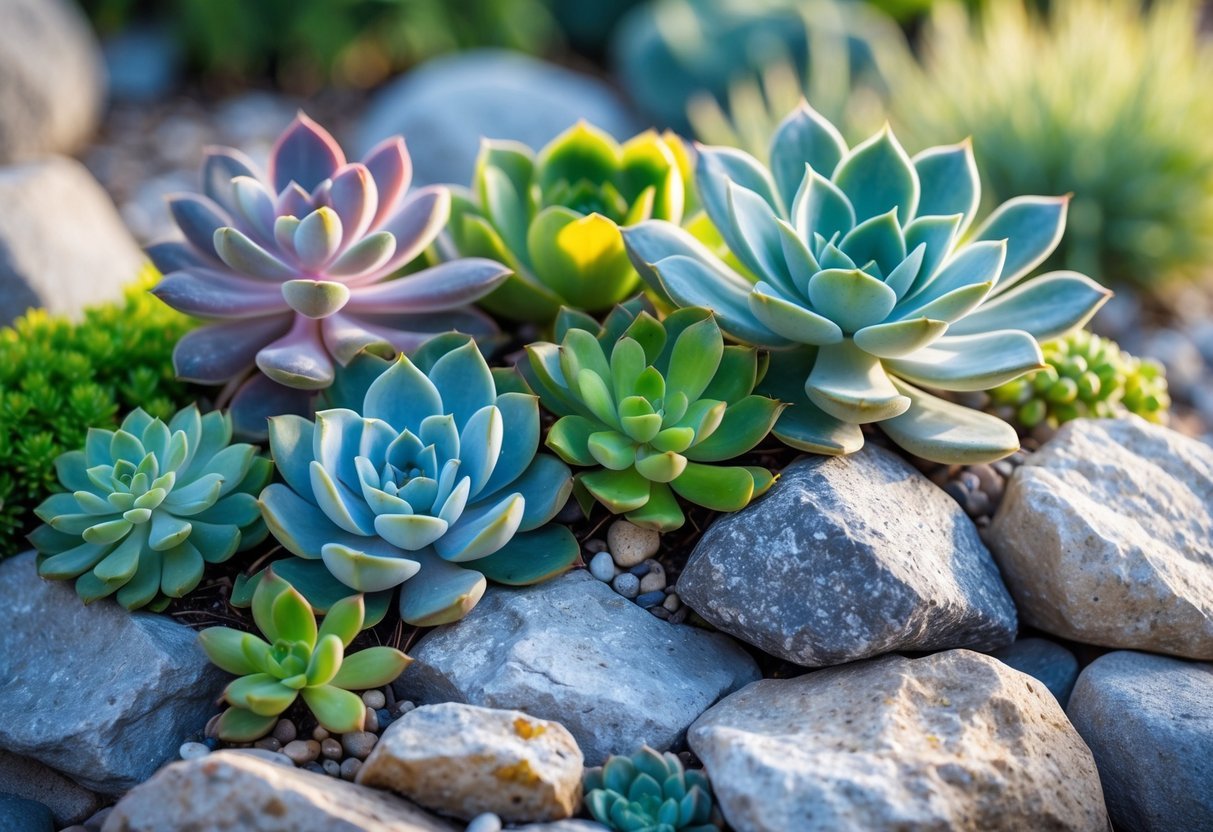
Find plant picks, soil and drainage tips, layout ideas for tight spaces, and simple modern design rules to help you plan and build a lasting succulent rock garden.
What are the best succulents to include in a rock garden?
Choose hardy, drought-tolerant types that handle sun and heat. Agave, aloe, echeveria, sempervivum (hens and chicks), sedum, and crassula work well outdoors in many climates.
Mix sizes and shapes for visual interest. Use low groundcovers like sedum to fill gaps and taller agaves or aloes as focal points.
Pick varieties suited to your hardiness zone. Cold-hardy sempervivum and some sedums survive frost, while many echeveria need protection in winter.
How can I create a low-maintenance succulent rock garden?
Start with a sunny site and fast-draining soil mix. Combine garden soil with coarse sand and grit or use a commercial cactus mix.
Place larger rocks to shape drainage and shelter plants. Group succulents by water needs and space them so air circulates.
Water deeply but infrequently, then let soil dry completely. Remove debris and trim dead leaves once or twice a year.
What considerations should I make when designing a succulent rock garden for a small space?
Use vertical height and layered rocks to add depth in a compact area. Plant upright species and small rosettes to save room.
Limit the palette to three to five plant types for a tidy look. Use gravel or small stones as mulch to keep the area neat and reduce weeds.
Consider containers or raised beds if your soil drains poorly. They let you control soil mix and move plants if needed.
What design principles should I follow for a modern succulent landscape?
Aim for clean lines, balanced repetition, and a restrained color palette. Use a few sculptural plants as focal points and repeat textures to unify the space.
Choose neutral hardscape materials like gray slate, black lava rock, or pale river stones. Contrast them with plant shapes—round rosettes against upright spikes works well.
Leave breathing space around each plant. Minimal clutter and clear sightlines make the design read as modern.
Can you suggest some simple succulent rock garden layouts?
Use a central focal point layout: place one large agave or aloe in the center and surround it with smaller rosettes and gravel. This reads well from all angles.
Try a cascading slope: stack stones down a gentle bank and plant trailing sedum and sempervivum in the crevices. Water runs off and drainage improves.
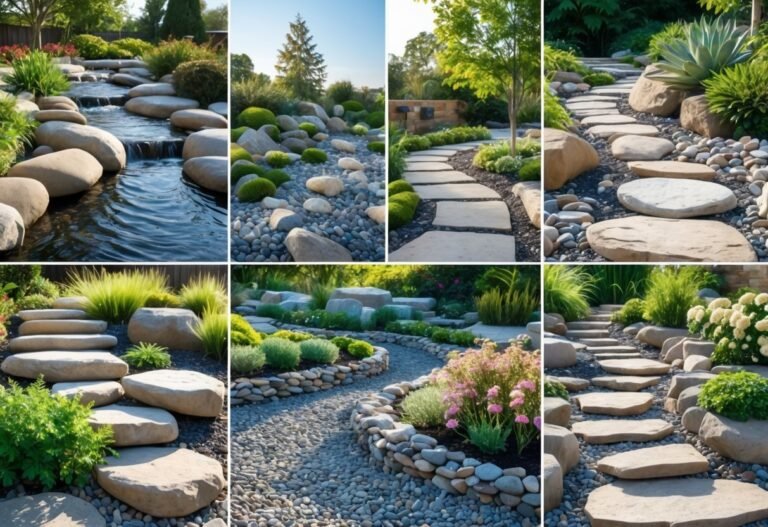
Create a linear strip along a path: alternate medium-sized stones and clumps of succulents to frame walkways. This adds rhythm and guides the eye.
How do I ensure proper soil drainage for my succulents in a rock garden?
Work coarse sand, poultry grit, or small gravel into the top 6–12 inches of soil to speed drainage. Aim for a mix that doesn’t stay damp after watering.
Build raised beds or mounds if your native soil is clay. Elevation lets water run off and prevents root rot.
Add a layer of larger rocks beneath planting holes for stubborn wet spots. Test drainage by watering and checking that water moves through within an hour or two.