7 Small Terrace Garden Ideas for Maximizing Space and Style
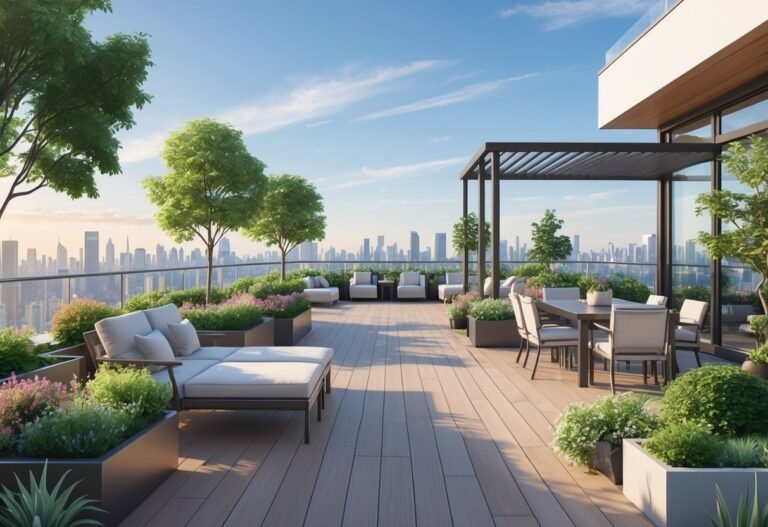
You can turn a tiny terrace into a calming, useful outdoor spot that fits your lifestyle. This article shows seven smart small-terrace garden ideas that help you add plants, seating, lighting, and easy maintenance without crowding your space.

Explore ways to use vertical planters, drought-tolerant plants, ambient lighting, foldable furniture, trimmed hedges, container herbs, and mixed plantings so your terrace feels larger and more inviting. You’ll also find tips on layout, upkeep, and common questions to help you get started quickly.
1) Vertical gardening with wall-mounted planters
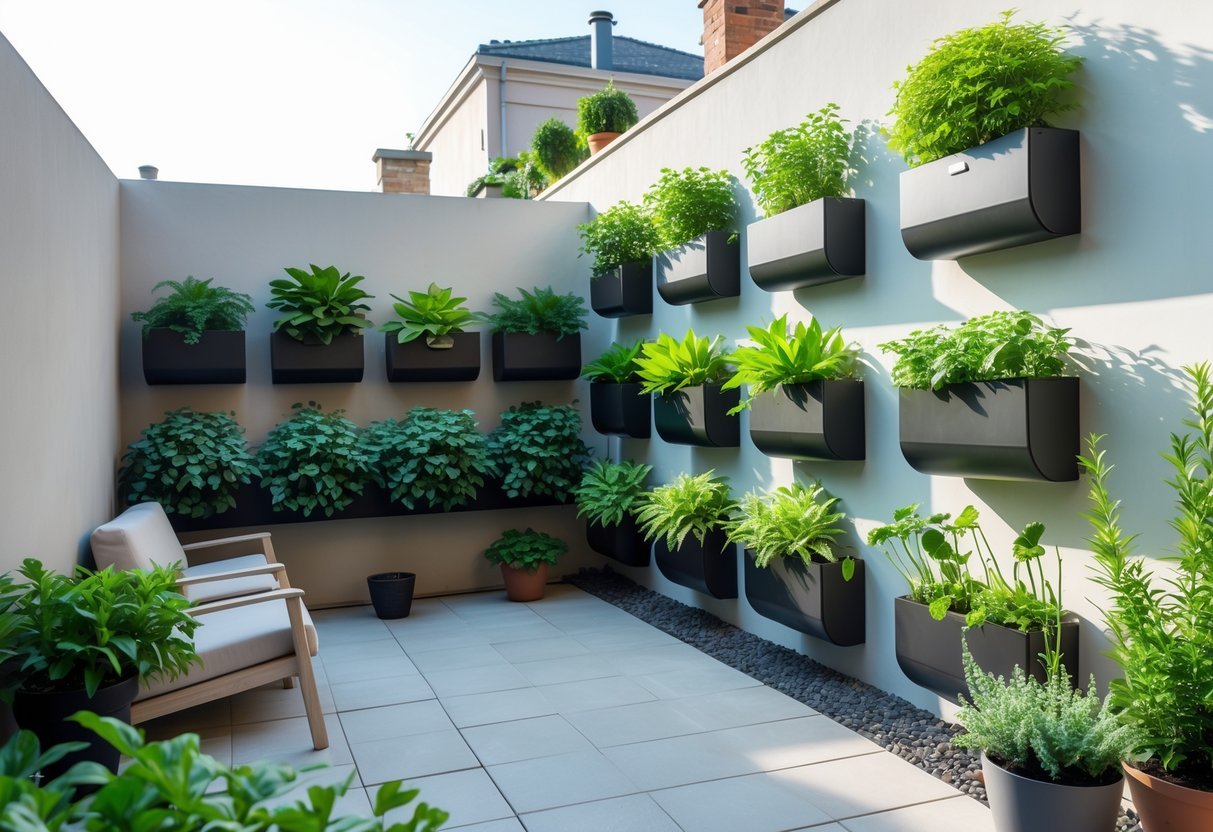
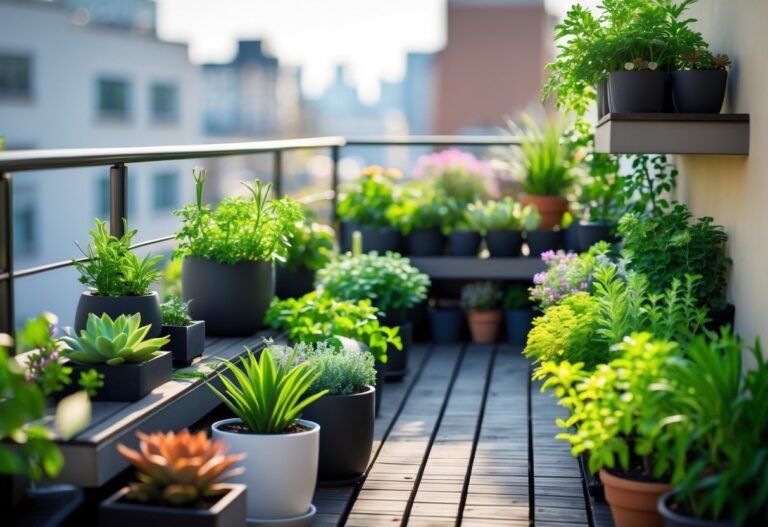
You can turn a bare wall into a productive garden without using floor space. Wall-mounted planters fit herbs, small vegetables, and trailing plants, letting you grow more in a tight terrace.
Choose sturdy, weatherproof materials and pick a sunny spot that gets several hours of light. Use good potting mix and plan for drainage so plants stay healthy.
Attach planters securely and space them for airflow and access. Water regularly and rotate pots if light is uneven to keep your plants growing well.
2) Drought-resistant succulents and cacti
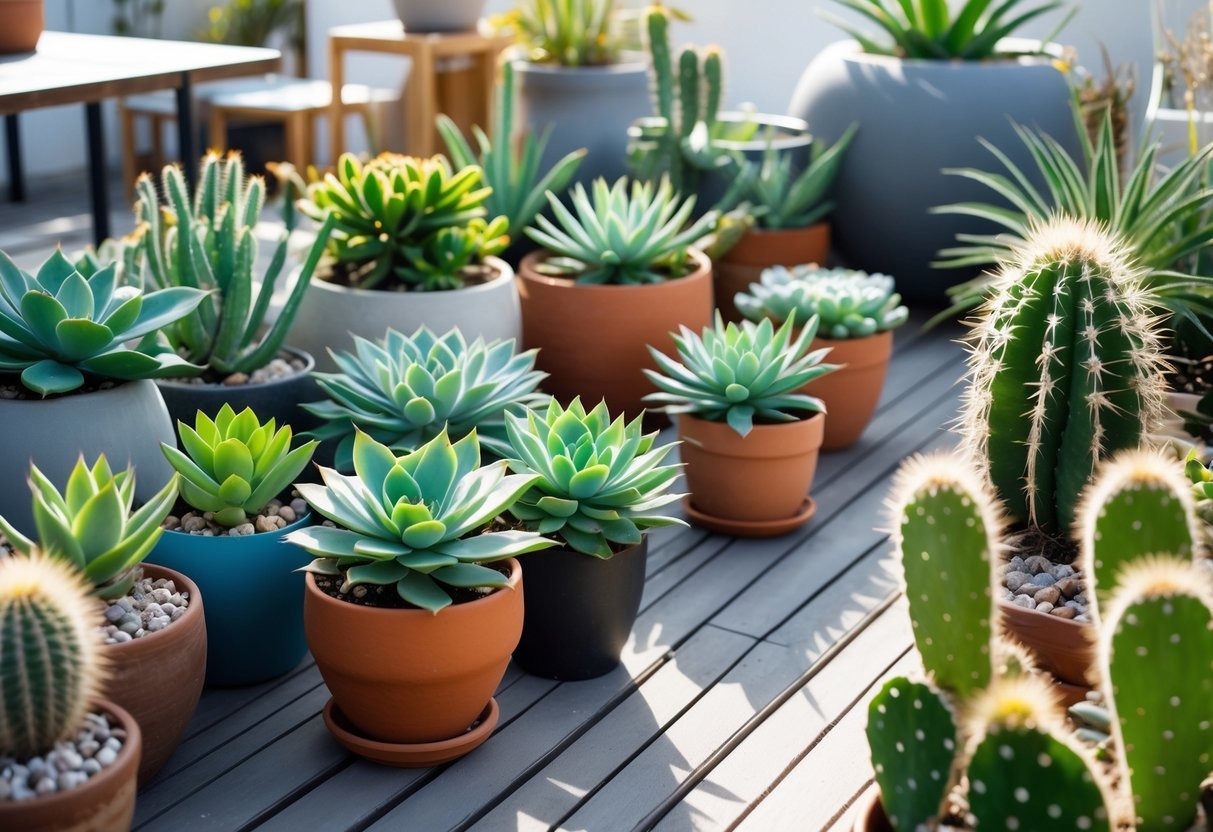
You can fit many drought-tolerant succulents and small cacti on a terrace without heavy upkeep.
Choose varieties like echeveria, sedum, aloe, and small columnar cacti for compact growth and low water needs.
Use a fast-draining mix and terracotta pots to avoid root rot.
Place plants in bright light and water only when soil is dry to the touch.
These plants tolerate heat and short dry spells, but they still need occasional feeding and pest checks.
3) Ambient string lighting for evening use
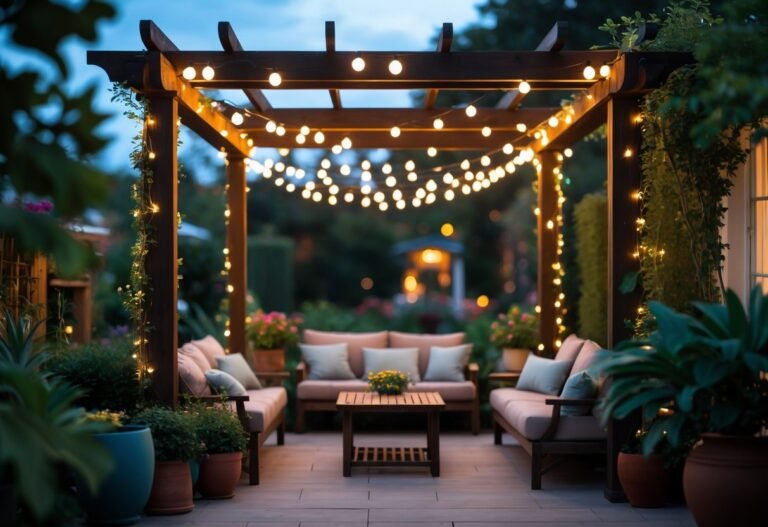
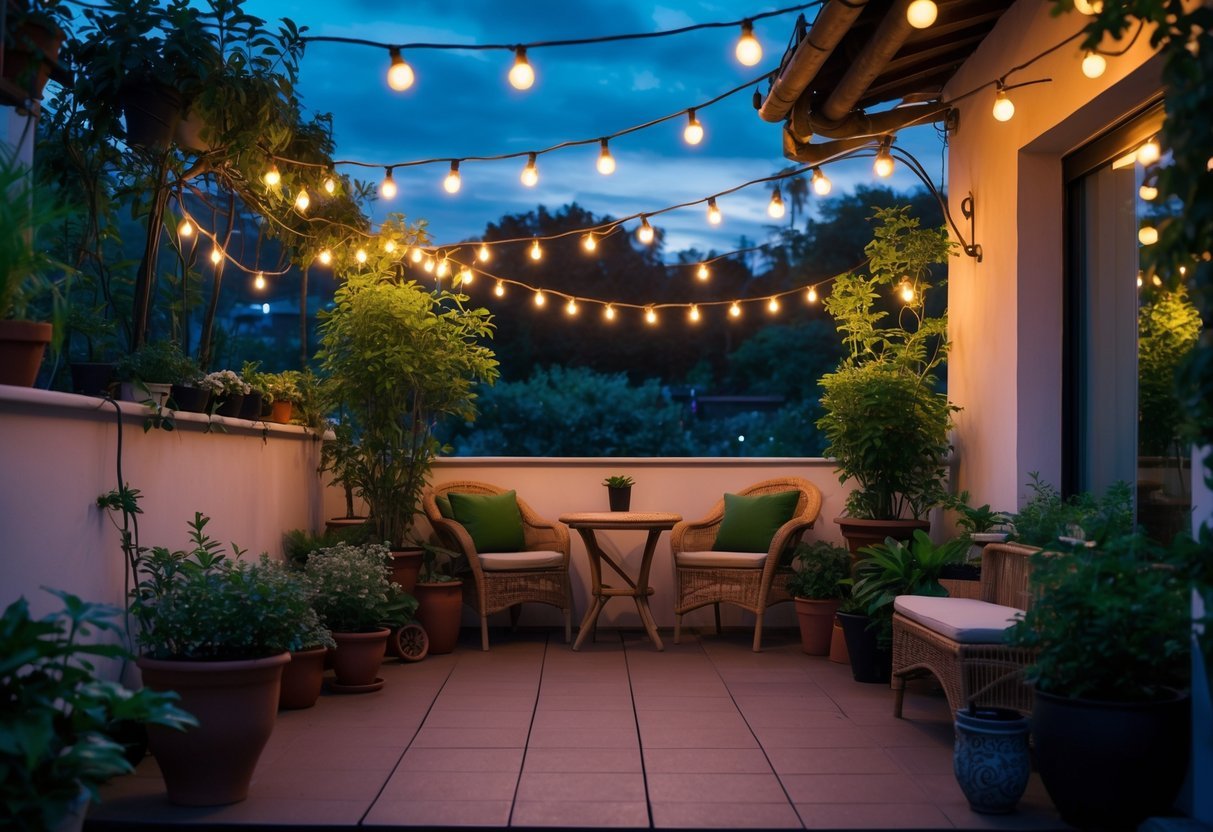
Add string lights to create soft, even light across your terrace. They help you use the space after dark without harsh glare.
Drape lights overhead, along railings, or around pergolas for a cozy feel. Mix warm-white bulbs and low-voltage options to save energy and keep the mood calm.
Anchor lights securely and use weatherproof fixtures. Aim for layered light by combining strings with a few lanterns or spotlights on plants.
4) Multi-functional foldable seating
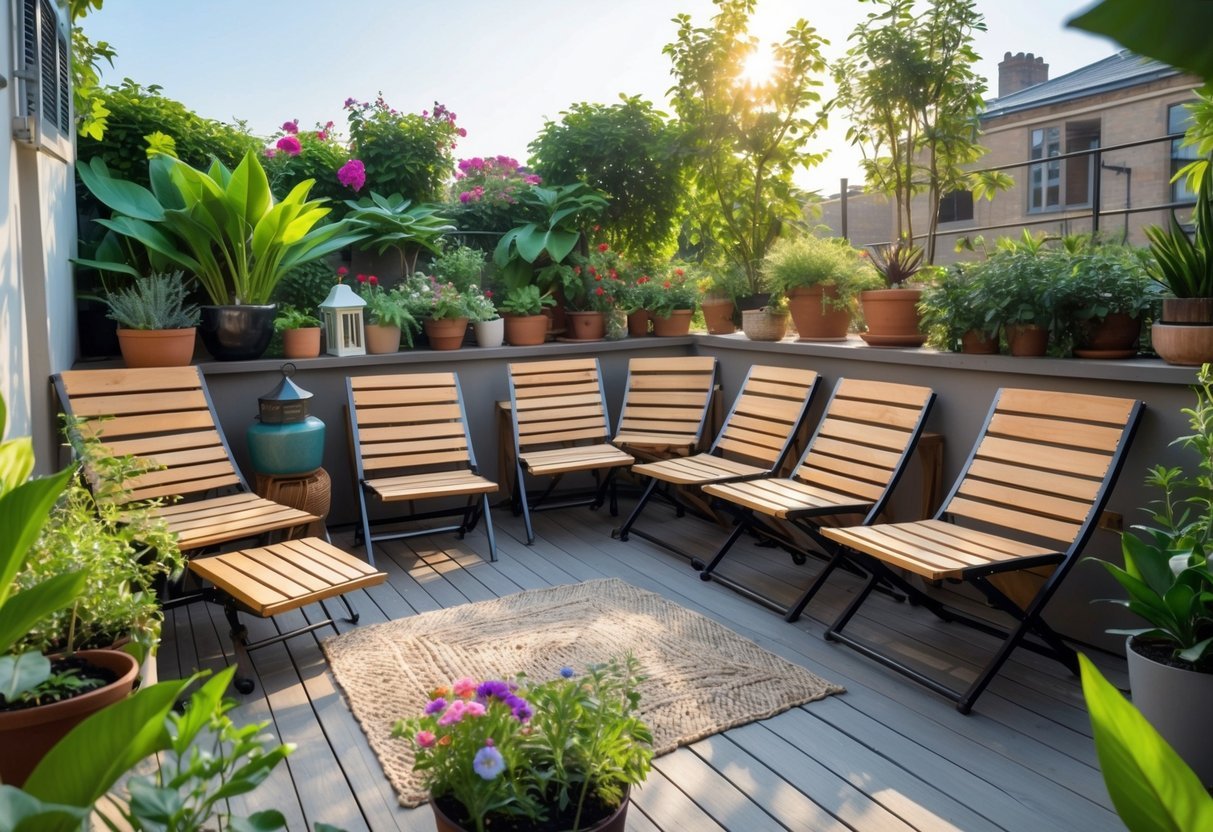
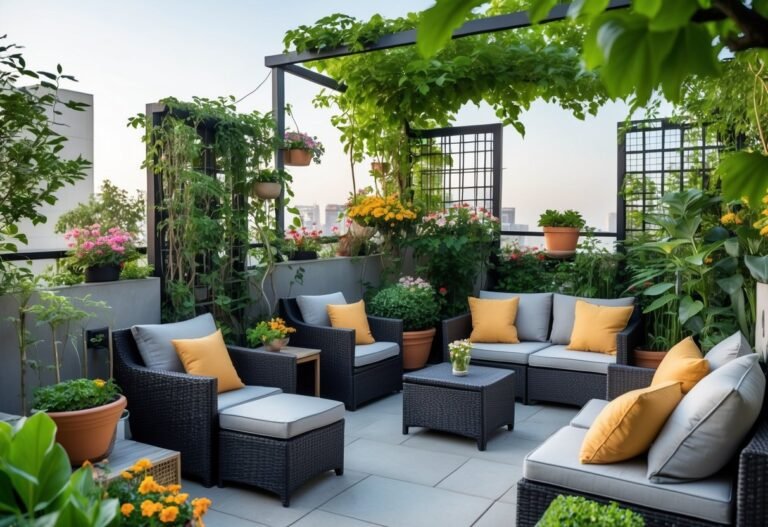
Choose foldable chairs and benches that tuck away when you need space. They give you seating for guests and store flat against a wall or under a shelf.
Look for pieces with built-in storage or table tops so each item serves two jobs. This saves room and keeps your terrace tidy.
Pick weather-resistant materials like treated wood, teak, or powder-coated metal for durability. Test the fold mechanism before buying to ensure smooth, safe use.
5) Neatly trimmed hedge plants for greenery
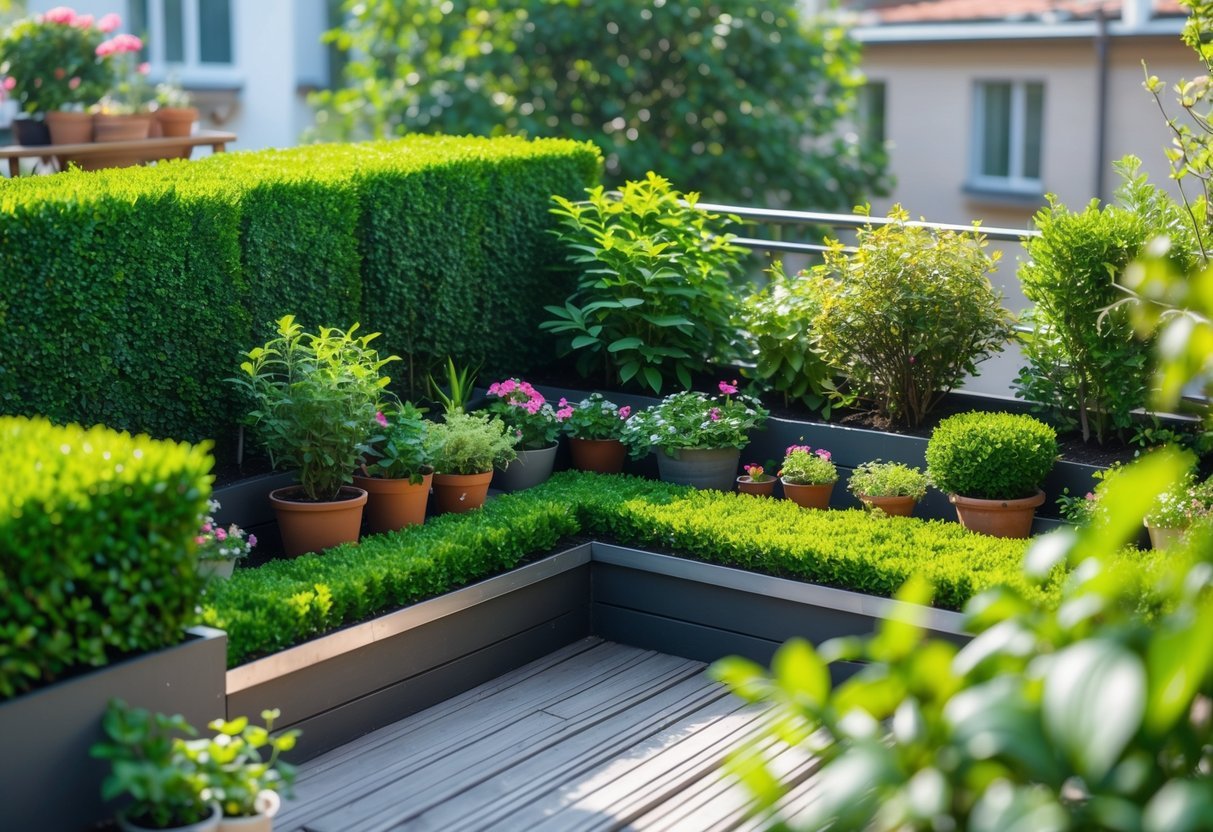
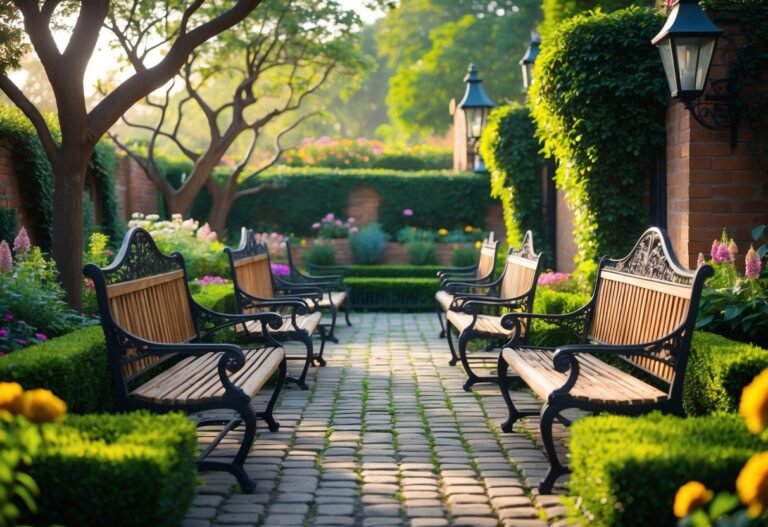
Choose compact hedging like boxwood or dwarf shrubs to give your terrace a tidy, structured look. They stay small, respond well to shaping, and fit narrow spaces.
Plant them in a straight line or staggered groups for privacy and a green backdrop. With regular light pruning you keep clean edges without heavy work.
6) Container herb gardens for fresh cooking
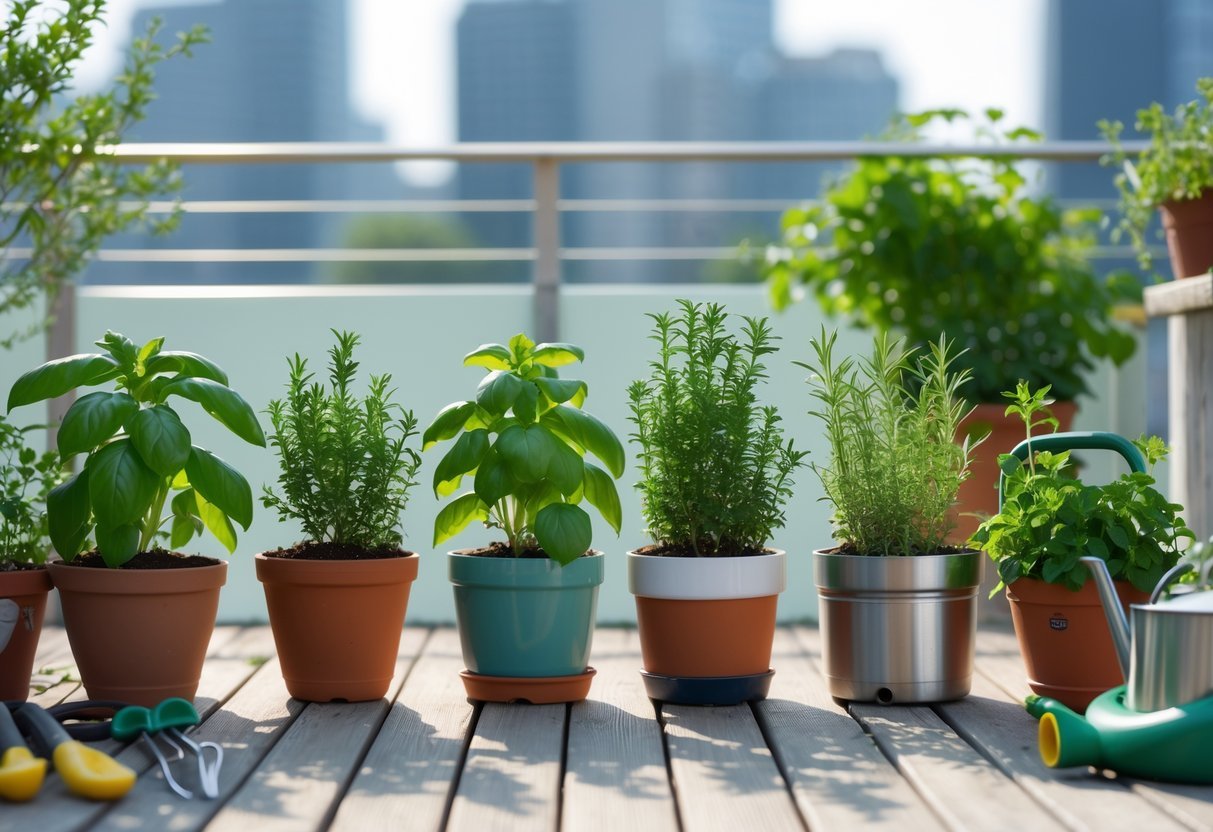
You can grow basil, mint, rosemary, and parsley in pots on your terrace. Choose containers with drainage and use good potting mix so roots stay healthy.
Place herbs where they get 4–6 hours of sun, or use a grow light if sunlight is limited. Water when the top inch of soil is dry and harvest leaves regularly to keep plants productive.
7) Mix of ornamental grasses and flowering plants
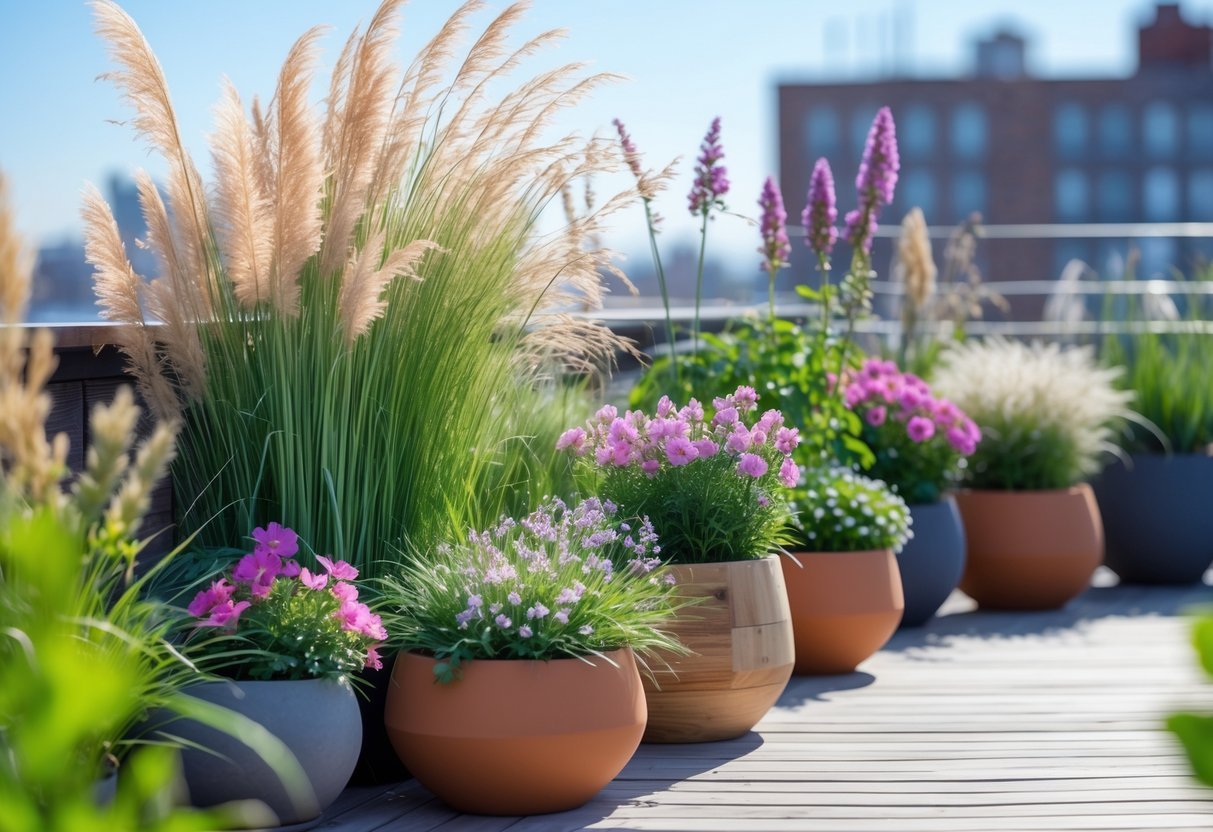
You can add texture and movement by planting ornamental grasses with bright flowering perennials. Grasses like fountain grass or blue fescue sway in the breeze and soften the edges of pots.
Choose flowers that contrast in color and height, such as compact lavender or black-eyed Susans. This mix stays interesting through seasons and works well in sunny terrace spots.
Maximizing Small Terrace Garden Spaces
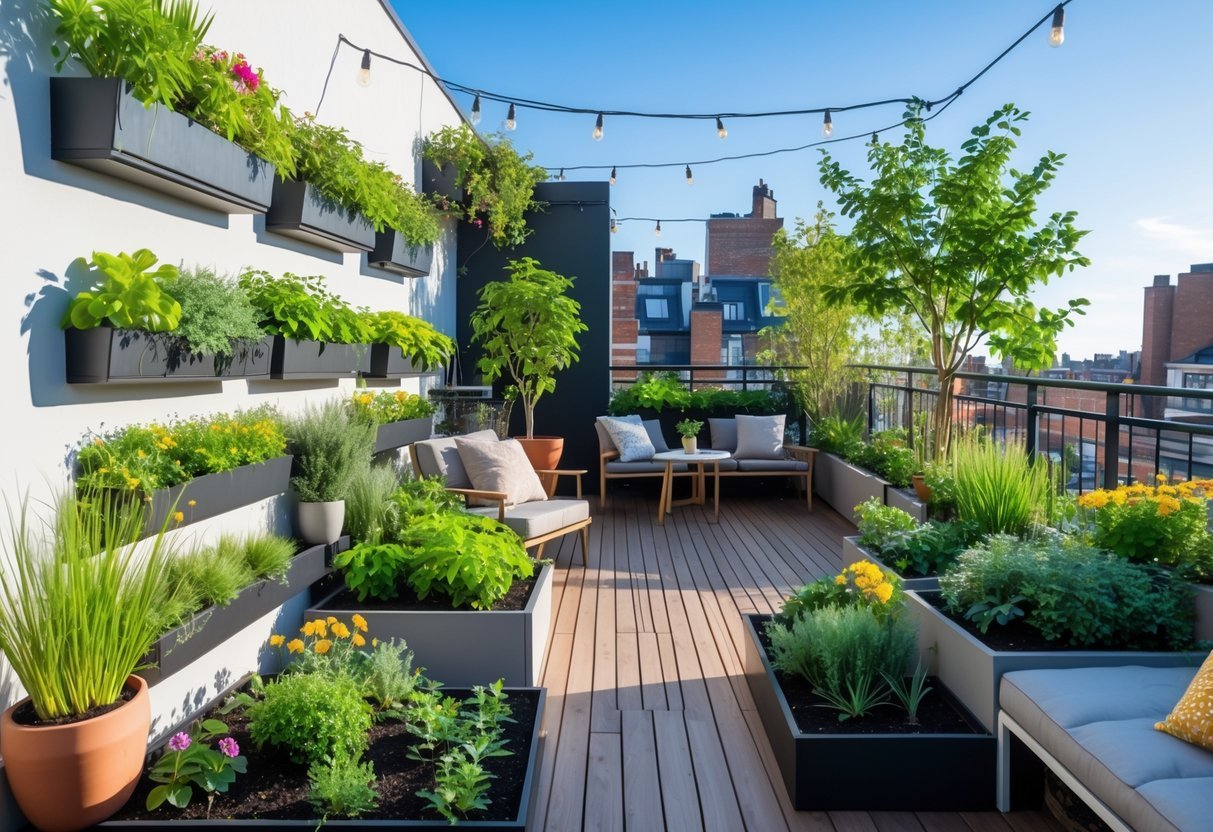
You can make the most of a small terrace by using vertical surfaces, choosing the right pots, and placing furniture to free up floor space. Focus on methods that add planting area, improve access, and keep the terrace tidy.
Vertical Gardening Techniques
Use wall-mounted planters, trellises, and stacked shelves to turn unused vertical space into growing area. Attach modular planter panels or pocket planters to a sunny wall to grow herbs and trailing flowers without cluttering the floor.
Choose living walls or trellises for vines like jasmine or clematis. These create green screens and add privacy. For herbs and lettuces, install narrow, tiered shelves that let you reach plants easily for watering and harvest.
Anchor everything securely. Use corrosion-resistant brackets and fastenings rated for the weight of wet soil and plants. Consider irrigation: a simple drip line with a pressure regulator saves time and prevents overwatering on high shelves.
Container Selection Tips
Pick containers by plant needs and available space. Shallow, wide saucers work for succulents; deep, narrow pots fit tomatoes or dwarf fruit trees. Match container size to root depth to avoid frequent repotting.
Material matters: terracotta breathes but dries faster; plastic retains moisture and is lighter. Use lightweight composite or fabric grow bags for easy moving. Add drainage holes and a layer of coarse grit or broken pot shards for steady drainage.
Group pots by watering schedule and sunlight needs. Label each container with plant name and water frequency. Use saucers or trays to protect flooring and choose stackable or nesting pots for off-season storage.
Smart Furniture Placement
Pick foldable or multi-use furniture to free floor space when you need it. A fold-down table attached to a railing gives you a dining spot that disappears when not in use. Choose stools that stack or double as planters.
Place seating against the longest wall to open walking paths. Keep a 60–75 cm (24–30 inch) clear aisle for safe movement. Use narrow benches with built-in storage to hold soil, tools, and cushions out of sight.
Anchor heavy pieces to prevent tipping in wind. Use outdoor rugs to define zones and small side tables to hold drinks so you avoid cluttering planting areas.
Practical Maintenance for Terrace Gardens
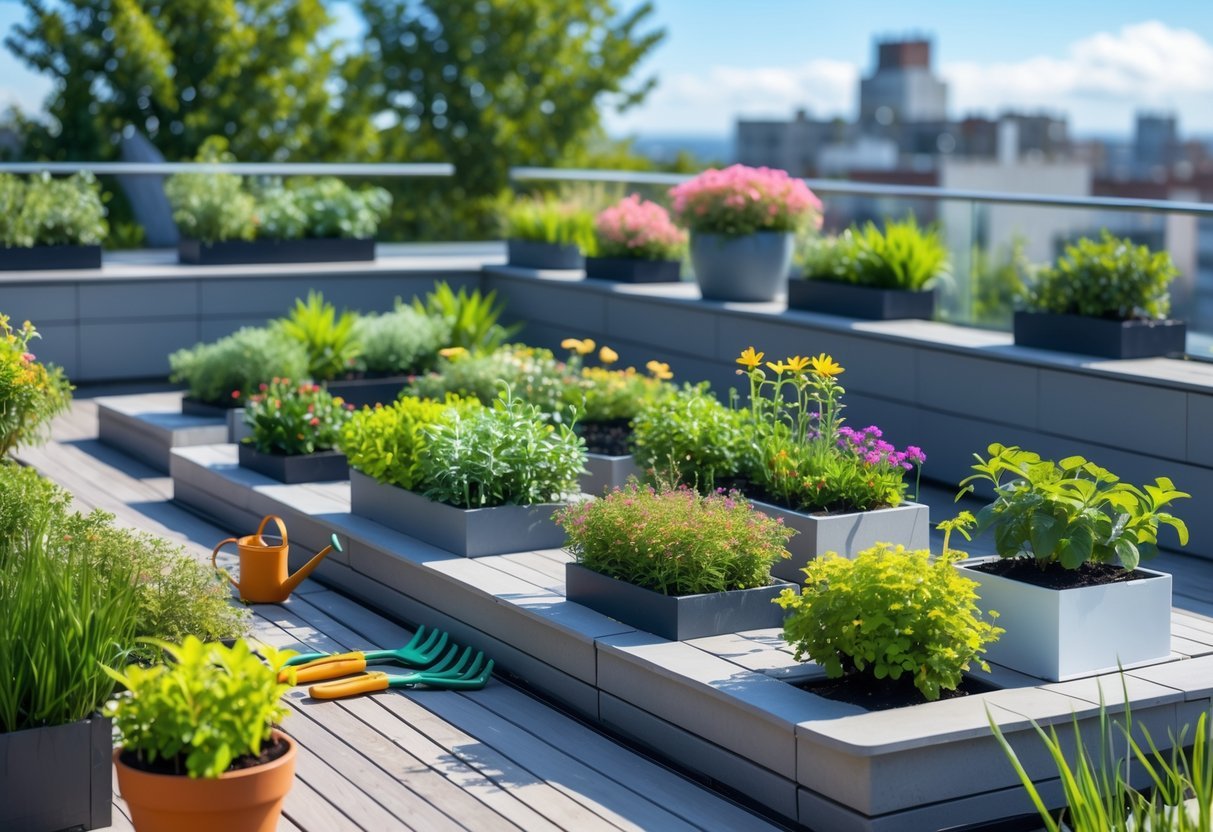
Keep drainage clear, check plants weekly for pests or disease, and water based on container size and plant needs. Use light, frequent feeding during the growing season and adjust care when weather changes.
Watering Strategies for Limited Space
Containers dry faster than ground soil, so water schedules must match pot size and plant type. Use a moisture meter or stick your finger 2–3 inches into the pot; water when the topsoil feels dry but the lower soil stays slightly moist. For large containers, water deeply until excess drains; for small pots, water more often but with smaller amounts to avoid runoff.
Use these practical tools:
- Self-watering pots or wicking systems to cut back watering frequency.
- Drip lines or soaker hoses for grouped containers to save time.
- Mulch (2–3 cm) on top of pots to slow evaporation.
Water in the early morning to reduce heat stress and fungal risk. If wind or sun is strong, check midday moisture. Always empty saucers after watering to prevent root rot.
Seasonal Care and Fertilization
Match feeding to plant growth and season. From early spring through summer, use a balanced liquid fertilizer (e.g., 10-10-10) every 2–3 weeks for vegetables and flowering plants. For leafy herbs and greens, use a higher-nitrogen feed every 3 weeks. Cut back to once a month in late summer and stop or sharply reduce fertilizing in dormant winter.
Adjust other tasks by season:
- Spring: Refresh top 5 cm of potting mix, repot crowded plants, and inspect for overwintering pests.
- Summer: Increase watering, pinch back leggy growth, and stake tall plants.
- Autumn: Clean dead leaves, reduce fertilizer, and move frost-tender plants indoors.
- Winter: Keep soil just moist; use slow-release pellets if plants stay active indoors.
Record feeding and repotting dates so you know what worked for each container next season.
Frequently Asked Questions
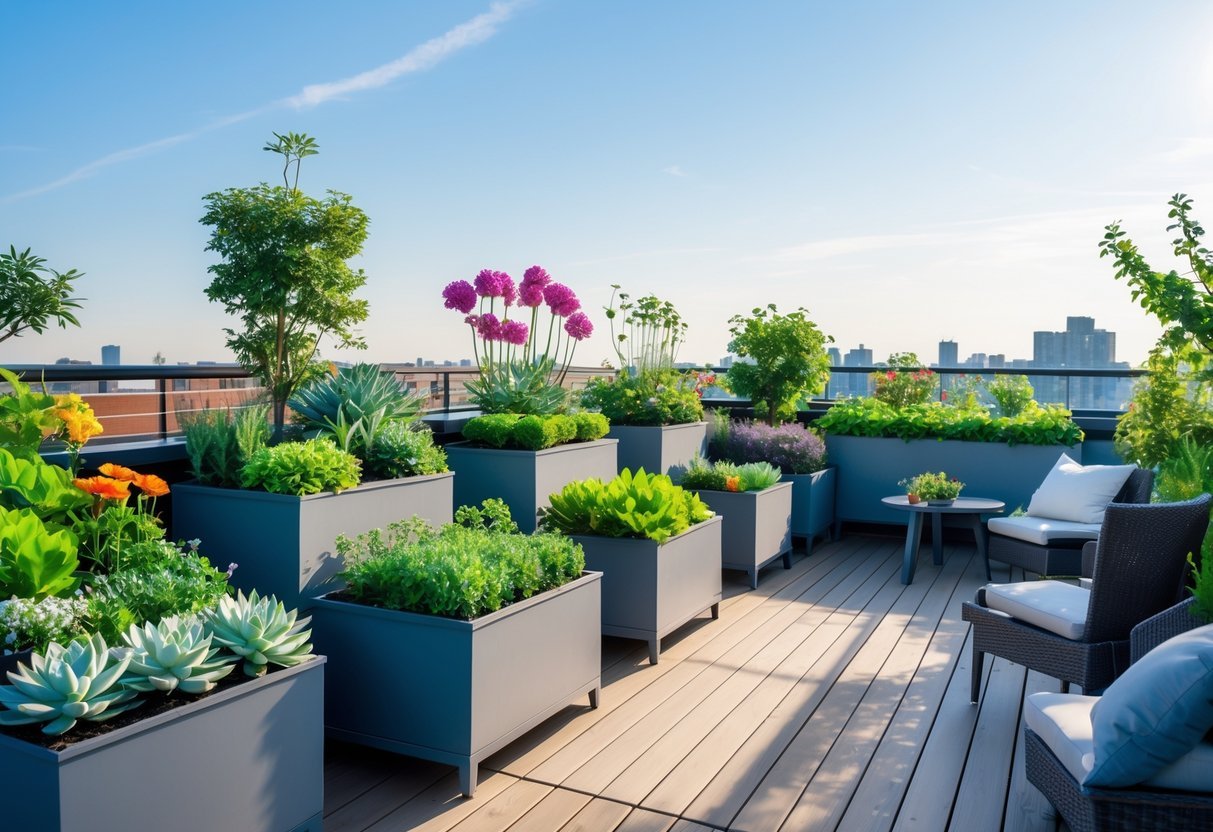
This section gives clear, practical answers on saving money, cutting maintenance, finding design images, making terraces on slopes, planning layouts, and weighing pros and cons. Expect step-by-step tips, specific plant and fixture suggestions, and quick comparisons to help you decide.
How can I develop a small terrace garden on a budget?
Start with low-cost containers: recycled buckets, wooden crates, and inexpensive plastic pots work well. Use budget potting mix and top with a thin layer of mulch to retain moisture.
Choose plants that give big impact for little cost, such as drought-resistant succulents, herbs from cuttings, and nursery plug plants. Build vertical interest with DIY wall-mounted planters made from pallets or hanging shoe organizers.
Buy lights and seating secondhand or use low-cost string lighting and foldable seating you can fold away. Propagate plants from friends or swap cuttings to avoid buying many mature specimens.
What are some low-maintenance design ideas for small terrace gardens?
Use vertical gardening with wall-mounted planters to save floor space and reduce weeding. Plant drought-tolerant succulents and cacti that need little water and fertilizing.
Install drip irrigation on a timer to simplify watering. Select multi-functional foldable seating that stores easily and cuts clutter.
Keep plants grouped by water needs to make care easier. Add a neatly trimmed hedge or compact shrubs for year-round structure that needs only occasional pruning.
Where can I find inspiration pictures for small terrace garden designs?
Search curated gardening sites and image boards for “small terrace garden” and “vertical garden ideas.” Look for galleries that show vertical planters, succulents, string lighting, and compact seating.
Check social media tags like #terracegarden or #balconygarden for recent user photos. Save specific images that match your sun exposure and space to guide plant and furniture choices.
What are some creative ideas for terracing a sloped backyard?
Build short retaining walls with natural stone or timber to create flat planting beds. Use staggered wooden planters to step the slope and form level planting zones.
Add wide, shallow steps with gravel or pavers to join levels safely. Plant drought-resistant groundcovers and neatly trimmed hedges on each terrace to reduce erosion and simplify maintenance.
What should I consider when planning a small terrace garden layout?
Check how much sun and wind your terrace gets at different times of day. Place sun-loving plants where they get the most light and shade-tolerant plants in sheltered spots.
Plan vertical elements like wall-mounted planters to free floor space for seating. Leave clear circulation paths and choose multi-functional foldable seating so you can change the layout easily.
Think about load limits if your terrace is on a rooftop; use lightweight containers and avoid overloading with heavy soil or water. Group plants by water needs to make irrigation simpler.
Can you list the advantages and disadvantages of creating a terrace garden?
Advantages: You can add greenery in limited space, use vertical gardening to maximize area, and pick low-water plants like succulents to cut maintenance. Ambient string lighting and multi-functional seating make the space usable day and night.
Disadvantages: Space and weight limits can restrict plant size and soil depth. Wind and sun exposure can stress plants, so you may need windbreaks or shade. Initial setup costs for containers, planters, and proper drainage can be moderate.