Small Garden Design: Space-Saving Layouts and Planting Tips for Urban Yards
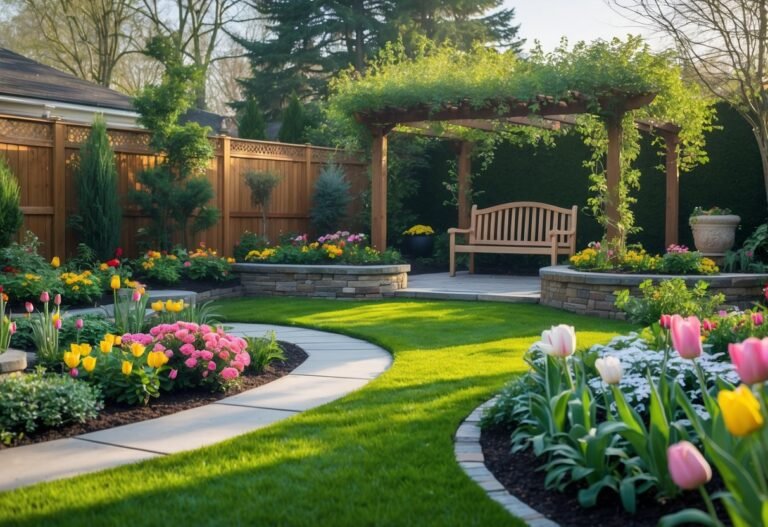
You can make a small garden feel like a full, calm escape without spending much time or money. Start by choosing a clear goal for the space—relaxing spot, vegetable patch, or colorful display—and use scale, focal points, and smart storage to stretch what you have.
Use simple design moves—compact plants, vertical layers, and multifunctional furniture—to make your small garden look larger and work harder.
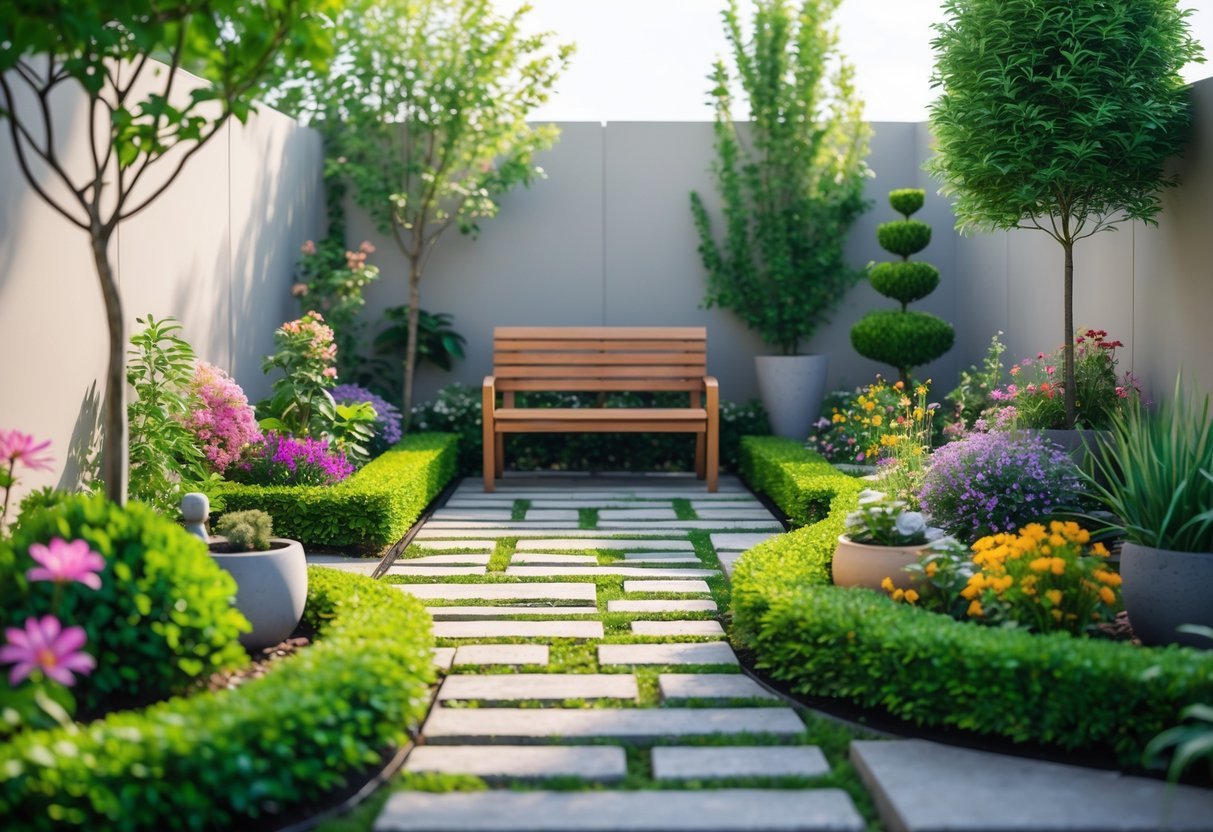
This post gives easy ideas you can use today: layout tricks for tight yards, plant choices that thrive in containers, and low-effort maintenance tips that keep things tidy. Expect practical examples you can copy or tweak to match your style and schedule.
Key Takeaways
- Set a clear purpose and design around it to make the most of limited space.
- Use vertical planting, small-scale plants, and multifunctional elements to increase impact.
- Choose low-maintenance plants and simple routines to keep the garden looking good.
Principles of Small Garden Design
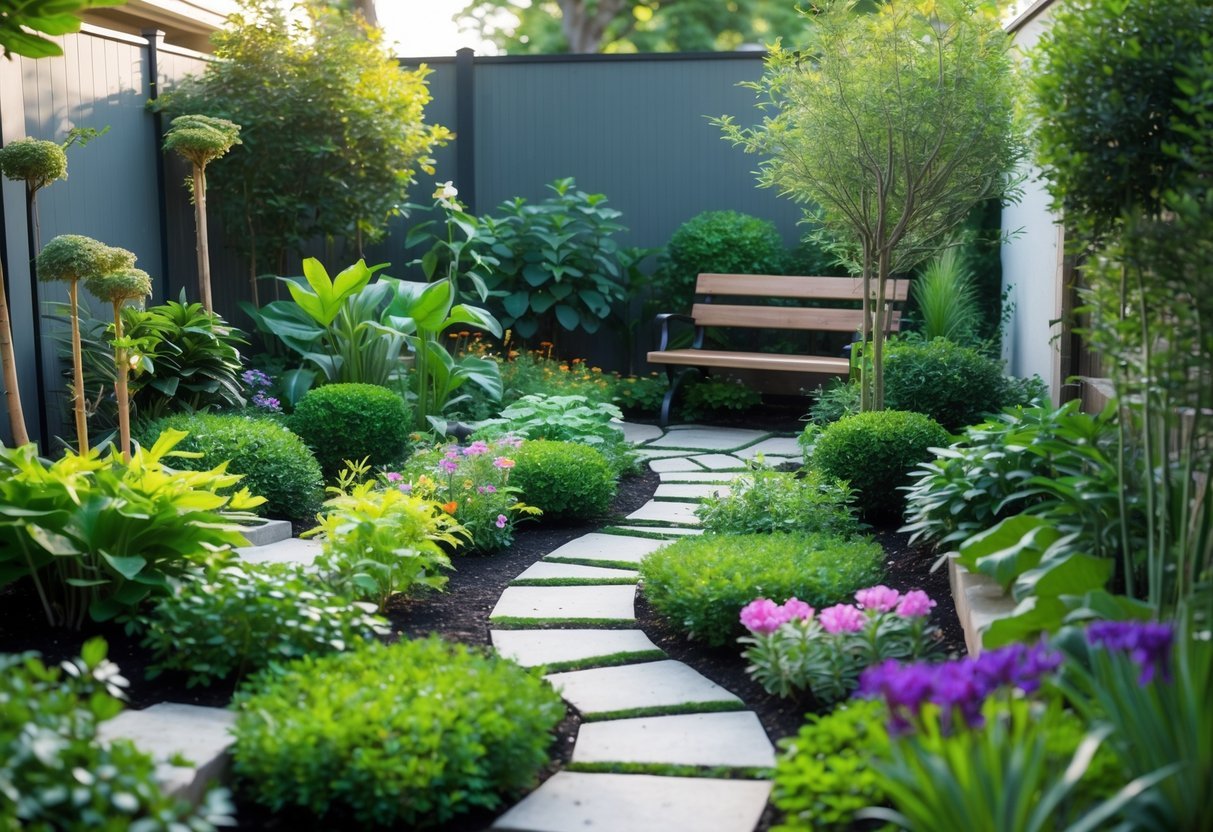
You can make a small garden feel larger, work better, and look unified by focusing on space use, a mix of practical and pretty elements, and a simple color plan. The next parts show clear, usable steps you can apply right away.
Maximizing Limited Space
Use vertical space first. Add wall-mounted planters, trellises, or narrow shelving to grow climbers and herbs without losing floor area. Choose multi-level containers to stack plants and create depth.
Keep pathways narrow but clear. A single 60–75 cm (24–30 in) path gives access without wasting room. Use stepping stones or gravel to define routes and reduce visual clutter.
Pick compact or multi-use furniture. Fold-down benches, built-in seating with storage, and slim tables free up floor space. Arrange seating against a wall or corner to open the center.
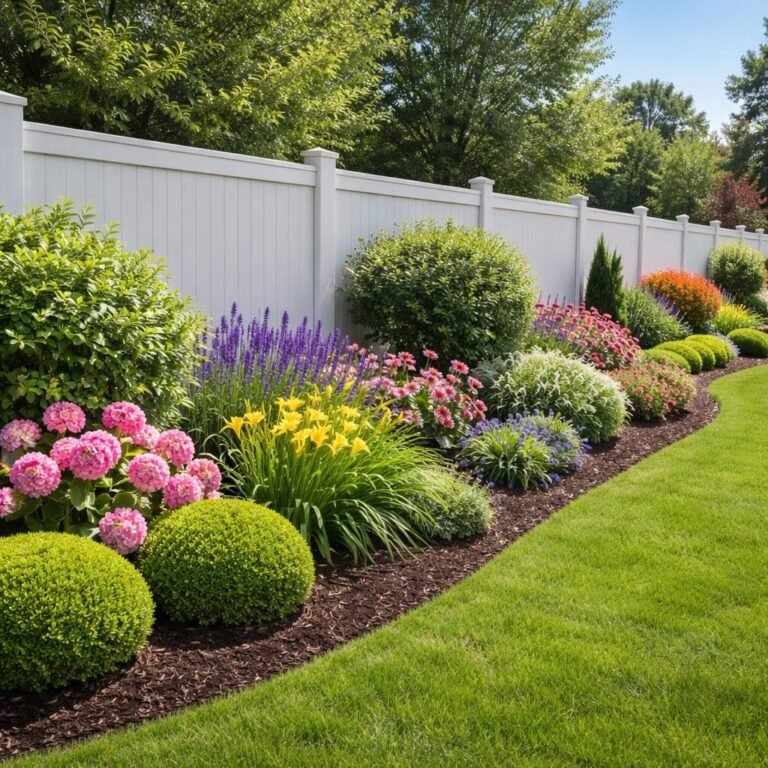
Group plants by height and function. Put taller specimens at the back or boundary and low-growing plants in front. This layered layout improves sightlines and makes the garden feel larger.
Balancing Function and Aesthetics
Decide what you need the garden to do: relax, dine, grow food, or entertain. Reserve defined zones for each use, even in small plots. A 1.2–1.8 m (4–6 ft) square can fit a seating nook or a mini dining spot.
Choose hard materials that match your lifestyle. Smooth paving works for wheelchair access; gravel or bark is cheaper and drains well. Keep material choices to two types to avoid visual chaos.
Use focal points to draw the eye. One sculpture, a specimen plant, or a small water feature creates interest without crowding the space. Keep edges tidy with low borders to separate planting from usable areas.
Plan for storage and maintenance. Include hidden boxes, vertical tool racks, or bench storage for cushions and tools. Low-maintenance plant choices reduce time spent gardening.
Cohesive Color Schemes
Limit your palette to two main colors plus one accent. This keeps the space calm and makes small areas feel more ordered. Repeat these colors across pots, cushions, and plant selections.
Use foliage color as much as blooms. Silver, blue, and variegated leaves add contrast without needing constant flowering. Combine dark green backdrops with lighter foliage to create perceived depth.
Apply color in layers. Plant groupings should repeat your chosen hues at different heights and distances. Paint walls or fences a neutral or slightly darker shade to frame plants and make colors pop.
Test in small doses before committing. Swap a few pots or paint a sample fence panel to see how colors work in different light through the day.
Planning Your Small Garden
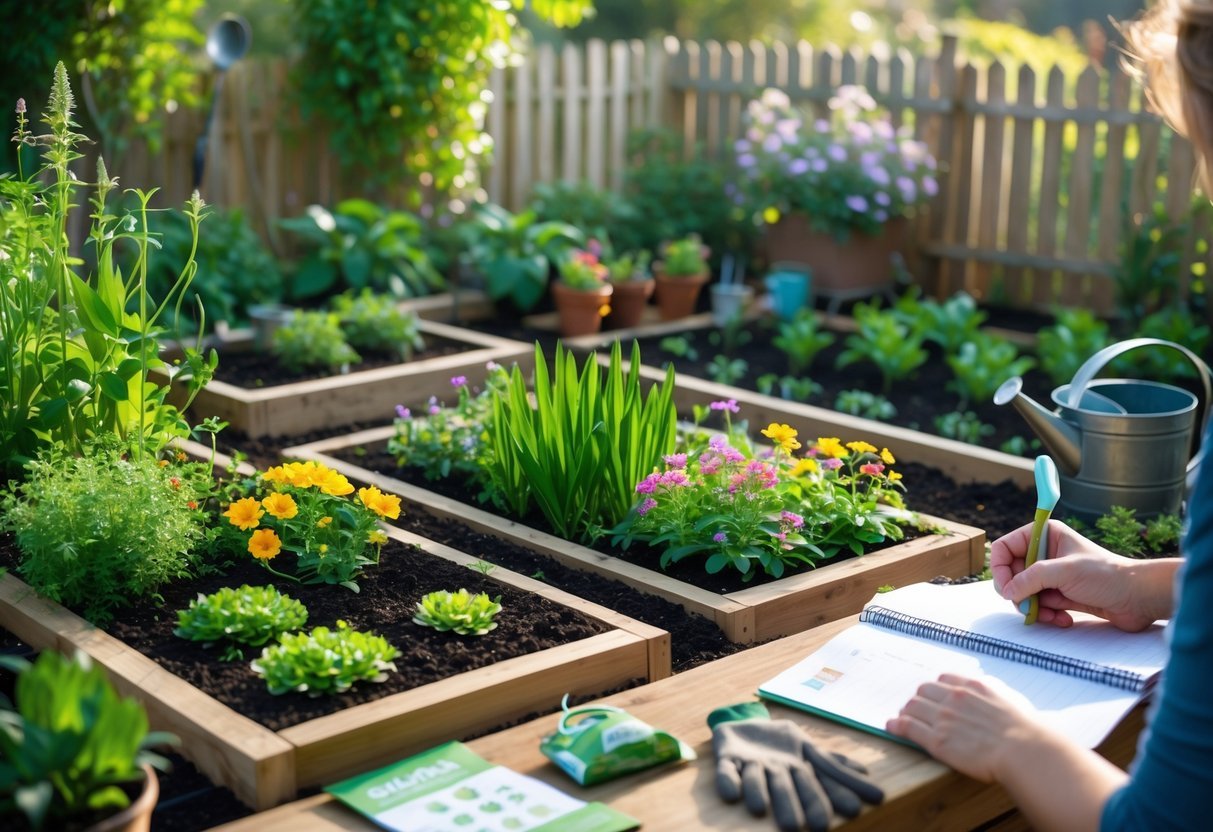
Good planning saves time and money. Focus on the light your space gets, the soil you have, the money you can spend, and the exact size and shape of the area you’ll plant.
Assessing Light and Soil Conditions
Stand in your garden at sunrise, midday, and late afternoon for at least one full day. Note which spots get full sun (6+ hours), partial sun (3–6 hours), or shade (under 3 hours). Write these observations on a simple sketch or use a phone photo with timestamps.
Test the soil texture by taking a small handful and squeezing it. Sand feels gritty, clay feels sticky, and loam crumbles easily. Buy a basic soil test kit to measure pH and nutrients. If pH is below 6.0 or above 7.5, plan for amendments: lime raises pH, sulfur lowers it. Add compost to improve structure and water retention.
Mark areas that get reflected heat from walls or roofs. Note drainage: dig a 12-inch hole, fill with water, and time how long it drains. If it drains in less than 4 hours, drainage is good. Over 24 hours means poor drainage; consider raising beds or adding sand and organic matter.
Setting a Realistic Budget
List materials first: soil/compost, plants, containers, mulch, tools, irrigation, and hardscape like pavers or edging. Check local prices online or at stores to get realistic costs. Allocate a buffer of 15–20% for unexpected expenses.
Decide what you’ll DIY and what you’ll hire. Building raised beds, planting, and installing drip irrigation you can often do yourself. Hiring a landscaper for grading or heavy paver work increases costs substantially.
Prioritize spending by impact: soil and plants get top priority, followed by irrigation, then decorative items. Use cheaper options like reclaimed wood or secondhand pots to save money. Track purchases in a simple spreadsheet or notes app.
Measuring and Mapping the Area
Measure length and width with a tape measure, and note irregular shapes by breaking them into rectangles and triangles. Record fixed features: doors, fences, trees, drains, and any utility lines. Measure door clearances if you’ll move large pots or furniture.
Create a to-scale map on graph paper or use a free online planner. Mark sunlight zones, soil test results, and drainage issues on the map. Sketch paths, seating, and planting beds to test different layouts.
Calculate square footage for planting and hardscape separately. This helps you buy the right amount of mulch, soil, and edging. Keep your map and measurements handy when shopping or ordering plants.
Creative Layout Ideas
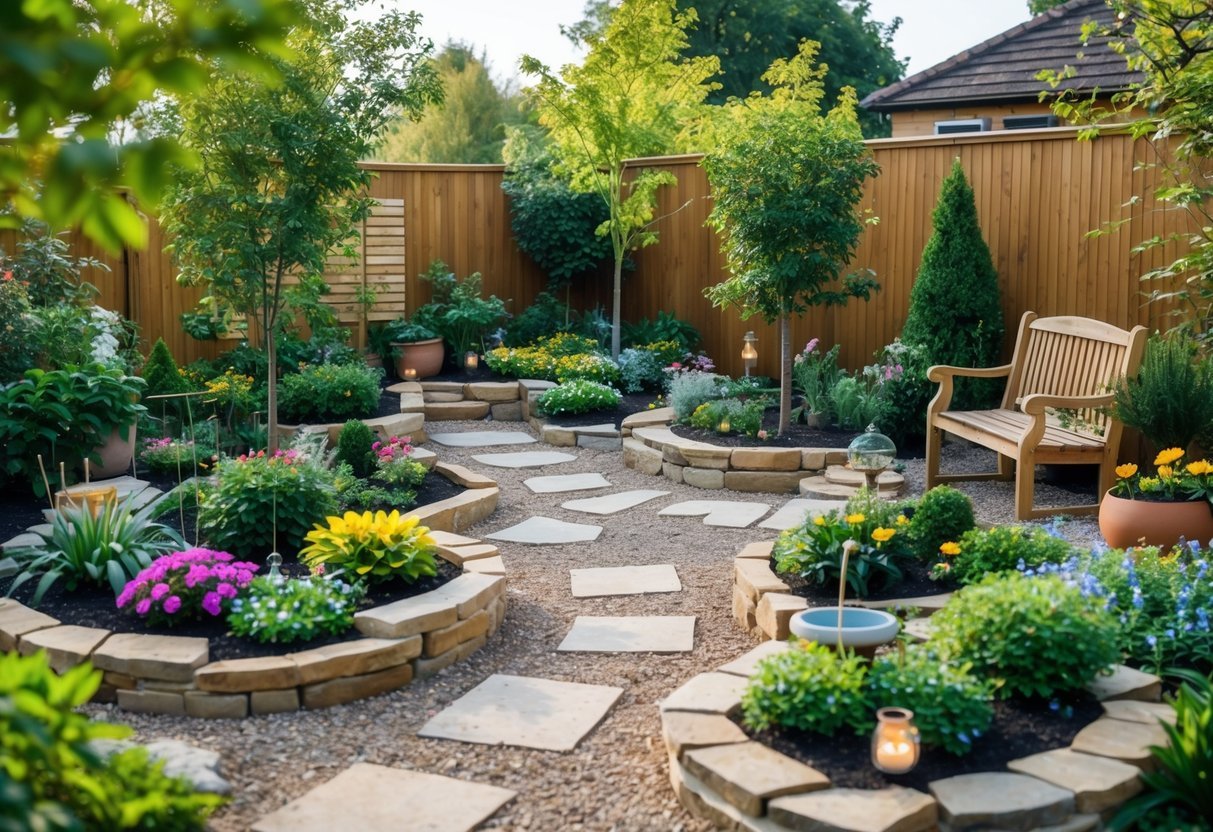
Use height, paths, and movable planters to make your small garden feel larger and more functional. Focus on vertical spaces, clear zones, privacy solutions, and flexible containers to match your light, budget, and maintenance time.
Vertical Gardening Techniques
Grow up instead of out by using walls, trellises, and shelves. Install a sturdy trellis or wire grid on a sunny wall for climbing vegetables like beans or peas. Use wall-mounted planters or pocket bags for herbs and succulents where soil depth is shallow.
Mix plant types on vertical supports: leafy herbs at waist height for easy harvesting, trailing plants higher to soften edges, and compact shrubs in pots below. Choose lightweight containers and a good watering system—drip lines or soaker hoses work best for stacked setups. Anchor all structures to the wall or floor to prevent toppling in wind.
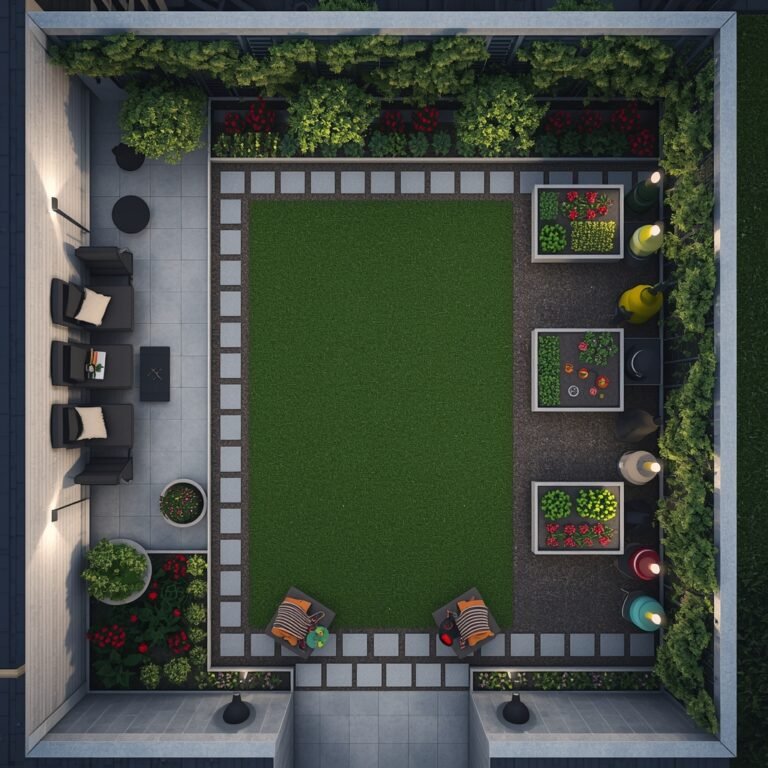
Zoning with Pathways and Raised Beds
Define zones with narrow paths and raised beds to improve access and visual order. Lay a single 2–3 foot wide path with gravel or stepping stones so you can reach plants without stepping on soil. Place raised beds 2–4 feet wide so you can reach the center from either side.
Use bed height to set function: 6–12 inch beds for annuals and vegetables; waist-high beds for herbs and people who need easier access. Leave at least 18–24 inches between beds for comfortable movement. Add low edging or different surface materials to signal cooking, seating, or planting areas without cluttering the space.
Designing for Privacy
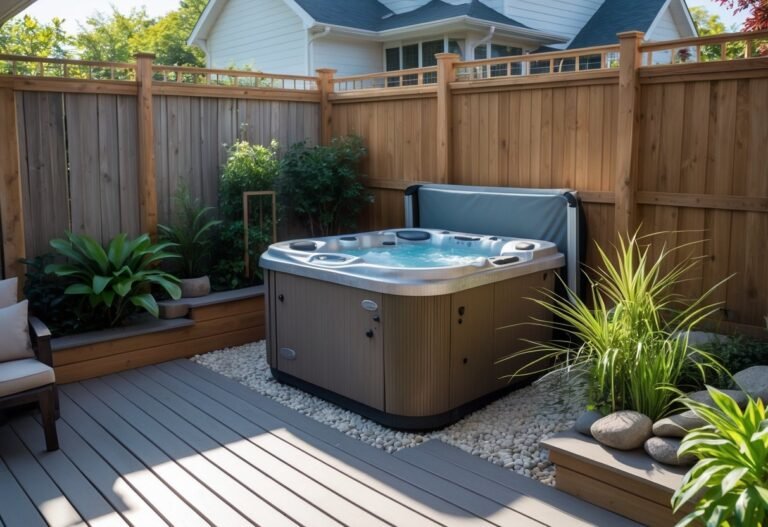
Block sightlines with layered planting and simple screens to create a calm, private spot. Plant tall, narrow trees or columnar shrubs at property edges to save ground space while screening neighbors. Combine evergreen hedges with a mid-layer of bamboo or tall grasses for year-round coverage.
Use trellises with climbing vines or slatted screens where you need quick privacy. Position seating behind these screens and add low lighting or a small fountain to mask noise. Keep airflow in mind: leave small gaps between panels or plants to avoid a stuffy feel.
Utilizing Containers and Portable Planters
Choose containers to match plant needs and your light conditions. Use deep pots (12–18 inches) for root vegetables and shrubs, and shallow wide pots for herbs and annuals. Pick materials with insulation—ceramic or double-walled plastic—for temperature stability.
Make planters mobile with wheeled bases for seasonal movement or sun tracking. Group pots by watering needs to simplify care; put drought-tolerant species together and moisture-loving plants in a separate cluster. Label pots and rotate crops each season to maintain soil health and yield.
Choosing Plants for Small Spaces
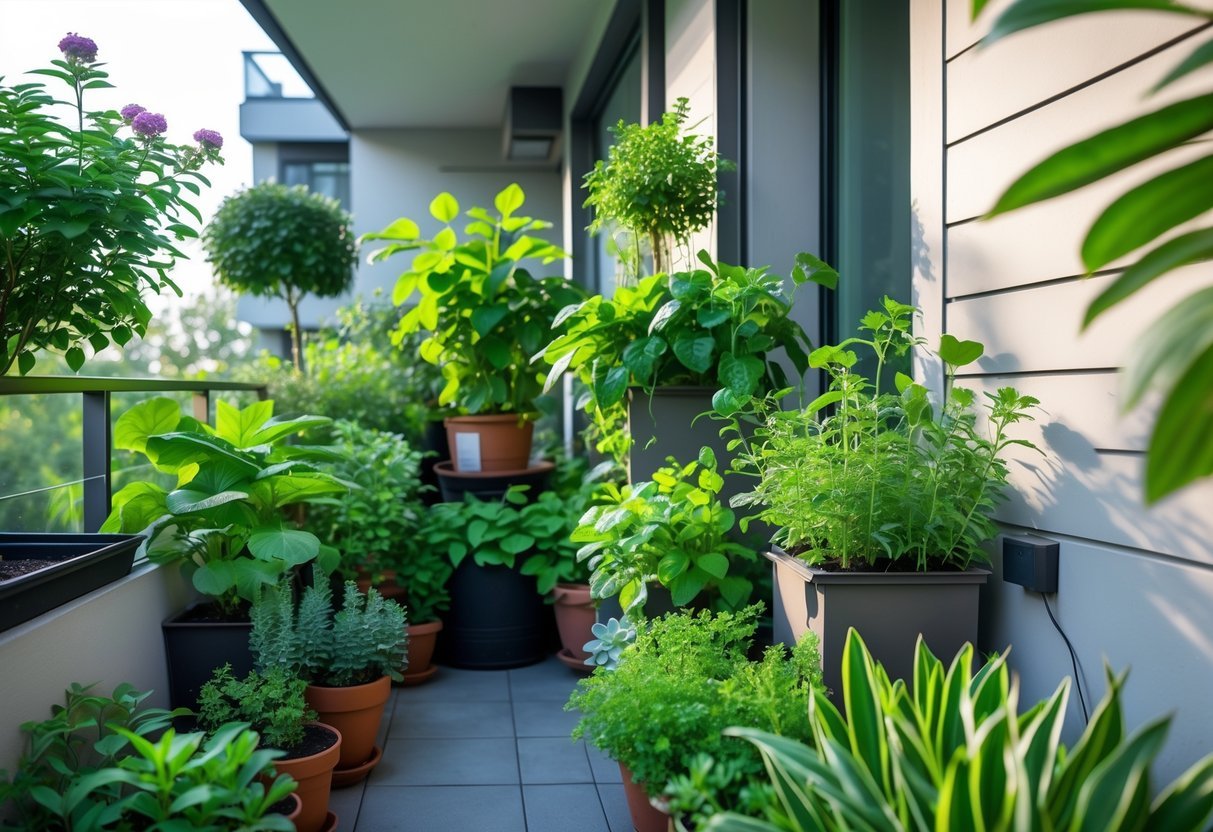
Pick plants that save space, give year-round interest, and match the light and soil you have. Focus on short, narrow, or multi-purpose varieties that fit containers, narrow beds, or vertical supports.
Selecting Compact and Multi-Season Plants
Choose plants labeled “compact,” “dwarf,” or “baby” for tight spots. Examples: dwarf boxwood, compact lavender, and patio tomatoes. These keep strong shapes without crowding paths or windowsills.
Use multi-season performers that flower, fruit, or hold color through months. Think spring bulbs, summer perennials (like coreopsis), and late-season asters. Stagger bloom times so something is attractive from spring through fall.
Train or prune plants to control size. Espalier fruit trees and clip herbs after harvest to keep them dense. For containers, limit root space to naturally slow growth and avoid oversized specimens.
Incorporating Edibles and Ornamentals
Mix herbs and vegetables with ornamentals to get beauty and food from the same bed. Plant basil, chives, and lettuce at the front of borders or in hanging pots. Add a few flowering annuals like marigolds or nasturtiums to lure pollinators and hide bare soil.
Use vertical supports for vining edibles. Grow pole beans, cucumbers, or scarlet runner beans up a trellis to free ground space. Pair them with low perennials such as thyme or sedum beneath.
Choose dual-purpose plants: rosemary gives structure and harvest, while nasturtiums offer edible flowers and pest control. Keep pathways clear by reserving floor space for compact groundcovers and pots.
Evergreen vs. Deciduous Choices
Evergreens provide structure and privacy year-round. Use narrow varieties—yews, dwarf hollies, or columnar conifers—so they don’t dominate the bed. Plant them at the back or corners to anchor the space visually.
Deciduous shrubs and small trees add seasonal change and spare winter light. Choose small-scale species such as Japanese maples, dwarf crabapples, or summer-flowering spireas. Their bare branches in winter can make the garden feel larger.
Balance both types. For example, place an evergreen screen behind a flowering deciduous shrub. This keeps winter interest while letting spring and summer plants shine.
Maintenance Strategies for Small Gardens
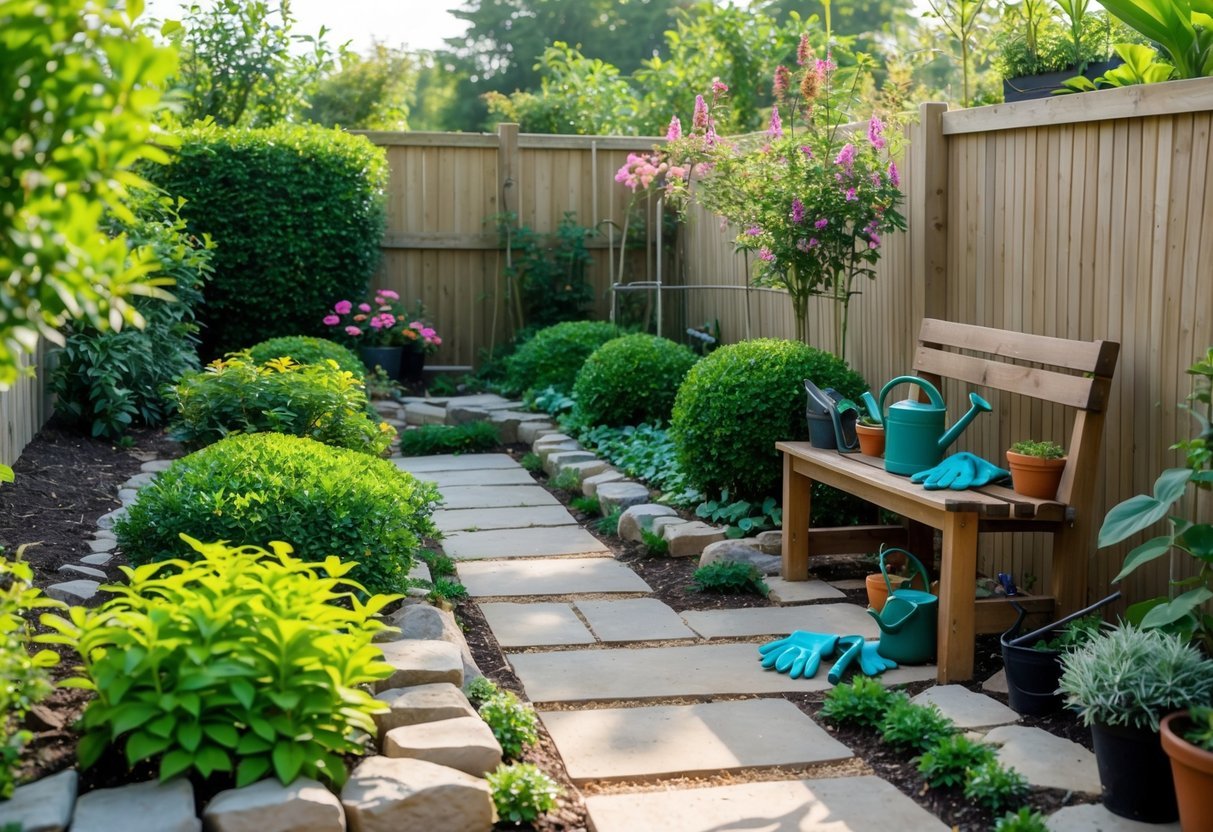
Focus on watering that matches plant needs, seasonal pruning to keep plants healthy, and simple sustainable choices that save time and water. Use targeted tools and regular habits to keep the space tidy and low effort.
Efficient Watering Solutions
Use a drip irrigation kit or soaker hoses to deliver water directly to roots. These systems cut evaporation and let you water deeply in 10–20 minutes instead of hand-watering for longer. Attach a timer to run early morning cycles for 10–30 minutes depending on soil and plant type.
Group plants by water needs: drought-tolerant, average, and moisture-loving. Place similar groups together in beds or containers to avoid over- or under-watering. Use a moisture meter or stick your finger 2–3 inches into the soil; water only when dry at that depth.
Mulch with 2–3 inches of organic material like bark or compost around plants. Mulch reduces evaporation and keeps soil temperature steady. Replenish mulch once a year, and pull it slightly away from stems to prevent rot.
Seasonal Care and Pruning
Prune at specific times: late winter for structural cuts, spring for shaping, and after flowering for summer-blooming shrubs. Remove dead or crossing branches and cut back shoots that crowd paths or neighbors. Make cuts at a 45-degree angle just above a bud.
Deadhead spent flowers weekly on perennials and annuals to encourage more blooms. Trim herbs after harvesting to keep them productive. Cut back tall grasses in late winter to 6–12 inches before new growth starts.
Check for pests and disease during pruning. Remove infected leaves and dispose of them away from the garden. Keep tools clean and disinfect pruning shears with alcohol between plants to reduce spread.
Sustainable Practices
Capture rainwater with a 50–200 gallon barrel fitted to your downspout to reduce tap-water use. Use collected water for container plants and raised beds. Position barrels on a stand for gravity-fed watering with a hose or bucket.
Choose perennials, native plants, and drought-tolerant varieties to lower watering and upkeep. Replace high-maintenance annuals with longer-lived shrubs or groundcovers that fill space and prevent weeds.
Compost kitchen scraps and garden trimmings to make nutrient-rich soil amendment. Use a simple bin or tumbler and add brown and green materials in layers. Apply compost ½–1 inch to beds once or twice a year to improve soil structure and reduce fertilizer needs.
Frequently Asked Questions
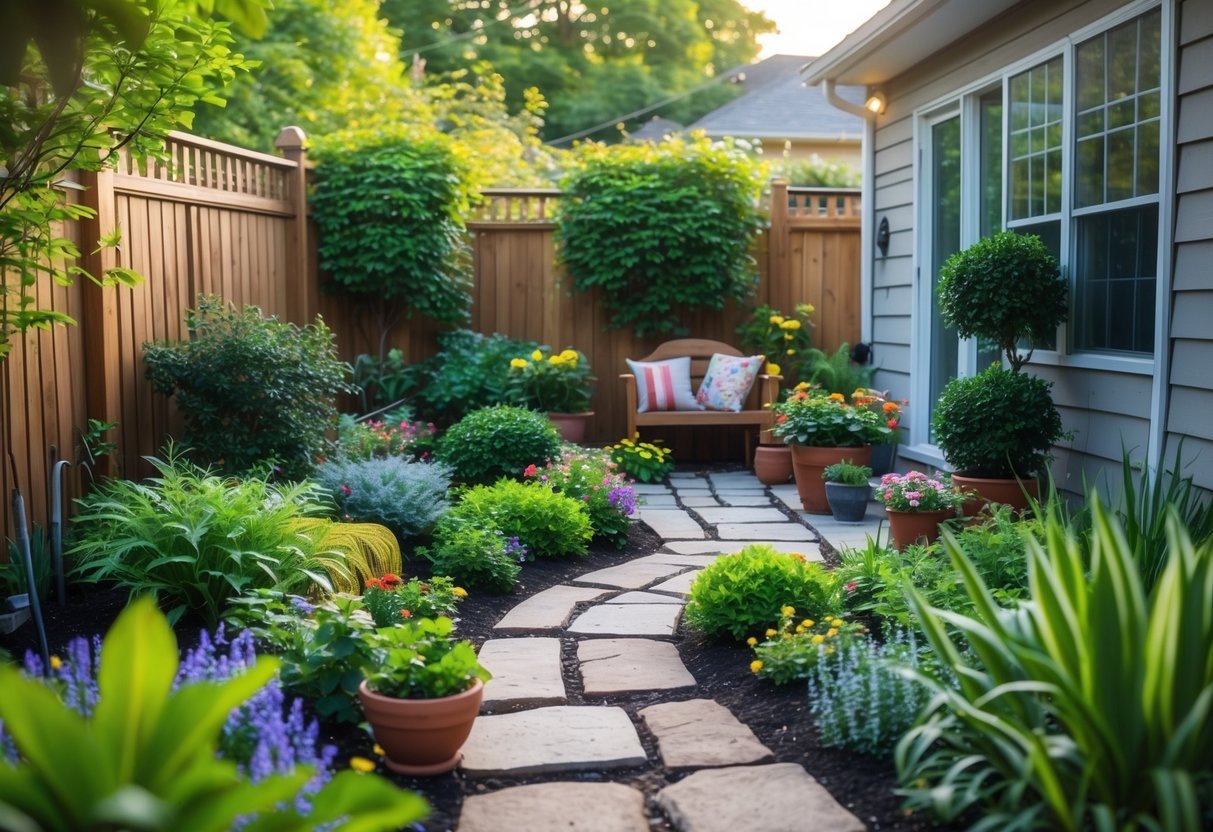
These answers give clear, practical steps you can use right away. Expect tips on layout, budget-friendly choices, plant lists, modern styling, planning tools, and where to look for real design examples.
How can I maximize space in a small garden layout?
Use vertical space with trellises, wall planters, and hanging pots to free up ground area. Stack planting by layering tall, medium, and low plants so sightlines feel deeper.
Choose multifunctional elements like benches with built-in storage or a fold-down table that doubles as a potting surface. Keep paths narrow but comfortable (about 60–90 cm) to save room for planting beds.
Divide the area into small zones with changes in surface or a low hedge to create the feel of separate rooms without bulky structures. Use mirrors or reflective water features to increase perceived depth.
What are some cost-effective strategies for designing a small garden?
Buy perennials and shrubs instead of many annuals; they return each year and cut long-term costs. Start plants from cuttings or seeds to save money over buying mature specimens.
Use reclaimed materials for planters, edging, and furniture—old pallets, bricks, and stones can look stylish when cleaned and arranged. Mulch beds to reduce weeds and watering needs, which lowers maintenance costs.
Plan for low-maintenance irrigation like a simple drip system or soaker hose on a timer to save water and time. Group plants with similar water needs to avoid waste.
What are the best plants to use in a small garden design?
Choose compact varieties and dwarf cultivars that fit scale without overwhelming space. Consider evergreen shrubs for structure and year-round interest.
Use vertical climbers like clematis or jasmine on supports to add height without taking ground area. Mix in aromatic herbs (rosemary, lavender) in containers for scent and kitchen use.
Pick low-maintenance, drought-tolerant plants such as sedum, lavender, and ornamental grasses if you want to cut watering and care. Native plants often need less care and attract local wildlife.
How can I create a modern aesthetic in my small garden area?
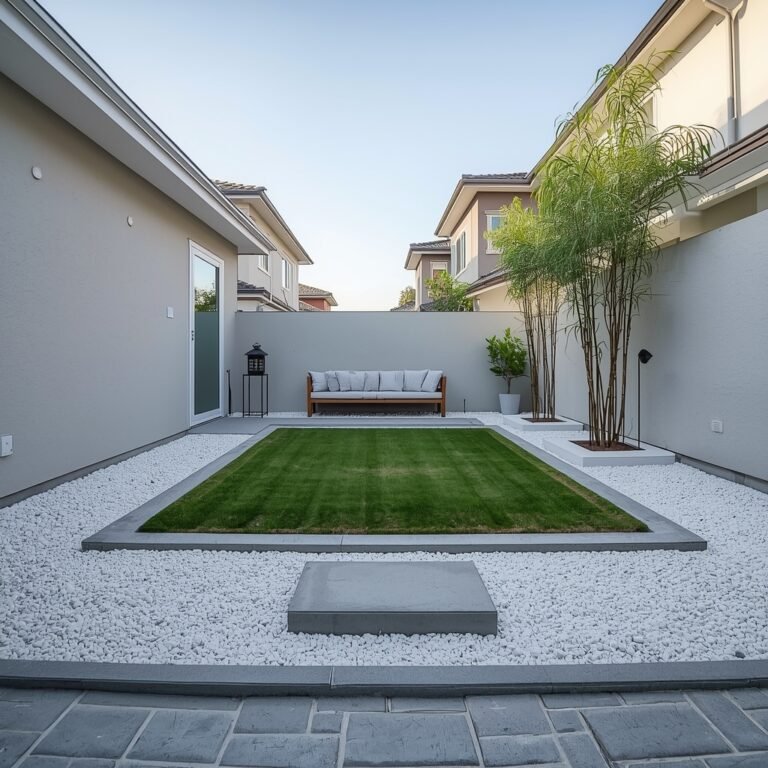
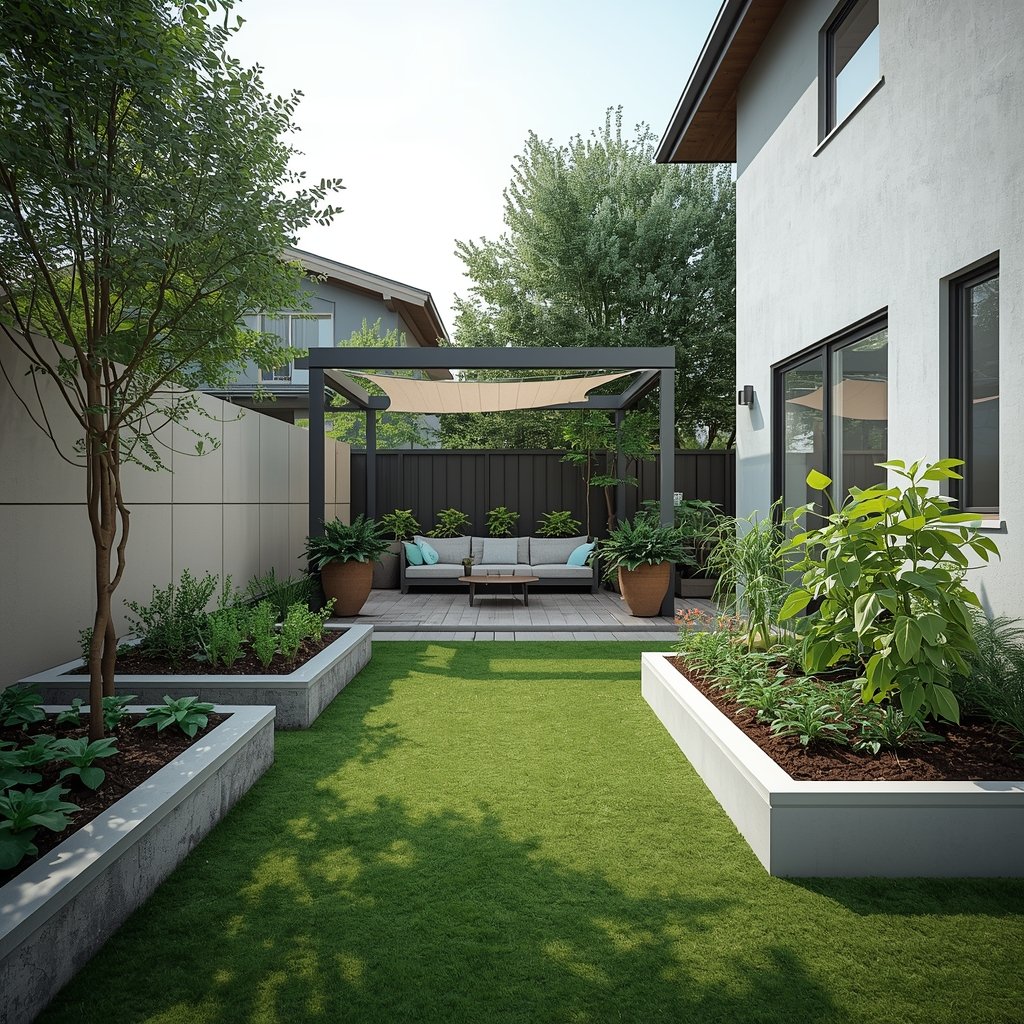
Use clean lines and simple shapes—rectangular planters, straight paths, and uniform paving create a modern feel. Limit your palette to two or three materials (wood, metal, concrete) for a calm, cohesive look.
Choose a restrained plant palette with repeated species to create rhythm and reduce visual clutter. Add contemporary lighting like low-profile LED strips or spotlights to highlight structure at night.
Include sculptural focal points such as a geometric water feature or a single statement planter to anchor the design. Keep accessories minimal and functional.
What garden design apps are recommended for planning a small garden space?
Try SketchUp for 3D planning if you want precise models and scale measurements. Use Garden Planner (pro version) for simple drag-and-drop layouts and plant lists.
Consider iScape or Planner 5D for quick visual mockups on a phone or tablet. For plant selection and care info, apps like PlantSnap or Florish can help identify species and suggest placements.
Where can I find inspiration for small garden designs?
Browse gardening websites and lists like “small garden design ideas” and “compact garden tips” to see many layout and planting examples. Look for photos showing vertical planting, container use, and multi-use furniture.
Visit local community gardens, nurseries, and show gardens to see plants and materials in person. Social platforms like Pinterest and Instagram offer searchable images and DIY tutorials for specific styles.