
10 Mini Garden Ideas for Small Spaces, Balconies, and Urban Homes
You can make a lush, calming garden in even the smallest space by using smart containers, layered plants, and a few simple design tricks. These 10 mini garden ideas give clear, low-cost ways to turn balconies, corners, or tabletops into vibrant green spots you’ll enjoy every day.
You’ll find ideas that fit tiny spaces, protect low budgets, and need only a little time to care for. Follow a few easy styling and upkeep tips to keep plants healthy and make each small area feel intentional and peaceful.
Key Takeaways
- Simple containers and plant choices can transform tight spaces into green spots.
- Clever layout and scale create the look of a larger, cohesive garden.
- Easy care routines keep mini gardens thriving with minimal time.
Creative Mini Garden Ideas
You’ll find practical, small-scale designs you can build with minimal tools. Each idea focuses on plant choice, container type, and placement to fit your space and routine.
Container Garden Inspirations
Pick containers that match the plants you want. Use shallow bowls for succulents and deeper pots for herbs like basil or rosemary. Make sure each container has drainage holes; add a layer of gravel if it doesn’t.
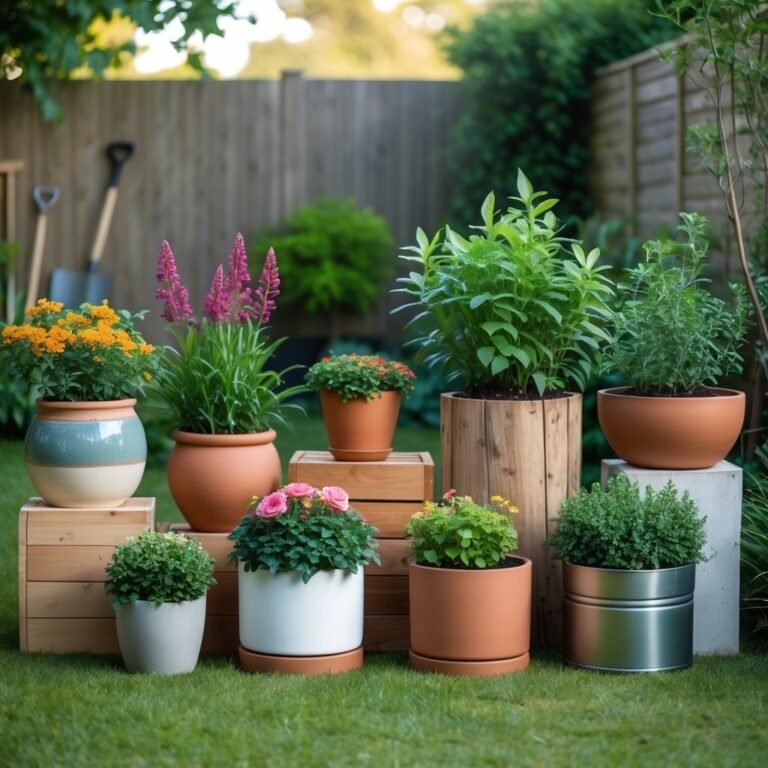
Group containers by light needs. Place sun-loving herbs and flowers on a south-facing balcony shelf. Keep shade plants—ferns, ivy—under eaves or near north walls. Arrange pots at different heights with stands or stackable crates to save floor space.
Use potting mix suited to the plants: cactus mix for succulents, all-purpose potting soil for mixed herbs. Water according to each plant’s need rather than a set schedule. Label containers with plant names and watering notes.
Repurposed Materials for Mini Gardens
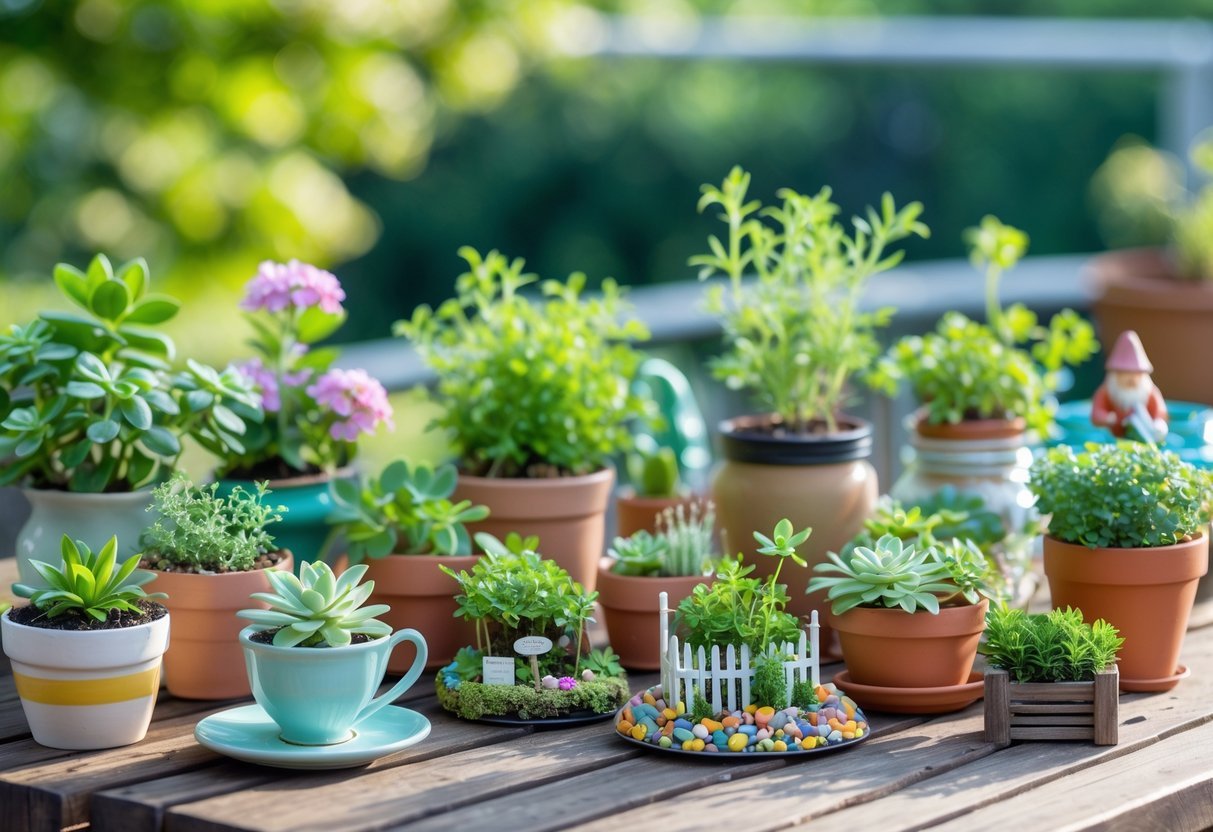
Reuse items you already have to save money and add character. Turn a wooden drawer into a small raised bed by lining it with landscape fabric and drilling holes for drainage. Use old teapots, boots, or metal tins as single-plant planters after adding drainage material.
Choose materials that won’t leach toxins into soil. Avoid painted containers that chip or rusty metals that may harm sensitive plants. For indoor use, place a saucer under vintage tins to catch water.
Add layers for health and style: a drainage layer, potting mix, then decorative mulch or small stones. Label repurposed planters with chalkboard paint or tags to keep care simple.
Vertical Mini Gardens
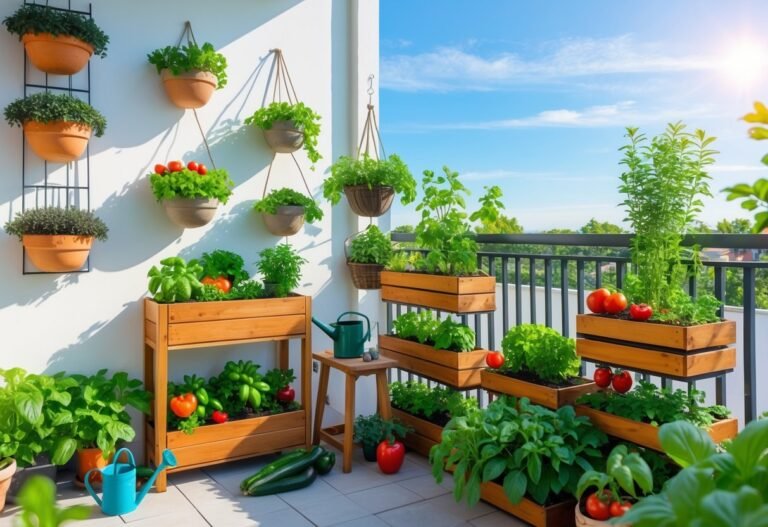
Use vertical space when floor area is tight. Install pocket planters, hanging shoe organizers, or a ladder shelf to hold multiple small pots. Mount shallow wall planters for herbs or trailing plants like pothos and string-of-pearls.
Match plant choice to the spot: low-light spaces suit ferns and philodendron; sunny walls work for thyme, oregano, and small succulents. Secure mounts to studs or use heavy-duty anchors for outdoor walls to prevent falls.
Water vertical systems carefully. Use a drip tray or catch basin at the bottom and water from the top so moisture trickles down. Rotate plants occasionally so each gets even light and you avoid lopsided growth.
Designing Small-Space Gardens
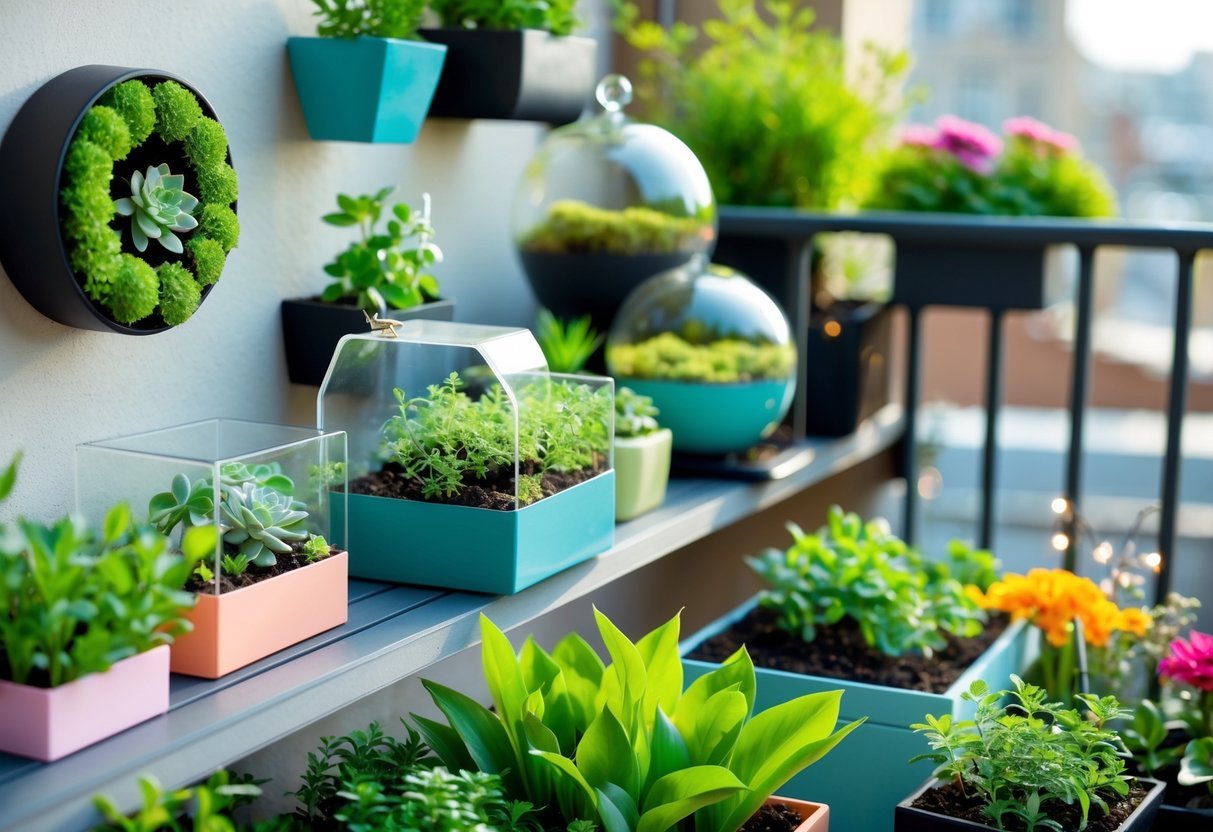
You’ll learn practical layout moves, space-saving planting tricks, and easy ways to grow food in tiny areas. Follow clear steps to fit more plants, reduce weight, and keep things tidy.
Maximizing Balcony and Patio Spaces
Measure your balcony or patio first. Note width, railing type, and sun hours so you pick planters that fit and plants that thrive.
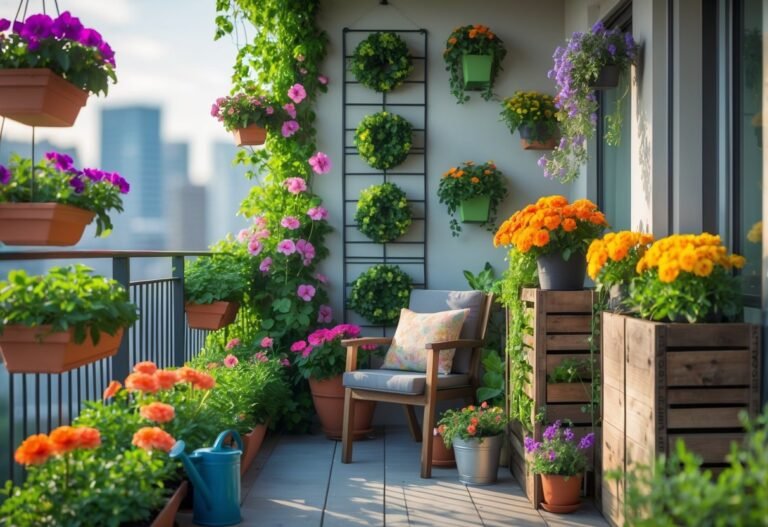
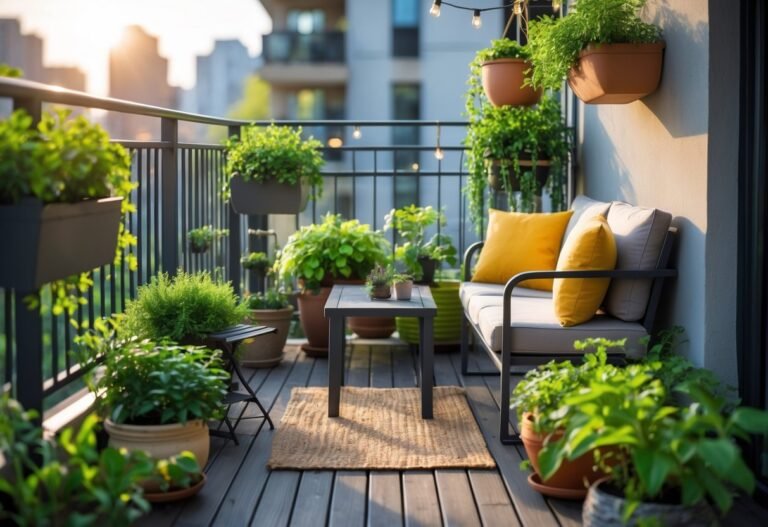
Use vertical space: hang railing boxes, wall-mounted planters, or a tiered shelf. Choose lightweight containers like plastic or fiberglass to avoid load issues. Place heavy pots near the wall or corners for stability.
Create zones: a small seating spot, a planting area, and a vertical green wall. Keep walkways at least 18 inches so you can move and water plants easily. Add a slim trellis for climbers to save floor space.
Pick plants by light and wind exposure. For sunny spots, use herbs, peppers, and compact tomatoes. For shaded areas, pick ferns, hostas, or salad greens. Group containers with similar water needs for easier care.
Compact Indoor Garden Solutions
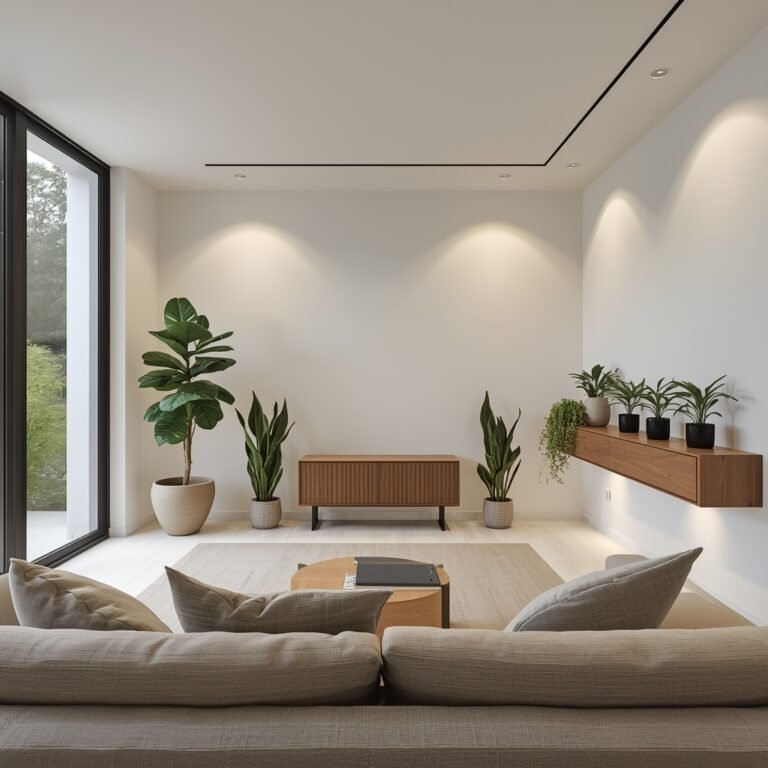
Pick a bright window or use a grow light if natural light is weak. Measure available shelf depth so pots don’t block walking space or fall.
Use stackable planters or a tiered plant stand to fit more pots in tight spots. Consider hydroponic kits or self-watering systems to cut watering time and reduce mess. Magnetic planters attach to metal surfaces for ultra-compact spots.
Choose small, slow-growing varieties like dwarf basil, baby spinach, or compact houseplants such as peperomia. Rotate plants weekly so all sides get light. Keep a moisture meter or simply check soil with your finger to avoid overwatering.
Mini Herb and Vegetable Gardens
Start with a 12–18 inch deep container for most herbs and shallow-rooted veggies. Use high-quality potting mix and add slow-release fertilizer for steady growth.
Select space-efficient crops: basil, chives, oregano, lettuce mixes, radishes, and dwarf pepper or tomato varieties. Plant vertically when possible—use cages, stakes, or wall pockets for beans and peas.
Practice succession planting to harvest continuously. After harvest, replant fast crops like lettuce or radishes. Water in the morning and mulch small containers with straw or compost to keep soil moist longer.
Keep pests low by inspecting leaves weekly, removing damaged foliage, and using sticky traps or insecticidal soap when needed. Label pots with plant names and harvest dates to track growth and care.
Styling and Maintenance Tips
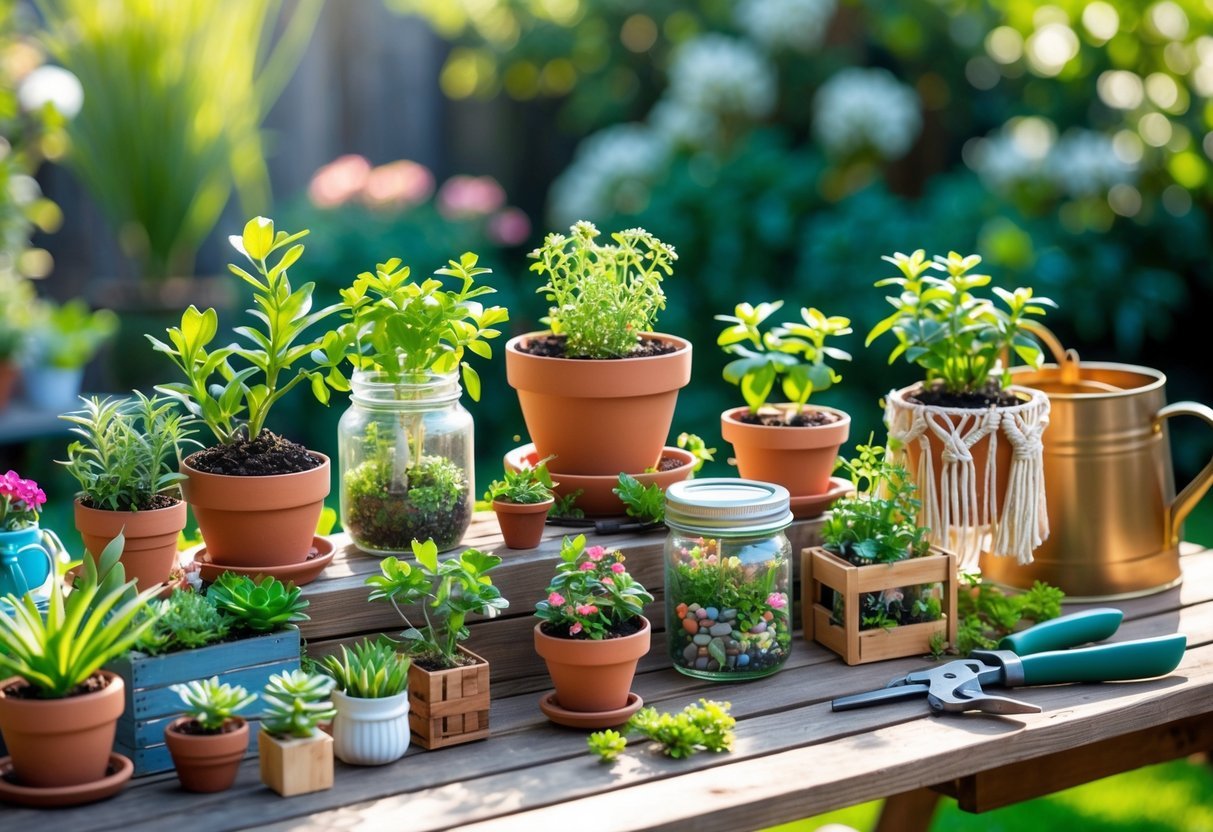
Keep plant choices simple, pick decorations that suit the space, and set a small routine for watering and pruning. Focus on hardy species, switch decor by season, and use tools that fit the container size.
Choosing Low-Maintenance Plants
Pick plants that match your light and watering habits. For bright spots choose succulents, sedums, and kalanchoe. For partial shade try ferns, snake plant (Sansevieria), or pothos.
Use a small list to guide buys:
- Light: full sun, partial, or shade.
- Water: weekly, biweekly, or drought-tolerant.
- Size: max pot height and spread.
Buy compact varieties or dwarf cultivars to avoid repeated repotting. Use a fast-draining potting mix for succulents and a moisture-retentive mix for ferns. Group plants with similar needs in the same container. Add a 1–2 inch layer of gravel or coarse sand for drainage in shallow pots.
Seasonal Decoration Ideas
Rotate accents to match seasons without crowding the plants. Spring: add small stakes with seasonal tags and pastel pebbles. Summer: swap in bright ceramic pots or a sunproof cushion near balcony planters.
Autumn: use warm-toned stones, tiny gourds, or a string of battery LED lights. Winter: place frost-tolerant evergreens in protected corners and use mulched soil topped with decorative pine cones.
Keep decor minimal so plants get air and light. Use removable items that won’t trap moisture against stems. Store porous materials indoors when heavy rain or frost is expected.
Watering and Care for Mini Gardens
Water according to plant type and container size. Small pots dry faster; check soil with a finger. For succulents, wait until soil is dry 1–2 inches deep. For moisture-loving plants, keep the top 1 inch slightly damp.
Use a watering can with a narrow spout for precise delivery. Water early morning or late afternoon to reduce evaporation and stress. Consider a small saucer under pots to catch excess and empty it after 30 minutes to avoid root rot.
Prune spent leaves and trim leggy growth every 2–6 weeks. Fertilize lightly during the growing season with a balanced, water-soluble fertilizer at half strength. Repot when roots circle the pot or growth slows, usually every 1–2 years.
Frequently Asked Questions
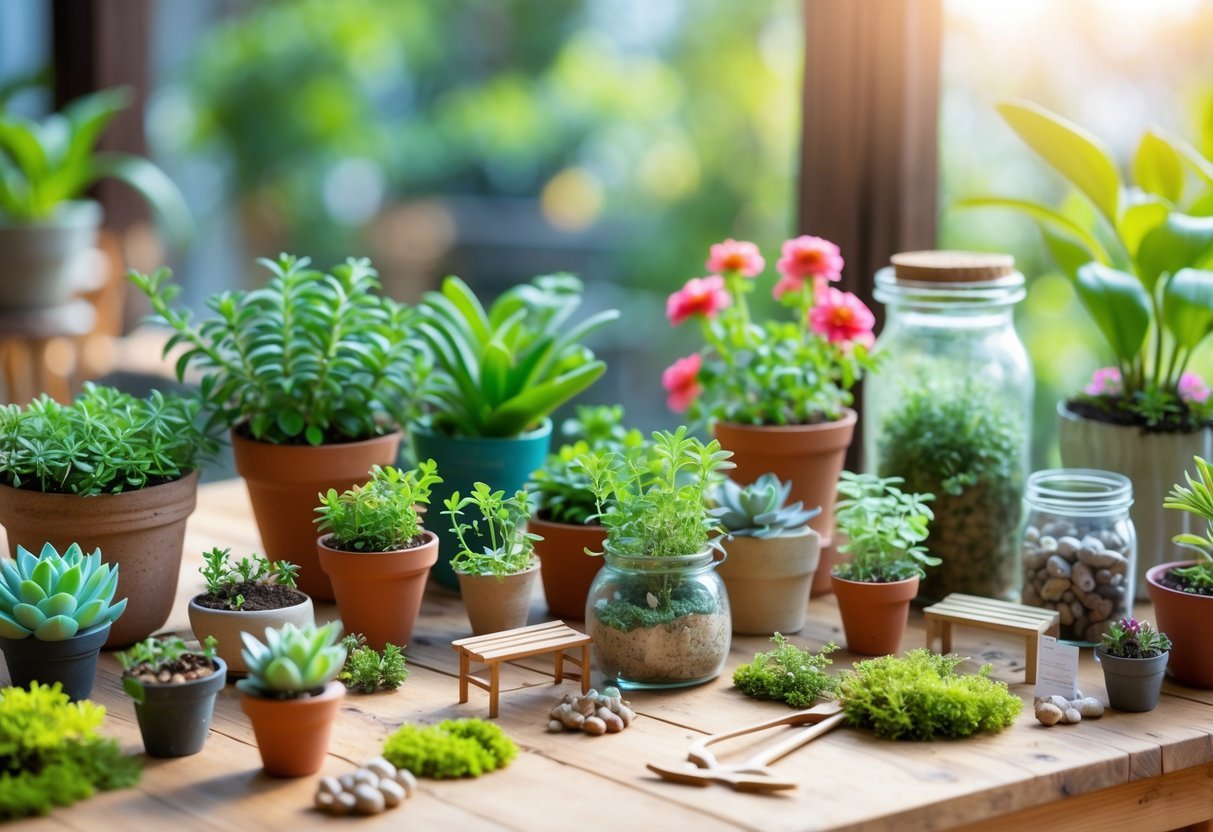
These answers give clear, usable steps and choices you can try right away. You’ll find practical tips on saving money, picking easy plants, simple DIY projects, fitting more plants into small spaces, and using vertical solutions.
How can I create a budget-friendly mini garden in limited space?
Choose containers you already have, like old buckets, wooden crates, or repurposed jars. Look for free or cheap soil from community exchanges, and buy small packs of seeds instead of mature plants.
Focus on multi-use plants such as herbs that you can eat and display. Start with a few plants and expand as you learn what grows well in your spot.
What are some low-maintenance plants suitable for a mini garden?
Select drought-tolerant plants like succulents, sedums, and some ornamental grasses. Herbs such as rosemary, mint, and chives handle neglect and give practical use.
For shade spots, pick ferns, snake plant (Sansevieria), or pothos in containers. These need less water and still look full.
Which DIY mini garden projects are suitable for beginners?
Try a simple container garden using one pot per plant and good potting mix. Make a small herb box from a wooden crate with drainage holes.
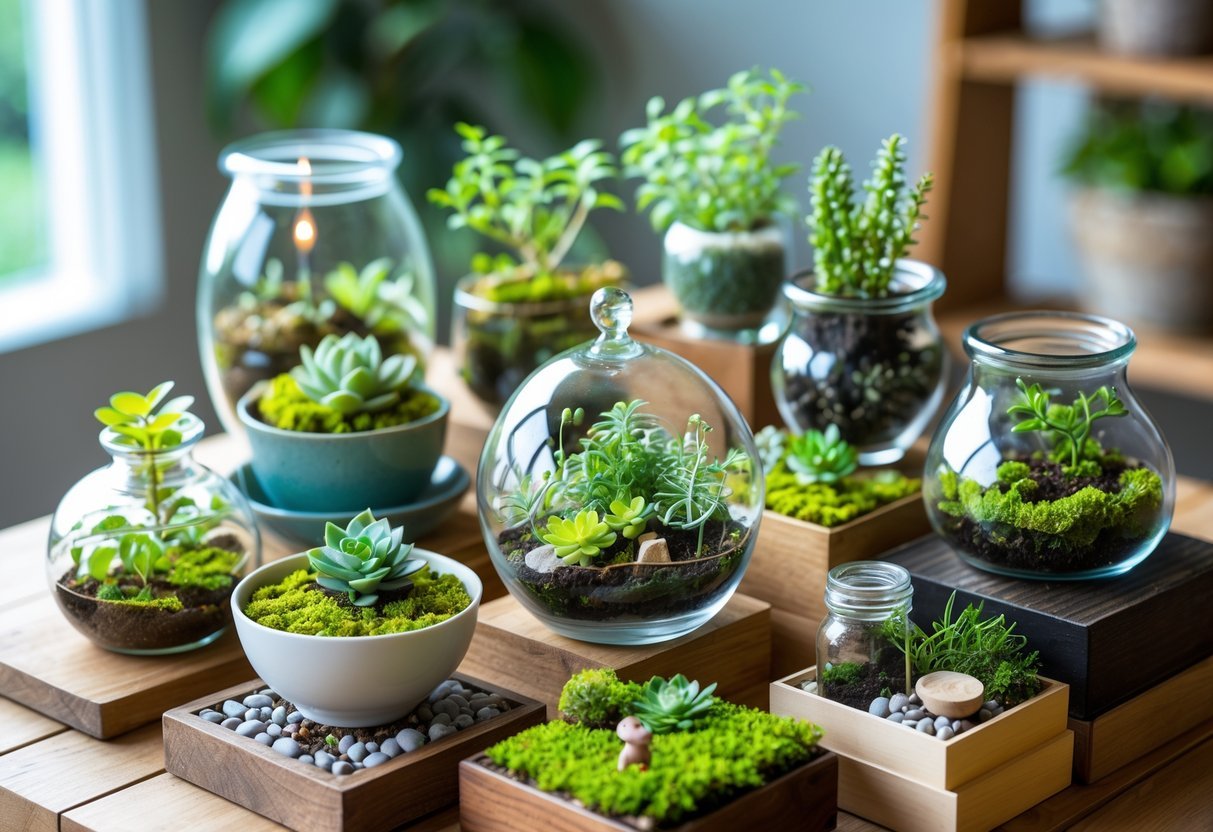
Build a jar terrarium with pebbles, activated charcoal, soil, and tiny plants for a no-mess indoor option. All projects need basic tools and take under a few hours.
How do I maximize space in a small garden layout?
Group plants with similar light and water needs to save space and care time. Use tiered shelving, stackable pots, or narrow plant stands to add levels without widening the footprint.
Place trailing plants on the edges and taller plants at the back or center. This keeps sunlight access even in tight layouts.
Can you suggest small garden design ideas that are both affordable and stylish?
Pair neutral containers like terracotta with one bold plant to create contrast without extra cost. Use gravel or mulch to finish container tops and hide soil lines.
Mix textures—rough wood, smooth ceramic, and soft foliage—to make a simple but refined look. Repaint old pots for a coordinated color scheme.
What are the best ways to incorporate vertical gardening in a small area?
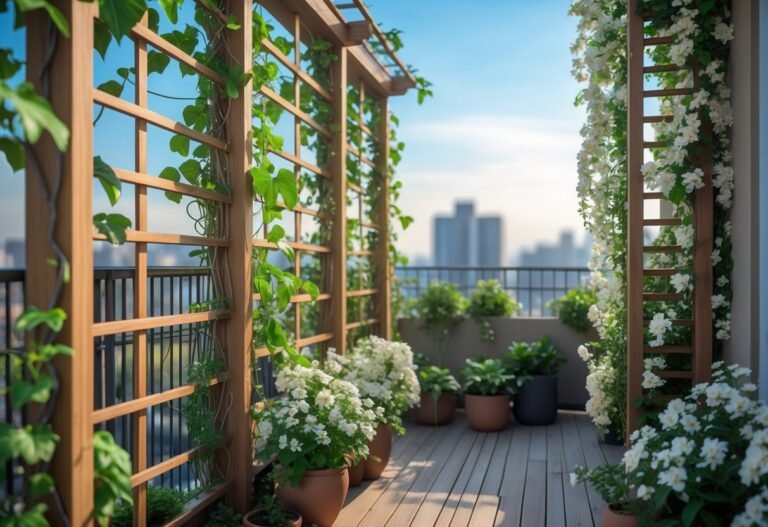
Install a sturdy wall-mounted planter or pallet and attach small pots or pouches. Use a trellis for vines like peas or morning glory to grow upward.
Hang planter shelves or use a ladder shelf to hold multiple containers. Make sure each plant gets enough light and water access.