12 Interior Garden Ideas to Transform Small Spaces With Easy, Stylish Plant Solutions
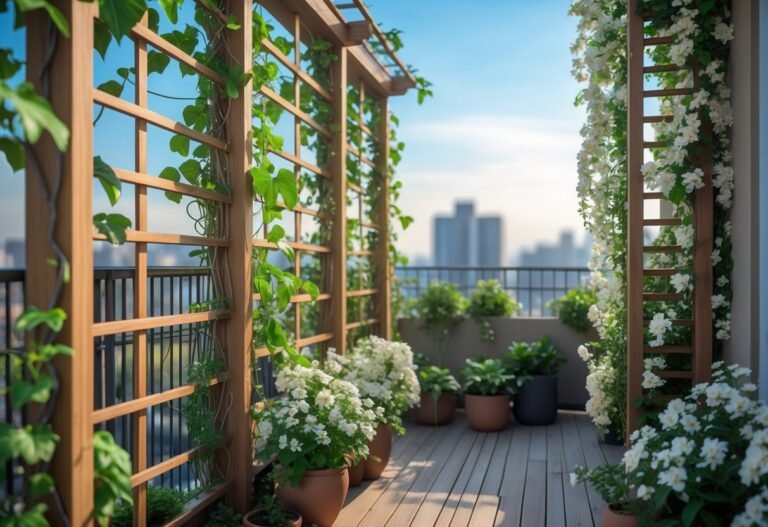
You can turn any corner of your home into a green, lived-in space that feels fresher and more inviting. This article shows 12 practical interior garden ideas that fit small spaces, different light levels, and varying skill levels so you can pick what works for your home and schedule.
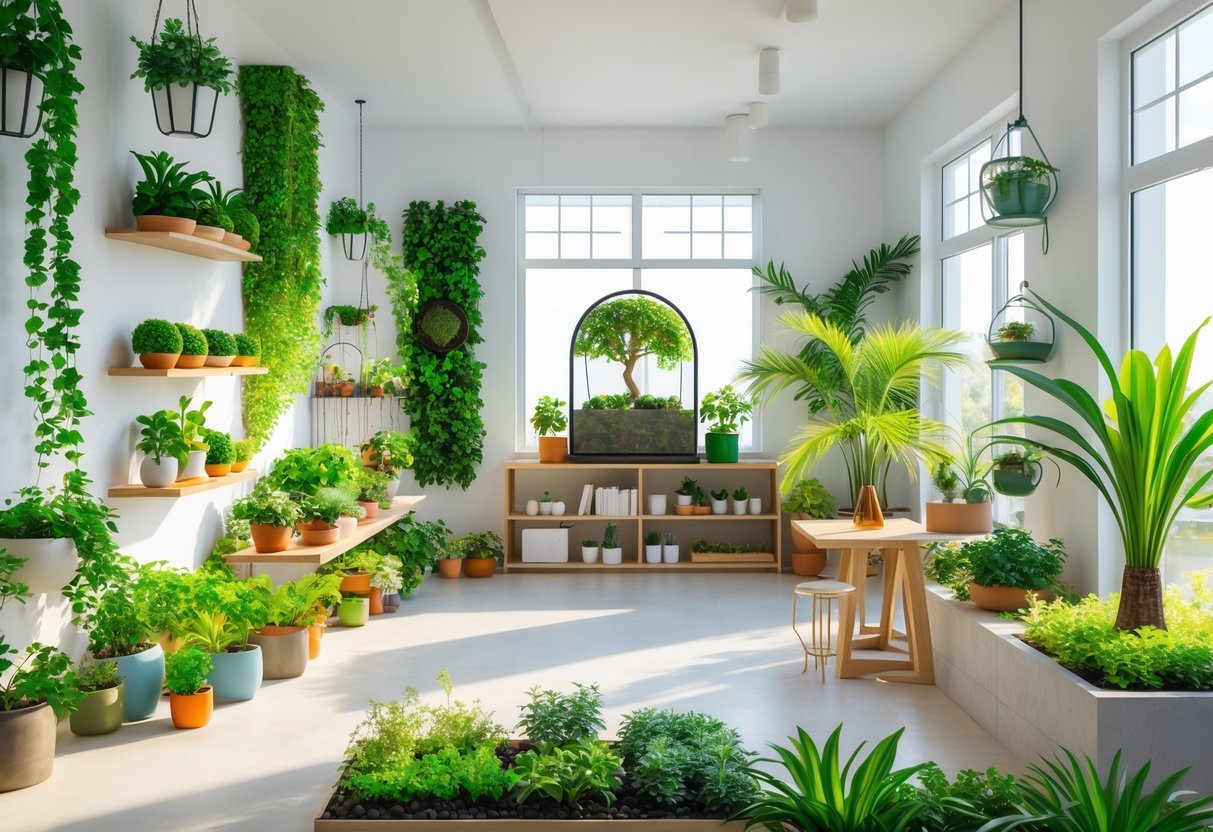
You’ll find options that focus on vertical setups, low-maintenance systems, edible herbs, and decorative planters, plus simple care tips to help plants thrive. Expect clear ideas you can try step by step, whether you want a low-effort green wall or a compact kitchen herb station.
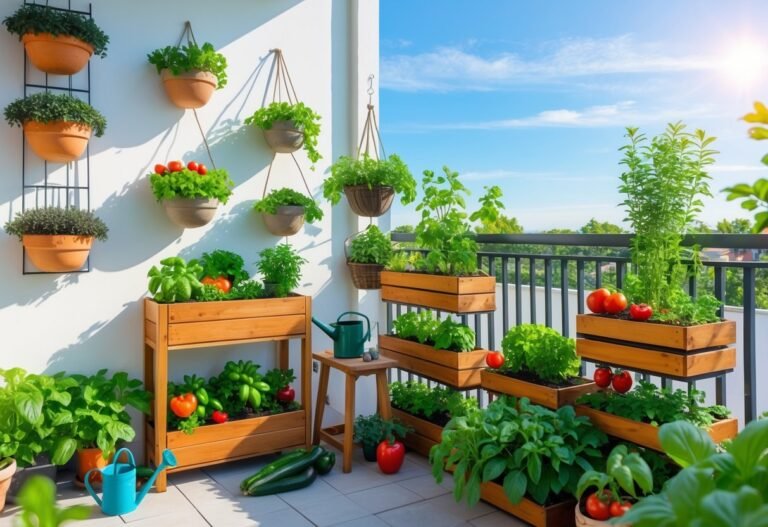
1) Vertical wall gardens with modular planters
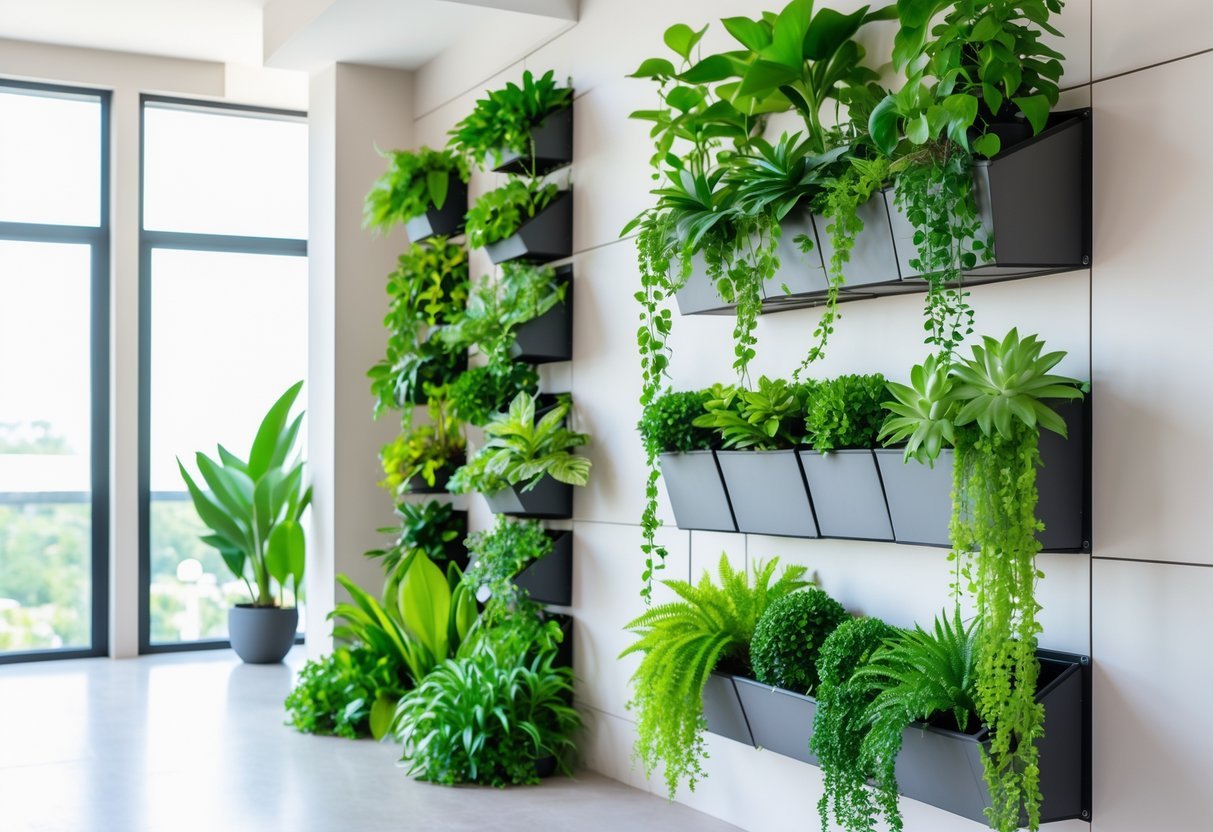
You can fit many plants on a single wall using modular planters. They lock together so you expand or reshape the garden as needed.
Choose shallow planters for herbs and succulents, or deeper modules for larger foliage. Many systems mount to studs or use a rail for easy removal and watering.
Modular walls save floor space and add a bold focal point. Pick durable materials and a simple irrigation option to keep maintenance low.
2) Hanging herb gardens using galvanized steel tape
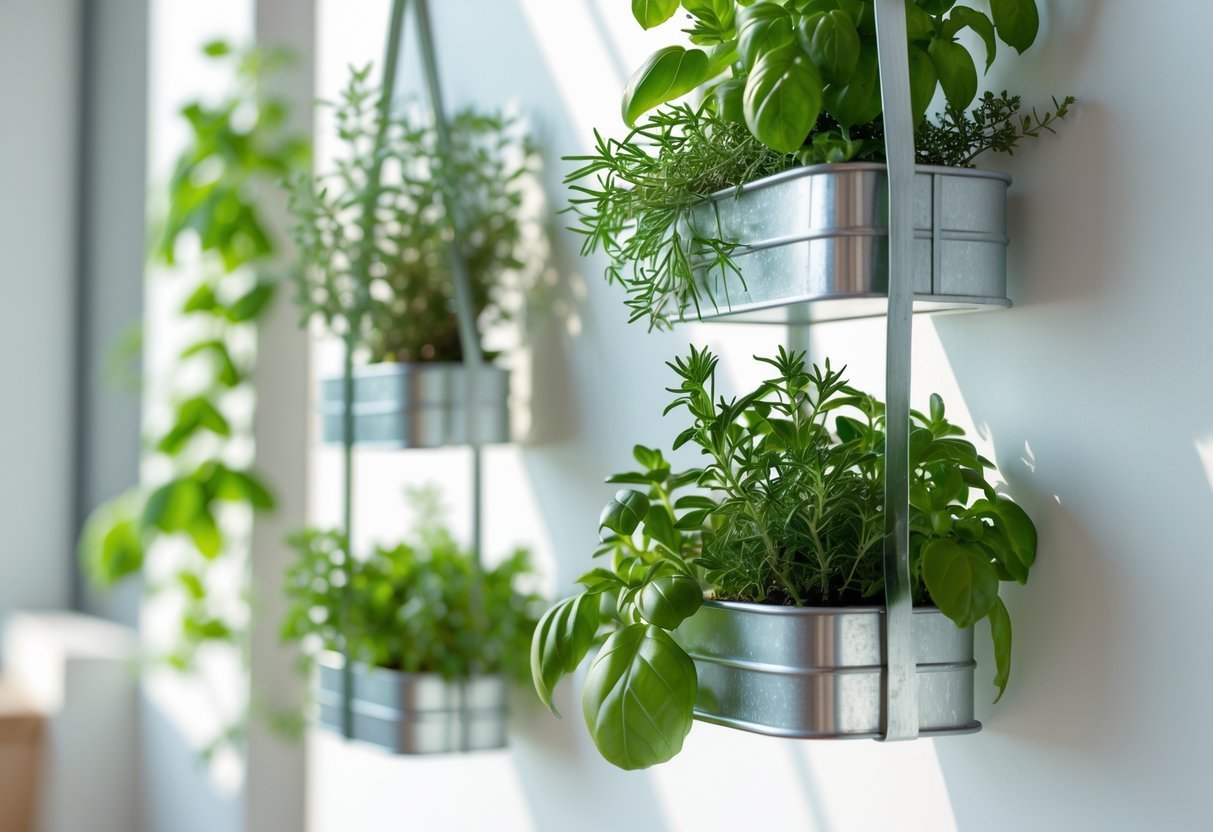
You can hang small pots or metal troughs with galvanized steel tape for a modern, durable look. The tape resists rust and holds weight better than thin twine, so your herbs stay safe.
Mount the tape to a strong hook or rod near a sunny window. Space pots for air and light, and rotate them so each herb gets even sun.
3) Terrarium jars with succulents and air plants
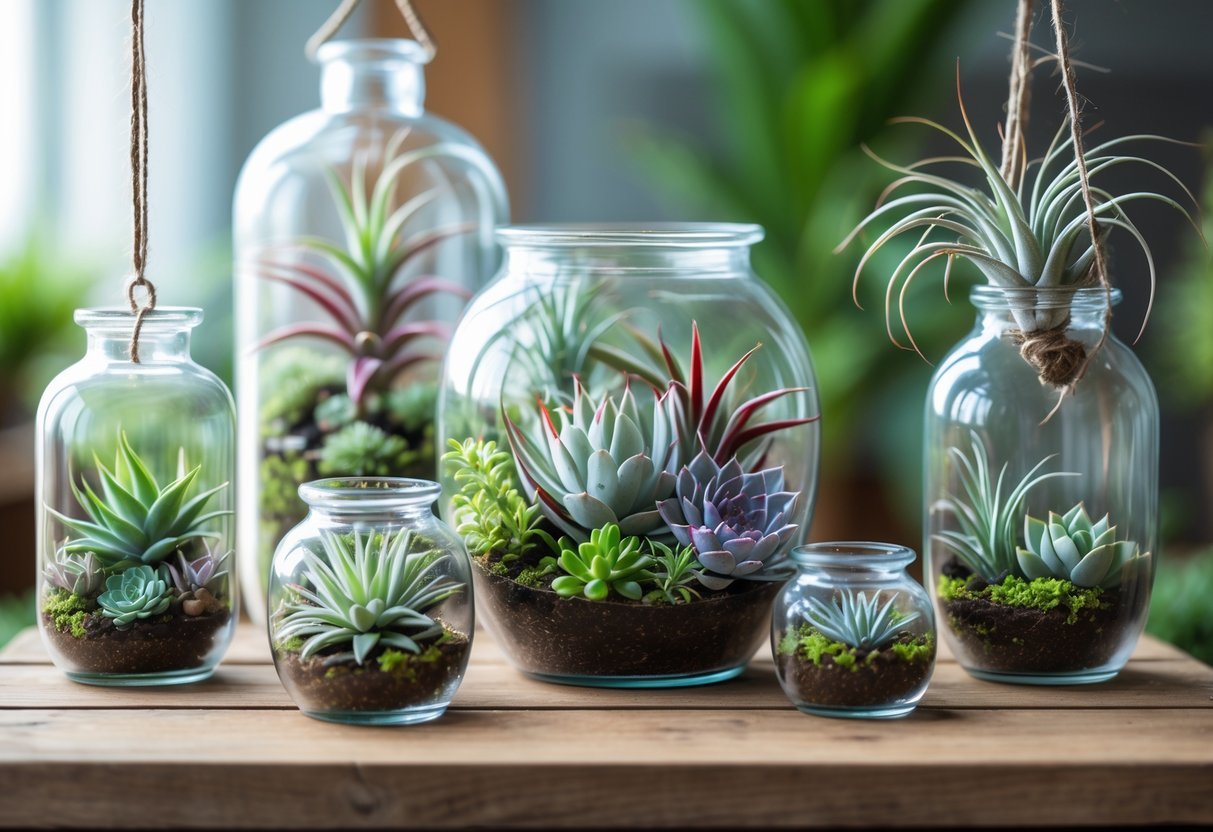
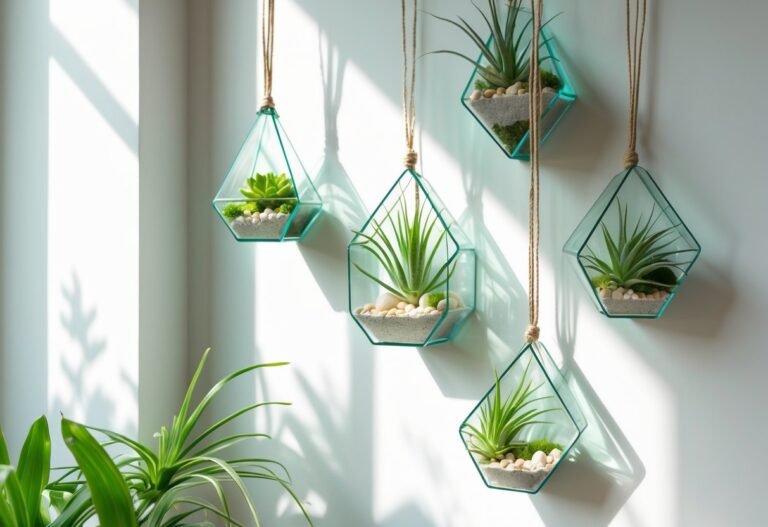
You can create small jar gardens using succulents or air plants for low-maintenance indoor green. Use a clear jar, a layer of pebbles for drainage, and cactus mix for succulents; air plants need no soil and sit on decorative sand or moss.
Place jars where they get bright, indirect light and water sparingly—succulents once every 2–3 weeks, mist air plants weekly. These terrariums add texture and fit on shelves, desks, or windowsills without taking much space.
4) Wooden planter boxes painted with creative patterns
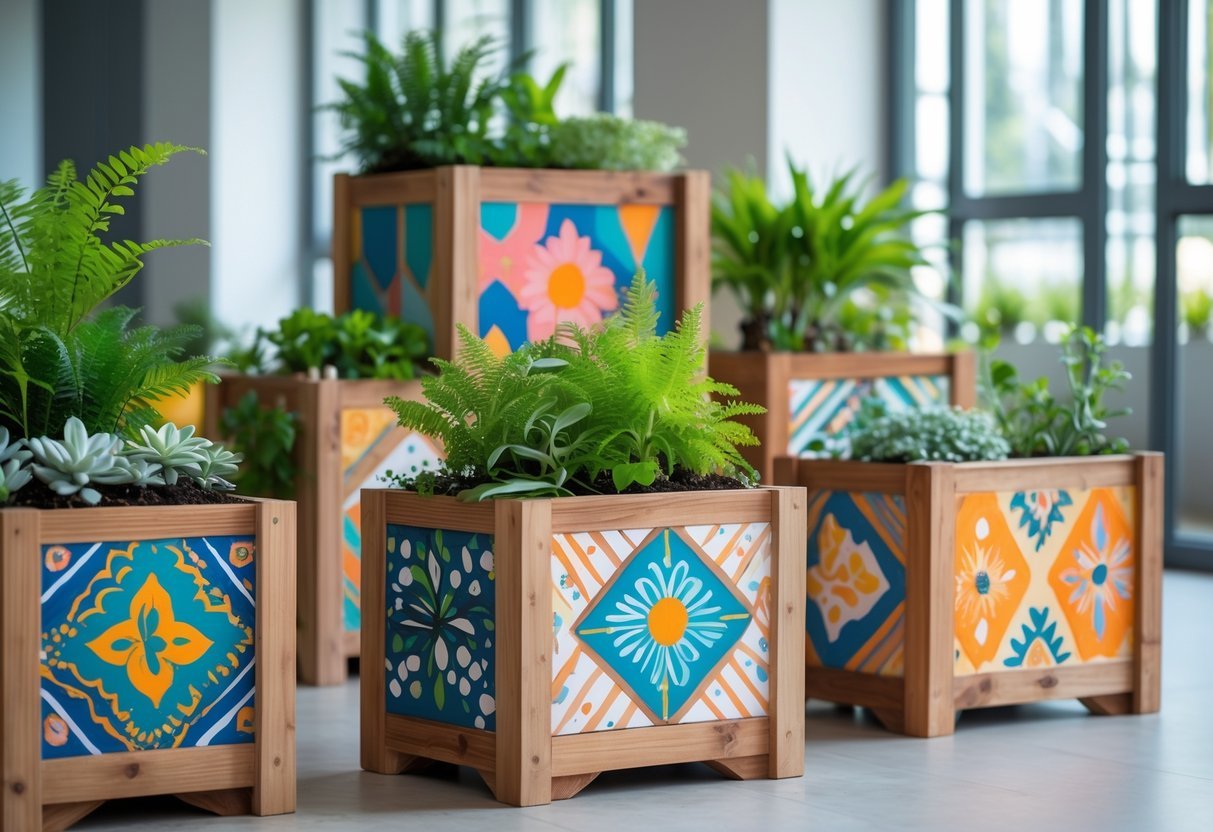
You can brighten your interior with painted wooden planter boxes that match your decor. Simple stripes, geometric shapes, or soft washes of color add personality without overpowering a room.
Use non-toxic paint and sealant so your plants stay healthy. Try stencils for repeatable patterns or freehand for a more handmade look.
Place painted boxes on windowsills, shelves, or a narrow bench to create a focused green display. Small changes in pattern or color can tie your plants into the rest of the space.
5) Indoor green walls with moss and ferns
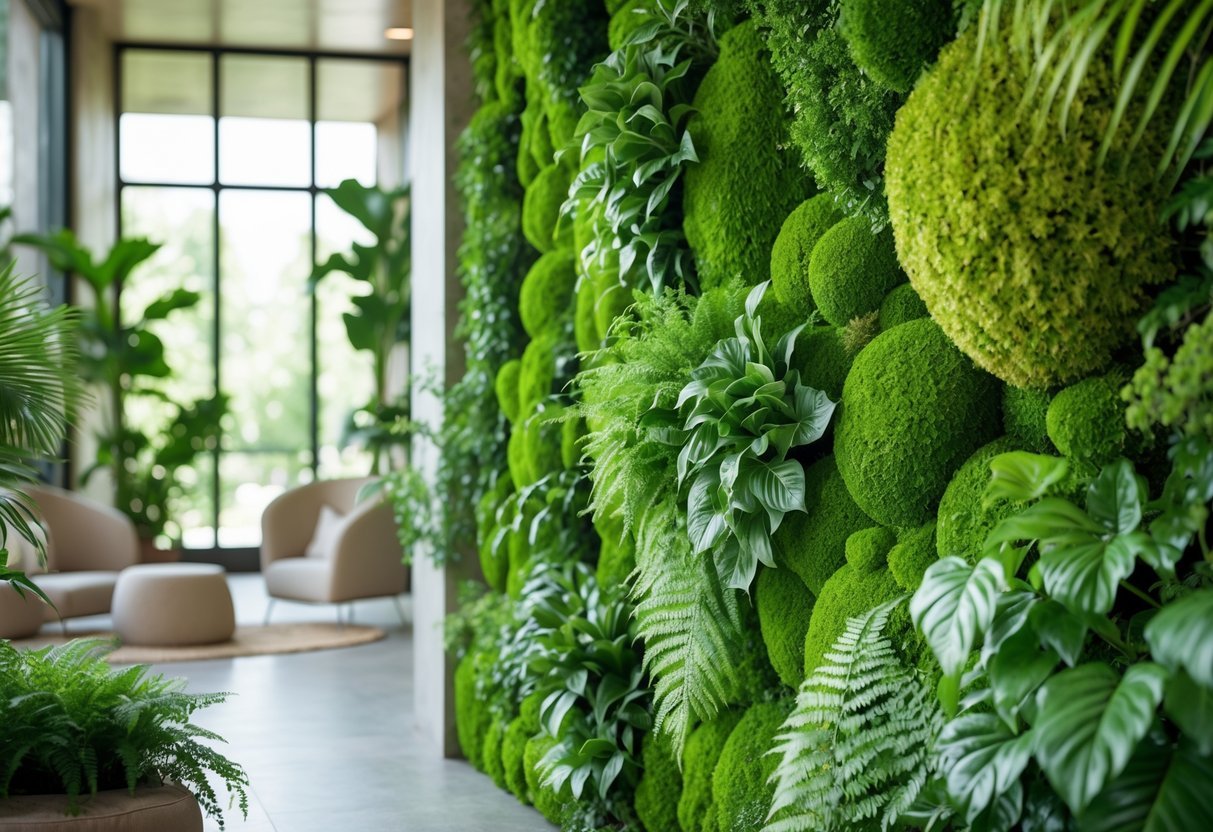
You can create a low-maintenance living wall using preserved moss and shade-loving ferns.
Moss adds texture and color without much light, while ferns bring soft, arching foliage and natural movement.
Install panels or a lightweight frame for easy mounting and water the ferns lightly; preserved moss needs no watering.
Place the wall where humidity is moderate, like a bathroom or near a kitchen, to keep ferns healthy without direct sun.
6) Self-watering planter systems for low maintenance
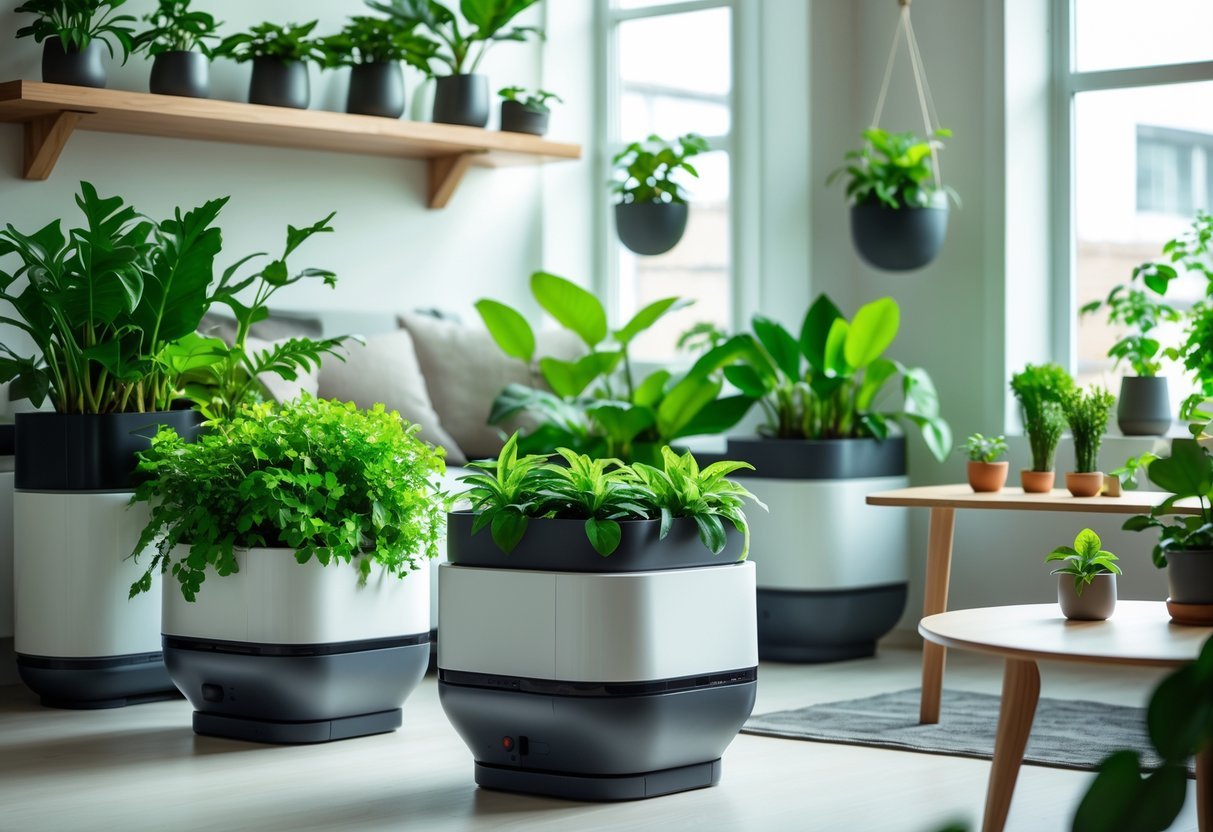
Choose self-watering planters to cut down on daily watering. They store water in a reservoir and feed roots slowly, so you water less often.
These systems work well for busy schedules and short trips away. You still need to check levels and clean reservoirs now and then.
Look for wicking, reservoir-with-spout, or bottle-based designs you can make yourself. They save time and reduce overwatering when used correctly.
7) Tiered plant stands for maximizing space
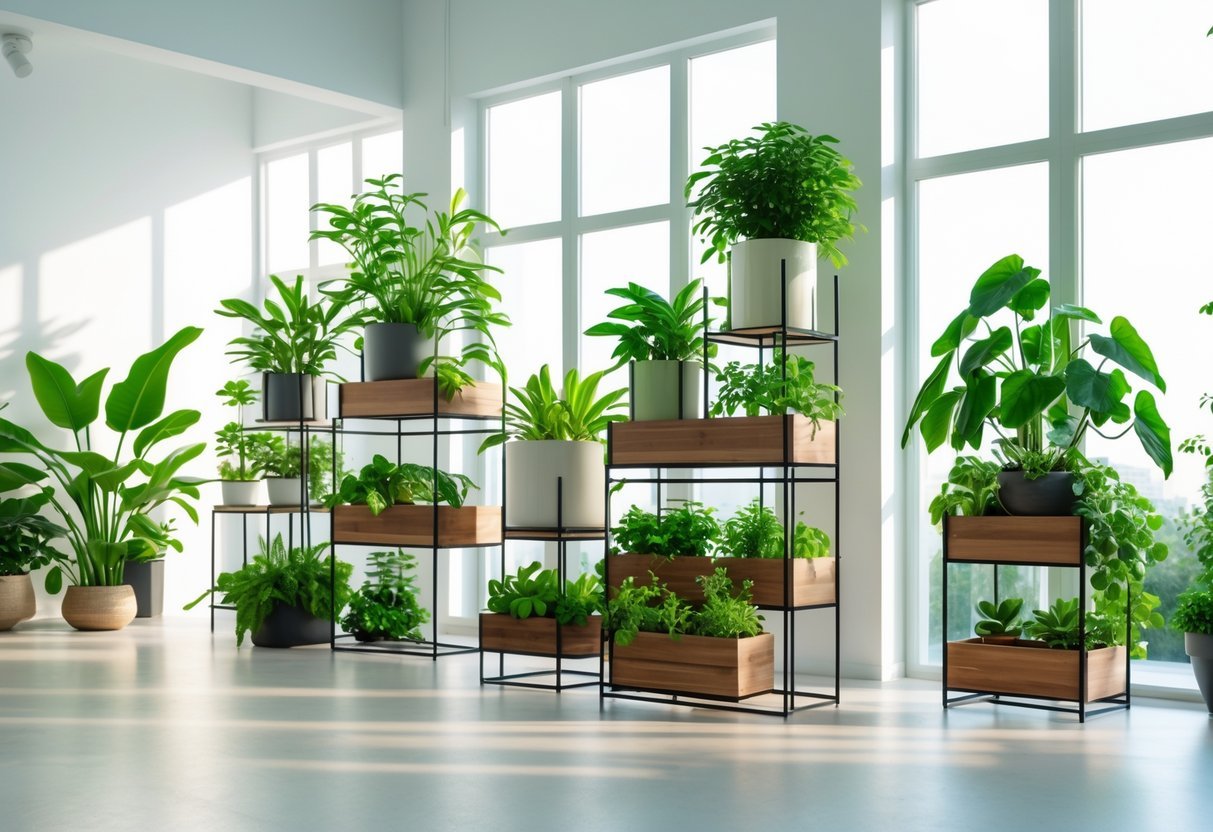
Choose a tiered plant stand to make the most of vertical space in small rooms. You can fit many plants without cluttering floors or windowsills.
Place taller plants on top and trailing or compact plants below. This creates balance and keeps each plant visible and light-accessible.
Pick a stable stand that matches your style and the weight of your pots. Wood, metal, or compact corner designs work well for different needs.
8) Succulent arrangements on reclaimed wood trays
Place a shallow reclaimed wood tray on a table or shelf to create a low, natural centerpiece. Use a mix of small succulents and gravel to improve drainage and add texture.
Group plants by height and color for balance, and leave breathing space between them. You can swap plants seasonally or rearrange the display to refresh the look.
9) Compact indoor vegetable garden with LED grow lights
You can grow lettuce, herbs, and small tomatoes in a tight corner using LED grow lights. LEDs save space and run cool, so you can place lights close to plants without burning leaves.
Set lights on a timer for 12–16 hours daily to mimic daylight. Rotate plants and check moisture often to keep roots healthy.
Choose shallow containers and fast-growing varieties to get quick harvests. LEDs work well for seed starting and full growth in small homes.
10) DIY mason jar herb gardens for kitchen windows
You can grow basil, parsley, or thyme in mason jars on your windowsill. Use a layer of pebbles for drainage, then add potting soil and seedlings.
Mount jars on a board or set them on the sill to save space. Rotate jars so each plant gets even sun.
Water lightly and check soil weekly; herbs prefer slightly dry conditions rather than soggy roots. Harvest leaves often to keep plants healthy and productive.
11) Decorative interior planters with geometric designs
Choose geometric planters to add clean lines and modern shape to your rooms. They work well with succulents, ferns, or small herbs and fit on shelves, tables, or window sills.
Pick materials like concrete, wood, or metal for different textures and weight. Mix shapes—hexagons, triangles, and facets—to create a striking display without cluttering the space.
Place planters in odd-numbered groupings for visual balance. Keep pot size and plant needs in mind so your display stays both stylish and healthy.
12) Seasonal greenery arrangements for holiday decor
Use fresh boughs, holly, and small potted evergreens to add real scent and texture to your rooms. Place garlands on mantels, wrap stair rails, or cluster mini trees on a side table for instant festivity.
Mix cut branches with lasting elements like pinecones, berries, or ribbon to extend life and hold shape. Keep water sources for cut stems and mist live plants to prevent drying.
Choosing the Right Plants for Indoor Gardens
Pick plants that match your light, space, and care routine. Choose species that fit the exact spot you have—window direction, shelf depth, and how often you’ll water them.
Light and Space Considerations
Measure the light in each spot for at least a week. South-facing windows give the strongest, direct sun; east and west provide bright indirect light for part of the day; north-facing windows offer low light. Note any obstructions like trees or buildings that reduce light.
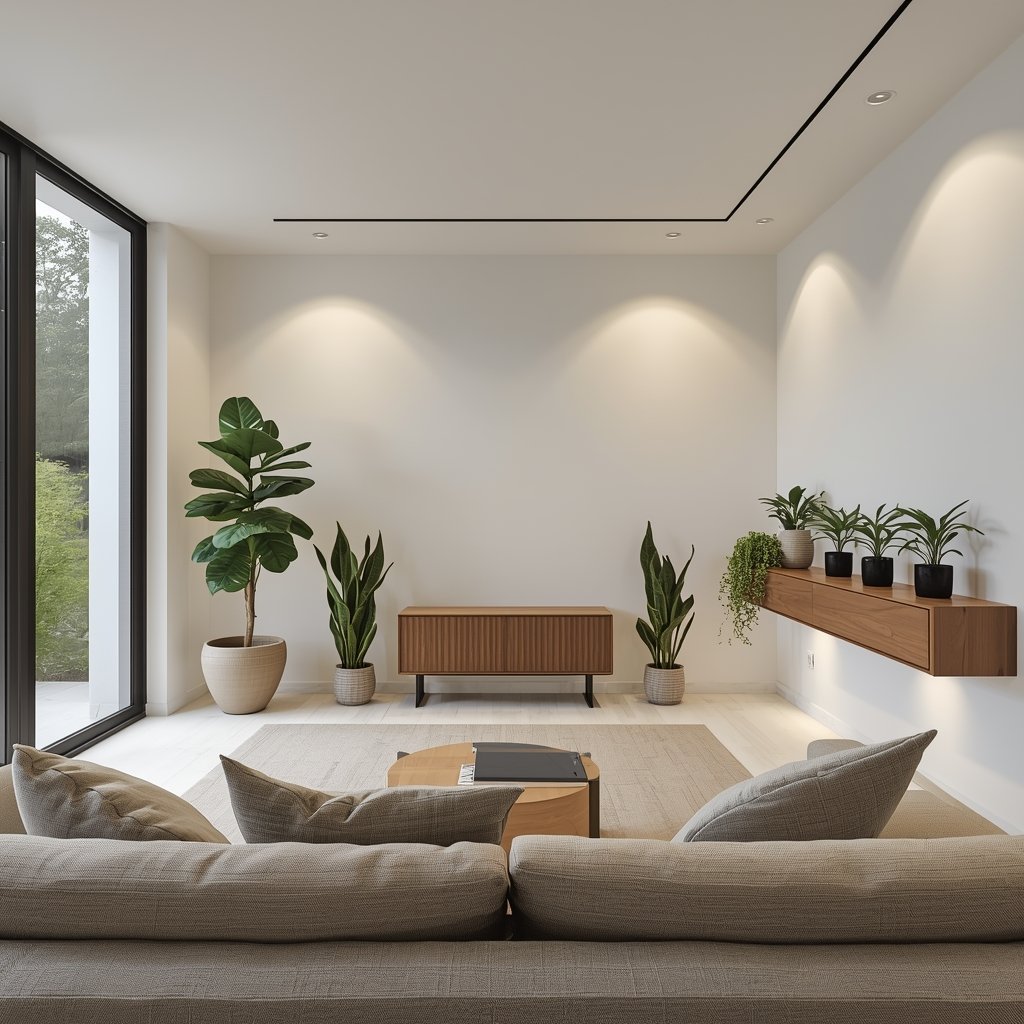
Match plant size to available space. Use compact varieties for shelves and trailing plants for hanging baskets. For deep shelves, choose plants with upright growth (e.g., snake plant) so leaves don’t touch the back wall. Keep larger pots near floors or corners where they won’t block walkways.
Rotate plants every 1–2 weeks so all sides get light. If light is low, place plants closer to windows or add a full-spectrum grow light for 6–10 hours daily.
Low-Maintenance Plant Options
Choose resilient species if you want low effort. Good picks include pothos, snake plant, ZZ plant, and spider plant. These tolerate irregular watering and lower light.
Pick succulents for bright, dry spots; they need well-draining soil and water only when soil is dry. Choose tropicals like peace lily or philodendron for humid rooms; they prefer consistent moisture and indirect light.
Use containers with drainage and a quality potting mix to reduce root rot. Set a simple care routine: check soil moisture weekly, dust leaves monthly, and fertilize lightly in spring and summer.
Essential Care Tips for Thriving Indoor Gardens
Water well when the plant needs it, keep air and soil humidity steady, and use good potting mix with proper drainage. Small routine checks prevent most problems and keep plants growing strong.
Watering Techniques and Frequency
Check soil moisture with your finger or a moisture meter before watering. For most tropical houseplants, water when the top 1–2 inches (2.5–5 cm) of soil feels dry. Succulents and cacti need water only when the top 2–3 inches are bone dry.
Water slowly until you see runoff from the drainage hole. This flushes salts and ensures roots reach moisture. Empty saucers after 30 minutes to avoid root rot.
Adjust schedule by season: water less in winter, more in active growth months. Factors that change frequency include pot size, potting mix, light level, and room temperature. Write a simple log for plants that seem finicky.
Managing Humidity and Soil Quality
Aim for 40–60% relative humidity for most houseplants. Use a small room humidifier, pebble tray with water, or group plants together to raise humidity locally. Place moisture-loving plants like ferns or calatheas closer to humid sources.
Use a well-draining potting mix: combine peat or coco coir, perlite, and compost at roughly 2:1:1 for general houseplants. Add extra grit or pumice for succulents. Repot every 12–24 months to refresh soil and check root health.
Test soil pH if plants show nutrient issues; many houseplants prefer 5.5–6.5. Feed with a balanced, diluted liquid fertilizer during the growing season, following label rates to avoid salt buildup.
Frequently Asked Questions
This section gives clear, specific answers about adding plants indoors. You will find practical tips on space-saving layouts, light needs, plant choices for low airflow, vertical systems, easy-care setups, and watering options.
What are some creative ways to incorporate plants into small indoor spaces?
Use vertical wall gardens with modular planters to add many plants without using floor space. Mount slim planters on unused wall areas like above desks or next to windows.
Hang herb gardens using galvanized steel tape from curtain rods or ceiling hooks to free counter space. Place terrarium jars with succulents on shelves or windowsills for compact, low-care displays.
Use wooden planter boxes painted with patterns along narrow ledges or stair landings. Put air plants on small trays or in hanging glass orbs to keep floor area clear.
How can I ensure proper lighting for my indoor garden?
Match light type to plant needs: bright, indirect light for ferns and moss; direct light for succulents and many herbs. Use a light meter app or move a plant through the day to judge how much natural light it receives.
Add full-spectrum LED grow lights for spots with little natural light. Position lights 6–12 inches above plants and run them 10–14 hours daily, depending on species.
Rotate plants every week so all sides receive light. For deep rooms, place mirror-backed shelves or reflective panels to boost light without extra fixtures.
Which plants are best suited for an indoor garden with limited ventilation?
Choose plants that tolerate low airflow and moderate humidity like pothos, snake plant, and ZZ plant. Mosses and many ferns also do well if humidity stays steady.
Use air plants and succulents in closed terrariums with occasional airing to avoid mold. Avoid large-leaved tropicals that need constant fresh air to reduce disease risk.
What innovative vertical garden solutions are available for interior use?
Install modular planters that clip together to form a living wall you can rearrange. These systems let you swap plants easily and fit different wall sizes.
Use pocket planters made of felt or fabric for herbs near the kitchen. They drain quickly and are simple to hang.
Try living moss panels and fern walls for low-maintenance, high-impact visuals. These use non-soil mounting and often need less frequent watering than potted systems.
How can I create a low-maintenance indoor garden?
Pick low-care plants such as succulents, snake plant, and ZZ plant. Group plants with similar light and water needs to simplify care.
Use self-watering pots or add a layer of pebbles and coarse sand for better drainage. Keep plants in labeled zones so you follow a simple watering and feeding routine.
What are some effective watering systems for indoor gardens?
Use self-watering planters with reservoirs to supply steady moisture to potted plants. These cut down frequent watering and reduce root rot from overwatering.
Install a drip irrigation line for vertical walls or long planter boxes. Connect it to a small timer so each zone gets a set amount of water.
For terrariums and moss panels, mist lightly with a spray bottle or use a small pump and tube system for precise, infrequent watering.