12 Indoor Garden Ideas for Small Spaces, Low Light, and Stylish Displays
You can bring fresh life and useful plants into any room, no matter the size or skill level. This article shows twelve simple indoor garden ideas that help you grow herbs, veggies, air-purifying plants, and decorative greens in ways that fit your space and schedule.
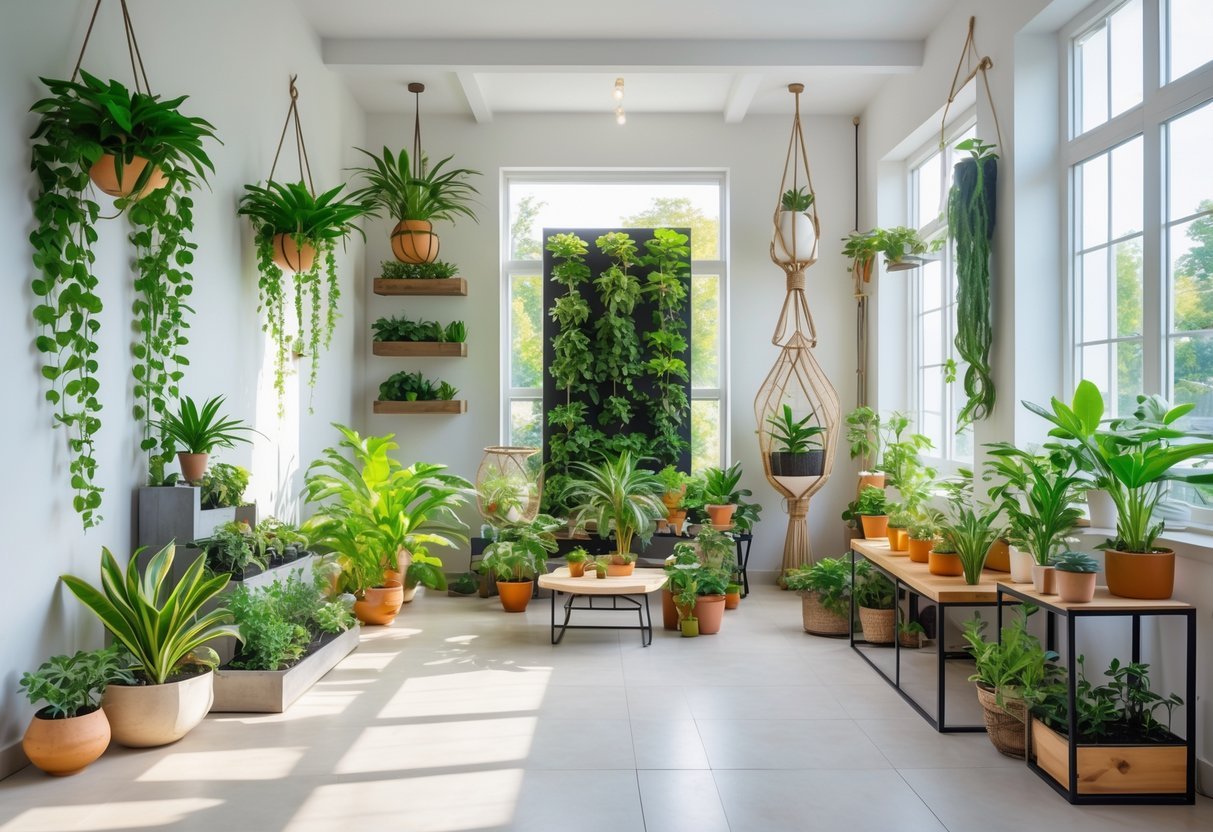
You’ll find options that suit sunny windows, small walls, low-light corners, and busy routines, plus practical tips to keep your plants healthy. Expect clear, doable ideas that make indoor gardening easy and rewarding for your home.
1) Vertical Herb Garden on a Kitchen Wall
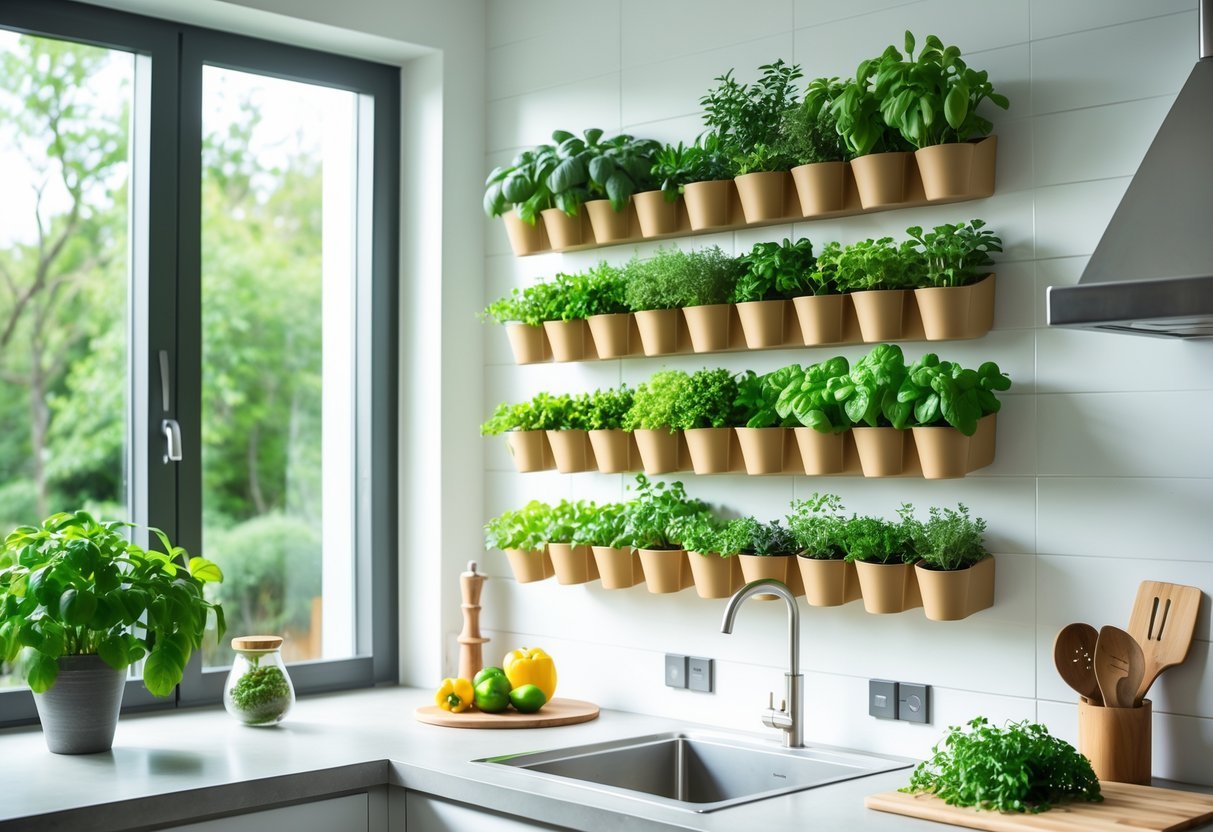
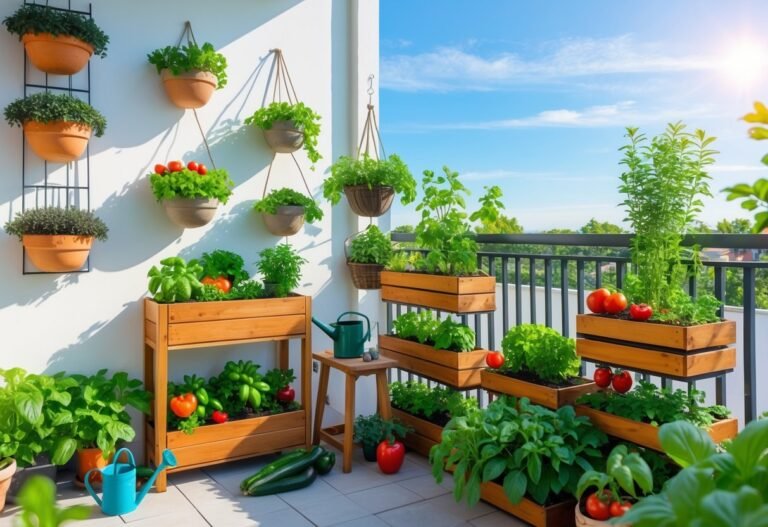
You can free up counter space by mounting a vertical herb garden on a kitchen wall. Use wall planters, hanging pots, or a pallet system to fit different herbs and light conditions.
Place sun-loving herbs like basil and rosemary near a bright window, and put shade-tolerant herbs like mint and parsley lower down. Water carefully to avoid drips and use lightweight pots to protect your wall.
2) Terrarium Jars with Succulents
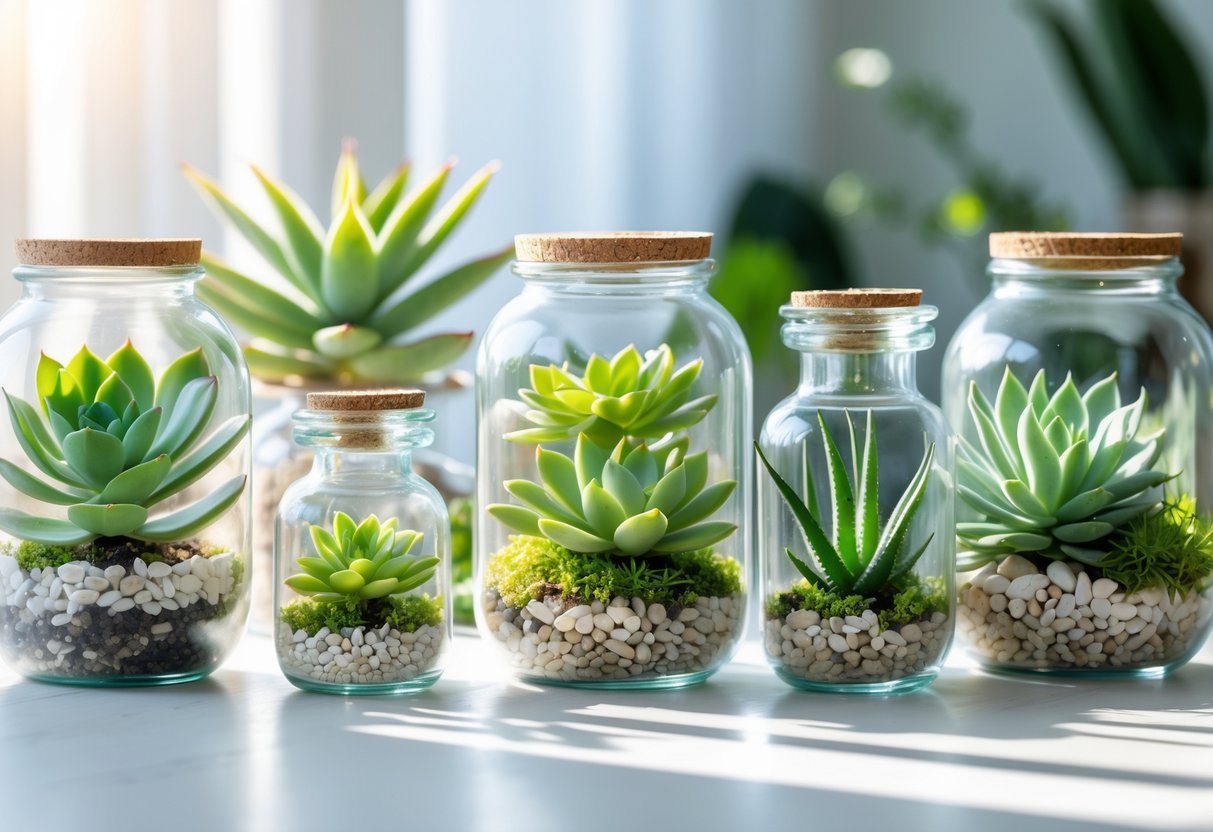
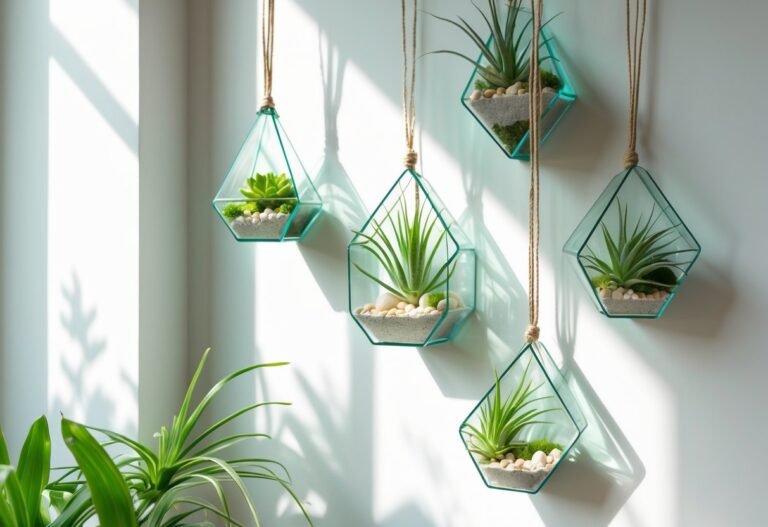
You can build a small, low-maintenance garden inside a clear jar using succulents. Start with pebbles for drainage, a thin layer of activated charcoal, then well-draining succulent soil.
Choose small, slow-growing succulents and arrange them with varied shapes and colors. Place the jar where it gets bright, indirect light and water sparingly — usually once every 2–4 weeks.
3) Low-Maintenance Cacti Collection
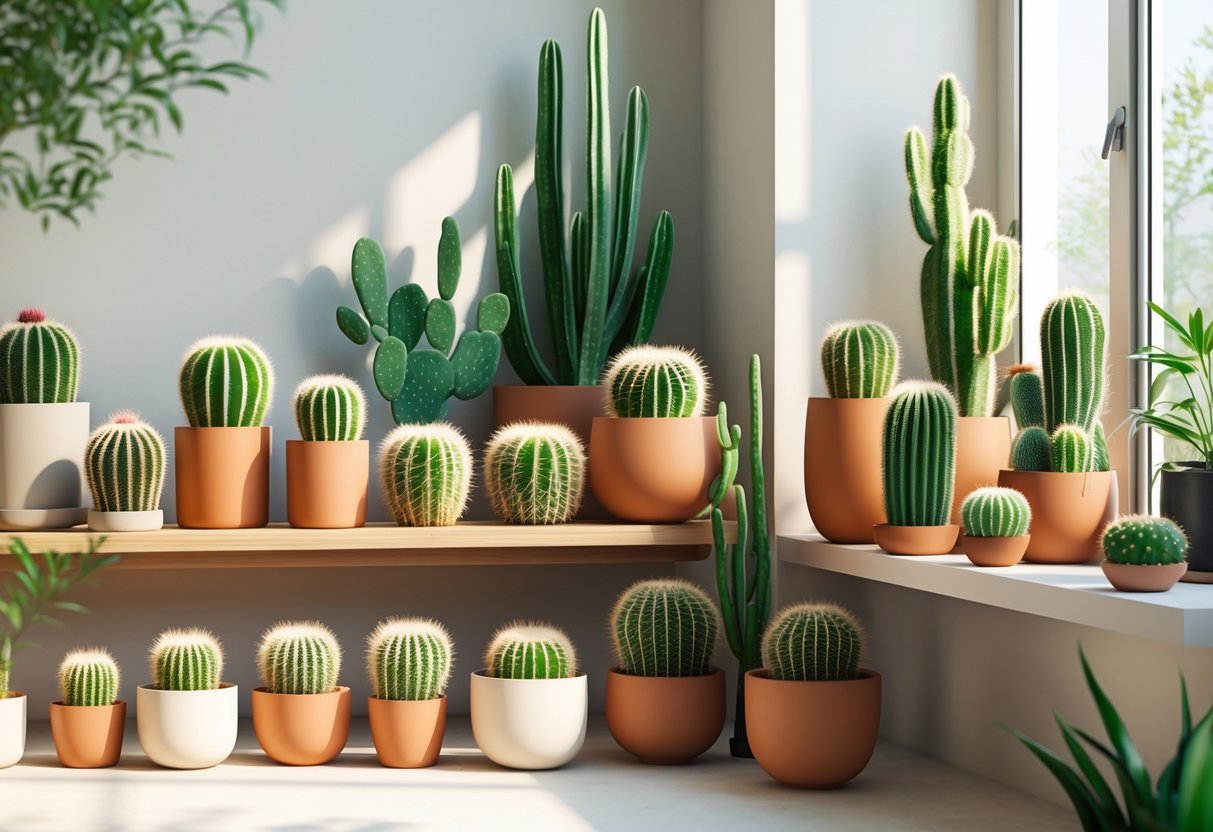
Choose a few hardy cacti that fit your light and space. They need bright light and very little water, so place them near a sunny window.
Use gritty soil and pots with drainage to prevent root rot. Water only when the top inch of soil is dry; overwatering is the main cause of problems.
Group different shapes and sizes for visual interest. Rotate pots occasionally so each cactus gets even light.
4) Hanging Macramé Planters
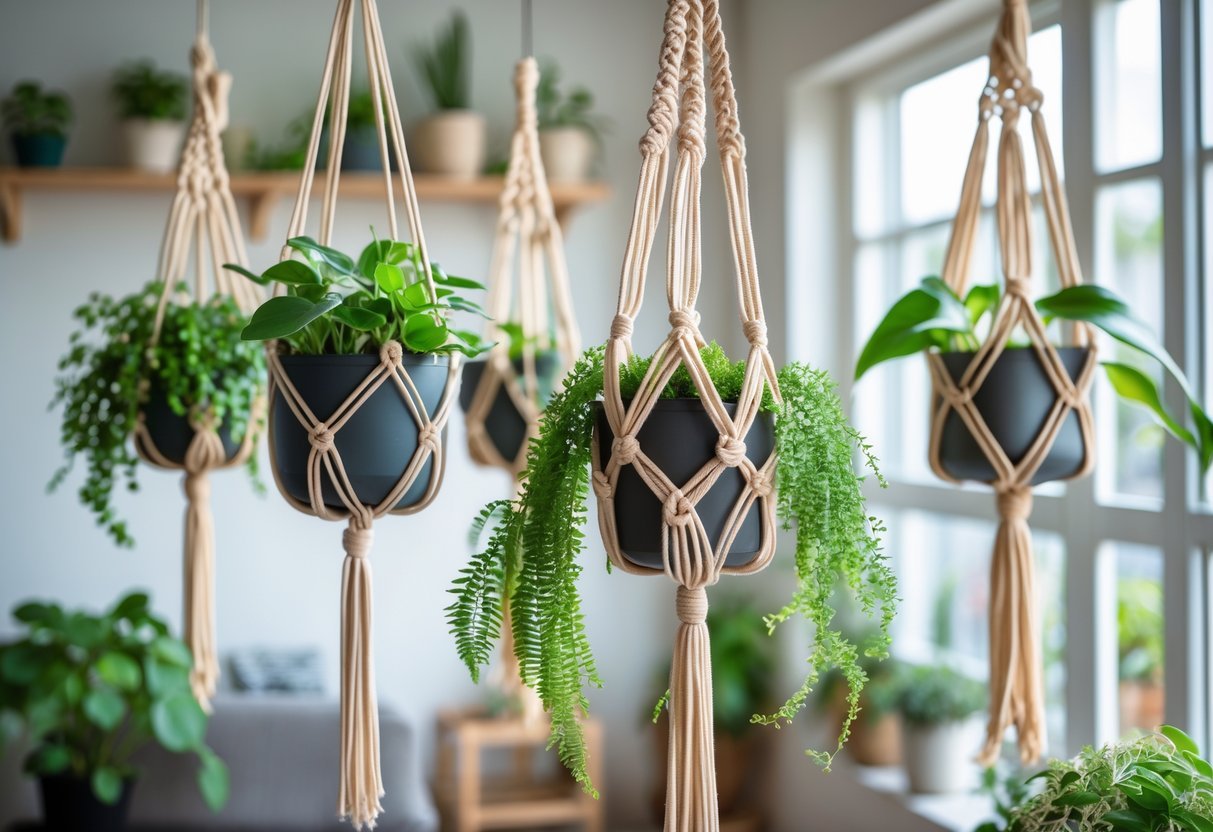
You can save floor space by hanging macramé planters from the ceiling or curtain rod.
They add texture and style while keeping pots safely suspended.
Choose plants that like bright, indirect light such as pothos, spider plants, or philodendron.
Keep the knots tight and use sturdy cord to prevent slipping.
Group several at different heights for a striking display.
This creates a focal point and works well near windows or in corners.
5) Hydroponic Indoor Vegetable Garden
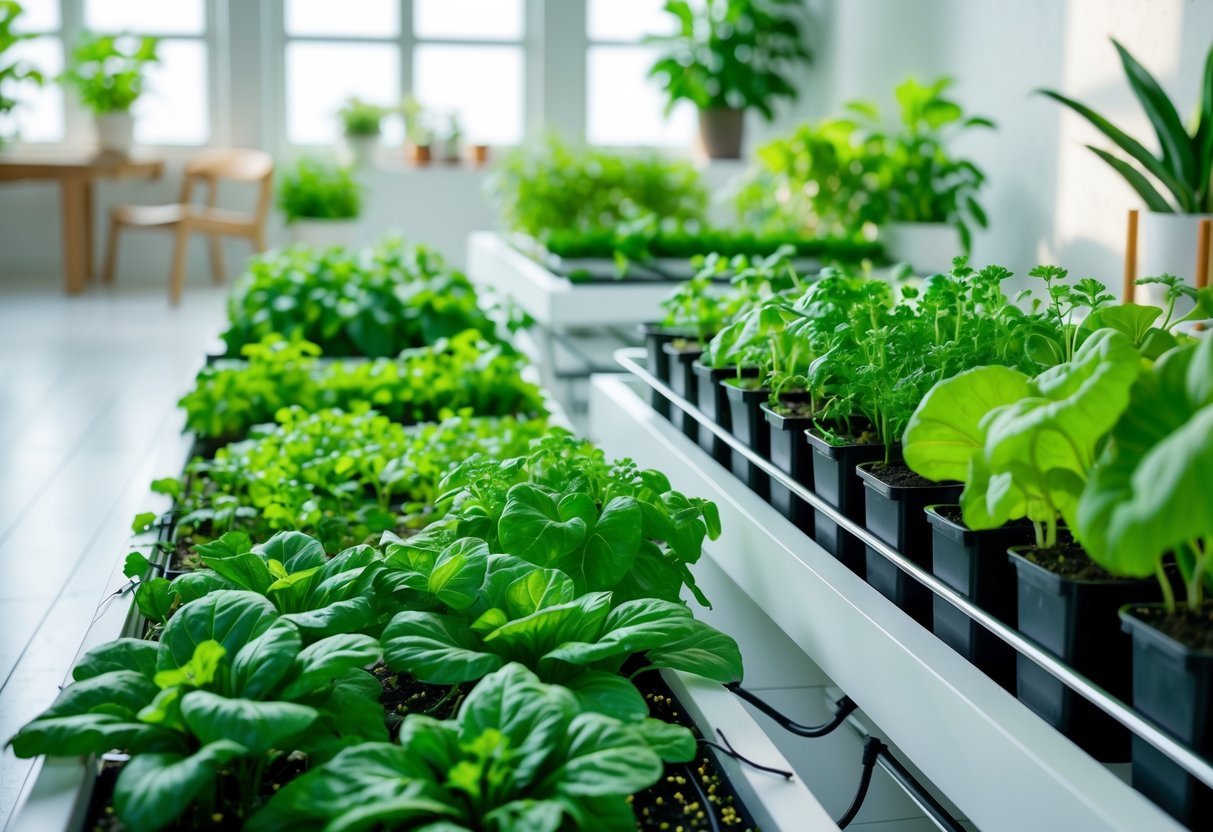
You can grow lettuce, herbs, and tomatoes without soil using water and nutrients. Hydroponics saves space and often uses less water than traditional pots.
Start with a simple kit or DIY tray system and add a small grow light if sunlight is limited. Check pH and nutrient levels weekly to keep plants healthy.
This method speeds growth and lets you harvest year-round. It works well in kitchens, balconies, or any bright corner.
6) Window Sill Microgreens
You can grow microgreens on a sunny windowsill with just seeds, a shallow tray, and moist soil. They sprout fast, often ready to harvest in 7–14 days, so you see results quickly.
Place trays where they get bright, indirect light and rotate them for even growth. Harvest with scissors when leaves are a few inches tall and use them fresh on salads, sandwiches, or as a garnish.
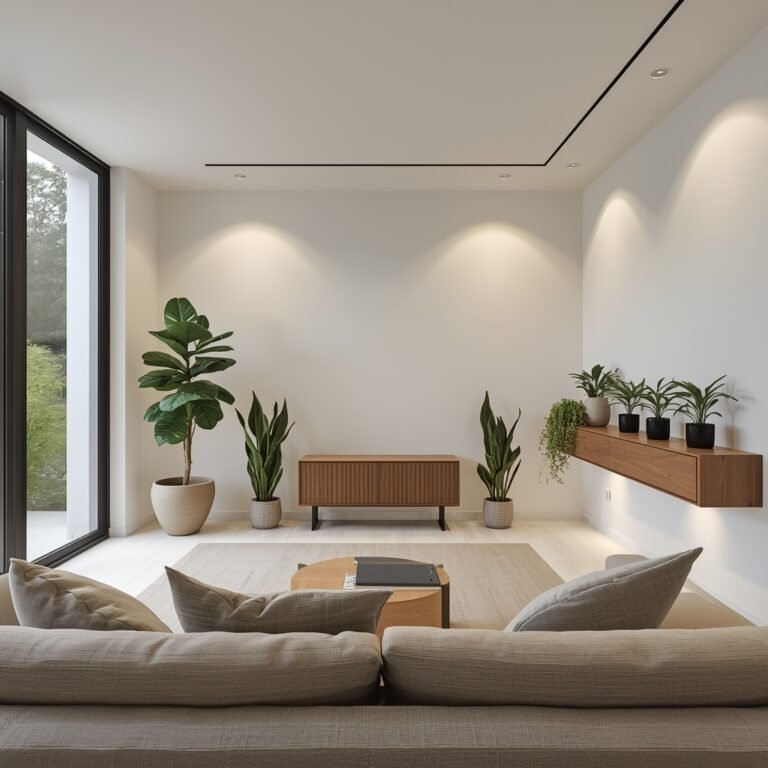
7) Air-Purifying Snake Plants
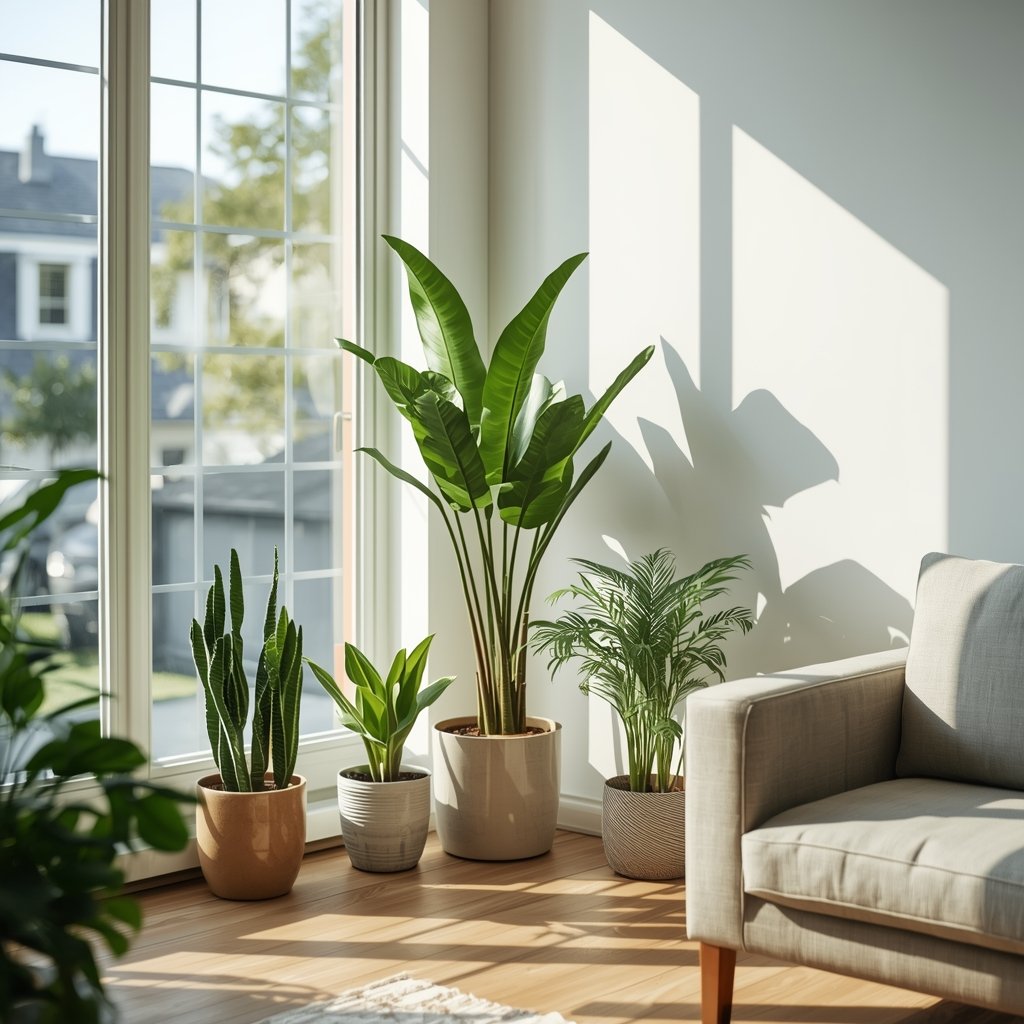
Snake plants fit small spaces and need little care, making them ideal for beginners. You can place them in low light and water only when soil is dry.
They help reduce some indoor toxins like formaldehyde and benzene, according to lab studies. Expect modest air benefits; they complement ventilation and cleaning, not replace them.
Their upright leaves add modern structure to shelves or corners. Rotate the pot occasionally for even growth.
8) DIY Moss Wall Art
Make a moss wall to add quiet green to your room with little upkeep. Use preserved moss so it needs no light or watering and stays soft.
Attach moss to a frame or board with craft glue or wire mesh. Mix textures and small accents like stones or driftwood for a balanced look.
Hang your piece on a focal wall or above furniture. It creates a calm, natural feel without taking up floor space.
9) Bright South-Facing Indoor Citrus Trees
Place your citrus pot near a south- or southwest-facing window for the best light. Citrus needs bright, direct sun to stay healthy and fruit well, about 8–12 hours if possible.
Use a well-draining potting mix and a container with drainage holes. Water when the top inch of soil feels dry and feed with a balanced citrus fertilizer during spring and summer.
Rotate the pot monthly so growth stays even. Hand-pollinate flowers indoors to help fruit set if needed.
10) Climbing Ivy on Trellis Frames
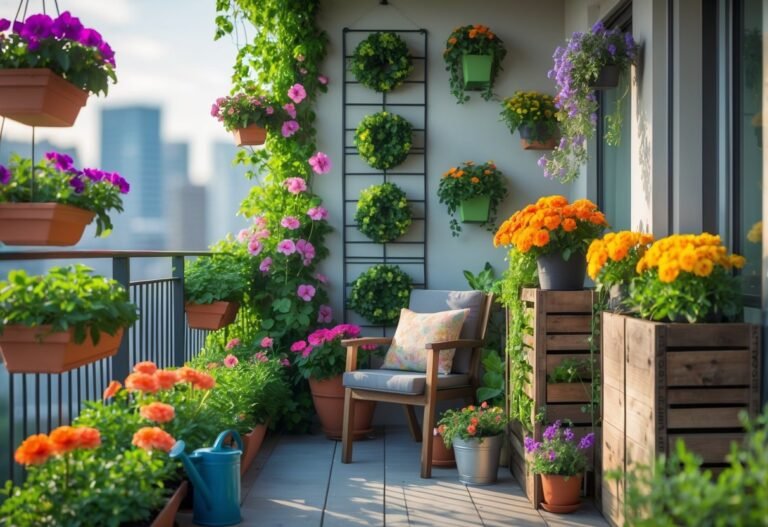
Train ivy up a trellis to add vertical green without taking floor space. Use a lightweight metal or wooden frame that fits your pot or wall and anchors securely.
Place the trellis where your ivy gets bright, indirect light and rotate the pot occasionally for even growth. Tie new stems loosely to the frame with soft twine and prune back overgrowth to keep the shape tidy.
Check for pests and avoid overwatering; ivy prefers slightly dry topsoil between waterings.
11) Lavender and Rosemary Aromatic Garden
Plant lavender and rosemary together in a sunny spot near a bright window or on a sunny balcony. Both like well-draining soil and only occasional watering, so use a gritty potting mix.
Place rosemary toward the back since it can grow taller, and lavender in front for blooms and scent. Prune regularly to keep shapes neat and encourage airflow.
Their scents freshen the room and attract pollinators if you move them outdoors in warm months.
12) Compact Bonsai Tree Display
Place a small bonsai on a low shelf or windowsill to add calm and green without taking much space.
Pick a species that suits your light—ficus and Chinese elm work well indoors with moderate light.
Use a shallow, attractive pot and keep soil and foliage neat with regular pruning.
Rotate the tree weekly so growth stays even and use a tray to catch water and protect surfaces.
Benefits of Indoor Gardening
Indoor plants can clean the air, lift your mood, and give you fresh herbs or greens whenever you need them. These benefits show up in measurable ways, like lower dust levels, reduced stress scores, and easy access to cooking ingredients.
Improved Indoor Air Quality
Plants remove some common indoor pollutants and raise humidity in dry homes. Species such as spider plants, pothos, and snake plants can reduce levels of formaldehyde and benzene when you keep several medium pots in commonly used rooms. Place plants near vents or windows for better air circulation.
Keep soil healthy to avoid mold or pests. Water properly and use well-draining potting mix. If you have allergies, choose low-pollen or foliage-only plants and wipe leaves weekly to cut dust.
Practical tips:
- Use 1 medium pot per 100–200 sq ft for noticeable effect.
- Combine trailing and upright plants to cover more air flow paths.
- Add a small fan on low to move air past leaves.
Mental Wellness and Stress Reduction
Tending plants gives you a clear, low-cost way to reduce daily stress. Short tasks like watering or trimming take 5–15 minutes and can lower your heart rate and improve focus.
Keep a few easy-care plants in your workspace or bedroom. Succulents and herbs are good for busy schedules because they recover quickly from missed care. Use a dedicated tray and small tools to make routine care feel effortless.
Simple habits that help:
- Spend 5 minutes a day checking soil and pruning.
- Group plants where you work to create a calming green view.
- Track one plant’s growth to get regular small wins.
Year-Round Freshness
Growing herbs and microgreens indoors gives you continuous access to fresh flavor. Basil, parsley, chives, and mint will yield cuttings in 2–6 weeks under good light.
Use a sunny windowsill, a grow light, or a small shelf with LED strips. Harvest outer leaves first to encourage more growth. For microgreens, sow seeds in shallow trays and harvest in 7–21 days for fast, nutrient-dense greens.
Tips for reliable harvests:
- Rotate pots weekly for even light exposure.
- Fertilize lightly every 3–4 weeks for herbs.
- Keep a small planting schedule: sow one tray while another is producing.
Essential Tips for Indoor Garden Success
You need the right pots, enough light, and balanced soil to keep plants healthy. Small changes to containers, watering, and feeding will make the biggest difference.
Choosing the Right Containers
Pick containers with drainage holes to avoid root rot. If a pot has no hole, use a layer of gravel and water less often, or line it with a plastic nursery pot that you can remove for watering.
Match pot size to plant size: small plants in 4–6 inch pots; fast-growing or root-heavy plants in 8–12 inch or larger. Clay or terracotta pots dry faster and suit succulents and herbs. Plastic pots retain moisture and work well for ferns and tropicals.
Consider weight and location. Lightweight plastic or resin works for shelves and hanging planters. Heavy ceramic or concrete stabilizes tall plants near windows. Use saucers, trays, or self-watering inserts to catch excess water and protect surfaces.
Light and Water Requirements
Know each plant’s light needs: low (north-facing or shaded rooms), medium (bright indirect light), or high (direct sun from south- or west-facing windows). Use a light meter app or watch how long sunlight falls on the spot—aim for 4–6 hours of bright indirect light for most houseplants.
Water based on soil moisture, not schedule. Stick your finger 1–2 inches into the soil; water when it feels dry for most plants. Succulents and cacti need deep, infrequent watering. Tropicals like consistent moisture but not soggy soil.
Use grow lights if natural light is weak. LED full-spectrum strips or bulbs placed 6–12 inches above plants can supply needed light. Rotate pots weekly so plants grow evenly.
Proper Soil and Fertilizer Use
Use a well-draining potting mix made for containers; don’t use garden soil. For most houseplants, a peat- or coco-based mix with perlite or pumice keeps air in the root zone. Add coarse sand or specialty cactus mix for succulents.
Fertilize during the growing season (spring through early fall). Choose a balanced liquid fertilizer (e.g., 10-10-10) diluted to half strength every 4–6 weeks for general use. For leafy plants, use a nitrogen-forward formula; for flowering plants, use higher phosphorus.
Avoid overfertilizing: signs include brown leaf tips, salt buildup on the soil surface, or slowed growth. Flush pots with plain water occasionally to remove salts. Always follow the label and reduce strength for smaller pots.
Frequently Asked Questions
These answers focus on practical steps: choosing a spot, picking space-saving systems, using affordable materials, and easy-care plants. You’ll get clear tips for setup, budget projects, plant choices, DIY builds, design rules, and simple upkeep.
How can I create an indoor garden in a small space?
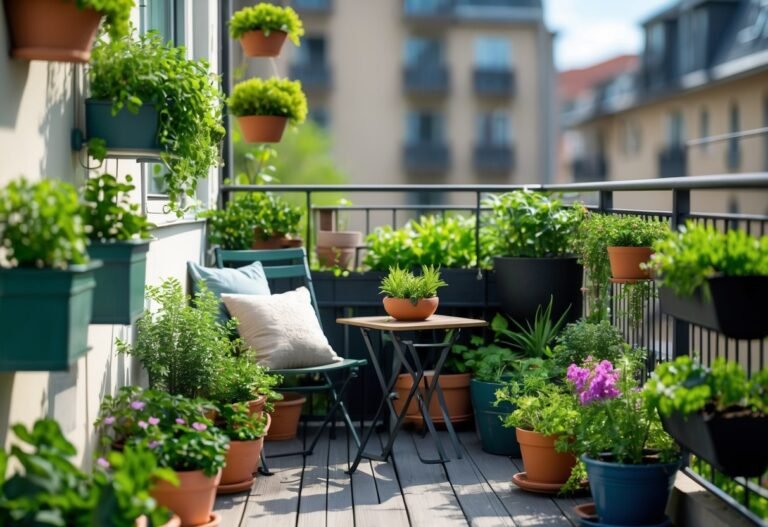
Pick a sunny windowsill, a narrow shelf, or an unused wall. Use vertical solutions like a vertical herb garden or hanging macramé planters to save floor space.
Choose compact systems such as hydroponic towers or tiered shelving to grow more in less area. Place herbs or microgreens near the kitchen for easy access.
What are some budget-friendly indoor gardening projects?
Turn glass jars into terrarium jars with succulents and pebbles. Repurpose wooden crates or shoe racks as tiered plant stands.
Use cuttings to multiply plants rather than buy new ones. Start seeds in recycled containers to save on seedling costs.
What indoor plants are suitable for beginners to start an indoor garden?
Start with low-maintenance choices: succulents, cacti, and common herbs like basil, mint, or chives. These tolerate irregular watering and simple soil mixes.
Choose plants that match your light: succulents for bright light, mint or basil for moderate light, and snake plant or pothos if light is low.
Can you suggest DIY ideas for setting up an indoor garden?
Build a vertical herb garden from a wooden pallet or wall-mounted planters for the kitchen. Make terrarium jars using glass containers, gravel, charcoal, and small succulents.
Convert a shelf into a hydroponic station with grow lights and net pots if you want vegetables year-round. Hang planters with macramé for decorative, space-saving displays.
What are unique design considerations for an indoor garden?
Match planter scale to the room size; small pots suit shelves, large pots need floor space. Group plants by light needs so you can place them where they’ll thrive.
Pick materials that handle moisture—ceramic, plastic, or glazed pots—especially near cabinets or wood. Consider drainage and saucers to protect surfaces.
How do I maintain a mini garden inside my house?
Water according to each plant’s needs: cacti rarely, herbs more often. Check soil moisture rather than following a fixed schedule.
Rotate plants for even light exposure and prune dead leaves to encourage growth. Watch for pests and treat early with mild soap spray or isolated removal.