Garden Wedding Design Ideas: Elegant Layouts, Floral Schemes, and Lighting Tips
You can make a garden wedding feel personal, timeless, and surprisingly easy to style when you focus on a few strong elements: a clear theme, seasonal blooms, and lighting that extends the party into the evening. Choose a theme that matches the venue, pick flowers that thrive in the season, and layer simple decor and warm lights to create a cohesive look without extra stress.
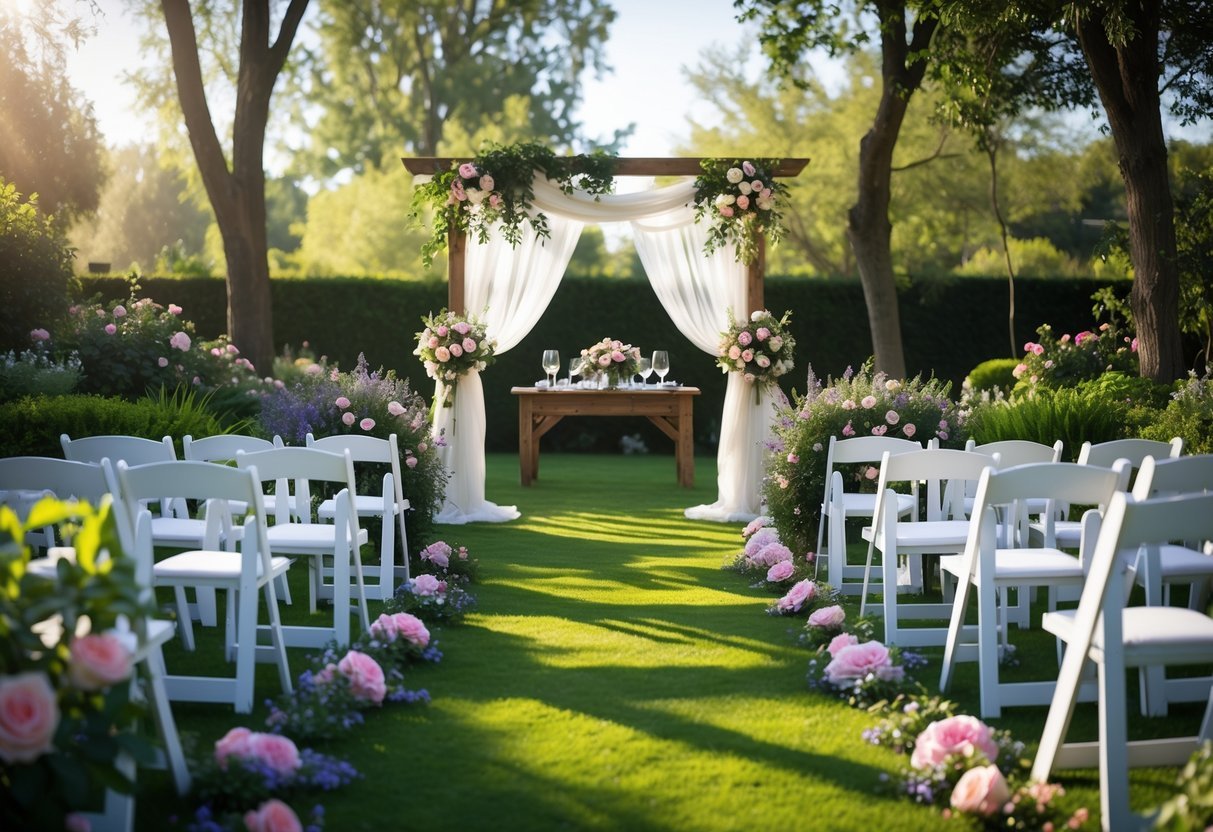
This post shows practical ideas for themes, ceremony decor, and reception styling so you can plan with confidence. Expect tips on picking colors, arranging florals, using natural backdrops, and solving common outdoor challenges so your day looks intentional and feels effortless.
Garden Wedding Themes
Choose a theme that fits your venue, guest count, and personal style. Focus on clear palettes, key decor pieces, and practical touches like weather plans and seating that match the theme.
Romantic English Garden Style
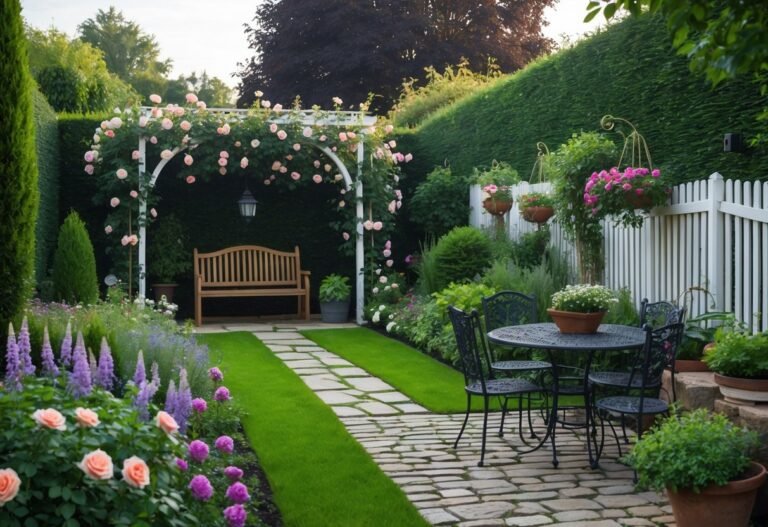
You’ll emphasize soft, layered florals and classic details. Pick a color palette of blush, cream, sage, and soft lavender. Use overflowing urns, climbing roses on arbors, and loose garlands on tables to create a lush, lived-in look.
For seating, choose chiavari or cross-back chairs in wood or white. Cover tables with linen in light tones and add mismatched china for a vintage touch. Candles in glass hurricanes and brass candelabras add warm light as the sun sets.
Plan for scent: place fragrant flowers (peonies, garden roses) near walkways and the ceremony to welcome guests. Have a tent or parasols ready if rain or strong sun is likely. Include simple signage in calligraphy on kraft or chalkboard to keep the style cohesive.
Bohemian Garden Settings
You’ll favor relaxed shapes, textured fabrics, and eclectic decor. Use low seating lounges with rugs and poufs, macramé backdrops, and mixed wildflower bouquets tied with ribbon or twine. Choose saturated jewel tones or earthy terracotta mixed with greenery for contrast.
Offer an informal ceremony layout — a circular seating plan or scattered benches — so guests feel close. Use mismatched vintage furniture and brass or wooden accents for warmth. String lights and lanterns create a cozy evening mood.
Keep catering casual with family-style platters or a grazing table that fits the relaxed vibe. Add practical items like a shoe basket, bug spray station, and wrapped shawls for cooler evenings to keep guests comfortable.
Modern Minimalist Designs
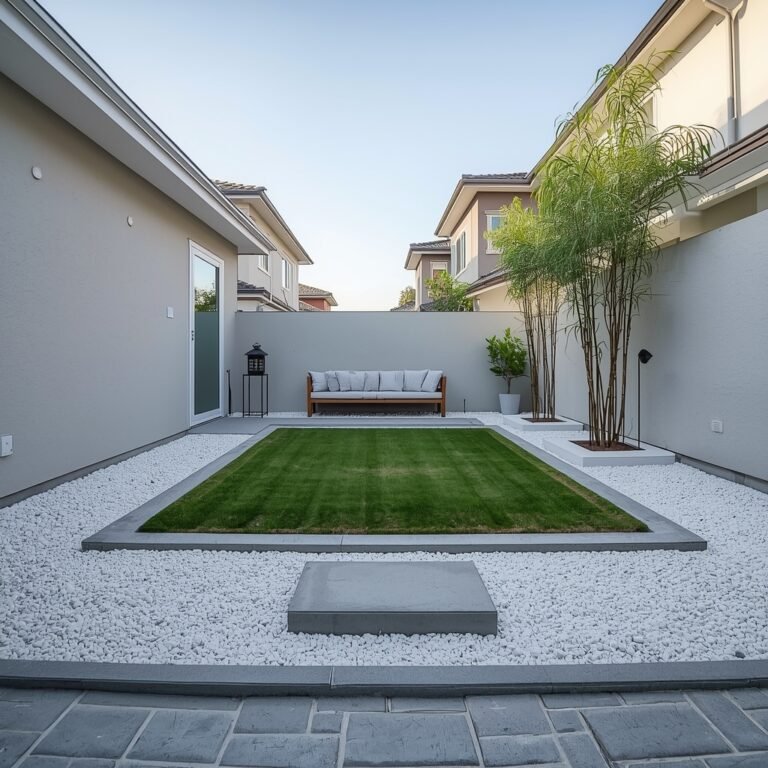
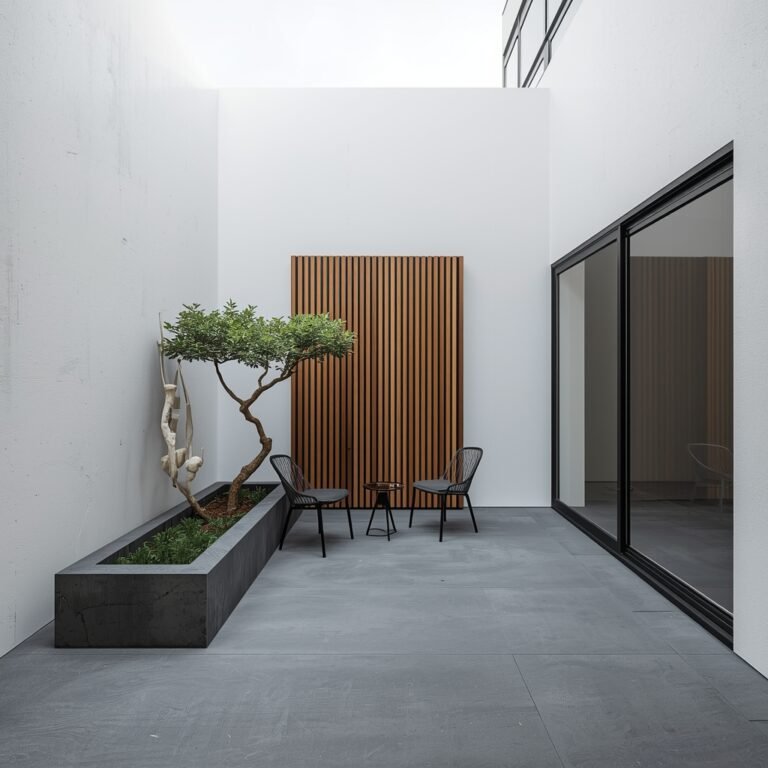
You’ll keep lines clean, palettes neutral, and decor intentional. Use a limited color scheme: white, ivory, charcoal, and one accent color like olive or terracotta. Select simple ceremony structures — a geometric arch or single sculptural installation — with sparse greenery or a single floral statement.
Choose furniture with sleek silhouettes: plain wooden benches, metal chairs, or clear acrylic pieces. Tablescape elements should be few and purposeful: matte stoneware, narrow taper candles, and single-stem bud vases. Let negative space carry the aesthetic.
Focus on high-quality materials and lighting. Use uplighting on architectural features and spotlights for key decor pieces. Keep signage and printed items minimal with sans-serif type and plenty of white space.
Outdoor Ceremony Decor
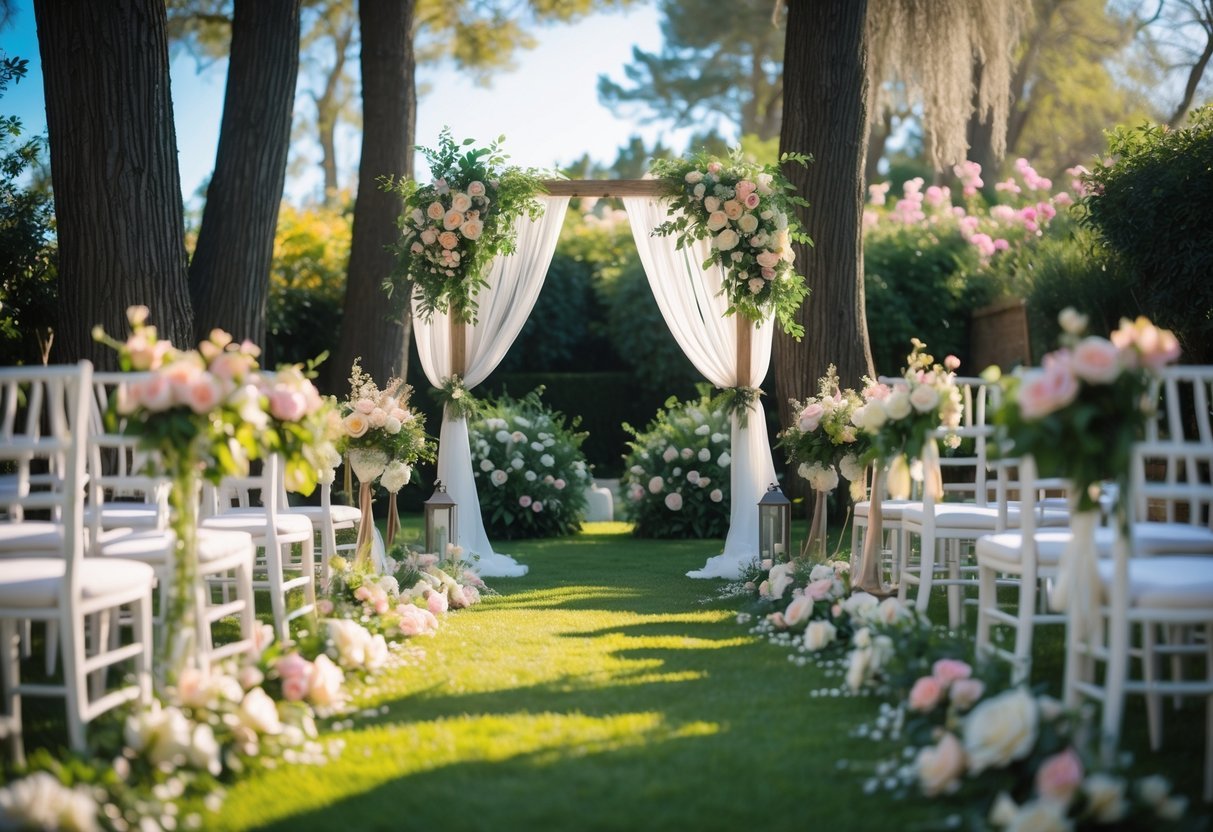
Use natural sightlines, durable materials, and weather-ready lighting. Focus on a clear focal point, comfortable guest flow, and details that match your color palette.
Floral Arches and Backdrops
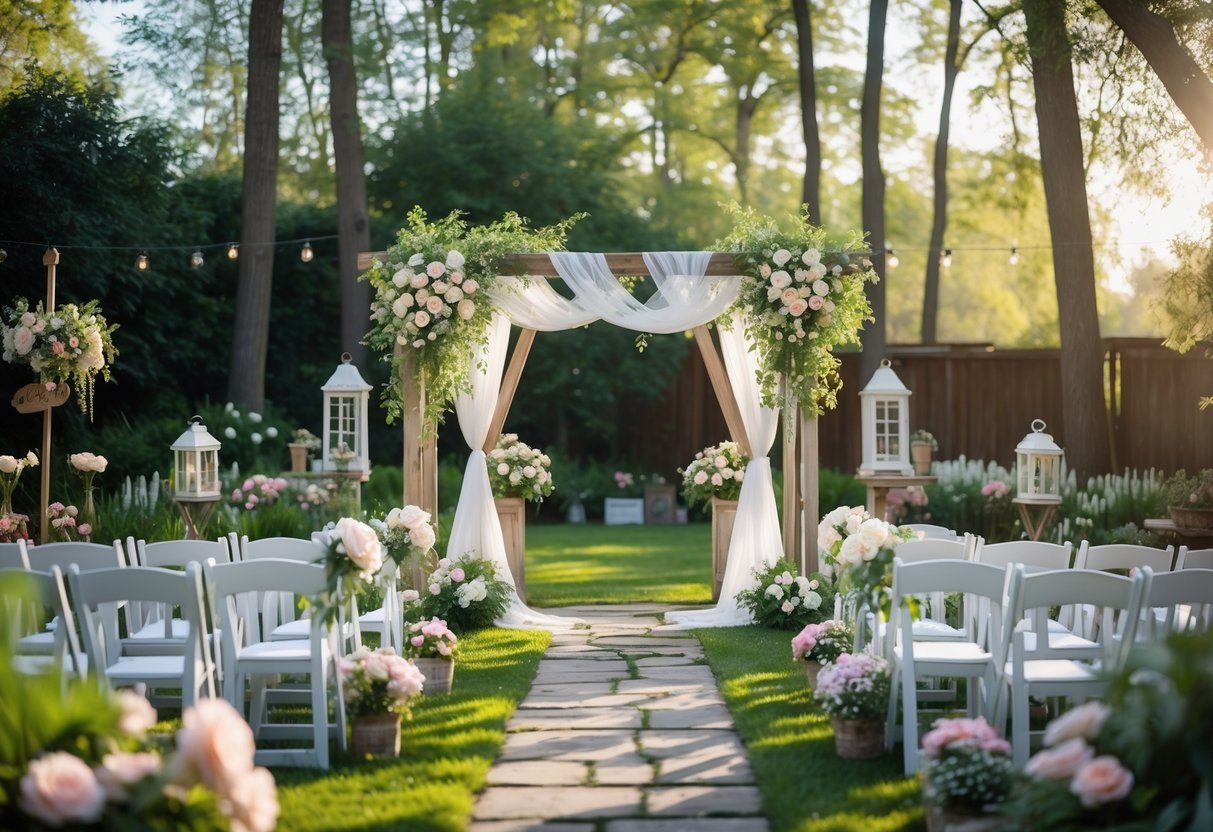
Choose an arch shape that fits your view: rounded for soft looks, square for modern lines, or asymmetrical for a more organic feel. Anchor the structure into the ground or a weighted base to prevent tipping.
Pick flowers that hold up in outdoor heat—peonies for cool days, roses for all-season, and eucalyptus or ferns for lasting greenery. Place denser blooms on one side or along the top to create depth without blocking the couple.
Add non-floral elements like draped fabric, woven panels, or wooden signage to increase texture. Keep the palette to three main colors so the arch reads clearly from a distance. Plan assembly on-site and assign someone to mist or refresh blooms if the ceremony runs late.
Unique Aisle Runners and Petal Designs
Decide whether you want a full runner, natural path, or a patterned petal layout. For high-traffic paths, choose runners made of jute, burlap, or outdoor carpet to avoid slipping. For a softer look, scatter petals in alternating colors or form geometric shapes like chevrons or circles.
Use biodegradable petals if you want easy clean-up and eco-friendly choices. For visual impact, line the aisle with low lanterns, small potted plants, or matching floral clusters every few feet. Measure aisle width before ordering materials so decorations don’t narrow the walk space and cause crowding.
Seating Arrangements in Nature
Place chairs to follow the land’s slope and sightlines so every guest sees the couple clearly. Stagger rows slightly rather than placing them in rigid lines; this improves views and comfort.
Choose seating that matches your vibe: wooden benches for rustic, chiavari chairs for formal, or mixed vintage chairs for an eclectic look. Secure cushions to chairs if your venue is uneven or if it might get damp.
Leave 3–4 feet between rows for comfortable passage and plan at least a 6–8 foot wide center aisle for procession space. Mark aisles with small signs or low arrangements to keep traffic flowing and prevent guests from standing in view.
Reception Styling in the Garden
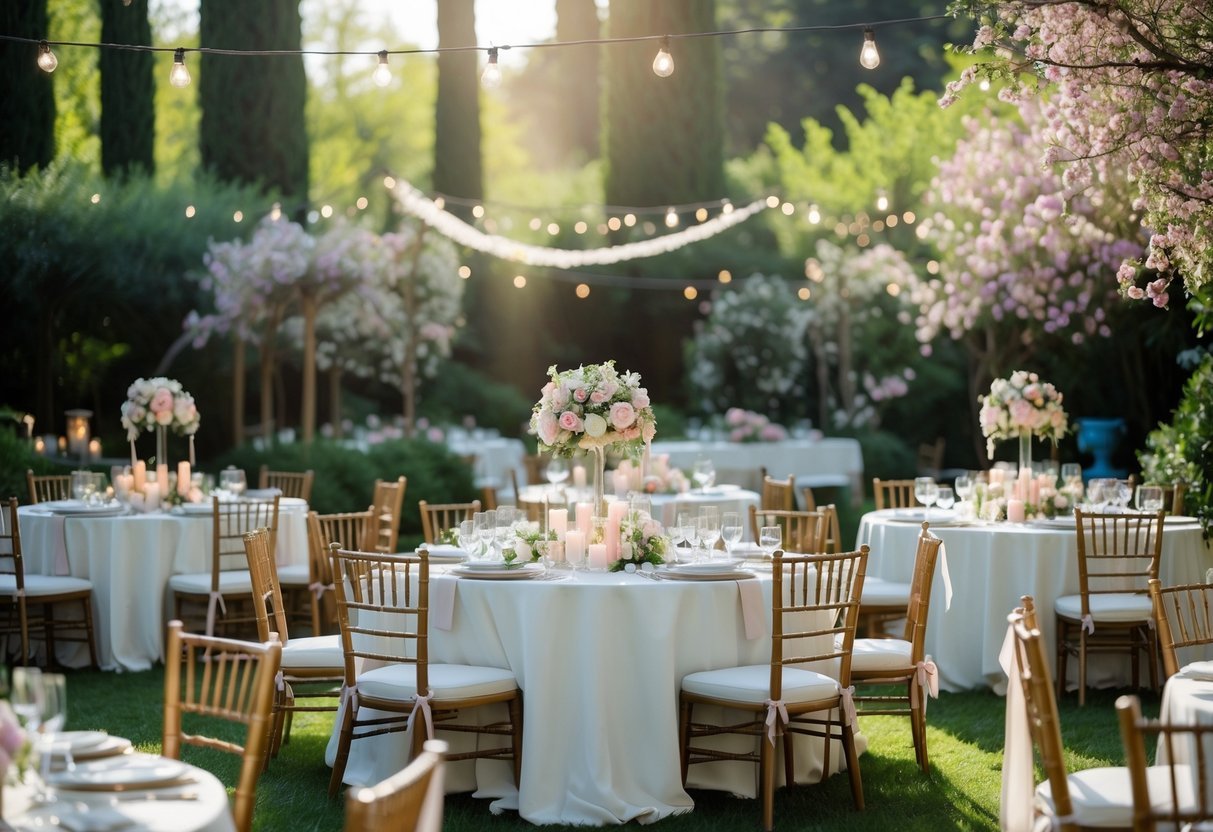
Plan table layouts, centerpieces, and lighting that work with uneven ground, wind, and changing light. Choose sturdy items, layered lighting, and simple color palettes that tie the seating area to surrounding greenery.
Table Settings and Centerpieces
Pick tables and chairs that sit level on grass—rent round or farmhouse tables with adjustable feet if possible. Use weighted chargers and low-profile centerpieces so guests can see each other across the table.
Use a mix of textures: linen runners, wooden chargers, and ceramic or mercury-glass vases. Anchor arrangements with a single dominant flower (peony, garden rose, or hydrangea) and add greenery like eucalyptus or fern for shape. For small budgets, cluster three bud vases down the table instead of one large arrangement.
Protect place settings from wind. Use napkin rings or clips, and choose menu cards printed on heavier stock. Add tactile details like ribbon-tied cutlery bundles or sprigs of herbs at each plate to link the table to the garden theme.
Ambient Lighting with Lanterns and Fairy Lights
Hang warm-white fairy lights in straight runs or draped between trees to create depth and safe walkways. Use LED string lights rated for outdoor use to avoid overheating and battery failures.
Place lanterns on the ground along paths and cluster larger lanterns at table ends to mark seating zones. Combine battery-operated pillar candles inside glass lanterns with solar stake lights for long events. For overhead lighting, suspend cafe-style bulbs at 8–9 feet so they won’t glare into guests’ eyes.
Test all lighting at the same time of night you expect the reception to start. Bring spare batteries, extension cords, and weatherproof tape. This prevents dark spots and keeps your setup both beautiful and practical.
Frequently Asked Questions
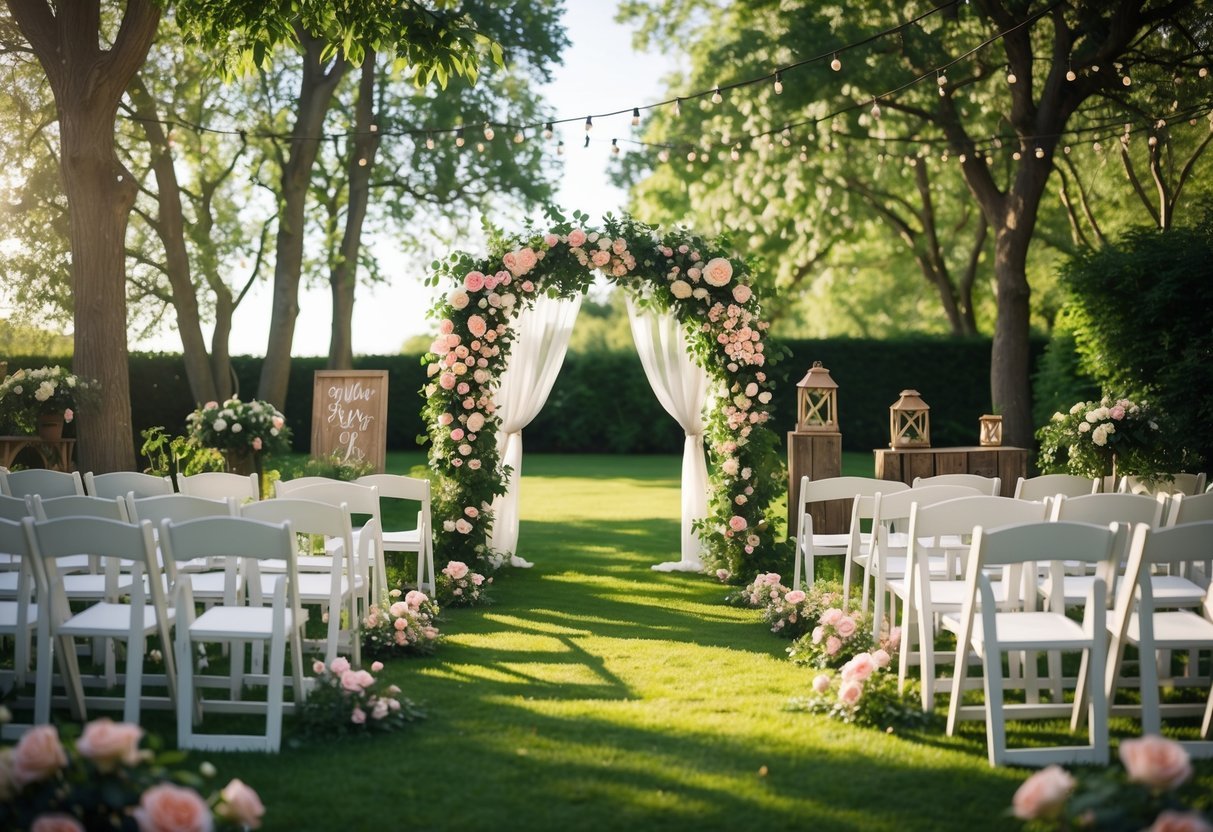
These answers give concrete, usable tips on decor, colors, budget-friendly choices, trends, and logistics for a garden wedding. You’ll find step-by-step ideas and specific items to consider so you can act on each point quickly.
How can I create an elegant garden wedding theme?
Choose a limited set of floral varieties, like roses, gardenias, and eucalyptus, and repeat them across bouquets, centerpieces, and ceremony arches. Use classic linens (ivory or soft sage) and gold or bronze accents to raise the formality without adding clutter.
Rent chiavari chairs, simple wooden ceremony arches, and lanterns for pathways. Add soft lighting—string lights and up-lighting on trees—so the space reads elegant after dark.
What are some cost-effective outdoor wedding decoration ideas?
Reuse ceremony flowers for reception centerpieces to save on floral costs. Use potted plants and herbs as decor; guests can take them home as favors.
String lights and paper lanterns create atmosphere at low cost. DIY signage on reclaimed wood and simple mason-jar vases keep the look cohesive and inexpensive.
How do I select a color palette for a garden wedding?
Pick one dominant color, one anchor neutral, and one metallic or bright accent. For example: dusty blue (dominant), ivory (neutral), and copper (accent).
Match bridesmaid dresses and table linens to the dominant and neutral colors. Use the accent color sparingly in napkins, place cards, or a cake detail to make it pop.
What are the latest trends in modern garden wedding designs?
Minimalist floral installations—focused, sculptural blooms instead of dense arrangements—remain popular. Mixed-texture tablescapes, such as linen runners with wooden chargers and raw-edge greenery, feel modern.
Sustainable choices—potted centerpieces, local flowers, and reusable signage—are trending. Guests often expect lounge areas with low seating and natural, unstructured florals.
What should I consider when planning a garden wedding reception?
Plan for weather: rent tents with clear sides, provide fans or heaters, and have a firm rain plan with an indoor backup. Confirm power access for catering, lighting, and music.
Map guest flow from ceremony to cocktail area to dining. Design clear walkways, restroom access, and a discreet area for vendors and storage.
How can I incorporate a garden theme into an indoor wedding?
Bring the outdoors in with living plant walls, potted trees, and large fern or palm arrangements. Use plenty of greenery garlands on tables, stair rails, and mantels.
Choose natural materials—wood tables, linen napkins, and stone or ceramic vessels—for centerpieces. Carry the same flower types and colors from your outdoor ideas to create a unified look.