
Garden Planning: A Confident, Practical Guide to Designing Productive Outdoor Spaces
You can turn any outdoor space into a productive, beautiful garden with a simple plan that fits your time and space. Start by mapping your space and picking a few dependable plants that match your light, soil, and how much time you can spend caring for them.
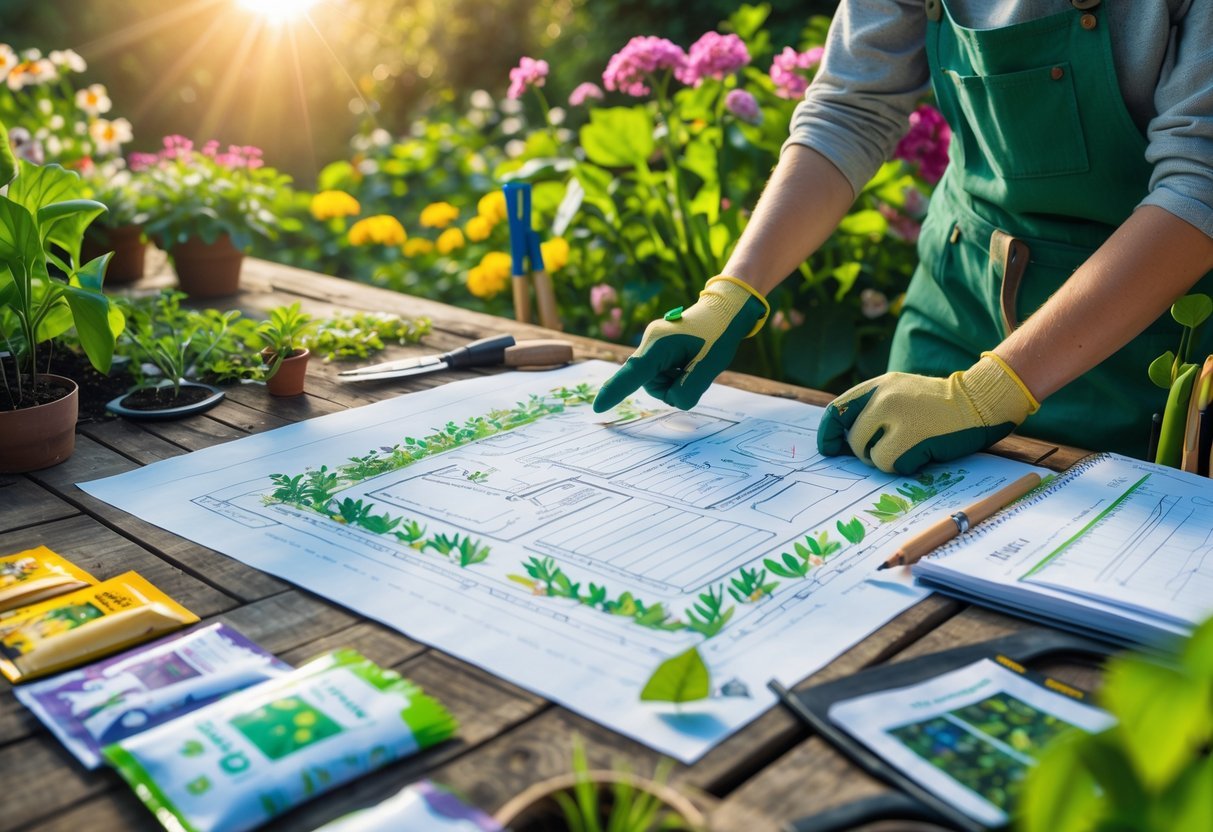
A clear plan saves work and helps you get more from your garden, whether you want flowers, vegetables, or a mix. Use basic tools or online planners to sketch beds, track plant needs, and avoid common mistakes.
Key Takeaways
- Map your space and match plants to light and soil.
- Use simple plans or online tools to organize layout and tasks.
- Focus on a few reliable plants for easier upkeep and better results.
Understanding Garden Planning
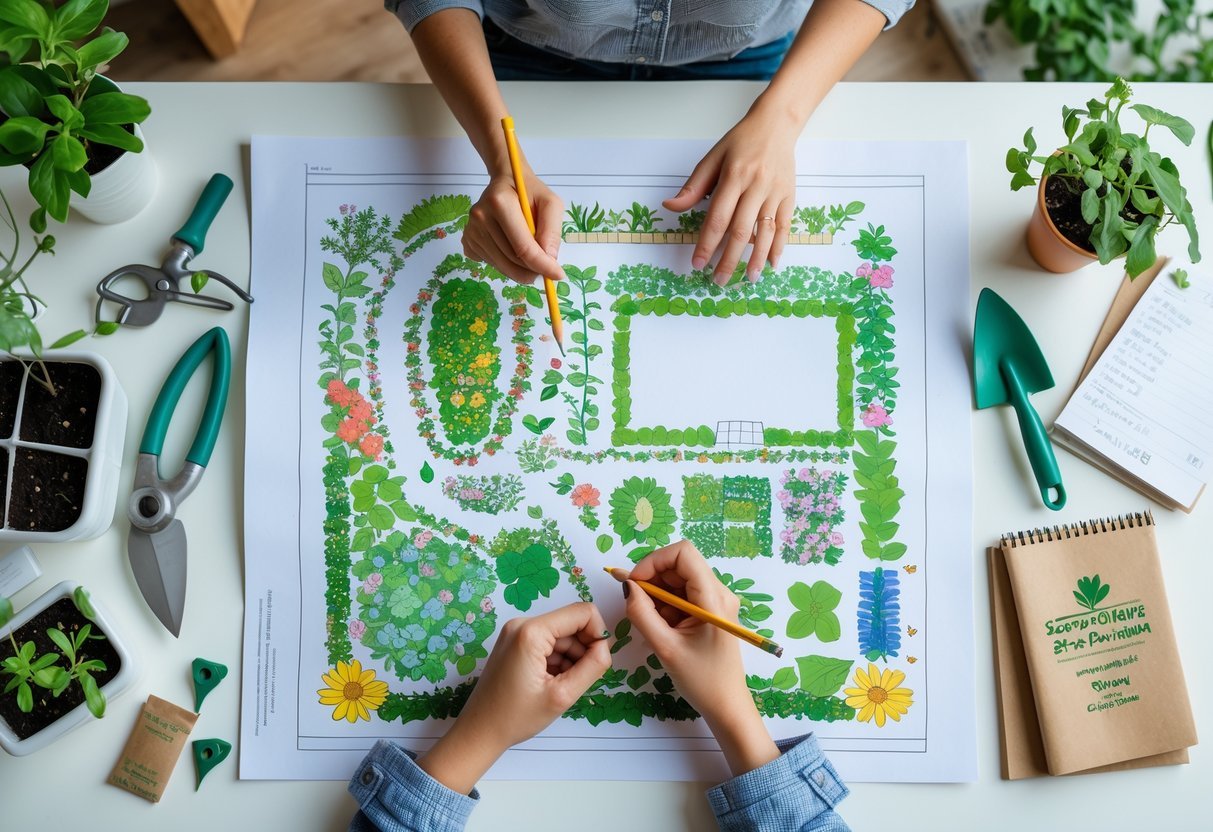
Good garden plans match plant needs to your site, your time, and your goals. You will map sun patterns, soil type, and space, then choose plants and features that fit those facts.
Principles of Effective Garden Design
Think about function first: decide if you want food, flowers, play space, or low maintenance. Place high-use areas like paths and seating where you already walk or where views matter most. Group plants by water and light needs so irrigation and care stay simple.
Use scale and proportion. Match plant size to bed and to nearby structures. Put taller plants at the back or center and lower ones at edges for sightlines and access. Repeat colors and textures to create flow, but limit the palette to avoid chaos.
Plan for seasons. Include early bulbs, summer bloomers, and late foliage interest. Add evergreens or structural plants for winter shape. Also plan for maintenance: choose perennials to reduce replanting, and leave access for pruning and harvesting.
Assessing Your Garden Space
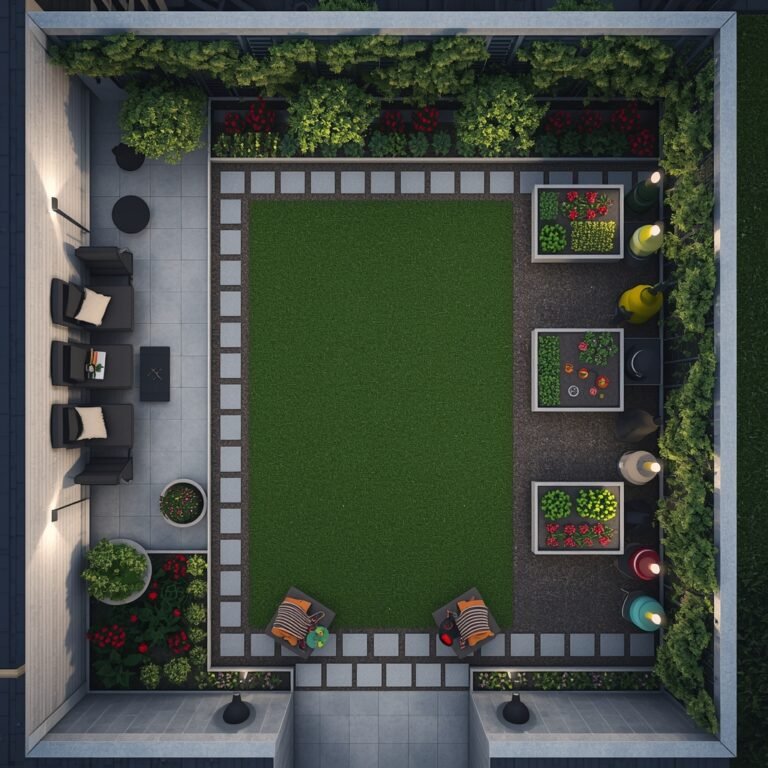
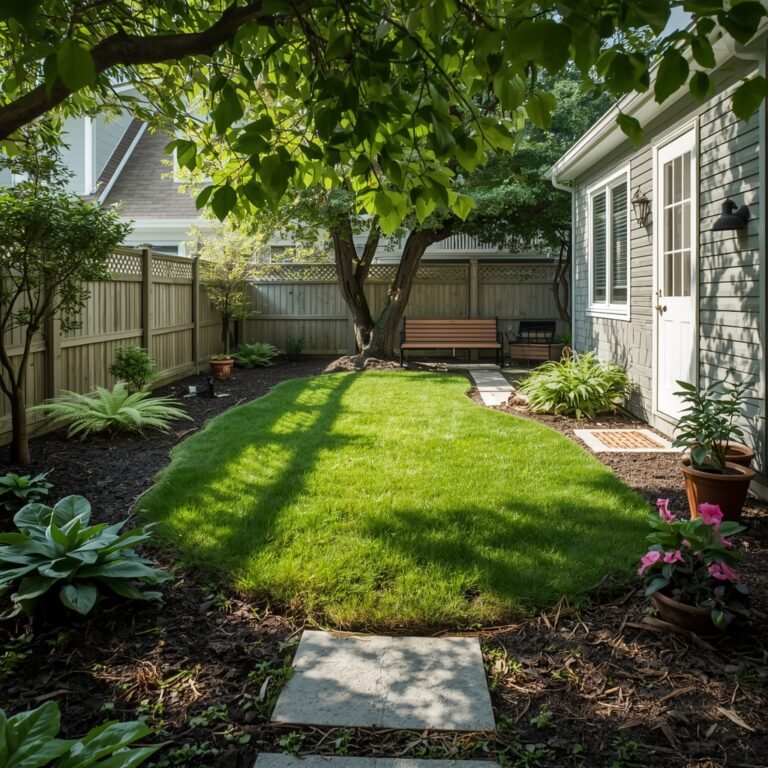
Measure the full area and sketch a simple map. Mark dimensions, existing trees, fixed structures, and where you get sun and shade through the day. Note slopes, drainage, and where water pools after rain.
Test your soil. A basic pH and texture test tells you if you need lime, compost, or sand. Check depth to hardpan and note roots from nearby trees that compete for water. Record microclimates: hot sunny walls, cool shaded corners, or windy spots.
Evaluate access and utilities. Locate water taps, drains, and underground lines before digging. Note how you move through the space—paths should follow natural movement. List constraints (pets, local rules, HOA limits) that will shape plant choices.
Setting Garden Goals and Priorities
Write down what you want from the garden this year and in five years. Be specific: grow basil and tomatoes in three raised beds, create a 6-foot privacy hedge, or install a 10×12 patio for seating. Prioritize tasks by impact and cost.
Decide how much time you will spend weekly on care. If you have 1–2 hours per week, choose low-maintenance perennials and drip irrigation. If you enjoy daily work, plan more intensive vegetable beds and seasonal color.
Budget realistically. Estimate costs for soil, plants, hardscape, and tools. Phase the project: start with soil improvement and key structures, then plant in stages. Track successes and failures so future plans become easier and more precise.
Choosing Plants and Layout
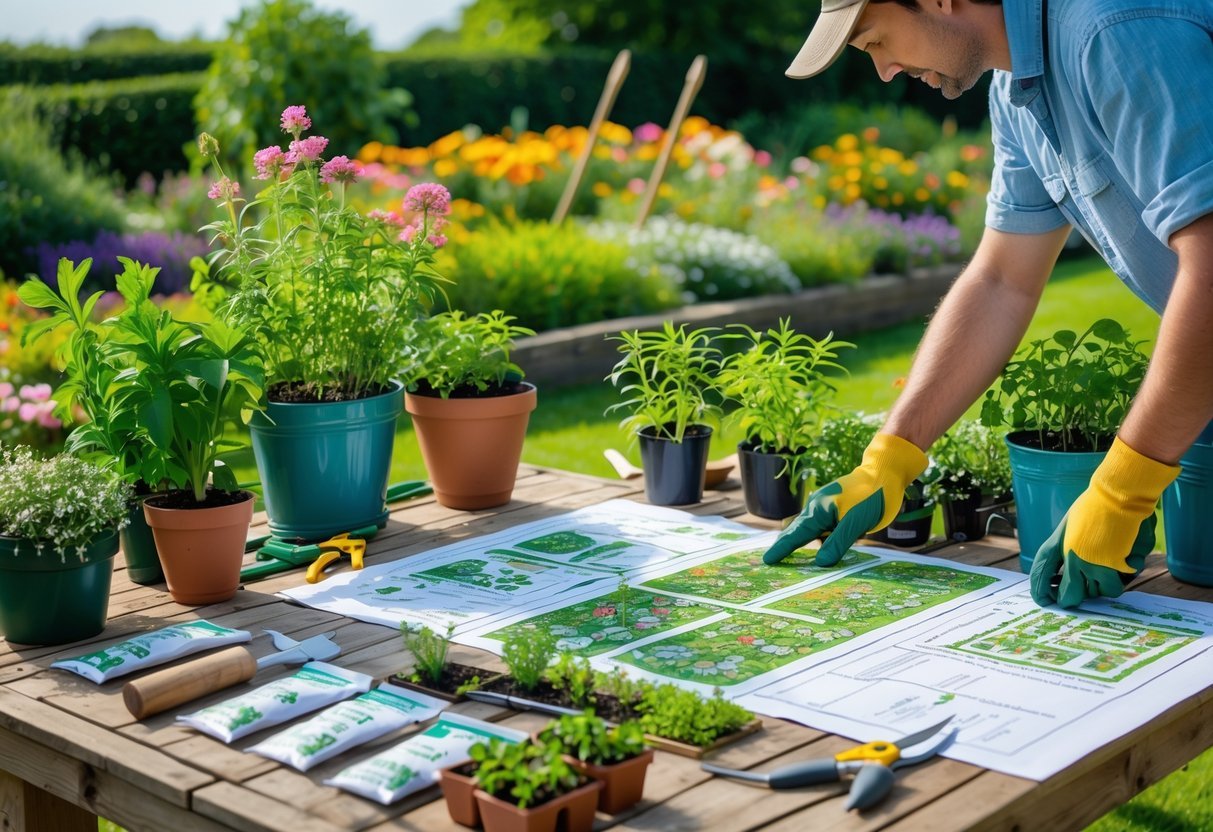
Focus on plants that match your light, soil, and space. Arrange beds so paths, watering, and harvest are easy.
Selecting Suitable Plant Varieties
Pick plants that match your garden’s sun exposure and soil type. For full sun (6+ hours) choose tomatoes, lavender, and coneflowers. For partial shade (3–6 hours) pick lettuce, hostas, and astilbe. For shade (under 3 hours) choose ferns, hellebores, and impatiens.
Check plant hardiness for your USDA zone or local equivalent. Match mature plant size to the space so you avoid crowding later. For containers, use compact or dwarf varieties labeled “bushy” or “patio.”
Use a simple table to compare choices:
- Light: Full / Partial / Shade
- Soil: Sandy / Loam / Clay
- Example plants: Tomato / Lettuce / Hosta
Buy disease-resistant cultivars when possible to reduce maintenance and pesticide use.
Designing Functional Garden Beds
Lay out beds so you can reach the center from paths. Aim for bed widths no wider than 4 feet for easy access. Keep main paths 2–3 feet wide for wheelbarrows and tools.
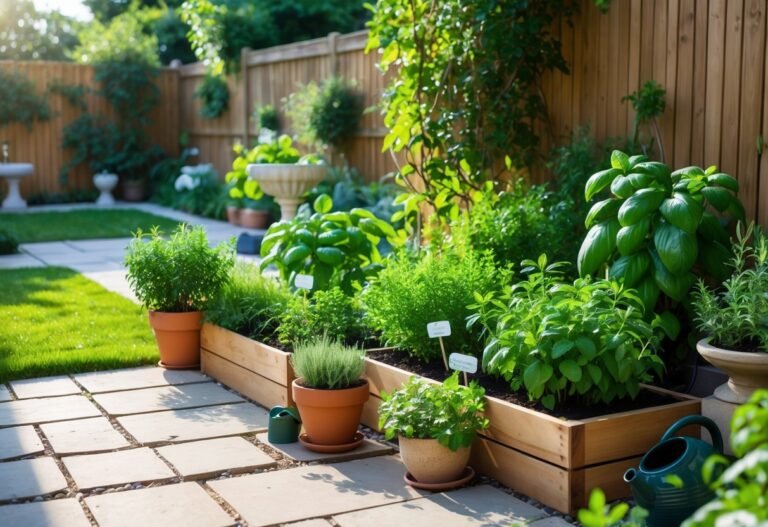
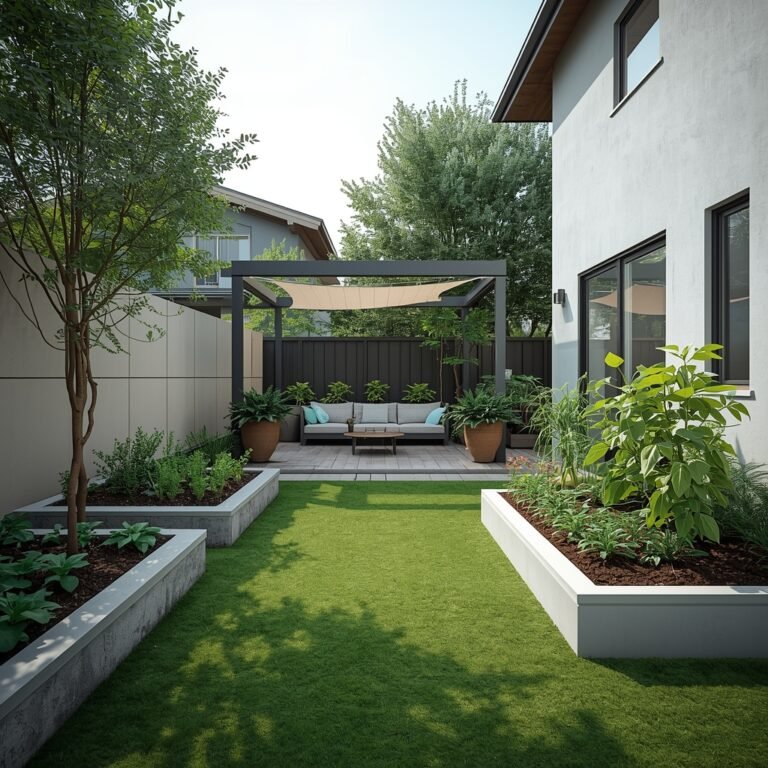
Group plants by water needs to make irrigation simpler. Place taller plants on the north side of beds to avoid shading smaller ones. Use raised beds for better drainage and soil control; 6–12 inches of height suits most vegetables.
Label beds and sketch a bed map showing plant spacing and harvest timing. This helps rotate crops and avoid soil depletion.
Companion Planting Strategies
Use companions to repel pests, attract pollinators, and improve growth. Plant basil next to tomatoes to improve flavor and may deter pests. Marigolds near beans and cucumbers can reduce nematodes and some insects.
Avoid placing heavy feeders like corn and squash together; they compete for nutrients. Use a simple rotation plan: legumes one year to fix nitrogen, followed by leafy greens that benefit from richer soil.
Keep strong-scented herbs (mint, rosemary) in pots or edges to prevent them from dominating nearby plants.
Seasonal Planting Considerations
Schedule planting by last frost and first frost dates for your area. Start seeds indoors 4–8 weeks before the last frost for warm-season crops like peppers. Direct sow cool-season crops (peas, spinach) as soon as soil is workable.
Stagger plantings every 2–3 weeks for crops like lettuce and radishes to extend harvest. Mulch beds in summer to keep roots cool and in winter to protect soil structure.
Plan overwintering: choose hardy perennials for borders and use cold frames or row covers for early spring starts and late fall harvests.
Garden Maintenance and Management
Keep your schedule simple and consistent. Focus on soil health, targeted watering, and early pest control to save time and protect plants.
Soil Preparation and Fertility
Test your soil first. Use a home test kit or send a sample to a local extension to check pH, nitrogen, phosphorus, and potassium. Those numbers tell you what to add.
Add organic matter like compost or well-rotted manure to improve structure and water retention. Work in 2–3 inches of compost across beds each year. For clay, add grit or coarse sand sparingly and more organic matter; for sandy soil, add compost and mulch to hold moisture.
Adjust pH if needed: lime raises pH for acidic soils, sulfur lowers pH for alkaline soils. Apply small amounts and retest after a few months. Use slow-release granular fertilizers if a quick nutrient boost is necessary, and follow label rates.
Use cover crops (clover, vetch) in off-seasons to fix nitrogen and protect soil. Rotate crop families yearly to reduce disease buildup. Keep a simple garden log with amendments and test dates to track what works.
Irrigation Techniques
Water deeply and less often to encourage strong roots. Aim for 1–1.5 inches of water per week for most vegetable and flower beds, adjusting for rain.
Use drip irrigation or soaker hoses to deliver water at the soil level. These cut evaporation and keep leaves dry, which reduces disease. Place timers on systems to water early morning for best absorption.
Mulch with 2–3 inches of organic material around plants to retain moisture and reduce weeding. Check soil moisture by feel: push your finger 2 inches into the soil; if it’s dry, water. Avoid frequent shallow watering and overhead sprinklers at night.
Zone your garden by plant water needs. Group thirsty plants together and keep drought-tolerant plants in a separate bed. This lets you water efficiently and prevents overwatering.
Pest and Disease Prevention
Inspect plants weekly for signs of pests or disease. Early action limits spread and lowers the need for strong treatments.
Use physical barriers like row covers for moths and netting for birds. Handpick large pests such as slugs and caterpillars. Encourage beneficial insects—ladybugs, lacewings—by planting nectar-rich flowers and avoiding broad-spectrum pesticides.
Practice hygiene: remove diseased leaves, clean tools with rubbing alcohol, and discard infected plant material. Rotate crops and avoid planting the same family in the same spot each year to cut disease cycles.
If you need treatment, choose targeted, least-toxic options first: insecticidal soap, neem oil, or Bacillus thuringiensis for caterpillars. Read labels and apply at the right stage for the pest. Track problems in your garden log to spot recurring issues.
Frequently Asked Questions
This section gives clear, practical answers you can use right away. It covers design choices, plant selection for your climate, tools for planning, companion planting methods, small-space tactics, and crop rotation timing.
What are the essential factors to consider when designing a garden layout?
Map sun exposure across the day. Note full sun (6+ hours), partial sun/shade, and deep shade areas so you place sun-loving plants where they thrive.
Measure soil type and drainage. Test pH and texture; amend clay or sandy spots with compost to improve fertility and water retention.
Plan for water access and irrigation. Put thirsty beds near a hose or drip lines, and slope beds to avoid standing water.
Allocate paths and access. Make paths at least 18–24 inches for walking and wider near beds you’ll reach with tools or a wheelbarrow.
Include crop rotation and bed rotation space. Design beds so you can move plant families year to year without replanting in the same soil spot.
How can I determine the best vegetable varieties for my climate zone?
Find your USDA hardiness zone or your local climate zone map. Use that to check frost dates and length of growing season.
Choose varieties labeled for your zone and days-to-maturity shorter than your frost-free period. This avoids plants that won’t finish before cold weather.
Talk to local nurseries, extension services, or seed catalogs from nearby areas. They list varieties that handle your heat, humidity, or winter lows.
What tools are available for organizing and visualizing my garden plan?
Use free online garden planners and apps to drag-and-drop beds, paths, and plants. Many show spacing and sun needs.
Try simple graph paper or printable grid templates for quick layout sketches. Mark measurements and plant spacing to scale.
Use spreadsheets or garden journal apps to track planting dates, seed sources, and harvest estimates. This keeps records you can compare year to year.
Can you suggest a method for incorporating companion planting in a garden design?
Group plants by beneficial relationships. Put nitrogen-fixers (beans, peas) near heavy feeders (corn, squash) to share nutrients.
Use pest-repellent plants as borders or interplants. Marigolds, basil, and nasturtiums can deter specific pests when mixed with vegetables.
Rotate companion groups yearly. Avoid planting the same plant families in the same spot to reduce disease buildup.
What are some effective strategies for managing space in a small garden?
Use vertical space with trellises, cages, and hanging baskets for vining crops. Grow beans, peas, and cucumbers upward to free bed area.
Practice intensive planting and square-foot gardening. Tight spacing reduces weeds and boosts yield per square foot.
Choose dwarf or compact varieties and multi-use plants like edible flowers to get more from each square foot.
How often should I rotate crops in my garden to maintain soil health?
Rotate plant families every year if possible. Move tomatoes, peppers, and potatoes away from the same bed the next season.
Aim for a three-year rotation cycle when you can. That helps break pest and disease cycles and evens out nutrient use.
If space limits rotation, use cover crops and heavy composting between plantings to restore soil health.