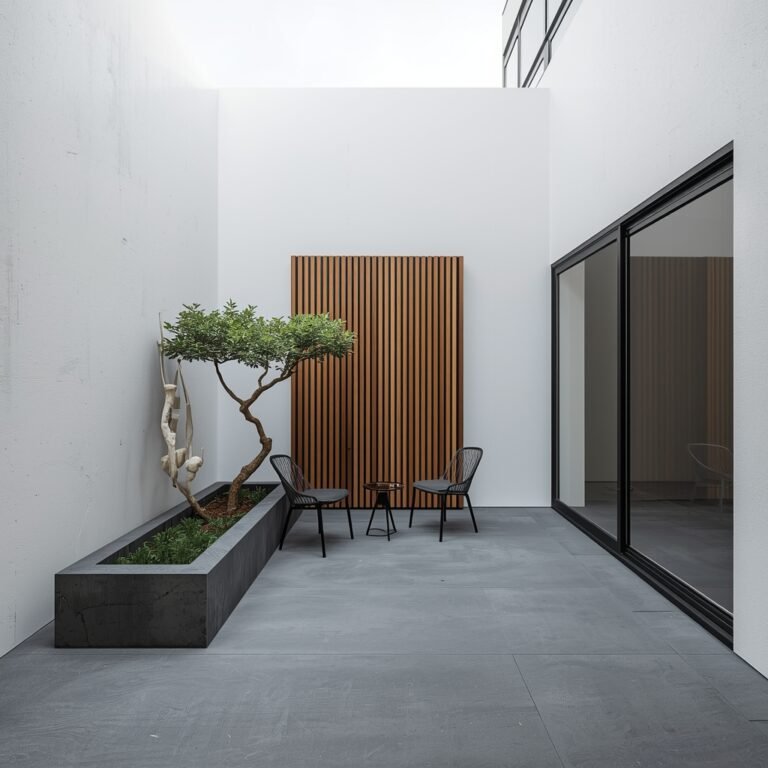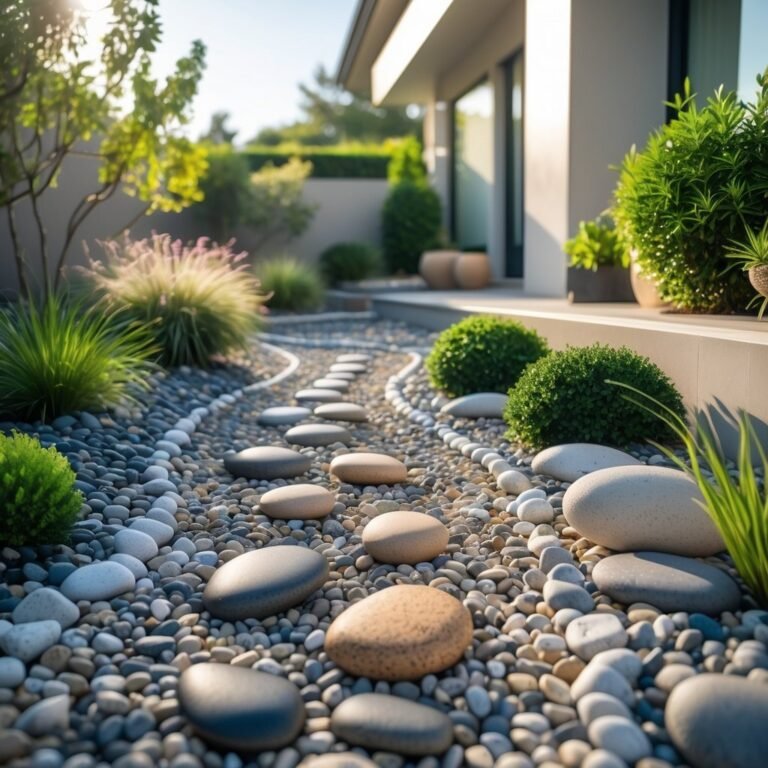

Garden Cafe Design Ideas: Creative Layouts, Planting Schemes, and Cozy Seating Strategies
You can turn any outdoor space into a cozy garden cafe that feels both inviting and practical. Use plants to set the mood, pick durable furniture for comfort, and arrange seating to create privacy and flow. A great garden cafe balances lush greenery, comfy seating, and smart layout to make guests want to stay longer.
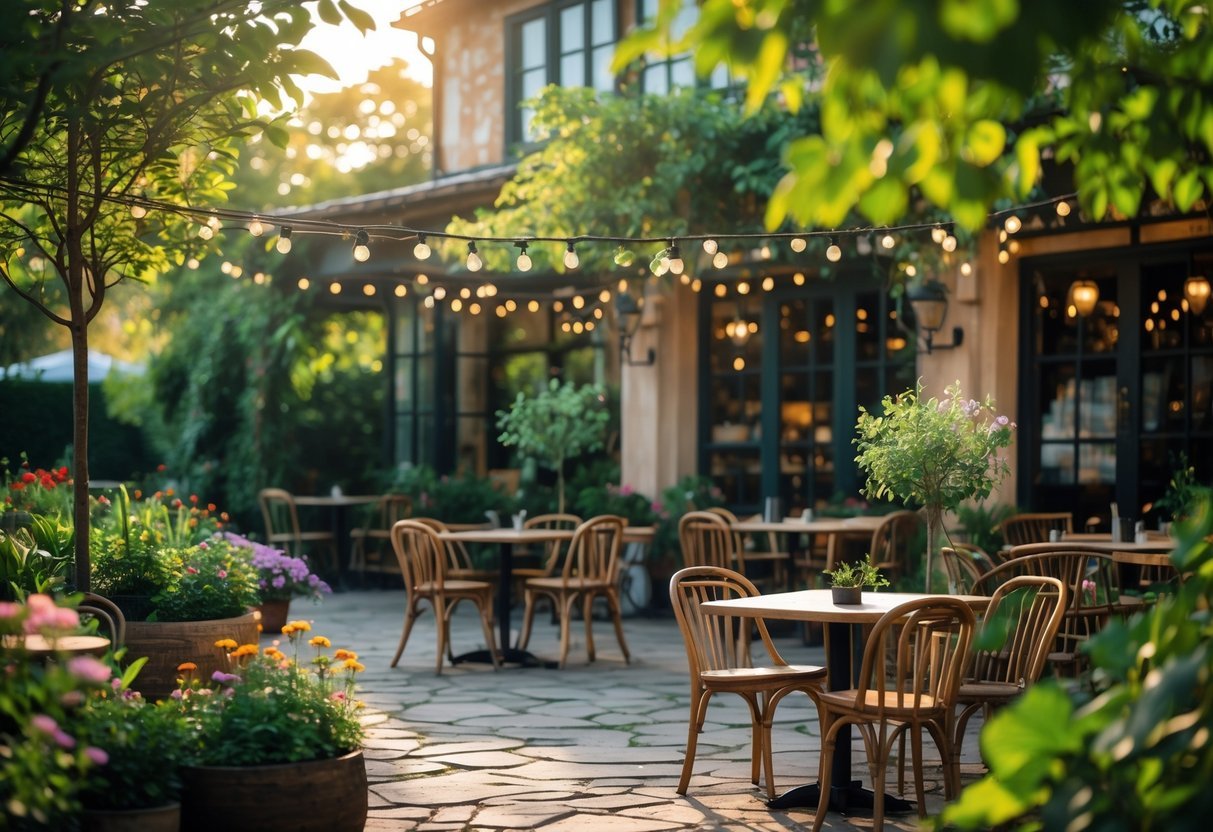
This post gives simple, practical ideas you can use whether you have a small patio or a larger yard. You’ll find seating layouts, plant choices, and low-maintenance tips that help you create a relaxing, functional spot with a clear vibe.
Key Takeaways
- Start with a clear layout that guides movement and creates cozy zones.
- Use plants and decor to build atmosphere while keeping maintenance low.
- Choose durable, comfortable furniture and eco-friendly features for long-term use.
Core Principles of Garden Cafe Design
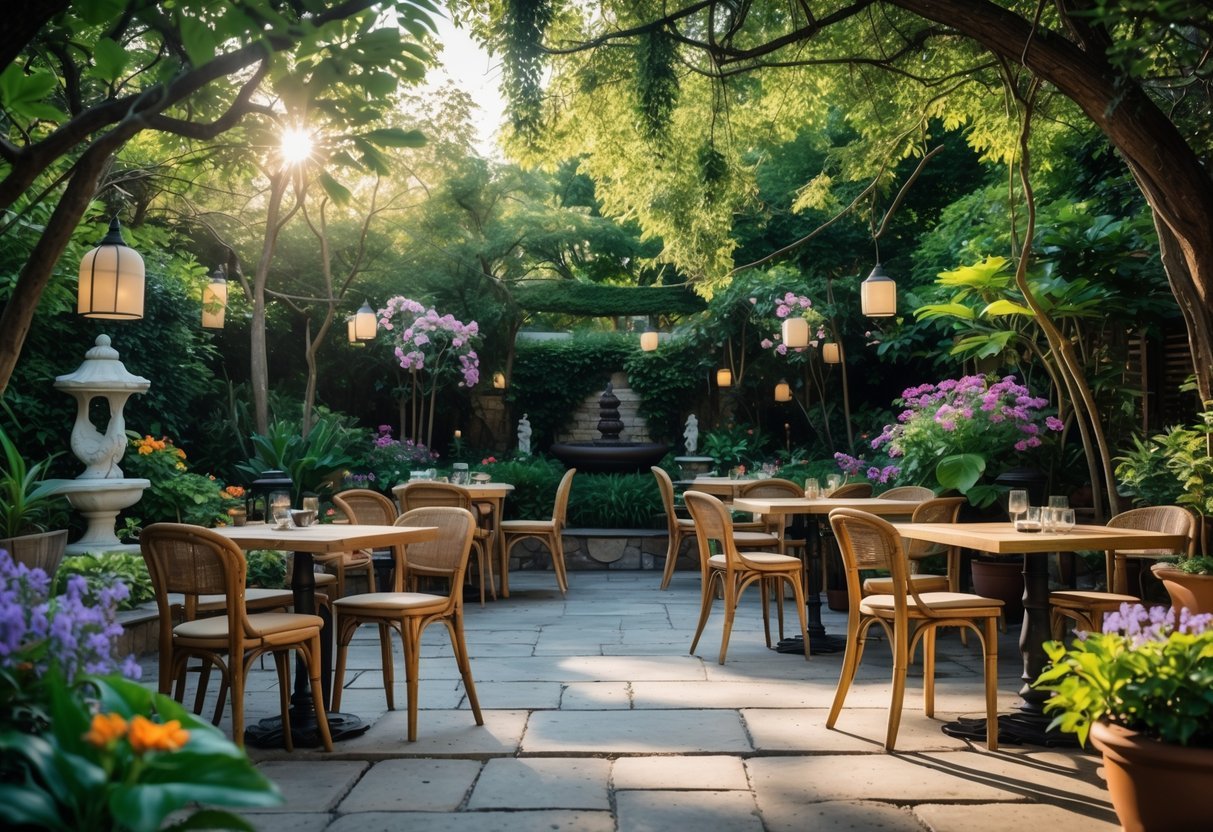
Focus on how customers feel, how spaces flow, and how natural elements work with practical needs. Prioritize comfort, easy movement, and weather-smart choices.
Establishing an Inviting Ambience
Start by choosing a clear mood: cozy and rustic or bright and modern. Pick a small palette of materials—wood, wrought iron, and stone work well—and repeat them across seating, planters, and counters to create visual unity.
Use layered lighting: string lights for soft overall glow, task lights at service points, and spot or lanterns near focal plants or art. Add textiles like cushions and rugs that resist stains and fade from sun.
Keep pathways at least 90–120 cm wide so staff and guests move easily. Place seating in groups of two to four to support conversation. Add a few single seats for solo visitors and benches near greenery for casual pauses.
Blending Indoor and Outdoor Spaces
Create clear thresholds that feel natural. Use large folding or sliding doors to open the cafe fully on nice days. When doors are closed, keep sightlines to outside with big windows so the garden still feels connected.
Match furniture scale and style on both sides of the threshold. Use similar table heights, chair styles, and plant types to blur the divide. Place durable outdoor rugs and potted trees just inside to extend the garden feel indoors.
Plan service routes that work with the blended layout. Keep the counter visible from both inside and out. Add covered outdoor zones with heaters or fans to extend usable hours across seasons.
Optimizing Natural Light and Ventilation
Map sun and wind patterns before placing seating. Put shade where guests linger longest—near espresso machines and popular tables. Use pergolas, umbrellas, and deciduous trees to block high sun while allowing winter light.
Maximize cross-ventilation by aligning openings on opposite sides. Use operable windows, louvers, and doors that you can adjust by the hour. Ceiling fans help move air without creating strong drafts on diners.
Choose glare-control plants and semi-transparent screens to soften bright spots. Position service stations away from direct sun to keep equipment cool. This lowers energy use and keeps guests comfortable throughout the day.
Outdoor Seating Concepts

Design seating that fits your space, the local climate, and the mood you want customers to feel. Focus on comfortable layouts, weather protection, and green elements that make the area inviting and easy to maintain.
Alfresco Dining Layouts
Place tables to keep clear pathways for staff and guests. Use a mix of two-top and four-top tables to handle solo visitors and small groups. Position tables at least 3 feet (90 cm) apart to meet comfort and safety needs.
Choose durable materials like powder-coated metal, teak, or commercial-grade rattan. Add seat cushions with removable, water-resistant covers for easy cleaning. Use non-slip table bases on uneven surfaces.
Plan zones: a quiet corner for laptop users, a social area for groups, and a quick-turn counter near the service window. Mark service paths with low plantings or paving changes so staff can move without blocking diners.
Consider flexible furniture: foldable tables, stackable chairs, and benches with storage. These let you reconfigure for events or bad weather. Keep a clear plan for storing cushions and lightweight pieces overnight.
Pergolas and Shade Structures
Select a pergola or canopy based on sun angle and wind patterns at your site. A fixed pergola with adjustable louvers gives control over sun and rain. Retractable awnings work well if you need full sun on cool days and shade on hot ones.
Use materials that resist rot and rust: aluminum, pressure-treated wood, or composite beams. Add gutters or a slight roof pitch to avoid water pooling. Anchor posts into concrete footings for safety in windy locations.
Integrate lighting and heating for longer hours. String lights attached to beams add warmth. Infrared heaters mount to crossbars to extend use into cool evenings. Keep wiring sealed and rated for outdoor use.
Add climbing vines or hanging planters to soften the structure visually and cut glare. Choose non-invasive, low-maintenance plants like jasmine, clematis, or trained grapevine.
Patio Greenery Arrangements
Group plants by height and watering need to simplify care. Place taller shrubs or small trees (e.g., dwarf olive, Japanese maple) toward the back or in corners. Use medium planters for herbs and flowers at table level, and low troughs for edging.
Use a mix of evergreen and seasonal plants to keep the space attractive year-round. Evergreens provide structure in winter; annuals add color in summer. Choose drought-tolerant species if you have limited irrigation.
Pick planter materials that match your design—corten steel for industrial looks, glazed ceramic for color, or lightweight fiberglass for easy repositioning. Ensure each planter has drainage holes and saucers to protect patio surfaces.
Create microclimates with groupings and wind screens. Place planters to block prevailing winds without blocking service paths. Add a small water feature or misting station if you want to cool the area on hot days.
Creative Plant Integration
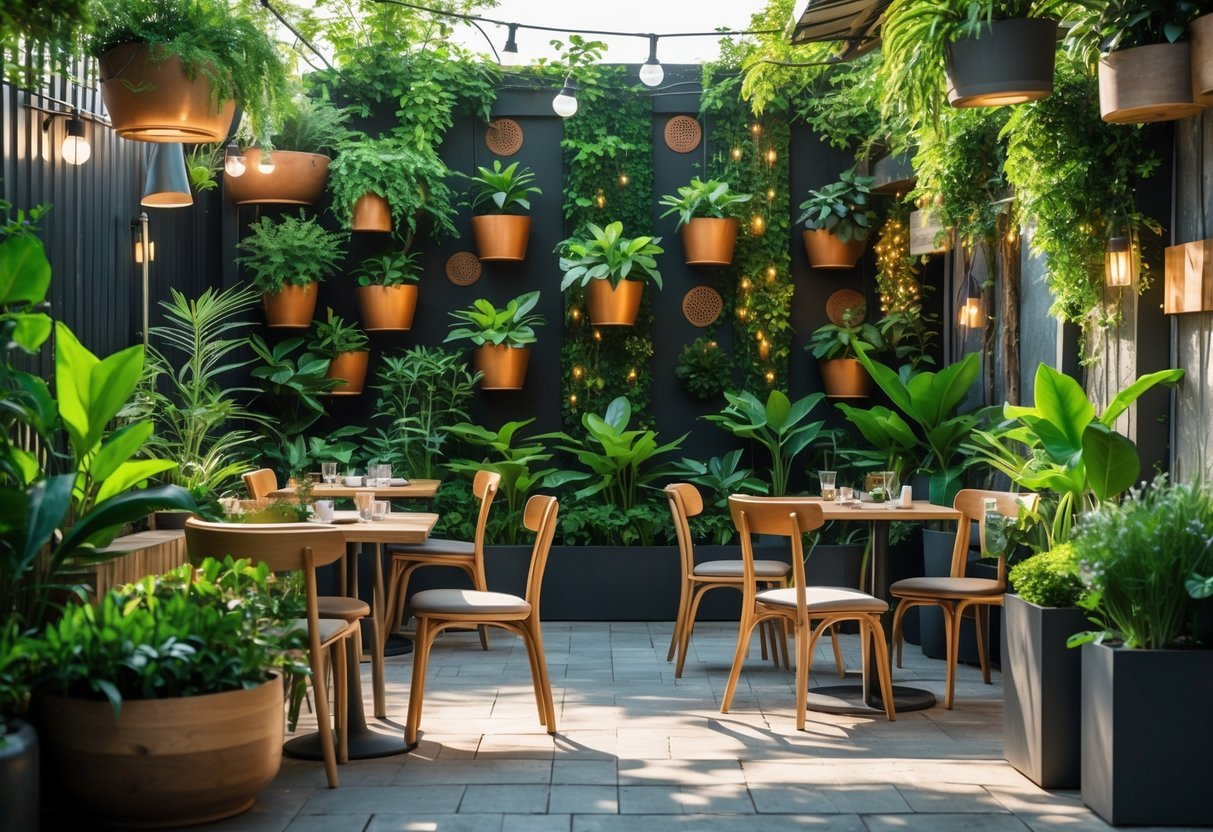
Plants can add shade, scent, and color while saving space and boosting comfort. Choose solutions that match your layout, light levels, and maintenance capacity to keep the cafe green and functional.
Vertical Gardens and Living Walls
Vertical gardens save floor space and create a striking focal point. Mount modular panels or pocket systems on a sturdy wall that gets appropriate light; use drip irrigation and a timer to cut daily upkeep.
Pick plants by light zone: philodendrons and pothos for low light, succulents and sedums for bright sun, and ferns for shaded corners. Include a few flowering species like begonias or impatiens to add seasonal color. Anchor heavier modules with strong fixings and protect building surfaces with a waterproof membrane.
Design for access. Place a walkway or reachable ladder so staff can prune, fertilize, and replace plants easily. Consider acoustic panels behind the living wall to improve sound control as well.
Potted Plant Displays
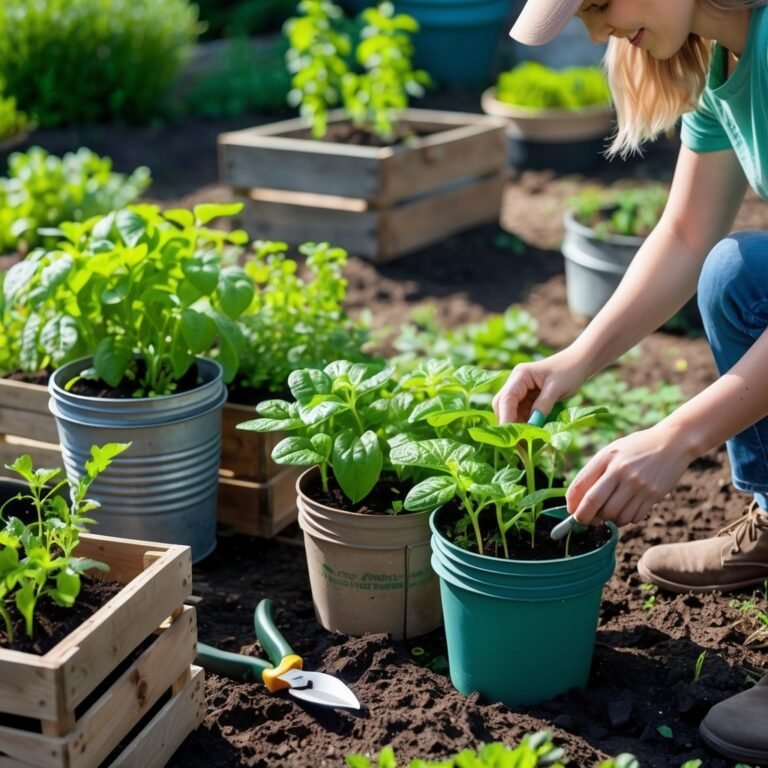
Group pots to form flexible green clusters you can move for events or weather. Use a mix of pot sizes and heights—tall planters with bamboo or grasses, medium pots with shrubs, and small pots with herbs on tabletops.
Choose durable containers made of fiberglass, metal, or glazed ceramic for outdoor use. Provide saucers or built-in drainage to prevent puddles. Label edible plants like basil or rosemary so customers know they’re for display or for use in recipes.
Rotate seasonal plants to keep displays fresh. Train staff to water deeply but less often to promote strong roots. For a cohesive look, repeat one color or plant type across multiple pots.
Themed Botanical Accents
Use themed accents to tell a visual story and support your menu or brand. Create an herb bar for fresh garnishes, a citrus corner for bright decor and aroma, or a native-plant patch to highlight local ecology.
Match furniture and planters to the theme—wood benches and terracotta pots for a rustic herb garden, sleek concrete troughs and succulents for a modern look. Add small signs with plant names and uses to engage customers and encourage interaction.
Balance aesthetics with function: place aromatic plants near seating for scent, and keep thorny or toxic species away from high-traffic areas and children.
Sustainable and Functional Features
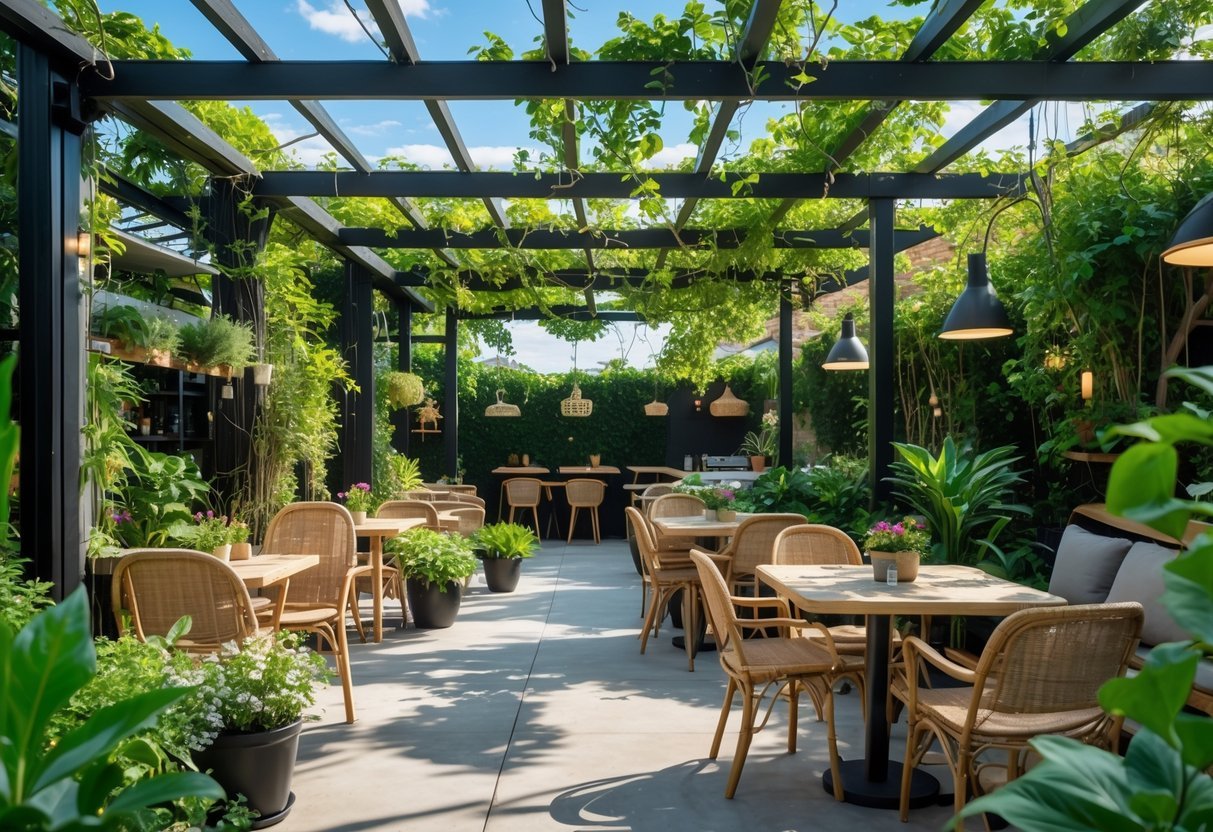
Choose durable, low-impact materials, manage water with smart irrigation and reuse, and use layered lighting that balances mood with safety. These steps cut operating costs and make the space safer and more comfortable for guests.
Eco-Friendly Materials
Pick materials that last and need little upkeep. For seating and tables, use reclaimed hardwoods or certified FSC timber. These resist wear and look warm without frequent replacement. For decking and outdoor floors, consider composite boards made from recycled plastic and wood fiber; they resist rot and reduce splinters.
Use powder-coated steel or aluminum for frames to avoid rust and repainting. For textiles, choose solution-dyed acrylic or recycled polyester that resists UV and stains. For planters and decorative elements, use recycled concrete, terracotta, or sustainably sourced stone. Label materials in your specifications so staff and vendors know your choices.
Water Efficiency Solutions
Install drip irrigation and smart controllers that adjust schedules by weather. Drip lines deliver water directly to roots, cutting waste compared with spray systems. Pair controllers with a local weather feed or soil-moisture sensors to avoid unnecessary watering.
Capture rainwater in a cistern or barrels and route it to irrigation and fountain top-ups. Use permeable paving—gravel, permeable pavers, or stabilized turf—to let rain soak into the soil and reduce runoff. Group plants by water need in hydrozones: drought-tolerant grasses and succulents in one zone, shade-loving perennials in another. This simplifies scheduling and saves water.
Lighting for Atmosphere and Safety
Use layered lighting: low-level pathway lights, task lights at service areas, and accent lights for focal plants or architectural features. Choose LED fixtures to save energy and reduce heat. Aim for warm color temperature (2700–3000K) to create a cozy feel while keeping brightness sufficient for safe movement.
Place bollards or recessed path lights at 1–1.5 meter intervals on walkways to prevent dark spots. Use shielded fixtures to limit glare and light spill onto neighbors. Install motion sensors or dimming controls in low-traffic hours to cut energy use. For wiring, route conduits to allow easy fixture swaps and future upgrades.
Frequently Asked Questions
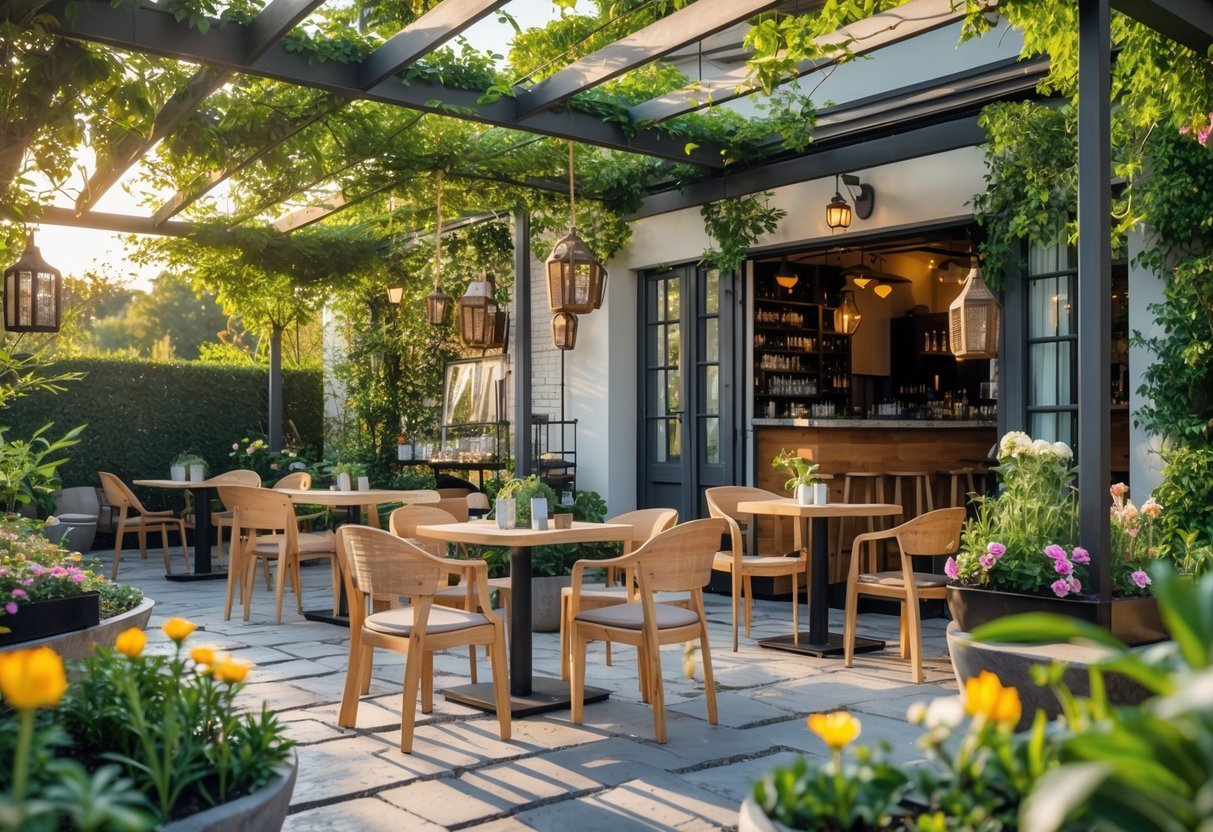
This section answers practical design choices you can use right away. You’ll get seating layouts, lighting plans, budget-friendly material picks, key aesthetic elements, space-saving tricks, and green options.
What are innovative seating arrangements for small garden cafes?
Use mixed seating: pair two-seat bistro tables with a long bench along a wall to fit more guests. Add fold-down tables and stackable chairs for flexible capacity.
Place high-top counters against railings or windows to create standing-room spots without clutter. Use planters as natural dividers between tables to keep sightlines open.
Consider modular furniture that you can reconfigure for events. Add a few cozy nooks with single chairs and side tables for solo customers.
How can lighting enhance the ambiance of a garden cafe?
Layer lighting with string lights, low-level path lights, and focused task lamps over service areas. Warm LEDs (2700–3000K) create a soft, inviting glow.
Highlight focal points—trees, fountains, or art—with adjustable spotlights. Use dimmers so you can change mood from daytime bright to intimate evening.
Add solar-powered bollards or lanterns for pathways to improve safety and save electricity. Portable lamps let you shift light where you need it.
What are cost-effective design strategies for outdoor cafes on a budget?
Choose durable, low-maintenance materials like treated lumber, galvanized metal, and outdoor-grade fabrics. They cost less over time because they need fewer repairs.
Repurpose pallets, crates, or secondhand furniture for seating and planters. Plant fast-growing shrubs and perennials for quick green cover without high landscaping costs.
Limit hardscape changes; use gravel or compacted decomposed granite instead of poured concrete. Install string lights and potted plants for big visual impact at low cost.
What elements are crucial for a modern garden cafe’s aesthetic?
Keep a simple color palette—neutrals with one accent color—to unify furniture and decor. Use clean lines in seating and tables for a modern look.
Combine natural textures like wood and stone with metal accents for contrast. Add layered plants: groundcovers, mid-height shrubs, and vertical climbers to create depth.
Include minimal, functional signage and unobtrusive planters to maintain a tidy, contemporary vibe. Choose comfortable seating with simple silhouettes.
How can a garden cafe’s design maximize space efficiency?
Use vertical gardening and trellises to free up floor area while adding greenery. Hang planters and shelving on walls instead of placing large pots on the ground.
Opt for multi-use elements: benches with storage, tables that fold flat, and carts that double as service stations. Position pathways to channel traffic away from dining zones.
Cluster small tables near service points to reduce staff walk time. Mark flexible zones that can shift between dining, events, and takeaway during peak hours.
What are eco-friendly design options for garden-themed restaurants?
Install rain barrels and a drip irrigation system to cut water use. Use native, drought-tolerant plants to lower maintenance and support local wildlife.
Choose reclaimed or FSC-certified wood, recycled-metal furniture, and low-VOC paints. Add compost bins and clearly labeled recycling to reduce waste.
Use solar-powered lighting and energy-efficient appliances in prep areas. Offer biodegradable or reusable tableware to decrease single-use plastics.