Garden Birthday Party Design Ideas: Confident, Practical Themes and Layouts for Every Age
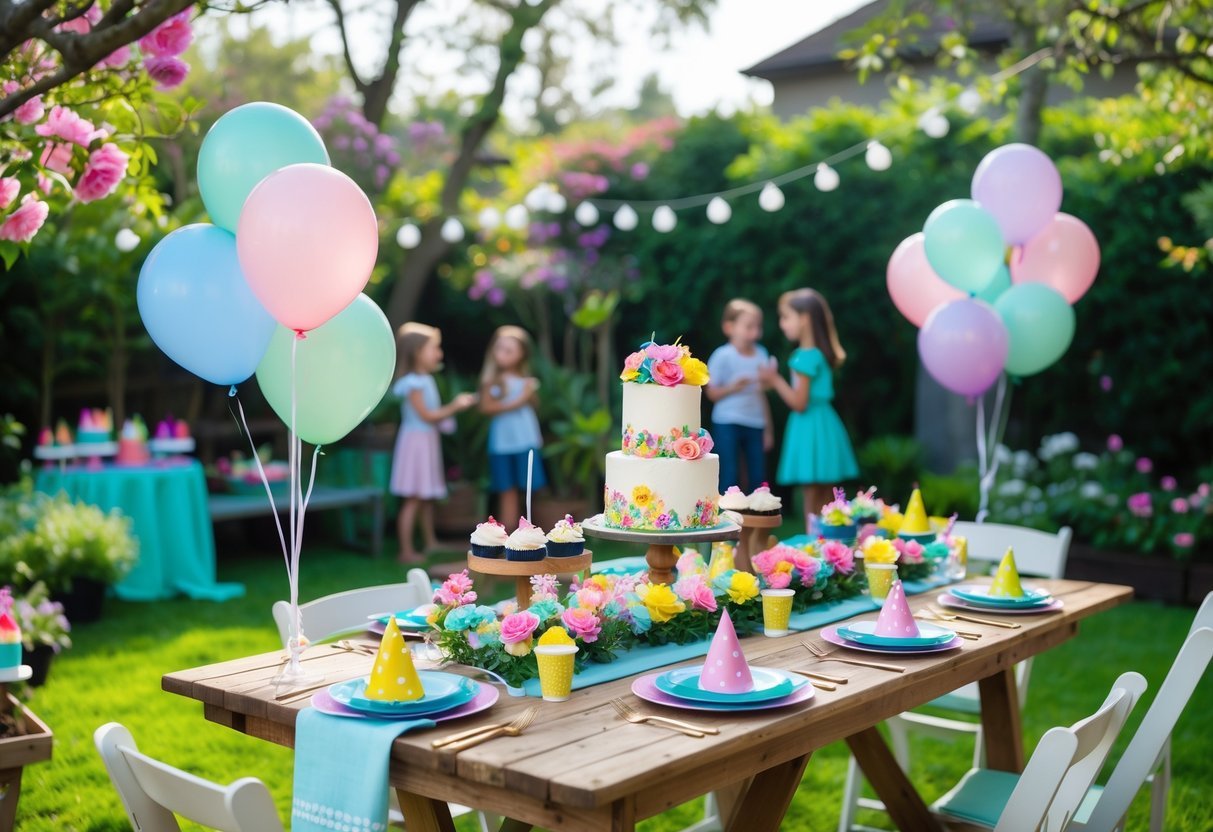
You can create a beautiful garden birthday without a big budget or a pro planner by focusing on a few simple design choices that tie the space together. Pick a clear theme or color story, layer lighting and textiles, and add one or two memorable focal points—like a floral arch, a cozy lounge area, or a dessert table—to make the party feel polished and inviting.
This post will show practical ways to plan the layout, choose décor, add hands-on activities, and present food so the whole event flows smoothly. Expect ideas that work for small and large gatherings, tips to keep guests comfortable outdoors, and quick swaps to suit different ages and budgets.
Planning the Perfect Garden Birthday Party
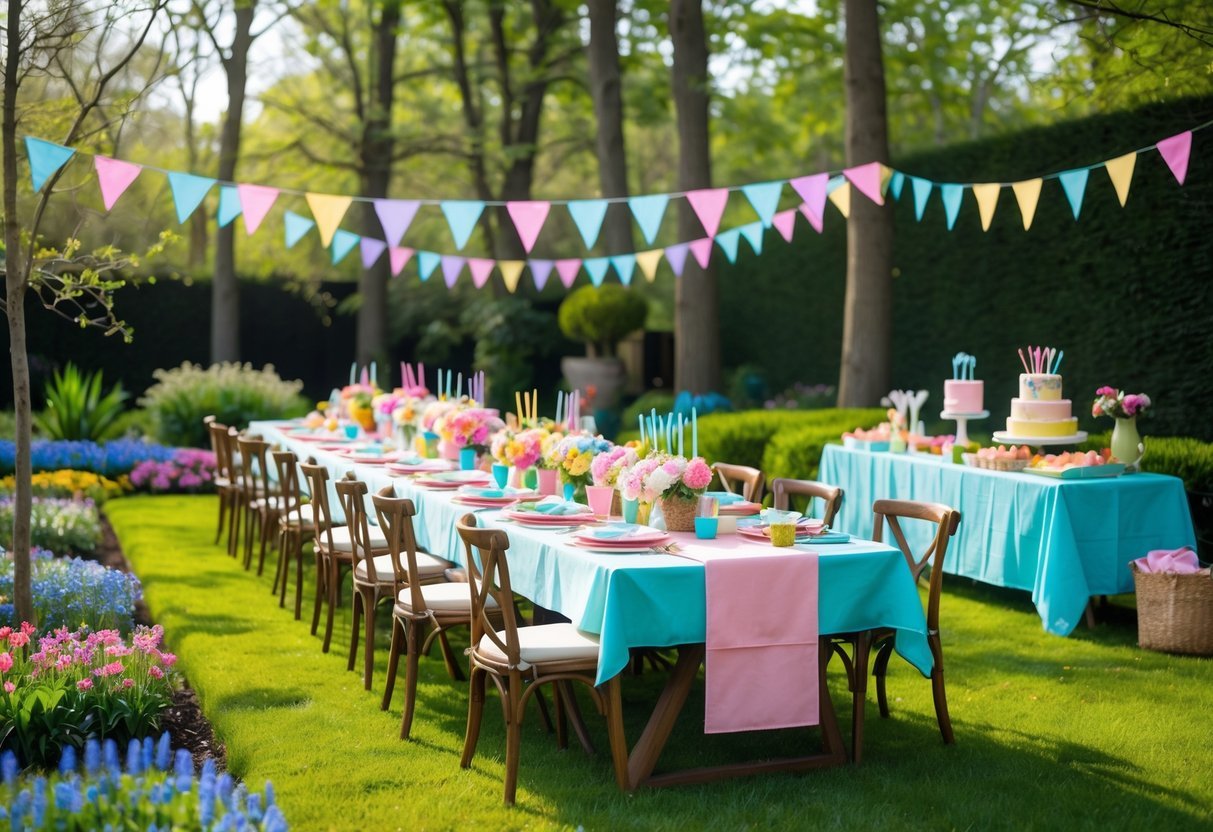
Decide on space, theme, and guest count early so you can match seating, shade, and activities to your needs. Think about weather backup, lighting, and how guests will move between food, seating, and activities.
Evaluating Outdoor Space
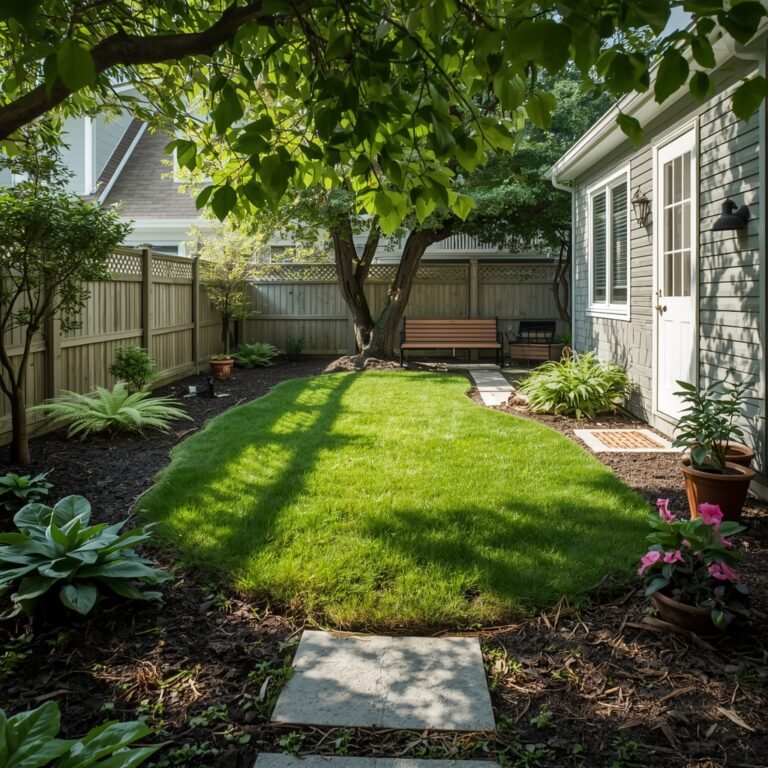
Walk the garden at the same time of day as the party to check sunlight and shade patterns. Note surfaces — grass, paving, or mulch — to pick tables, chairs, and games that sit level and stay clean. Measure a rough layout: allow about 10–12 sq ft per seated guest for a dinner setup, less for a casual picnic.
Identify power and water access for lighting, speakers, and a cake table. Mark any hazards like low branches, uneven steps, or open drains and plan simple fixes (matting, string lights, cones). Picture traffic flow between entrance, food, seating, and restrooms to avoid bottlenecks.
Selecting a Theme
Choose a theme that fits the garden and guest ages. For an adult evening, pick colors and textures — black-and-gold for a 40th or rustic burlap and lace for a relaxed look. For kids, use a single clear motif like fairies, jungle, or garden tea party to guide decor, favors, and activities.
List key decor items first: tablecloths, centerpieces, and a focal backdrop for photos. Match lighting to time: paper lanterns or string lights for dusk, bunting and florals for daytime. Keep food and activities consistent with the theme so the event feels planned and not scattered.
Creating a Guest List
Start with a core group: household, close friends, and family. Decide if you’ll include neighbors or work colleagues; a garden venue often invites a larger casual list, but seating limits matter. Create tiers: must-invite, would-like-to-invite, and backup for cancellations.
Choose a guest count that fits your space and budget. Note ages and accessibility needs when you invite, so you can provide seating, shade, and kid-safe zones. Use RSVP deadlines and remind guests about parking, dress (insect-friendly clothing, shoes for grass), and weather contingencies.
Creative Garden Party Design Ideas
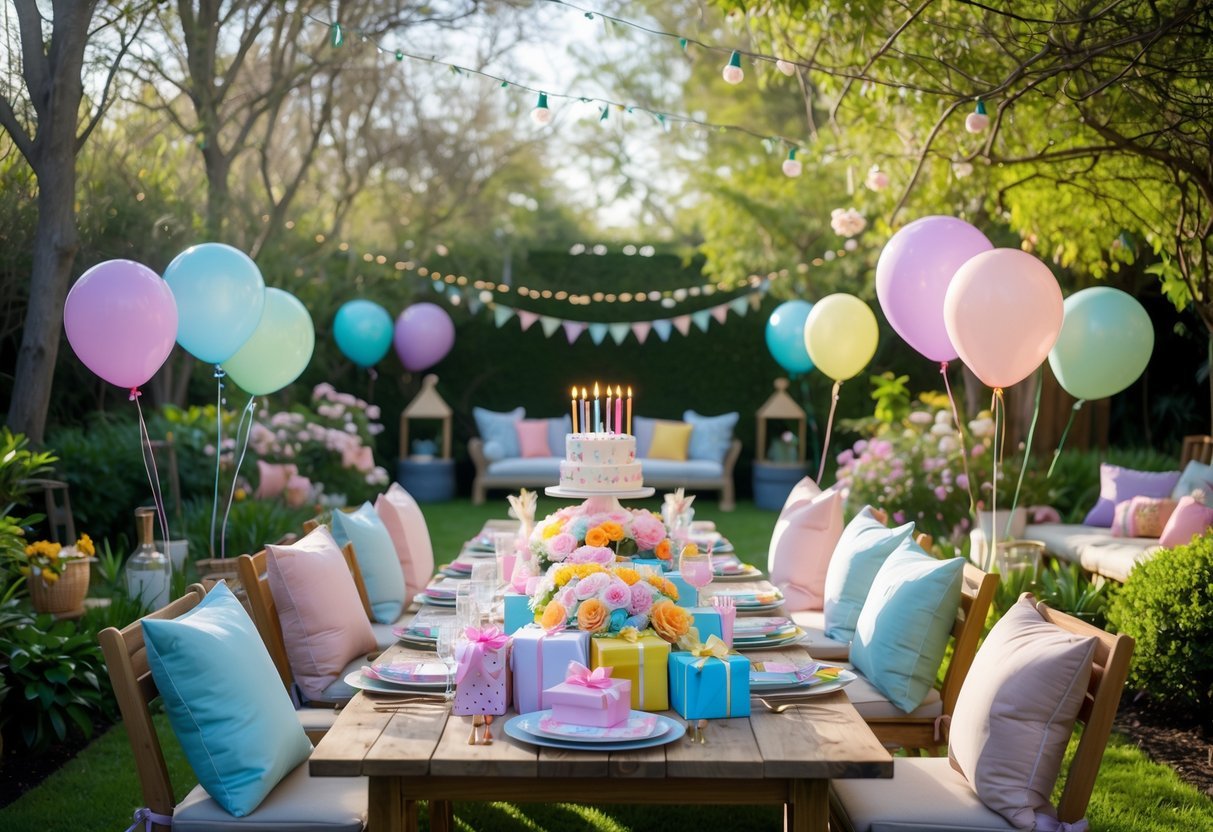
Focus on simple, specific elements that make the space look put together. Use flowers, table settings, lighting, and seating that match your guest list, weather, and budget.
Decorative Floral Arrangements
Pick 2–3 flower types for a cohesive look. Use one tall variety (like delphinium or eucalyptus stems) for height, a medium bloom (roses or peonies) for color, and a filler (baby’s breath or herbs) for texture. Place tall arrangements as focal points near the entrance or cake table and smaller vases down the length of tables.
Reuse the same flowers in mixed glass jars, tin cans, or mason jars to keep costs down. Anchor arrangements with water tubes for cut stems if you set them out early. Add sprigs of fresh herbs or citrus slices to jars for scent and a fresh look.
Themed Table Settings
Choose a single color palette and one accent pattern (stripes or small florals) to keep settings unified. Lay a runner that matches your palette, then add plates, napkins, and a simple place card at each seat. Use coordinating napkin rings or ribbon tied around cutlery for a polished touch.
For kids’ parties, add small activity favors at each place (crayons and a mini coloring sheet). For adults, include a folded menu card and a named cocktail suggestion. Keep centerpieces low on dining tables so guests can see each other.
Outdoor Lighting Solutions
Combine ambient, task, and accent lighting for a layered effect. Hang string lights overhead in a zigzag or parallel lines to brighten the entire area. Add solar stake lights along pathways and battery-powered lanterns on tables for safe, drip-free light.
Use LED candles in lanterns for stable, windproof ambiance. If you need brighter work light near food stations, place clamp lights or a standing lamp with a warm bulb. Test lights the night before to confirm coverage and battery life.
Garden Seating Arrangements
Mix seating types to match activities: benches and sofas for lounging, folding chairs for dining, and picnic blankets for a casual vibe. Arrange seating in small clusters so guests can form groups of 3–6 and still hear each other.
If you expect uneven ground, set heavier chairs on flat boards or a temporary deck to avoid wobble. Provide cushions and throw blankets for comfort as temperatures drop. Label reserved seats or create a simple seating map near the entrance for larger parties.
Interactive Elements and Entertainment
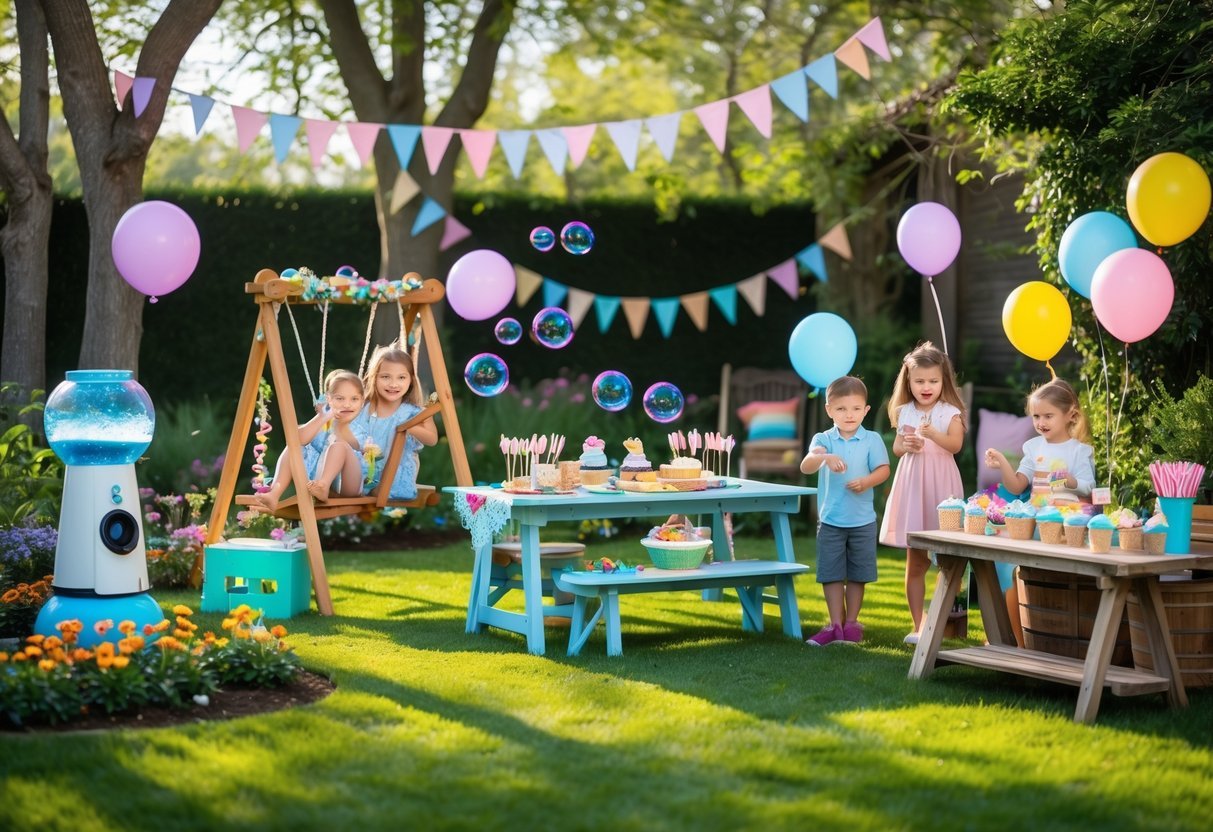
Pick activities that match your space and guests’ energy. Choose easy-to-run games, gentle live music or recorded soundscapes, and a few hands-on craft stations that keep people moving and socializing.
Lawn Games and Activities
Set up a mix of classic and garden-friendly games so guests of all ages stay engaged. Arrange croquet or bocce on a flat lawn area, and mark clear boundaries with rope or flags. Provide beanbag toss and giant Jenga near seating so people can play between conversations.
Create a simple schedule or sign so teams know when to rotate. For kids, include a nature scavenger hunt with a printed list and small prizes like seed packets or stickers. Keep equipment in a bin and have extra balls and spare pieces handy to avoid pauses.
Place games away from food tables and fragile decor. Use weighted bases for signs and lightweight cones to protect plant beds. Assign one adult or teen to supervise and reset games; that prevents interruptions and keeps the flow smooth.
Live Music or Soundscapes
Decide whether you want live performers, a playlist, or ambient nature sounds based on your budget and yard size. Hire a solo guitarist or acoustic duo for small gatherings; position them on a porch or at the edge of the lawn so sound carries without overpowering conversation.
If you use recorded music, create playlists that match the party phases: upbeat arrival tracks, mellow background music during dining, and lively tunes for active games. Use a Bluetooth speaker with a backup battery and test volume at different yard points.
For a calmer mood, play soundscapes of birdsong, soft rain, or wind chimes. Set a timer to change tracks gently between activities. Keep noise limits in mind and tell guests where to stand for the best sound.
DIY Craft Stations
Choose two or three simple projects that connect to the garden theme and your guests’ ages. Good options include planting mini herb pots, decorating terra-cotta markers, and making pressed-flower bookmarks. Provide clear, step-by-step instruction cards at each station.
Organize supplies in trays and label tools to prevent crowding. Offer aprons or paper towels for messes and have wet wipes nearby. Assign one helper to restock materials and assist kids with tricky steps.
Display finished crafts on a communal table so guests can admire each other’s work. Offer small containers for take-home pieces and include a printed care tip for any living plants.
Garden Party Food and Beverage Presentation
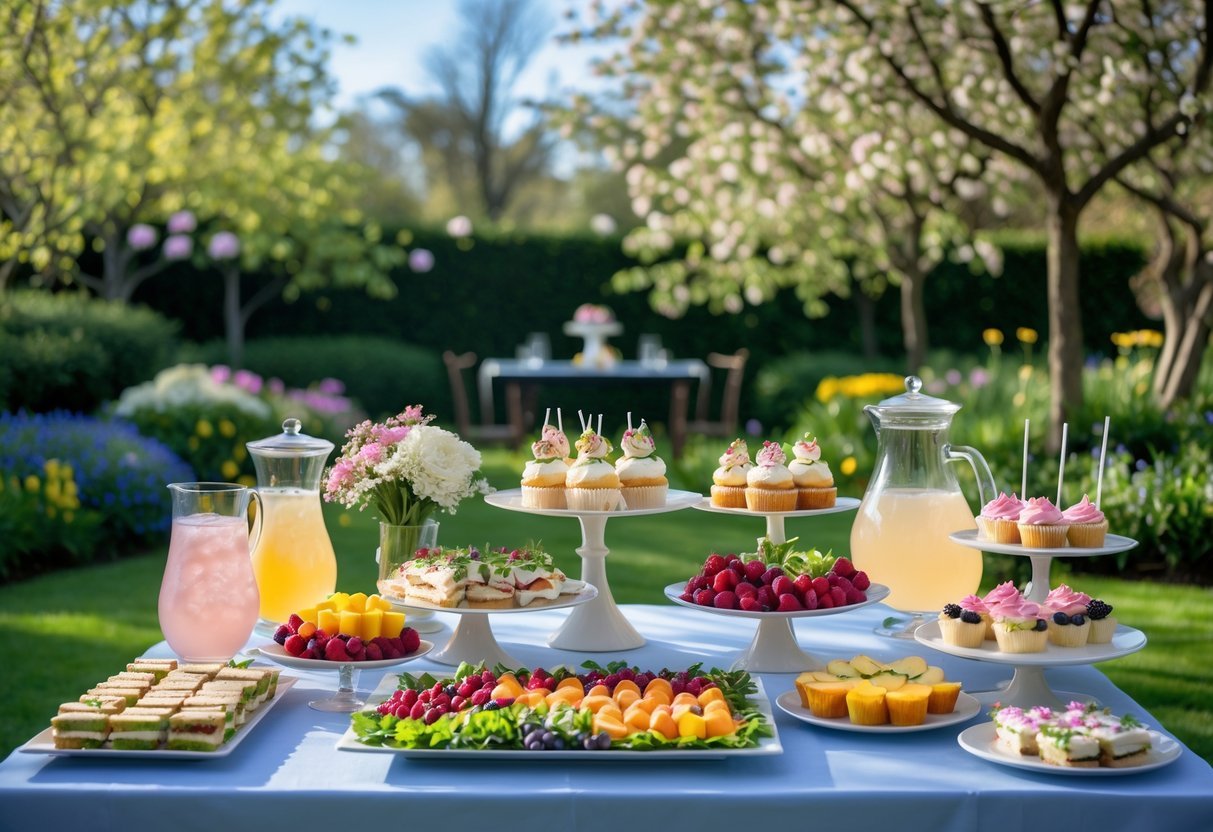
Keep food fresh, easy to reach, and pretty. Use seasonal produce, clear labels, and safe serving methods so guests can help themselves without confusion.
Seasonal Dessert Displays
Choose 2–3 seasonal desserts that travel well, such as lemon bars in spring, berry tarts in summer, or apple crumble squares in fall. Arrange them on varied heights: use cake stands, wooden boards, and small risers so each item shows clearly.
Label each dessert with a small card that lists the name and common allergens (nuts, dairy, gluten). This saves time and keeps guests comfortable.
Serve bite-sized portions to reduce plate juggling. Provide dessert plates, napkins, and small forks near the display. If you plan cold items like parfaits or mousse, set them on a tray of ice or place the tray inside a shallow basin filled with ice to keep them safe in warm weather.
Decorate the table with fresh herbs or edible flowers that match the dessert flavors, like mint with chocolate or basil with strawberry. Keep a small waste bin or compost bucket close by so guests can discard napkins and wrappers without walking across the lawn.
Beverage Stations
Set up separate stations for alcoholic drinks, nonalcoholic drinks, and water so guests can find their preference quickly. Use dispensers for iced tea, lemonade, or infused water; label each dispenser with the flavor and any alcohol content. Place a cooler or bucket of ice nearby for bottled drinks.
Provide clear glassware and reusable cups to cut waste. Include a small bar kit with a shaker, jigger, bottle opener, and stirring spoons for mixed drinks. Offer simple garnishes in small bowls—citrus slices, mint sprigs, and cucumber ribbons—so guests can customize their drinks.
If you serve hot beverages, keep them on a separate table away from cold stations to avoid crowding. Add a sign with serving instructions, such as “add ice if you like” or “stir before pouring” to reduce spills and questions.
Picnic-Style Dining Concepts
Arrange low tables or picnic blankets in small clusters so guests can choose a relaxed spot. Use sturdy trays or flat baskets to present food family-style: sandwiches, skewers, cheese boards, and salad jars work well for easy sharing.
Pre-portion items like wraps or skewers to make passing plates simple. That helps maintain a tidy area and reduces handling.
Provide a mix of seating: a few benches, some folding chairs, and blankets for kids. Place wipes, hand sanitizer, and a small board with serving rules (for example: “Please use tongs; shared food is for taking one portion at a time”) to keep hygiene clear.
Finally, plan pathways between clusters so servers and guests move freely without stepping on decorations or spilling drinks.
Frequently Asked Questions
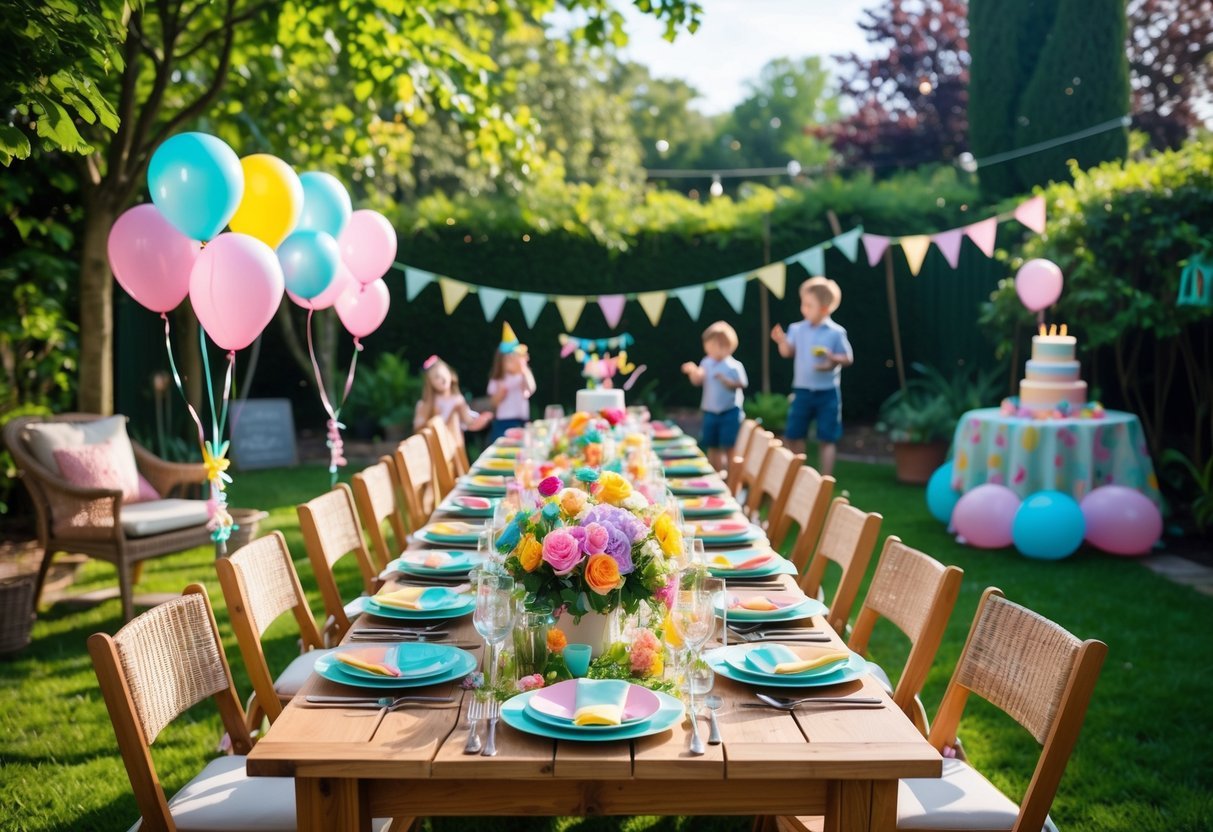
You’ll find practical tips for low-cost décor, simple elegant setups, DIY projects, adult-theme ideas, must-have outdoor elements, and ways to make a girl’s milestone feel personal. Each answer gives clear steps, item suggestions, and quick ideas you can use right away.
How can I decorate for a garden birthday party on a small budget?
Use string lights, paper lanterns, and tea lights to create warm lighting without high cost. Shop dollar stores for tableware and buy fabric remnants for table runners instead of cloth rentals.
Group simple centerpieces: mason jars with wildflowers, a stack of books with a small vase, or a tray of candles. Repurpose house plants or cuttings from your yard to add greenery for free.
What are some simple yet elegant decoration ideas for a garden birthday party?
Choose one or two colors and repeat them in napkins, balloons, and florals for a cohesive look. Use white tablecloths, a gold or rattan accent, and clear glassware to keep the setup refined.
Add tall focal pieces like a single large wreath on a gate or a standing floral arrangement by the food table. Soft lighting with warm bulbs keeps the atmosphere elegant after dusk.
What creative DIY decorating tips work well for a garden birthday celebration?
Make a photo backdrop from wooden pallets, fabric panels, or stringed greenery. Add a simple banner or fresh flowers to the top edge for a finished look.
Create hanging planters from recycled bottles or tin cans and fill them with herbs or succulents. Use chalkboard signs for menus, directions, and fun notes to guests.
How can I plan a garden birthday party with a unique theme for an adult?
Pick a clear, narrow theme like “Mediterranean picnic,” “Vintage tea,” or “Black-and-gold cocktail night.” Base food, drinks, music, and small decor pieces on that single idea for a strong, consistent experience.
Offer one signature cocktail, a themed playlist, and a dress-suggestion note on the invite. Small touches — like lemon-slice place cards for Mediterranean or lace doilies for vintage — tie the theme together.
What are the essential elements for hosting a successful outdoor birthday party?
Provide shade and seating for comfort: umbrellas, shade sails, or a pop-up canopy work well. Have enough chairs and cushions for guests to relax.
Plan for insects and weather: citronella candles, a simple bug-spray station, and a rain plan such as moving to a covered area. Make food easy to serve outside by using buffet-style tables and covered dishware.
How can I personalize a garden birthday party for a special girl’s milestone?
Use a color palette and motifs she loves in decorations, cake design, and favors. Add a memory table with photos from past years, a few handwritten notes from family, and a framed timeline of key moments.
Include an activity that highlights her interests, like a planting station if she loves gardening or a craft table for jewelry-making. Small, custom touches — monogrammed napkins or a playlist of her favorite songs — make the day feel unique.