7 Garden Bench Ideas for Small Yards, Patios, and DIY Builds
You can make your outdoor space more inviting with the right garden bench. A well-chosen bench adds comfort, style, and function to your yard while creating a spot for relaxing, socializing, or enjoying the view.
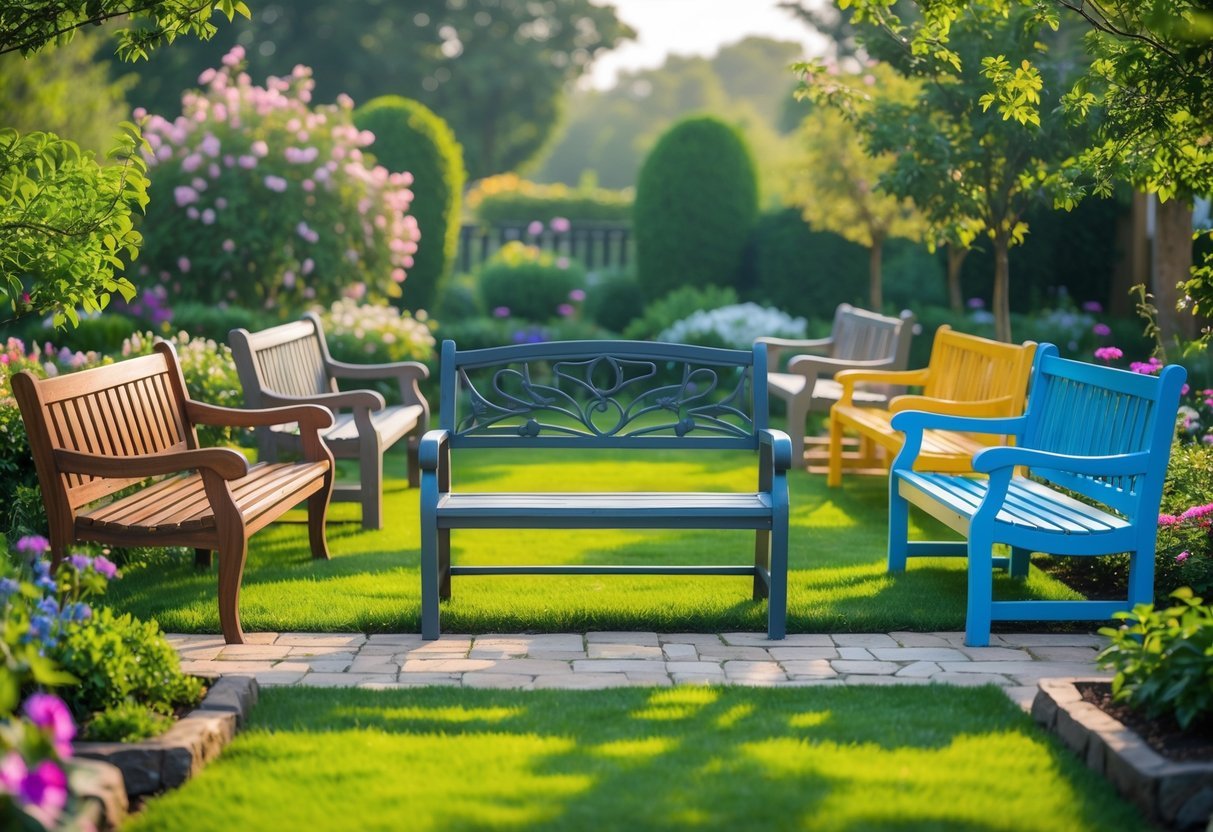
This article walks you through seven practical bench ideas and the key choices that matter, from materials and comfort to built-in features and care. Use these options to match your space, budget, and taste so your garden feels more useful and welcoming.
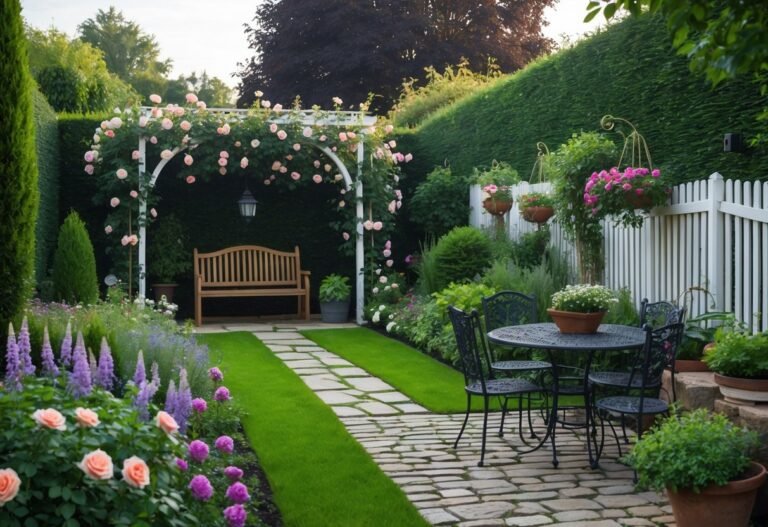
1) Rustic wooden garden bench with storage
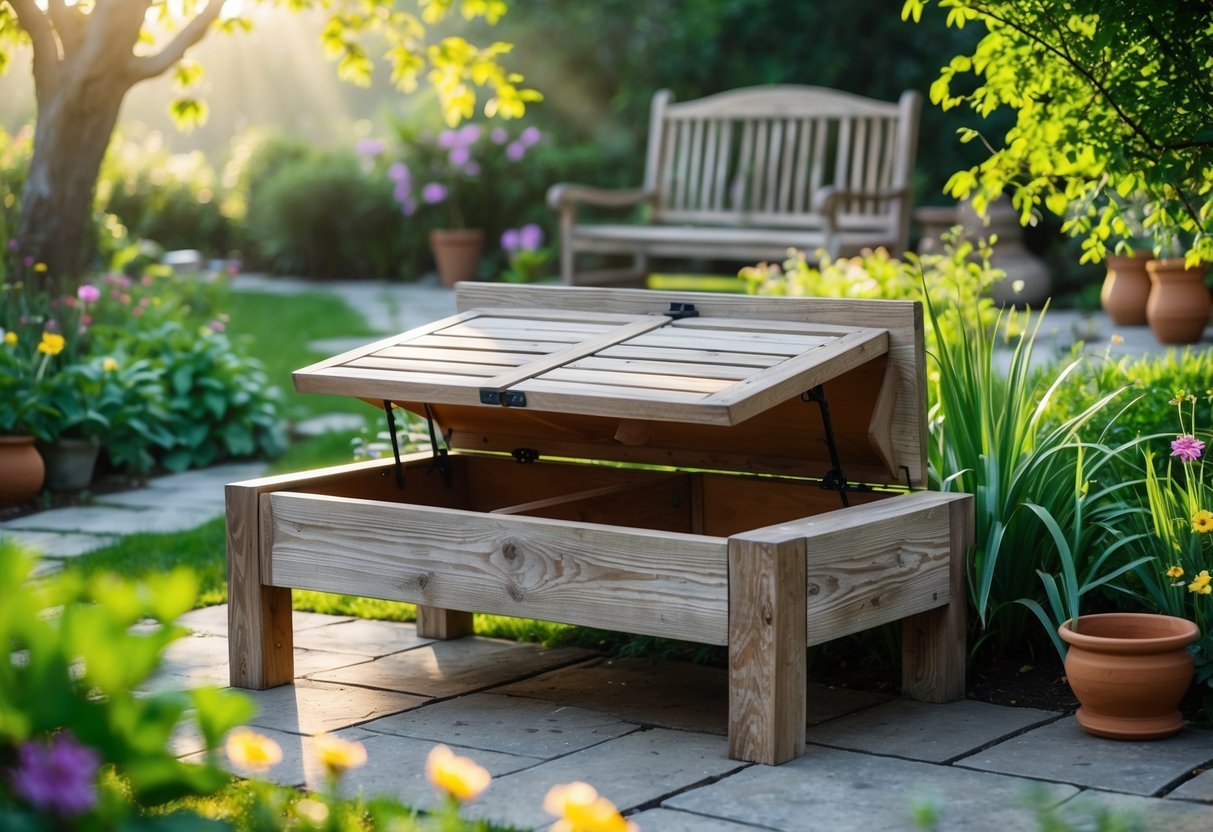
You get a sturdy wooden bench that blends with plants and paths. It offers a simple seat and a hidden storage box under the lid for tools, cushions, or toys.
Choose weatherproof wood and a tight-fitting lid to keep items dry. Add a soft finish or paint to match your garden while keeping the rustic look.
2) Curved stone bench for natural landscaping
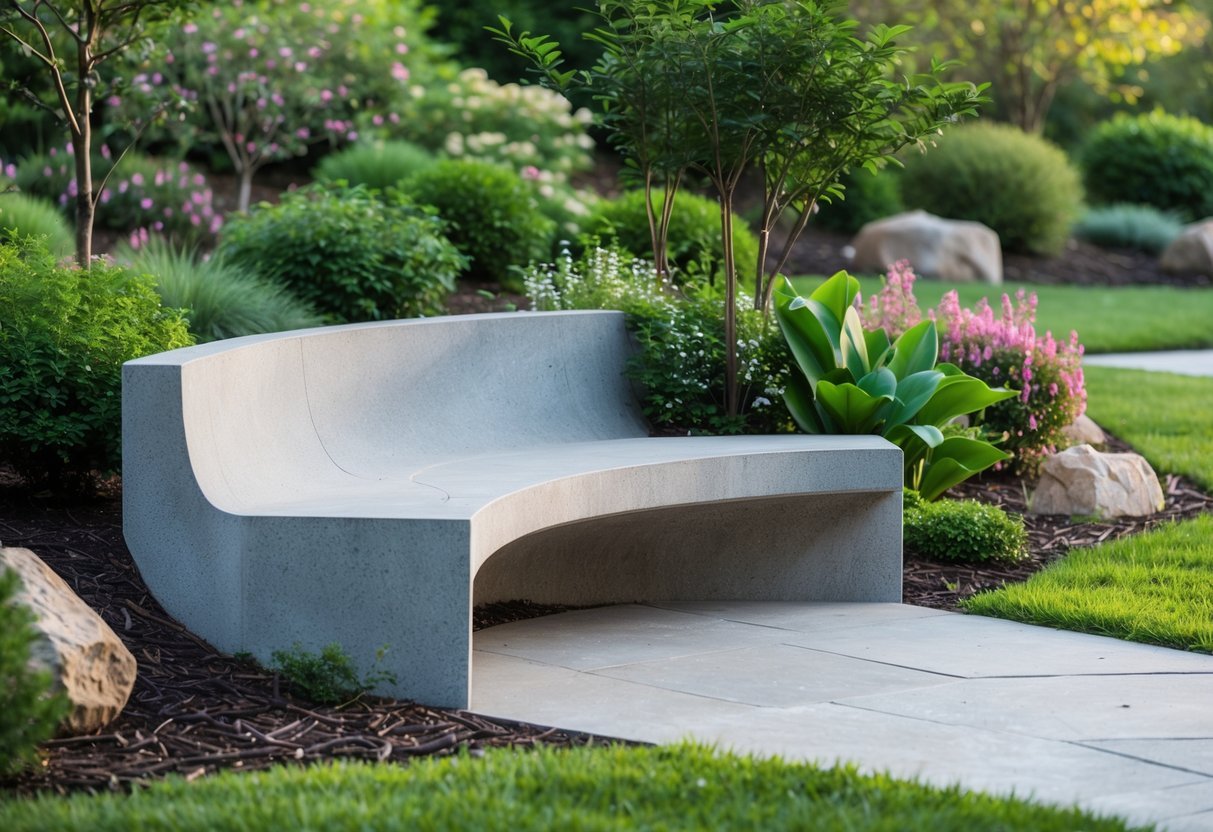
A curved stone bench fits into natural landscapes better than straight seating. You can place it around a tree, a flower bed, or a fire pit to create a quiet focal point.
Stone stays cool in summer and holds warmth after sun exposure, so it feels comfortable across seasons. Choose a color and texture that match your garden stones and plants for a unified look.
Keep the base level and add low groundcover or gravel around the bench to prevent soil erosion. Small cushions or weatherproof pads can make the bench more inviting without hiding its natural charm.
3) Metal frame bench with wooden slats
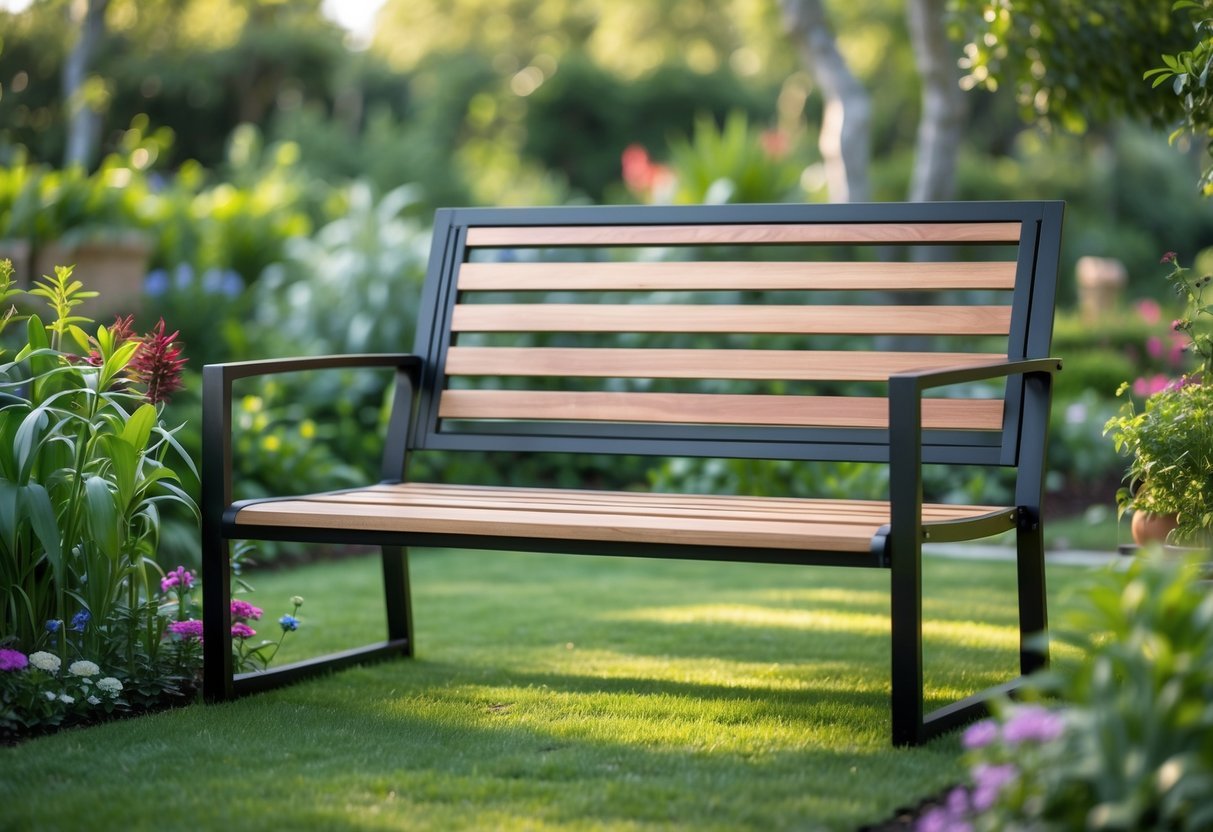
You get a durable base from a metal frame and warm looks from wooden slats. This mix works well outdoors and fits modern or classic gardens.
Choose treated or hardwood slats to resist weather, and powder-coated metal to prevent rust. Space slats for drainage and add simple cushions for comfort.
4) Reclaimed wood DIY garden bench
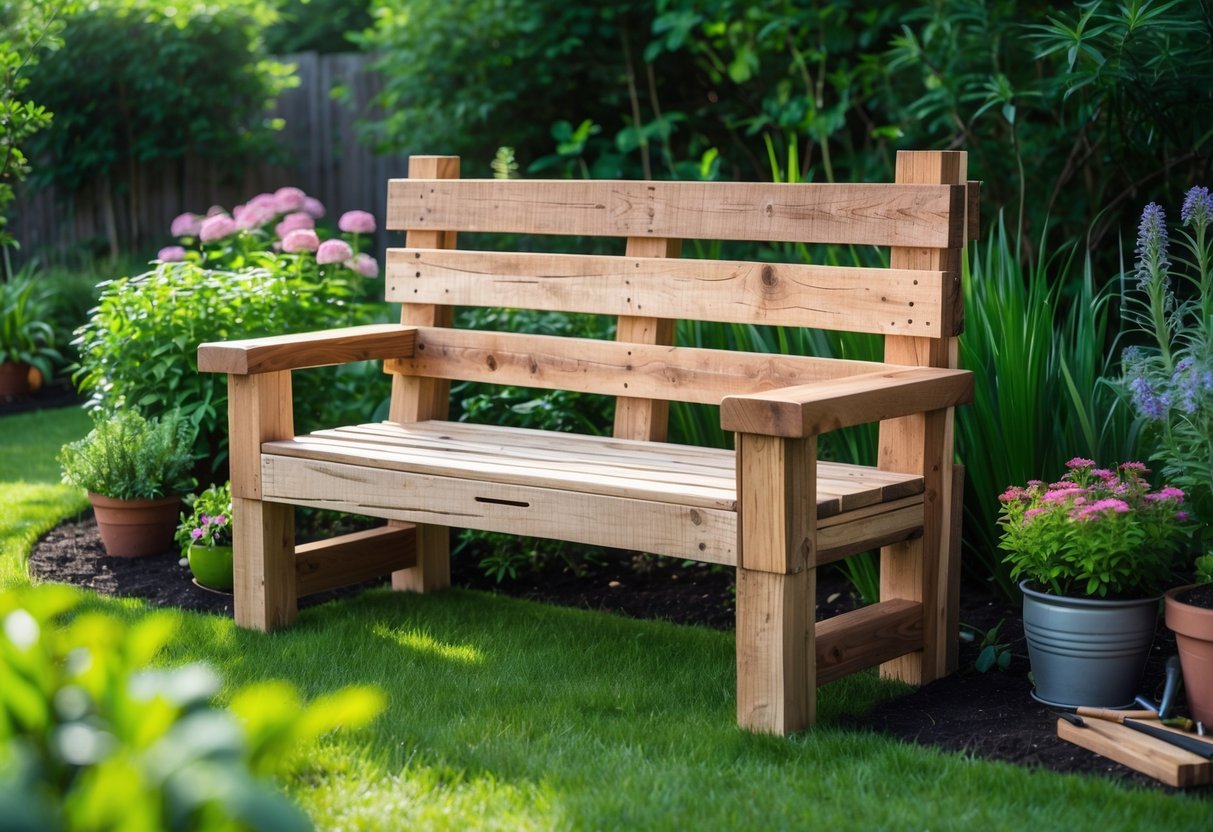
You can build a sturdy bench using reclaimed wood from pallets, old fences, or salvaged boards. Pick pieces that are dry and free of rot; sand rough spots to avoid splinters.
Choose a simple design: a flat seat, straight legs, and optional backrest. Use exterior screws and a weatherproof finish to protect the wood.
Reclaimed wood gives your bench a rustic look and reduces waste. It may need occasional tightening or refinishing over time to stay safe and attractive.
5) Classic wrought iron garden bench
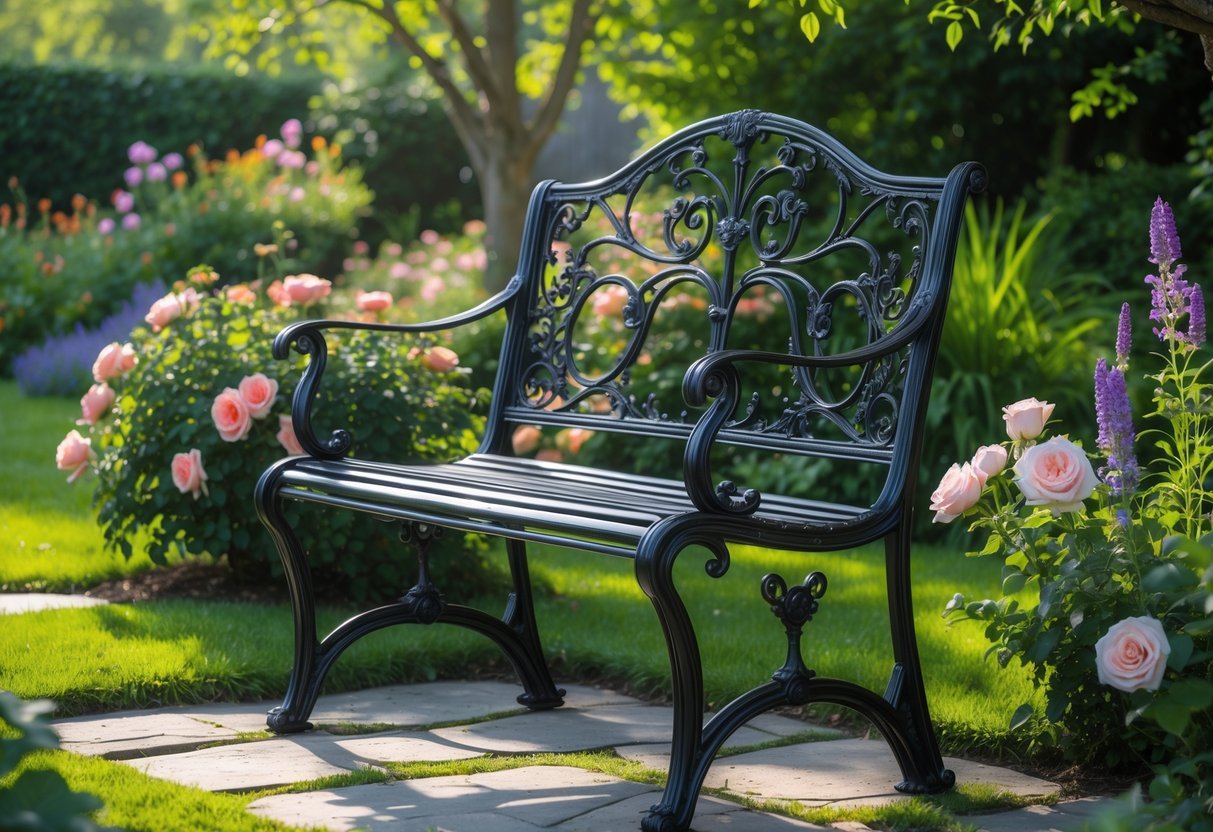
A wrought iron bench adds a timeless look to your garden. Its scrollwork and clean lines fit formal and cottage styles.
These benches are sturdy and low-maintenance. You can paint them or let a soft patina develop over time.
Add a thin cushion for comfort without hiding the design. Place the bench near blooms or a path to create a small resting spot.
6) Built-in planter bench combination
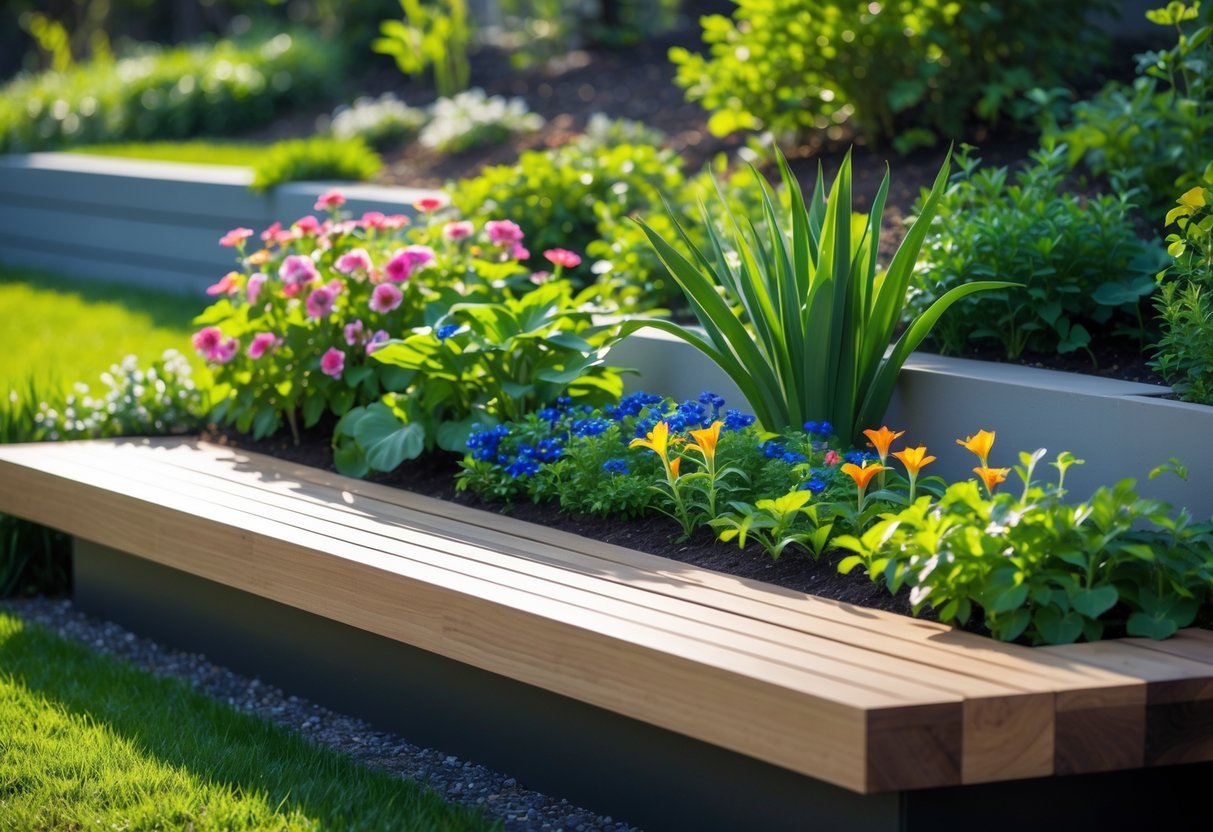
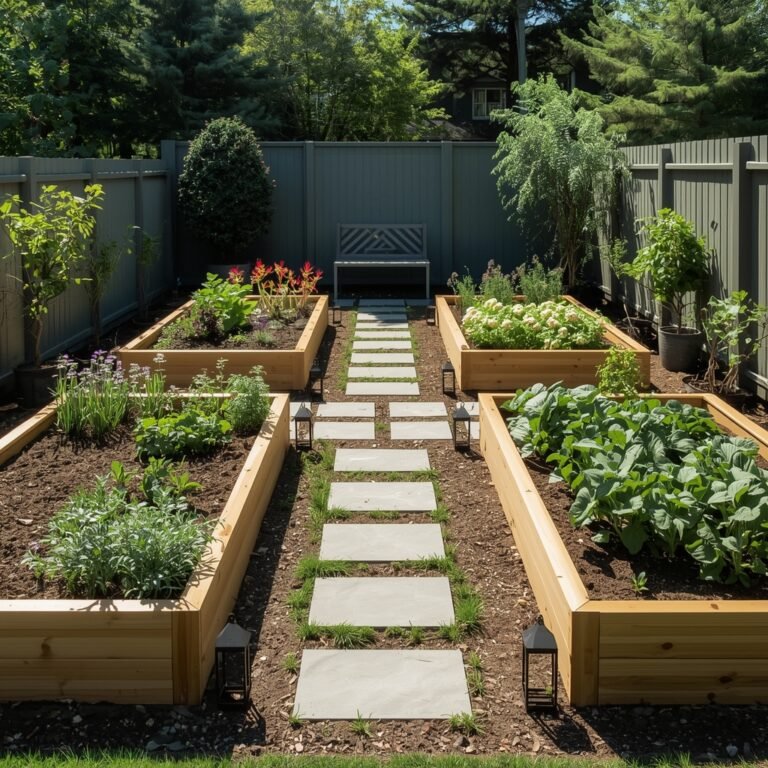
A built-in planter bench pairs seating with planting space so you get function and green life in one piece. You can place it along a wall, fence, or deck edge to save space and add structure.
Choose durable materials and good drainage to protect both plants and the bench. Plant low-maintenance species like herbs, succulents, or compact perennials to reduce upkeep.
7) Modern minimalist concrete bench
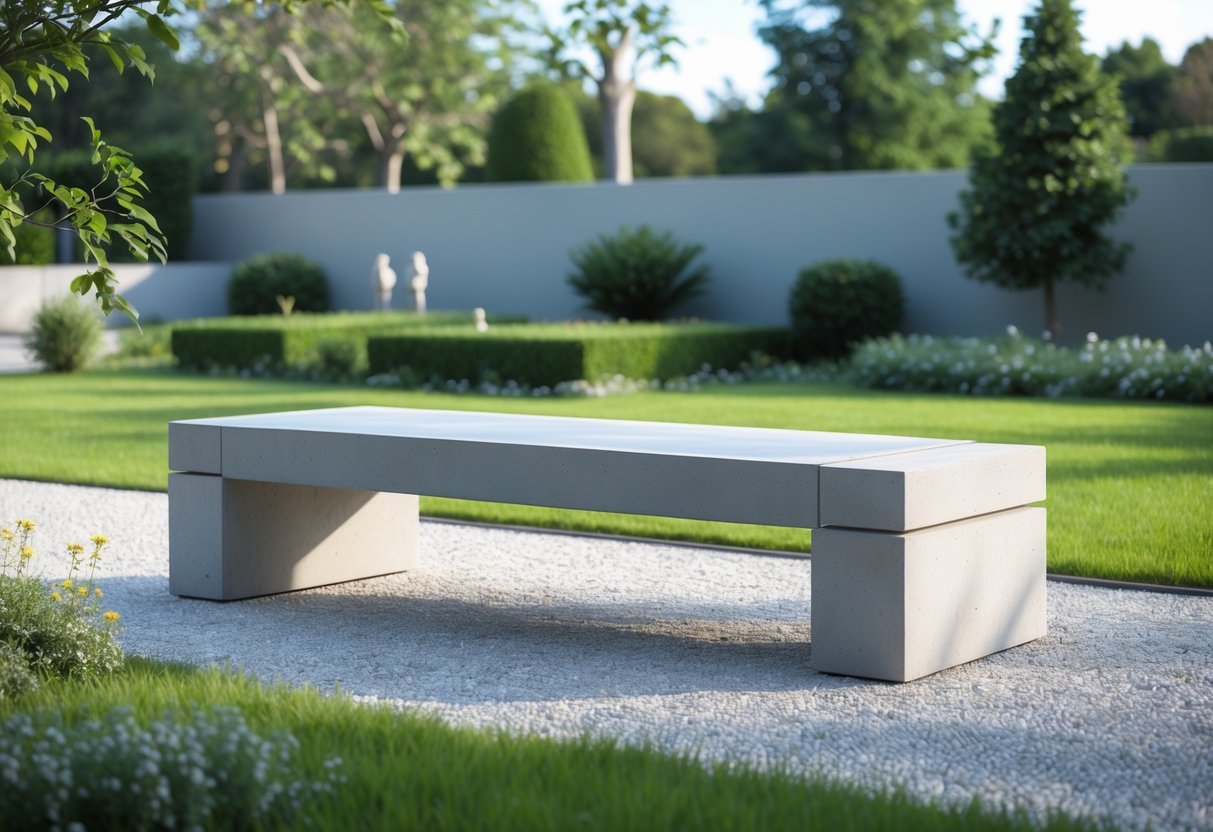
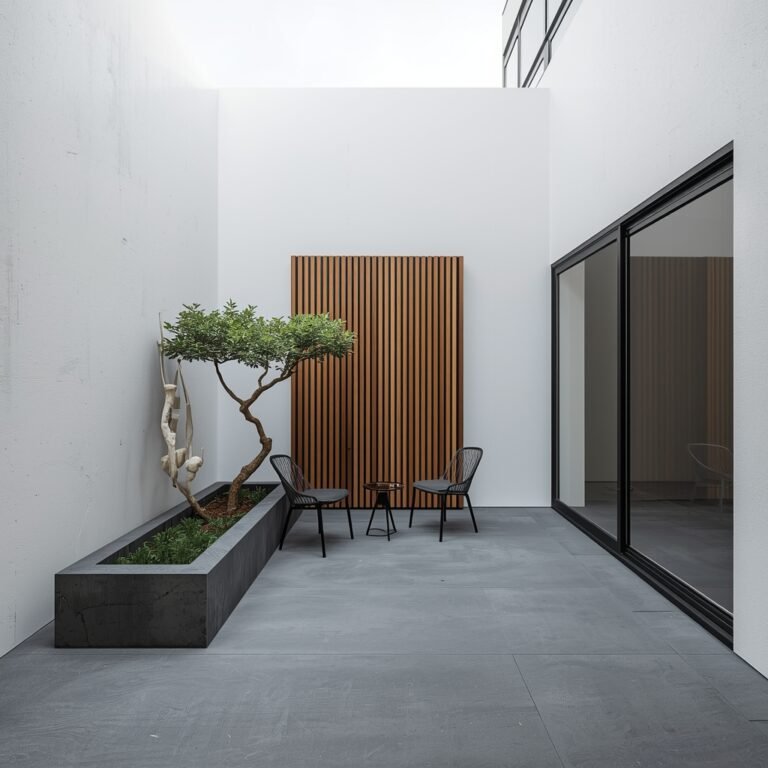
A concrete bench gives your garden a clean, modern look that lasts. You get strong, low-maintenance seating that fits formal or casual spaces.
Place it near gravel, paving, or a simple lawn to keep the scene calm. Add a cushion or throw for comfort without losing the minimalist feel.
8) Bench with integrated sunshade
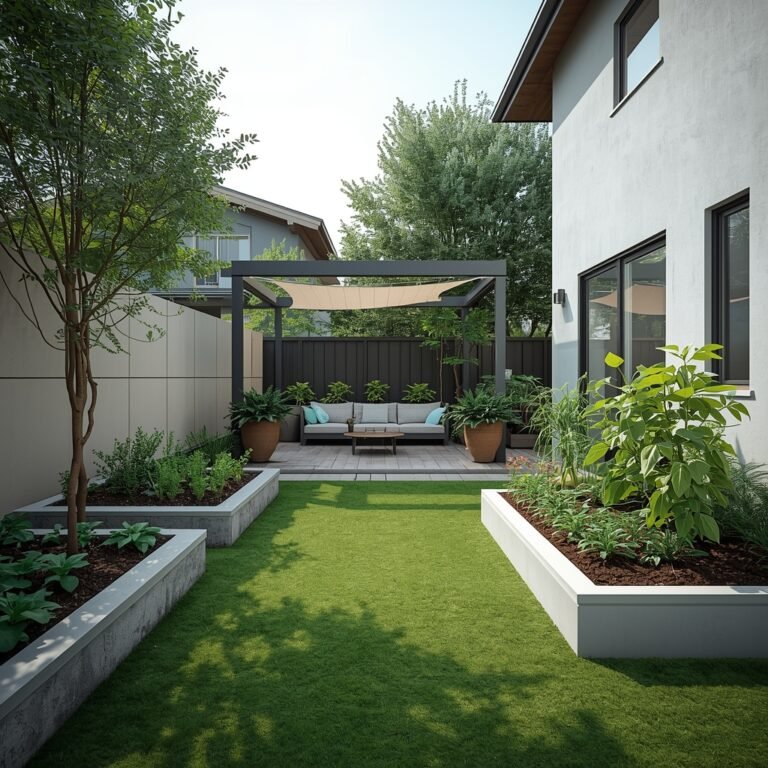
Place a bench with an integrated sunshade where you want regular shade and comfort. The shade can be a fixed canopy, a retractable awning, or a built-in umbrella.
Choose materials that resist sun damage, like teak, powder-coated metal, or UV-rated fabric. Add cushions with quick-dry foam to stay comfortable after rain.
Position the bench so the shade blocks midday sun but still lets morning or evening light in. This keeps the spot usable most of the day.
Choosing the Right Materials for Your Garden Bench
Pick a material that matches how you use the bench, how much time you want to spend on upkeep, and the climate where you live. Think about weight, color choices, and whether you want a natural look or low maintenance.
Durability and Maintenance Considerations
Wood gives a warm, natural look but needs regular care. Cedar and teak resist rot and insects better than pine. Plan to oil or seal teak once a year and repaint or stain softer woods every 1–3 years.
Metal benches are strong and often lighter if made from aluminum. Steel is very durable but can rust; choose powder-coated or galvanized finishes. Tighten bolts and check welds yearly to prevent wobble.
Plastic and resin benches need almost no maintenance. They won’t rot or rust and clean easily with soap and water. UV-resistant plastic holds color longer; cheaper plastics can become brittle in cold climates.
Stone and concrete last decades with almost zero upkeep. They are heavy and hard to move, so decide on placement before buying. Seal porous stone to reduce staining.
Weather Resistance by Material Type
Wood: Teak and cedar handle rain and humidity better than pine. If you leave wood outside, use breathable covers and keep legs off wet soil to reduce rot. Sun fades color, so use UV-blocking oil or stain.
Metal: Aluminum resists rust and is light for moving. Steel needs a rustproof coating; if paint chips, touch it up quickly to stop corrosion. In coastal areas, pick stainless steel or marine-grade finishes.
Plastic/resin: These materials resist moisture and pests. Look for UV-stabilized blends to prevent cracking and fading. In extreme heat, some plastics can soften; check manufacturer temperature ratings.
Stone/concrete: These withstand sun, wind, and water. Freeze–thaw cycles can crack some stones; seal joints and use frost-resistant mixes in colder zones. For alpine or coastal gardens, pick dense, low-porosity stone.
Maximizing Comfort and Style
Choose seat height, back angle, and materials that fit how you use the bench. Add cushions, weatherproof fabric, and simple accessories to make the bench both cozy and low maintenance.
Ergonomic Design Tips
Pick a seat height of 16–18 inches for most adults. This height lets your feet rest flat and reduces knee strain. If children or taller people will use the bench, adjust height accordingly.
Aim for a backrest angle of about 100–110 degrees from the seat. That slight recline supports your lower back and encourages relaxed sitting. Add a 2–4 inch seat depth for daily comfort; deeper seats work for lounging but may need extra lumbar cushions.
Use rounded edges on armrests and seats to avoid pressure points. Choose slatted or slightly contoured seats to improve airflow and prevent pooling after rain. For built-in benches, leave a 1/8–1/4 inch gap between boards to allow drainage and wood movement.
Incorporating Cushions and Outdoor Fabrics
Select cushions with quick-dry foam or polyester fill so water drains and dries fast. Choose 2–4 inch thickness for seat cushions; 12–18 inch lumbar or toss pillows work for back support and style.
Pick fabrics rated for outdoor use: solution-dyed acrylic or polyester resist fading and mildew. Look for UV resistance (fade ratings) and a water-shedding finish. Use removable covers with zippers for easy washing.
Secure cushions with ties or non-slip backing to prevent slipping. For storage, keep cushions in a ventilated bin or use a slim waterproof cover when not in use to prolong fabric life.
Frequently Asked Questions
This section covers practical choices for small layouts, standout bench styles, where to find design ideas, woodworking tips for long life, comfortable bench sizes, and how weather affects wooden benches.
How can I design a small garden bench to maximize space?
Choose a slim profile with a narrow seat depth (12–15 inches) so the bench doesn’t stick into walkways. Use built-in storage under the seat to hide cushions, tools, or small pots without adding bulk.
Place the bench against a wall, fence, or raised bed to free up floor area. A folding or two-piece bench can tuck away when you need more space.
What are some unique outdoor bench ideas that stand out?
Use reclaimed wood for a warm, lived-in look and add metal legs for contrast. A curved stone bench fits natural landscaping and creates a quiet focal point.
Try a metal frame with wooden slats for a modern mix, or a rustic wooden bench with hidden storage for function and charm. Classic wrought iron offers intricate detail if you want a decorative touch.
Where can I find garden bench design inspiration on platforms like Pinterest?
Search Pinterest with specific keywords like “reclaimed wood garden bench,” “curved stone bench,” or “metal frame wooden slat bench.” Save boards for each style so you can compare shapes, finishes, and materials side by side.
Follow trusted makers and DIY accounts to see step-by-step builds. Pin finished projects along with material lists to help plan your own bench.
What woodworking techniques are best for building a durable wooden garden bench?
Use mortise-and-tenon or pocket-hole joinery for strong frame connections. Seal end grain and use exterior-grade glue and stainless or coated fasteners to resist moisture.
Choose rot-resistant wood like cedar, teak, or pressure-treated lumber. Plane and sand edges to reduce water traps, and apply exterior finish or oil regularly.
What are the ideal dimensions for a comfortable outdoor bench?
Aim for a seat height of 16–18 inches and a seat depth of 16–20 inches for general comfort. Allow 18–24 inches of width per person so two people sit without crowding.
If you add a backrest, set it at a 10–15 degree recline and 12–16 inches above the seat to support the lower back.
How can weather conditions affect the longevity of wooden garden benches?
Sun fades and dries wood, causing cracks and surface checks. Rain and ground moisture lead to rot and mold if the bench isn’t sealed or elevated off damp soil.
Wind can shift lightweight benches; anchor or weigh them down. Regular maintenance—cleaning, sanding, and reapplying finish—reduces weather damage and extends the bench’s life.