Front Yard Vegetable Garden Design Ideas for Small Spaces and Curb Appeal
Want fresh vegetables that boost curb appeal and fit your space? You can turn your front yard into a productive, attractive garden using small raised beds, containers, or vertical planters to match your home’s style and available space. Choose layouts that balance beauty and function so your garden looks great while making planting, watering, and harvesting easy.
Use color, shape, and repetition to tie the garden to your house. Mix edible plants with flowering companions and plan paths or edging so the area stays neat and inviting for passersby and guests.
Key Takeaways
- Plan placement and scale to match your yard and daily care needs.
- Arrange plants for easy access, good sun exposure, and visual appeal.
- Use low-maintenance, sustainable choices to keep the garden productive.
Planning Your Front Yard Vegetable Garden
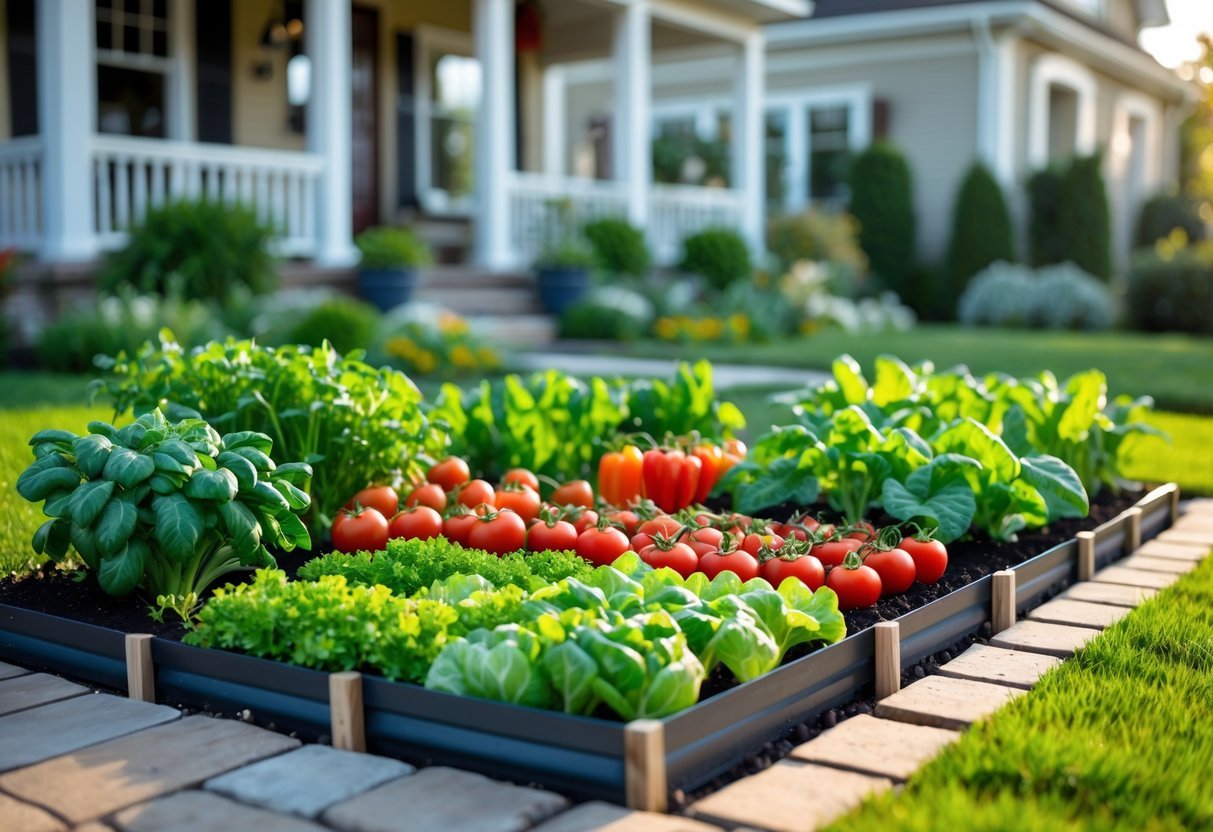
Decide where your garden will get the most sun, how good the soil is, and how it will look from the street. Pick spots and designs that make maintenance easy and keep the yard tidy.
Assessing Sunlight and Soil Conditions
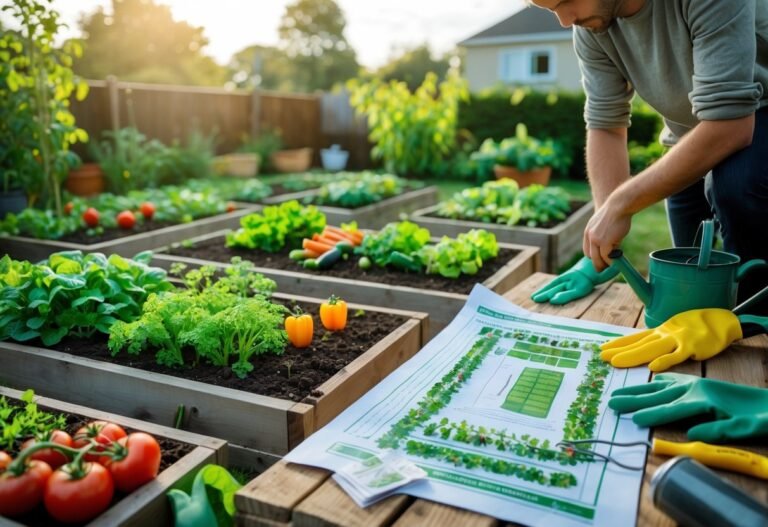
Track sunlight for one week. Note hours of direct sun (full sun = 6+ hours, partial = 3–6 hours). Sketch the yard and mark sunny and shady spots at morning, midday, and late afternoon.
Test soil with a simple kit or send a sample to your local extension. Check pH, drainage, and nutrient levels. If soil is compacted or low in organic matter, plan to add compost and loose topsoil.
Watch how water moves across the area after rain. Avoid low spots that puddle and areas that dry out too fast. For poor soil, use raised beds or containers to control growing mix and reduce weeds.
Choosing the Best Location
Place the garden where it gets the most sun and is closest to a water source. A spot within 25 feet of a hose or spigot saves time and keeps plants healthier.
Consider visibility from the street and front door. Keep taller crops behind shorter ones so everything looks tidy. Use low fencing or edging to separate beds from walkways and protect plants from pets.
Think about access for maintenance. Make sure you can reach all beds without stepping on soil; paths should be at least 18–24 inches wide. If winter protection helps, pick a place where you can easily add row covers or a small greenhouse.
Garden Layouts for Curb Appeal
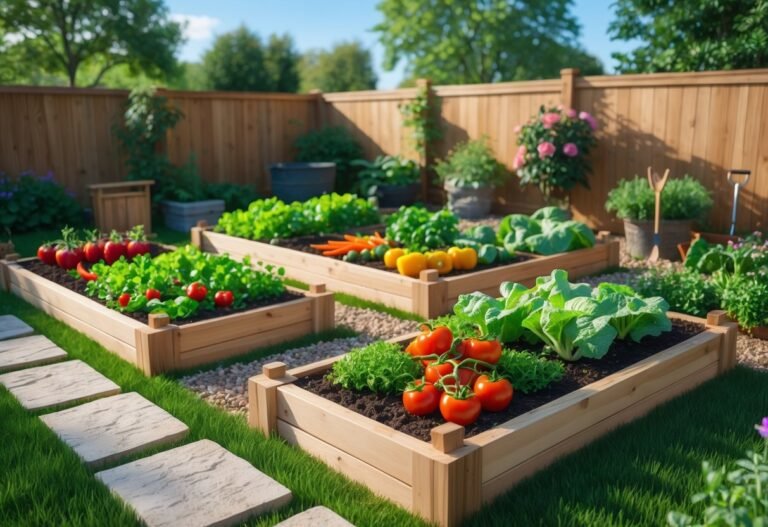
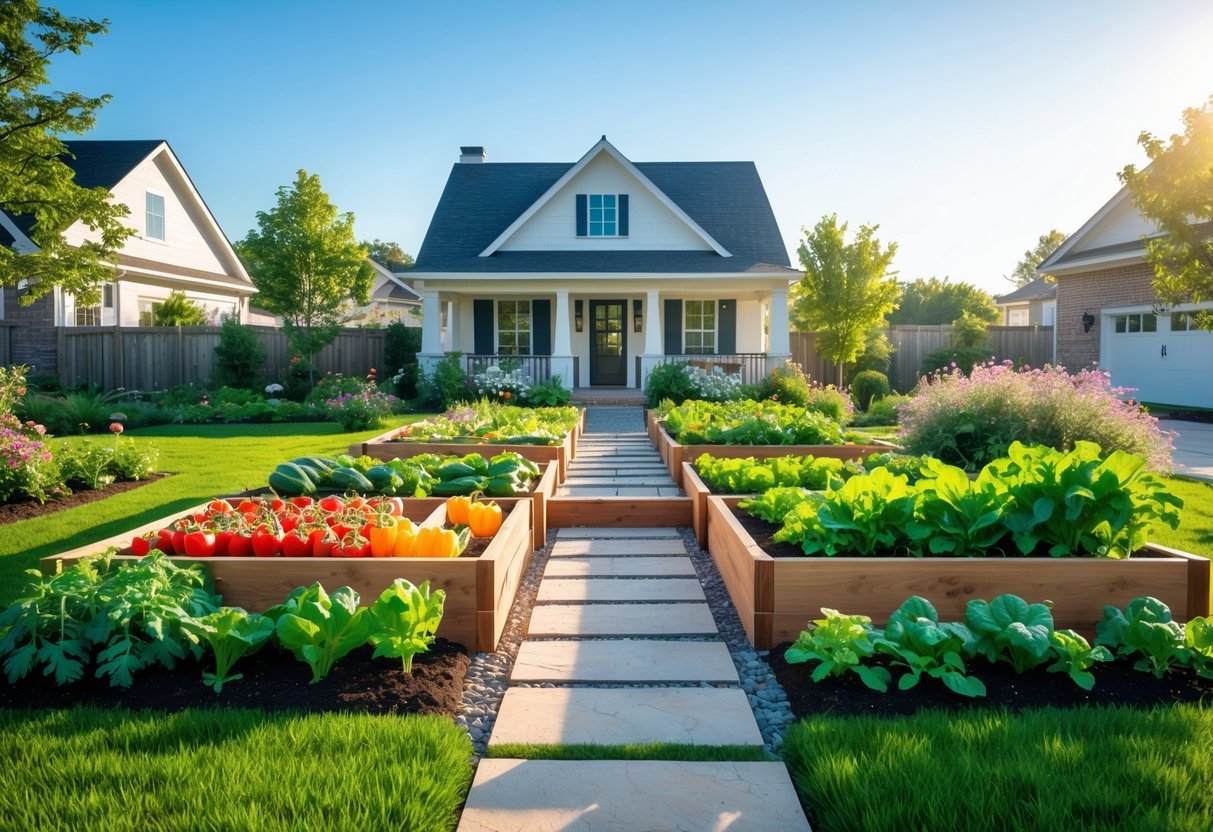
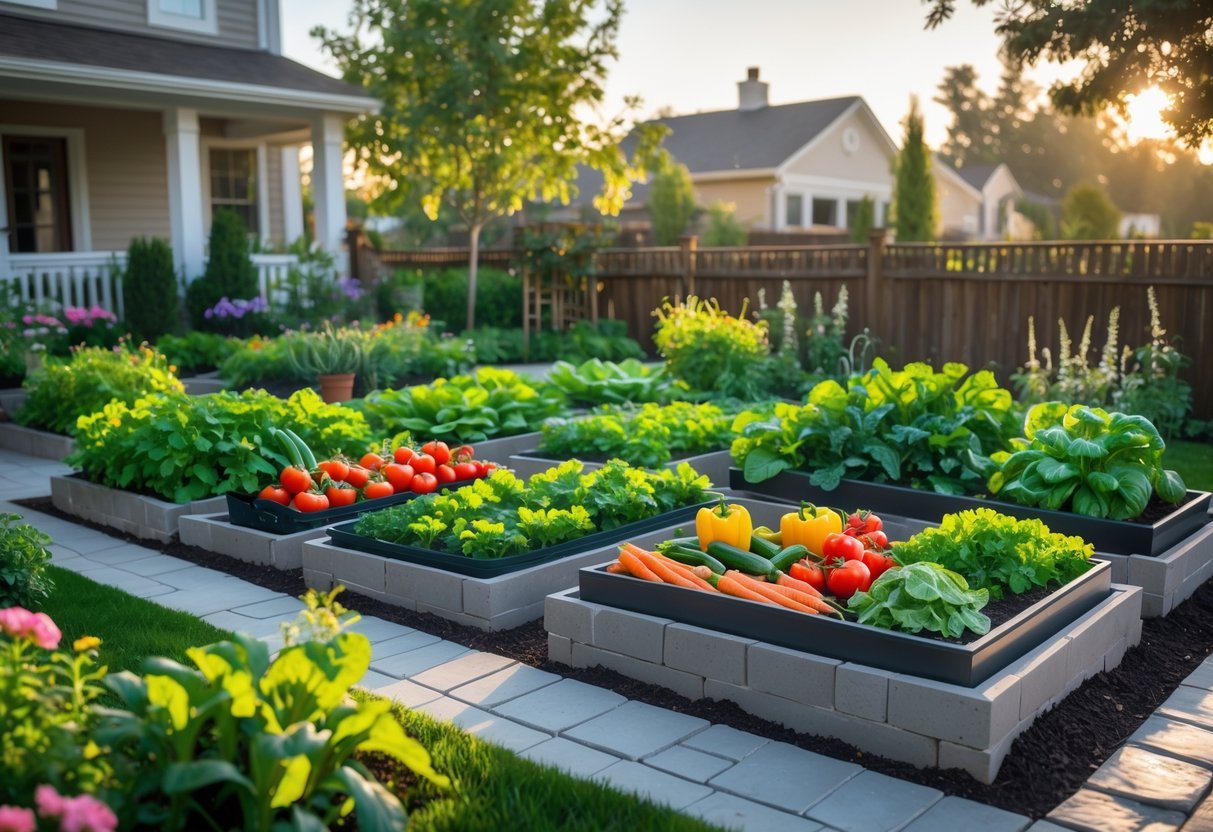
Choose a clean, simple layout that fits your home’s style. Rectangular raised beds look modern and neat, while triangular or curved beds soften formal landscaping.
Use repetition to unify the design: match planter materials, plant a single crop in blocks, or repeat a border plant. Mix vegetables with flowering edges like marigolds or nasturtiums to add color and attract pollinators.
Consider vertical elements to save space and add height. Trellises for peas and beans go behind low crops. Use containers and narrow beds near the front walk to keep sight lines clear and make the garden feel intentional.
Selecting and Arranging Vegetables
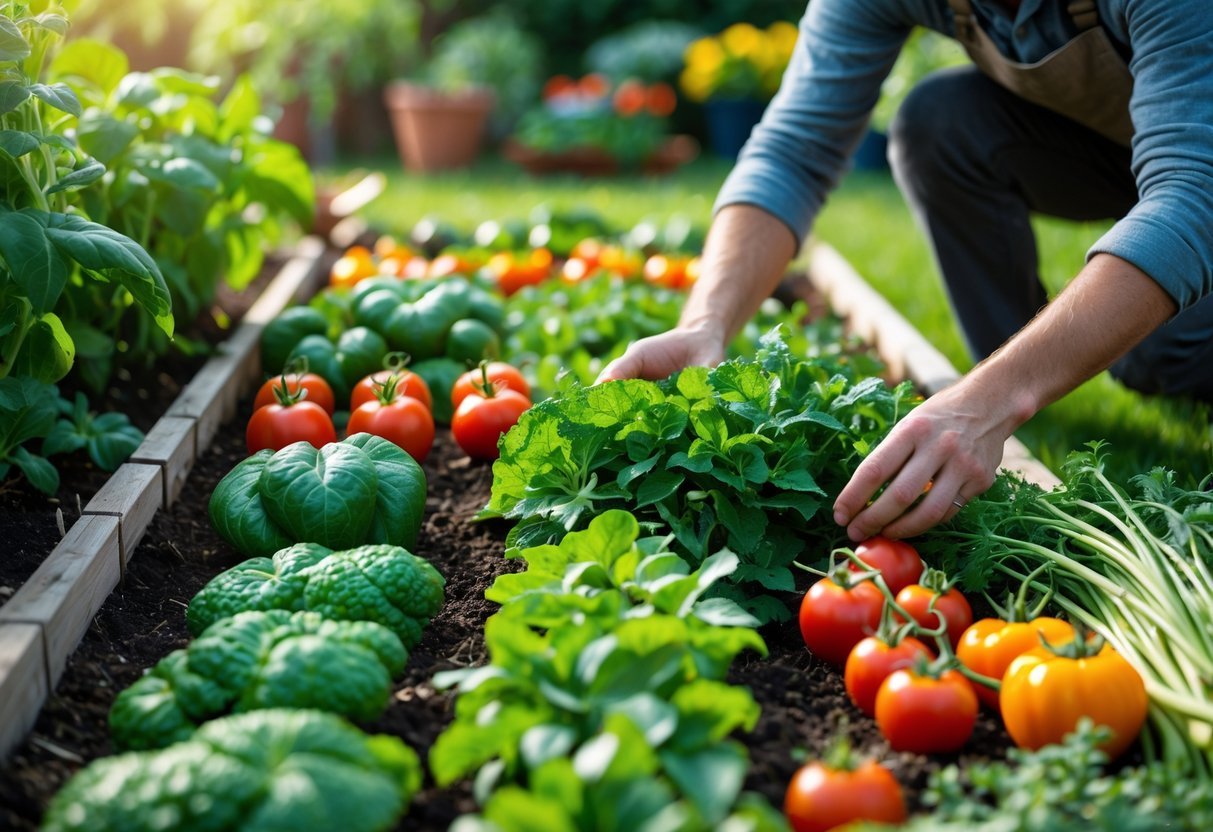
Pick vegetables that match your sun, space, and harvest goals. Place tall crops at the north edge, group plants by water needs, and use vertical supports to save ground space.
Best Vegetables for Front Yard Gardens
Choose crops that look tidy and give steady harvests. Cherry tomatoes, bush beans, and dwarf peppers fit well in raised beds and containers. Lettuce, spinach, kale, and Swiss chard provide continuous cut-and-come-again greens for a neat, edible border.
Root crops like carrots and beets work in deeper beds or wide containers. Bush varieties of cucumbers and compact zucchini save space compared with vining types. Herbs such as basil, parsley, and chives are attractive and useful near walkways.
Consider plant height and form. Put tall tomatoes and trellised beans at the back or north side so they don’t cast shade on smaller plants. Use repeat plantings of quick crops (radishes, lettuce) to keep beds productive and tidy.
Companion Planting Ideas
Pair plants that help each other and repel pests. Plant basil next to tomatoes to improve flavor and deter flies. Marigolds near beans and tomatoes can reduce nematodes and some insect pests.
Use onions and garlic around leafy greens to discourage aphids and beetles. Beans fix nitrogen and benefit heavy feeders like corn or squash when placed nearby but keep enough distance to avoid shade.
Create small companion groups in each bed: for example, a trio of tomato + basil + marigold, or lettuce + chives + radish. Keep pollinator-friendly flowers like borage or calendula near pollinator-dependent crops (tomatoes, cucumbers). Rotate these groupings each year to reduce disease build-up.
Seasonal Planting Strategies
Plan crops around your local frost dates and sunlight. In spring, sow peas, spinach, and radishes as soon as soil thaws. Plant warm-season crops—tomatoes, peppers, cucumbers—after the last frost when soil warms.
Use succession planting for steady produce: sow a new row of lettuce every 2–3 weeks and follow early peas with summer beans. Start fall crops like kale, broccoli, and carrots in mid to late summer so they mature in cooler weather.
Use season extenders when needed. Row covers protect early seedlings from late frosts. A cold frame or cloche lets you start transplants sooner and harvest later into fall. Track dates on a calendar and label plantings to manage timing easily.
Design Elements for Aesthetic and Function
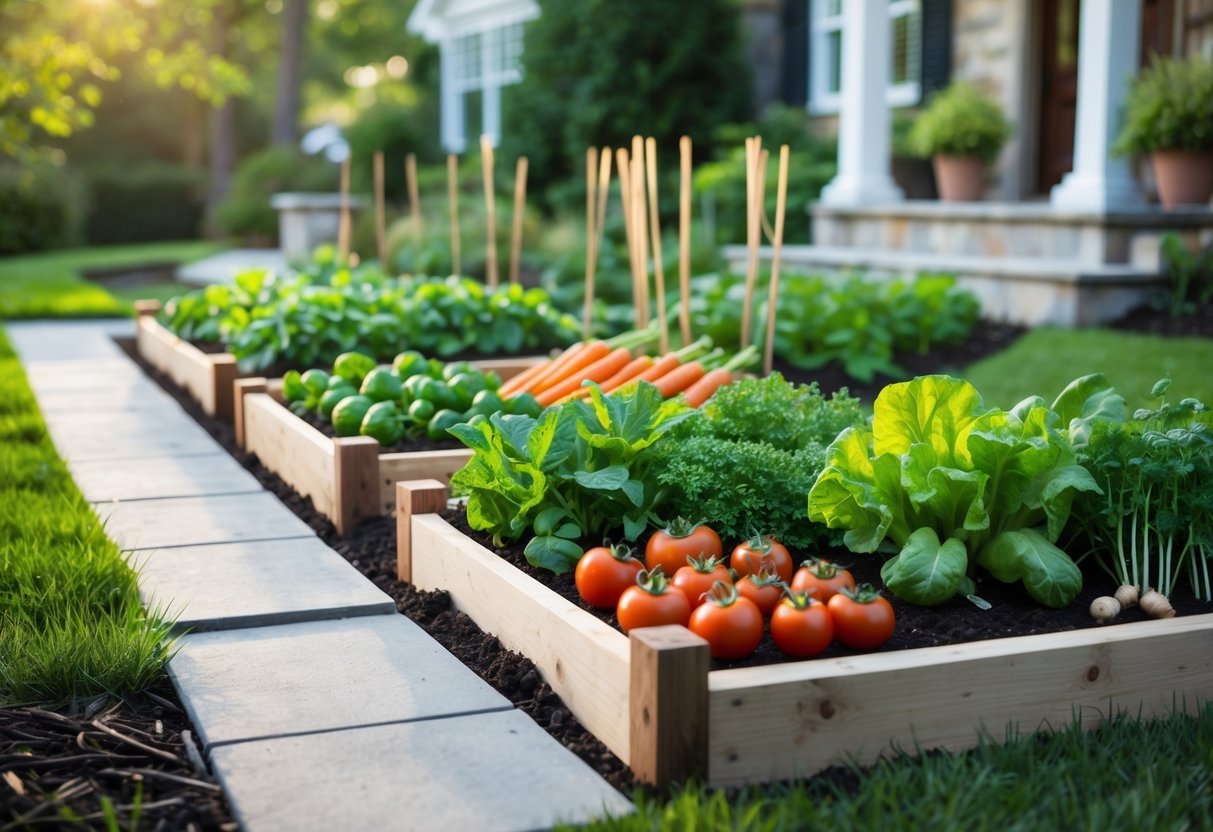
Good front-yard vegetable gardens balance looks and usefulness. Use clear edges, smart planting patterns, and easy access to make your space both beautiful and productive.
Incorporating Edible Landscaping
Plant vegetables where they can be seen and reached easily, such as along the front border or near the walkway. Mix crops with different heights—kales and chard in back, lettuces and herbs in front—to create layered interest and steady harvests.
Choose varieties with attractive foliage or flowers, like purple basil, rainbow chard, or nasturtiums, which also deter pests. Put herbs in small clusters by the door for quick snips when cooking. Stick to plants suited to your sun exposure and zone to reduce failures.
Edge beds with low hedges, gravel, or brick to create neat lines that frame plantings and keep soil in place. Use a consistent color palette for pots and mulch to tie the garden to your house style.
Using Raised Beds and Containers
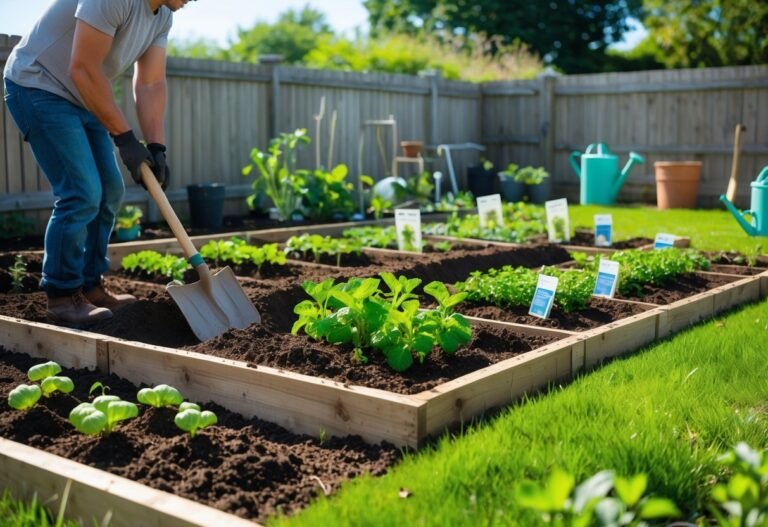
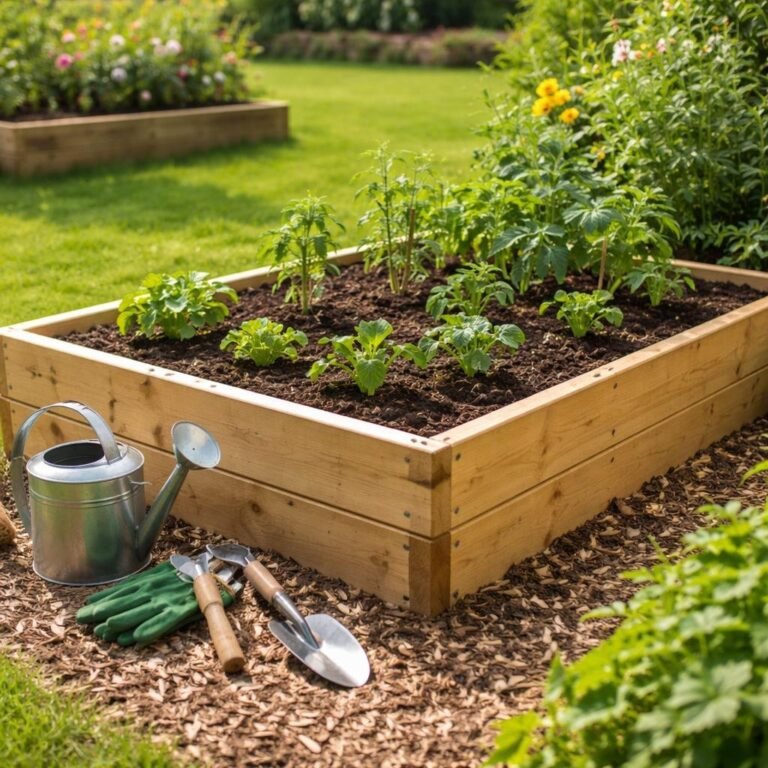
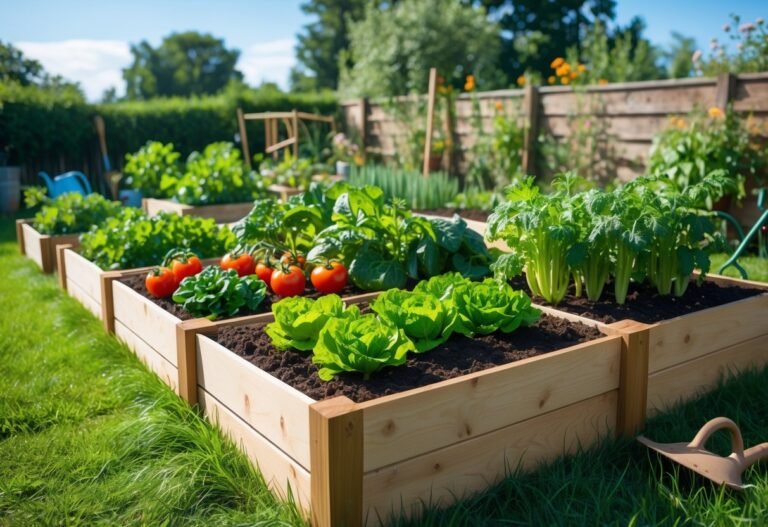
Raised beds give you control over soil quality and drainage. Build beds 12–18 inches high with rot-resistant wood, metal, or composite. Keep bed widths at 3–4 feet so you can reach the center without stepping in the soil.
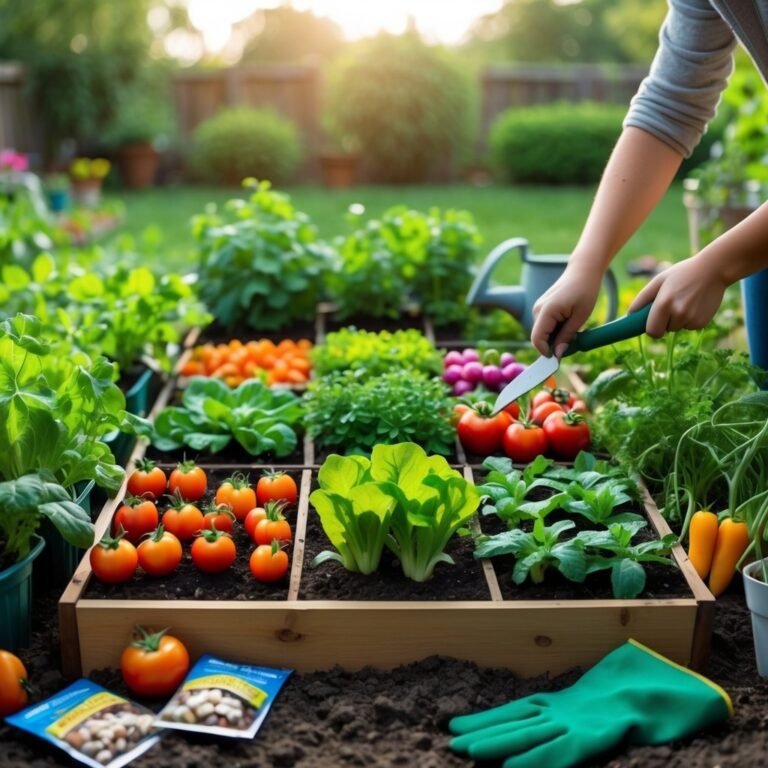
Containers work when space is tight. Choose pots with drainage and match plant size to container volume: deep pots for tomatoes and potatoes, shallow wide ones for salads and herbs. Use a good potting mix and feed regularly, since containers dry faster.
Place taller containers at the back or side to avoid blocking sightlines. Group containers on a sturdy bench or stagger them on different levels to create depth and make watering simpler.
Pathways and Access in Vegetable Gardens
Plan paths wide enough for maintenance and harvest. Aim for at least 2.5–3 feet between beds so you can carry a wheelbarrow and bend comfortably. Paving options include compacted gravel, stepping stones, or mulched paths—each affects drainage and weed control differently.
Lay paths to create clear routes to every bed edge and each planting zone. Straight runs speed work; curves soften the look. Use edging to hold path material and keep beds tidy.
Add a small gate or visual entry point to the garden to invite use. Keep tools near the path in a vertical tool rack or shed to save time and prevent trampling plants.
Integrating Ornamentals and Edibles
Combine flowers and vegetables to boost pollinators and beauty. Plant marigolds, calendula, and borage near crops that benefit from pollination or pest control. Use ornamental grasses or compact shrubs as anchors at corners.
Balance bloom times so something flowers through the season. Put showy ornamentals at focal points—near the porch or mailbox—and plant edibles in repeated blocks to avoid a cluttered look. This creates rhythm and makes harvesting predictable.
Choose long-lived perennials like asparagus or artichoke as structural plants, then rotate annuals in front. This mix saves effort while keeping the front yard attractive year-round.
Sustainable Practices and Maintenance
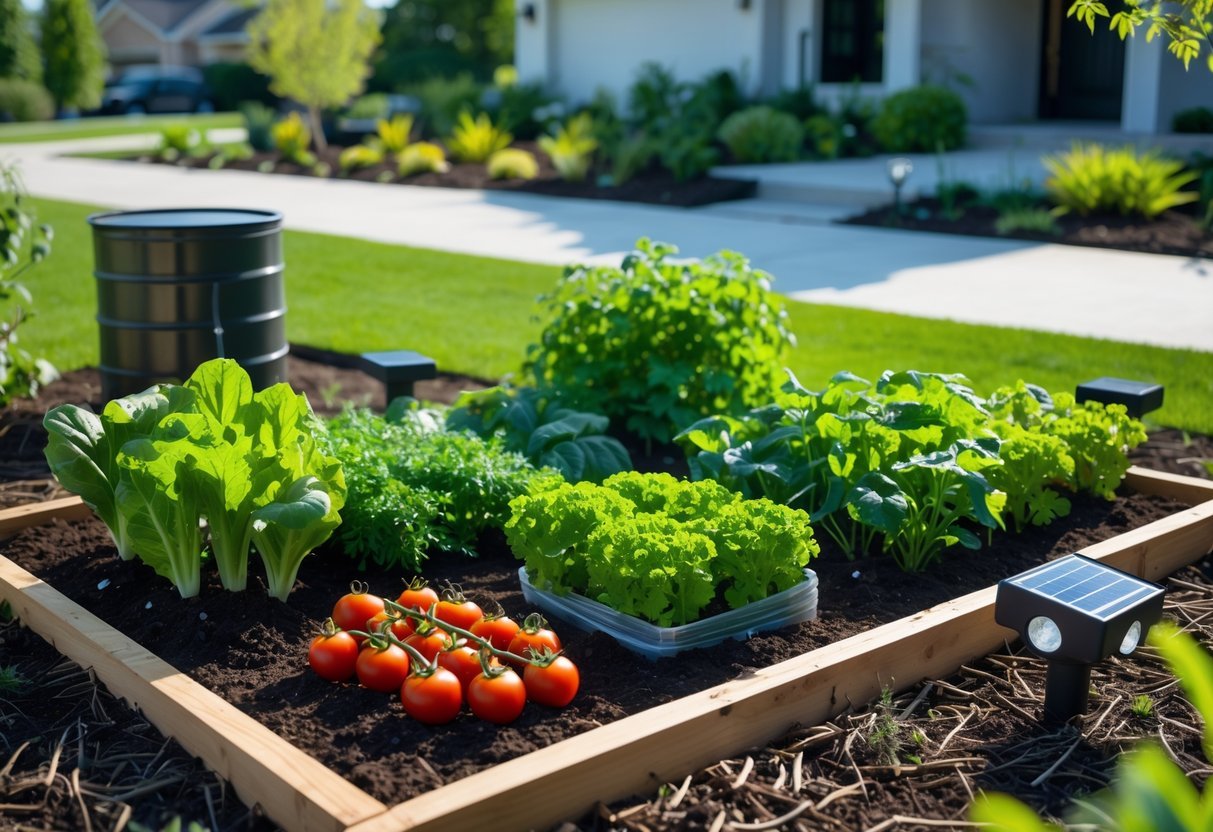
Practice smart water use, choose natural pest controls, and plan regular tasks that keep your garden healthy. Focus on efficient irrigation, organic methods to reduce chemicals, and routine care that boosts yield and soil health.
Water Conservation and Irrigation Methods
Use drip irrigation or soaker hoses to give water directly to roots and cut evaporation. Run systems early morning for best uptake. Fit a simple timer to avoid overwatering and water for 20–30 minutes twice a week depending on soil and weather.
Group plants by water needs so you don’t water drought-tolerant crops like rosemary and thyme as often as thirsty lettuces or tomatoes. Add 2–3 inches of mulch (straw, shredded leaves, or compost) to reduce surface evaporation and keep soil temperatures steady. Check soil moisture with your finger or a probe before watering; only water if the top 2 inches are dry.
Collect rainwater in a barrel for irrigation. Use a watering wand for seedlings and containers to avoid soil splash, which spreads disease. Consider a simple soil moisture meter for beds if you want data, but visual checks work well for most home gardens.
Organic Pest Management
Start by planting strong, healthy seedlings and rotating crops each year to reduce pests. Use physical barriers like row covers to protect young plants from beetles and caterpillars without chemicals. Handpick larger pests such as slugs or caterpillars early in the morning when they’re active.
Encourage beneficial insects by planting flowers like marigolds, alyssum, or dill near vegetables. Introduce companion plants—basil near tomatoes or nasturtiums near brassicas—to deter pests and attract predators. Use organic sprays (neem oil, insecticidal soap) only when necessary and follow label rates to avoid harming pollinators.
Monitor your garden weekly. Remove and compost diseased leaves immediately. For severe infestations, remove affected plants and replace with pest-resistant varieties in the next season to break pest cycles.
Ongoing Care and Harvesting Tips
Prune and stake indeterminate tomatoes and tall peppers to improve air flow and reduce disease. Thin seedlings to recommended spacings so each plant gets enough light, nutrients, and water. Add 1 inch of compost around plants mid-season to replenish nutrients without overfertilizing.
Harvest vegetables at peak ripeness to encourage continued production—pick lettuce before it bolts and snap peas when pods feel firm. Keep a simple calendar of planting and harvest dates to plan succession planting and avoid gaps. Inspect beds weekly for weeds; remove them when small to stop competition for water and nutrients.
Rotate crops yearly between plant families to protect soil and reduce build-up of pests and diseases. Top up mulch each season and perform a soil test every 2–3 years to adjust lime or fertilizer needs based on actual nutrient levels.
Frequently Asked Questions
This section covers practical tips for designing small-space gardens, choosing layouts that work for beginners, and combining beauty with function. You will also find guidance on plant selection and free tools to plan your layout.
What are some creative design ideas for small space vegetable gardens?
Use vertical gardening with trellises, wall planters, or stacked containers to grow peas, beans, and cucumbers upward.
Try tiered or stacked raised beds to increase planting area while keeping walkways narrow.
Plant in containers or window boxes for flexibility and easy rearrangement.
Select compact or dwarf varieties, like bush tomatoes and patio peppers, to save space.
Mix edibles with annual flowers in narrow beds to add color without losing growing area.
Use an herb spiral to fit many herbs into a small footprint and create visual interest.
How can I ensure my front yard vegetable garden is both functional and aesthetically pleasing?
Create a clear path system so you can reach beds without stepping on soil.
Use uniform edging or low fencing to define garden beds and keep the area tidy.
Choose a consistent color palette for plant supports, containers, and mulch.
Mix vegetables with ornamental plants like nasturtiums or marigolds to add blooms and pollinator benefits.
Keep maintenance visible and simple: drip irrigation, mulch, and raised beds reduce weeding and watering time.
Place taller plants toward the back or center so shorter plants remain visible from the street.
What are the most effective layouts for beginner vegetable gardeners?
Start with a few rectangular raised beds oriented north-south to maximize sun exposure.
Use 3×6 or 4×8 beds for easy reach and straightforward planting plans.
Try square-foot gardening inside those beds to simplify spacing and increase yield.
Use container groupings on a patio or porch if you prefer lower maintenance and mobility.
Plan a simple rotation: keep root crops, leafy greens, and fruiting crops in separate beds to reduce pests and soil depletion.
Label beds and write basic planting dates to avoid confusion as seasons change.
How can I integrate beautiful design elements into my vegetable garden plan?
Add low hedges, boxwood, or decorative grasses as borders to give the garden structure.
Use matching containers or painted raised beds to create a cohesive look.
Install decorative trellises or arbors that double as supports for vining crops.
Include a small seating area, birdbath, or a path of stepping stones to invite visitors and break up planting rows.
Use mixed-height planting and repeated colors to create rhythm and visual balance.
Keep hardscape materials (stone, wood, metal) consistent to tie the design together.
Are there any free tools for planning the layout of a vegetable garden?
Use Google Maps or a smartphone compass app to record sunlight and orientation for your site.
Try grid paper or printable garden planners to sketch bed layouts and crop rotations.
Free online planners like smart phone garden planner apps or basic web-based plot planners can help place beds and paths.
Local extension service websites often provide free planting guides and planting calendars specific to your region.
What should I consider when choosing plant varieties for my front yard vegetable garden?
Pick varieties labeled “compact,” “patio,” or “dwarf” if space or visibility is limited.
Check days-to-maturity so crops fit your growing season and give you timely harvests.
Prioritize disease-resistant varieties for lower maintenance and fewer pesticide needs.
Choose plants with different harvest times to extend fresh produce availability and keep the garden looking productive.
Consider height, spread, and color to maintain curb appeal and avoid blocking windows or walkways.