10 Front Yard Garden Ideas to Enhance Curb Appeal and Functionality
A front yard garden can greatly improve the look of a home and create a welcoming atmosphere. Many people want their front yard to stand out without needing too much work or money.
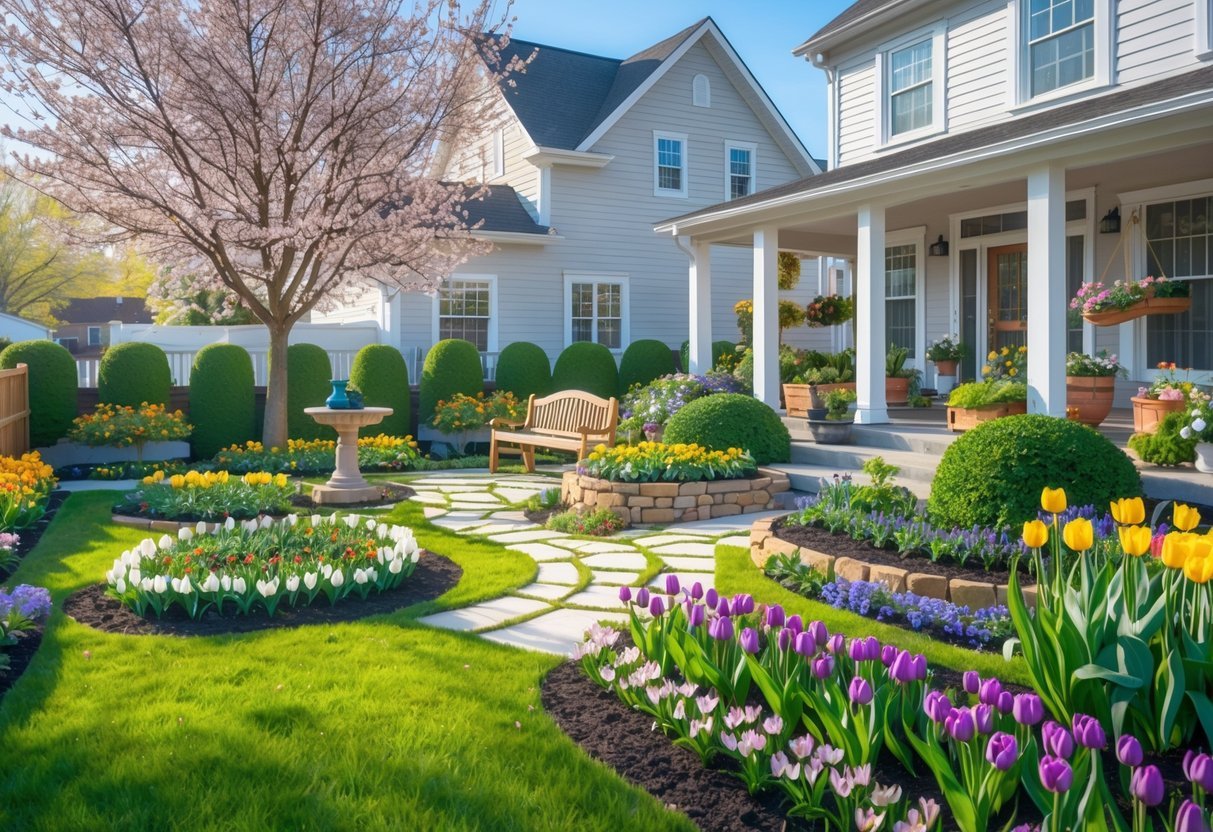
The best front yard garden ideas balance beauty, ease of care, and fitting the space available. Choosing the right plants and design can make a noticeable difference in curb appeal and personal enjoyment.
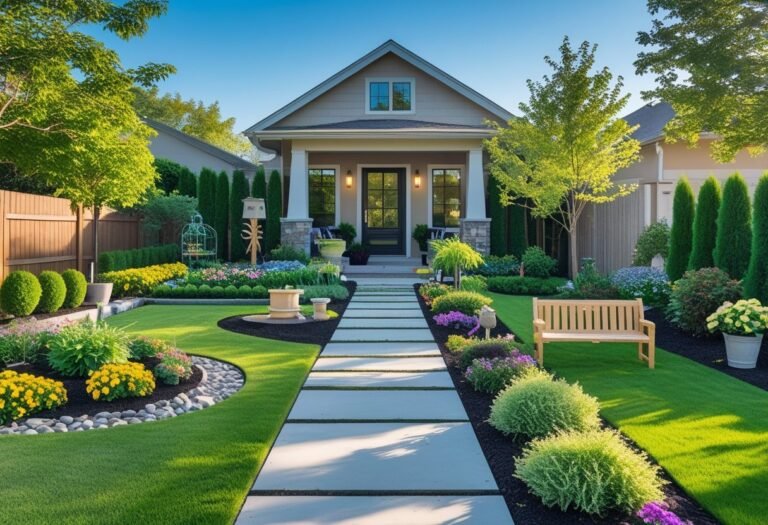
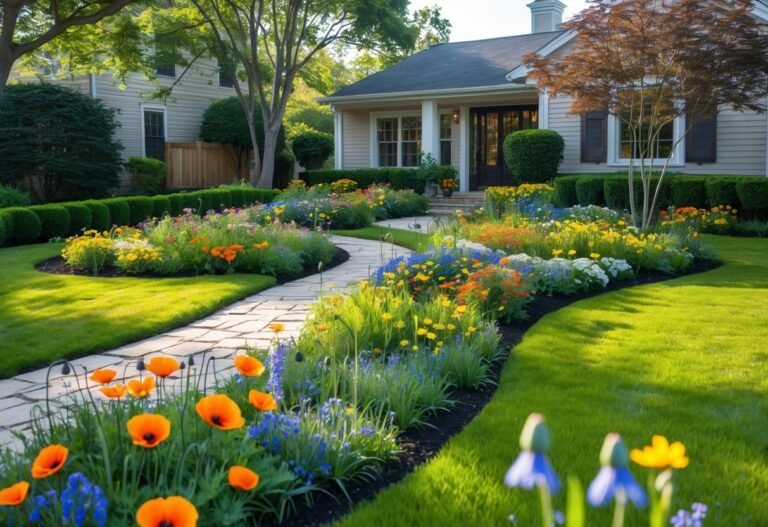
1) Install a curved stone walkway to enhance entry flow
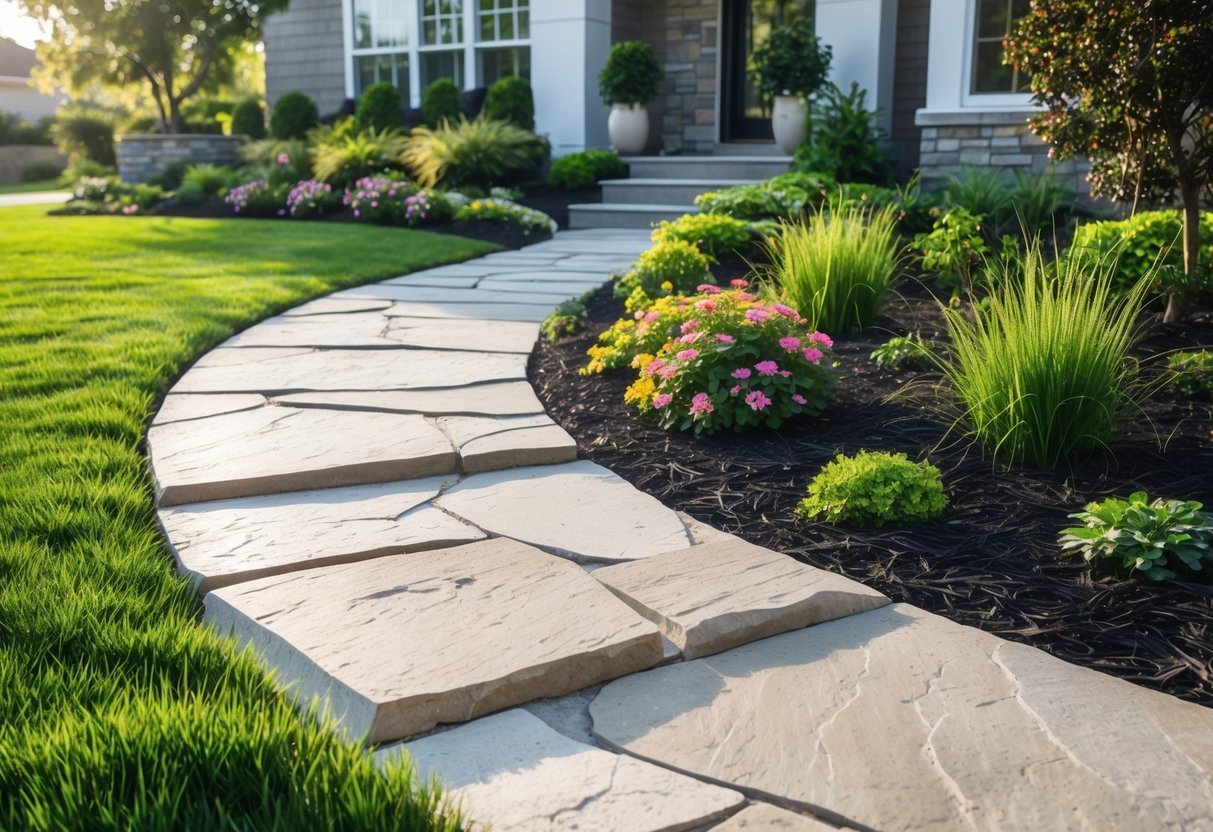
A curved stone walkway adds a smooth, natural flow to the front yard. It guides visitors gently toward the entrance, making the space feel more welcoming.
Stone is durable and fits well with many garden styles. Its texture brings interest without overwhelming the rest of the landscape.
Curves soften hard lines and create a more inviting path. Adding plants or lighting along the walkway can improve its look and safety at night.
2) Plant layered shrubs with seasonal flowering bulbs
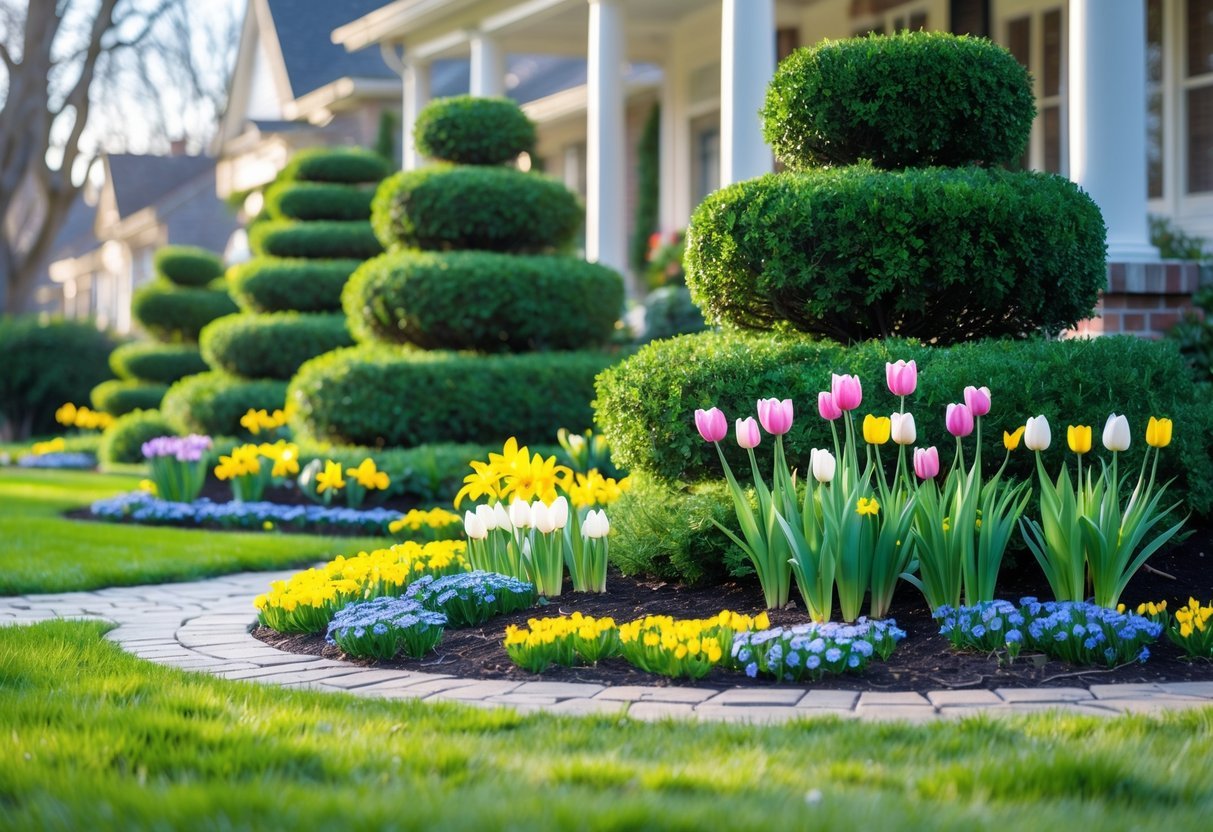
Layering shrubs adds depth and structure to a front yard garden. Taller evergreen shrubs form the back layer, giving year-round greenery. Medium and smaller shrubs go in front, creating a natural step-down effect.
Seasonal flowering bulbs fit well among these layers. They bring bursts of color during their bloom times. This mix keeps the garden interesting through different seasons.
Planting this way also helps frame the house and pathways. The layered look gives a neat, welcoming feel to the yard.
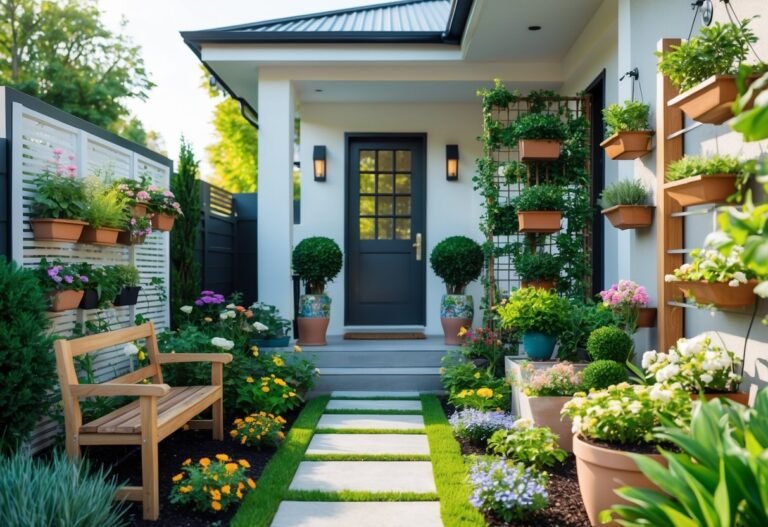
3) Add a vertical garden on a fence for space-saving greenery
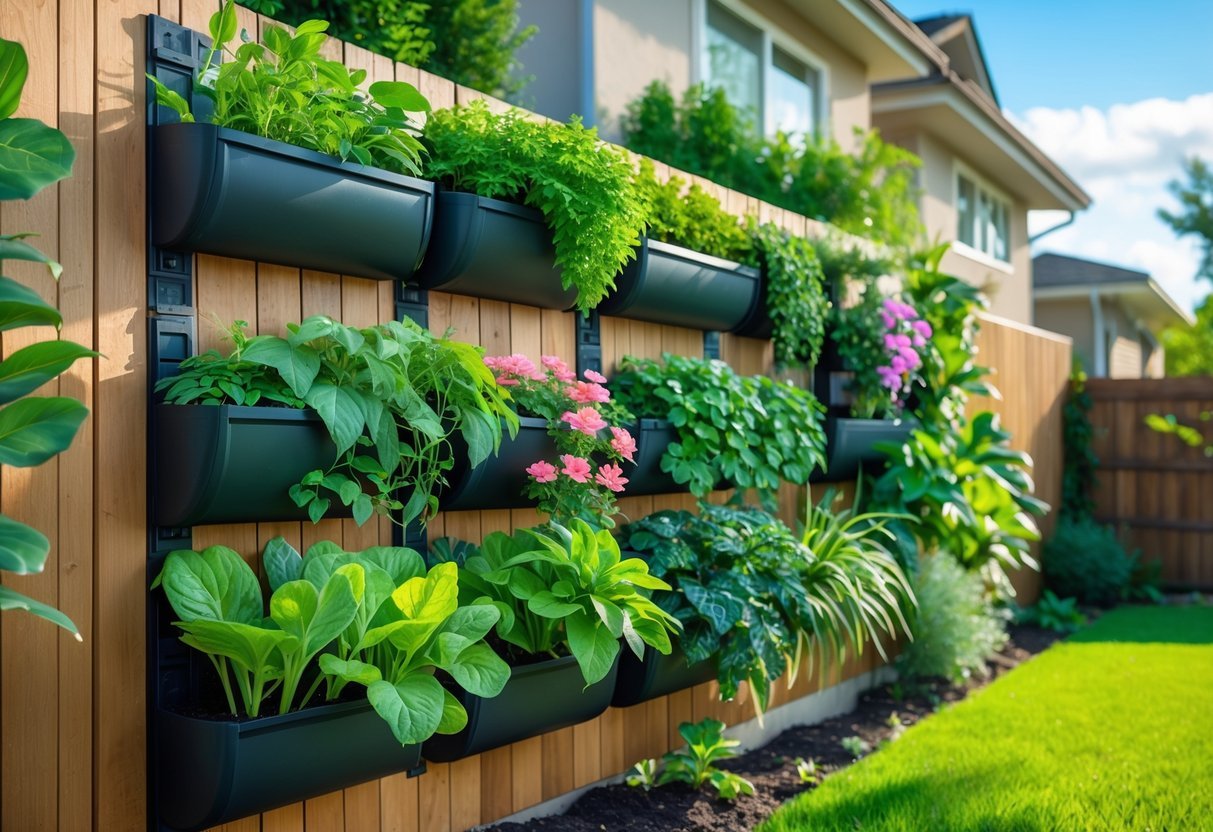
A vertical garden on a fence uses vertical space to grow plants, which saves room in the yard. It is perfect for small front yards that need more greenery without taking up ground area.
They can include herbs, flowers, or small vegetables, depending on the sun and space available. Vertical gardens also add texture and color to plain fences, improving the look of the front yard.
With simple DIY planters or pockets attached to the fence, anyone can build a vertical garden that fits their space and style.
4) Incorporate low-maintenance native plants for sustainability
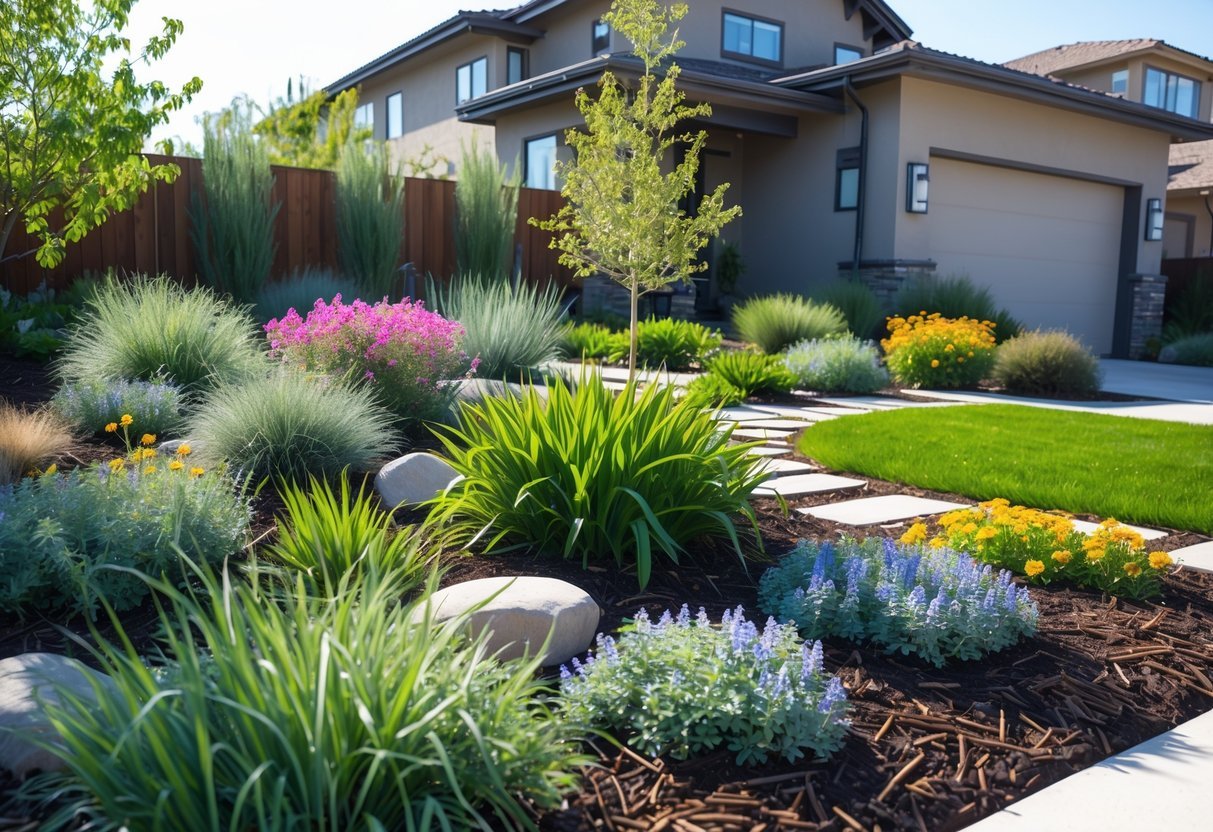
Using native plants in the front yard reduces the need for water and care. These plants are adapted to the local climate, so they grow well with less effort.
Native plants also support local wildlife, attracting bees, butterflies, and birds. This helps maintain a healthy ecosystem around the home.
By choosing low-maintenance natives, homeowners save time and reduce costs on garden upkeep. These plants offer year-round beauty without the usual demands of a traditional garden.
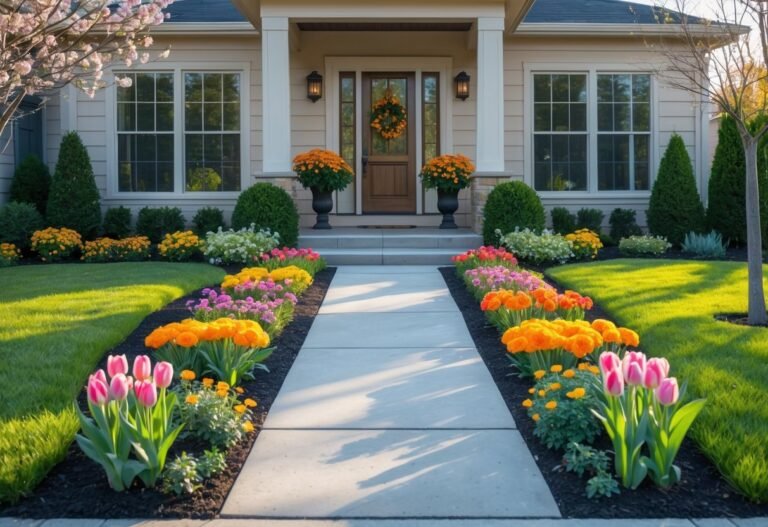
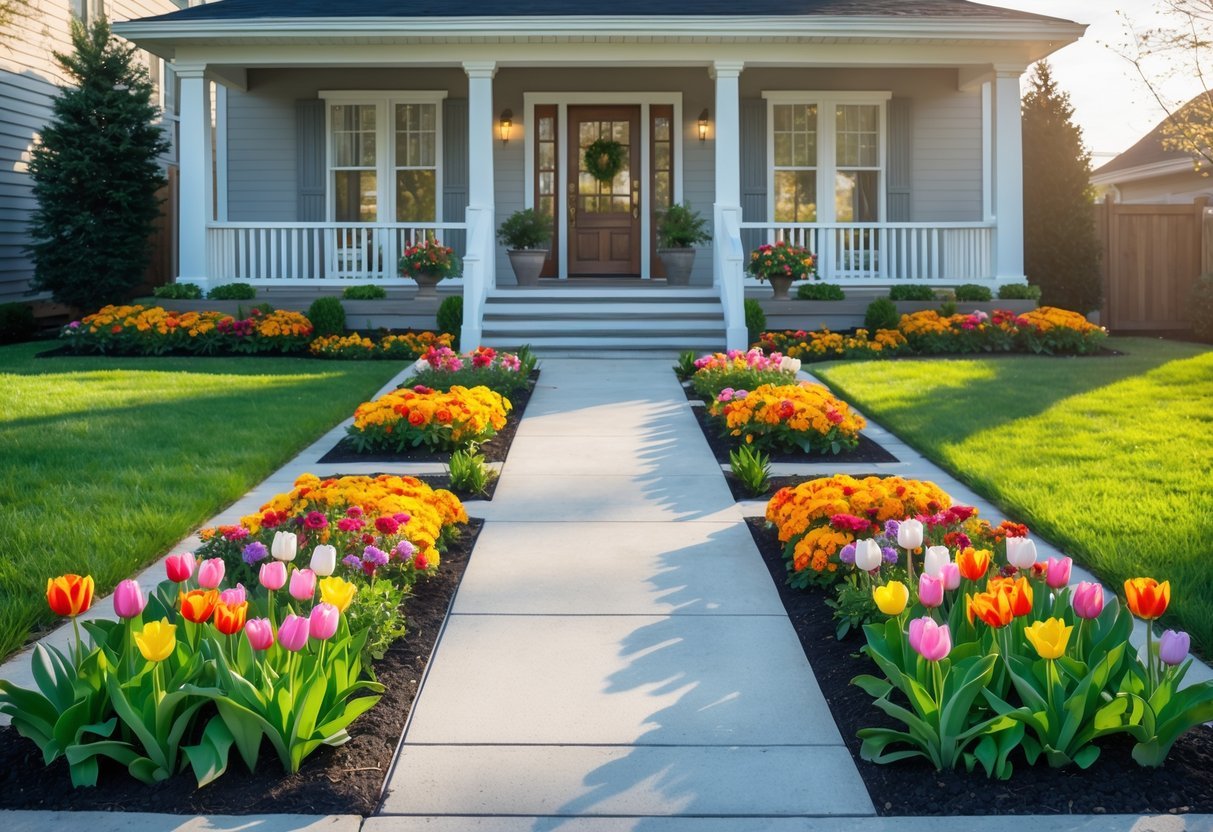
5) Create a symmetrical layout with matching flower beds
A symmetrical layout uses matching flower beds on either side of a path or entrance. This design creates balance and makes the front yard look organized and welcoming.
People often choose simple shapes like rectangles or circles for the beds. Mirroring plants and flowers on both sides adds harmony to the space.
This style works well with both modern and traditional homes. It helps highlight key features like doors or walkways by drawing the eye evenly across the yard.
6) Use solar-powered pathway lights for evening ambiance
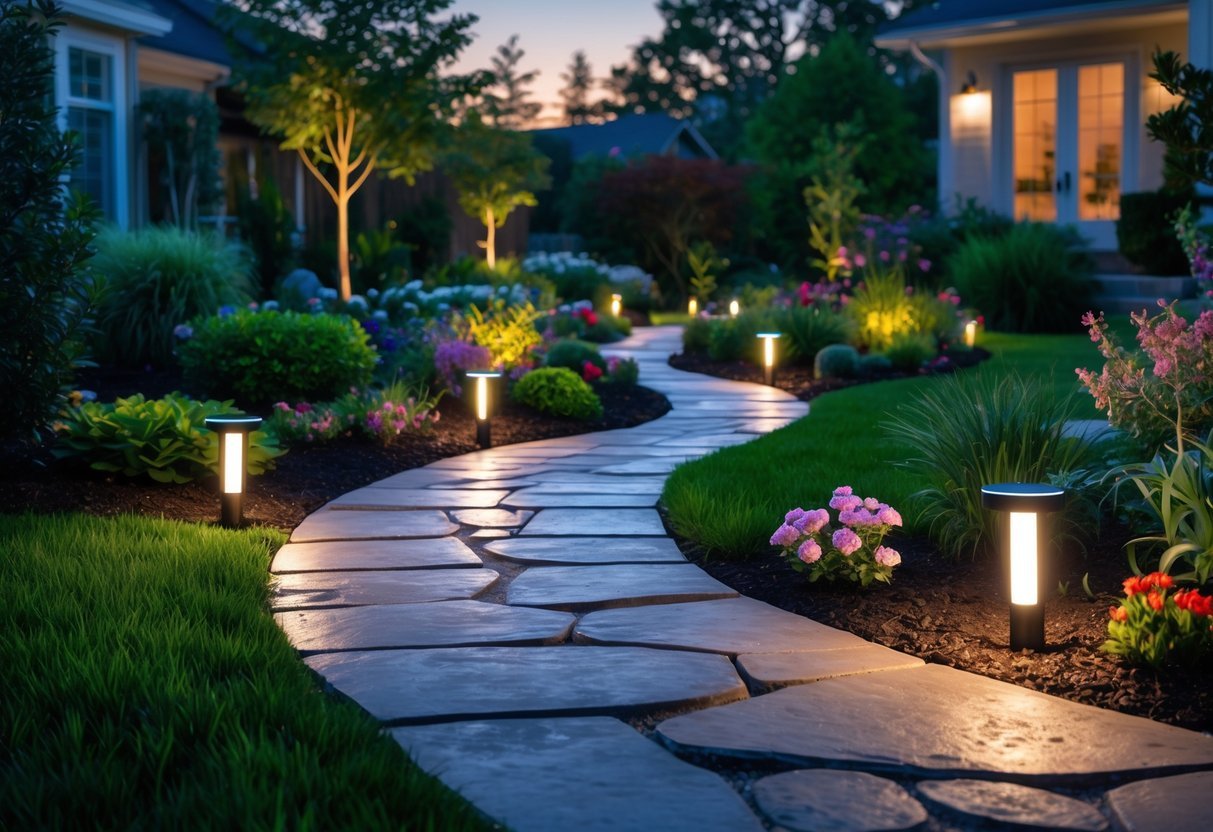
Solar-powered pathway lights brighten front yards without needing wiring. They charge during the day and light up automatically at night.
These lights offer a safe, eco-friendly option that saves on electricity costs. They also highlight garden paths, making the yard more inviting after dark.
Choosing warm, soft lighting can create a cozy atmosphere. Solar lights come in many styles, allowing for simple or decorative designs to fit any garden.
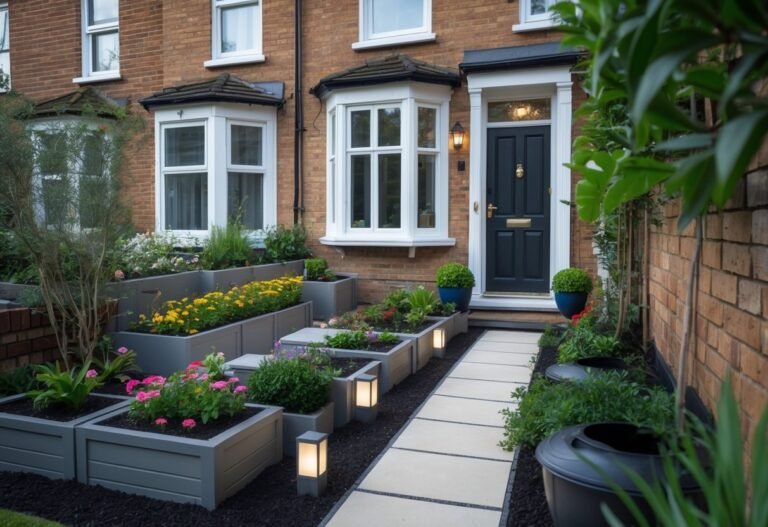
7) Build a small vegetable or herb bed near the porch
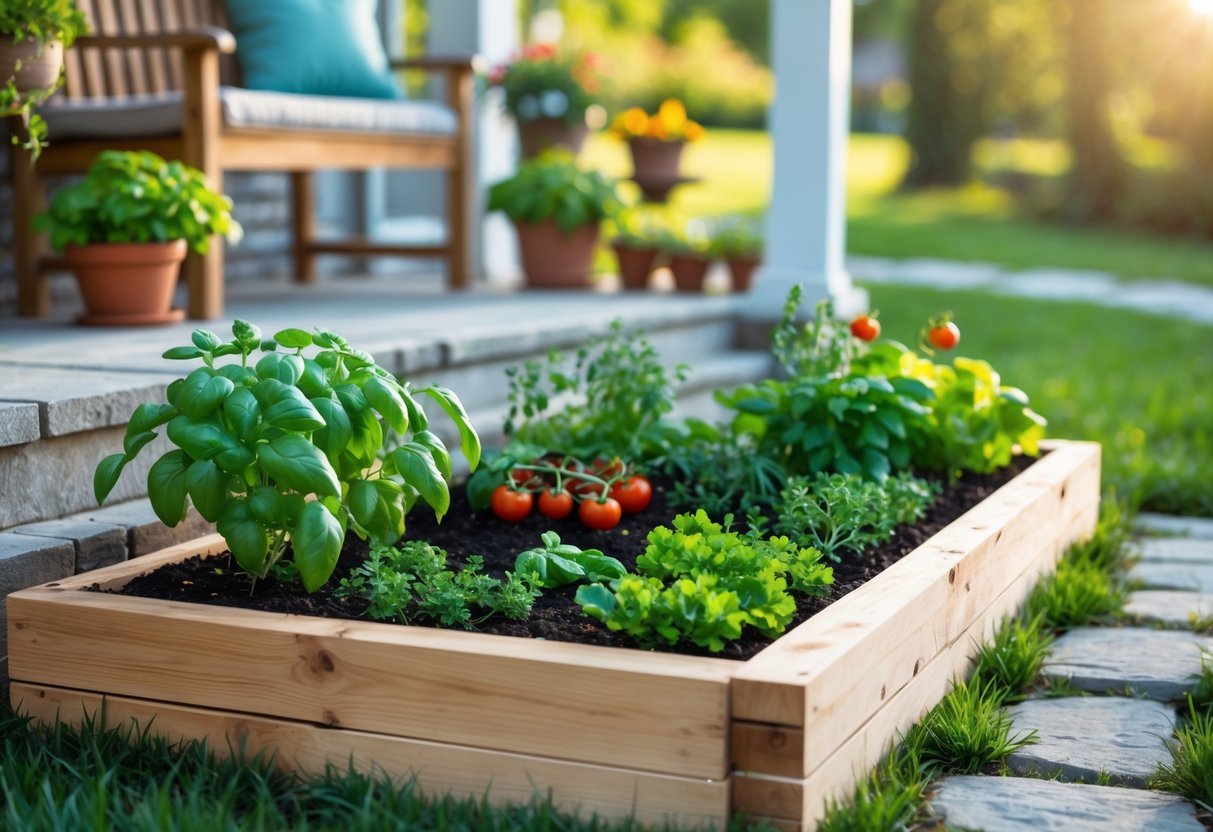
Creating a small vegetable or herb bed near the porch adds both beauty and function to the front yard. It gives easy access to fresh ingredients for cooking. Raised beds work well here because they organize space and improve soil quality.
Planting herbs like basil, rosemary, or thyme is simple and adds fragrance. Vegetables such as lettuce or cherry tomatoes can also thrive in this spot. A well-planned bed blends with the porch design and makes the area more inviting.
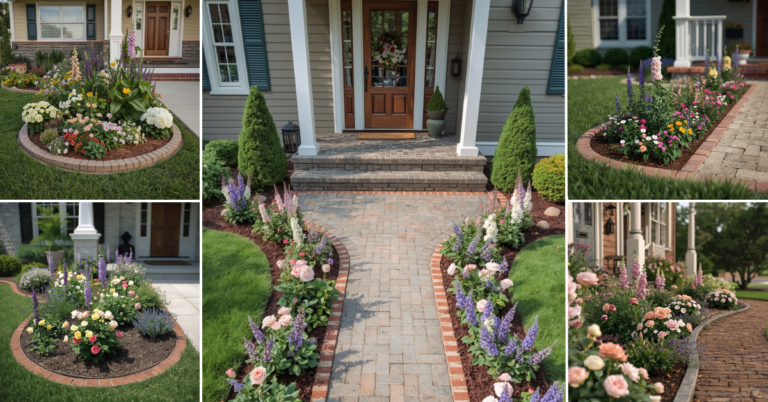
8) Incorporate colorful perennials for year-round interest
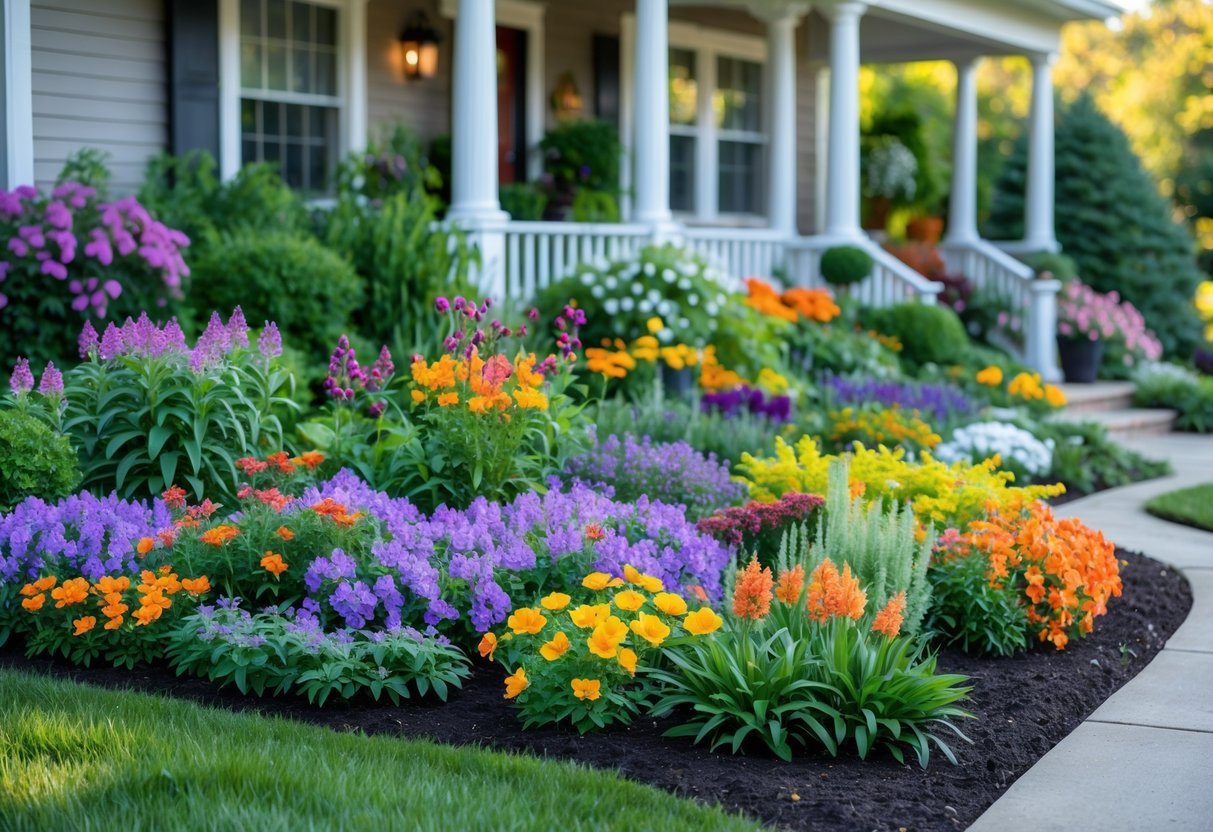
They offer lasting beauty because perennials come back every year. Choosing a mix of plants that bloom at different times adds color through the seasons.
Perennials often need less care than annuals. Picking hardy, low-maintenance varieties suited to the local climate helps keep the garden vibrant with less work.
Using perennials also creates natural layers in the garden. This adds texture and depth, making the front yard more attractive all year.
9) Place decorative planters with mixed grasses and blooms
Using decorative planters is a simple way to add texture and color to the front yard. Mixing grasses with blooming flowers creates a balanced look. The grasses provide structure, while the flowers add bursts of color.
Planters can be placed near the entrance or along walkways to catch the eye. Choosing containers of different heights or materials adds visual interest. This approach works well in small spaces and can be updated seasonally for variety.
10) Add a rock garden to introduce texture and contrast
A rock garden adds texture and contrast to a front yard with little upkeep. It helps create visual interest by mixing different shapes and sizes of stones.
Pairing rocks with drought-tolerant plants like grasses or succulents can add color without needing much water. Rock gardens also help with drainage and prevent soil erosion, making them practical as well as attractive.
Planning and Designing a Front Yard Garden
Planning a front yard garden requires attention to the local growing conditions and ways to guide movement and define spaces. Selecting plants that thrive in the local climate and adding structured elements like paths and borders can shape the garden’s look and usability.
Choosing the Right Plants for Your Climate
Choosing plants suited to the local climate ensures they grow well with less maintenance. Homeowners should research the USDA hardiness zone or equivalent for their area. This helps identify plants that can survive winter cold or summer heat.
Drought-tolerant species work well in dry climates, reducing watering needs. In wet or shady areas, shade-loving plants or moisture-loving natives are better choices. Consider native plants because they are adapted to local soil and weather, often needing less fertilizer and pest control.
Mixing different plant types, such as evergreens, perennials, and flowering shrubs, can provide year-round interest. Always check how big the mature plant will grow to avoid overcrowding. Group plants with similar water and light needs in one area for easier care.
Incorporating Pathways and Borders
Pathways and borders organize the front yard and increase curb appeal by guiding visitors and framing garden beds. Paths can be made from materials like gravel, stone, brick, or concrete depending on budget and style preference.
Paths should be wide enough for comfortable walking—usually 3 feet at minimum—and connect the sidewalk or driveway to the entrance. Curved paths offer a softer, natural look, while straight paths feel more formal and direct.
Borders define planting areas, keeping grass and plants separate. They can be made from wood, stone, metal, or plastic edging. Borders help prevent soil erosion and make mowing easier. Using low plants or ground cover along borders adds more texture and color, creating neat, inviting edges that enhance the overall design.
Sustainable Maintenance Tips
Maintaining a front yard garden sustainably means using smart watering habits and adapting care to each season. These actions help save water, protect plants, and reduce the work needed throughout the year.
Eco-Friendly Watering Techniques
Watering efficiently is key for any sustainable garden. Using drip irrigation or soaker hoses delivers water directly to plant roots. This reduces waste and keeps leaves dry, which lowers the risk of disease.
Water early in the morning or late in the evening to minimize evaporation. Heavier, less frequent watering encourages roots to grow deeper, making plants more drought-resistant.
Rainwater collection is another smart option. Gutters can channel rain into barrels for later use. This reduces reliance on tap water and lowers utility bills.
Mulching around plants also helps retain moisture in the soil. Organic mulches like bark or leaves slowly break down, improving soil health while reducing the need to water often.
Seasonal Care Essentials
Adjusting care routines with the seasons helps keep the garden healthy without extra effort. In spring, removing debris and adding compost prepares soil for new growth.
During hot summer months, applying mulch limits moisture loss and shading helps protect delicate plants. It’s also the best time for deep watering to support plants through dry spells.
Fall is a good time to plant perennials and add organic matter to soil to improve its structure. Clearing dead plant material prevents pests and disease over winter.
In winter, protect sensitive plants with coverings or move potted plants indoors. Reducing watering during colder months prevents root rot caused by soggy soil.
Frequently Asked Questions
Good front yard garden design balances beauty, function, and ease of care. Using pathways, layered plants, vertical elements, and thoughtful layouts helps create a welcoming space that suits different needs and lifestyles.
How can I design a low-maintenance front yard garden?
Using native plants is a key step because they need less water and care. Layering shrubs with seasonal flowering bulbs adds color without extra effort. Avoid high-maintenance plants and choose drought-tolerant species for sustainability.
What are some affordable ways to landscape a small front yard?
A curved stone walkway can improve flow without high costs. Vertical gardens on fences save space and add greenery. Simple symmetrical layouts with matching flower beds create visual interest without much expense.
Which plants are best suited for a modern front yard garden?
Plants with clean lines and uniform shapes fit modern styles well. Succulents, ornamental grasses, and small evergreen shrubs work great. Layering these with subtle flowering bulbs creates texture without clutter.
Can you suggest some flower garden ideas suitable for the front of a house?
Seasonal flowering bulbs like tulips and daffodils provide color in spring. Combining these with layered shrubs gives depth to the design. Choose flowers that bloom at different times for year-round appeal.
What are the best practices for integrating grass into my front yard garden?
Grass should be limited to small, manageable patches to reduce maintenance. Use it to frame walkways or flower beds. Choose drought-resistant varieties and keep edges clean for a neat look.
What landscaping elements can I use to enhance a simple front yard?
Adding hardscape features like stone walkways or decorative rocks can boost curb appeal. Planters and lighting also highlight key areas. Combining these with low-maintenance plants creates an inviting but easy-care space.