7 Fenced Vegetable Garden Ideas to Maximize Yield and Protect Plants
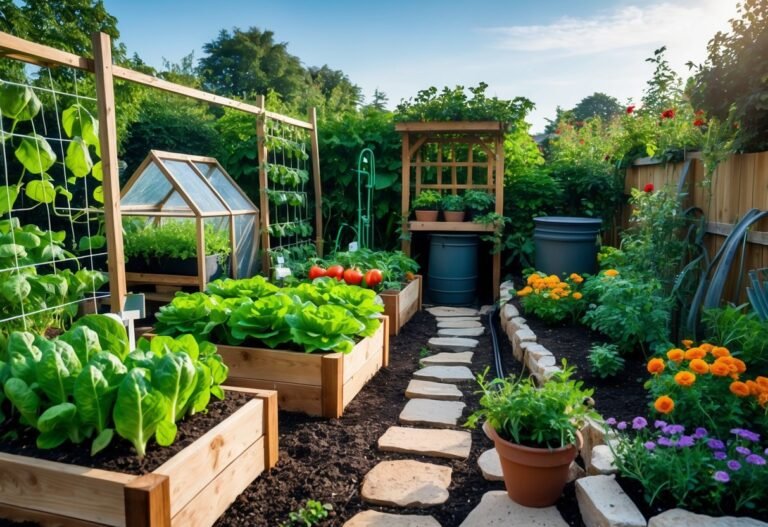
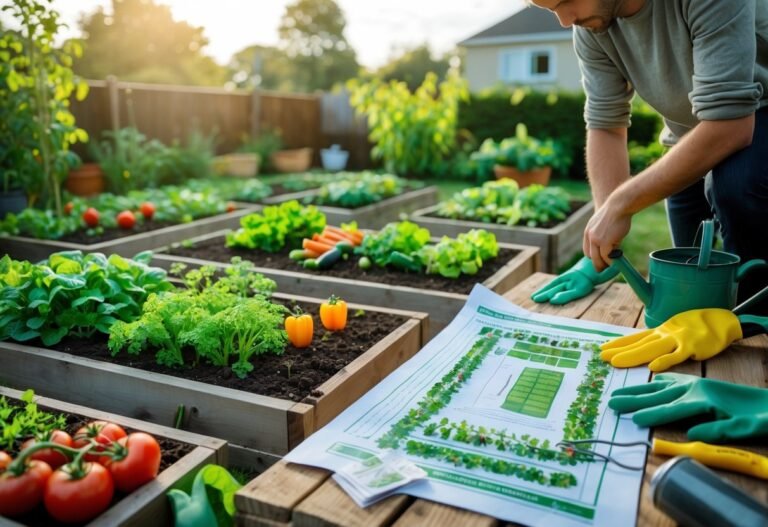
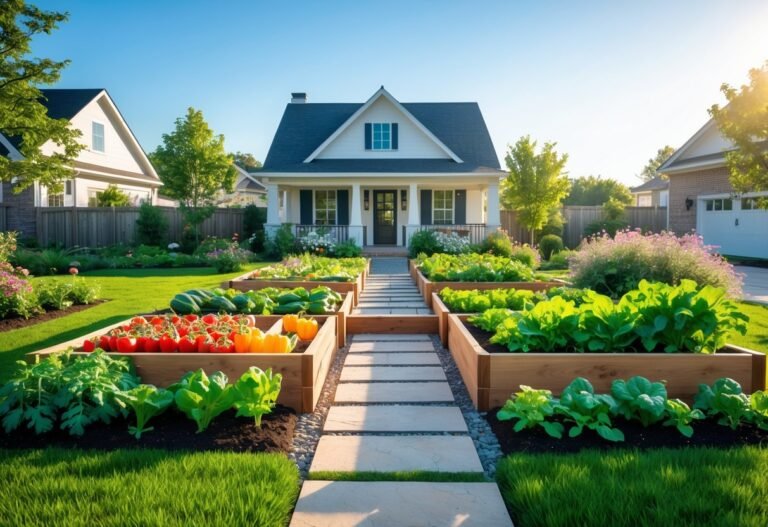
A fenced vegetable garden keeps animals out and makes your space look tidy while giving your plants the protection they need to thrive. You can pick simple, low-cost options like chicken wire or go with taller, sturdy panels to stop deer and larger pests, and the right choice depends on your budget, garden size, and how much maintenance you want.
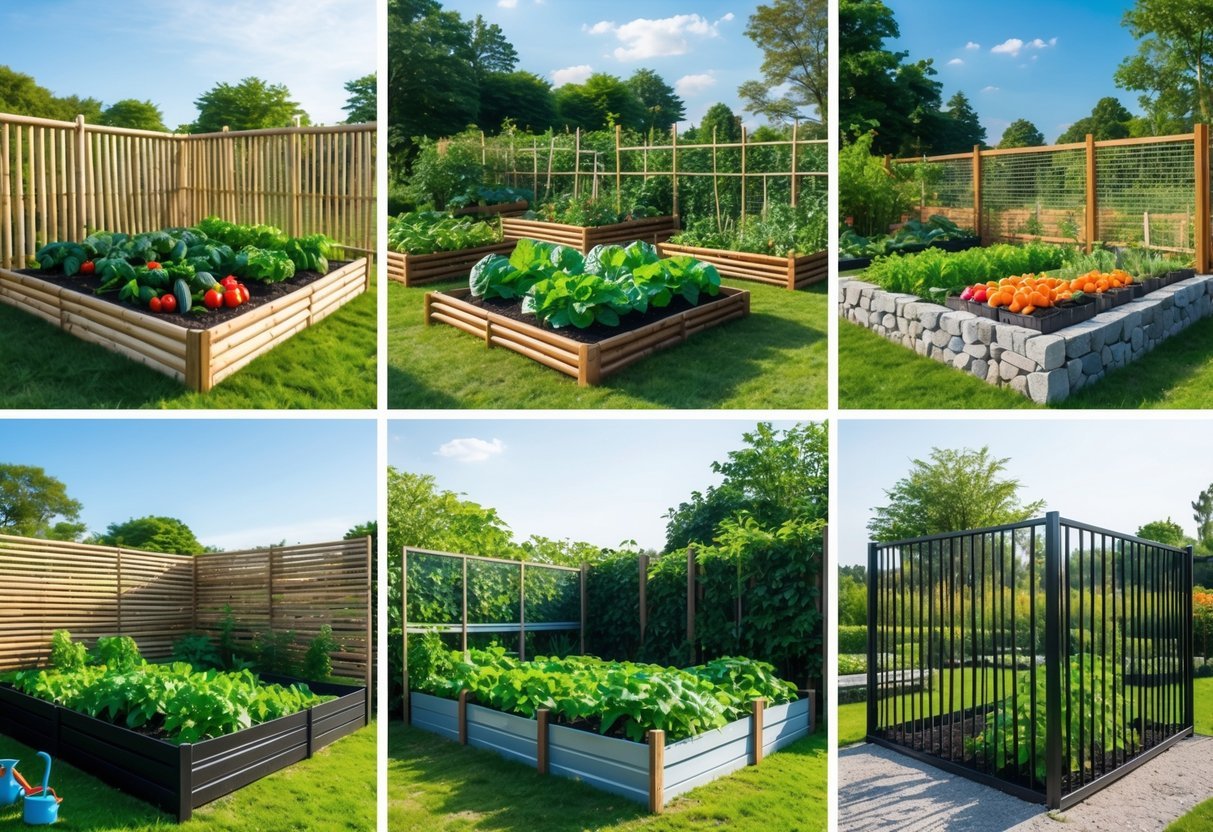
Bold choices can double as design features, letting you add color, vertical growing supports, or living hedges that both protect and beautify your beds. Choose a fence that fits your goals—protection level, style, and ease of upkeep—to get the best results for your vegetables.
Key Takeaways
- Match fence type to the level of pest protection you need.
- Use fencing that adds function, like trellises or gates, not just barriers.
- Prioritize low-maintenance materials that suit your budget and space.
Choosing the Right Fencing Materials

Pick a material that matches the pests you face, your budget, and how long you want the fence to last. Think about height, gap size, maintenance, and how the fence will look in your yard.
Wooden Fences for Vegetable Gardens
Wood offers a sturdy, attractive barrier that you can tailor to height and style. Choose rot-resistant species like cedar, redwood, or treated pine. Use 6–8 foot panels or stockade boards to block deer; 2–3 inch pickets or slats work for keeping dogs and kids out but won’t stop rabbits.
Install posts in concrete for long life, and leave a small gap at the bottom if you need airflow or to slip a rabbit apron under the fence. Paint or stain wood every 3–5 years to prevent rot and insect damage. For a budget option, build a simple raised-bed frame from cedar planks; it’s easier to replace than a full perimeter fence.
Metal and Wire Mesh Options
Metal and wire give you precise pest control with low maintenance. Use welded wire (1″ or smaller grid) to stop rabbits and smaller pests. For deer, combine tall metal posts with heavy-gauge welded panels or woven wire at 7–8 feet high. Attach hardware cloth or 1/4″ mesh along the bottom to block voles and gophers.
Galvanized steel resists rust and lasts decades. T-posts or metal fence posts speed installation. For a clean look, use black powder-coated panels; for economy, use galvanized wire and wood posts. Secure gates with long latches to prevent animals from pushing them open.
Eco-Friendly and Recycled Materials
Recycled and natural materials lower cost and environmental impact. Reuse old pallets, salvaged cedar, or reclaimed wire panels to build raised beds or short perimeter fences. Reinforce pallets by removing loose boards and adding a rabbit apron or hardware cloth on the inside.
Living hedges, like thorny shrubs or dense native bushes, serve as a natural barrier but take years to fill in. Bamboo screens provide quick visual privacy but need a root barrier to stop spreading. When using reclaimed materials, inspect for nails, rot, or chemical treatments before placing near edible plants.
Fenced Vegetable Garden Design Ideas
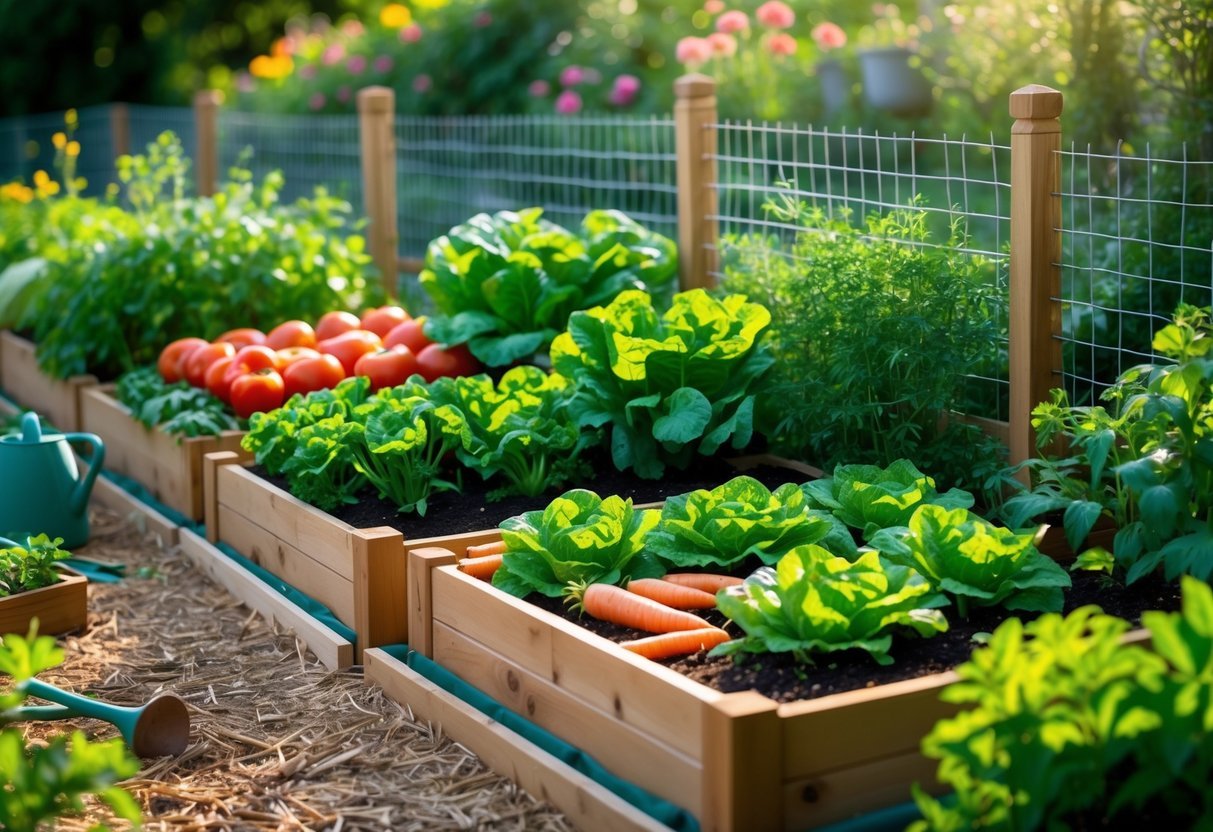
Choose a fence that fits your goals: keep pests out, add style, or both. Think about height, materials, and how the fence will work with your beds and gate.
Classic Picket Fence Vegetable Garden
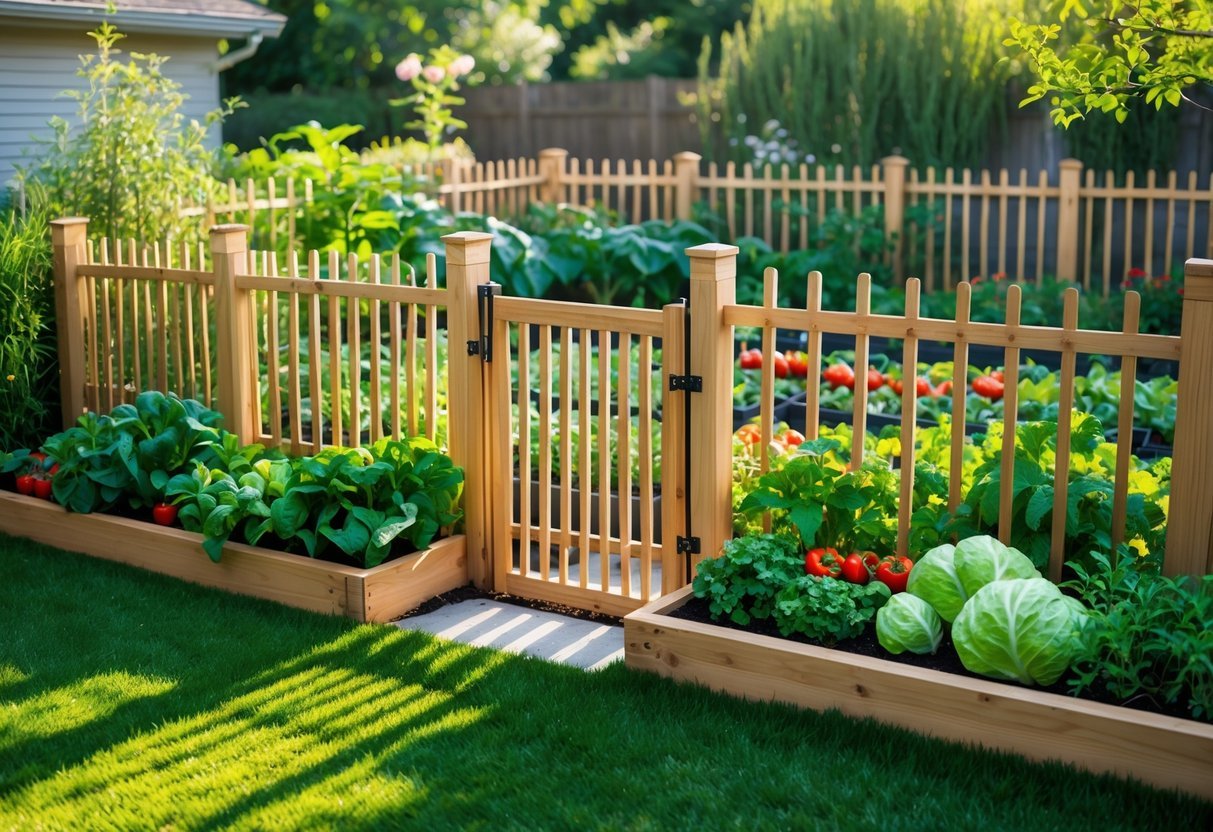
A white or natural wood picket fence gives a tidy, traditional look while marking your garden clearly. Use 3–4 foot pickets to deter small pets and children but keep visibility for sunlight and airflow. Space pickets 2–4 inches apart to balance charm and protection.
Install posts 6–8 feet apart and set them at least 18 inches deep for stability. Paint or seal the wood to prevent rot and splinters. Add a simple latch gate wide enough for a wheelbarrow (36–42 inches) so you can move tools and harvest easily.
Picket fences work well with raised beds placed close to the fence. Train vining crops like peas or beans along the inside of the pickets to save space and add vertical interest.
Modern and Minimalist Enclosures
Use materials like powder-coated metal, horizontal cedar slats, or black wire mesh for a clean, contemporary look. Keep lines straight and heights uniform—4–6 feet if you need to stop rabbits or deer. Narrow slats or tight wire mesh prevent small animals from squeezing through.
Choose hidden hinges and a flush gate to maintain the minimal aesthetic. Combine with concrete or gravel paths for contrast and low maintenance. Metal and composite boards last longer than untreated wood and need less upkeep.
For stealth protection, consider a low-profile tensioned wire over the top for birds or a removable mesh screen for winter. These options let you keep the simple look while solving specific pest problems.
Rustic and Decorative Garden Fencing
Use reclaimed wood, split-rail fencing, chicken wire, or woven hazel for a warm, country feel that still protects crops. Combine posts with chicken wire up to 3–4 feet to stop rabbits; add an extra 2–3 feet of welded wire if deer are a concern. Use weathered wood and natural finishes to blend the fence into the landscape.
Add decorative touches like climbing roses, clematis, or hand-forged metal accents to make the fence part of your garden’s style. Place short rows of herbs or flowers along the inside edge to attract pollinators and soften the structure.
Rustic fences pair well with mixed beds and irregular pathways. Repair and replace sections as needed rather than rebuilding the whole fence to keep costs down and maintain the character.
Maximizing Functionality and Protection
Focus on stopping animals, making entrances safe and easy, and pairing fences with raised beds for better soil and drainage. Choose materials and layouts that match the pests you face and the space you have.
Fencing for Pest and Animal Control
Identify the pests first. Use 1/4–1/2 inch welded wire at the base to block mice and voles, and 1-inch or larger hardware cloth for rabbits. For deer, install a fence 7–8 feet high or use an angled 4–5 foot fence with a top overhang to deter jumping.
Bury the bottom 6–12 inches of wire or bend it outward in an L-shape to stop digging animals. Add a skirt of buried mesh or concrete-filled gravel if ground-saturated digging is a problem.
Consider visual and scent deterrents too. Use smooth metal or plastic posts to prevent climbing, and avoid gaps larger than the target animal can squeeze through. Reinforce corners and gate edges to resist pressure from larger animals.
Height and Gate Considerations
Match fence height to the tallest pest and any human reach needs. Short fences (2–3 feet) keep small critters out and let you reach plants easily. Tall fences (6–8 feet) protect against deer but require sturdier posts set 2–3 feet deep with concrete for stability.
Make gates at least 3 feet wide for wheelbarrows and easy planting access. Use a self-closing hinge or latch to keep animals out without relying on you to close it every time. Secure latches with padlocks or carabiner clips if raccoons or curious neighbors are an issue.
Think about visibility and airflow. Use open weaves like chain link or wire mesh where you need air and light, and add privacy slats only if wind or theft is a concern.
Incorporating Raised Beds with Fencing
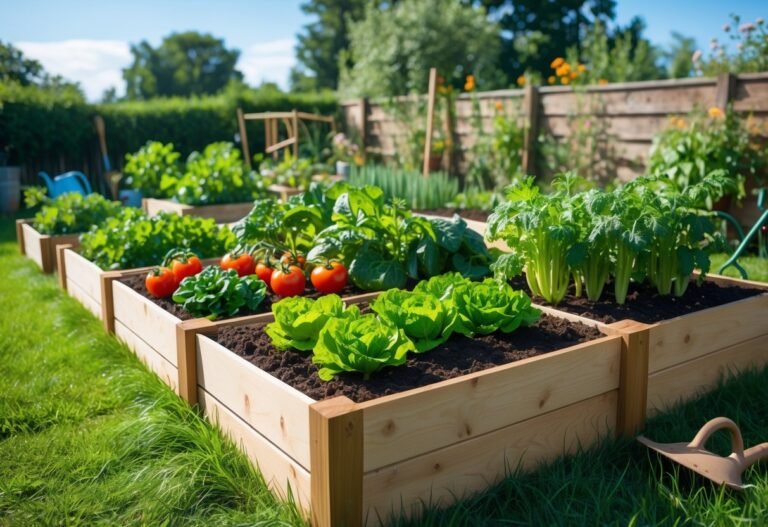
Combine raised beds and fencing to improve drainage, reduce pests, and make repairs easier. Build beds 12–18 inches high to deter ground beetles and reduce back strain when planting and harvesting. Use pressure-treated or rot-resistant wood, metal, or composite for long life.
Attach fencing directly to bed frames for a tight seal. Secure the bottom edge of the fence under the bed or with a buried strip to block tunneling pests. For modular setups, use removable panels or hinged sections so you can access beds for soil changes or seasonal covers.
Consider mounting bird netting or fine mesh frames over beds for insect control while keeping larger fences for mammals. This layered approach lets you target specific threats without overbuilding one all-purpose barrier.
Frequently Asked Questions
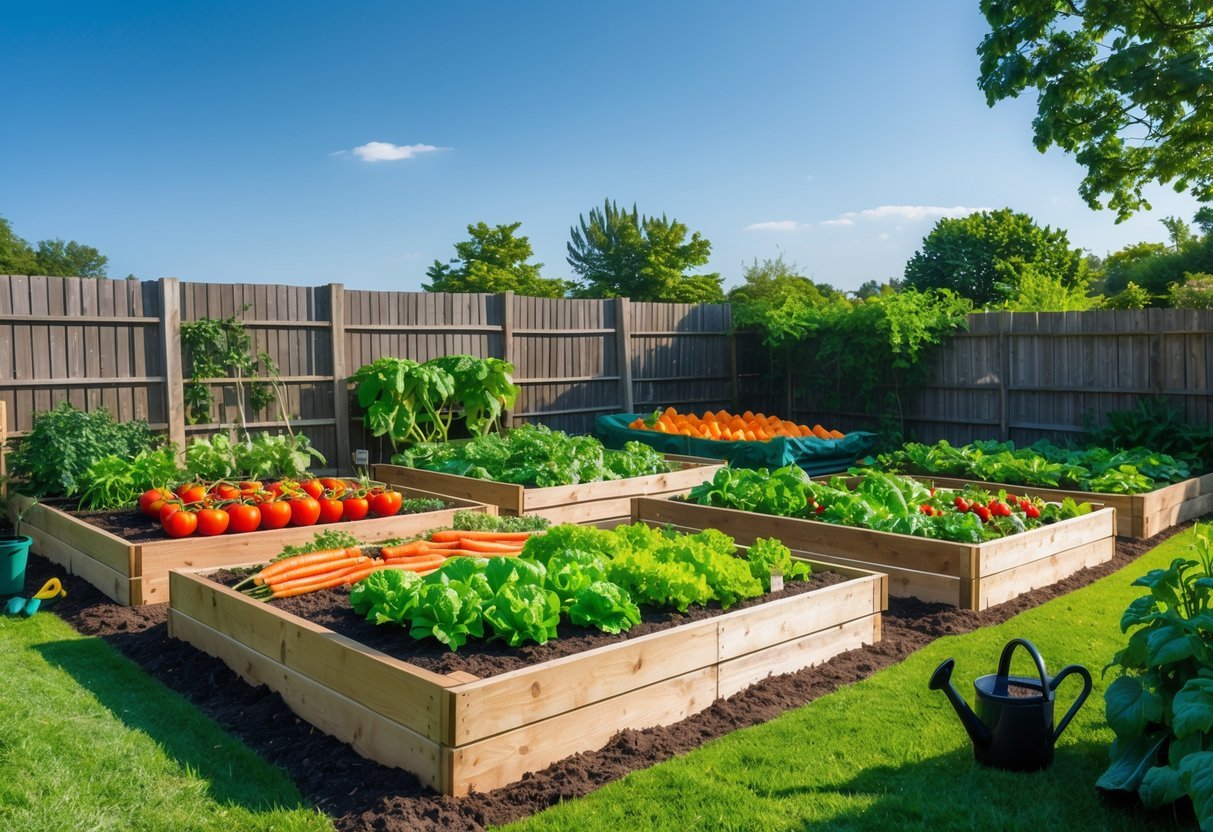
These answers focus on practical steps you can use now: how to fit fences into tight plots, low-cost DIY builds, long-lasting materials, raised-bed fence layouts, layout efficiency tips, and pest-blocking designs.
How can I incorporate fencing into a small vegetable garden layout?
Place narrow pathways (18–24 inches) and run fences along the outer edge to keep beds compact.
Use low fences (18–24 inches) around individual beds so you can reach plants from all sides.
Mount gates on the shortest side to save space and keep one clear entry.
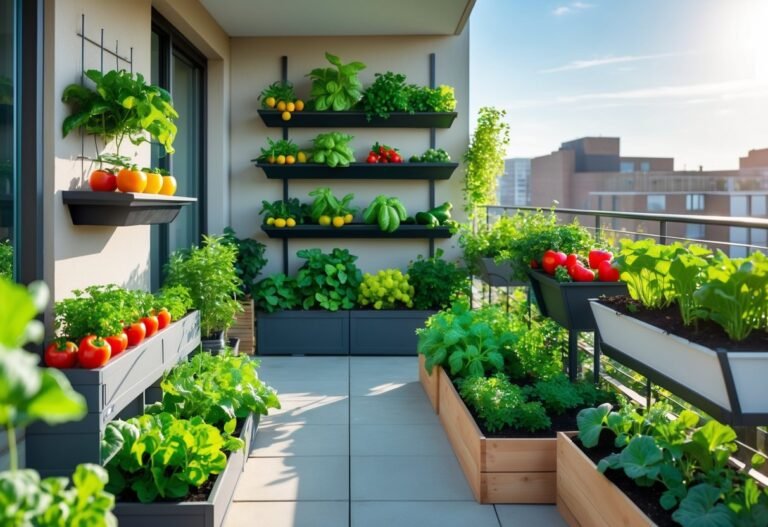
Use vertical supports for trellises and vines to free ground area and reduce fence length.
What are some cost-effective DIY fencing solutions for vegetable gardens?
Use welded or poultry wire attached to wooden stakes for small animals; it’s cheap and easy to install.
Repurpose pallets or reclaimed lumber for picket-style fences that add structure at low cost.
Install removable mesh or netting on simple posts for seasonal protection.
Combine stakes and zip ties with plastic mesh for a quick, inexpensive barrier.
Which fencing materials are most durable for enclosing a vegetable garden?
Galvanized steel or welded wire resists rust and holds up for many years.
Pressure-treated lumber and cedar withstand moisture and insect damage better than untreated wood.
Metal T-posts with welded wire offer long life and low maintenance.
Avoid thin plastic netting as a permanent outer fence; it degrades faster under sun and weather.
What design options are available for raised garden bed fences?
Attach short picket or board fences directly to raised bed frames for a tidy look and easy access.
Build a removable hoop-and-net system over beds for seasonal pest control and frost protection.
Incorporate built-in trellises on the bed ends to support climbing crops and reduce ground footprint.
Use hinged or sliding mini-gates on wider beds to let wheelbarrows in without removing panels.
How can fencing enhance the efficiency of a vegetable garden layout?
Use fences as supports for vertical growing to increase yield per square foot.
Divide the garden into fenced zones for crop rotation and easier pest monitoring.
Place tool hooks or seed trays on the fence to centralize work areas and save trips to the shed.
Mount drip lines along the fence base to run irrigation neatly and reduce water waste.
What are innovative vegetable garden barrier designs to protect against pests?
Build a buried skirt of wire mesh around fence bases to stop burrowing animals.
Create double-layer fences with an outer low barrier for rabbits and an inner tall one for deer.
Use electrified single-wire systems for large properties where allowed and safe.
Try living hedges (e.g., thorny shrubs) as a natural barrier combined with a low wire fence for extra deterrence.