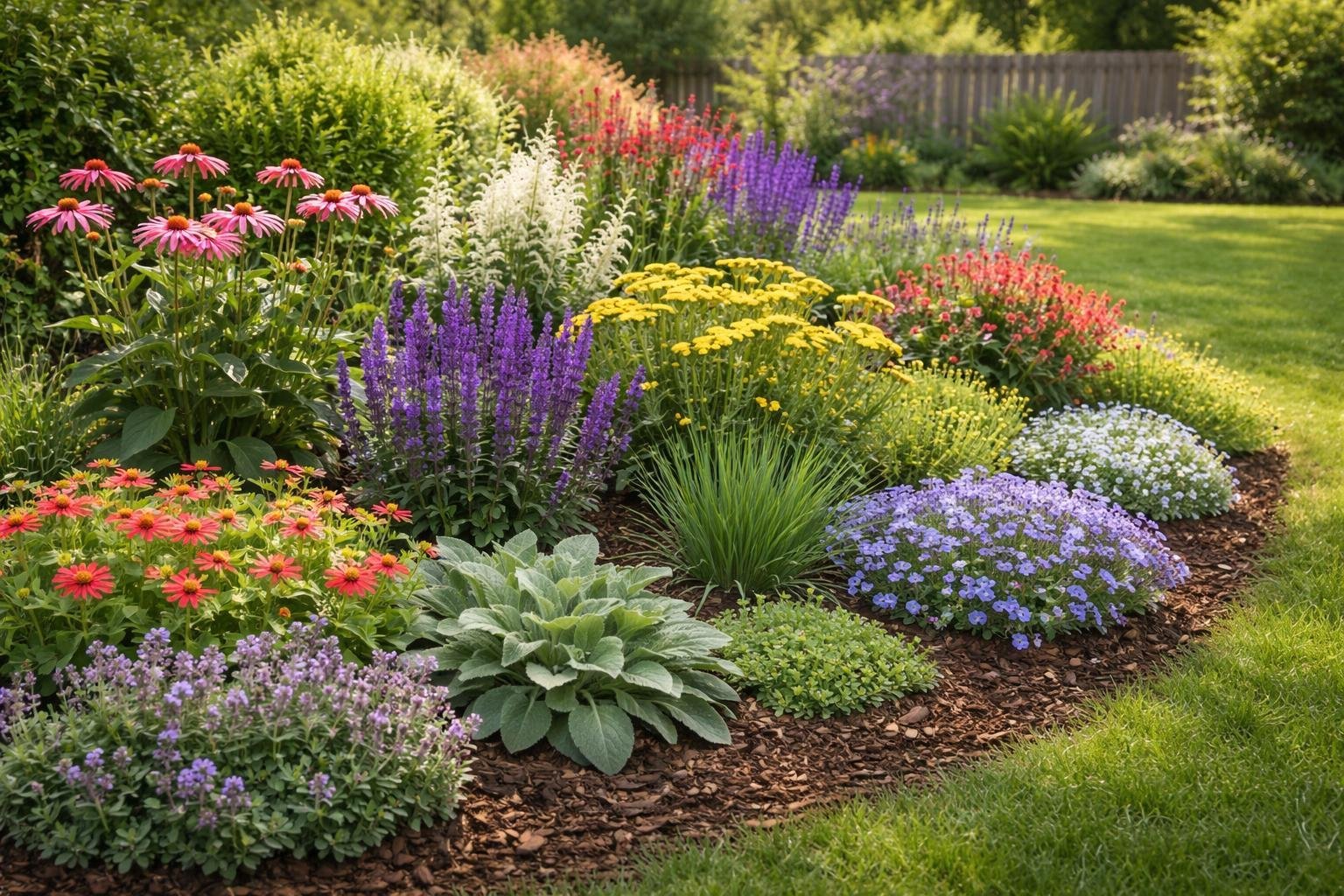
Top Deer-Resistant Plants, Flowers & Shrubs for Your Home Garden: Expert Picks and Care Tips
You can protect your garden and still enjoy colorful flowers and lush shrubs by choosing plants deer dislike for their taste, scent, or texture. Planting deer-resistant species—like aromatic herbs, tough-textured perennials, and certain shrubs—cuts deer damage and keeps your beds looking great with less hassle.
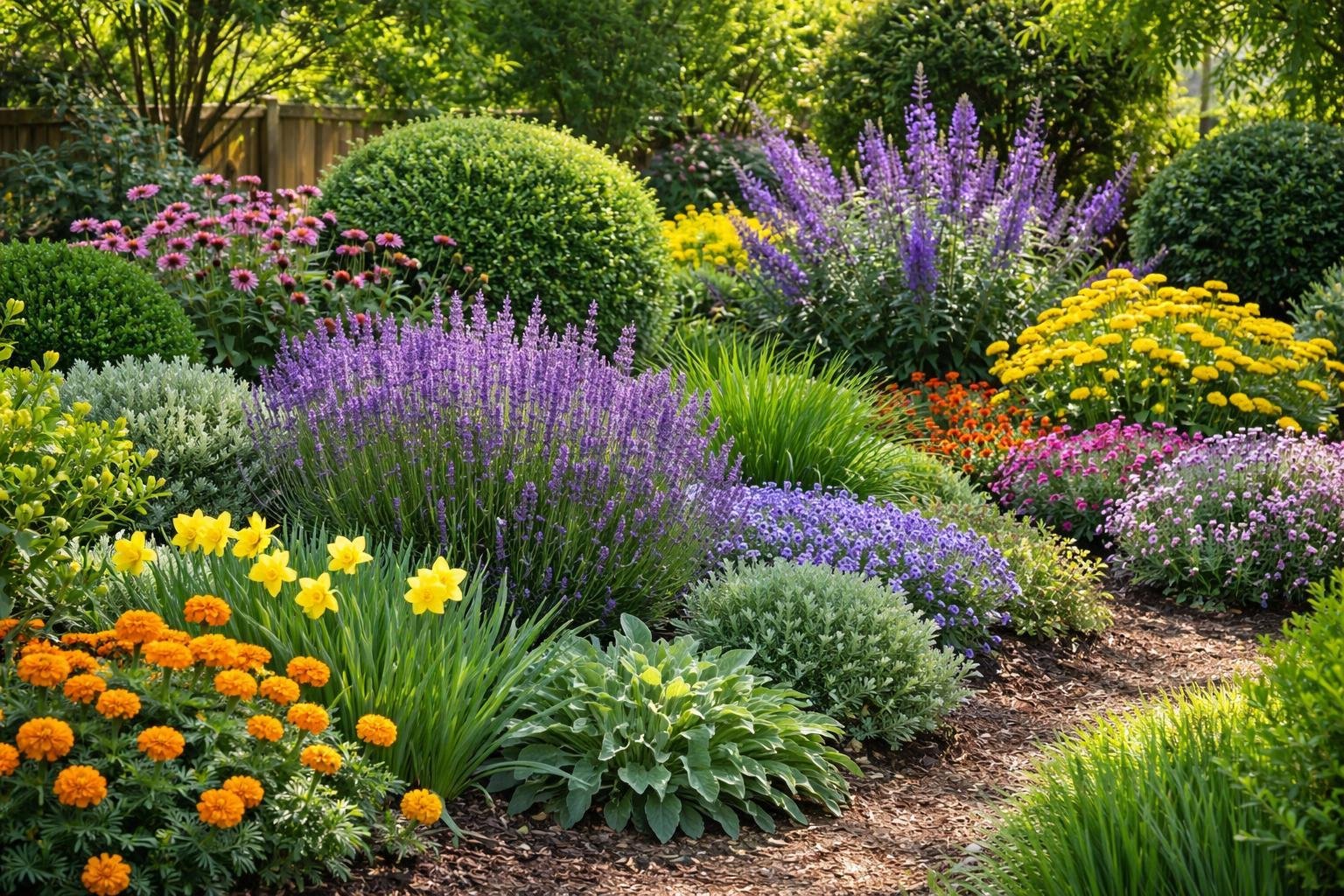
This guide shows easy-to-find options for sunny and shady spots, plus simple layout and care tips that help your choices work better. You’ll learn which plants tend to repel deer, which ones to pair together, and how to make a garden that stays beautiful without constant fixes.
Key Takeaways
- Pick plants deer avoid for taste, scent, or texture to reduce browsing.
- Match plant choices to your light and soil conditions for best results.
- Use layout and basic care to boost plant survival and deer resistance.
Understanding Deer-Resistant Plants
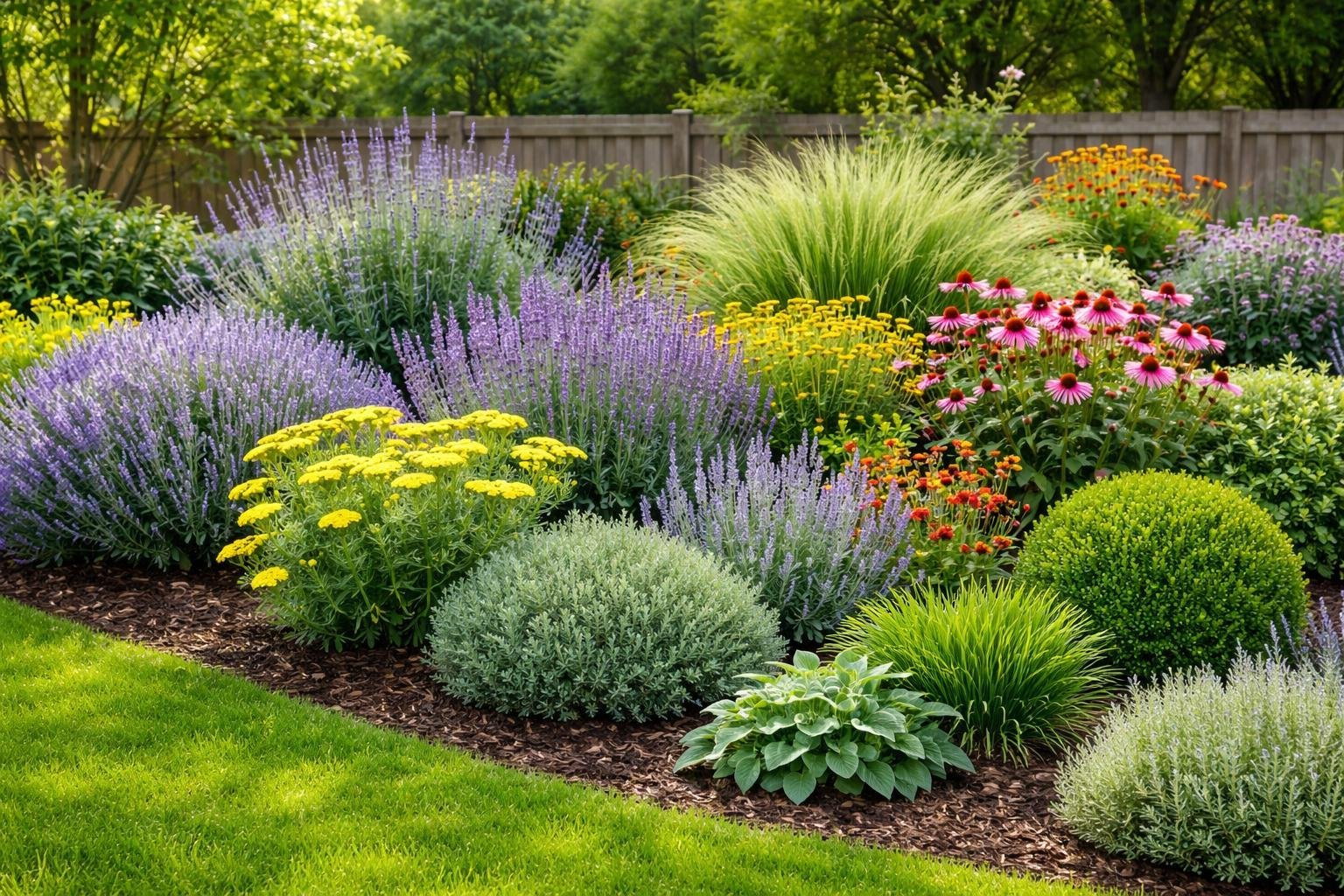
Deer avoid plants for reasons you can observe: taste, smell, texture, and past encounters. Knowing these traits and how deer behave in your area helps you pick plants that stand a better chance in your yard.
What Makes Plants Deer-Resistant
Deer choose food by smell and taste. Plants with strong scents (like lavender or rosemary) or bitter, oily, or sticky leaves often repel deer. Fuzzy or hairy foliage, thick waxy coatings, and tough stems make chewing unpleasant or difficult.
Many herbs, aromatic shrubs, and some perennials fall into this group. Deer resistance is not absolute: hungry deer will try plants they usually avoid. Planting several resistant species together raises the chance they won’t nibble at everything.
Use bold planting of aromatic or textured plants near entry points like fences and paths. That creates a first line of defense without needing fences or sprays everywhere.
Common Characteristics of Deer-Resistant Species
Look for these traits when you shop or plan: strong scent, bitter or pungent taste, fuzzy or spiny texture, tough woody stems, and low nutritional value. Examples include aromatic herbs, needle-leaved evergreens, and many native grasses.
You can also choose plants with seasonal defenses—thick seedheads or prickly fruit in fall—or those that grow low and close to the ground. Mix shrubs, perennials, and groundcovers to reduce the single-plant risk.
Quick checklist:
- Strong scent or oils (yes = better)
- Hairy or fuzzy leaves (yes)
- Thorns or spines (yes)
- Soft, tender growth (no)
- High sugar content (no)
Recognizing Local Deer Behavior
Observe deer patterns on your property for two weeks. Note when they feed (dawn, dusk), where they move, and which plants they eat first. Does pressure increase in winter or during drought? Those are critical details.
Local deer habits vary by region and food availability. In suburban yards, deer may become bolder and try new plants. In rural areas, they may stick to native food sources. Adjust plant choices based on what you actually see, not just general lists.
Use motion-activated cameras or simple tracking (droppings, tracks) to confirm patterns. That data helps you place resistant plants where they matter most.
Best Deer-Resistant Flowers for Home Gardens
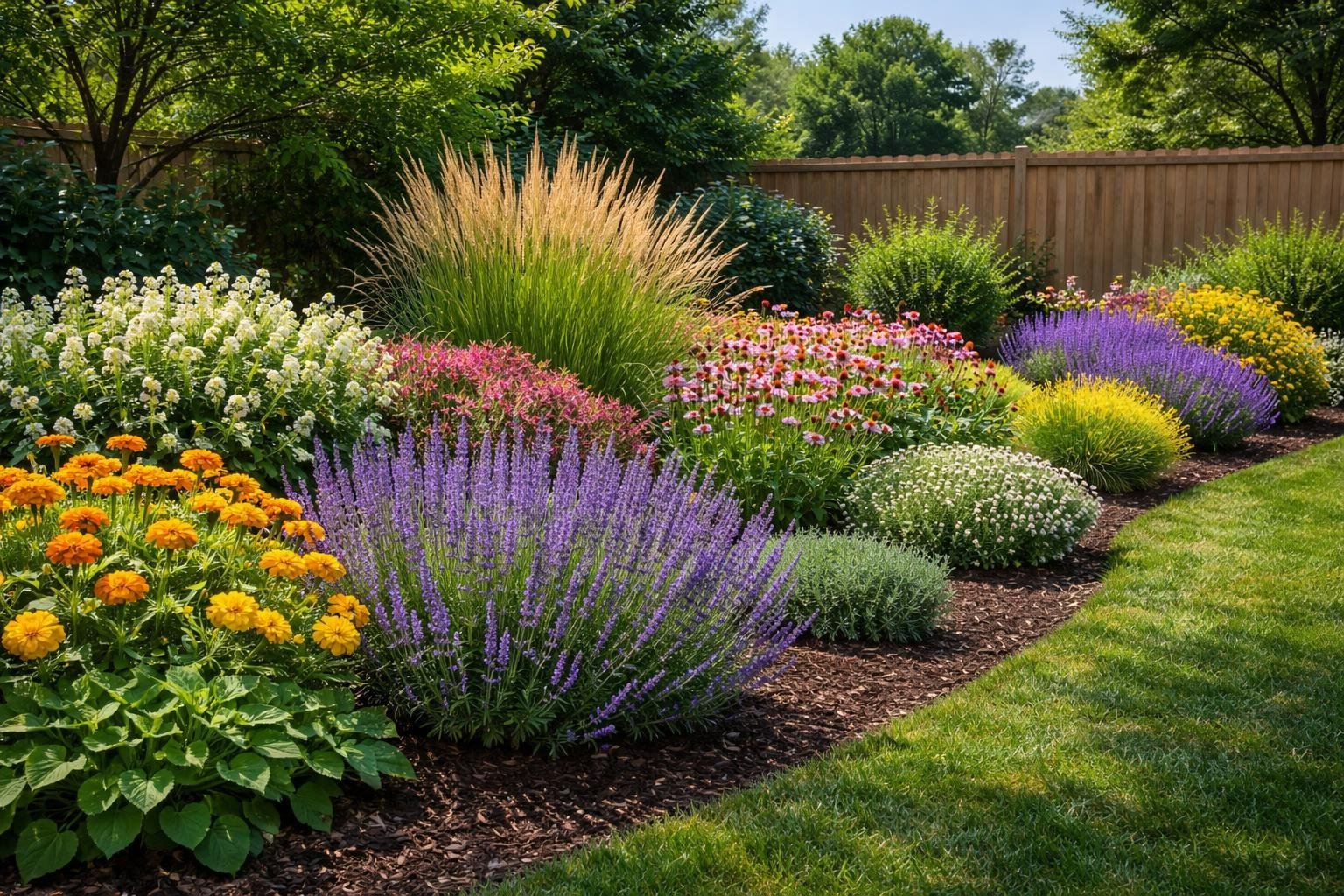
Choose plants with strong scents, bitter or toxic foliage, or tough textures to reduce deer damage. Focus on hardy perennials, quick annuals, and seasonal bloomers that match your zone and sun exposure.
Top Perennial Flowers
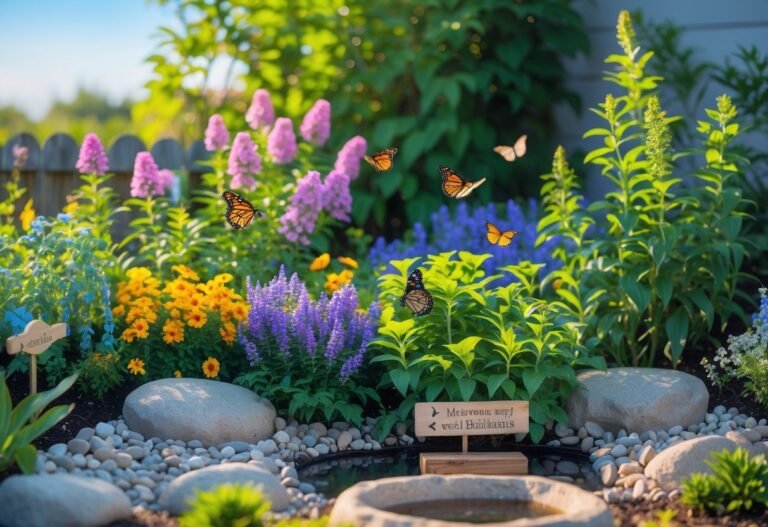
Perennials give you long-term color with less replanting. Plant lavender, catmint (Nepeta), and yarrow; their strong scents and rough textures make deer avoid them. These thrive in full sun and well-drained soil.
Coneflower (Echinacea) and Russian sage also resist deer and attract pollinators. They handle drought once established and add height to beds. Space them 12–24 inches apart to improve air flow and reduce disease.
Avoid planting only one type. Mix these perennials with tougher shrubs or ornamental grasses to form a planting that looks full and stays mostly deer-free.
Recommended Annual Flowers
Annuals let you try quick color in problem spots. Marigolds, zinnias, and snapdragons usually repel deer because of scent or bitter sap. They finish their job in a single season, so replace them each year.
Calendula and vinca (periwinkle) tolerate heat and deer pressure while providing steady blooms. Start from seed or transplants depending on your schedule; seeds are cheaper but take longer.
Use containers or raised beds for annuals where deer pressure is highest. Move pots close to the house or under a porch to limit browsing.
Blooming Plants for Seasonal Interest
Choose plants that stagger bloom times so you have color all year. Spring: alliums and columbine give early blooms and are seldom eaten. Summer: salvia and gaura offer long spikes of color and are deer-resistant. Fall: asters and ornamental grasses extend interest as others fade.
Combine bloom time with texture and scent for the best effect. For example, pair spring alliums with summer coneflowers and fall asters for continuous color.
Label plants with bloom month and light needs. That helps you plan beds that fill in as seasons change without inviting deer.
Shrubs That Deter Deer
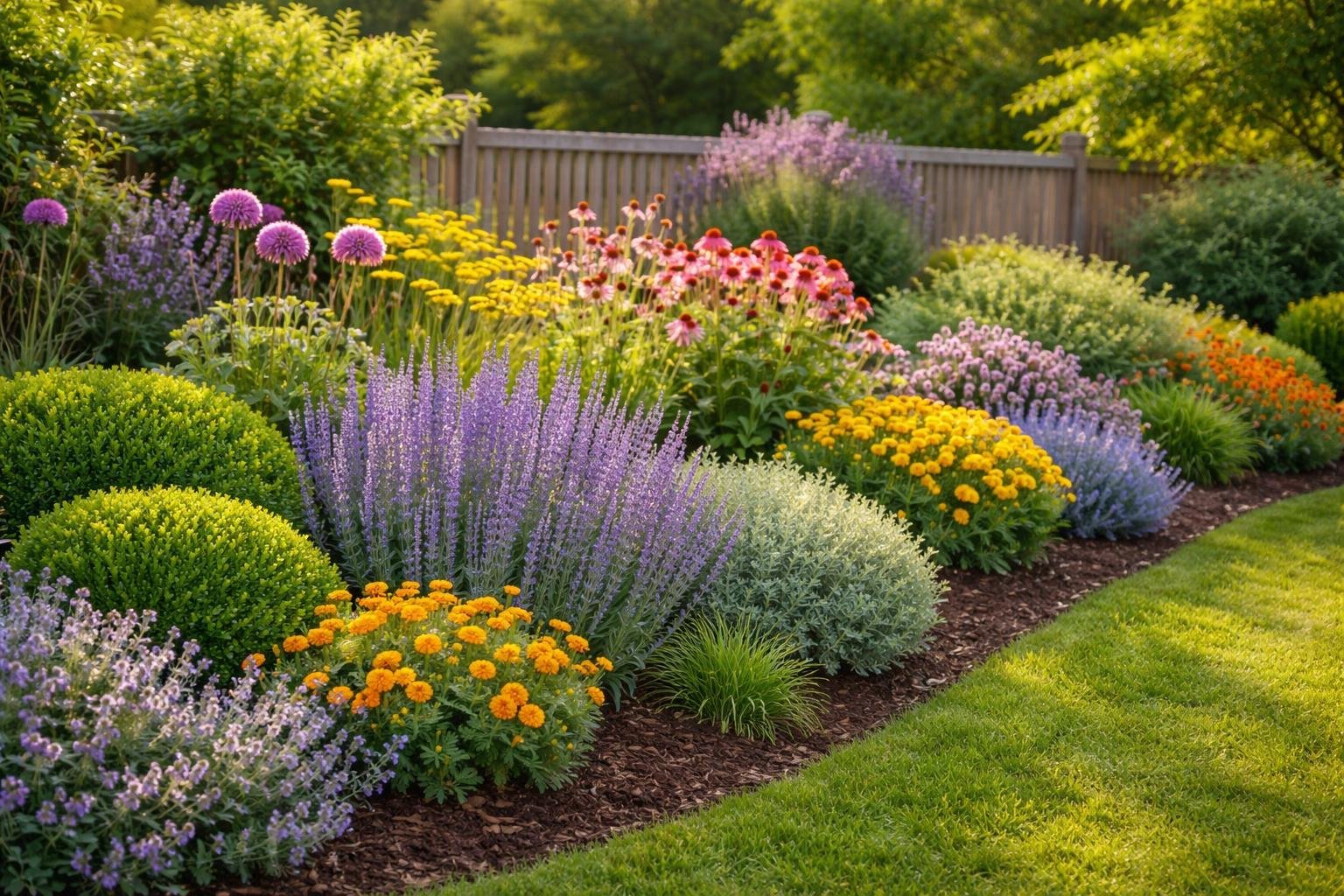
Choose shrubs that smell or feel unpleasant to deer, hold up to browsing, and fit your yard’s size and hardiness zone. Focus on plants with strong scents, tough foliage, or thorns to reduce damage while keeping year‑round structure.
Evergreen Shrubs
Evergreens give year-round cover and steady deer deterrence. Plants like boxwood, yew (with caution—poisonous to pets), and certain hollies have dense, leathery leaves deer avoid. Their scent and texture make browsing uncomfortable.
Use evergreens for foundation planting and screens. Space them so air moves through branches to reduce disease. Prune lightly in spring to keep shape and healthy growth; heavy pruning can stress plants and make them more vulnerable to browsing.
Choose cultivars rated for your USDA zone. Mulch and water young plants for the first two seasons to build deep roots. If deer pressure is high, mix in thorny or strongly scented companions to strengthen the barrier.
Deciduous Shrubs
Deciduous shrubs can offer seasonal flowers and berries while still deterring deer. Examples include potentilla, common spirea, and some viburnums; many have rough or bitter foliage deer skip. Look for shrubs with strong fragrances or coarse textures.
Plant groupings of different species. Deer are less likely to sample mixed plantings than single-species hedges. Flowering shrubs also attract pollinators, giving you beauty and function at once.
Protect young stems with temporary guards until shrubs thicken. In late winter watch for bark stripping from hungry deer; use trunk wraps or repellents if needed.
Low-Maintenance Options
If you want low work, pick shrubs that need little pruning, resist pests, and tolerate local soil. Examples include Russian sage (woody subshrub), bayberry, and certain cotoneasters. These plants survive dry spells and still deter deer with scent or texture.
Plant once well and expect minimal upkeep: yearly mulch, occasional pruning for shape, and basic spring feeding. Many low-maintenance shrubs also support birds and need no special soil amendments.
Place them along property edges or near vegetable beds to act as a living buffer. Replace any browsed plants with sturdier cultivars rather than repeating the same variety.
Deer-Resistant Perennials and Groundcovers
You can protect beds with tough perennials and low groundcovers that deer mostly avoid. Focus on plants with strong scents, fuzzy or tough leaves, and bitter tastes to reduce nibbling.
Long-Lasting Perennials
Choose perennials that return each year and that deer find unappealing. Good examples include lavender, Russian sage, and catmint — they have aromatic oils deer dislike. Plant them in groups of three to five for bigger scent impact and better bloom display.
Pick varieties suited to your USDA zone and soil. For clay soils, consider yarrow and sedum. For acidic soils, try heuchera (coral bells). Space plants according to mature spread so stems and leaves dry quickly; deer favor lush, crowded growth.
Maintain perennials by deadheading spent blooms and cutting back in fall. Healthy, well-drained plants develop stronger scents and tougher foliage that deer avoid more reliably.
Groundcovers for Border Protection
Use low-growing groundcovers to hide plant bases and make access harder for deer. Good picks include lamb’s ear, thyme, and vinca minor in shady areas. Lamb’s ear has soft, fuzzy leaves that deer tend to avoid; thyme releases oil when stepped on, deterring deer.
Plant a 12–24 inch wide band of groundcover along borders to create a sensory barrier. Mix several species to vary texture and scent; this reduces the chance deer will sample and return.
Keep groundcovers trimmed to prevent them from becoming food sources. Replace any thin patches promptly so deer don’t find easy paths to preferred plants.
Drought-Tolerant Choices
Drought-tolerant perennials often have waxy, hairy, or resinous leaves that deer dislike. Consider lavender, Russian sage, sedum, and ornamental grasses like feather reed grass. These plants survive dry spells and keep scent and texture strong.
Group drought-tolerant plants in raised or well-draining beds to mimic their native conditions. Mulch sparingly with gravel or coarse bark to preserve dryness and reduce soil moisture that attracts tender growth.
Water deeply but infrequently during establishment year. Once established, cut back watering to encourage deeper roots and firmer foliage, which helps deter deer.
Design Tips and Maintenance for Deer-Resistant Gardens
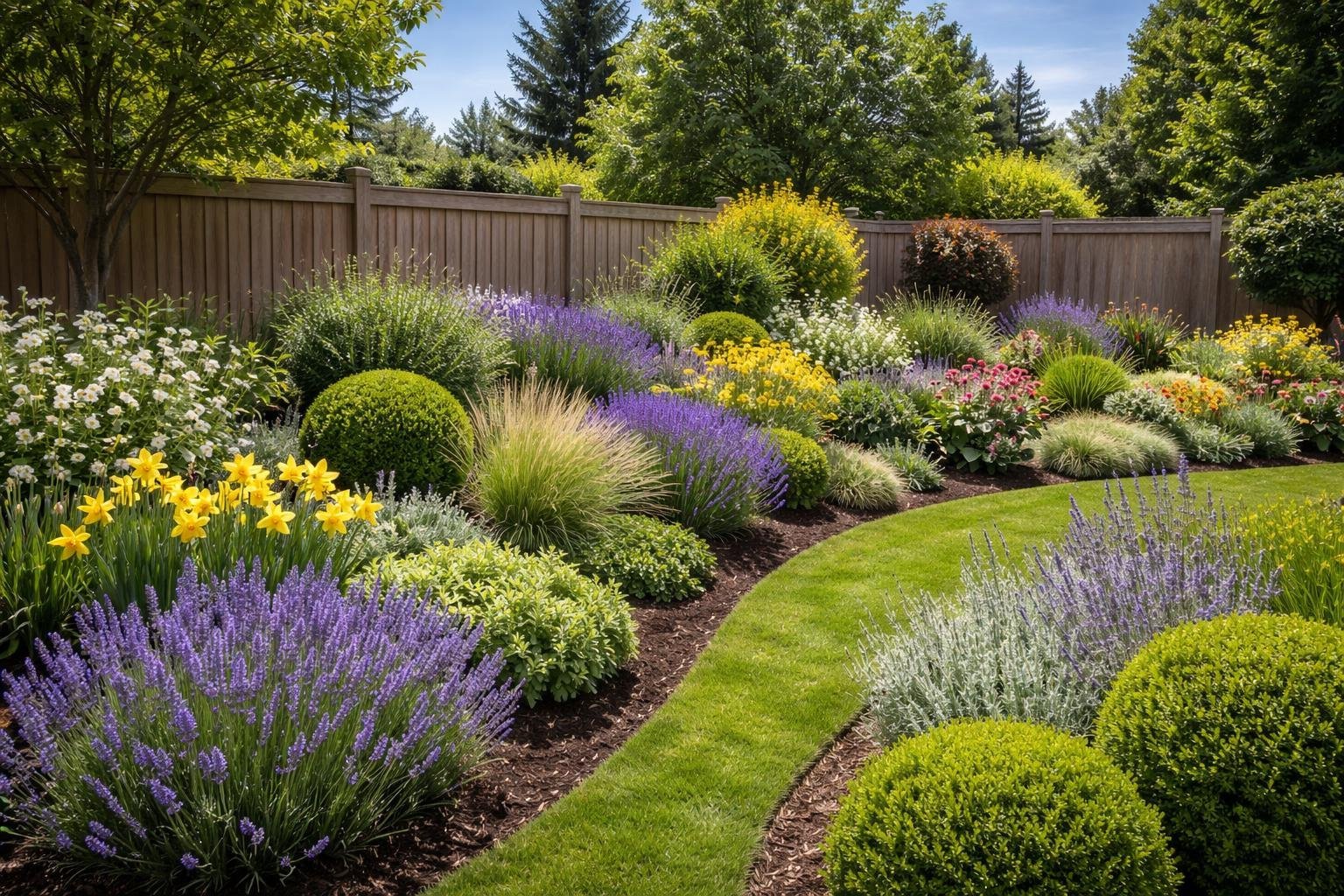
Plan placement, plant combinations, and routine care to reduce deer browsing and keep plants healthy. Use physical barriers, choose plants deer avoid, and rotate seasonal tasks like pruning and mulching.
Planting Strategies to Minimize Deer Damage
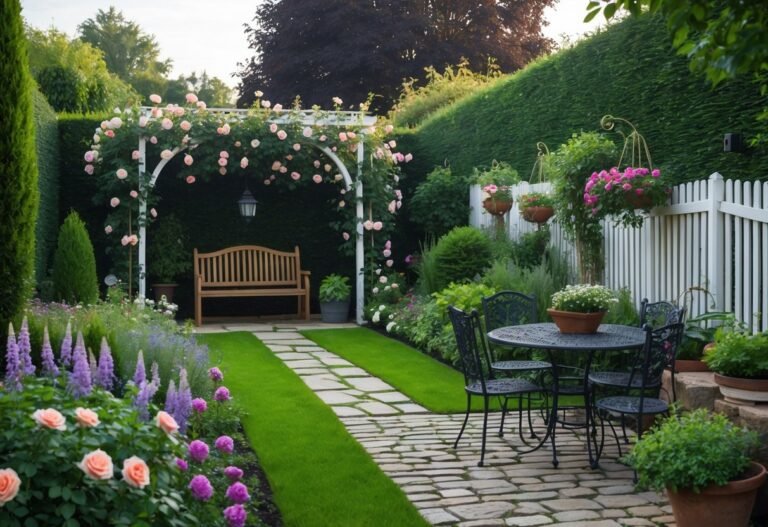
Place the most deer-resistant shrubs and tough perennials closest to the house and paths where deer avoid human activity. Use taller, thorny, or strongly scented plants (like rosemary, lavender, or boxwood) as living barriers around vulnerable beds.
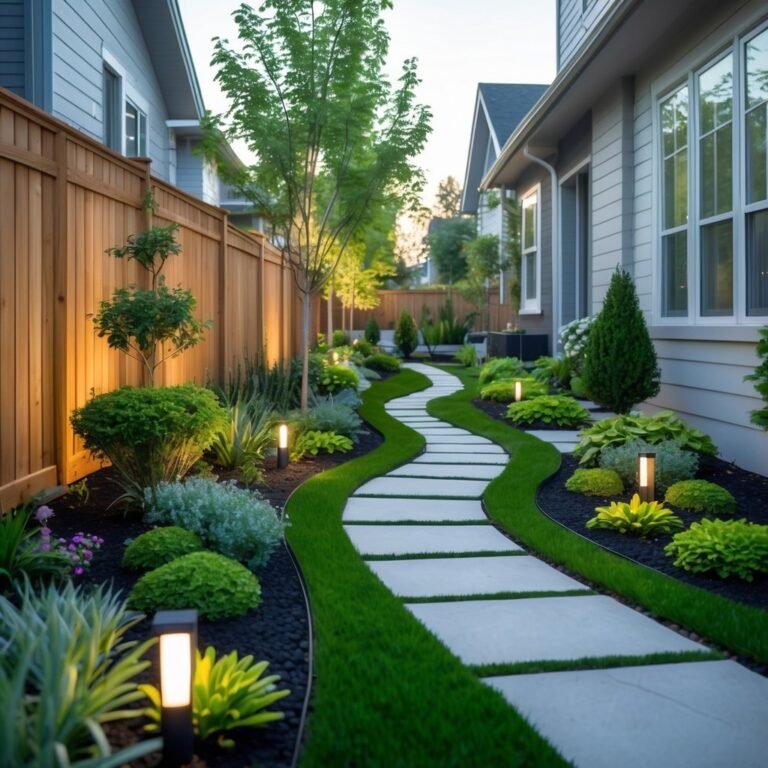
Stagger plant heights: low groundcovers in front, mid-height perennials in the middle, and taller shrubs at the back. This hides tender plants and reduces easy access.
Add single-row fencing or wire mesh around new plantings for the first 2–3 growing seasons. Use repellents on young shoots and reapply after rain. Label plants with deer-resistance ratings so you can monitor which favorites get browsed and adjust placement next season.
Seasonal Care Guidelines
In spring, inspect for deer damage and stake or protect seedlings immediately. Mulch 2–3 inches to retain moisture and suppress weeds without burying crowns.
Summer needs regular watering for newly planted shrubs and deadheading of perennials to redirect energy into roots. Reapply nontoxic repellents every 2–4 weeks, especially after rain.
In fall, cut back perennials selectively; leave some seedheads for winter interest and food for birds. Move potted deer-resistant herbs under eaves for extra protection. In winter, check barriers for collapse from snow and prune damaged branches in late winter before new growth starts.
Combining Varieties for Maximum Effect
Mix texture and scent to discourage deer: pair aromatic herbs (rosemary, sage) with coarse-textured plants (ornamental grasses, lamb’s ear). Deer prefer tender, smooth leaves, so coarse foliage reduces browsing.
Create small mixed beds with 3–5 species per bed. Use a repeating pattern to confuse deer and make each bed visually cohesive. Include a few sacrificial plants—fast-growing annuals placed away from prized specimens—to draw deer attention away.
Group plants by water and sun needs. This reduces stress on plants and keeps them vigorous, which improves natural resistance. Mark each group on a simple layout map to simplify seasonal care and replacement choices.
Frequently Asked Questions
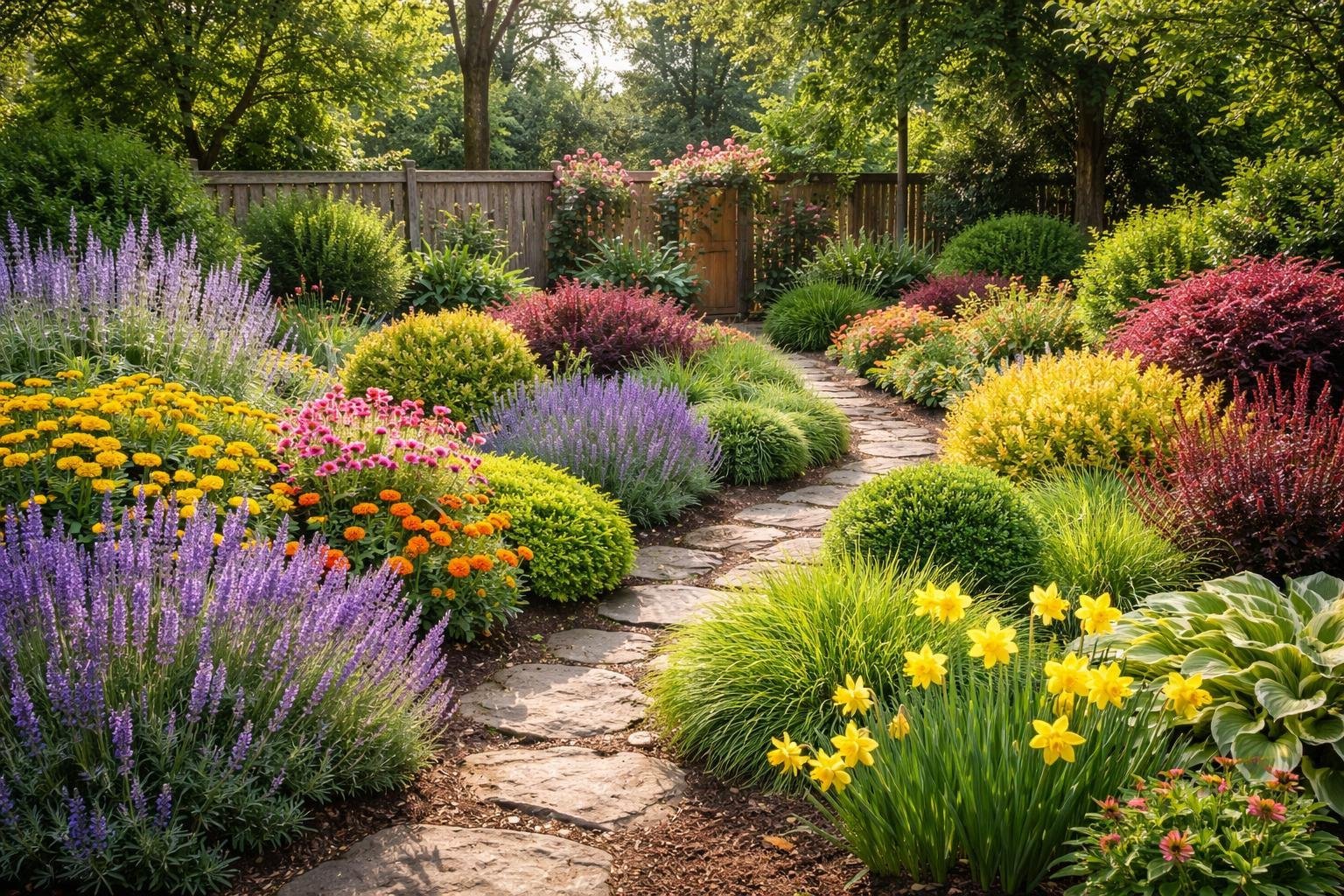
These answers name specific shrubs, perennials, and flowers that resist deer and note where they work best. You’ll find options for sun and shade, fast growth, evergreens, and which plants still get nibbled sometimes.
Which low-maintenance flowering shrubs are most deer-resistant for home landscapes?
Plant buddleia (butterfly bush), lavender, and potentilla for easy care and long bloom periods.
They need well-drained soil, occasional pruning, and little fertilizer.
Use aronia (chokeberry) and ninebark for seasons of color with almost no fuss.
Both tolerate poor soil and need only annual pruning to stay tidy.
What deer-resistant shrubs perform best in shade with minimal upkeep?
Ferns and bergenia are good ground-level choices for deep shade.
For shrub form, try rhododendron and mountain laurel in dappled to full shade.
Both rhododendron and mountain laurel like acidic, well-drained soil and need mulch to keep roots cool.
They require little pruning beyond removing dead wood.
Which fast-growing shrubs are least likely to be eaten by deer?
Arborvitae and barberry grow quickly and are less palatable to deer.
Forsythia also grows fast and adds early spring color while usually being ignored.
Plant these where you want quick screening or structure.
Keep an eye on water the first two years to encourage rapid establishment.
What evergreen shrubs are reliably deer-resistant throughout the year?
Boxwood, rosemary (in milder climates), and yew often escape deer browsing.
These hold foliage year-round and give steady structure to the garden.
Choose hardy varieties suited to your USDA zone and protect young plants from severe winter exposure.
Evergreens still may be eaten in deep food shortages, so monitor local deer pressure.
Which perennials are deer-resistant and bloom continuously through summer?
Russian sage, salvia, and catmint bloom for long stretches and are rarely eaten.
They thrive in full sun and well-drained soil.
Echinacea and coreopsis also offer prolonged summer color and resist most deer.
Deadhead spent flowers to extend bloom time.
Are there any flowers that are truly 100% deer-proof in typical gardens?
No common garden flower is 100% deer-proof under all conditions.
Deer will eat unusual or bitter plants if food is scarce or if local populations are high.
Choose multiple deer-resistant species and combine dense plantings, scent, and texture to reduce browsing.
Rotate and replace plants as needed based on what deer in your area prefer.