Cottage Garden Patio Design Ideas for Cozy Entertaining and Year-Round Color
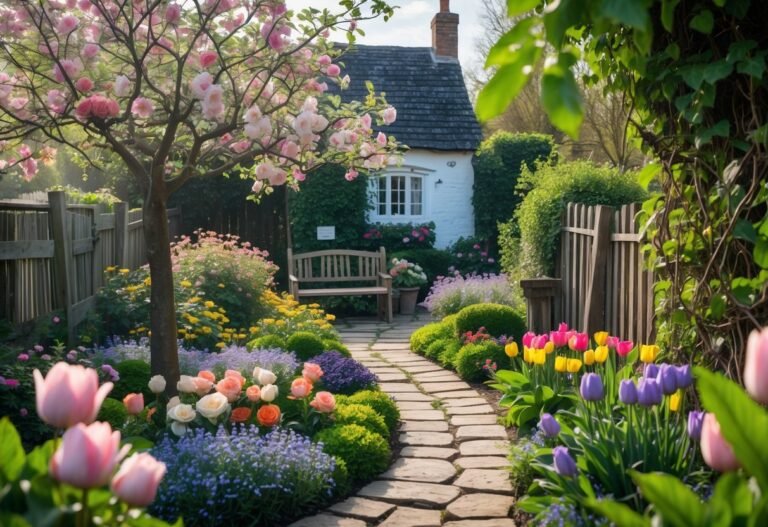
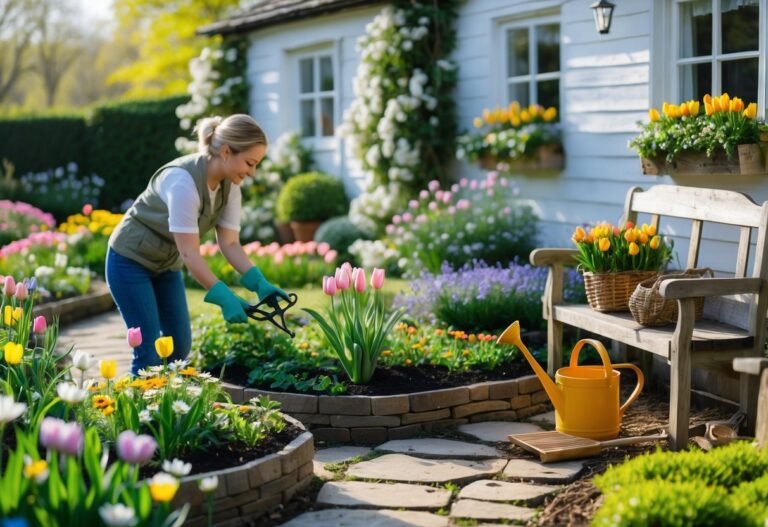
You can create a cozy, timeless cottage garden patio by mixing dense, fragrant planting with simple paths, vintage or natural materials, and a few comfy seating spots to linger. Use layered plantings, a soft palette of flowers, and rustic materials like gravel, cobblestone, or weathered wood to make a small patio feel lush and relaxed.
Think about flow and function: tuck seating into a flowering nook, add a winding path or stepping stones, and use containers or raised beds where space is tight. Small details—climbing roses, vintage pots, and a simple pergola or trellis—bring charm without crowding the space.
Key Takeaways
- Focus on layered plants and rustic materials to build cottage character.
- Plan paths and seating to balance beauty with everyday use.
- Use containers and vertical elements to maximize small patios.
Fundamentals of Cottage Garden Patio Design
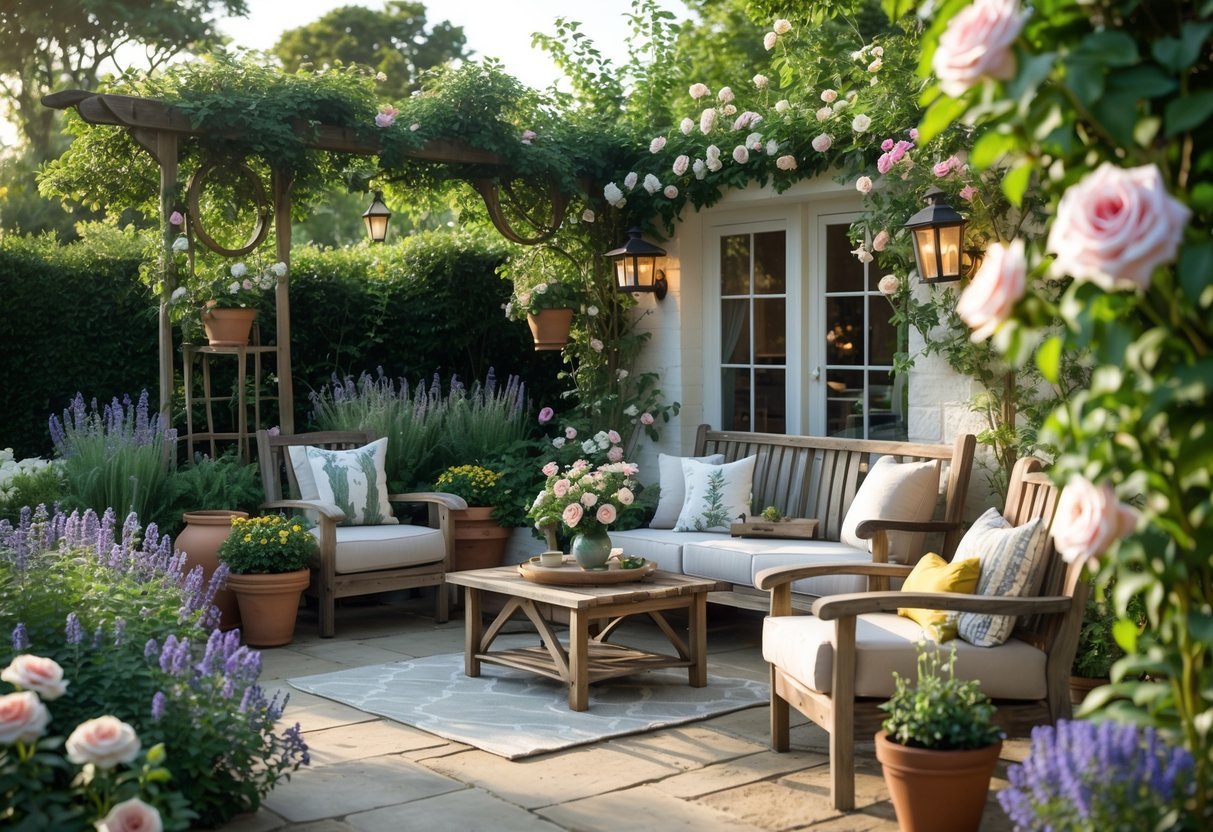
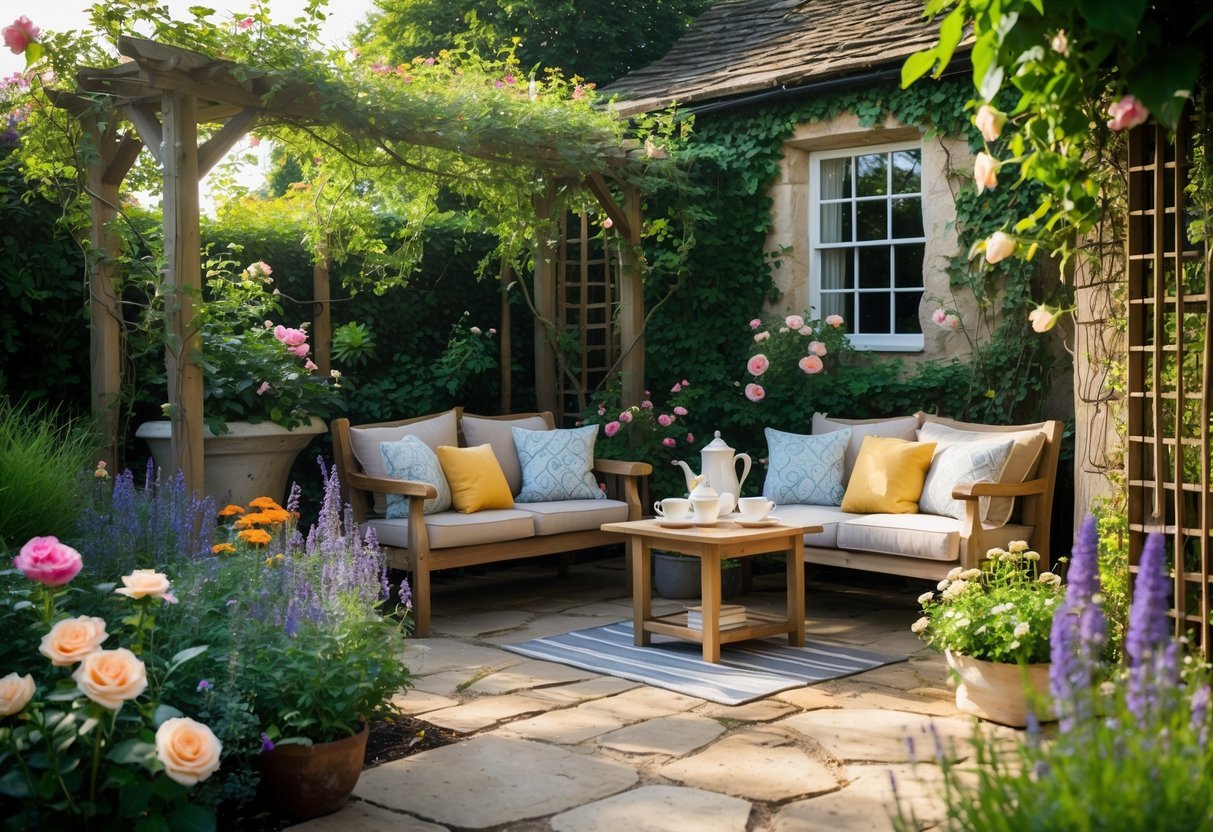
Think about plants, seating, and materials that feel relaxed and lived-in. Use soft curves, mixed textures, and vintage details to make the patio feel cozy and informal.
Key Elements of Cottage-Style Patios
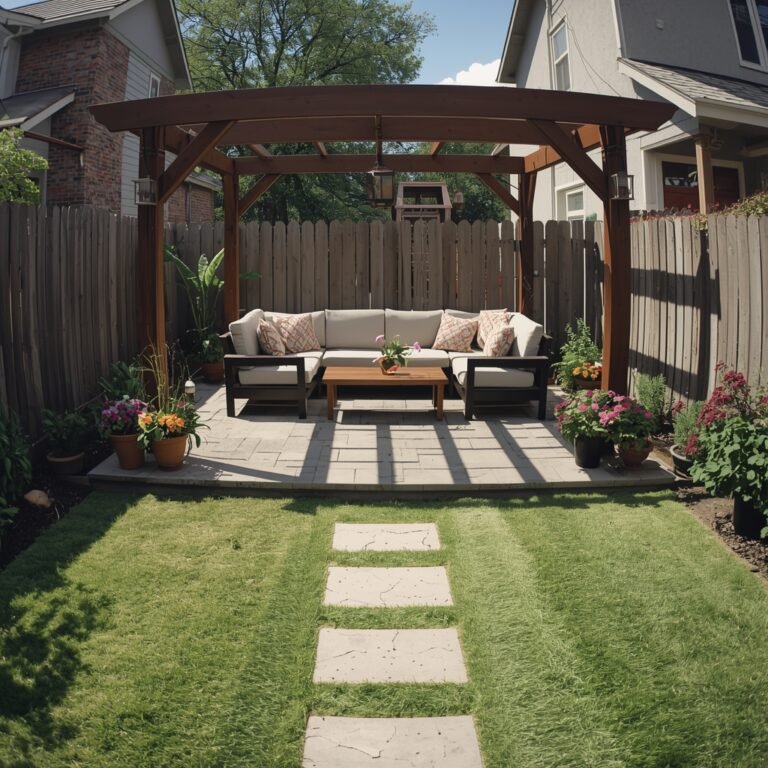
Start with a small paved area for seating—flagstone, reclaimed brick, or irregular pavers work well. Keep joints informal by letting moss or thyme fill gaps; that softens hard edges and adds scent.
Choose furniture with a slightly worn look: wrought iron, painted wood, or wicker feel right. Add cushions in muted florals or stripes for comfort and color. Include at least one focal piece, like a bench beneath a climbing rose or a vintage table with a lantern.
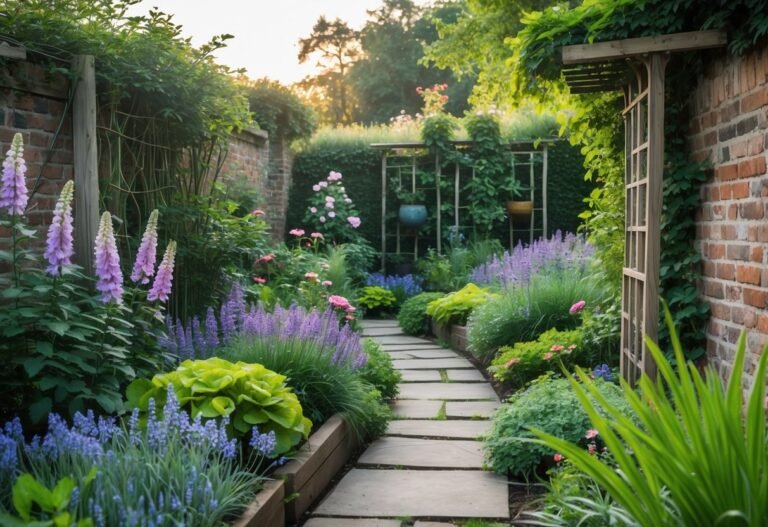
Planting matters as much as hardscape. Mix perennials (lavender, foxglove, delphinium) with low shrubs and trailing plants. Use containers—terracotta, enamel, or wooden tubs—for flexibility and layered height.
Design Principles for Informal Charm
Favor irregular shapes over strict geometry. Curved paths and staggered planting beds create a casual flow that invites exploration. Keep scale human—walkways about 3–4 feet wide and seating areas sized for comfort, not grandeur.
Embrace repetition of a few plants and colors to unify the space. Limit hardscape colors to two or three complementary tones so flowers stand out. Layer height: groundcover, mid-height perennials, tall climbers. This gives depth and hides rigid lines.
Allow some planned “mess” like self-seeding annuals or volunteer herbs. That relaxed look reads as authentic cottage style, not neglect. Maintain basic upkeep—deadhead, prune, and control aggressive volunteers—to keep things tidy without stripping character.
Integrating Patios into Cottage Gardens
Place the patio near a door for easy access, but leave room for planting between house and seating. A narrow planting strip or low wall planted with scented herbs creates a soft transition. If space is tight, use vertical elements—trellises, obelisks, or espaliered fruit—to add height.
Connect patio paths to the rest of the garden using the same paving or a repeating plant edge. Use stepping stones through lawns or gravel paths edged with lavender. Think of sightlines: position seating to face a flowering bed, water feature, or specimen plant.
Include practical elements discreetly. Store tools in an attractive box or vintage cabinet. Use portable planters and movable furniture to change the layout by season. Small lighting—string lights, solar lanterns, low-watt path lamps—extends use into evening without breaking the cottage mood.
Selecting Materials and Features
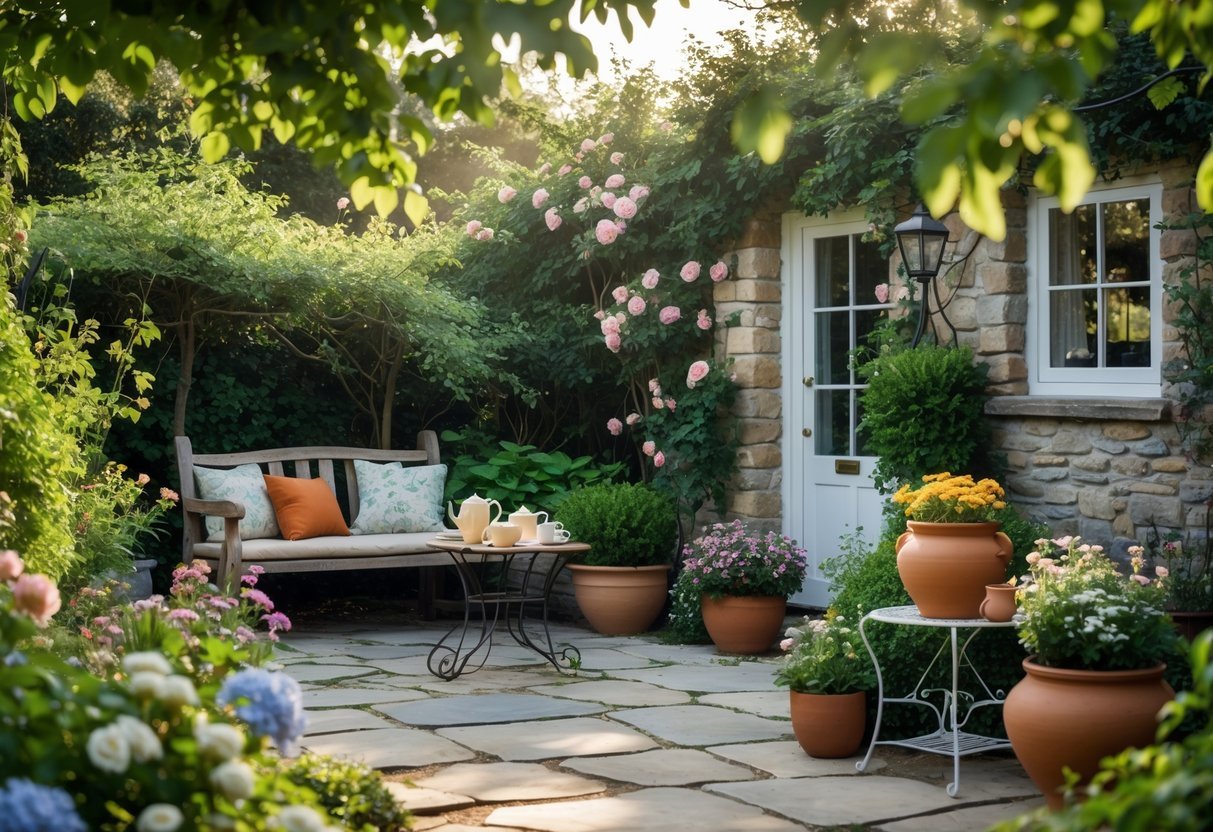
Choose materials that match your house style, budget, and how you plan to use the patio. Think about durability, maintenance, and how the textures and colors will work with plants and furniture.
Choosing Natural Stone and Brick
Natural stone and brick create a classic cottage look and hold up well outdoors. Select flagstone, bluestone, or reclaimed brick for paths and seating areas. Flagstone offers irregular shapes for a relaxed feel; bluestone gives tighter joints and a smoother walking surface. Reclaimed brick adds warmth and patina but may need leveling and more joint maintenance.
Pay attention to thickness and base. Use at least 2–3 inches of stone over a compacted gravel base for pavers, and a deeper base for heavy furniture or vehicles. Seal porous stones if stains bother you, but avoid glossy sealers that look modern.
Think about slip resistance and frost. Choose textured finishes in rainy or icy climates. For joints, use sand, mortar, or low-growing groundcover like thyme to soften edges and reduce erosion.
Incorporating Gravel Paths
Gravel gives a loose, informal look and drains well around plantings. Pick crushed stone (like 3/8″ pea gravel) for compact paths and decomposed granite for a firmer walking surface. Use edging—metal, brick, or timber—to keep gravel in place and protect lawn or beds.
Prepare a stable base: dig 4–6 inches, install landscape fabric, add a 3–4 inch compacted crushed rock base, then top with 1–2 inches of gravel. This reduces rutting and weeds. For seating zones, consider a compacted stabilizer or a stepping-stone pattern to prevent shifting under chairs.
Maintain gravel by raking annually, topping up as needed, and pulling weeds. Gravel works well between pavers and under rustic furniture, and it pairs nicely with plantings like lavender, foxglove, and low grasses.
Vintage and Reclaimed Materials
Vintage and reclaimed items add character and lower waste. Look for salvaged benches, iron railings, old stone sink basins, and repurposed bricks or roof tiles. Inspect reclaimed wood for rot, nails, and pests before use. Clean metal pieces and treat for rust to prolong life.
Mix reclaimed materials with new ones for safety and stability. Use reclaimed brick for a border and new pavers in high-traffic areas. Label and test antique items—some finishes may not be weatherproof.
Sourcing tips: check salvage yards, online marketplaces, and local demolition sales. Bring measurements and photos to ensure a good fit. Using reclaimed materials helps create the layered, lived-in look typical of cottage gardens.
Planting Strategies for Cottage Garden Patios
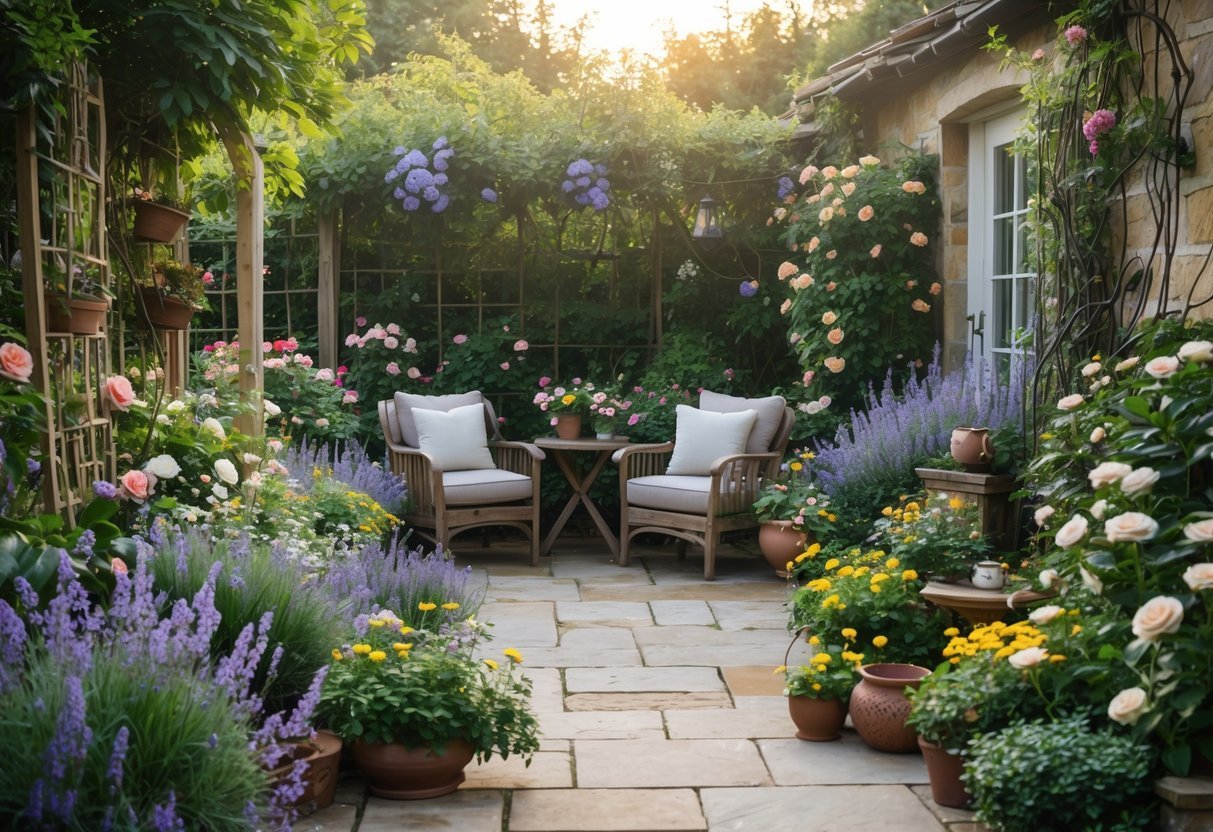
Choose plants that suit your sun, soil, and how much time you’ll spend watering or deadheading. Mix short and tall textures, repeat colors for unity, and place scented plants near seating.
Best Plants for Patio Borders
Pick plants that stay tidy and bloom in sequence. For low edges, use lavender, dwarf salvia, and creeping thyme; they stay 6–18 inches tall and tolerate trimming. Mid-height choices like geraniums (Pelargonium), foxgloves, and daisies create a soft middle layer at 1–3 feet. For taller background plants, choose delphiniums, hollyhocks, or rosemary trained as a small shrub to give structure and seasonal height.
Plant in staggered rows rather than a single line to create depth. Space per label instructions, but reduce distances slightly for a fuller cottage look. Mulch borders to retain moisture and suppress weeds, and deadhead spent flowers weekly to encourage rebloom.
Creating Lush Container Displays
Use a mix of thriller, filler, and spiller in each pot: a vertical plant (thriller), a rounded filler, and a trailing spiller. Example combos: upright salvias + petunias + sweet potato vine; dwarf roses + lavender + trailing lobelia. Select containers with good drainage and use high-quality potting mix with slow-release fertilizer.
Group containers in odd-number clusters for visual impact. Place taller pots at the back or corners and smaller ones near seating. Water more often than in-ground beds; check soil daily in hot weather. Rotate pots seasonally—bulbs in spring, geraniums in summer, ornamental kale in fall—to keep displays full year-round.
Climbing Plants and Vertical Interest
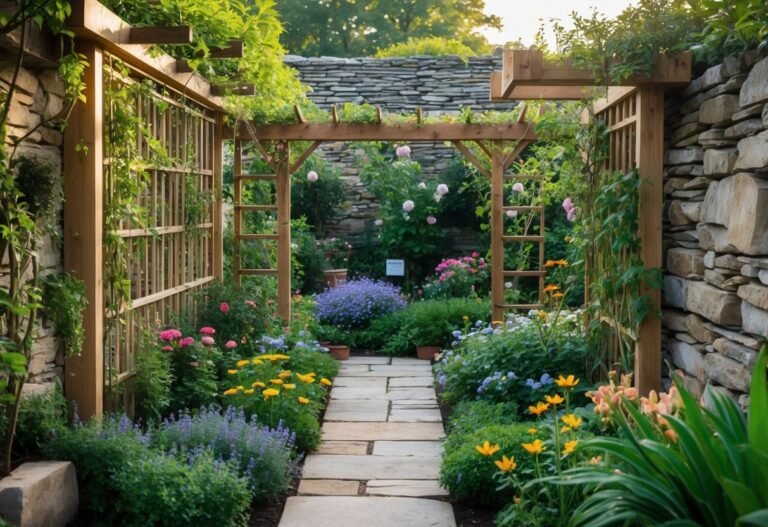
Train climbers on trellises, obelisks, or wires to save floor space and add height. Climbing roses, clematis, and climbing honeysuckle work well for fragrance and repeat bloom. For fast coverage, use morning glory or climbing nasturtium on temporary supports, but expect seasonal dieback.
Anchor supports securely and plant climbers 6–12 inches from the base to keep roots clear of structures. Prune according to type: old-wood clematis after flowering, repeat-flowering roses lightly in spring and more after bloom. Add small pockets of shade-loving plants below climbs, such as hostas or lamium, to soften the base and use vertical layers effectively.
Enhancing Functionality and Style
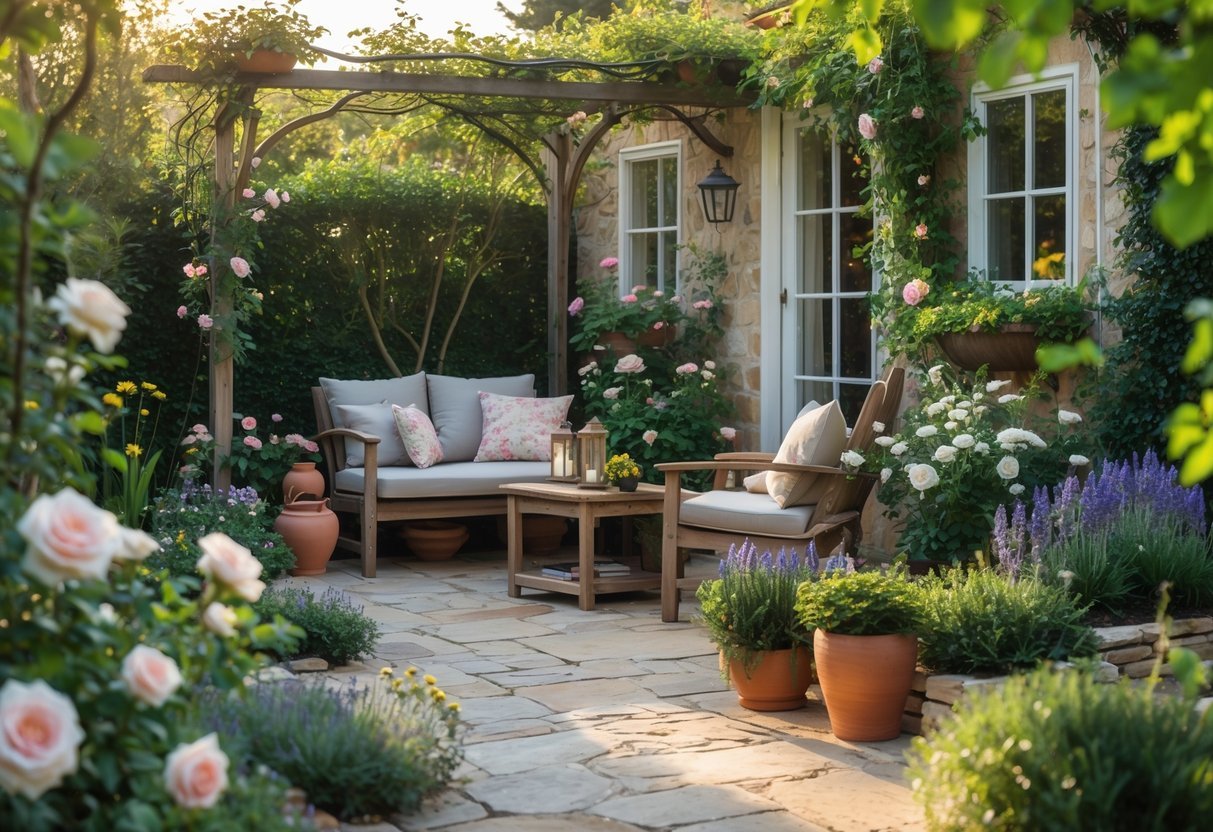
Make your patio both useful and pretty by choosing durable items, layered lighting, and small features that invite birds and pollinators. Focus on seating that fits your space, lighting that extends use after dusk, and plants or structures that support wildlife.
Cottage-Style Furniture and Decor
Pick furniture that looks lived-in and holds up to weather. A painted wooden bench, wrought-iron bistro set, or a reclaimed-wood table gives cottage character. Choose cushions in fade-resistant fabric and removable covers so you can wash them after pollen or rain.
Mix seating heights and types: a bench for communal seating, two chairs for conversation, and a low coffee table for drinks and books. Add a set of stackable stools or folding chairs for extra guests without cluttering the patio when unused.
Use rustic storage that doubles as decor. A vintage trunk or wooden crate can hold cushions and garden tools while adding texture. Small touches like a weathered mirror, enamel planters, and braided rugs help tie the look together without costing much.
Patio Lighting Ideas
Combine task, ambient, and accent lighting to make the patio safe and inviting. String lights or festoon bulbs create soft ambient glow over seating areas. Place them along rafters, pergola beams, or from posts to a tree.
Use warm LED spotlights or path lights to define walkways and highlight focal plants. Solar-powered stake lights work well for low-traffic areas and reduce wiring needs. For reading or dining, mount a pendant or an adjustable floor lamp near chairs or the table.
Add candlelight for atmosphere. Flameless LED candles in lanterns give the flicker without fire risk. Consider motion-sensor lights near entrances for security, and use dimmers on main circuits to control brightness for different occasions.
Wildlife-Friendly Patio Features
Invite pollinators and birds with layered planting and water sources. Plant nectar-rich flowers like lavender, salvia, and foxglove in grouped drifts to make forage easy for bees and butterflies. Include native perennials for longer seasonal interest and better support for local species.
Provide water and shelter: a shallow birdbath or a dripper attracts birds and insects. Add a small brush pile, a bee hotel, or a dense shrub for nesting and cover. Keep pesticide use to a minimum to protect beneficial insects.
Choose night-friendly elements to help bats and moths. Install a single low-glow light away from planting zones to reduce disorientation. Use a mix of native shrubs and grasses that produce seeds and berries to sustain wildlife through fall and winter.
Frequently Asked Questions
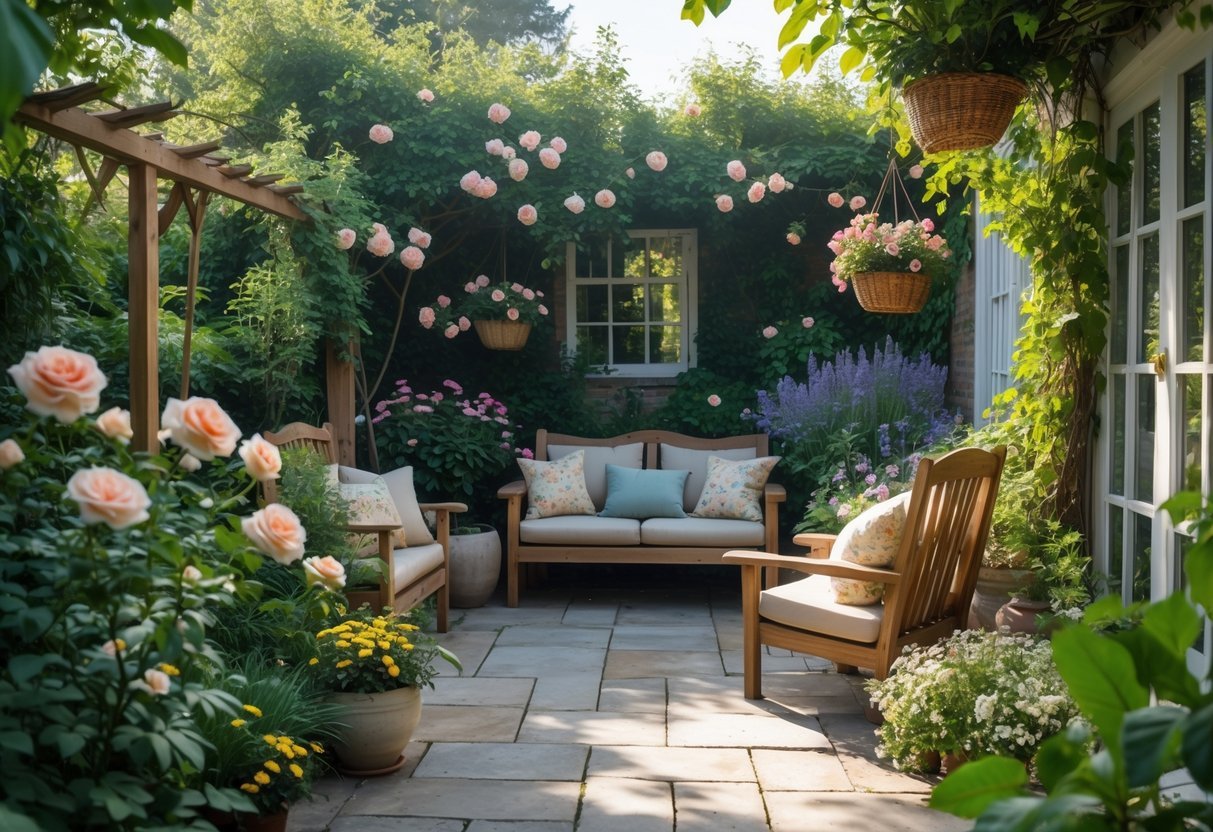
This section gives clear, practical answers you can use right away. Expect cost-saving ideas, design updates, DIY steps, furniture tips, and a simple plan for your first cottage garden patio.
How can I achieve a cottage garden feel on my patio with limited funds?
Choose plants that self-seed or spread easily, such as lavender, catmint, and calendula. Buy small plants or plugs and let them fill in over a season to save money.
Reuse materials: broken bricks, salvaged pavers, and secondhand pots create charm without high cost. Plant in recycled containers like wooden crates or old tubs for instant character.
Focus on fragrance and repeat planting to get that cottage scent and layered look. A few climbing roses or a clematis will give height and a strong cottage vibe without many plants.
What are some modern twists I can apply to a traditional cottage garden patio?
Use clean-lined furniture in metal or painted wood to balance the softness of flowers. Pair neutral cushions with floral pots for a fresh, modern look.
Swap gravel paths for narrow concrete pavers set in grass or moss for a contemporary edge. Add simple, low-voltage LED lighting for nights; it keeps the look tidy and energy efficient.
Introduce sculptural planters or a single modern water feature to act as a focal point. Keep plant choices abundant but limit colors to two or three hues for a refined palette.
Can you suggest some DIY strategies for creating a cottage garden patio?
Build a simple raised bed from untreated timber or reclaimed wood; it’s cheap and quick to assemble. Line the bed with landscape fabric and fill with a mix of compost and topsoil.
Make trellises from bamboo poles or old ladders to support climbers like sweet peas and roses. Plant in layers: taller plants at the back, mid-height in the middle, and groundcover at the front.
Create stepping stones using concrete mix and molds from old trays or wood forms. Paint or distress pots by hand to give a weathered, vintage look without buying new decor.
What furniture choices best complement a cottage garden patio setting?
Choose pieces with curves or simple slatted designs in weathered wood, wrought iron, or painted metal. These materials match the informal, cozy feel of a cottage garden.
Opt for comfortable cushions in muted florals or solid natural fabrics like linen or cotton. Keep a small bistro set for morning coffee and a bench or chaise for lounging among plants.
Include lightweight, movable pieces so you can rearrange seating to follow sun and shade. Add a small side table for drinks and a low shelf or trolley for potted plants and tools.
What are the essential features to include when designing an English cottage patio?
Include a climbing plant or two, such as roses, clematis, or jasmine, to soften walls and create vertical interest. Paths or stepping stones should lead through layered beds to encourage wandering.
Use a mix of perennials and annuals for continuous color from spring to fall. Add a focal point like a bench, sundial, or birdbath to anchor the space visually.
Incorporate different textures: soft foliage, woody stems, and stone or brick hardscaping. This balance keeps the patio feeling natural and lived-in.
What beginner-friendly steps should I take when planning my first cottage garden?
Start by observing sunlight and soil: note full sun areas and shade, and test soil drainage. Map a simple layout with a seating area, one focal point, and three planting zones.
Pick three to five easy plants to begin with, such as lavender, salvia, geranium, foxglove, and thyme. These give structure, scent, and year-round interest while you learn.
Plant in stages, not all at once. This spreads cost, reduces overwhelm, and lets you adjust as plants grow and the space settles.