10 Cottage Garden Ideas to Transform Small Spaces with Timeless Charm
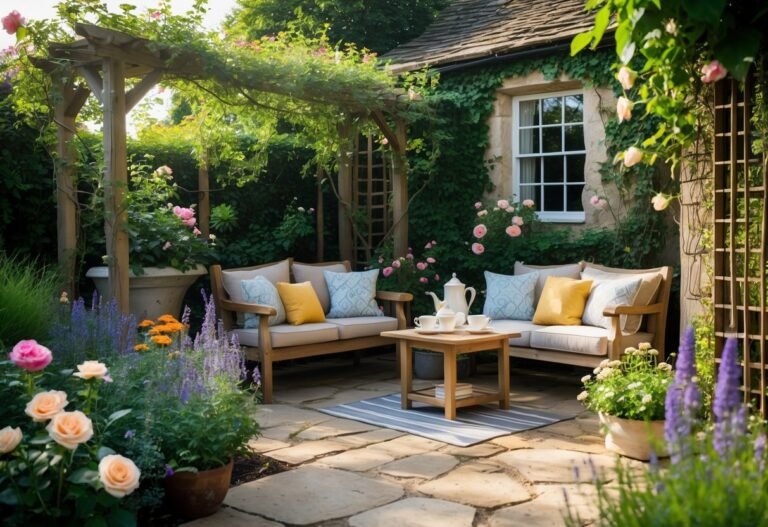
You can shape a small patch of land into a cozy, colorful retreat that feels both charming and lived-in. This article shows ten practical cottage garden ideas that help you add color, texture, and simple structure so your outdoor space looks intentional without needing perfection.
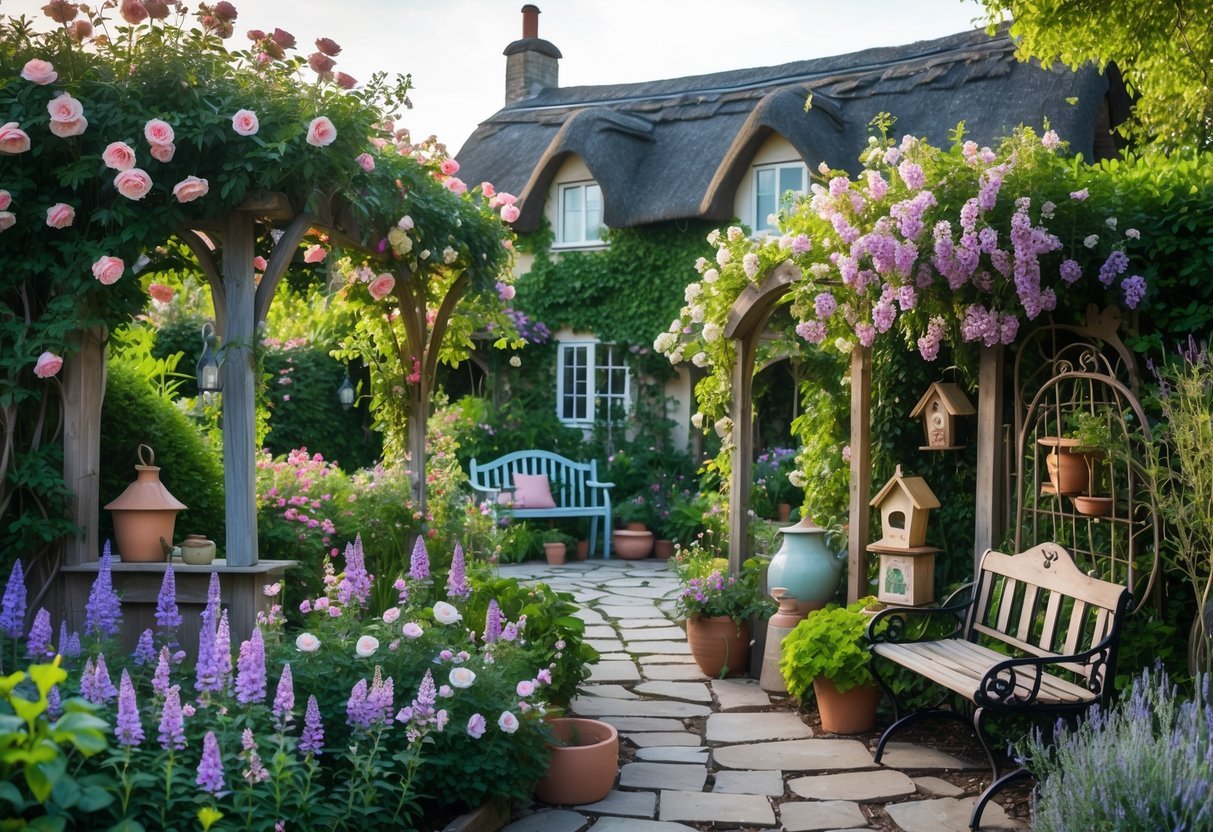
You’ll find ways to blend flowers, vines, herbs, and paths so your garden stays interesting through the seasons. The ideas focus on easy choices—plants and features that work together to create a warm, slightly wild look you can enjoy every day.
1) Incorporate self-seeding foxgloves for effortless natural blooms
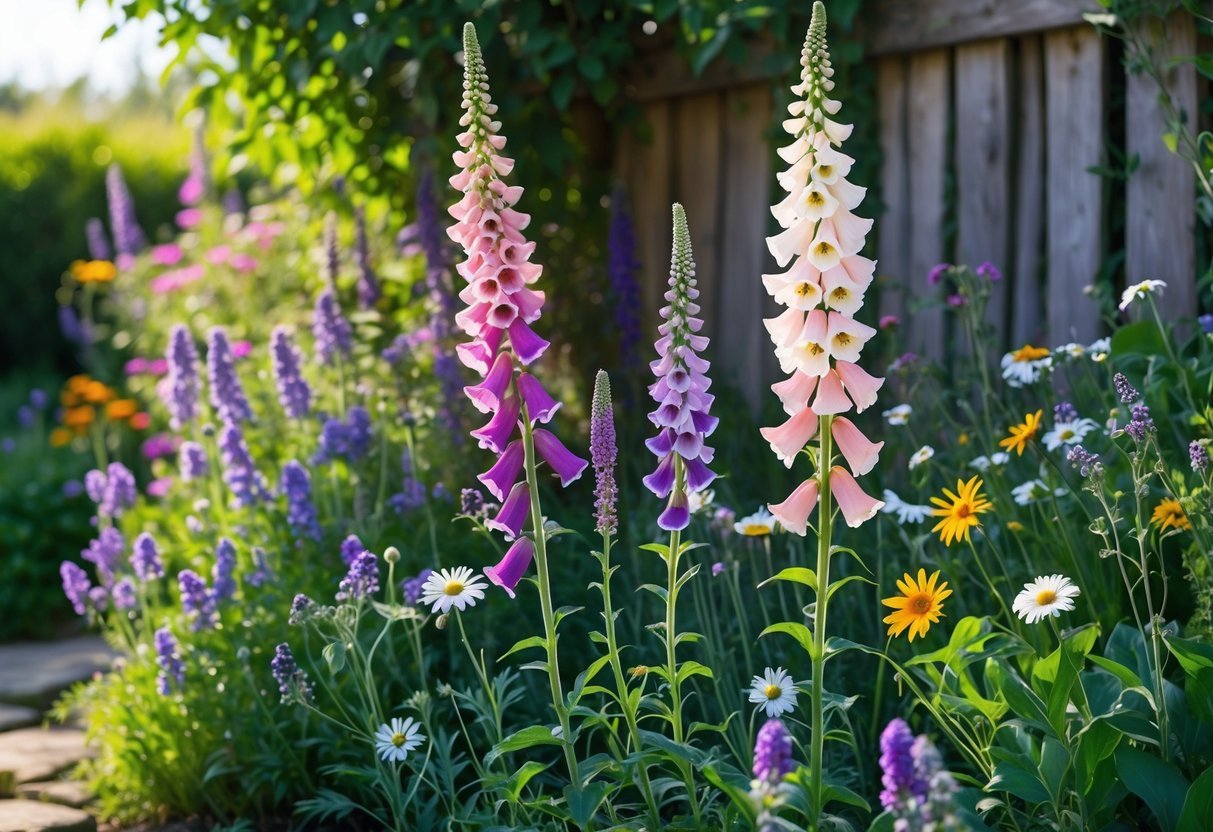
Plant foxgloves where you want tall, cottage-style spikes next spring.
They often self-seed, so you’ll get new plants around the parent without extra work.
Start seeds in bare patches or thin seedlings to give each plant space.
Choose a partly shaded spot with well-draining soil for best results.
Deadhead some flower spikes if you want to limit self-seeding.
Let a few go to seed to keep a steady supply of blooms year after year.
2) Plant romantic climbing clematis vines on trellises
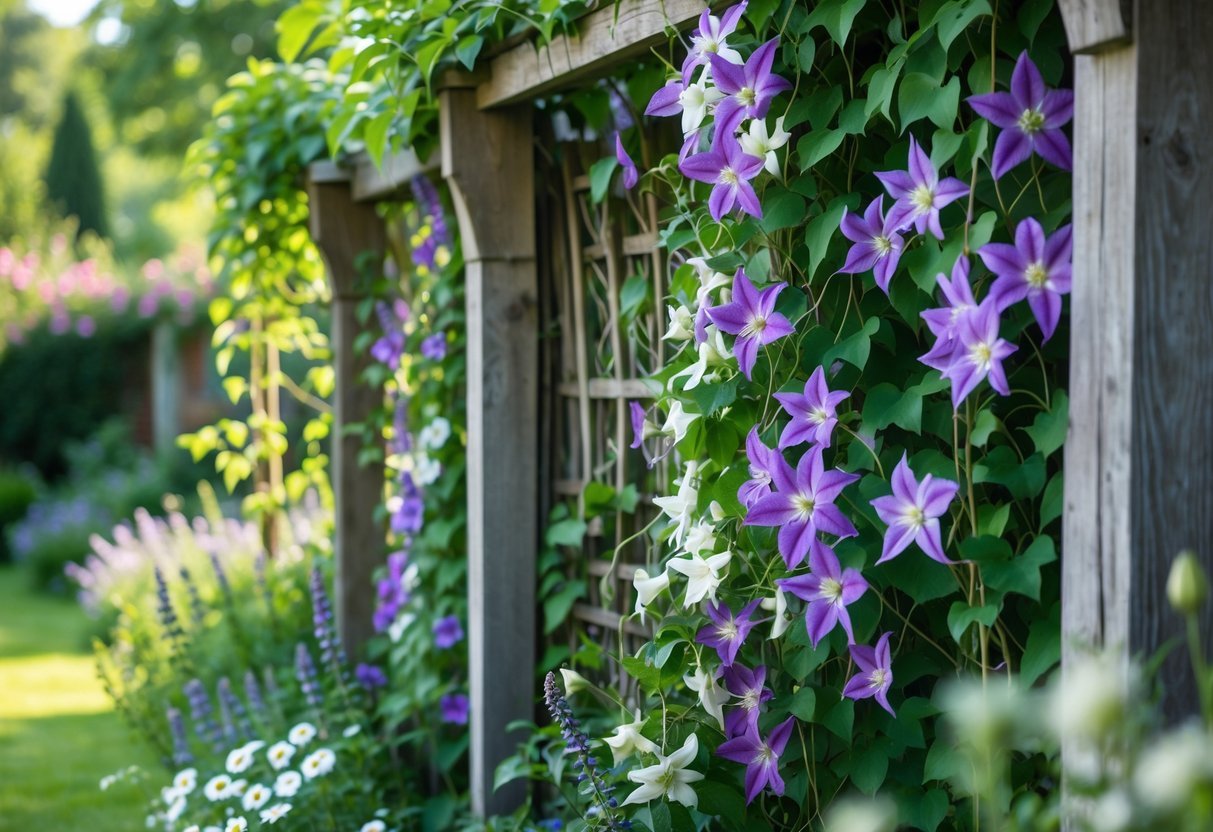
Choose clematis for bold, long-lasting blooms that climb well on trellises. You can use wood, metal, or netting depending on your style and budget.
Plant clematis where roots stay cool and tops get sun, then train stems gently onto the trellis. Prune by the vine’s group type to keep it healthy and flowering.
Mix colors and heights for layered, cottage-garden charm. Regular watering and a little mulch help roots thrive.
3) Design winding pathways to enhance garden flow
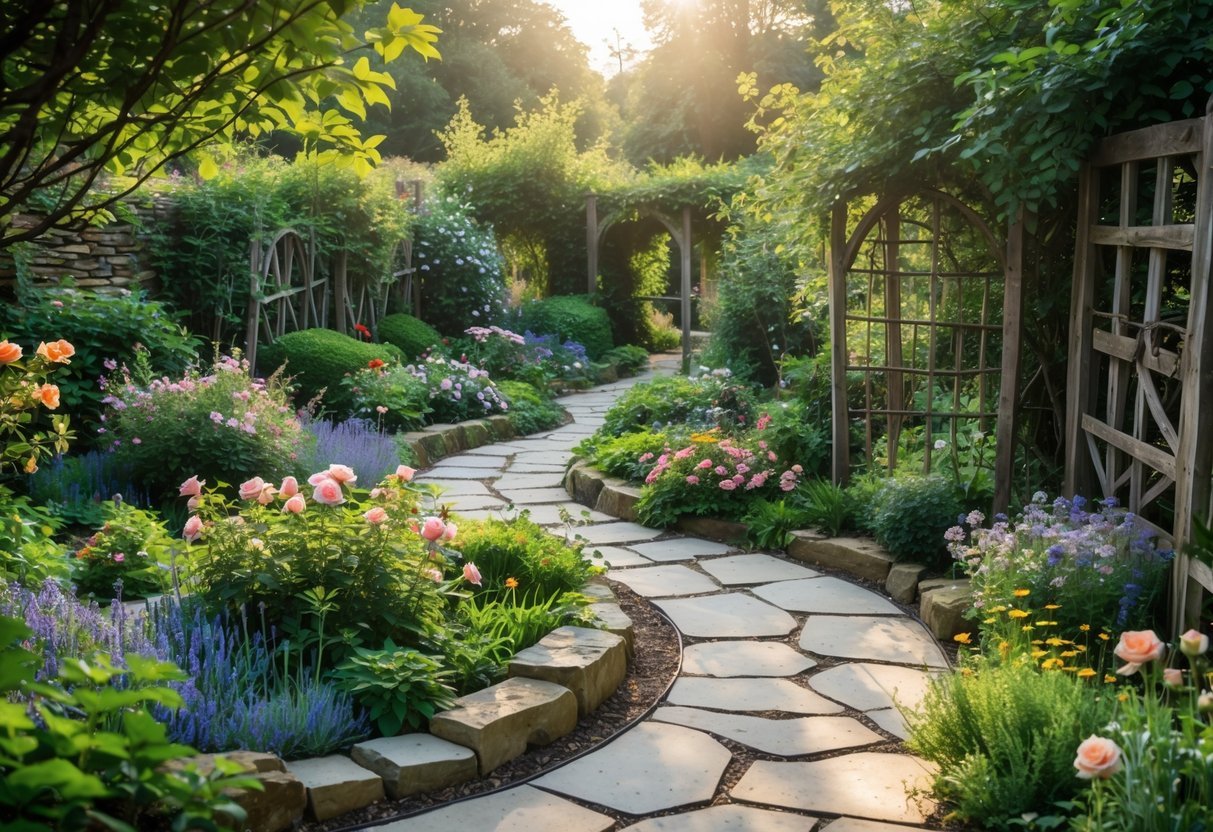
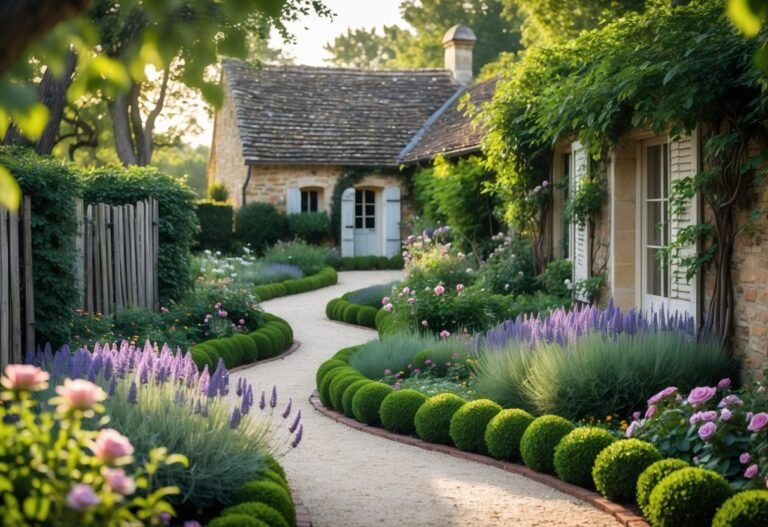
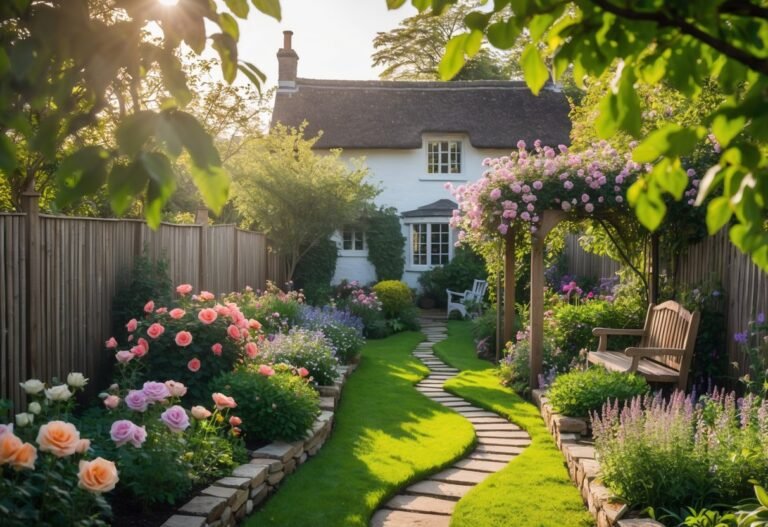
Winding paths guide you through the garden and invite exploration. Use natural materials like gravel, flagstone, or packed earth for a relaxed, cottage feel.
Keep curves gentle so paths feel natural and safe to walk. Let plants soften the edges; low flowers or moss between stones adds charm without blocking the way.
Vary path width to create cozy nooks and wider viewing spots. Place a bench or focal plant where the path pauses to encourage you to linger.
4) Combine perennial and annual flowers for continuous color
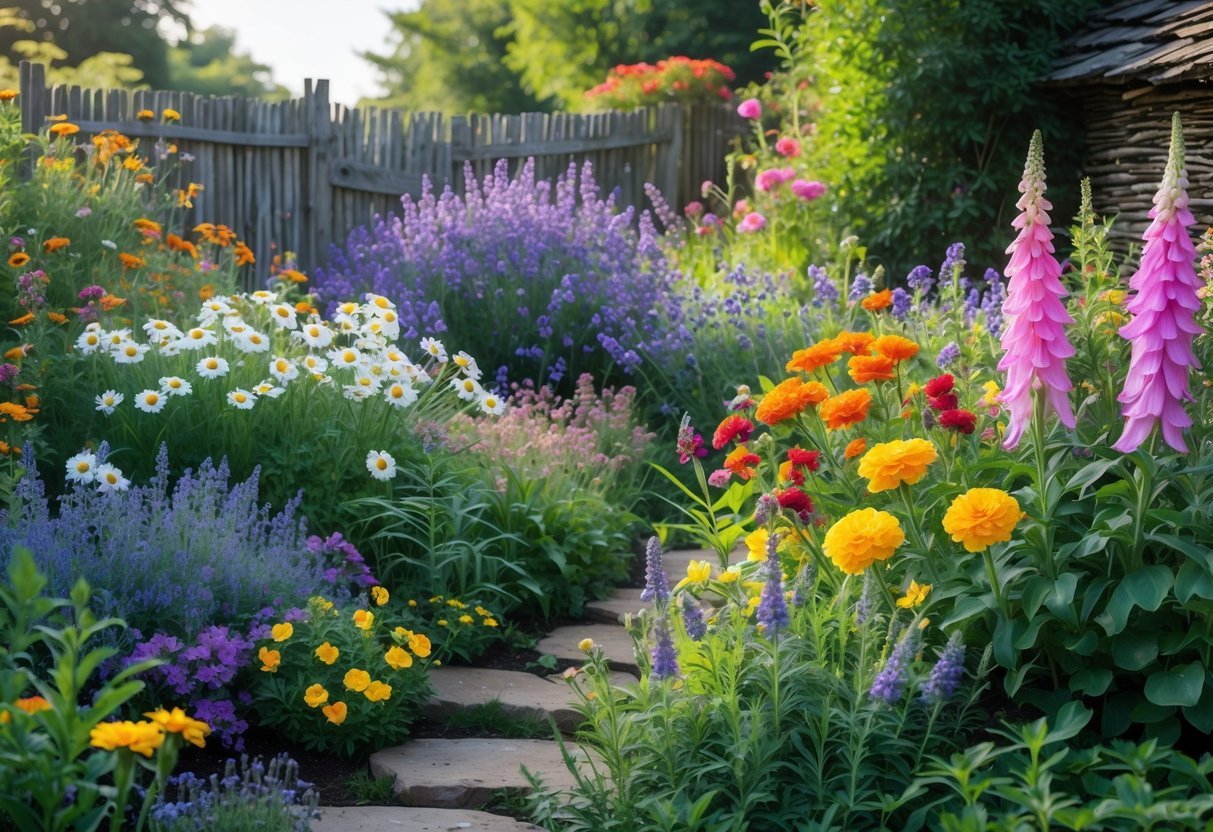
Mix perennials for structure and annuals for nonstop blooms. You get a reliable backbone from perennials and quick, bright fills from annuals.
Tuck annuals into gaps where perennials finish blooming. This keeps beds colorful without major reshuffling.
Choose annuals that match your cottage palette and repeat their colors for unity. Change a few each year to keep the garden fresh.
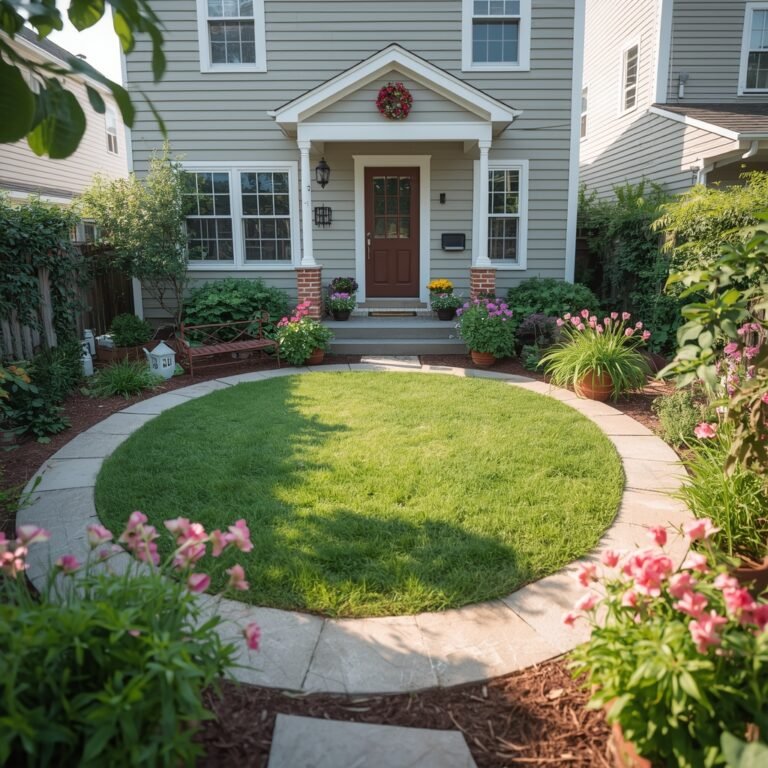
5) Use mixed plant beds close to the house for a classic look
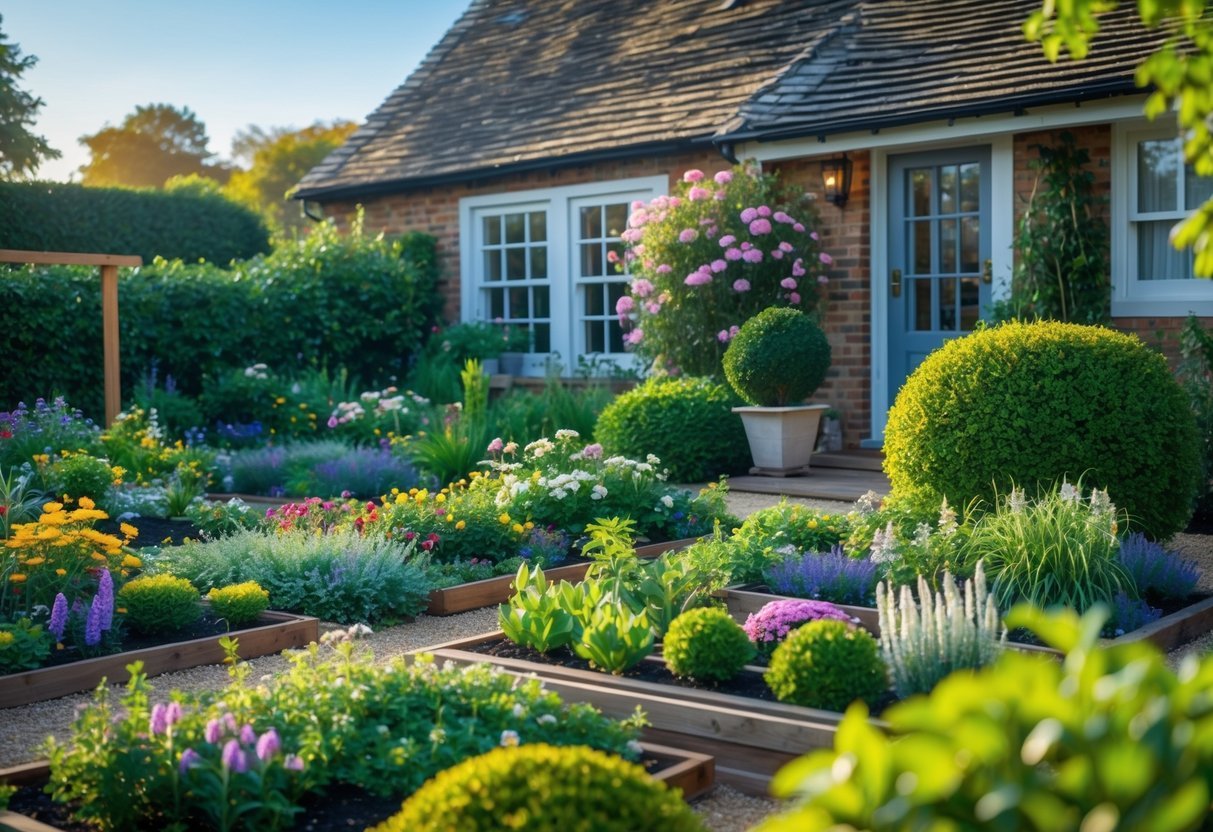
Place mixed beds along the foundation to soften hard lines and add color near windows. Use shrubs at the back, mid-height perennials in the middle, and low flowers or groundcover at the front.
Choose plants with varied bloom times and textures so the bed looks good across seasons. Keep spacing and soil needs in mind to avoid overcrowding.
6) Integrate ferns for lush, woodland texture
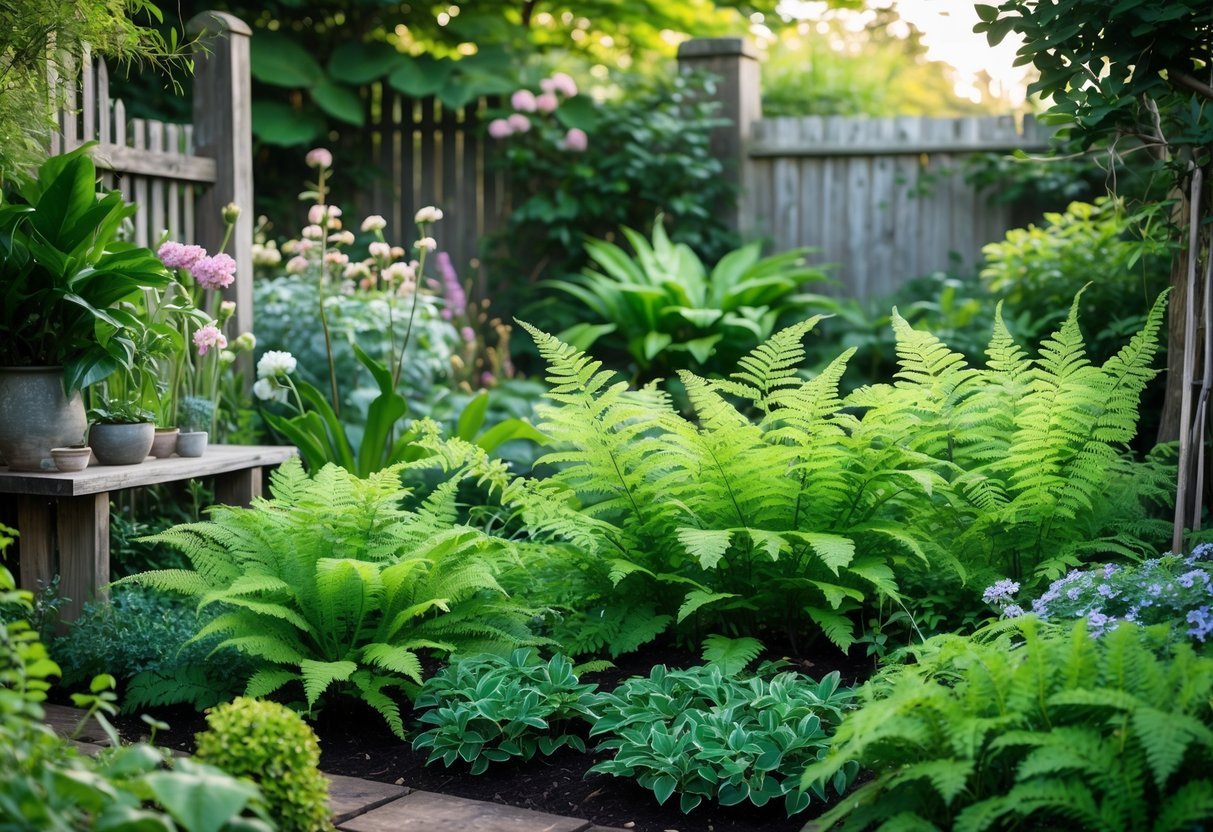
Add ferns to shady corners to bring soft, feathery texture that contrasts with cottage blooms. They handle low light and fill gaps without needing much care.
Mix native and hardy varieties near paths and under trees to create a natural woodland feel. Pair them with hostas, foxgloves, or bleeding hearts for layered height and color.
Keep soil moist and well-drained, and mulch to retain dampness. Divide clumps every few years to keep plants healthy and prevent overcrowding.
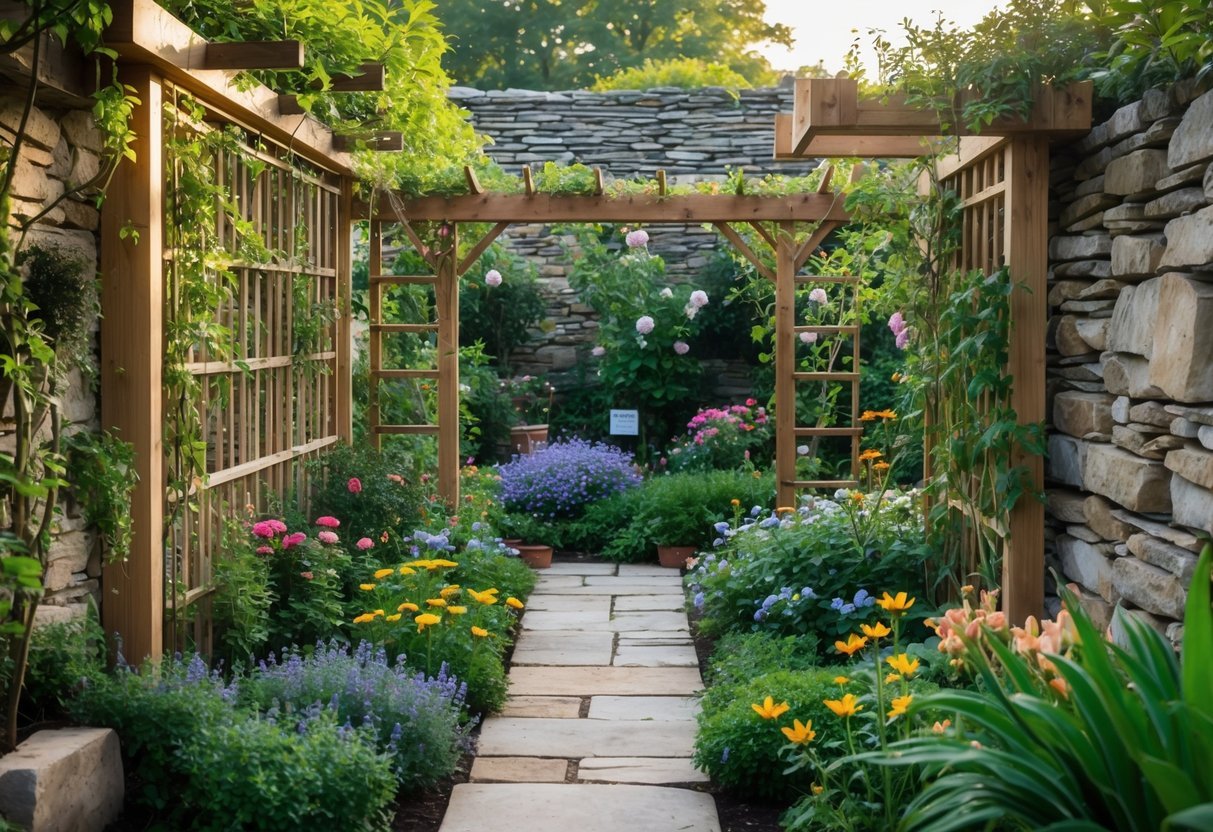
7) Add structural elements like wooden trellises and stone walls
Add a wooden trellis to give climbing roses or clematis a strong, neat support. It creates height and frames paths without looking formal.
Use low stone walls to define beds and hold soil on slopes. They add texture and a timeless cottage feel that pairs well with soft planting.
Place structures where they guide movement and sightlines. Keep materials natural so your plants remain the focal point.
8) Choose roses to bring traditional cottage garden charm
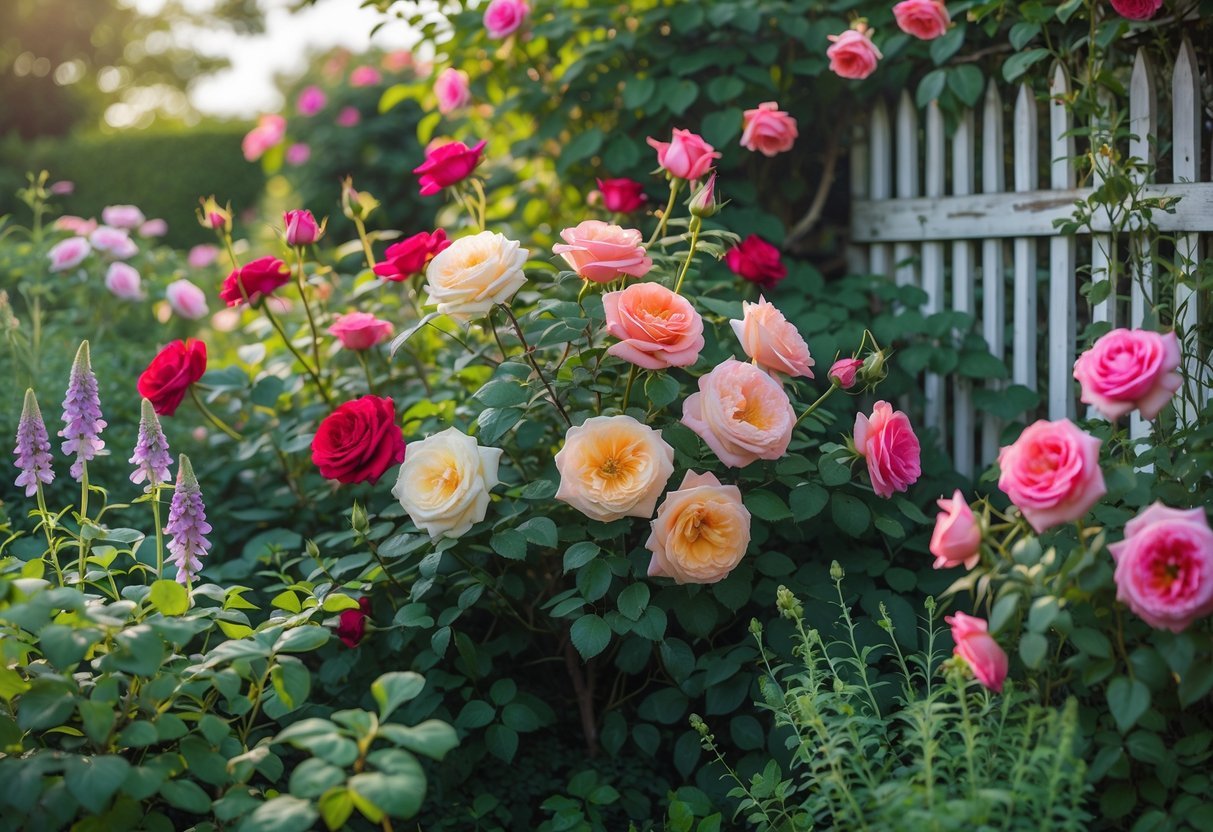
Pick old-fashioned or English-style roses for a soft, romantic look. These varieties often repeat bloom and give strong fragrance that fits a cottage garden.
Plant climbing roses on fences or arbors to add height and a timeless feel. Mix shrub roses with perennials so blooms spill and soften paths.
Keep soil fertile and prune lightly each year to encourage health and repeat flowering. Choose disease-resistant types to reduce maintenance.
9) Mix vegetables with flowers for function and beauty
Plant vegetables and flowers together to boost both yield and looks. Flowers like marigolds, nasturtiums, and calendula attract pollinators and repel some pests, helping your crops stay healthy.
Place taller flowers behind low vegetables so sun and airflow stay balanced. Use herbs with fragrant blooms to edge beds; they add scent and hide produce until harvest.
Combine colors and textures for visual interest. You get food and a garden that feels lively and inviting.
10) Embrace informal crowding for a wild, whimsical feel
Let plants grow close together to create a lush, lived-in look. You can mix flowers, herbs, and small vegetables so beds feel full and layered.
Allow some self-seeding and overlapping foliage to soften edges and hide bare soil. Prune lightly and remove only what blocks paths or health, not every stray stem.
Keep taller plants at the back and shorter at the front to maintain sightlines. This approach keeps the space readable while keeping the charming, slightly untamed character.
Planning Your Cottage Garden
You’ll decide where plants go, which colors repeat, and what paths or seats you add. Start by measuring light and soil, pick a simple color palette, and plan a few sturdy hardscape features that match your space and budget.
Assessing Sunlight and Soil
Stand in your garden at different times: early morning, midday, and late afternoon. Note which spots get full sun (6+ hours), part sun (3–6 hours), or shade (less than 3 hours). Mark these areas on a simple sketch of your yard.
Test soil with a hand trowel and a basic pH kit from a garden center. Check texture by feeling: sandy drains fast, clay holds water, loam is ideal. Add compost to improve any soil. For heavy clay, mix in coarse sand and organic matter. For very sandy soil, add compost and garden loam to retain moisture. Choose plants that match each zone—roses and lavender for sunny beds, hostas and foxgloves for shadier spots.
Choosing a Color Scheme
Pick 2–4 main colors to repeat across the garden for a unified look. You can choose:
- Cool palette: blues, purples, soft whites.
- Warm palette: pinks, apricots, buttery yellows.
- Mixed palette: one bold color plus two neutrals.
Use a simple rule: place darker colors toward the back and lighter colors toward the front to create depth. Repeat a focal color every 10–15 feet to draw the eye through the space. Include at least one plant with striking foliage (silver, variegated, or deep green) to add contrast when flowers aren’t in bloom.
Incorporating Hardscape Elements
Decide on paths, seating, and vertical supports before planting. Choose materials that fit your cottage style: reclaimed brick, gravel, or weathered flagstone for paths; a simple wooden bench or wrought-iron seat for a resting spot.
Plan paths at least 2.5–3 feet wide for comfort. Use edging (brick, metal, or low stone) to keep plants from spilling onto walkways. Add vertical elements—trellises, obelisks, or archways—near house walls or along paths for climbers like roses, clematis, or sweet peas. Place a small raised bed or a gravel circle for a focal planting area and to make maintenance easier.
Maintaining a Cottage Garden
Keep your plants healthy by cutting back spent blooms, trimming overgrowth, and matching care to the season. Focus on timely pruning, regular deadheading, mulching, and adjusting water and protection as weather changes.
Pruning and Deadheading Tips
Prune roses and shrubs in late winter or early spring before new growth appears. Remove dead, crossing, or weak stems back to healthy wood to improve air flow and shape. For rambling roses and clematis, cut after flowering to avoid losing blooms next season.
Deadhead annuals and perennials weekly during bloom season to stretch flowering. Snip stems just above the next leaf pair or a healthy bud. Leave some seed heads on plants like foxglove or poppy if you want self-seeding volunteers.
Use clean, sharp tools to make clean cuts and reduce disease risk. Sterilize blades with rubbing alcohol when moving between plants. Wear gloves for roses and thorns, and dispose of diseased material in the trash, not the compost.
Seasonal Care Guidance
Spring: apply a 2–3 inch layer of organic mulch around plants after soil warms. Feed roses and long-lived perennials with a balanced slow-release fertilizer in early spring. Plant cold-tolerant annuals and divide crowded perennials once growth resumes.
Summer: water deeply once or twice a week under hot, dry conditions. Check soil moisture at root depth rather than surface dry. Continue deadheading and trim tall plants that flop; use stakes or canes for support.
Autumn: cut back tender annuals after frost and leave hardy perennials partly intact to provide winter structure and habitat. Add a light mulch after the ground freezes to protect roots. Prune trees and shrubs only if needed; major cuts are best left to late winter.
Frequently Asked Questions
These answers focus on plant choices, layout tips, and simple features you can add. Expect specific ideas like foxgloves, clematis, mixed beds, winding paths, and combining perennials with annuals.
What are some essential features of a classic English cottage garden?
A classic cottage garden uses mixed plant beds placed close to the house and layered heights. Include self-seeding foxgloves and romantic climbing clematis on trellises for vertical interest.
Pathways should be winding, not rigid, to guide movement and create hidden views. Add informal borders of perennials and annuals to keep color through the seasons.
How can I create a cottage garden in a small space?
Use narrow mixed beds against walls or fences to save room and create that close-to-house look. Plant clematis on a trellis and let vertical growth free up ground space.
Choose compact varieties of perennials and mix in annuals for continuous blooms. Use a single winding path or stepping stones to give the feeling of a larger garden.
Which plants are most suitable for a low-maintenance cottage garden?
Pick hardy perennials like lavender, sedum, and hardy geraniums that return each year. Let self-seeding foxgloves fill gaps naturally and reduce replanting.
Include a few long-blooming annuals for color without major care. Use mulch and grouped plantings to cut down on weeding and watering.
What are budget-friendly ways to design a cottage garden?
Start plants from seed or cuttings instead of buying mature specimens. Let self-seeders like foxgloves expand the garden for free over time.
Reuse materials for paths and trellises—broken bricks, reclaimed pavers, or scrap wood work well. Plant a mix of perennials and annuals to spread costs across seasons.
Can you suggest some DIY projects for adding charm to a cottage garden?
Build a simple trellis from scrap wood and grow clematis or climbing roses on it. Make stepping-stone paths from reused bricks or poured concrete slabs.
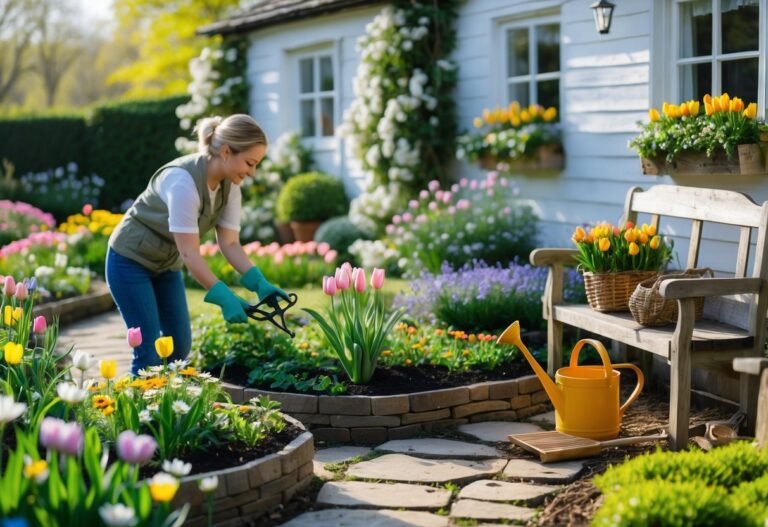
Create small raised beds from old timber and fill them with mixed perennials and annuals. Paint a rustic gate or fence to add an inviting entrance.
How do I incorporate a backyard into my cottage garden layout?
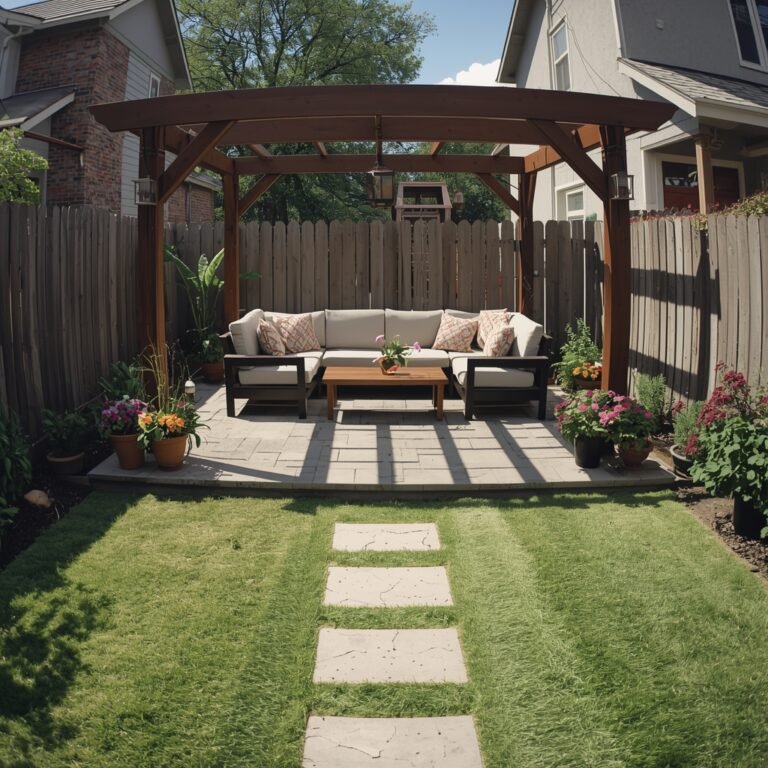
Place mixed flower beds along the edges of the backyard to frame the space and keep a lawn or seating area in the center. Use winding pathways to connect garden corners and create discovery points.
Add vertical elements like trellises or small arches to break up open areas and support climbers. Plant layered beds—tall plants at the back, midsize in the middle, low at the front—to give depth without crowding.