Botanical Garden Design Ideas: Practical Layouts, Planting Schemes, and Visitor Flow Strategies
You can turn any outdoor space into a botanical garden that feels both beautiful and purposeful. Use layout choices, plant groupings, and simple structures to create clear paths, striking focal points, and zones that highlight different plant families or themes.
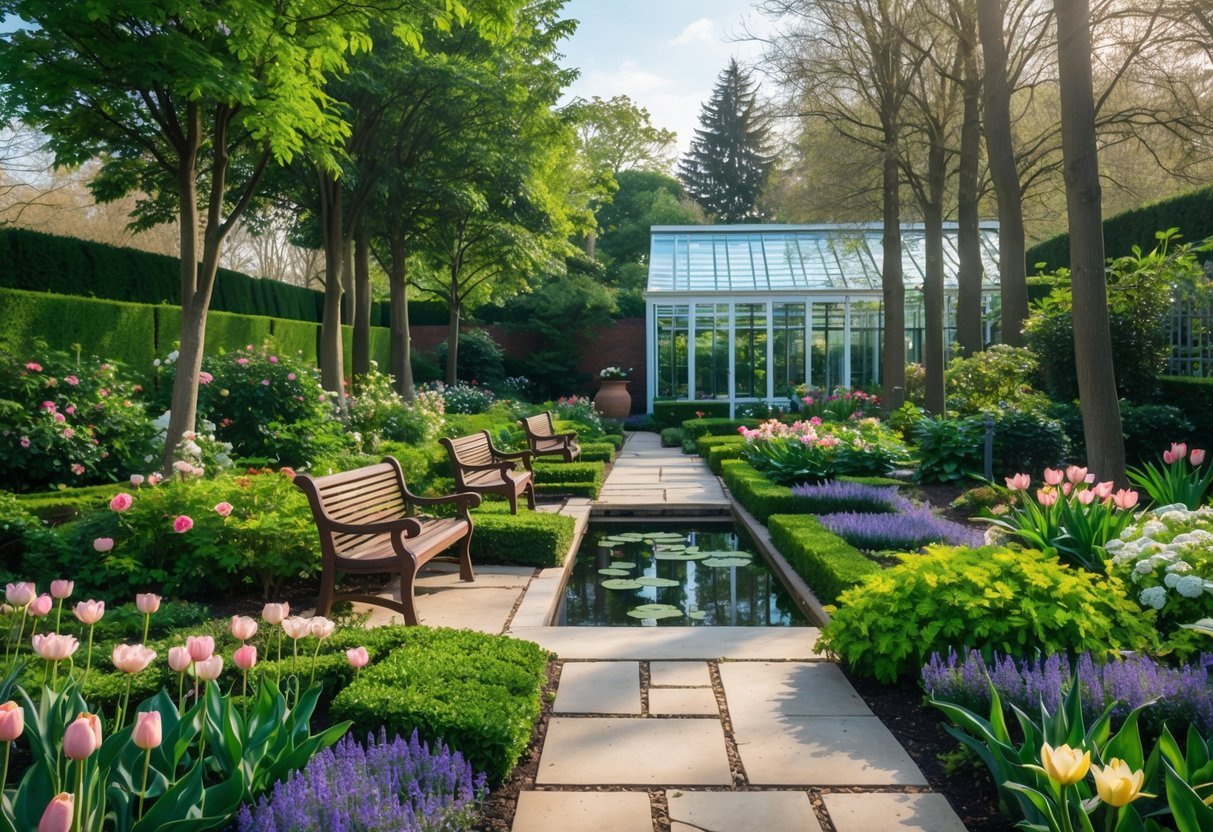
Choose durable, low-maintenance plants, mix textures and heights, and place seating and signs where people naturally pause to boost enjoyment and learning. Small choices like water-wise watering, native species, and layered planting help your garden stay healthy and interesting all year.
Key Takeaways
- Start with a clear layout that guides movement and highlights plant groups.
- Focus on plant choices, textures, and visitor comfort to create lasting appeal.
- Use sustainable, low-maintenance practices to keep the garden thriving.
Core Principles of Botanical Garden Design
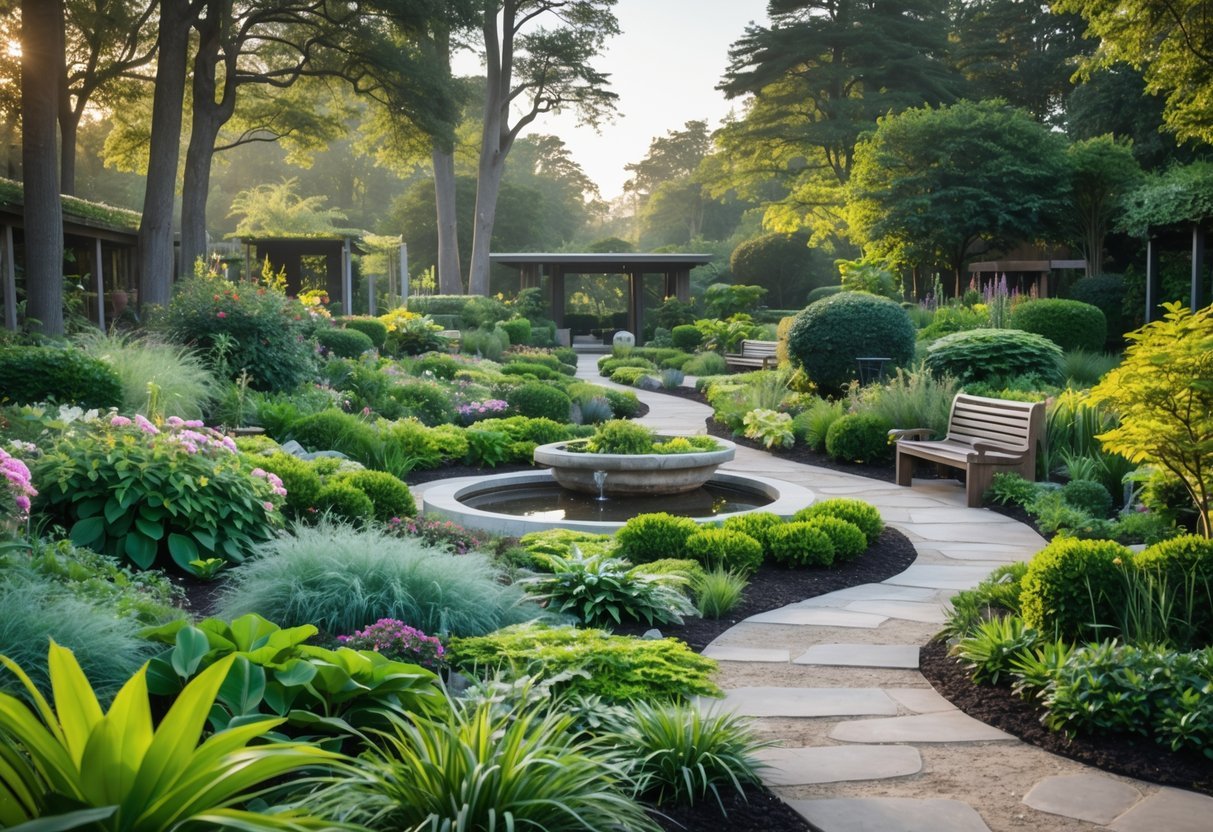
You will plan around the site’s climate and soils, choose plant groups that suit your mission, and arrange spaces into clear thematic zones that guide visitors and support plant care.
Site Analysis and Planning
Start by mapping sun exposure, soil types, slopes, and drainage. Note microclimates—cold pockets, hot paved areas, and wind corridors—and mark existing trees and utilities. Use a simple table to record conditions for each garden quadrant.
- Sun: full sun, part shade, full shade
- Soil: sandy, loam, clay, pH
- Water: wet, well-drained, irrigation access
Plan paths and service routes to connect displays with maintenance access. Place heavy-traffic features—entrances, visitor center, restrooms—near paved surfaces and parking. Put sensitive collections in protected microclimates. Design for future change: allow space for plant growth, collection rotation, and new interpretive displays.
Selecting Plant Collections
Define your collection goals first—conservation, education, regional natives, or themed displays. Pick species that match recorded site conditions and your maintenance capacity. Group plants by cultural needs like watering and pruning to save time and reduce stress on specimens.
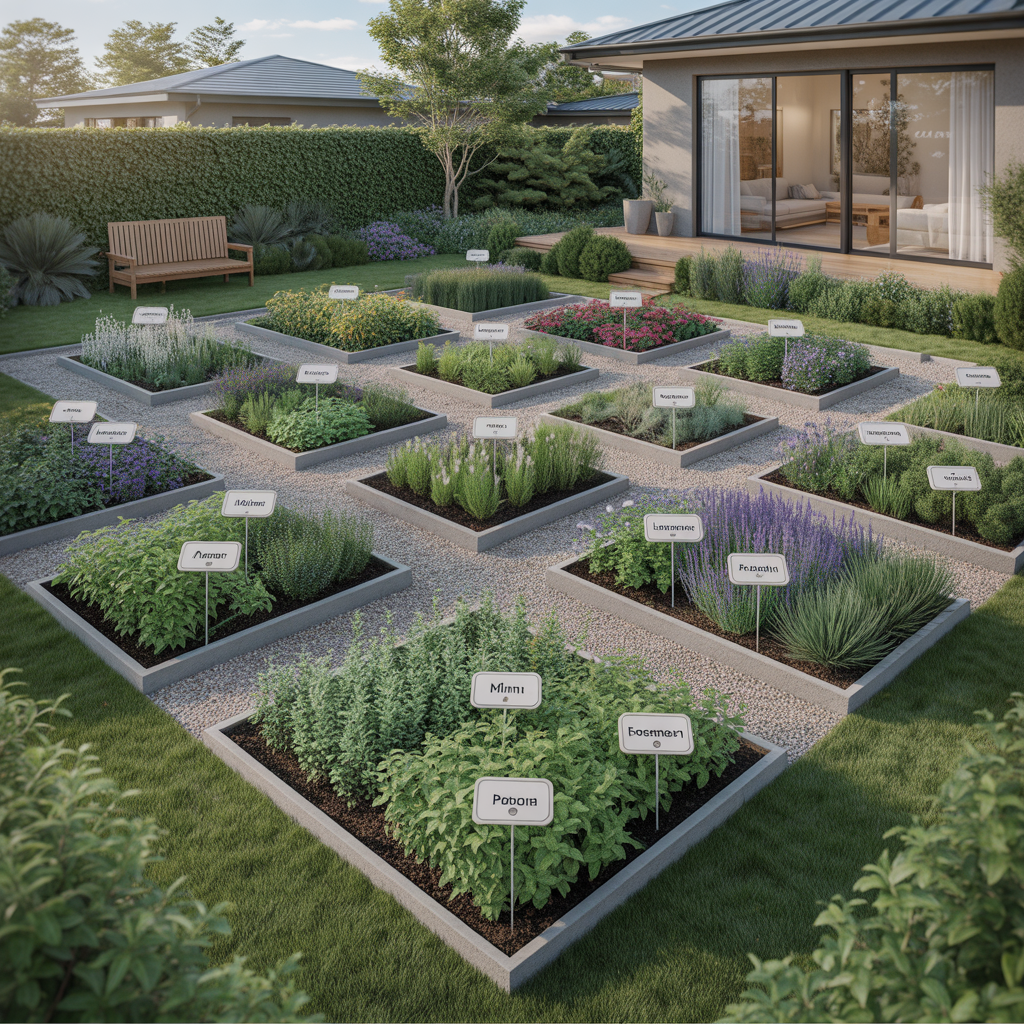
Create accession records that list provenance, planting date, and health checks. Prioritize diversity: mix trees, shrubs, perennials, and grasses for layered structure. Include labeled specimens for interpretation, choosing durable labels and clear plant tags. Budget for seasonal interest so the garden looks active year-round.
Creating Thematic Zones
Organize the garden into clear zones that tell a story and simplify care. Examples: native plant meadow, medicinal plant walk, alpine rockery, tropical glasshouse. Place related zones near shared resources—alpine near well-drained beds, tropical near heated glasshouses.
Use focal points and sight lines to draw visitors through themes. Add consistent materials—path paving, benches, signage—to unify each zone. Provide transitions between zones with buffer plantings or changes in path texture. Design zones to support programming: wide paths for school groups, seating for tours, and service access for collections management.
Innovative Layouts and Features
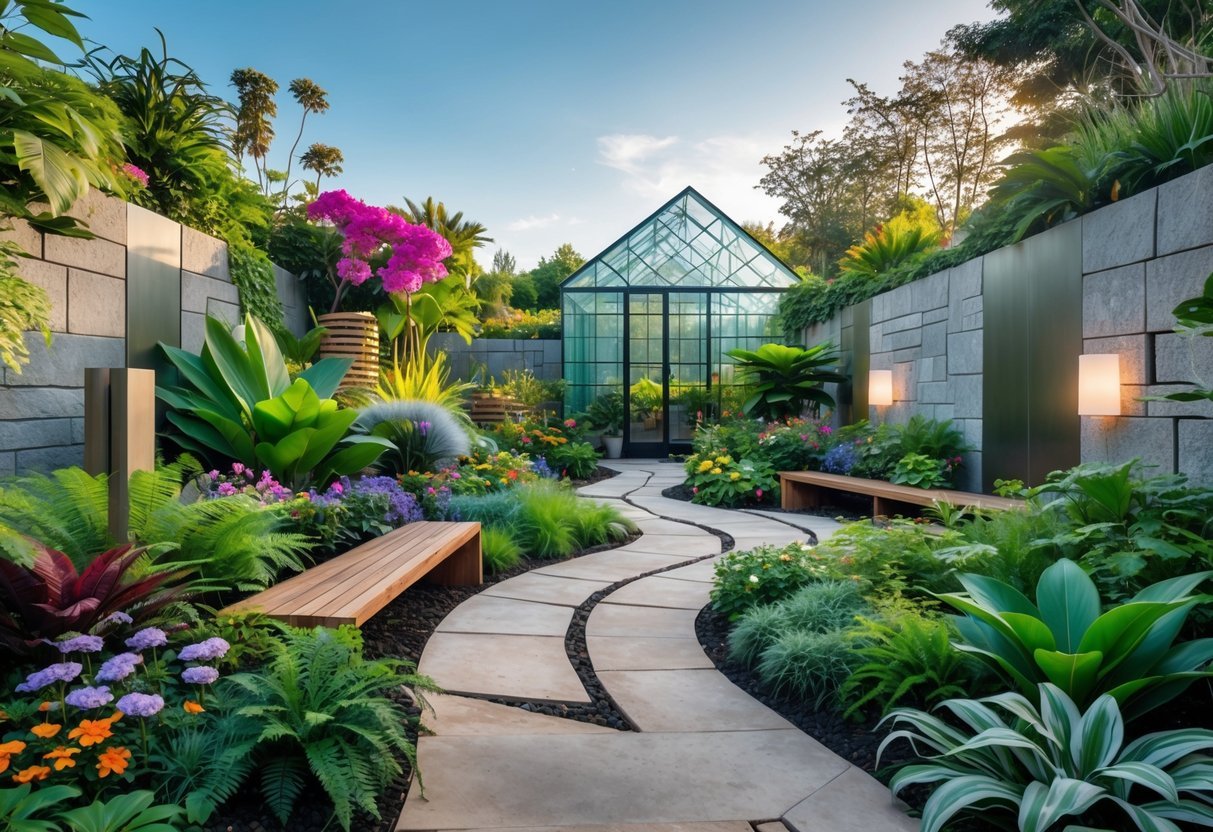
You can shape movement, sightlines, and microclimates to make the garden feel larger and more inviting. Use paths, water, and vertical planting to guide visitors, support plants, and add seasonal interest.
Incorporating Pathways and Walkways
Design paths to direct traffic and reveal focal points. Use a mix of main axial routes and smaller meandering trails. Main routes should be wide enough for two people to walk side-by-side (4–6 feet). Secondary paths can be 2.5–3 feet to encourage slower exploration.
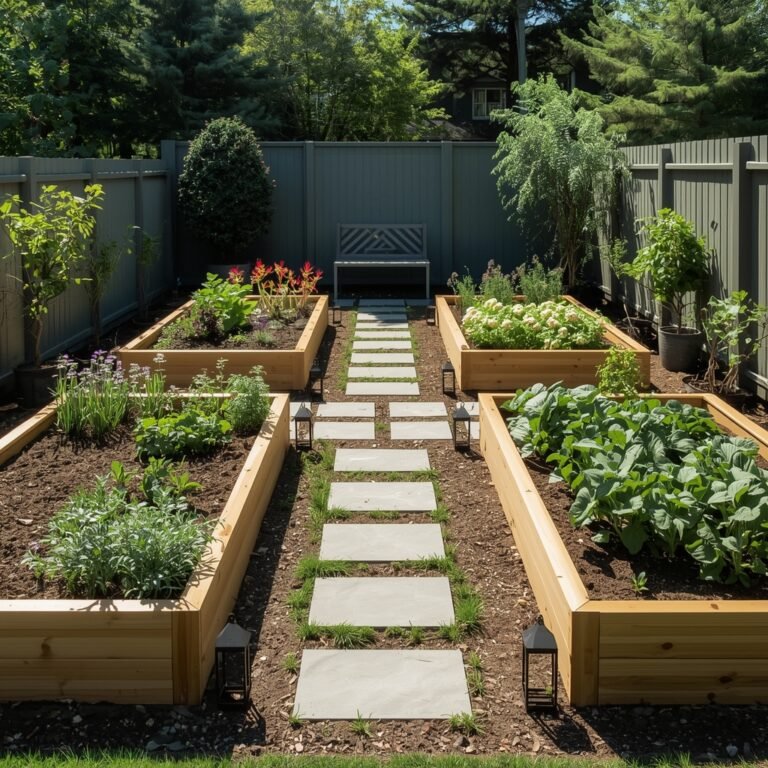
Choose durable materials that fit the setting: compacted gravel for a natural look, permeable pavers to manage runoff, and boardwalks for wet areas. Add gentle curves to create surprise views and rest spots. Place benches or small clearings every 50–75 feet so visitors can pause and enjoy displays.
Think about accessibility. Provide at least one continuous, firm, slip-resistant route to key features. Use slight grade changes with ramps or shallow steps and handrails where needed. Mark transitions with different textures or edging to help visitors with vision or mobility needs.
Water Elements and Ponds
Use water to add sound, cooling, and habitat. A small reflecting pool, a flowing stream, or a bubbling fountain can fit into compact or large gardens. Position ponds to catch key sightlines and to reflect nearby plantings for stronger visual impact.
Design for ecology and maintenance. Include shallow shelves for marginal plants, a deep zone for fish in larger ponds, and a skimmer or biological filter to keep water clear. Avoid stagnant pockets by using circulation pumps or natural flow paths. Use native aquatic plants to support pollinators and amphibians.
Safety and seasonality matter. Provide gradual edges or low barriers near deeper water. Plan for winter: removable pumps or winter bypasses prevent ice damage. Add lighting around water for evening visits, using low-glare fixtures to protect wildlife.
Vertical Gardens
Vertical gardens expand planting area and create striking vertical accents. Use modular panels, trellises, or living walls to grow herbs, ferns, succulents, and vines. Place them against walls, along fences, or as freestanding screens to define rooms and block wind.
Select systems based on scale and irrigation. Living-wall modules with integrated drip irrigation work well for dense plantings. For lighter plantings, use trellises with drip lines. Choose substrates and plants that match sun exposure and watering capacity to reduce failures.
Plan for maintenance access. Design panels so you can replace plants and service irrigation without dismantling the structure. Stagger plant species by growth rate and water needs to keep the wall balanced and attractive year-round.
Design Elements for Visitor Experience
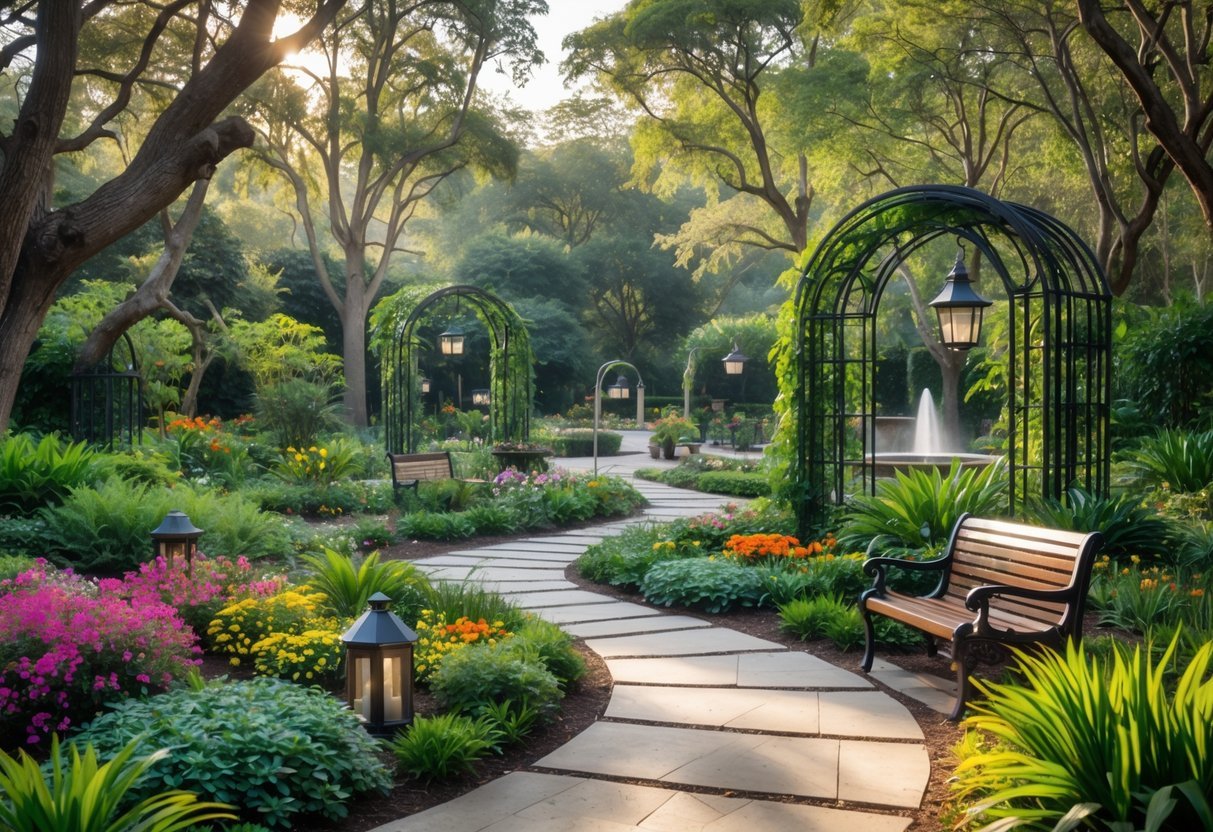
Focus on comfort, engagement, and changing displays that keep visitors returning. Place seating near focal plants, include hands-on stations, and plan rotating seasonal themes that match local climate.
Seating and Rest Areas
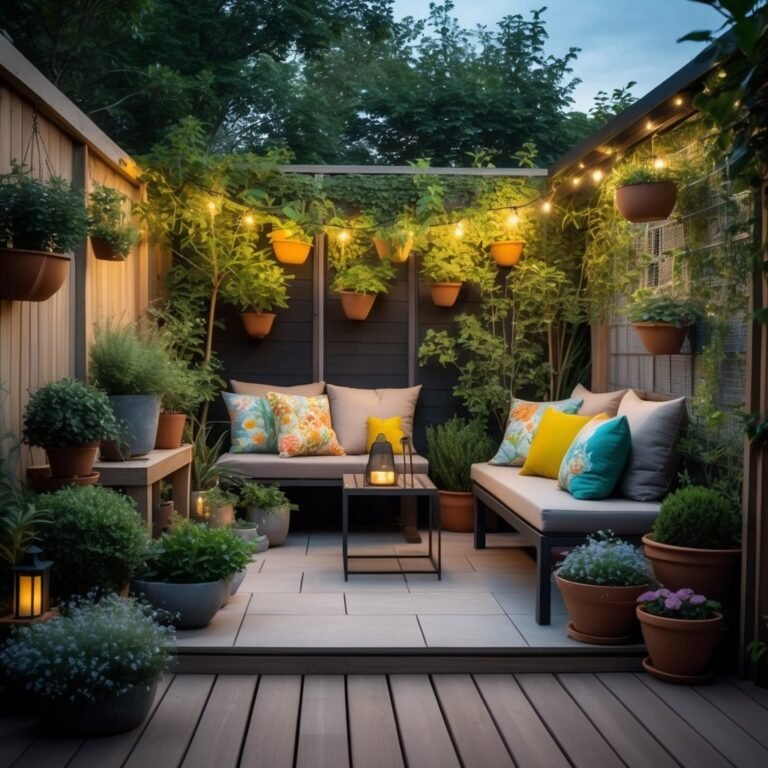
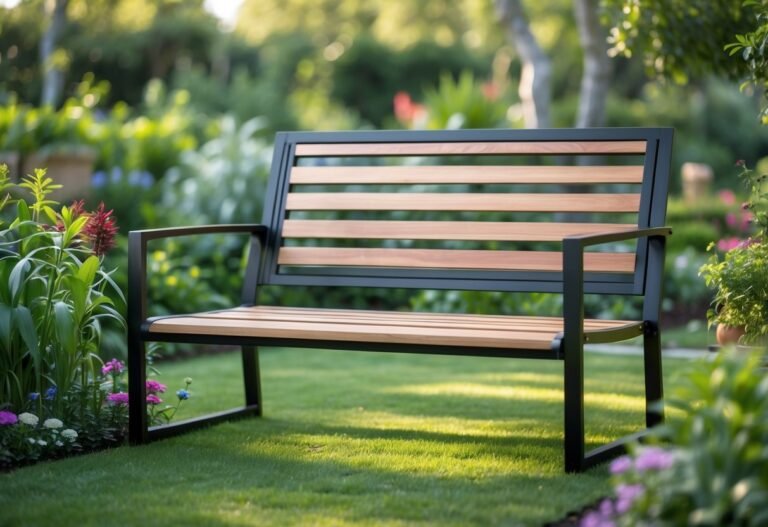
You should place benches and chairs at regular intervals along main paths, about every 75–100 meters in large gardens. Choose mixed seating: single benches for solitude, grouped seating for families, and a few sheltered spots near the entrance and popular collections.
Think about materials and maintenance. Use durable, non-slip surfaces and weather-resistant finishes. Provide at least one accessible bench with armrests and back support every 200 meters, and include wheelchair-clear spaces beside picnic tables.
Add small shelters and shade structures near children’s areas and educational displays. Position seating with sightlines to water features, specimen trees, or sculpture so people can rest while observing highlights.
Interactive Exhibits
You should design hands-on stations that match your garden’s theme, such as touch tables for bark samples, pollinator observation windows, or scent boxes for aromatic plants. Keep exhibits simple to use and clearly labeled with short instructions.
Place interactive exhibits near paths with steady foot traffic but not in quiet-reflection zones. Include durable, low-maintenance materials and vandal-resistant fastenings. Offer multi-sensory options: touch, smell, and sound to reach different ages and abilities.
Provide clear signage and QR codes that link to audio guides or short videos. Rotate exhibit content seasonally and track wear so you can repair or replace parts quickly. Ensure at least one staff-supervised activity each weekend to boost engagement.
Seasonal Displays
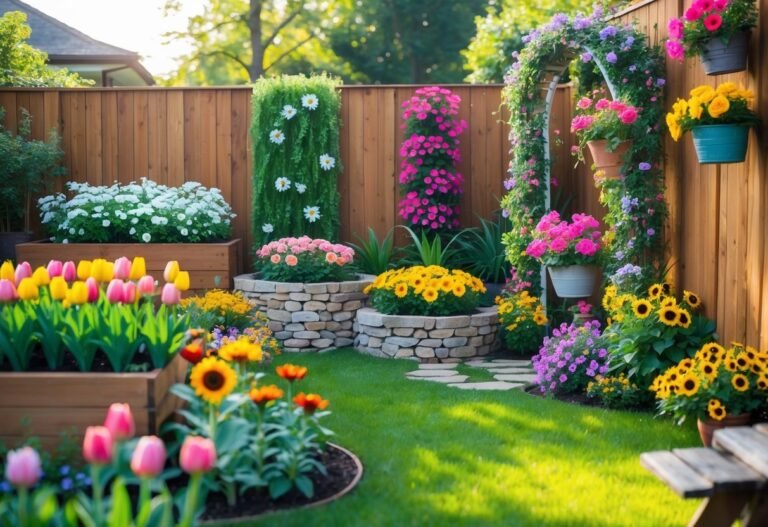
You should plan a calendar of rotating displays keyed to local bloom times, such as spring bulbs, summer perennials, autumn foliage, and winter structure plantings. Map out three to five feature areas that change every season to give returning visitors fresh highlights.
Use bold color contrasts and repeat planting patterns to create visible themes from main viewpoints. Include temporary signage that explains seasonal choices and planting dates. Coordinate bulb planting and seed timing at least a year ahead for reliable displays.
Add small infrastructure for seasonal needs: irrigation adjustments for dry months, frost protection for tender plants, and short-term lighting for winter displays. Track visitor patterns and schedule special events around peak blooms to increase attendance.
Sustainable Practices in Botanical Gardens
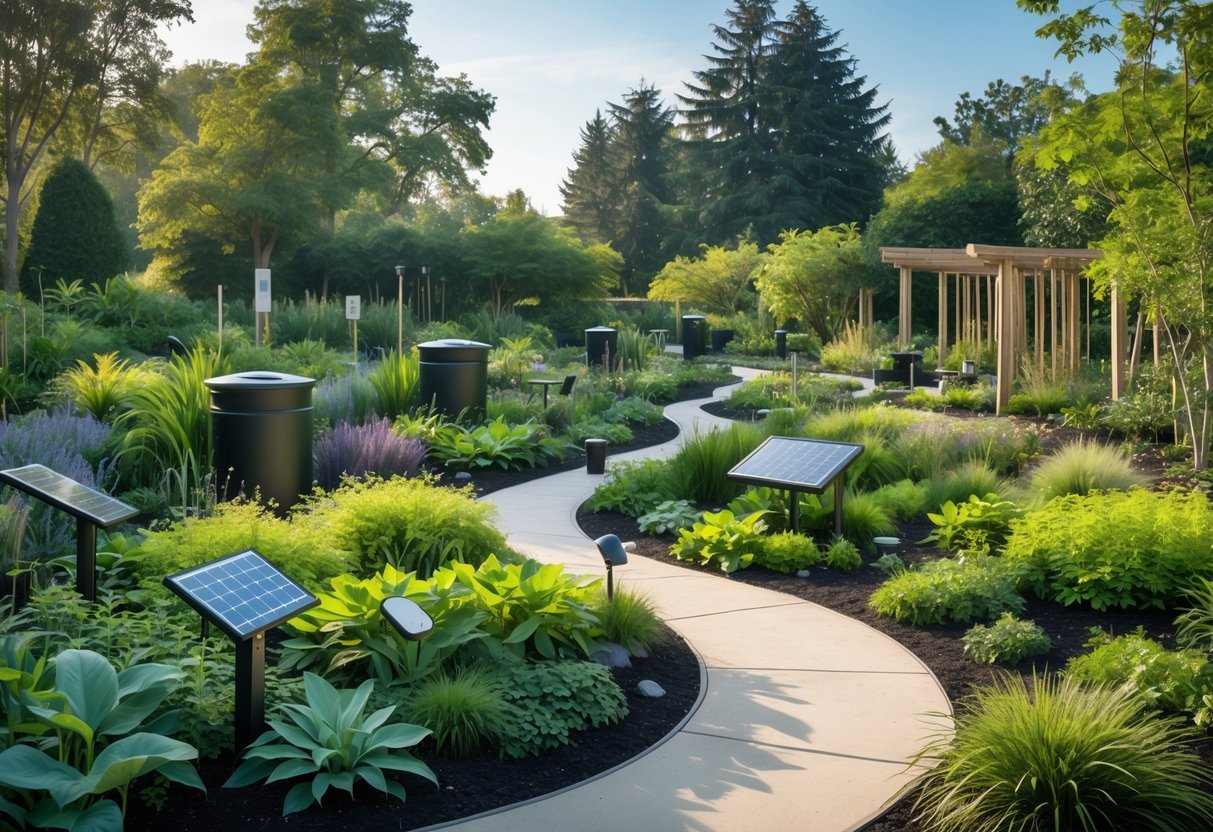
You can make a botanical garden more resilient, lower operating costs, and support local ecosystems by choosing the right plants, saving water, and using low-impact materials. The steps below show practical actions you can take and the benefits they bring.
Native Plant Integration
Use native plants that are adapted to your local climate and soil to cut maintenance and boost wildlife habitat. Choose species list from local extension services or botanic garden databases so plants match your ecoregion and pollinators. Plant groups by microclimate—sun lovers on southern slopes, moisture-tolerant species in depressions—to reduce irrigation needs.
Create layered plantings: canopy trees, understory shrubs, and native perennials. This increases habitat for birds, bees, and beneficial insects. Replace turf in small zones with native groundcovers to lower mowing and chemical use. Monitor for invasive species and remove them early to protect your plant community.
Water Conservation Systems
Install rainwater harvesting and drip irrigation to cut potable water use. Capture roof runoff in cisterns sized for your average seasonal rainfall; route overflow to swales or recharge basins. Use drip lines and pressure-compensating emitters in beds to deliver water directly to roots and reduce evaporation.
Design grading and soil amendments to improve infiltration. Add compost to increase soil organic matter and water-holding capacity. Use a mix of smart controllers and soil moisture sensors to schedule irrigation only when needed. Mulch beds with shredded bark or leaf compost to reduce surface evaporation and suppress weeds.
Eco-Friendly Materials
Pick durable, low-toxicity materials to reduce replacement and pollution. Use FSC-certified or reclaimed wood for benches, raised beds, and signage. Choose recycled-content composites or metal for structures exposed to constant moisture.
Specify permeable paving—porous pavers, gravel, or reinforced turf—in paths and service areas to reduce runoff. For greenhouses and shade structures, select glazing with high solar-transmittance where needed and UV-stable polymers where low cost and lightness matter. Favor low-VOC paints, stains, and adhesives to protect staff and wildlife. Keep a material log to track lifespan and plan recycling or reuse at end-of-life.
Frequently Asked Questions
These answers cover adding modern materials and tech, simple features for small sites, DIY sources, low-care plant choices, ways to echo botanical themes in decor, and layout priorities like paths, sightlines, and microclimates.
How can one incorporate modern elements into a botanical garden design?
Use clean-lined materials such as corten steel, poured concrete, and dark-stained wood for raised beds and edging.
Add modern lighting—LED uplights and low-profile path lights—to highlight specimen plants and extend evening use.
Integrate technology with automated irrigation, soil moisture sensors, and zone controls to save water and reduce maintenance.
Place minimalist water features or sculptural forms as focal points to contrast with lush planting.
What simple design features can be used to enhance a small-scale botanical garden?
Create layered planting (groundcover, mid-height, and tall specimens) to add depth without using more space.
Use vertical elements like trellises, living walls, or narrow obelisks to increase planting area.
Define small rooms with low hedges, gravel paths, or different paving patterns to make the garden feel larger.
Install bench seating near a key specimen to focus views and encourage lingering.
Where can one find inspiration for DIY botanical garden projects?
Look at public botanical gardens and local arboretums for plant combinations and path layouts you can adapt.
Browse garden-design books, Pinterest boards, and Instagram accounts of landscape designers for specific styles and materials.
Attend plant sales, local garden club meetings, and workshops where you can see plants and construction methods in person.
Use regional native-plant guides and university extension websites for reliable planting lists.
What plants are best suited for a low-maintenance botanical garden?
Choose regionally adapted native perennials, ornamental grasses, and drought-tolerant shrubs to reduce watering and care.
Examples include sedges or native grasses for structure, coneflowers or salvia for long bloom, and hardy shrubs like cotoneaster or manzanita depending on your zone.
Use bulbs and well-chosen groundcovers to cut weeding and mulching time.
Avoid high-maintenance exotics that need frequent pruning, deadheading, or disease control.
How can botanical themes be integrated into outdoor garden decor?
Pick a clear theme—sensory, medicinal, pollinator, or alpine—and select plants, labels, and props that support it.
Use durable signs and plant labels to explain species and care; choose fonts and materials that match the style (rustic, modern, educational).
Add theme-related decor like herb markers for a culinary garden or butterfly houses and native-plant signage for pollinator areas.
Keep decor functional and subtle so plants remain the main focus.
What are the key considerations when planning the layout of a botanical garden?
Map sun and shade patterns, soil types, and drainage first to place plants where they’ll thrive.
Plan main circulation paths wide enough for maintenance and visitors; make secondary paths narrower and more intimate.
Design sightlines to highlight signature plants and create framed views with planting or structures.
Group plants by water needs and maintenance level to simplify irrigation and care.