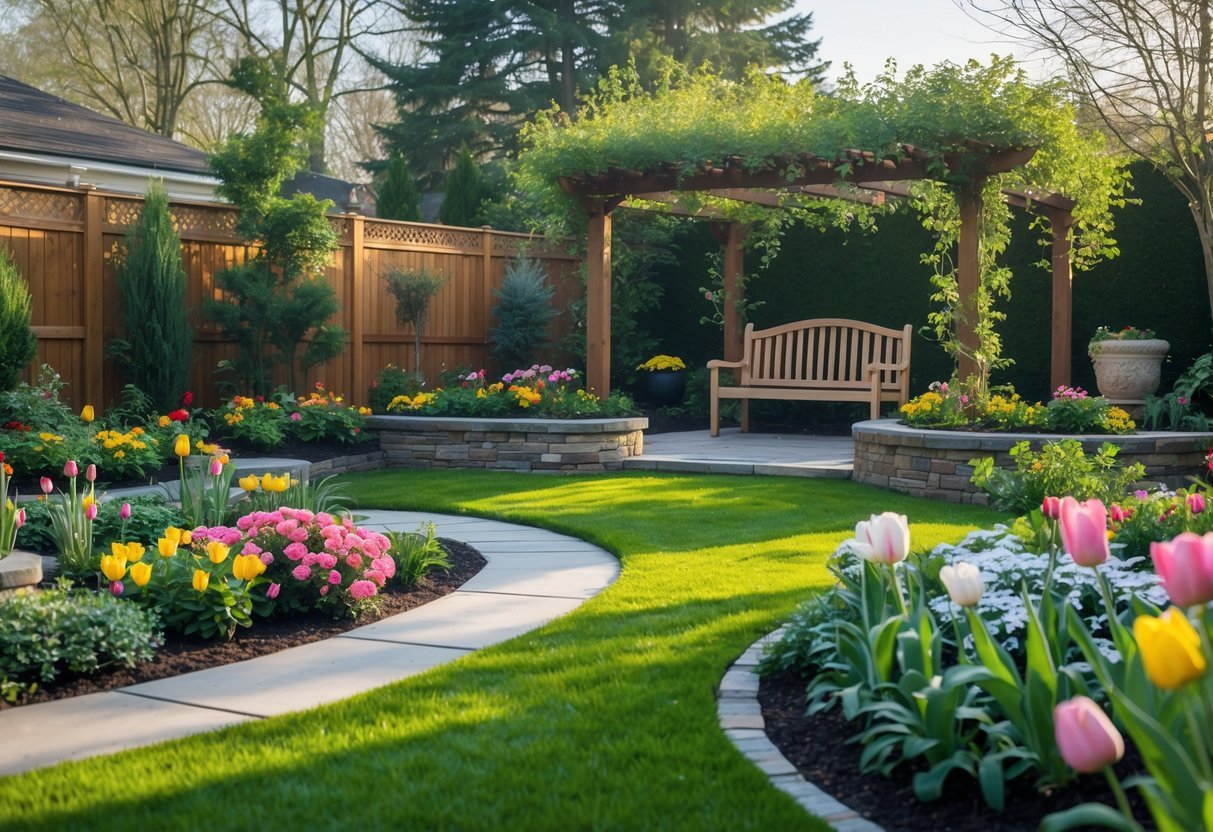
Backyard Garden Design: Practical Layouts and Planting Strategies for Small Spaces
You can turn any backyard into a useful, beautiful garden that fits your time, money, and style. Start by picturing how you want to use the space—relaxing, growing food, entertaining, or a mix—and match plants and paths to that purpose. A simple plan that balances sun, soil, and easy-to-care plants gives you the biggest win with the least effort.
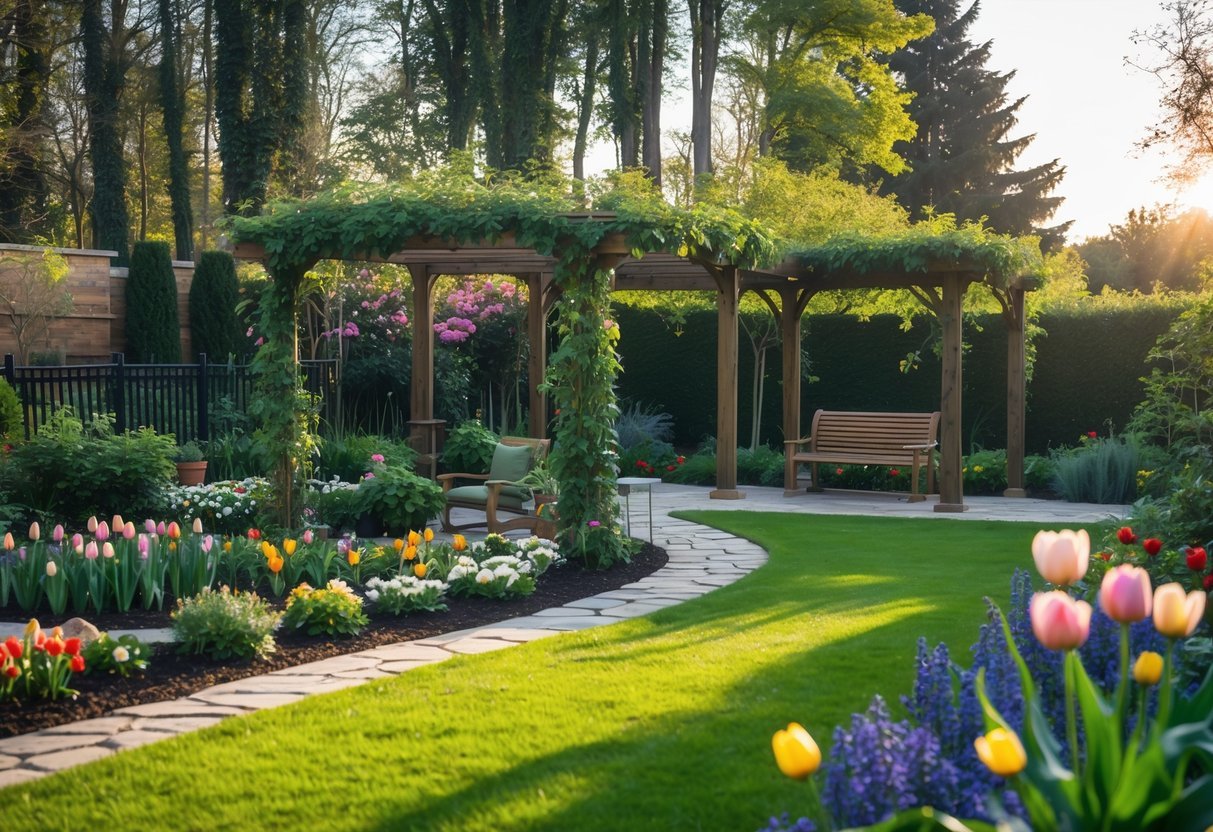
Think about layout, focal points, and small features like raised beds, paths, or a water element to make the space feel intentional. Make choices that save time and resources, such as grouping plants by water needs and choosing durable materials, so your garden looks good and stays manageable.
Key Takeaways
- Choose a clear purpose for the garden to guide design and plant choices.
- Use layout and focal features to make the space feel organized and inviting.
- Pick low-maintenance and resource-wise options to keep the garden easy to care for.
Planning Your Backyard Garden

Decide how much space you can use, how much you can spend, and what style fits your home. Measure your area, list must-have features, and pick a style that matches your lifestyle and climate.
Assessing Space and Layout
Measure the full yard and mark hardscapes like patios, walkways, and utility access. Note sun patterns by watching the main areas at sunrise, noon, and late afternoon for two days. Draw a simple map with dimensions, then sketch zones: planting beds, lawn, seating, and service areas.
Check soil type by digging a 6–8 inch hole and feeling the soil. Test drainage by filling a hole with water and timing how long it takes to drain. Plan paths at least 2.5–3 feet wide for foot traffic and 3–4 feet where you’ll move a wheelbarrow.
Prioritize functionality: put vegetables where you get 6–8 hours of sun; place shade plants under trees. Keep noisy features away from seating. Label utilities and sightlines so you don’t block views or maintenance access.
Setting a Budget
List fixed costs first: soil, tools, raised beds, and irrigation. Estimate prices from local suppliers for each item and add 10–20% for unexpected needs. Decide if you’ll hire help for heavy work; labor can be 30–60% of a small landscaping job.
Break the budget into phases: start with soil and main beds, then add paths, plants, and decorative elements over time. Use lower-cost materials like gravel or mulch for paths initially and upgrade later.
Save money by building raised beds from reclaimed wood, composting to improve soil, and buying young plants instead of mature specimens. Track receipts and update your plan if costs rise.
Choosing a Garden Style
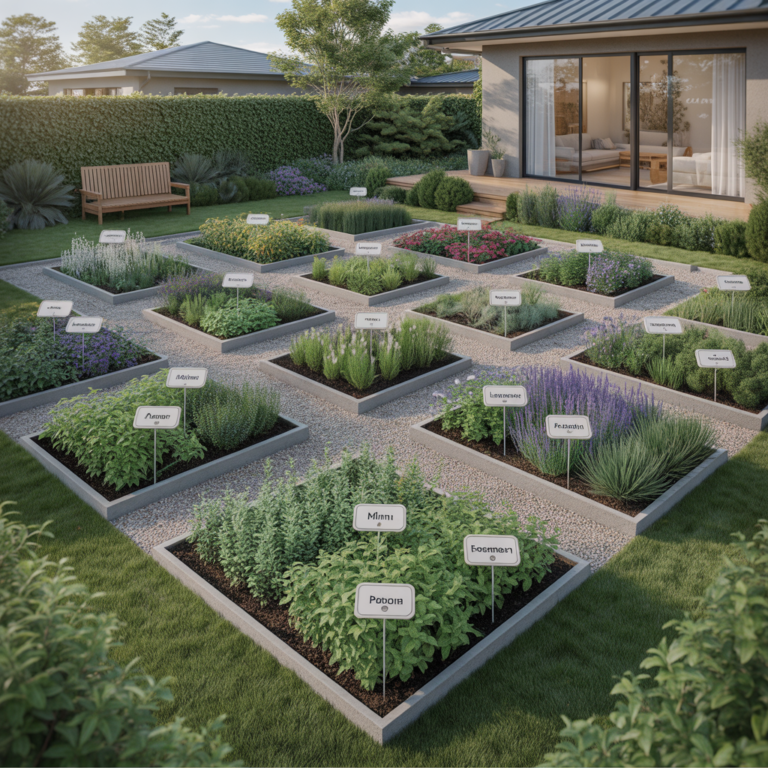
Pick a style that fits your home and how you use the yard: formal, cottage, modern, edible, or native habitat. For a formal look, use straight lines, symmetric beds, and clipped shrubs. For a cottage or edible garden, choose mixed plantings, paths that curve, and beds for vegetables and herbs.
Match plant choices to your USDA zone and local rainfall. Use a small table to compare styles:
| Style | Key features | Good for |
|---|---|---|
| Formal | Symmetry, hedges, gravel paths | Elegant homes, low-maintenance shrubs |
| Cottage | Mixed flowers, informal beds | Pollinators, casual entertaining |
| Modern | Clean lines, minimal plants | Small yards, low-water design |
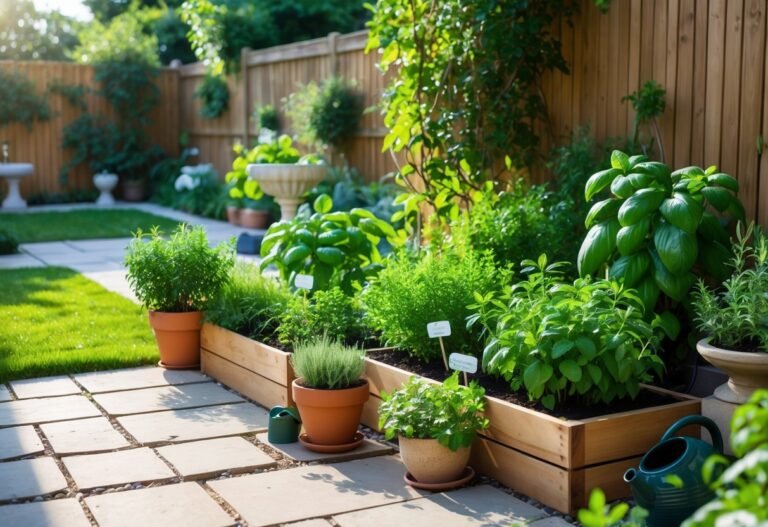
| Edible | Raised beds, trellises | Vegetables, families who cook |
| Native | Local plants, wildlife-friendly | Low water use, wildlife habitat |
Choose one main style and a secondary element to avoid clash. Test a small plot first to see if the style fits your daily routines.
Design Elements and Features
Think about plant choice, paths, and a clear focal point. These elements shape sight lines, control movement, and set the mood of your backyard.
Selecting Plants and Foliage
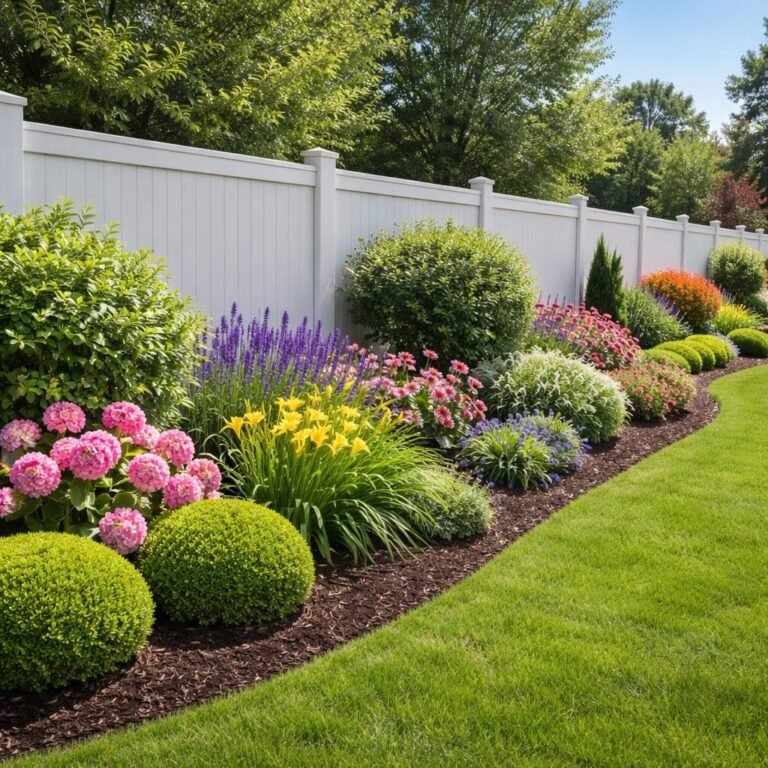
Pick plants that match your yard’s light, soil, and water. Use a mix of evergreens for year-round structure, flowering perennials for seasonal color, and one or two small trees for vertical interest. Cluster plants in odd-numbered groups (3–5) to create natural-looking drifts.
Prioritize plants with different textures and leaf shapes. Combine fine-textured grasses with broad-leaved shrubs to add contrast. Also plan for bloom time: include early, mid, and late-season bloomers so something flowers most of the year.
Think about maintenance when you choose. Use native or drought-tolerant species to cut watering and pruning. Place taller plants where they won’t block windows or walkways, and reserve edging plants for borders.
Garden Paths and Walkways
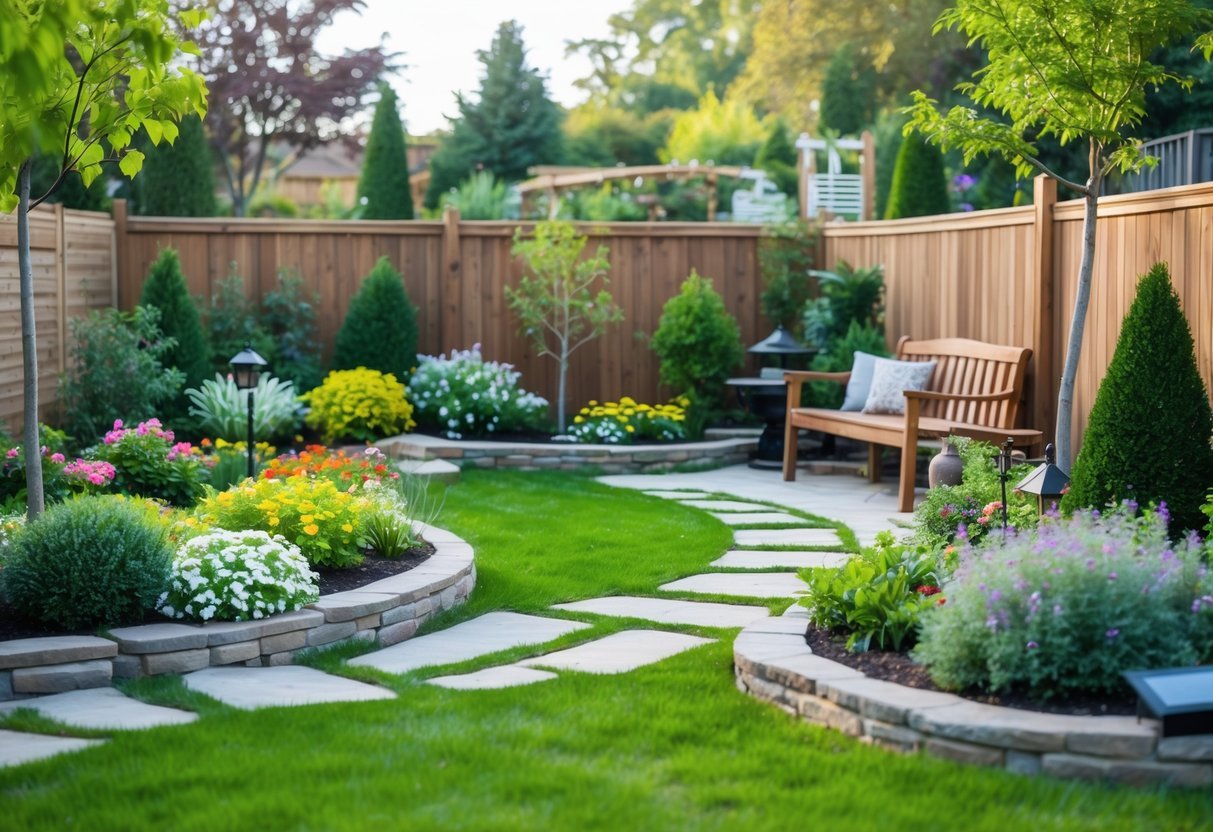
Decide the path’s purpose before you pick materials. Use straight paths for efficient access and curved paths to create discovery and soften the space. Measure intended use—2.5–3 feet wide works for single-file walking; 4–6 feet is better for seating or two people side-by-side.
Choose materials that match your yard and budget: gravel for low cost and good drainage, pavers or flagstone for a formal look, and poured concrete for durability. Add a compacted base and edging to keep materials stable and reduce maintenance.
Use lighting and low planting along edges to guide movement at night. Place stepping stones to protect roots and reduce soil compaction. Include a few rest points or widened areas where you want people to pause.
Water Features and Focal Points
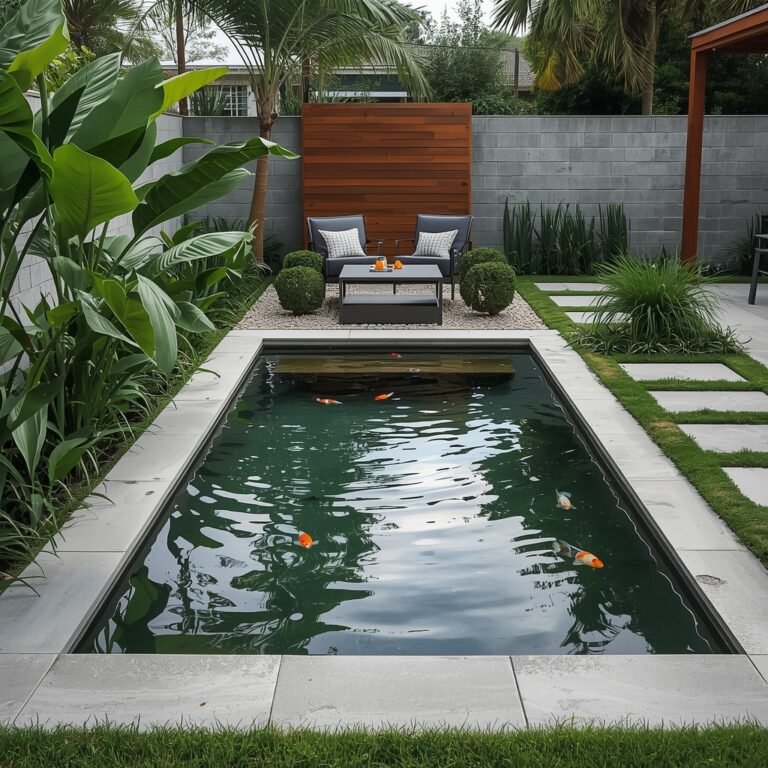
Select a focal point that fits your scale: a small bubbling bowl, a birdbath, or a larger pond with plants. Make sure the feature is visible from key spots—patio, kitchen window, or entry path—to create a strong visual anchor.
Plan safety and maintenance. Use a recirculating pump for small fountains to save water. For ponds, include a shallow ledge for wildlife and a skimmer or net for leaf cleanup. Position water features so runoff won’t flood nearby plantings or foundations.
Complement the focal point with lighting, contrasting plants, and seating. Keep surrounding planting low to maintain sight lines. Use color and texture to draw the eye: a ring of bright perennials or a single sculptural plant can enhance the feature.
Implementing Sustainable Practices
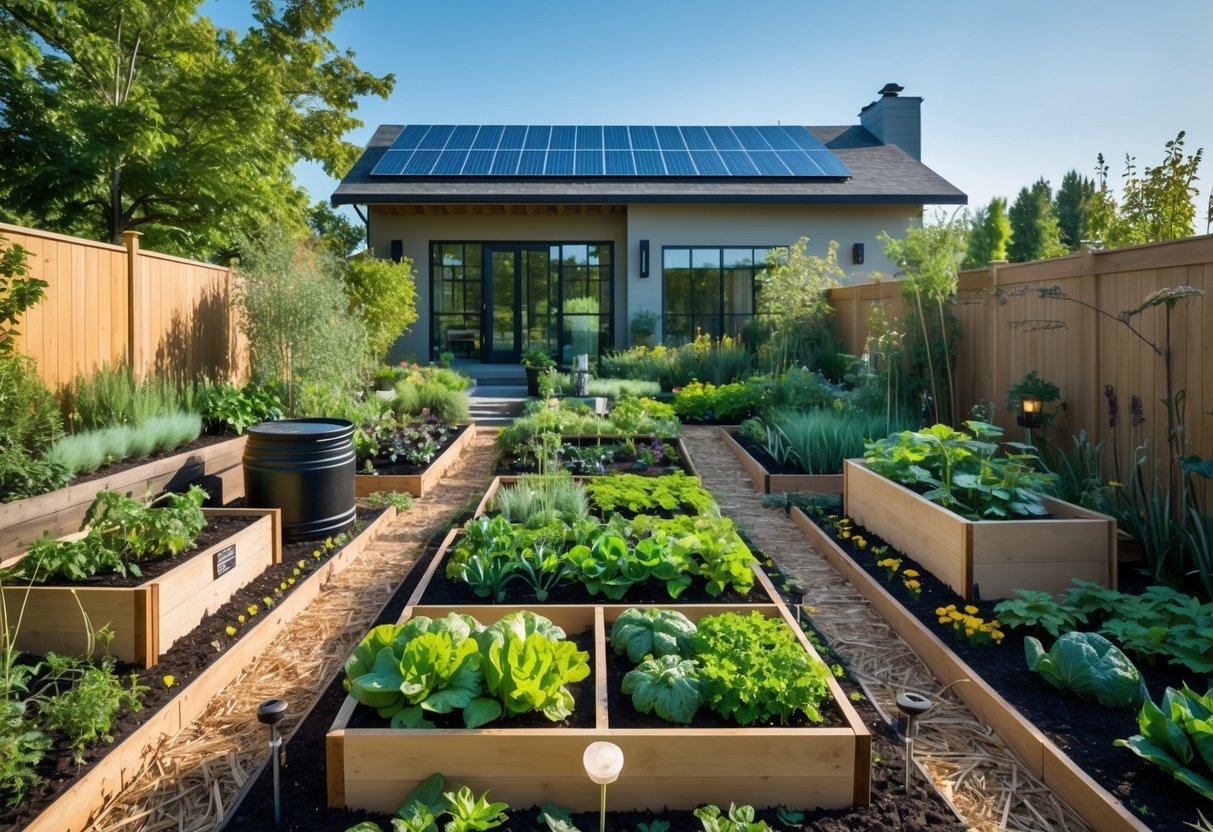
You can reduce waste, save water, and build healthy soil by choosing the right materials and irrigation methods. Small changes like recycled mulch or a rain barrel cut costs and help plants thrive.
Eco-Friendly Materials
Use reclaimed wood, recycled plastic lumber, or composite decking for raised beds and paths. These materials last longer than untreated wood and keep waste out of landfills. For edging and borders, choose metal or stone that you can reuse later instead of short-lived plastic.
Choose organic, peat-free compost to feed soil without harming wetlands. Make a simple compost bin from a wooden pallet or a plastic tumbler to turn kitchen scraps into rich soil. Mulch with local materials — shredded leaves, wood chips, or straw — to suppress weeds and keep moisture in the soil.
Pick native plants and drought-tolerant perennials to cut maintenance and chemical needs. When buying soil amendments, read labels and avoid products with synthetic fertilizers or persistent pesticides.
Water Conservation Techniques
Install a rain barrel or two to capture roof runoff; connect them to downspouts and use a spigot or drip line to water beds. One 55-gallon barrel can supply an established vegetable row for several dry days. Use a screened lid to keep debris and mosquitoes out.
Set up a drip irrigation system or soaker hoses on timers for efficient, deep watering. Drip systems deliver water to roots, cutting evaporation and runoff. Group plants by water need in the same zone so you avoid overwatering drought-tolerant species.
Apply 2–3 inches of mulch around plants to reduce surface evaporation and keep soil cooler. Check soil moisture with a simple finger test or a meter before watering. Water early in the morning to cut evaporation and reduce disease pressure on foliage.
Maintaining Your Backyard Garden
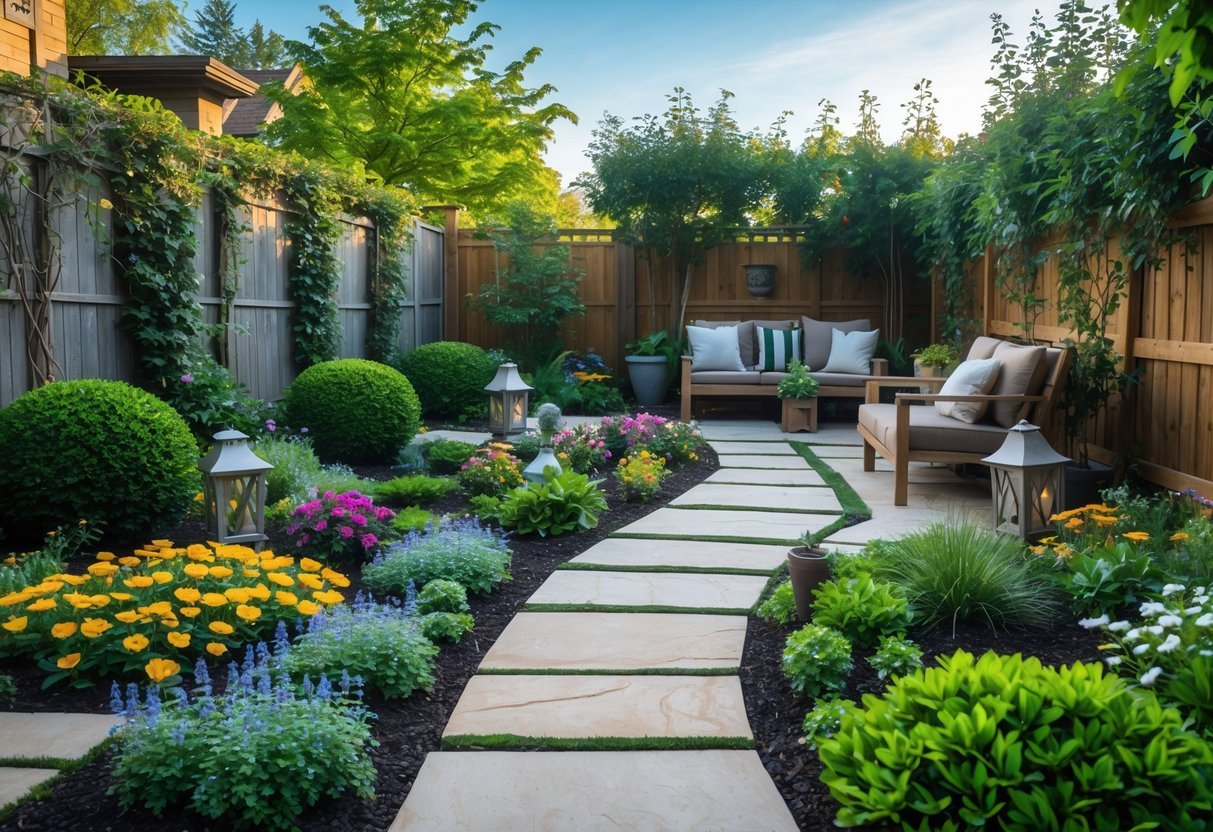
Keep watering, pruning, and pest checks on a regular schedule. Feed soil with compost and mulch to reduce weeds and retain moisture.
Seasonal Care Tips
Spring: start with soil tests and add compost or balanced fertilizer as needed. Divide crowded perennials and plant spring annuals. Inspect irrigation — repair leaks and adjust timers for longer days.
Summer: water deeply 1–2 times a week for mature beds and daily for new plantings or containers. Mulch 2–3 inches around plants to cut evaporation. Deadhead spent flowers to extend bloom and pinch back herbs to encourage bushier growth.
Fall: cut back perennials after frost, but leave seed heads for birds where appropriate. Rake only heavy debris; leave light leaf cover to protect soil. Plant bulbs for spring and apply a slow-release fertilizer to support root growth.
Winter: protect sensitive plants with frost cloth or mulch crowns. Drain and store hoses and clean tools. Review next year’s plant list and order seeds or bulbs early.
Long-Term Upkeep Strategies
Create a maintenance calendar you can follow each month. Schedule pruning in late winter, soil tests every 2–3 years, and major planting tasks in spring or fall. Keep a simple log of what you planted, pruning dates, and pest outbreaks.
Build soil health by adding 1–2 inches of compost each year and rotating crops in edible beds. Replace mulch annually and top-dress containers every season. Use pest management that targets specific problems: hand-pick slugs, set traps for rodents, and apply organic sprays for aphids when infestations begin.
Invest in durable tools and sharpen or oil them yearly. Replace worn irrigation parts to save water. Small, consistent tasks prevent big problems later and keep your garden productive with less effort.
Frequently Asked Questions
This section answers practical garden design questions. You’ll get clear steps for saving space, cutting costs, growing vegetables, and making a yard easier to care for.
How can I maximize space in a small backyard garden?
Use vertical growing: trellises, wall planters, and stacked pots raise planting area without using ground space. Train vining crops like peas, beans, and cucumbers upward.
Pick compact and multi-use plants such as dwarf fruit trees, bush tomatoes, and herbs that act as both food and ornament. Replace wide pathways with narrow stepping stones to add planting strips.
Use square-foot or container gardening to plan exact plant spacing and avoid wasted soil. Group plants by height and light needs so taller ones don’t shade smaller ones unnecessarily.
What are some budget-friendly backyard garden designs?
Start with a simple layout: a main path, one planting bed, and a seating spot. You can add features over time as money allows.
Reuse materials like pallets for raised beds or salvaged bricks for edging. Buy seeds instead of plants and start many from seed to save money.
Choose hardy perennials and native plants to cut long-term costs on water and replacement. Plant groundcovers to reduce weed and mulch needs.
What are essential considerations when planning a backyard vegetable garden?
Check sunlight: most vegetables need 6–8 hours of direct sun. Map sun patterns before placing beds.
Test soil and improve it with compost for better yields and fewer fertilizer needs. Aim for loose, well-draining soil with good fertility.
Plan spacing and crop rotation to avoid disease and overcrowding. Include easy access for watering, harvesting, and pest checks.
How do I create a low maintenance backyard landscape?
Choose drought-tolerant and native plants suited to your climate to reduce watering and care. Group plants with similar water needs together.
Use mulch to keep soil moist and slow weed growth. Install drip irrigation on a timer for efficient, hands-off watering.
Limit lawn area and replace it with groundcover, gravel, or native plant beds to cut mowing time. Pick long-lived shrubs and perennials over annuals.
What are some simple ways to improve my backyard layout?
Define zones: seating, dining, play, and planting. Clear zones make the yard feel organized and functional.
Add a focal point like a small tree, bench, or water feature to draw the eye and anchor the design. Use paths to connect zones and guide movement.
Balance hardscape and planting by mixing paved surfaces with soft beds. Keep circulation wide enough for easy movement and maintenance.
What design principles should I follow for an aesthetically pleasing backyard garden?
Use repetition of plant types, colors, or materials to create unity across the yard. Repeat a few elements rather than many different ones.
Balance tall and low plants so the view flows and the space feels stable. Group plants in odd-numbered clumps for a natural look.
Create focal points and frame views with plants or structures to guide attention. Keep scale in mind—choose features that match your yard’s size.