Home Vegetable Garden Design: Efficient Layouts, Soil Tips, and Year-Round Planting Guidance
Planning a home vegetable garden can feel simple and powerful when you focus on what matters: space, sunlight, and a few smart layout choices. You will save time and harvest more when you match bed sizes to your reach, place sun-loving plants where they get the most light, and plan paths so every row is easy to access. A well-designed garden balances sunlight, space, and plant needs so you get steady yields with less work.
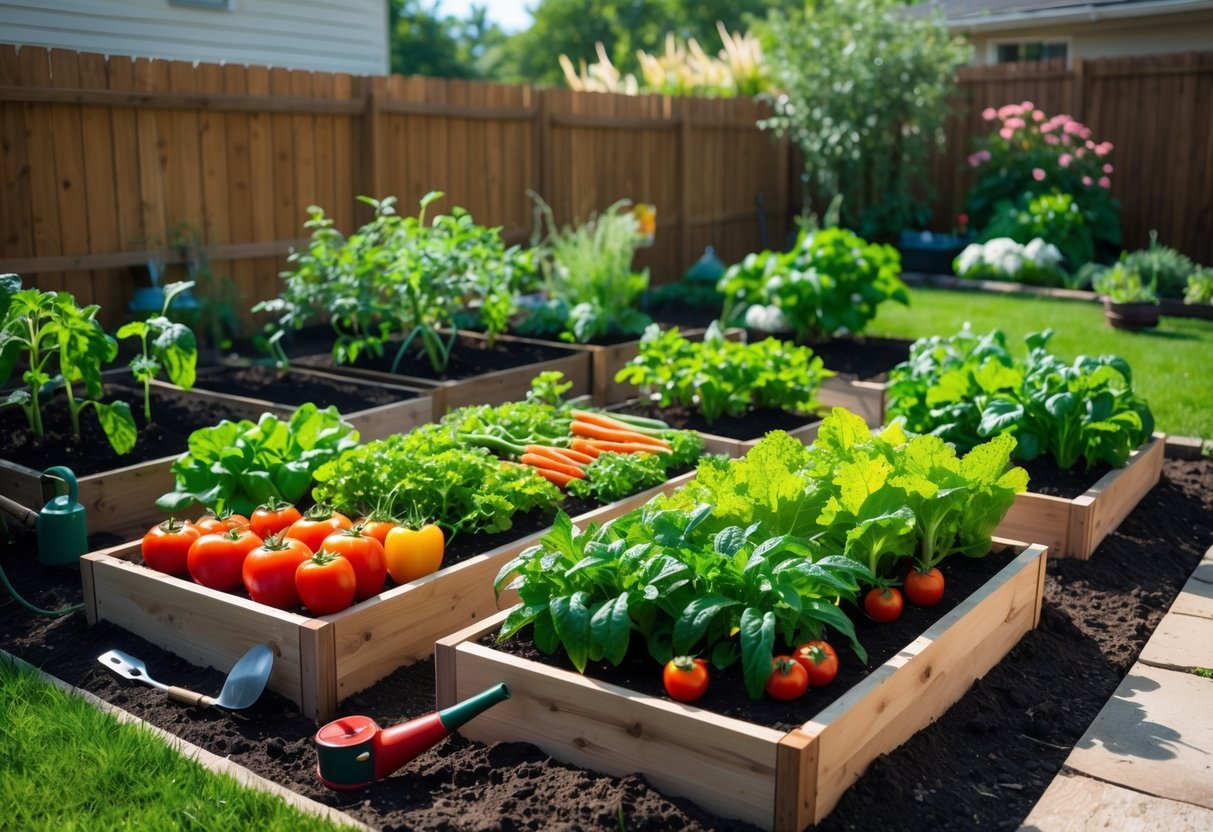
You will find layout options that fit any yard — from compact raised beds and containers to orderly rows and mixed beds with flowers for pollinators. Use basic plant groups and spacing rules to avoid crowding, and add simple features like trellises and mulch to boost productivity and make the garden pleasant to use.
Key Takeaways
- Start with your site: know your sun, soil, and space.
- Choose layouts and plants that match your time and reach.
- Add small features that improve harvests and ease of care.
Core Principles of Home Vegetable Garden Design
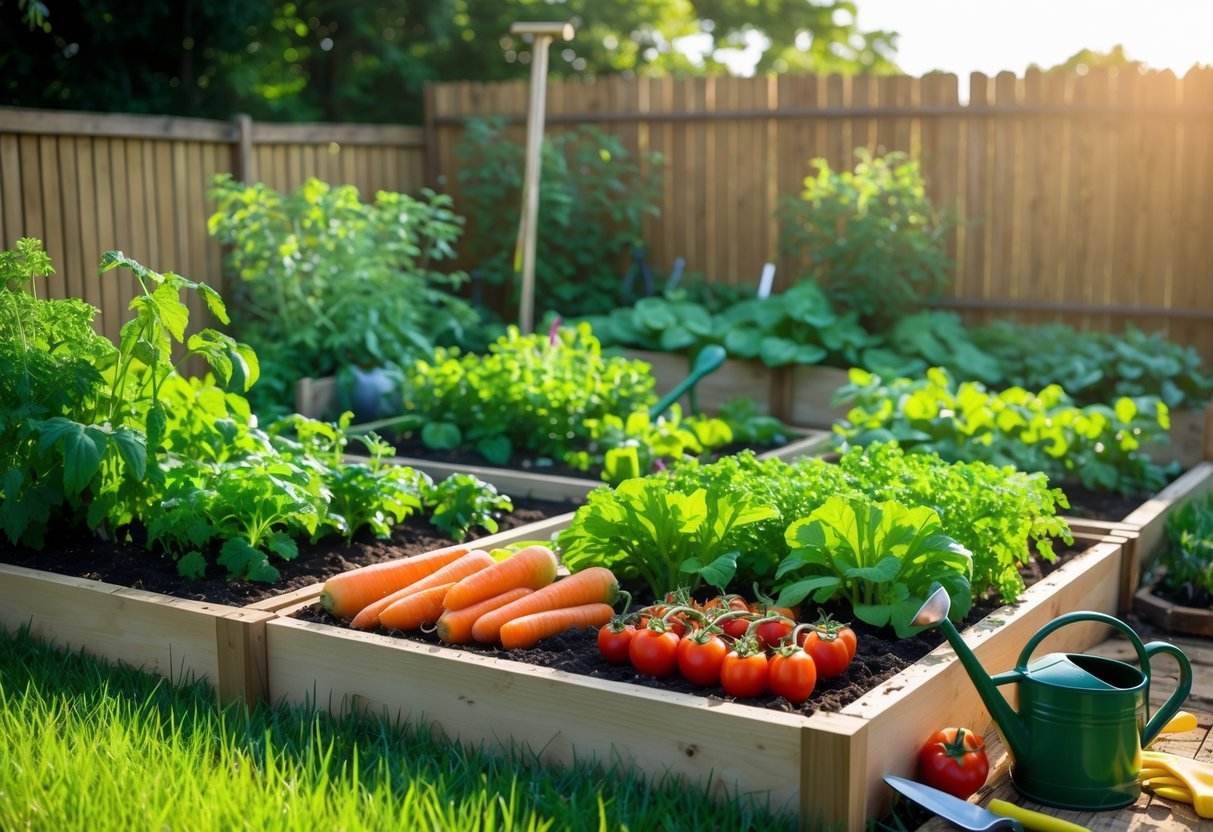
You should focus on choosing the right spot, giving plants enough sun and water, and building healthy soil. These three actions set the stage for easy care and better yields.
Site Selection and Assessment
Pick a flat or gently sloped spot that you can reach easily from your house. Measure available space and sketch a simple map showing fences, trees, patios, and walk paths. This helps you plan bed sizes and access for watering and harvesting.
Check for nearby shade sources at different times of day. Note morning and afternoon sun patterns across the seasons. Avoid low spots that collect cold air or water, and pick a place with good air flow to cut disease risk.
Test drainage by digging a hole 12 inches deep and filling it with water; if it drains within 24 hours, the spot is likely suitable. Also check for soil depth over hardpan, and note how close utilities and water spigots are to the site.
Sunlight and Water Requirements
Most vegetables need 6–8 hours of direct sun. Map sun exposure on your sketch and plan sun-loving crops (tomatoes, peppers) for the brightest areas and shade-tolerant ones (lettuce, spinach) for spots with 3–5 hours.
Plan irrigation by distance from a hose, and decide on drip lines or soaker hoses for steady moisture. Use a rain barrel or two if your area allows; that reduces tap-water use and keeps water at a plant-friendly temperature.
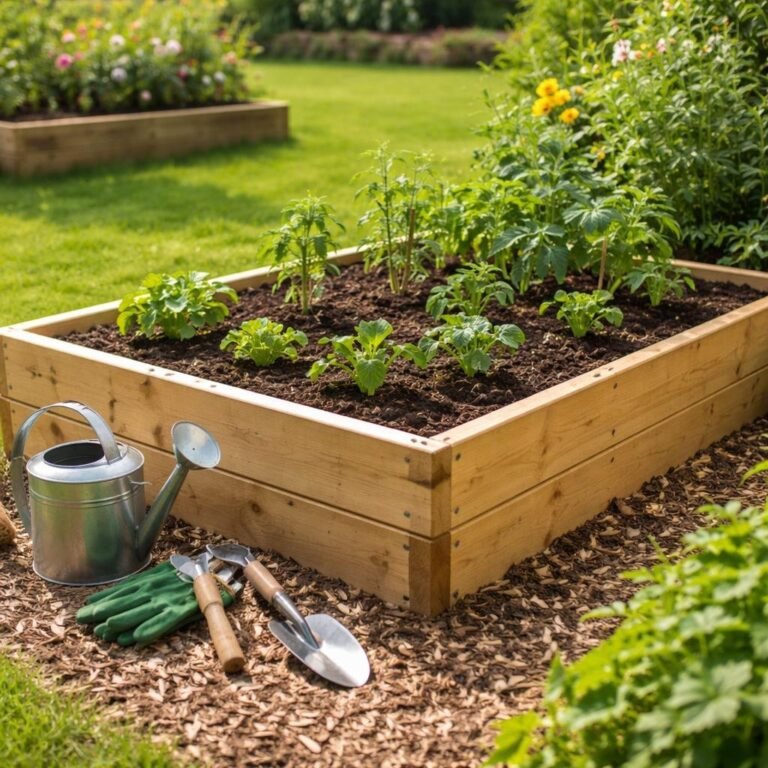
Watch soil moisture during the first few weeks after planting. Aim for consistent moisture—too dry stresses plants and too wet causes root rot. Mulch beds with 2–3 inches of straw or wood chips to retain moisture and lower watering needs.
Soil Preparation and Amendment
Start with a simple soil test for pH and nutrient levels. Most vegetables prefer pH 6.0–7.0; adjust with lime (to raise) or sulfur (to lower) based on test results. A basic test guides which amendments you need.
Build soil structure by adding 2–4 inches of compost and mixing it into the top 8–12 inches. For raised beds, fill with a blend of topsoil, compost, and well-aged manure or a manufactured mix labeled for vegetable gardens.
Use a planting table to guide amendment rates:
- Compost: 2–4 inches worked in
- Balanced granular fertilizer (if needed): follow label for bed size
- Lime or sulfur: per soil test
Avoid heavy tilling; use broadforking or shallow cultivation to preserve soil life. Test after amendments and avoid over-applying synthetic fertilizers that can harm microbes and plants.
Popular Garden Layout Strategies
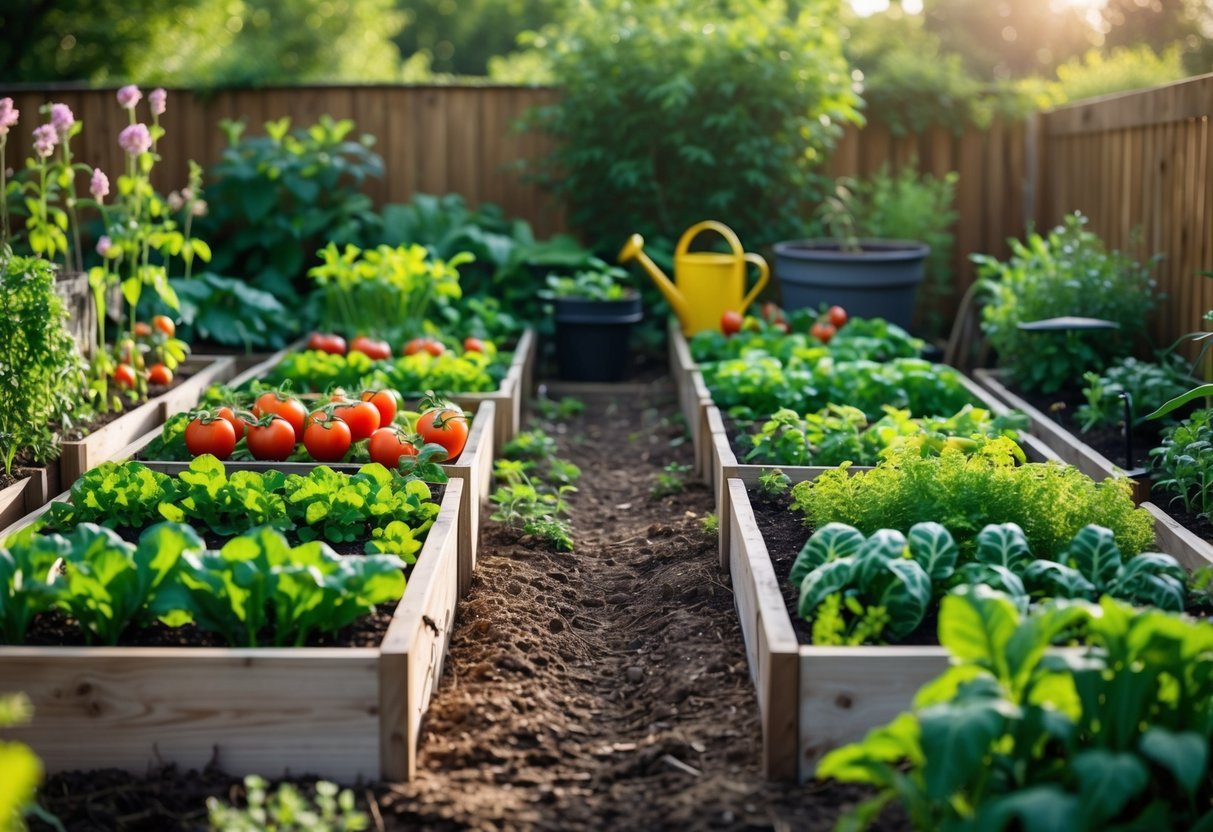
You’ll choose a layout based on soil control, space limits, and how much hands-on care you want. Each option changes planting depth, water needs, and how easily you can reach crops.
Raised Beds vs. In-Ground Planting
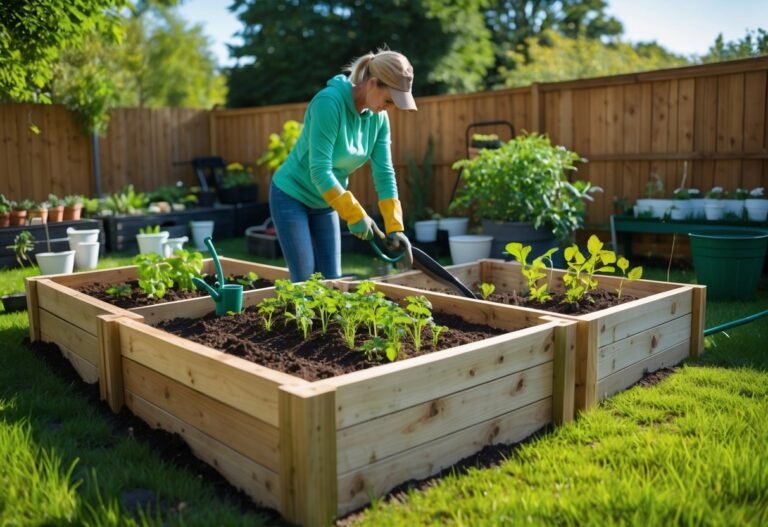
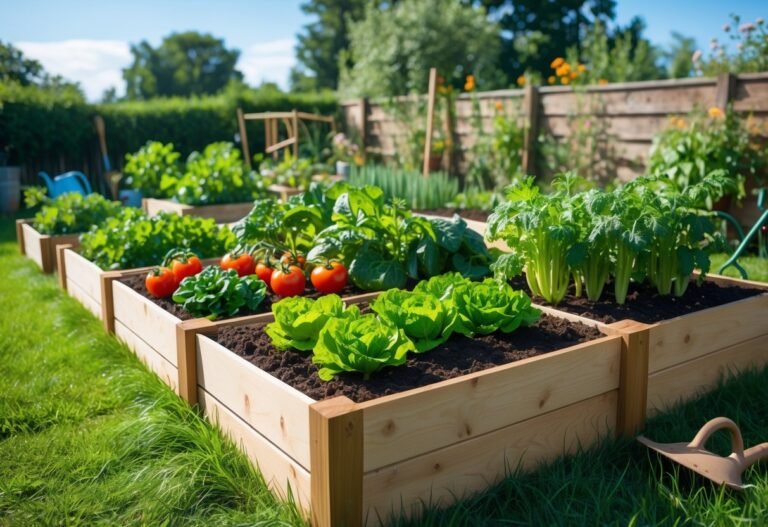
Raised beds give you loose, well-drained soil and warm up faster in spring. You can add a custom soil mix (loam, compost, sand) to match the crops you plan to grow. Beds 4 feet wide let you reach the center from either side without stepping on the soil.
In-ground planting uses the native soil and works well if your yard has good topsoil. It costs less up front but may need more soil improvement with compost and lime. Test your soil pH and texture before committing.
Consider maintenance: raised beds reduce weed pressure and improve drainage, but they dry out faster and need more frequent watering. In-ground plots hold moisture longer and support deep-rooted crops, but they require regular tilling or no-till care to maintain structure.
Container Gardening Options
Containers let you garden on patios, balconies, or poor soil. Choose containers with drainage holes and sizes matched to the plant: 1–3 gallon pots for herbs, 5–10 gallon for tomatoes, and large grow bags or half-barrels for potatoes or small fruit bushes.
Use a soilless potting mix that drains well and holds nutrients. Fertilize on a schedule because nutrients wash out with frequent watering. Group containers by water needs to simplify care.
Watch for temperature swings—containers heat and cool faster than ground beds. Rotate containers for even sun exposure and pick compact or determinate plant varieties to avoid overcrowding.
Vertical Garden Solutions
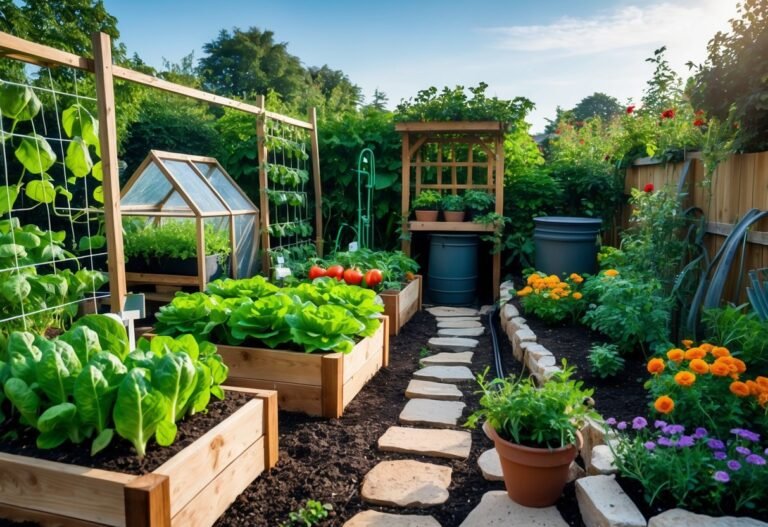
Vertical systems save floor space and increase yields in small areas. Use trellises for peas, beans, and cucumbers; arbors for vining squash; and netting or cages for indeterminate tomatoes. Fasten supports early so roots don’t get disturbed later.
Pocket planters, stacked pots, and wall-mounted systems work well for herbs, lettuces, and strawberries. Train plants with ties or clips to keep stems secure and air flowing.
Vertical growing improves air circulation and reduces mildew and soil-borne disease. It does concentrate weight and water needs, so anchor tall structures and plan for regular deep watering at the base.
Plant Selection and Crop Planning
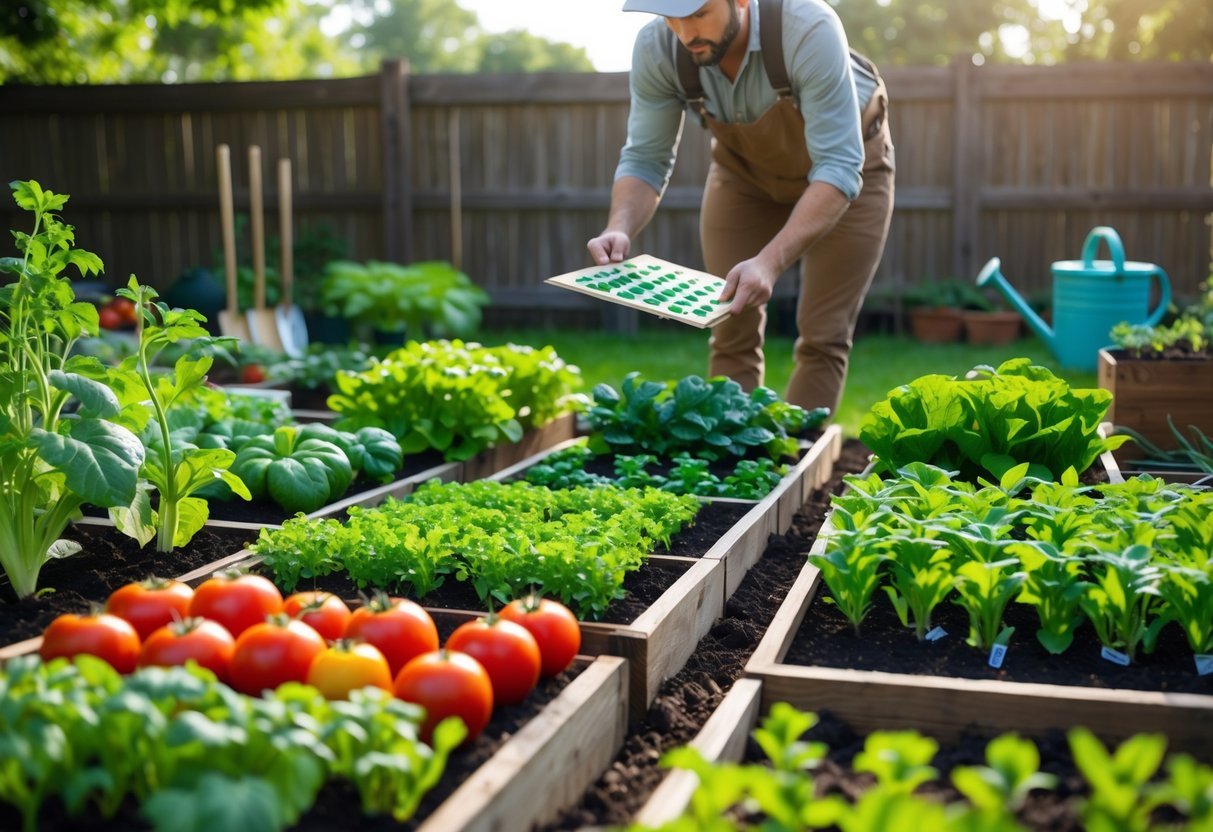
Pick vegetables that match your sunlight, soil, and season. Plan what and when to plant, group crops by care needs, and aim for steady harvests.
Choosing the Right Vegetables
Start by listing how many hours of sun your plot gets and the soil type (sandy, loam, or clay). Choose crops that fit those conditions: tomatoes, peppers, and cucumbers for 6–8 hours of sun; leafy greens and root crops tolerate part shade.
Match crop maturity days to your growing season. For short seasons, pick fast-maturing varieties (e.g., baby carrots, bush beans, salad greens). For long seasons, you can grow indeterminate tomatoes and vining beans.
Prioritize plants you and your household will eat and process. If you dislike canning, avoid excess of tomatoes or cucumbers unless you plan to share. Note space needs: vining crops need trellises; bush varieties save room. Keep a simple list of variety, days-to-harvest, seed source, and spacing for each crop.
Companion Planting Techniques
Use companion planting to reduce pests and improve yields. Pair basil with tomatoes to boost flavor and deter some insects. Plant marigolds near beans and tomatoes to help repel nematodes and soil pests.
Avoid crowding—companions should still allow air flow and sunlight. Use a basic companion list: herbs (basil, dill) near vegetables, aromatic flowers (calendula, marigold) at bed edges, and alliums (onion, garlic) near brassicas to deter cabbage moths.
Rotate where you plant heavy feeders like corn, tomatoes, and squash each year to reduce disease buildup. Keep nitrogen-fixing legumes in the rotation to help replenish soil. Track companion success in a garden journal so you can repeat what works.
Succession Planting Methods
Stagger plantings to extend harvests and use space efficiently. Sow a small batch of lettuce every 2–3 weeks rather than all at once to get continuous salad greens. For root crops, plant one row early, one midseason, and one late to spread out digging time.
Use quick crops to fill gaps between slow growers. After harvesting early radishes or lettuce, replace that space with a summer crop like peppers or beans. In fall, sow cold-tolerant greens and fast broccoli varieties for a second harvest.
Plan succession by noting days-to-harvest and frost dates. Mark sowing windows on a calendar and set reminders so you plant on time.
Enhancing Functionality and Aesthetics
Design paths, watering, and decorative touches so your garden stays productive and looks inviting. Focus on durable access, water where plants need it, and add small accents that match your style.
Pathways and Access
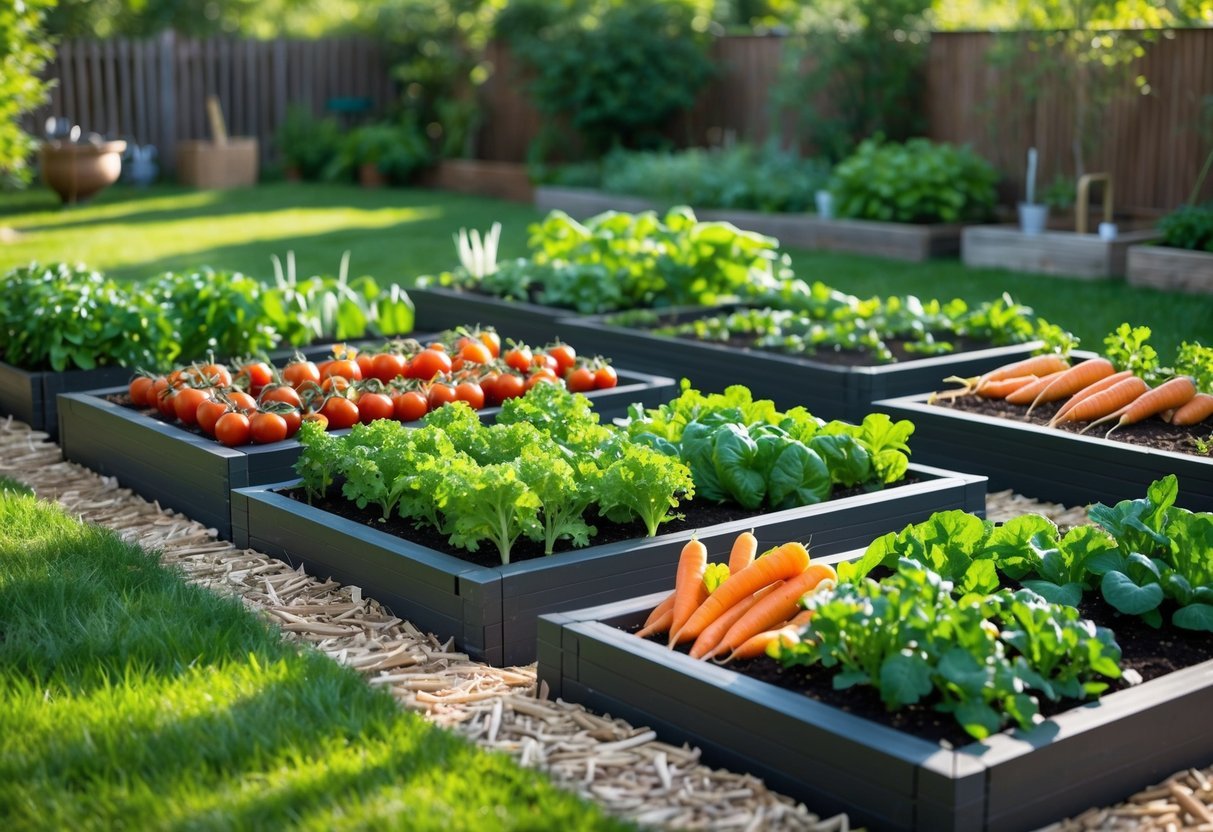
Lay paths wide enough for wheelbarrows and for you to reach beds easily. Aim for at least 3 feet (90 cm) for main paths and 18–24 inches (45–60 cm) for narrow access ways. Firm surfaces like compacted gravel, mulch over landscape fabric, or paving stones cut down mud and soil compaction.
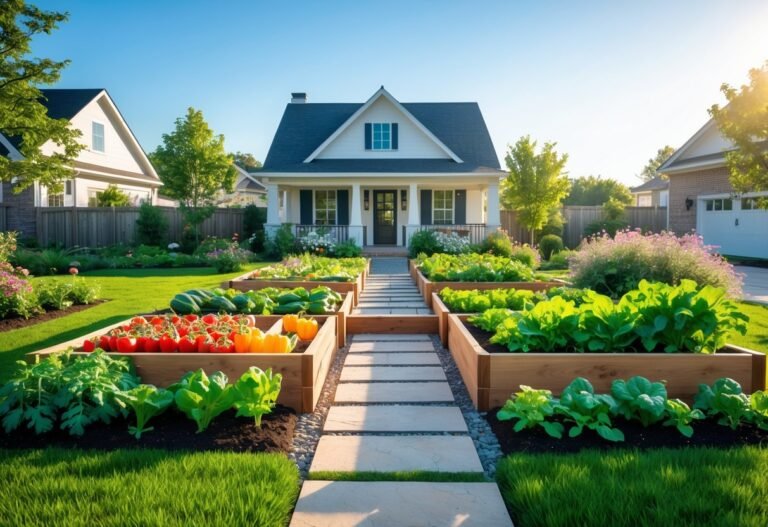
Place paths to give direct access to every bed edge so you never step on growing soil. Add stepping stones or pavers between closer beds. Keep slopes shallow and add a slight crown or drainage gap so water does not pool on the path.
Use edging—metal, timber, or brick—to keep garden soil from spilling onto walkways. Label key areas with simple signs or low lighting so you can move safely at dawn or dusk.
Irrigation System Design
Match water delivery to plant needs. Use drip irrigation or soaker hoses for rows and raised beds to deliver water at the root zone and reduce evaporation. Install a pressure regulator and a timer to avoid overwatering and to keep schedules consistent.
Divide the garden into zones by plant type and sun exposure. Put thirsty crops (tomatoes, cucurbits) on their own zone, and herbs or drought-tolerant plants on another. Use separate valves or automatic zone controllers so each group gets the right volume and frequency.
Add a rain sensor or soil moisture probe to limit waste. Backflow preventers and easy-to-reach shutoffs cut maintenance time. Label valves and keep a simple map of lines so you can troubleshoot leaks quickly.
Incorporating Decorative Elements
Choose accents that serve a function. Trellises and obelisks support vining vegetables while creating vertical interest. Painted or stained raised beds add consistent color and resist weathering; use non-toxic finishes safe for edibles.
Place a few focal points—like a bench, birdbath, or a small sculpture—where paths meet to create rest spots and visual balance. Use container groupings with herbs or salad greens near the kitchen door for immediate harvest access.
Lighting, such as low-voltage path lights or solar spotlights, improves safety and highlights focal plants at night. Keep décor scaled to the garden size and avoid clutter so planting remains the main feature.
Frequently Asked Questions
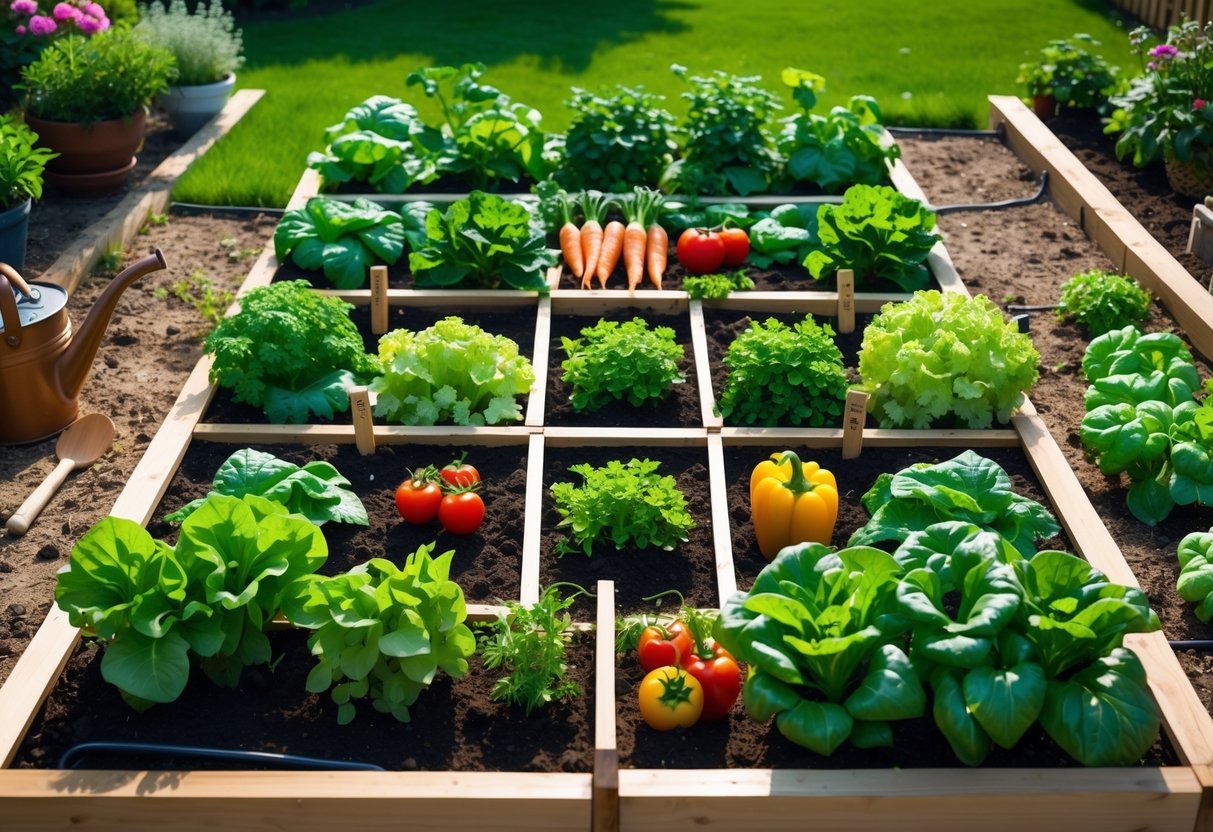
You will find clear methods for arranging beds, picking plants for tight spaces, and mixing crops that help each other grow. Practical tips cover using planners, DIY bed builds, and ways to make your garden both useful and attractive.
How can I optimize the layout of my backyard vegetable garden?
Place the garden where it gets at least 6–8 hours of sun and easy access to water. Orient rows or beds north–south to reduce shading between plants.
Group plants by water needs and height. Put thirsty crops like tomatoes and squash together and keep tall plants on the north side so they don’t shade shorter ones.
Use paths at least 18–24 inches wide so you can reach plants without stepping on soil. Raised beds in 3–4 foot widths let you reach the center from either side.
What are some effective design plans for a small home vegetable garden?
Try a 4×4 or 4×8 raised bed using square-foot gardening to maximize yields in little space. Plant densely with succession planting to get continuous harvests.
Use vertical supports for vining crops like beans, peas, and cucumbers to save ground space. Combine containers on patios with a few small beds for mixed use.
Create a compact kitchen-garden layout: herbs and salad greens near the door, larger vegetables a bit farther out. That makes harvesting quick and frequent.
Which vegetables are ideal to plant together for companion planting?
Tomatoes pair well with basil and marigolds; basil can improve flavor and marigolds deter some pests. Beans fix nitrogen, helping leafy greens like lettuce and spinach nearby.
Carrots and onions make a good team; the onion scent can reduce carrot fly damage. Avoid planting brassicas (cabbage, broccoli) next to strawberries, which compete poorly.
Check spacing and timing: some companions need similar light and water, so match plants by their growing needs, not just folklore.
What are the key principles of designing a beautiful and functional vegetable garden?
Balance form and function: mix edible plants with flowering herbs and annuals to add color and attract pollinators. Keep neat edges and repeat plant shapes for visual rhythm.
Make maintenance easy with straight paths, labeled beds, and grouped watering zones. Design for harvest flow—put daily-use items closest to the house.
Prioritize soil quality and drainage in every bed. Good soil reduces work and improves plant health more than fancy layouts.
How can I use a vegetable garden layout planner to improve my garden’s efficiency?
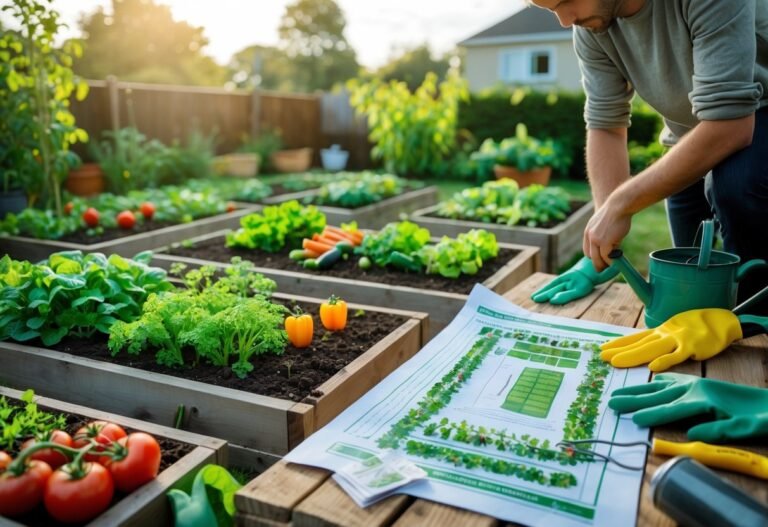
Use a planner to map sun exposure, bed sizes, and irrigation lines before you build. Digital planners let you try different crop rotations and spacing without moving soil.
Track planting dates and harvest windows to plan succession crops and avoid gaps. Export or print your plan for quick reference at planting time.
Choose a planner that lets you save multiple layouts so you can compare spring and fall designs.
What DIY strategies can I employ to create a productive home vegetable garden?
Build simple raised beds from untreated lumber or recycled bricks for better soil control and less bending. Line paths with mulch or gravel to reduce weeds and improve access.
Make your own compost from kitchen scraps and yard waste to feed plants cheaply. Set up a basic drip irrigation system to save water and deliver consistent moisture.
Use low-cost row covers to protect seedlings from pests and extend the growing season. Start seeds indoors to get a jump on warm-weather crops.