10 Terrace Garden Ideas to Transform Your Outdoor Space
Terrace gardens offer a great way to add greenery and life to outdoor spaces, especially in urban areas where ground space is limited. They can turn rooftops, balconies, or small terraces into relaxing and attractive spots for growing plants or enjoying fresh air.
A terrace garden can improve the look and feel of any outdoor space while providing a peaceful retreat and a chance to connect with nature. These gardens can be simple or complex, depending on the space and the gardener’s preferences, making them accessible to everyone.
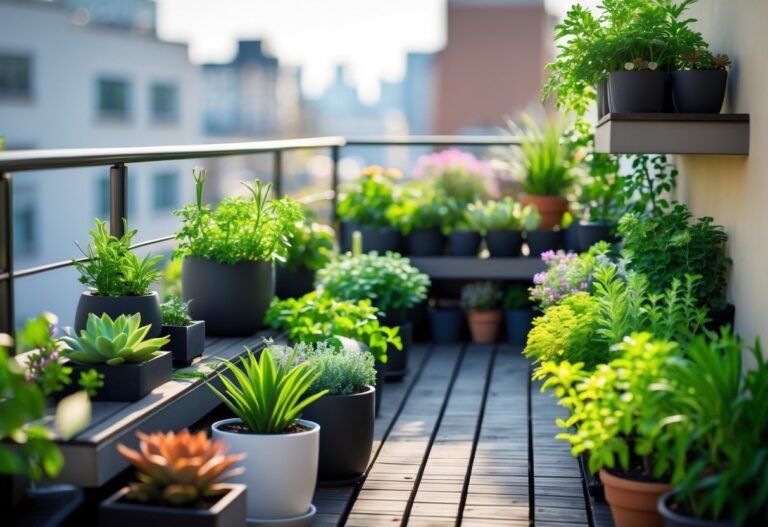
1) Mediterranean Herb Garden with Rosemary and Thyme
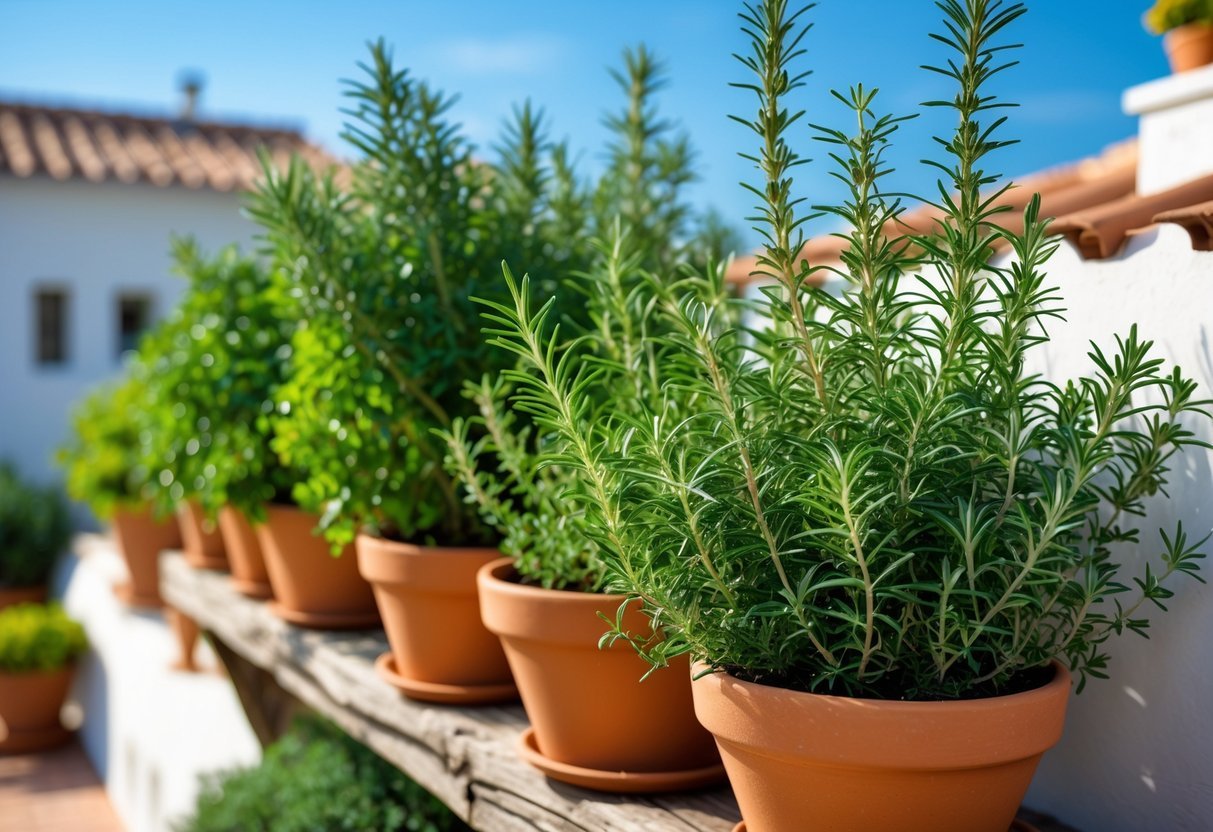
A Mediterranean herb garden is a great choice for a terrace. It often includes rosemary and thyme, which grow well in sunny spots. These herbs need well-drained soil and can thrive in pots or raised beds.
Rosemary and thyme add both beauty and function. They give off a pleasant scent and can be used in cooking. Using terracotta pots can enhance the look, adding a rustic, natural touch.
These herbs require little water and care, making them easy to maintain. They fit well in small spaces like terraces or windowsills.
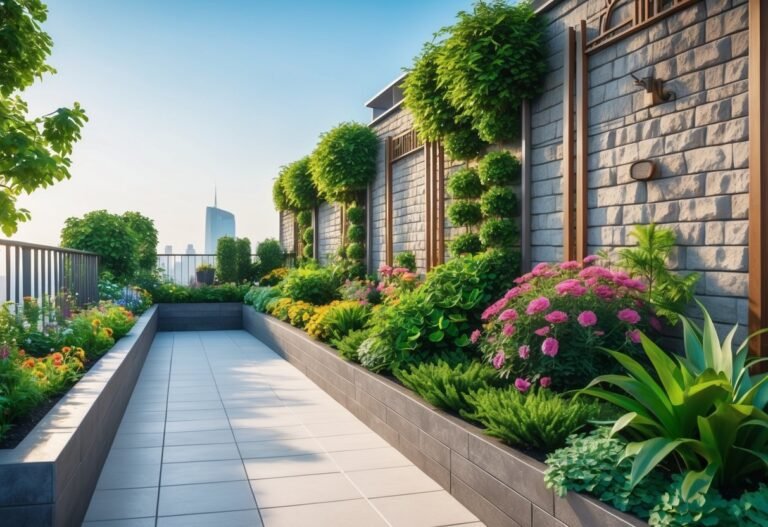
2) Multi-Level Raised Beds for Vegetables and Flowers
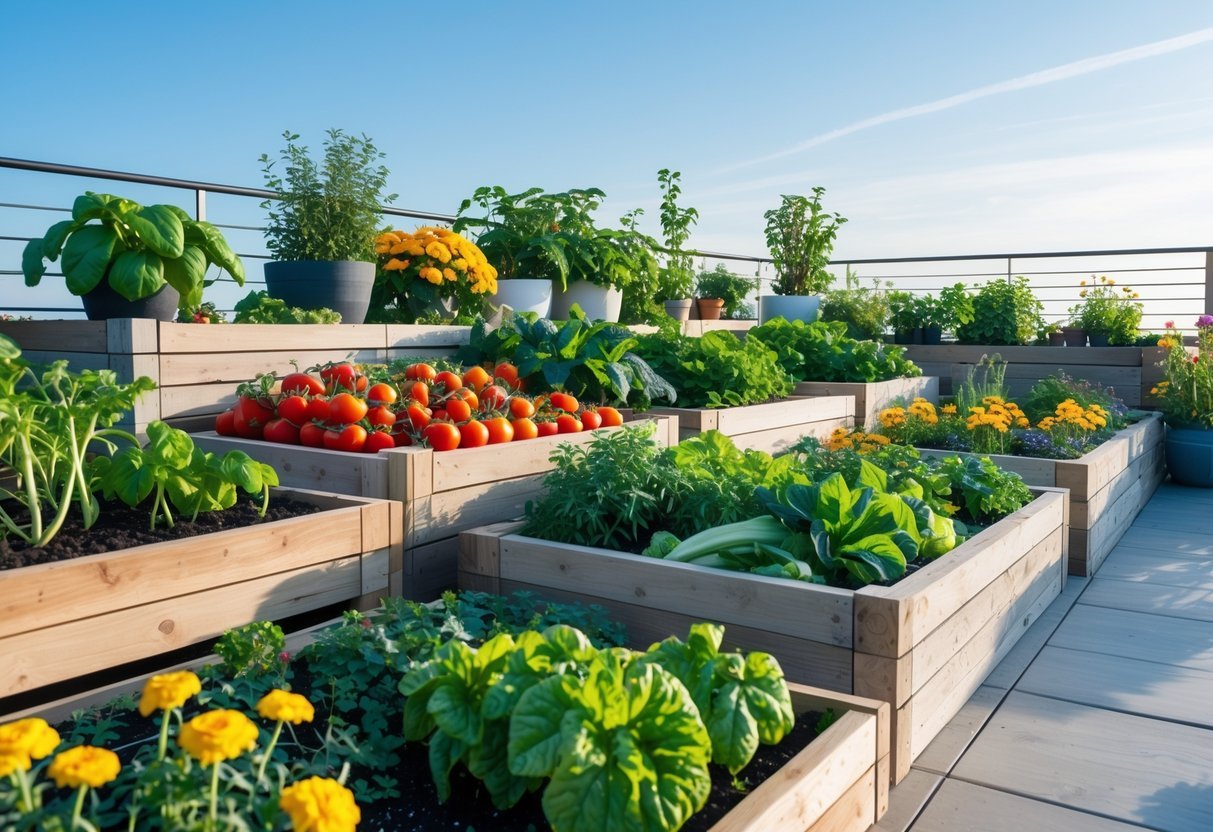
Multi-level raised beds create more growing space in small or uneven areas. They help improve soil drainage and make planting and harvesting easier.
These beds can hold different types of plants, such as flowers on top and vegetables below. This setup also adds a neat, organized look to the terrace garden.
Using wood, stone, or metal helps build sturdy beds. Gardeners can customize the height and size to fit their space and needs.
3) Incorporating a Reflective Water Feature
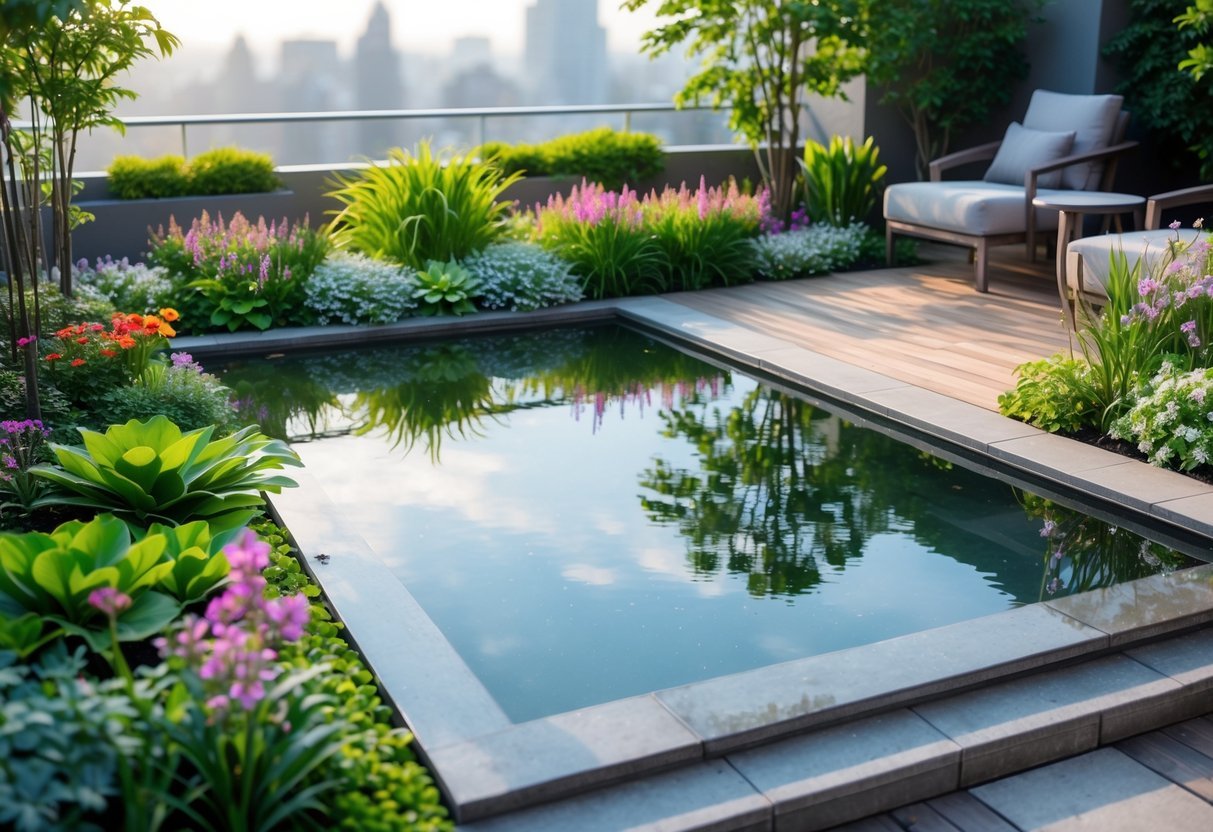
Adding a reflective water feature brings calm and light to a terrace garden. Still water surfaces like mirror pools or small ponds create a peaceful spot for relaxation.
These features can also make the space feel larger by reflecting the sky and plants. Careful placement near seating areas enhances the atmosphere without taking up much room.
A simple fountain or a mirror-based water basin works well for both small and large terraces. It adds quiet movement and a cool touch, improving the overall ambiance.
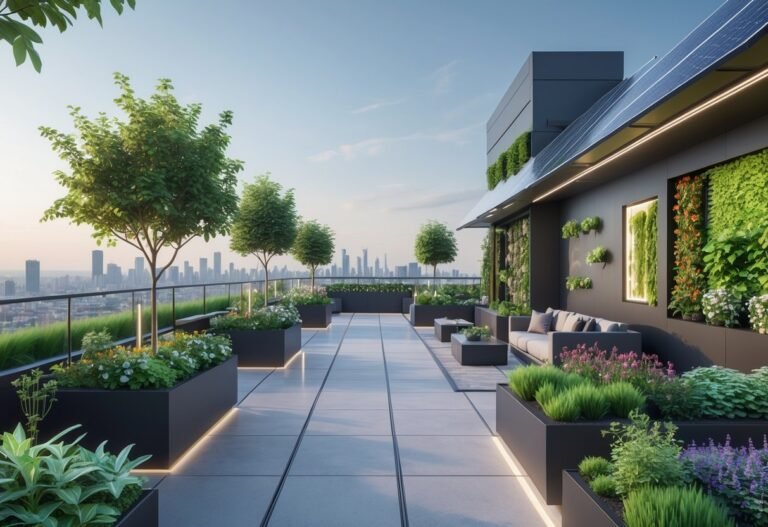
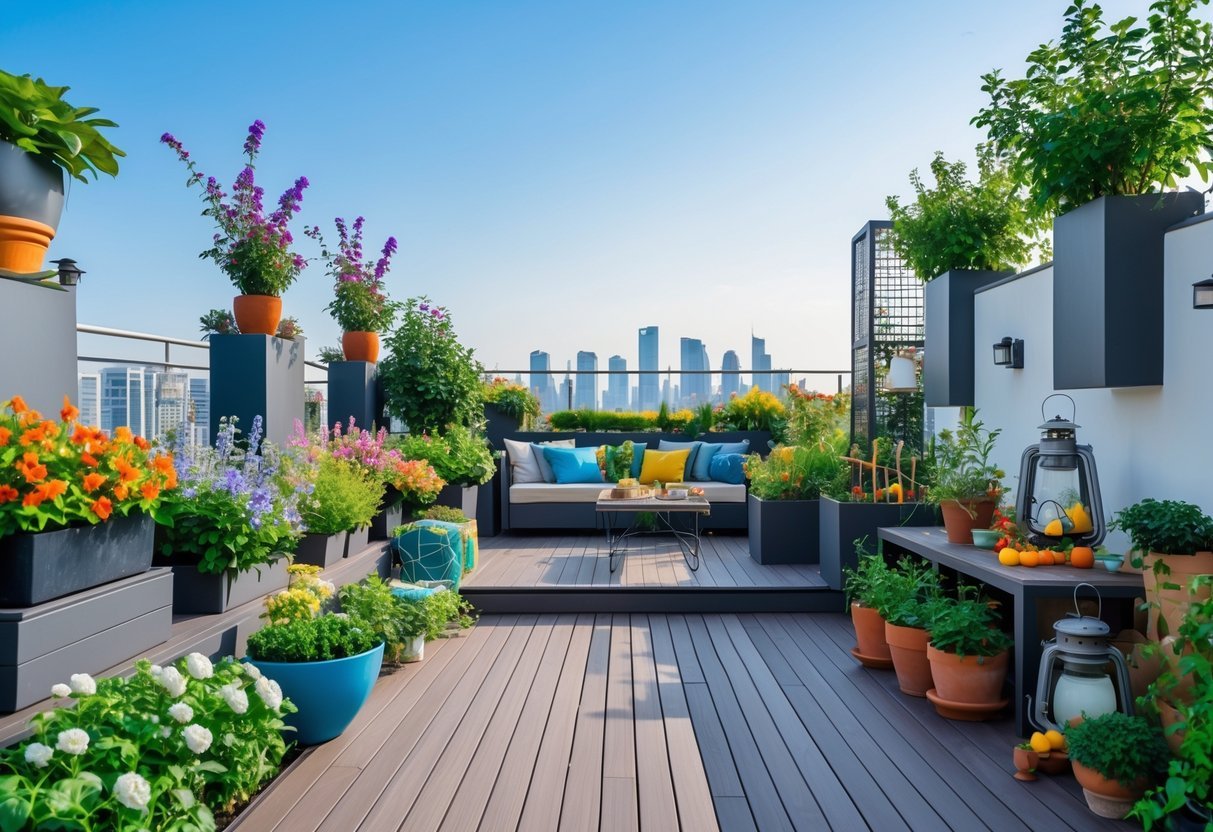
4) Modern Composite Decking with Planter Boxes
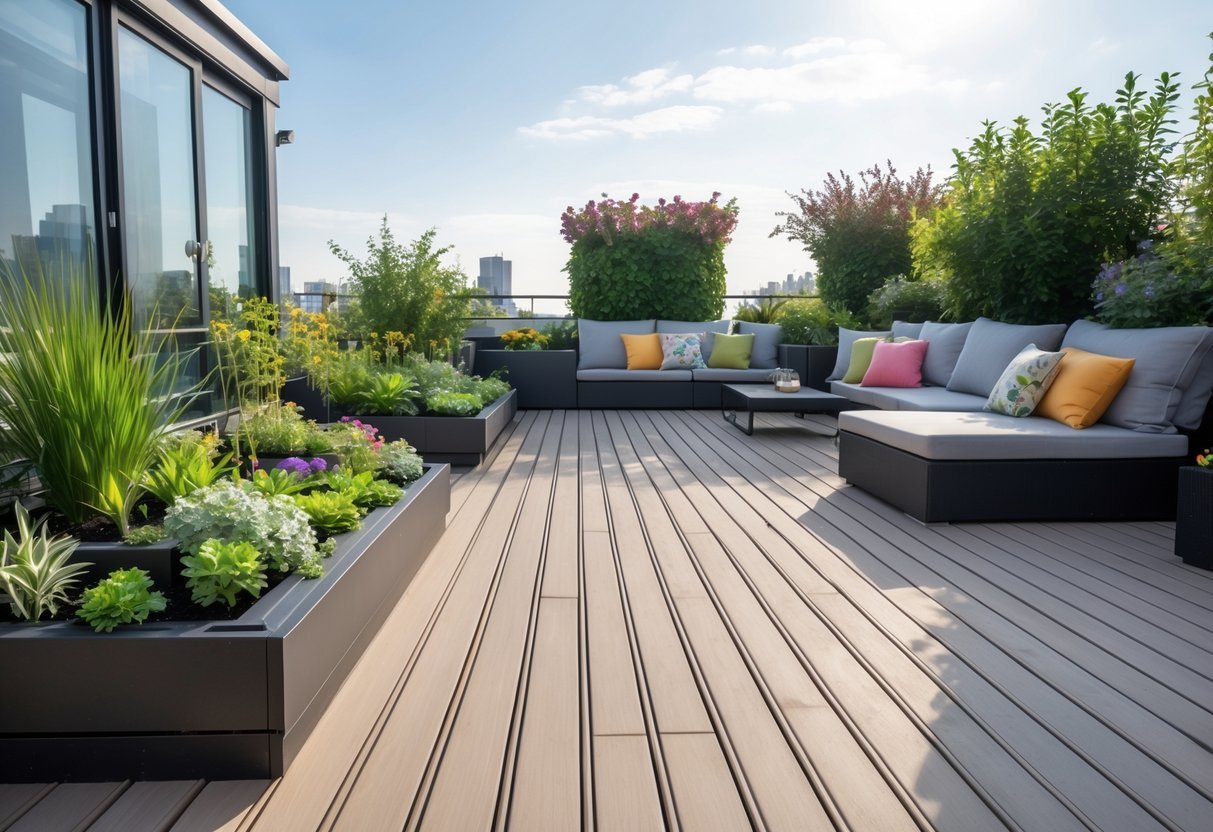
Modern composite decking offers a sleek and durable surface for terrace gardens. It resists weather and requires less maintenance than wood.
Planter boxes built into composite decks add both style and function. They save space and create clear zones for plants.
Using minimalist designs and clean lines helps achieve a modern look. Evergreen plants paired with colorful foliage keep the space lively all year.
This combination balances durability, aesthetics, and easy care, making it ideal for small terraces.
5) Vertical Gardens Using Trellises and Wall Planters
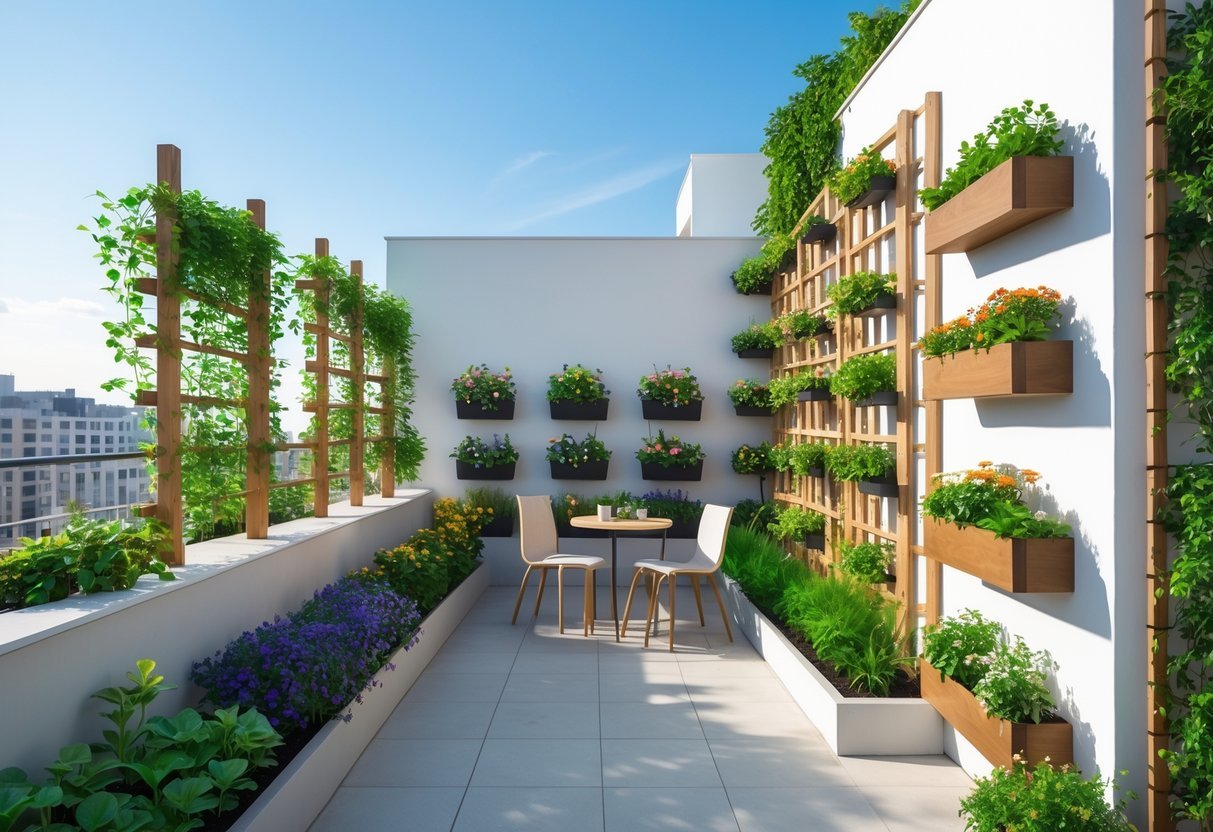
Vertical gardens make the most of limited terrace space by growing plants upward instead of outward. Trellises provide strong support for climbing plants like ivy or morning glories. Wall planters add layers of greenery while saving floor space.
These structures turn blank walls into vibrant, green areas. They work well for flowers, herbs, or small vegetables. This method helps create a neat and organized garden in tight spaces.
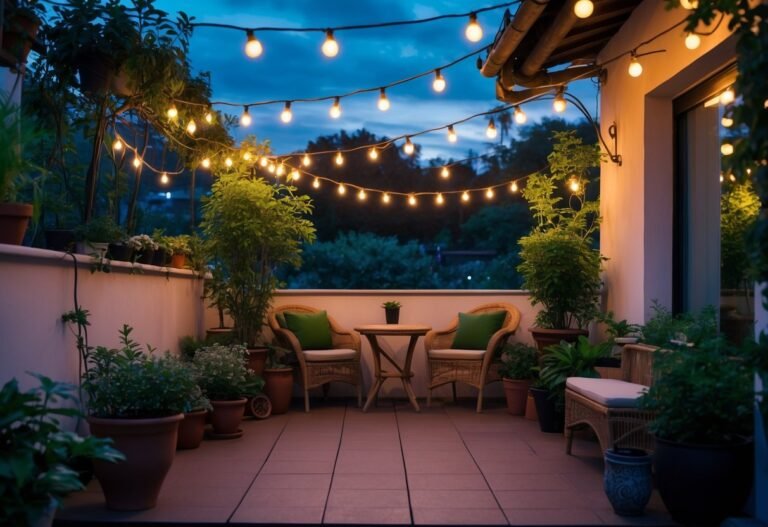
6) Cozy Seating Nooks with Weatherproof Furniture
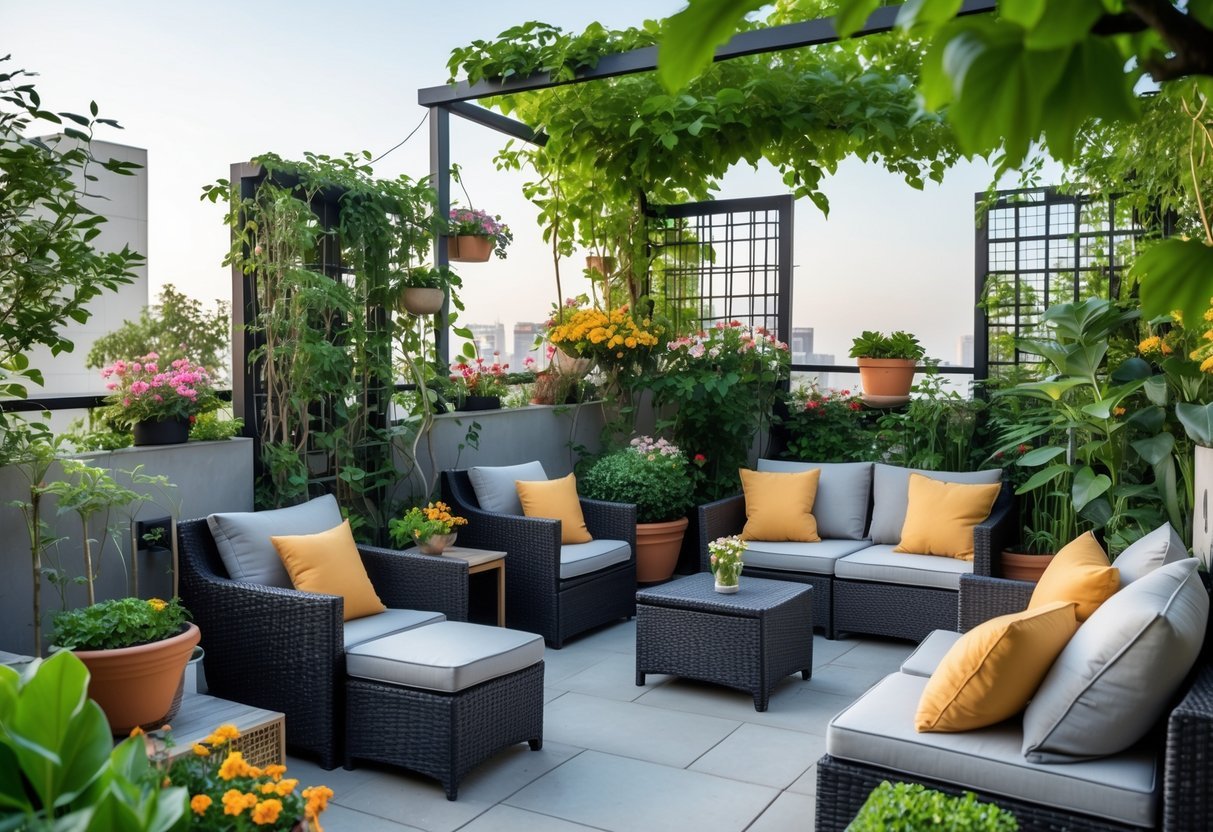
Creating a cozy seating nook on a terrace helps make the space inviting. Weatherproof furniture is practical for outdoor use, resisting rain and sun damage.
Adding soft cushions and throws designed for outdoor use improves comfort. A small table can hold drinks or books, making the nook perfect for relaxing.
Using durable materials like wicker, metal, or treated wood ensures the furniture lasts longer. This setup allows people to enjoy the terrace without worrying about weather changes.
7) Pergola with Climbing Vines for Shade
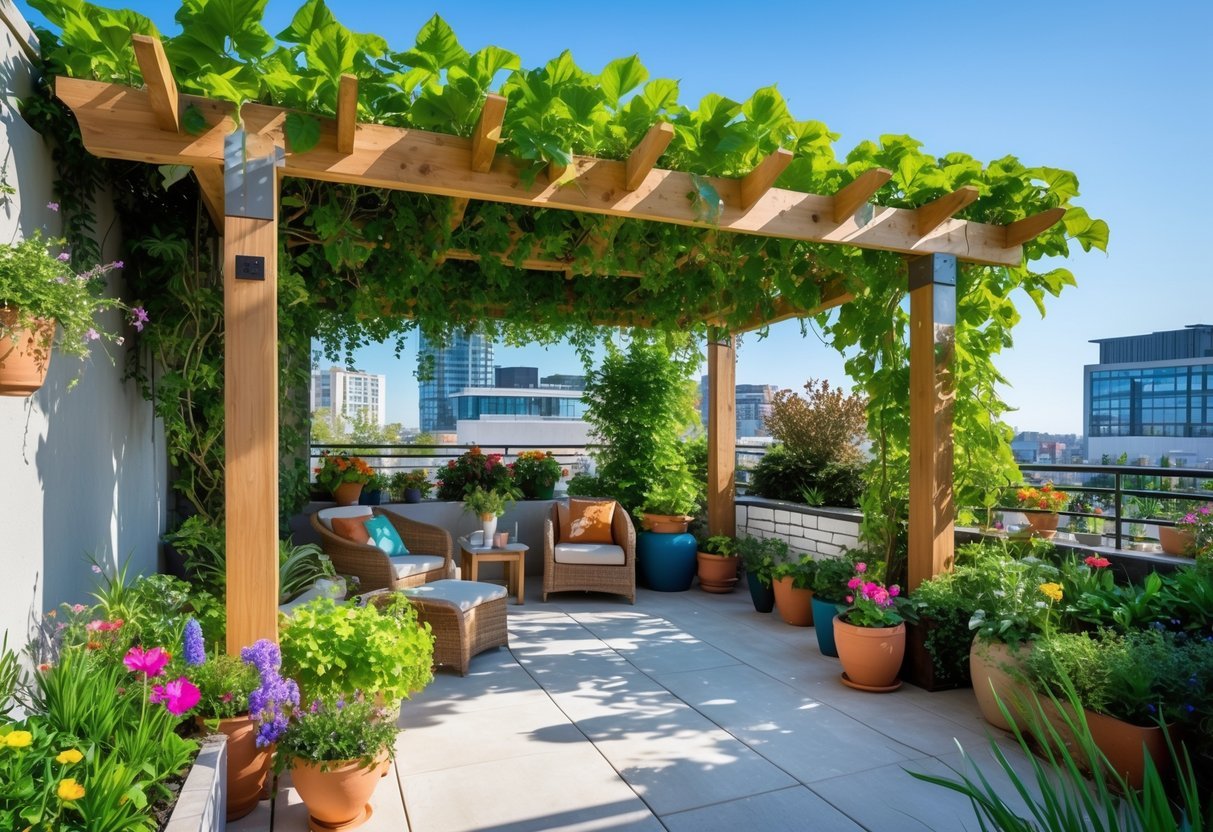
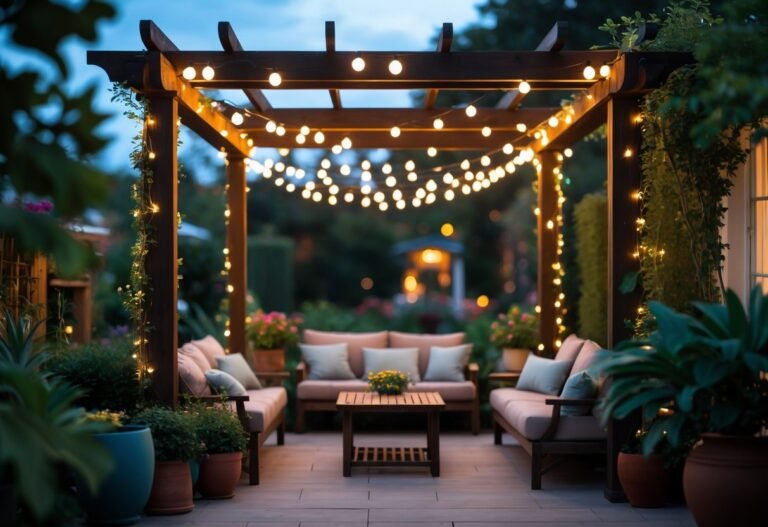
A pergola covered with climbing vines adds natural shade to a terrace garden. Vines like wisteria or clematis grow over the structure, creating a cool, green canopy.
This setup softens the look of the pergola and offers shelter from the sun. It also adds beauty and a peaceful feeling to the space.
Climbing plants are easy to care for and adapt well to different climates. They help turn a simple pergola into a living, shaded retreat on any terrace.
8) Succulent and Cactus Arrangement in Terracotta Pots
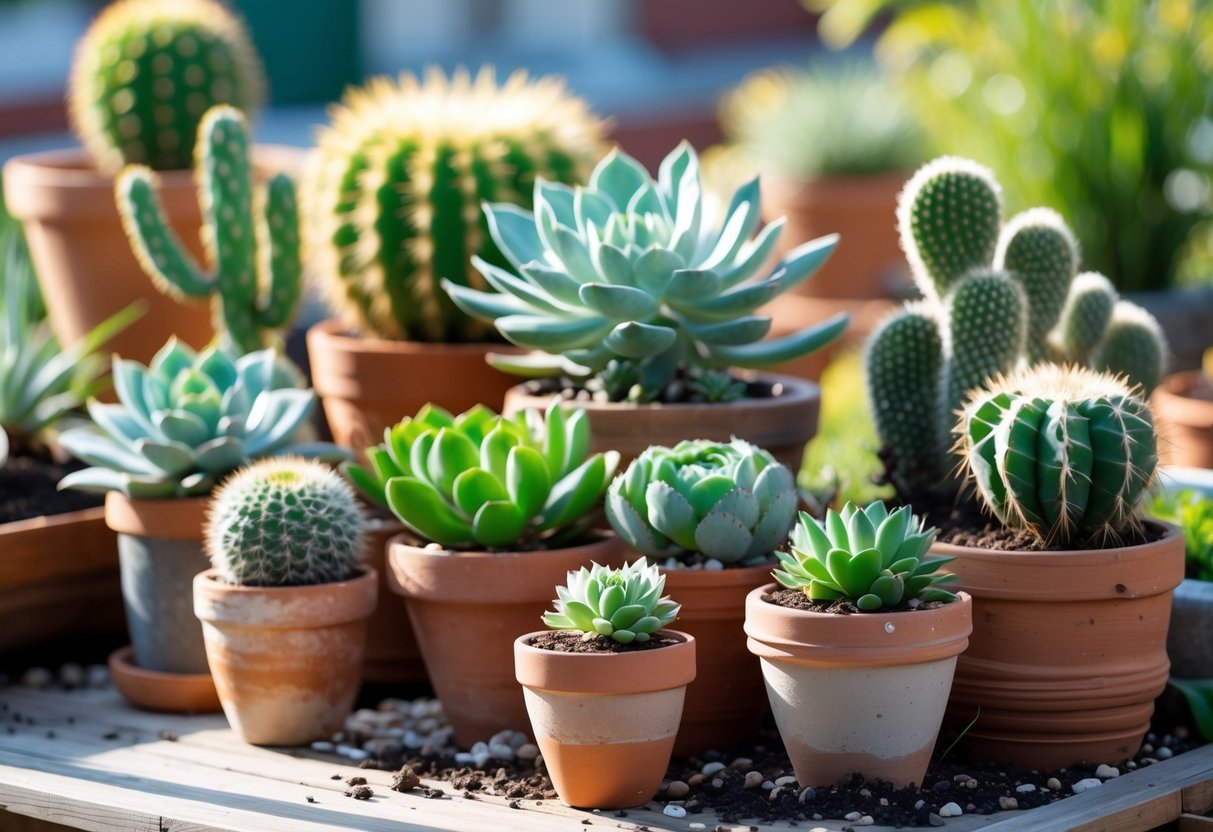
Terracotta pots are a popular choice for planting succulents and cacti. Their porous nature helps with good drainage and prevents overwatering.
Planting a mix of small succulents and cacti in these pots creates a natural, rustic look. Taller plants can be placed in the center or back, with smaller ones around them.
Using a well-draining soil mix designed for succulents helps keep the plants healthy. Arranging different shapes and colors adds visual interest without much effort.
9) Edible Terrace with Strawberries and Herbs
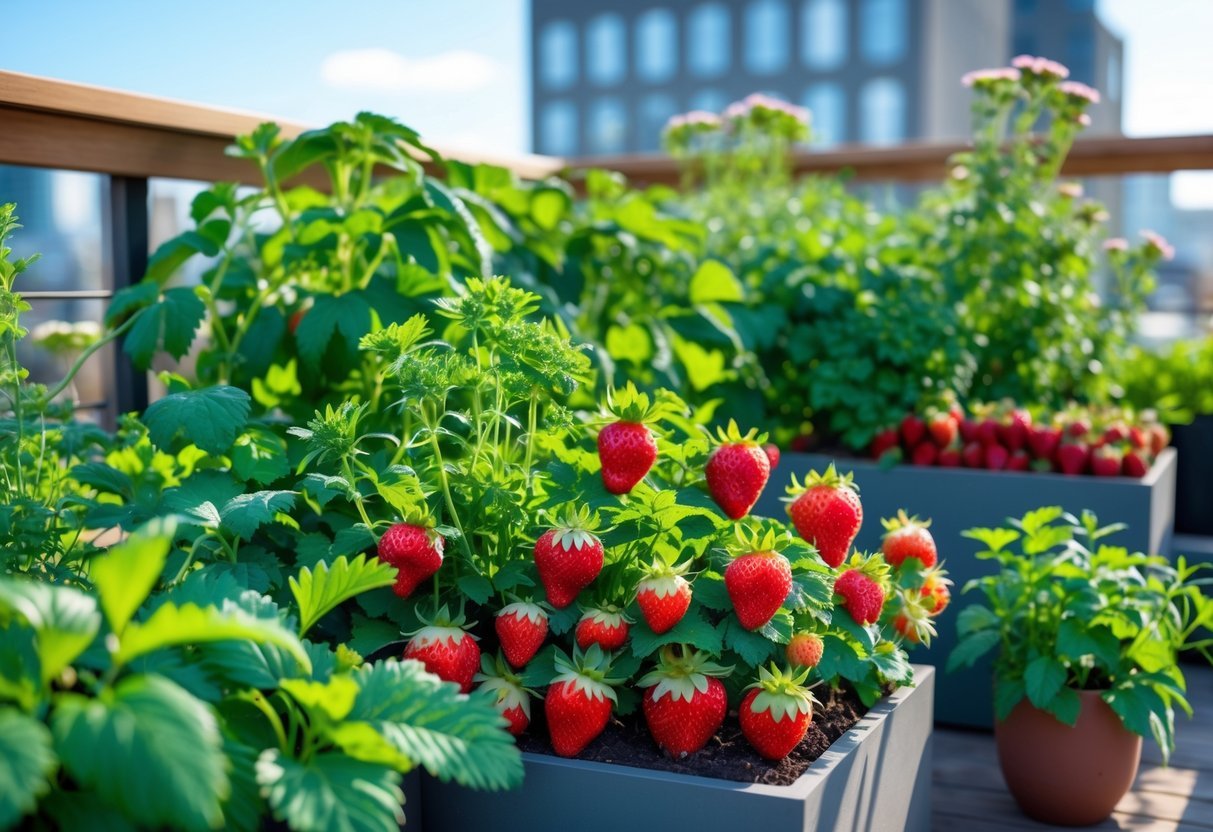
An edible terrace with strawberries and herbs offers both beauty and function. Strawberries grow well in containers, making them ideal for terraces with limited space.
Herbs like basil, thyme, and mint complement strawberries and are easy to care for. Together, they create a practical garden that can enhance cooking and add fresh flavors.
This combination also attracts pollinators, which helps keep the plants healthy. The mix of green herbs and red strawberries adds visual interest to any terrace garden.
10) Solar-Powered Fairy Lights for Evening Ambience
Solar-powered fairy lights add soft, warm lighting to a terrace garden in the evening. They charge during the day using sunlight, so no wires or electricity are needed.
These lights help create a cozy and inviting space for relaxing after dark. They also improve safety by lighting pathways and steps gently.
Because they are solar-powered, they use energy efficiently and cost nothing to run. Their charming glow makes them a practical and attractive choice for outdoor spaces.
Terrace Garden Layout Considerations
Designing a terrace garden requires careful planning of space, sunlight, and water management. Choosing the right layout can improve plant growth and ensure the garden stays healthy and vibrant. Proper attention to drainage and irrigation is also key for long-term success.
Optimizing Space and Sunlight
Maximizing limited terrace space means using both horizontal and vertical areas. Vertical gardens or trellises allow growing more plants without taking up floor space. Placing taller plants at the back and smaller ones in front helps all plants receive enough sunlight.
The direction of the terrace affects sunlight. South-facing terraces get the most sun, ideal for sun-loving plants. North-facing areas need shade-tolerant species. It’s important to measure daily sun hours and pick plants suited for those conditions.
Using movable containers allows flexibility. Plants can be moved to catch sunlight or avoid harsh afternoon rays. Grouping plants with similar sunlight needs together simplifies care and leads to stronger growth.
Essential Drainage and Irrigation Tips
Proper drainage prevents water buildup that can harm roots and damage the terrace surface. Installing a layer of gravel or broken pottery at the bottom of containers aids water flow. Using pots with drainage holes is essential.
Regular water management prevents overwatering or drying out. Automated drip irrigation systems deliver water directly to the soil, conserving water and ensuring uniform moisture. For manual watering, early morning is best to reduce evaporation.
Checking and clearing drainage outlets keeps water flowing freely. Adding mulch on the soil surface helps retain moisture and reduces watering frequency. Consistent drainage and irrigation help maintain healthy plants and a safe terrace environment.
Long-Term Maintenance and Seasonal Care
Proper care of a terrace garden ensures plants stay healthy and thrive through changing seasons. Regular attention to soil condition and pest control helps maintain strong growth and prevents common problems.
Soil Health and Fertilization
Maintaining soil quality is crucial for a successful terrace garden. Regularly check soil moisture and texture to avoid compaction, which limits root growth. Adding organic matter like compost or well-rotted manure every few months improves soil structure and nutrient content.
Fertilizers should match the needs of specific plants. Balanced fertilizers with equal parts nitrogen, phosphorus, and potassium work well for most flowers and vegetables. Slow-release formulas are ideal because they provide nutrients over time and reduce the risk of overfeeding.
pH levels also matter. Most terrace plants prefer slightly acidic to neutral soil (pH 6.0 to 7.0). Soil testing kits can help monitor this, allowing for adjustments with lime or sulfur if necessary.
Dealing With Pests and Plant Diseases
Regular inspection is the best defense against pests and diseases. Look for signs like yellowing leaves, holes, or sticky residue. Early detection allows for quick treatment and prevents infestations from spreading.
Natural remedies such as neem oil or insecticidal soap are effective and safer for edible plants. For fungal diseases, remove affected leaves and improve air circulation by spacing plants properly.
Integrated pest management includes encouraging beneficial insects like ladybugs that prey on harmful pests. Avoid chemical pesticides when possible, especially in small terrace spaces, to protect plant health and the environment.
Frequently Asked Questions
Creating a terrace garden involves careful planning of plants, layout, and materials. Thoughtful choices in design, space use, and maintenance help build a functional and attractive garden.
What are the essential elements to include when designing a terrace garden?
A terrace garden should include raised beds or planter boxes to organize plants. Incorporating a mix of herbs like rosemary and thyme adds fragrance and flavor. Water features can improve atmosphere and reflect light. Using trellises for vertical gardens maximizes growing space.
How can one maximize space in a small terrace garden?
Vertical gardens are key for small terraces. Wall planters and trellises allow plants to grow upward. Multi-level raised beds help separate herbs and flowers efficiently. Compact seating and small pots keep the area open and usable.
Which plants are best suited for a terrace garden environment?
Mediterranean herbs such as rosemary, thyme, and lavender thrive in terraces with good sunlight. Vegetables and flowers need well-drained soil and regular watering. Choose plants that suit the climate and light conditions of the terrace.
What flooring materials are recommended for terrace gardens?
Modern composite decking is durable and weather-resistant for outdoor use. It pairs well with planter boxes and can handle foot traffic. Tiles or stone slabs also work well but require proper sealing to prevent water damage.
How can I ensure proper drainage in my terrace garden?
Using raised beds with drainage holes allows excess water to escape. Layering gravel beneath soil helps prevent water buildup. Checking the slope of the terrace floor and adding drainage pipes or mats can avoid water pooling.
What lighting options are ideal for creating ambiance in terrace gardens?
Soft string lights or LED spotlights highlight plants and seating areas without overpowering the space. Solar-powered lights provide energy-efficient options. Adjustable fixtures help set a relaxing mood during evenings.