Garden Ideas Backyard: Expert Tips for Transforming Your Outdoor Space
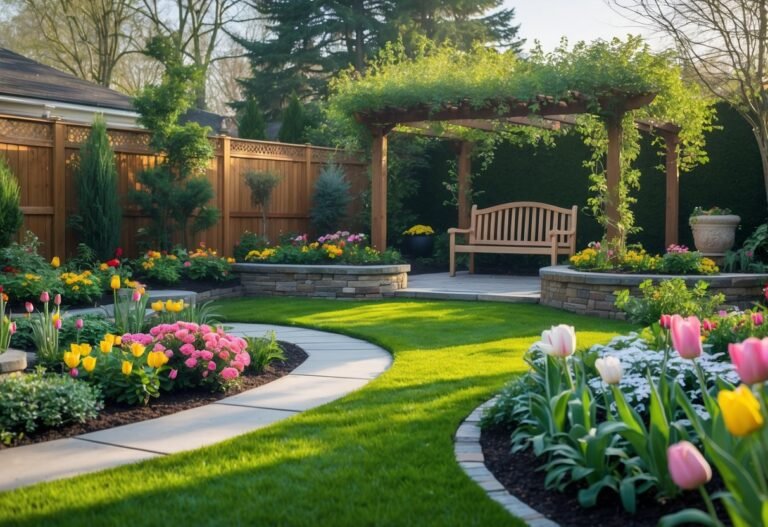
Creating a beautiful and functional backyard garden can transform any outdoor space into a personal retreat. Whether the area is small or expansive, thoughtful design and planning allow for a variety of styles and features that enhance both aesthetics and usability. The key to successful backyard garden ideas lies in balancing creativity with practicality to suit the available space and the gardener’s needs.
Garden ideas range from simple, budget-friendly projects to more elaborate landscapes involving hardscaping and decorative elements. Incorporating features like vertical gardens, pollinator-friendly plants, and water elements can add interest without requiring a large footprint. This makes it possible to make a significant impact even in limited or awkward spaces.
By considering factors such as sunlight, soil quality, and intended use, anyone can select garden designs that promote growth and enjoyment. Practical tips and diverse ideas help turn blank backyards into inviting areas that reflect personal tastes and lifestyles.
Backyard Garden Design Fundamentals
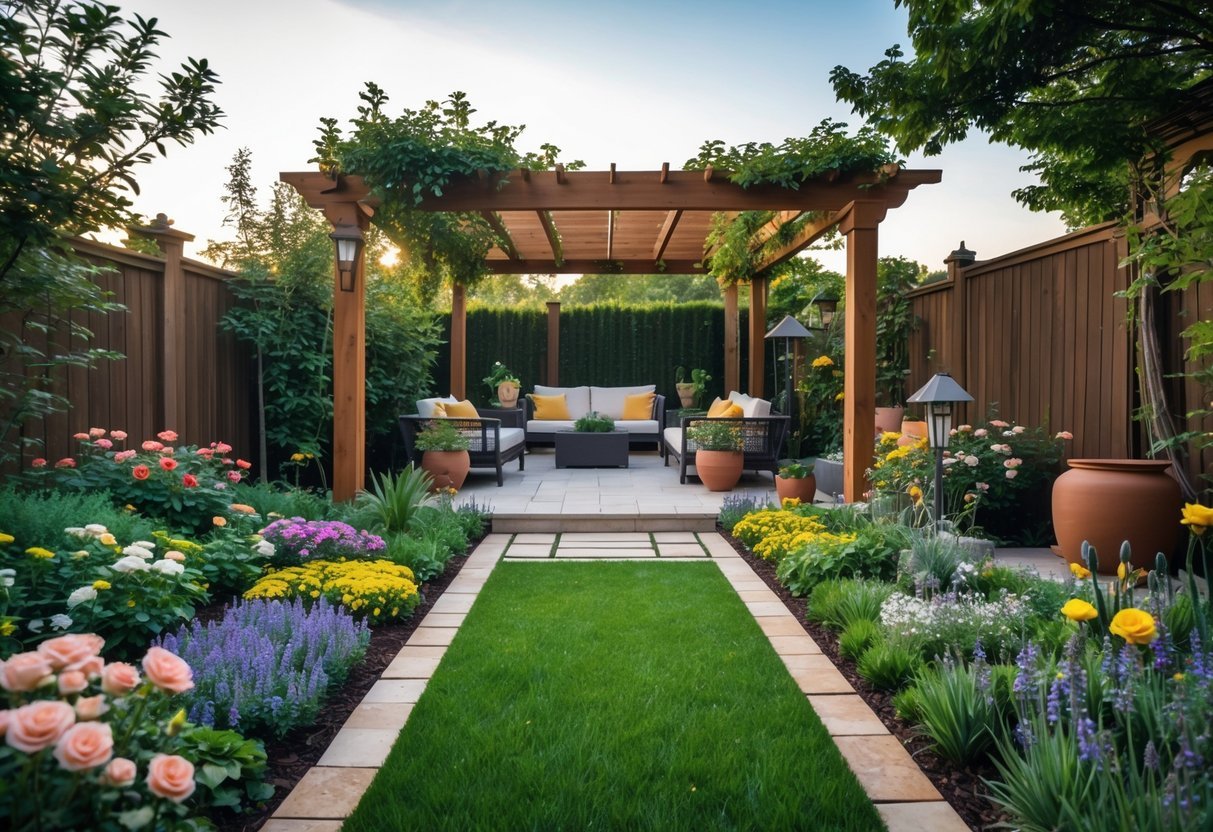
Designing a backyard garden requires careful planning around space, style, and function. Successful gardens balance practical needs with aesthetic preferences to enhance outdoor living.
Understanding Space and Layout
Accurately measuring the backyard is the first step. Dimensions determine how much room is available for plant beds, seating areas, pathways, and other features. Noticing natural elements, like sunlight patterns and soil type, helps in choosing appropriate plants and placing zones effectively.
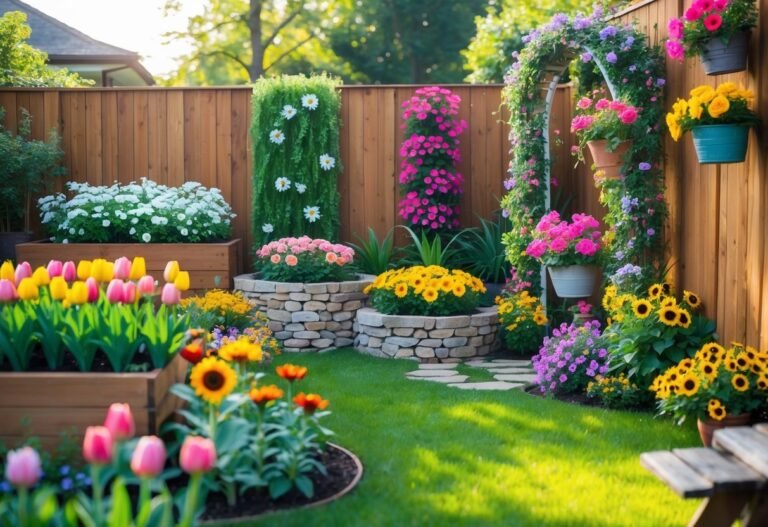
Using a scaled drawing or digital tool to map out the space can prevent overcrowding and ensure smooth traffic flow. Planning for vertical space with trellises or raised beds adds garden layers without consuming ground area. Clear separation between areas keeps the layout organized and visually appealing.
Choosing a Garden Style
Selecting a garden style guides the overall look and plant choices. Popular styles include cottage, modern minimalist, and native or wildlife-friendly gardens.
For a cottage garden, dense flower beds with informal shapes create charm. Modern gardens often feature clean lines, simple plant palettes, and materials like concrete or metal. Native gardens focus on local plant species, reducing maintenance and supporting biodiversity.
Matching the garden style to the home’s architecture ensures cohesion. Consider personal lifestyle and climate when deciding, as these influence plant health and usability.
Creating Functional Zones
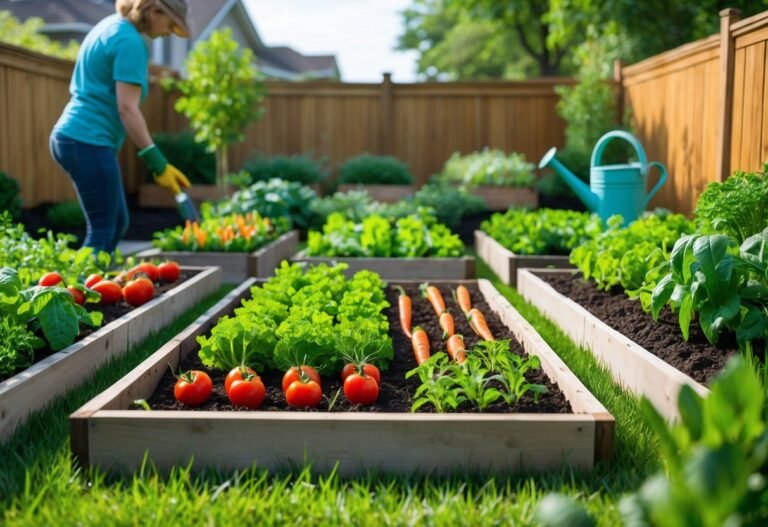
Dividing the backyard into distinct zones maximizes both comfort and utility. Common zones include relaxation areas, vegetable or herb gardens, play spaces, and entertainment spots.
Each zone should serve its purpose clearly. For example, seating areas benefit from shade and privacy screening, while vegetable beds need full sun and easy access to water. Pathways between zones improve navigation and protect plants.
Using hedges, fences, or changes in ground material can define boundaries without disrupting the garden’s visual flow. Thoughtful zoning encourages diverse activities while maintaining a unified garden design.
Plant Selection and Arrangement
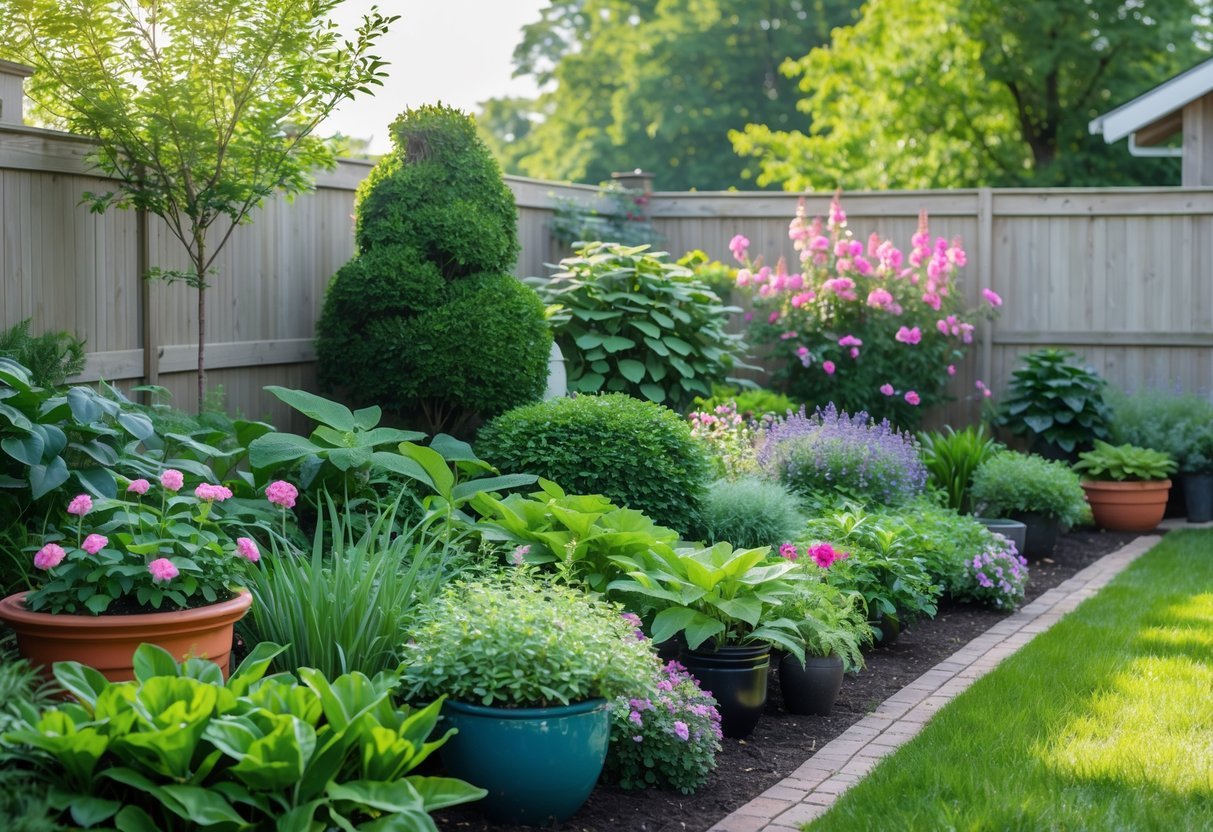
Choosing the right plants and organizing them thoughtfully can greatly impact both the beauty and function of a backyard garden. Key factors include plant types that suit the climate and soil, a balanced color palette that changes with the seasons, maintenance levels to meet the gardener’s capacity, and strategic plant partnerships to boost growth and deter pests.
Best Plants for Backyard Gardens
Selecting plants that thrive in the local environment is essential. Perennials like coneflowers, hostas, and daylilies provide reliable structure and return each year with minimal effort. Annuals such as marigolds and petunias add vibrant color but require replanting each season.
Shrubs like boxwoods or hydrangeas create definition and privacy. Trees such as dogwoods or small fruit trees offer height and shade while supporting local wildlife. Incorporating some native species can improve resilience and reduce water needs.
Color Schemes and Seasonal Interest
A well-designed backyard garden balances color and texture to offer visual appeal throughout the year. Using a combination of spring bulbs, summer perennials, fall foliage, and winter evergreens ensures continuous interest.
For example, tulips and daffodils can brighten early spring, while asters and ornamental grasses add depth in autumn. Mixing flower colors like purples, yellows, and whites draws the eye and prevents monotony. Texture contrasts between soft foliage and sturdy stems enrich the garden’s visual complexity.
Low-Maintenance Planting Ideas
Gardeners seeking low upkeep should focus on drought-tolerant and disease-resistant plants. Succulents, lavender, and ornamental grasses often require less watering and feeding. Grouping plants with similar water and light needs reduces care requirements.
Mulching around plants conserves moisture and suppresses weeds. Raised beds or containers can limit invasive roots and simplify soil management. Incorporating hardscaping elements like stone paths or mulch also cuts down on weeding and mowing time.
Companion Planting Tips
Companion planting improves garden health by pairing plants that support each other’s growth or deter pests naturally. For instance, planting marigolds near tomatoes can repel nematodes and whiteflies.
Basil grows well alongside peppers and tomatoes, enhancing flavor and reducing pests. Beans and corn have a symbiotic relationship; beans fix nitrogen in the soil while corn provides physical support for bean vines.
Planning companion groups based on root depth, nutrient needs, and sunlight exposure optimizes space and plant vigor.
Enhancing Outdoor Living Spaces
Creating a functional and inviting outdoor area involves careful planning around comfort, visual appeal, and usability. Elements such as seating, water features, and lighting play key roles in defining how the space is experienced.
Incorporating Seating Areas
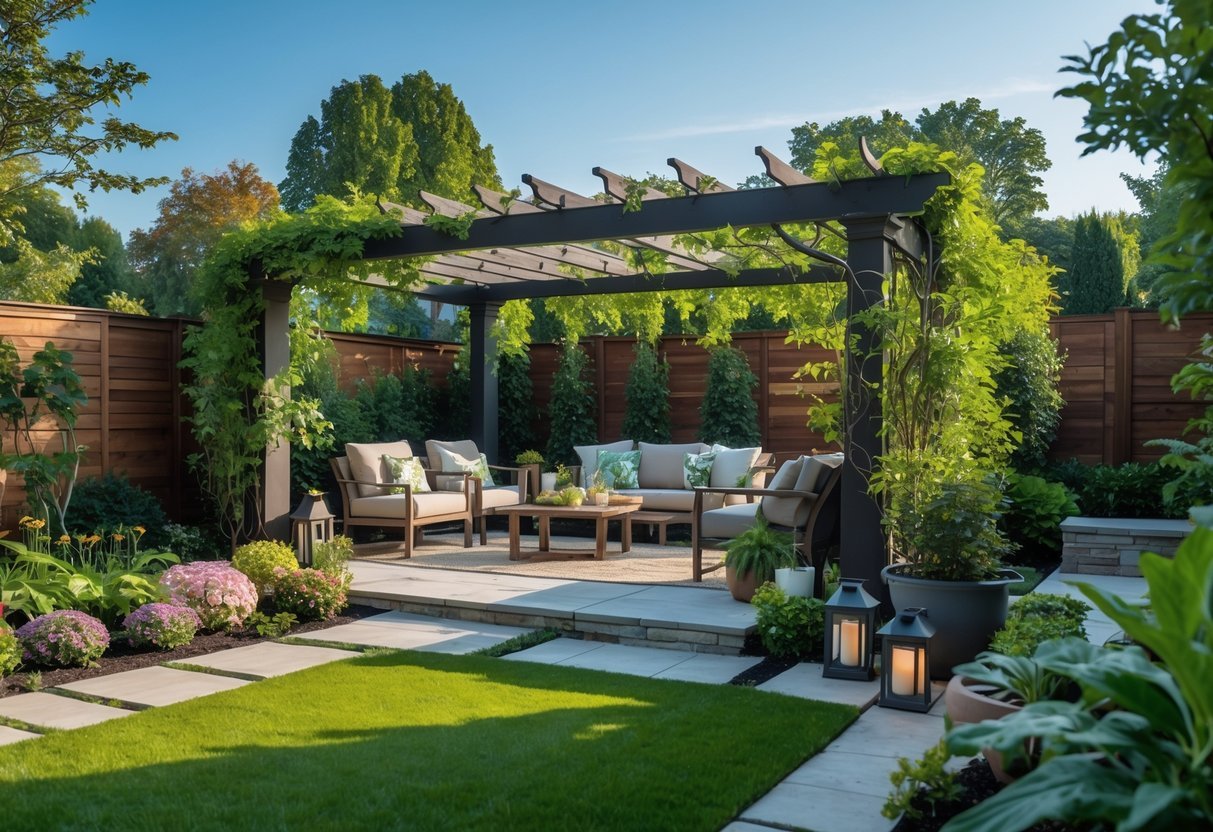
Well-designed seating arrangements provide both relaxation and social gathering opportunities. Options range from built-in benches to movable furniture sets using weather-resistant materials like teak, aluminum, or synthetic wicker.
Position seating to encourage conversation and maximize views or privacy. Including cushions and throw pillows adds comfort and can introduce color or texture. For practical purposes, sturdy tables or side surfaces nearby offer convenience for drinks, books, or snacks.
Built-in seating along patios or garden edges can save space and create structure. Conversely, a fire pit surrounded by chairs establishes a cozy focal point. Choosing modular pieces allows flexibility to adjust the setup for different occasions or group sizes.
Adding Water Features
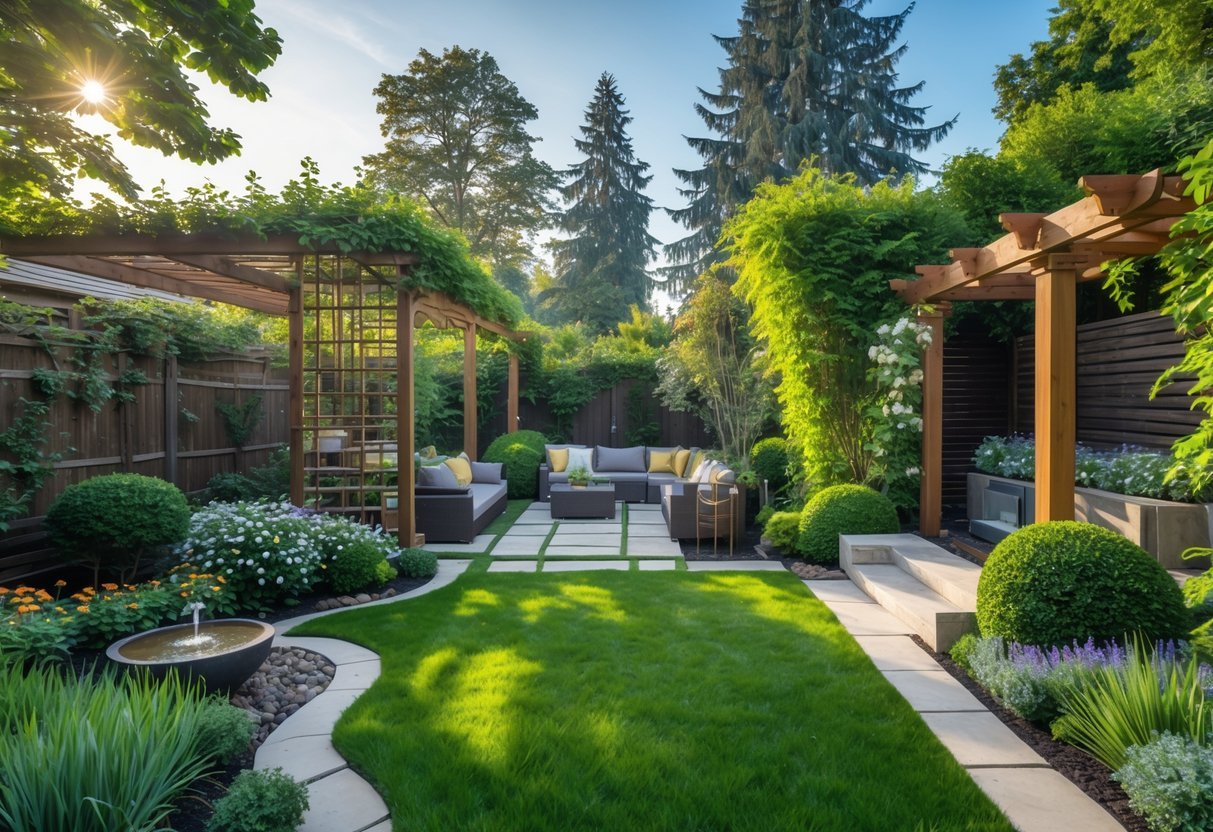
Water features enhance ambiance through soothing sounds and visual interest. Common options include fountains, small ponds, or cascading waterfalls that can fit compact or expansive yards.
Installing a recirculating pump ensures sustainability and easy maintenance. Natural stone surrounds bring an organic element, while modern sleek designs suit minimalist gardens. Water features also attract birds and wildlife, enriching the backyard ecosystem.
For practicality, consider safety aspects, especially with children or pets. Proper placement away from high-traffic paths reduces risk, and regular cleaning prevents algae buildup. Combining water features with nearby seating invites relaxation and mindfulness.
Lighting for Ambiance
Strategic outdoor lighting extends usability into evening hours and sets the mood. Layered lighting incorporating task, accent, and ambient sources creates depth and functionality.
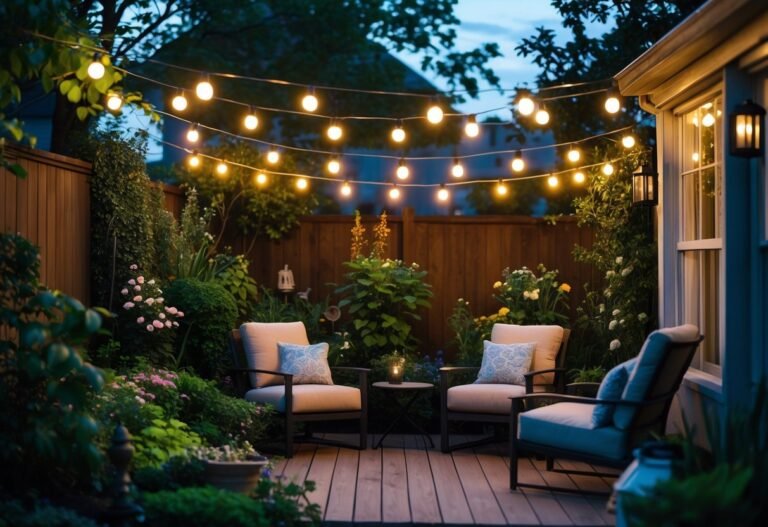
String lights overhead add a warm glow, ideal for dining and relaxation zones. Path lights improve safety along walkways and guide visitors while subtly highlighting garden elements.
Spotlights or uplights focused on trees, sculptures, or architectural features emphasize textures and shapes. Solar-powered options offer energy efficiency and straightforward installation. Timers or smart controls enable convenient management and help conserve energy.
Proper lighting carefully balances brightness to avoid glare while ensuring visibility. Integrating dimmers provides adaptable atmospheres depending on activities or time of night.
Personalizing Your Backyard Garden
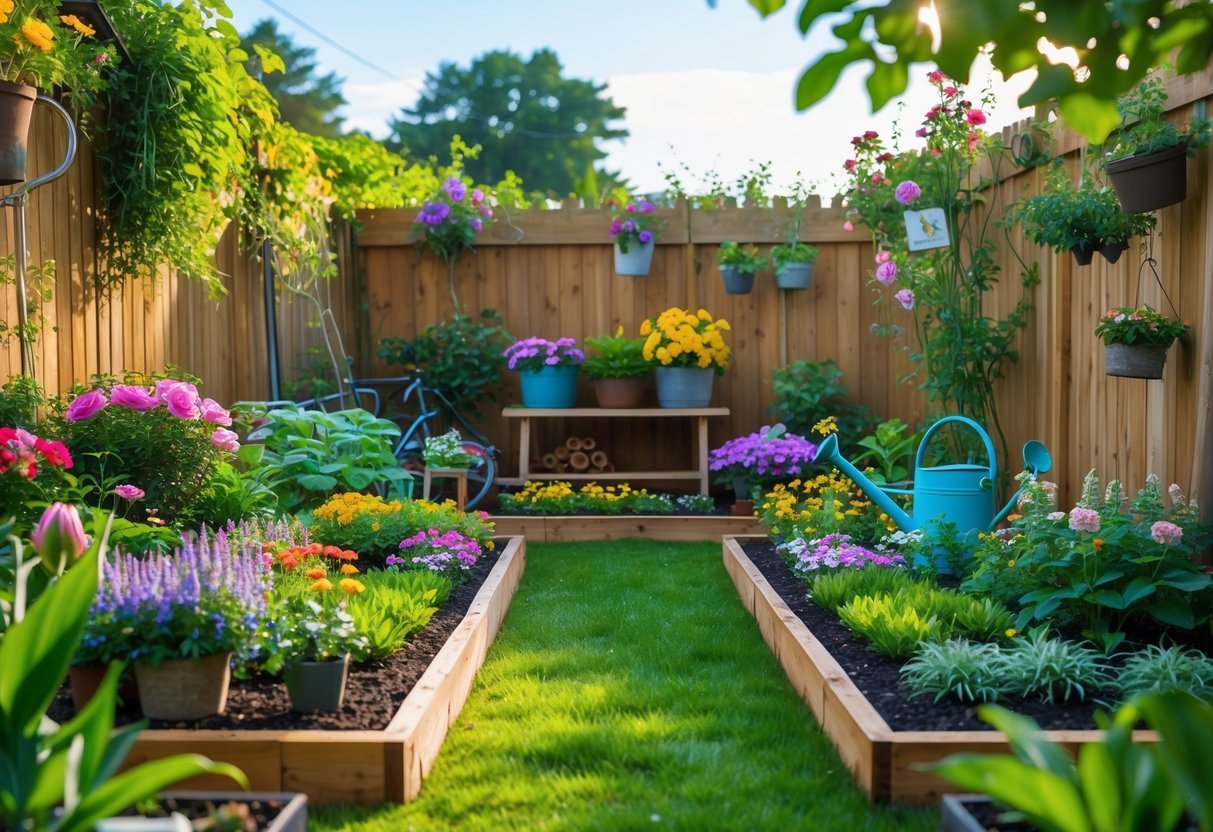
A backyard garden becomes meaningful through thoughtful additions that reflect personal style and values. Incorporating distinctive decor, fostering local wildlife, and adopting eco-friendly habits all contribute to a backyard that is both inviting and purposeful.
Creative Garden Decor
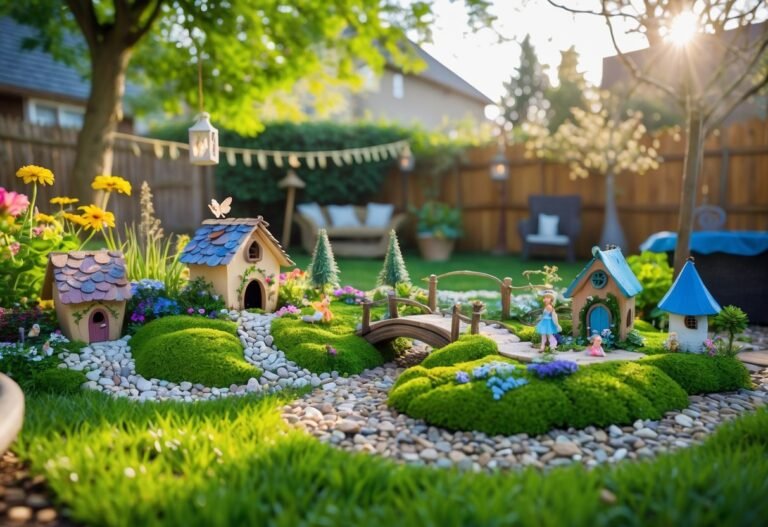
Unique decorations elevate a garden’s atmosphere. Options include repurposed materials like old wooden crates turned into planters or painted stones creating colorful pathways. Adding vertical elements such as trellises or wall-mounted planters saves space and adds visual interest.
Functional furniture tailored to available space enhances usability. For example, built-in benches with storage or foldable tables help maximize comfort without clutter. Artistic touches like wind chimes, sculptures, or fairy lights create focal points and invite relaxation.
Using varied textures and colors in decor clarifies distinct zones within the garden, such as eating areas, quiet nooks, or play spaces. Well-chosen decor balances aesthetics with practicality, shaping a welcoming backyard environment.
Wildlife-Friendly Elements
Attracting local wildlife promotes biodiversity and liveliness in a garden. Installing bird feeders, baths, and nesting boxes encourages birds to visit and contribute to pest control. Native plants with berries and nectar support bees, butterflies, and other pollinators.
Design elements such as log piles or rockeries offer shelter for beneficial insects and small mammals. Minimizing pesticides and providing diverse plant species helps maintain a healthy ecosystem. Water features—not just decorative but also designed for wildlife—aid hydration and habitat.
Creating wildlife corridors with continuous planting allows safe movement and increases the garden’s environmental value. Such inclusions make the backyard a vibrant, self-sustaining sanctuary.
Sustainable Gardening Practices
Sustainability focuses on reducing environmental impact while enhancing garden health. Composting organic waste returns nutrients to soil and decreases landfill contributions. Rainwater harvesting systems lower water usage by collecting and storing runoff.
Selecting drought-tolerant and native plants reduces irrigation needs and enhances resilience. Mulching helps retain soil moisture and suppress weeds naturally. Avoiding synthetic fertilizers and pesticides promotes soil biodiversity and long-term fertility.
Integrating edible plants supports local food production. Techniques like companion planting limit pests naturally and improve growth. Sustainable practices combine resource efficiency with garden productivity for lasting benefits.