7 Backyard Garden Ideas to Transform Your Outdoor Space
Creating a backyard garden can enhance any outdoor space, making it more enjoyable and inviting. Whether the yard is large or small, well-planned garden ideas can add beauty and function without requiring too much work. Many people look for ways to refresh their gardens with designs that are both practical and attractive.
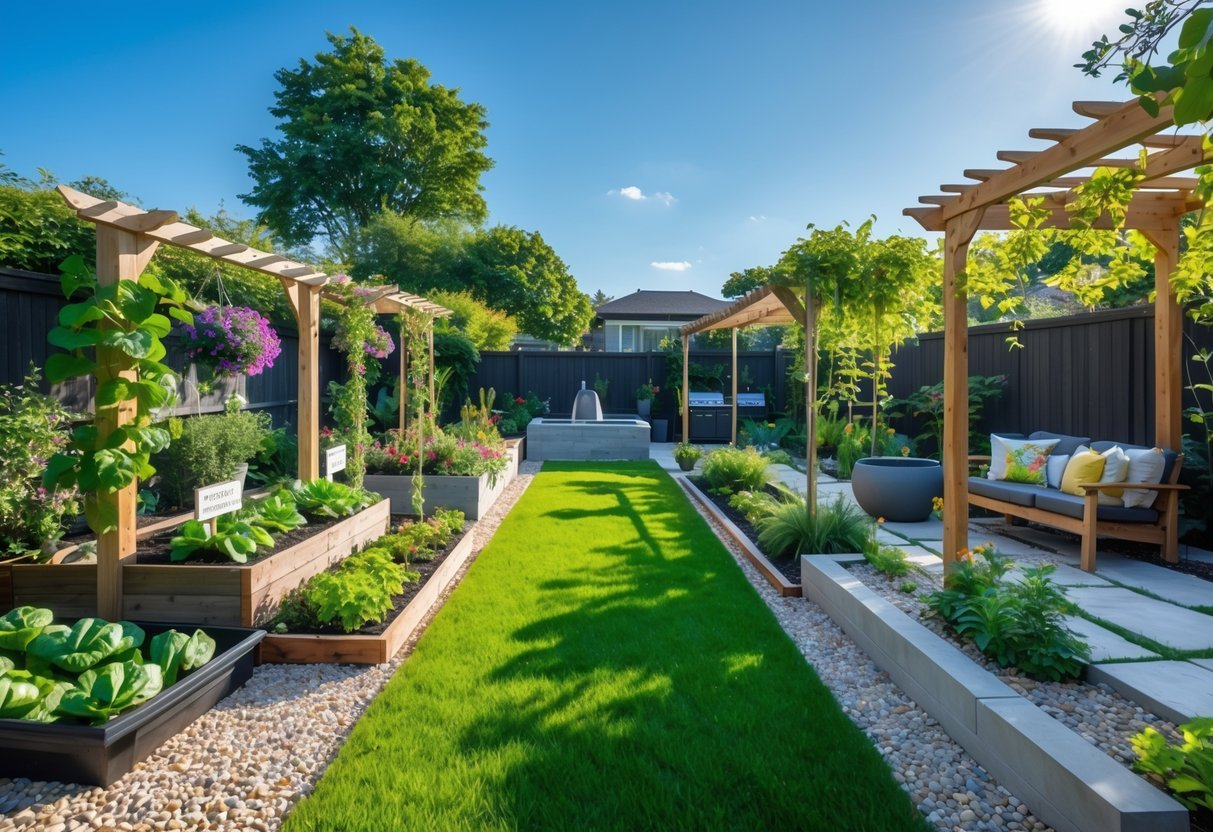
The key is finding simple garden ideas that fit different spaces and needs while keeping maintenance low. This helps ensure the garden remains a relaxing and appealing area throughout the year. With thoughtful choices, anyone can transform their backyard into a pleasant retreat.
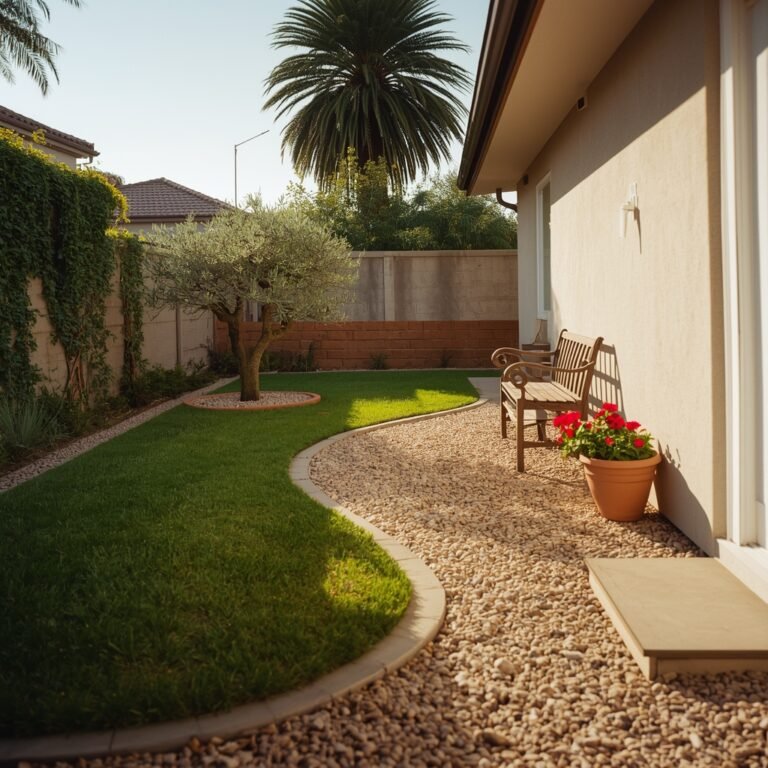
1) Create a stone path to add structure and charm
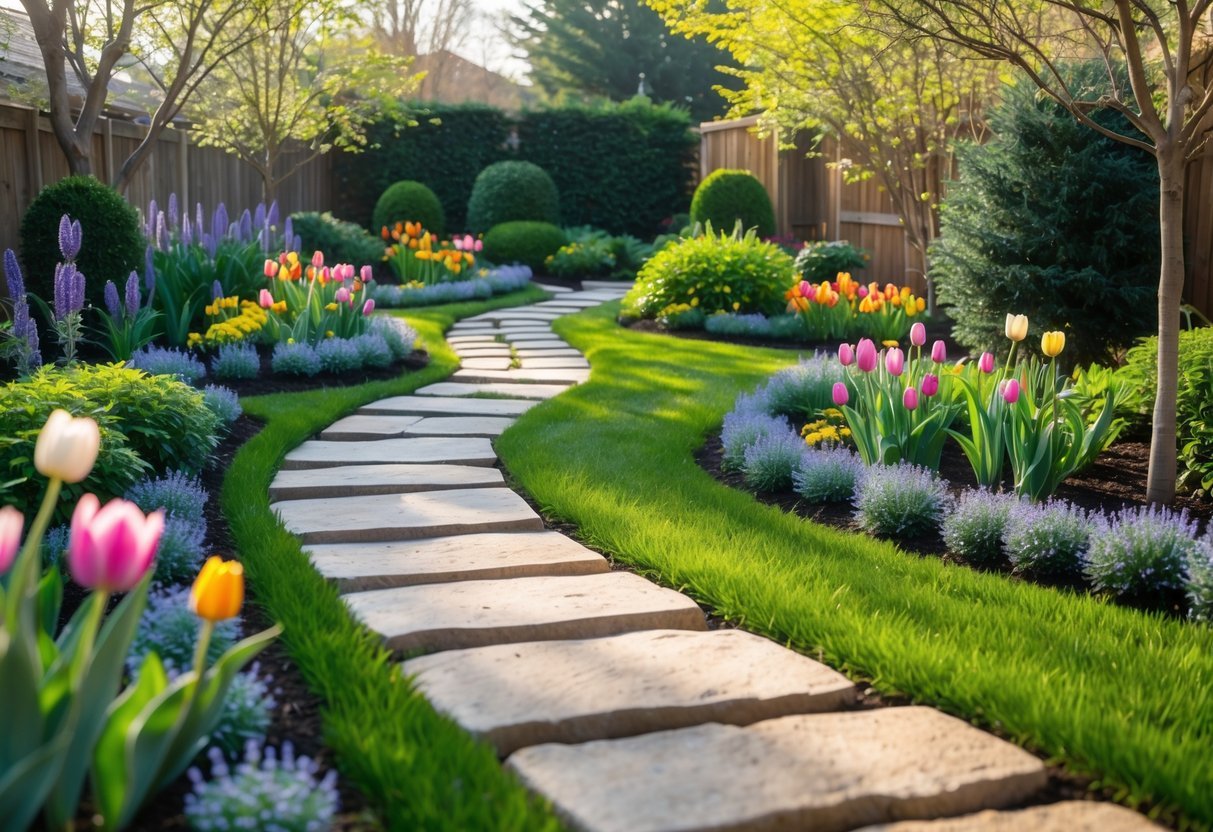
A stone path can give a backyard garden clear structure. It guides visitors and connects different areas, making the space easier to use.
Using natural stone adds a timeless look that fits many garden styles. Stones like flagstone or pebble create a durable surface that requires little upkeep.
Adding edging stones helps define the path and keeps it neat. This small detail improves the overall appearance and adds subtle charm to the garden.
2) Install raised garden beds for easier planting and maintenance
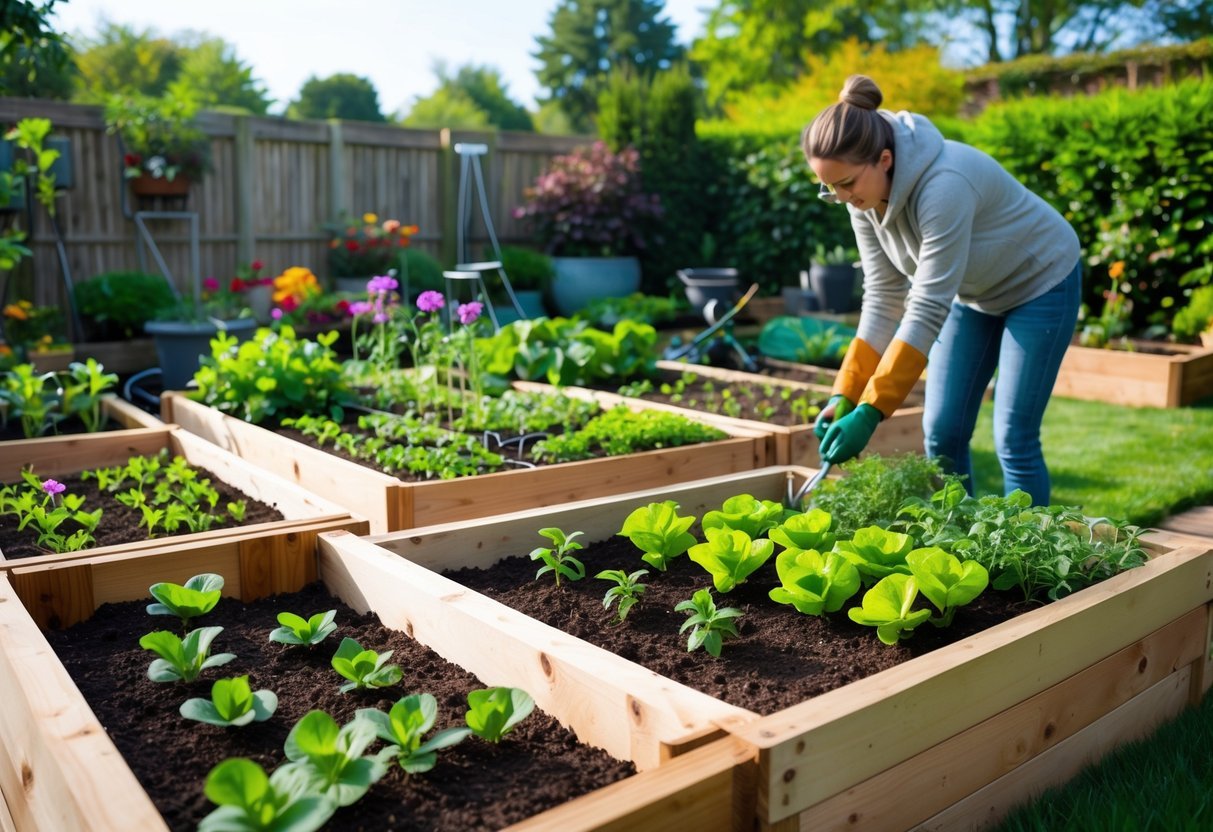
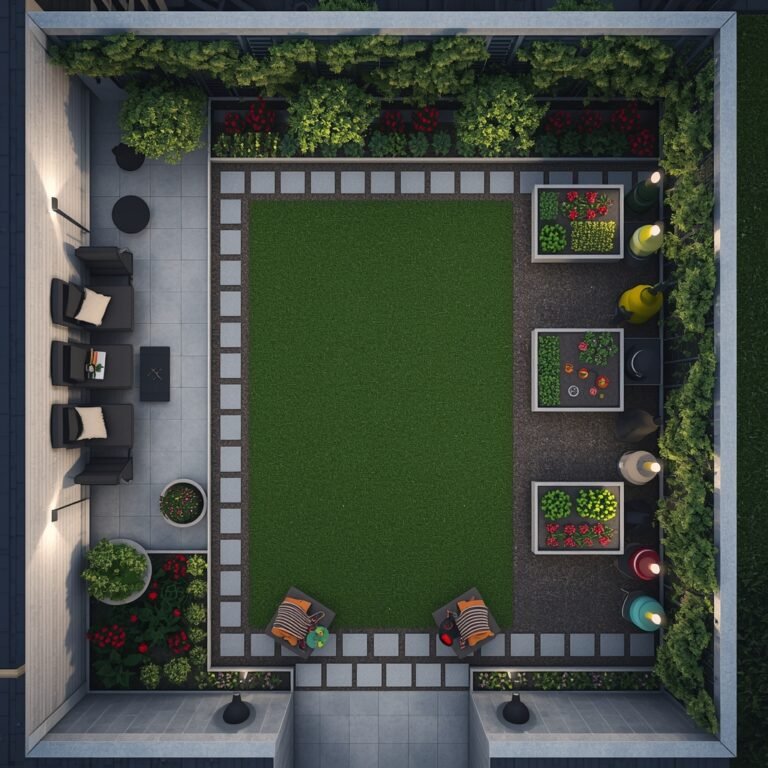
Raised garden beds improve drainage and soil quality, making planting simpler. They raise plants off the ground, which reduces weeds and soil compaction.
These beds are easy to build using materials like wood, stone, or cinder blocks. They also work well in small spaces or uneven yards.
By organizing soil in a contained area, raised beds help gardeners manage nutrients and water better. This makes maintenance less time-consuming and more efficient.
3) Add a tranquil water feature like a small pond or fountain
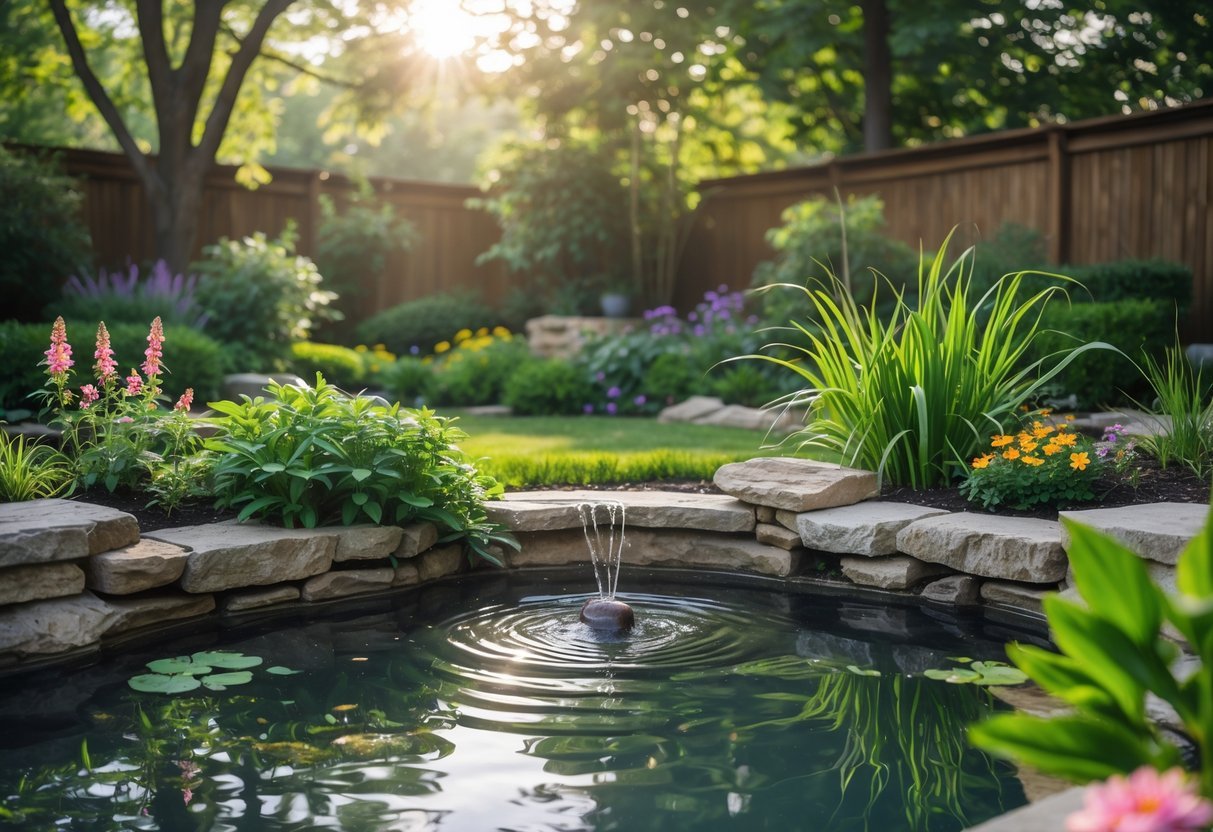
A small pond or fountain can bring calmness to any backyard garden. The gentle sound of flowing water creates a peaceful atmosphere.
Water features suit gardens of all sizes, from large yards to small patios. They also fit different styles, whether modern or natural.
Simple designs like bubbling fountains or small ponds with plants are easy to set up. They add life and soft background noise without needing much space.
4) Use vertical planters to maximize space in small yards
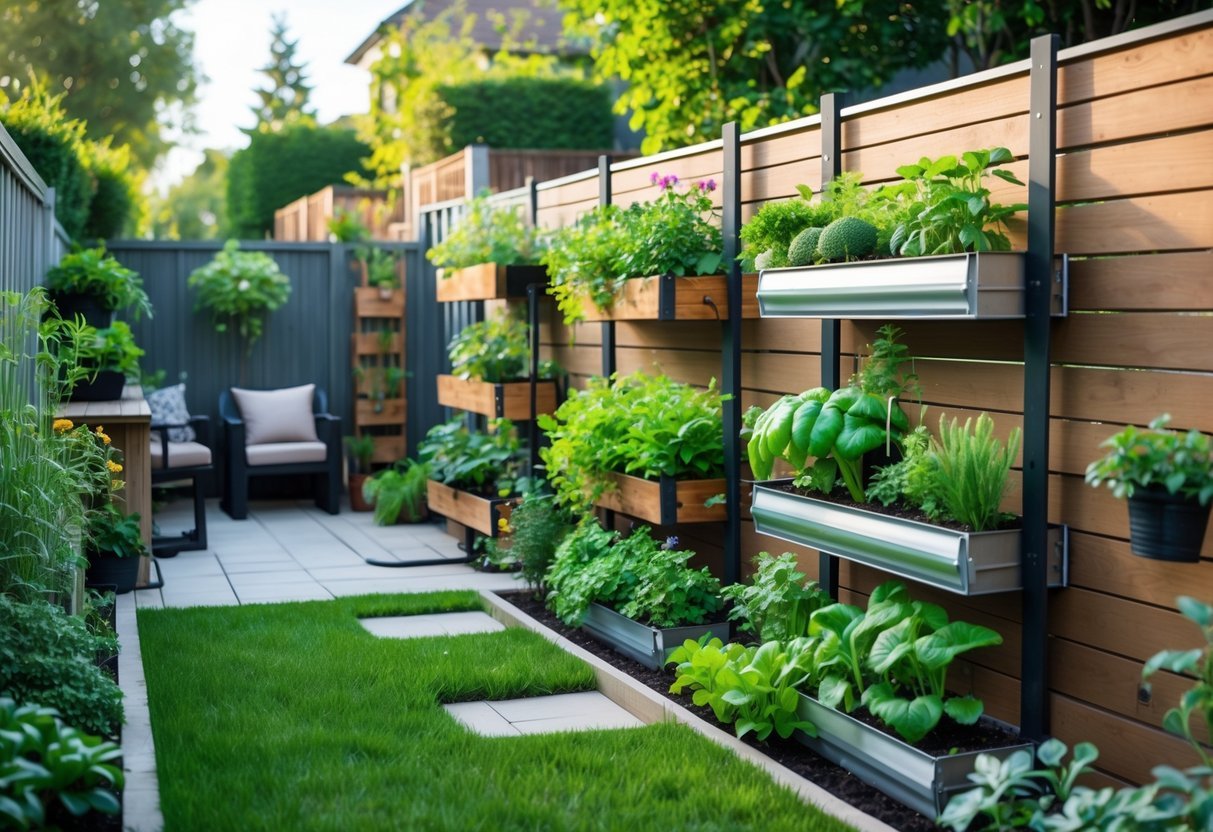
Vertical planters help make the most of limited yard space by growing plants upward instead of outward. They fit well on walls, fences, or freestanding structures. This approach frees up ground space for other uses.
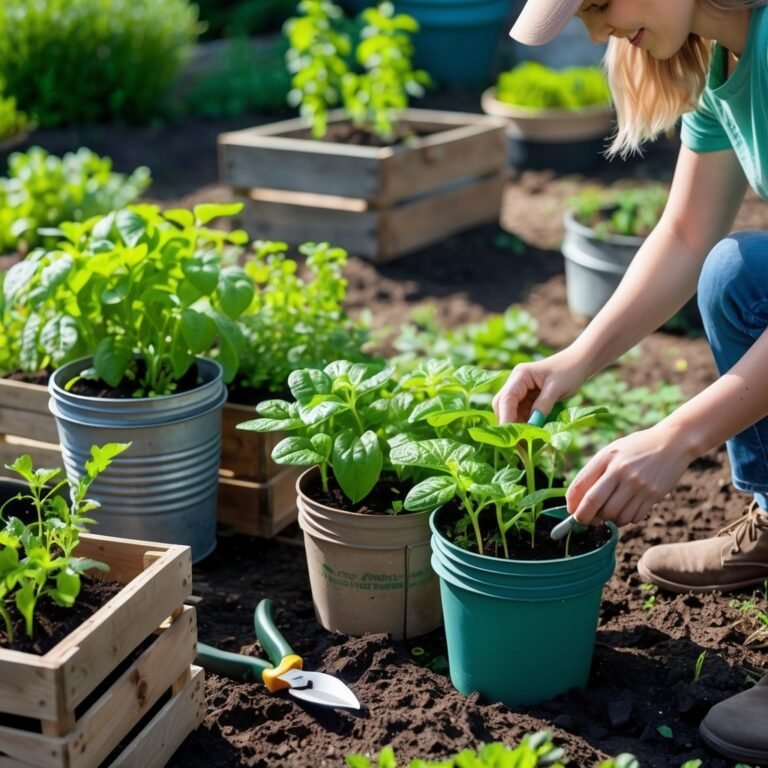
People can use various materials like wood, metal, or recycled plastic for vertical planters. These containers work for growing herbs, flowers, or small vegetables. Vertical gardening adds greenery while keeping the yard organized and neat.
5) Incorporate a mix of perennial flowers and shrubs for year-round appeal
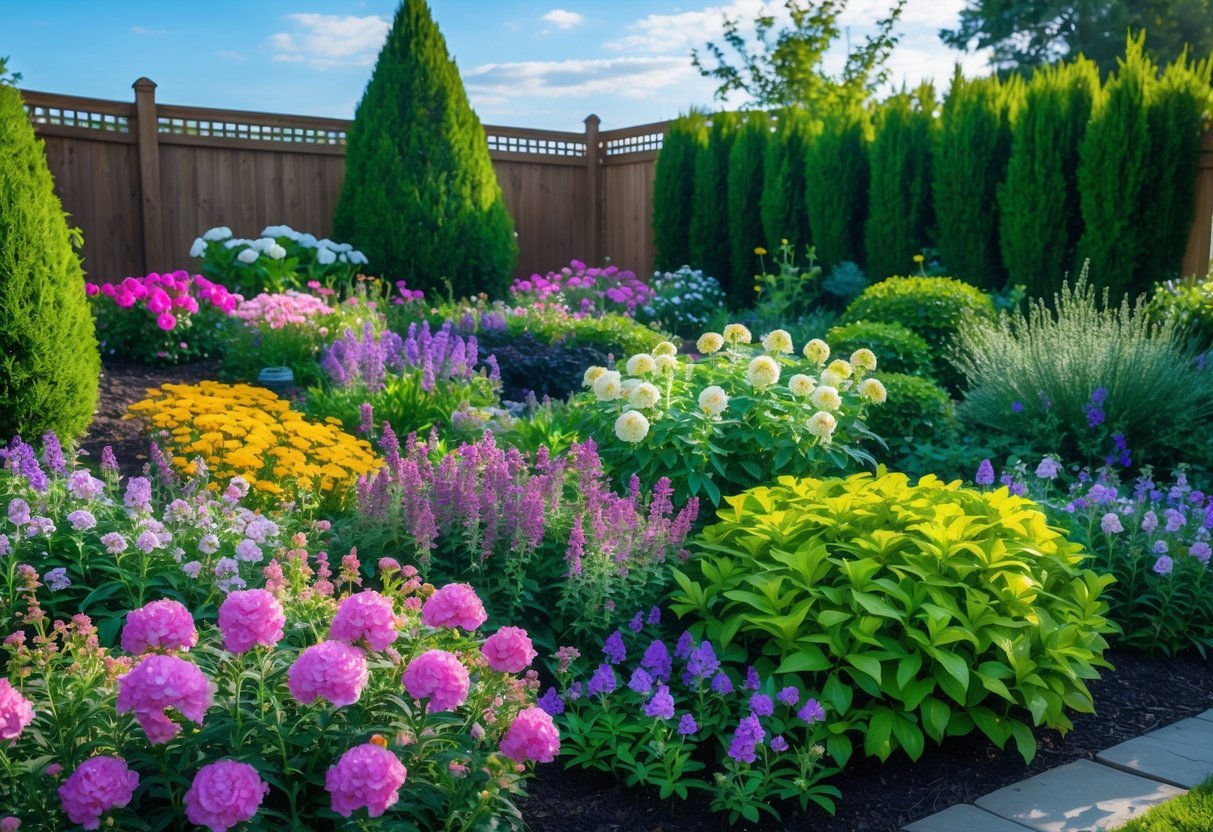
A mix of perennial flowers and shrubs adds structure and color through all seasons. Shrubs provide a steady green backdrop while perennials supply changing blooms.
Choosing plants with different bloom times keeps the garden interesting. For example, peonies bloom in late spring, while boxwoods offer greenery year-round.
This approach also balances height and texture. Shrubs anchor the space, and perennials fill gaps with color and variety. It creates a garden that looks cared for without much work.
6) Design a shaded seating area with pergola and outdoor curtains
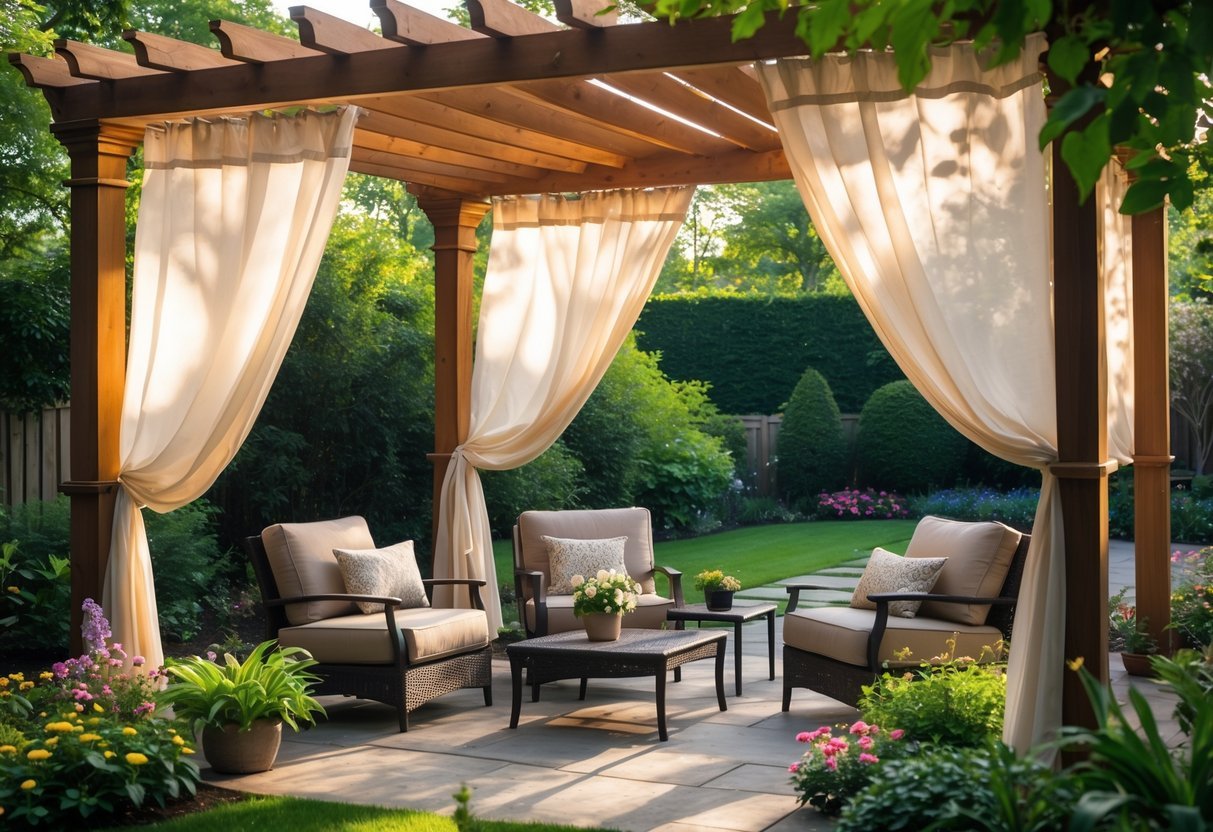
A pergola creates a defined space for seating in the backyard. It offers partial shade, making the area cooler during sunny days. Adding outdoor curtains boosts privacy and controls sunlight.
The curtains can be retractable for flexibility. They also add style and can be matched with other decor. This setup makes the seating area comfortable for relaxing or entertaining guests.
7) Include hanging gardens with cascading plants
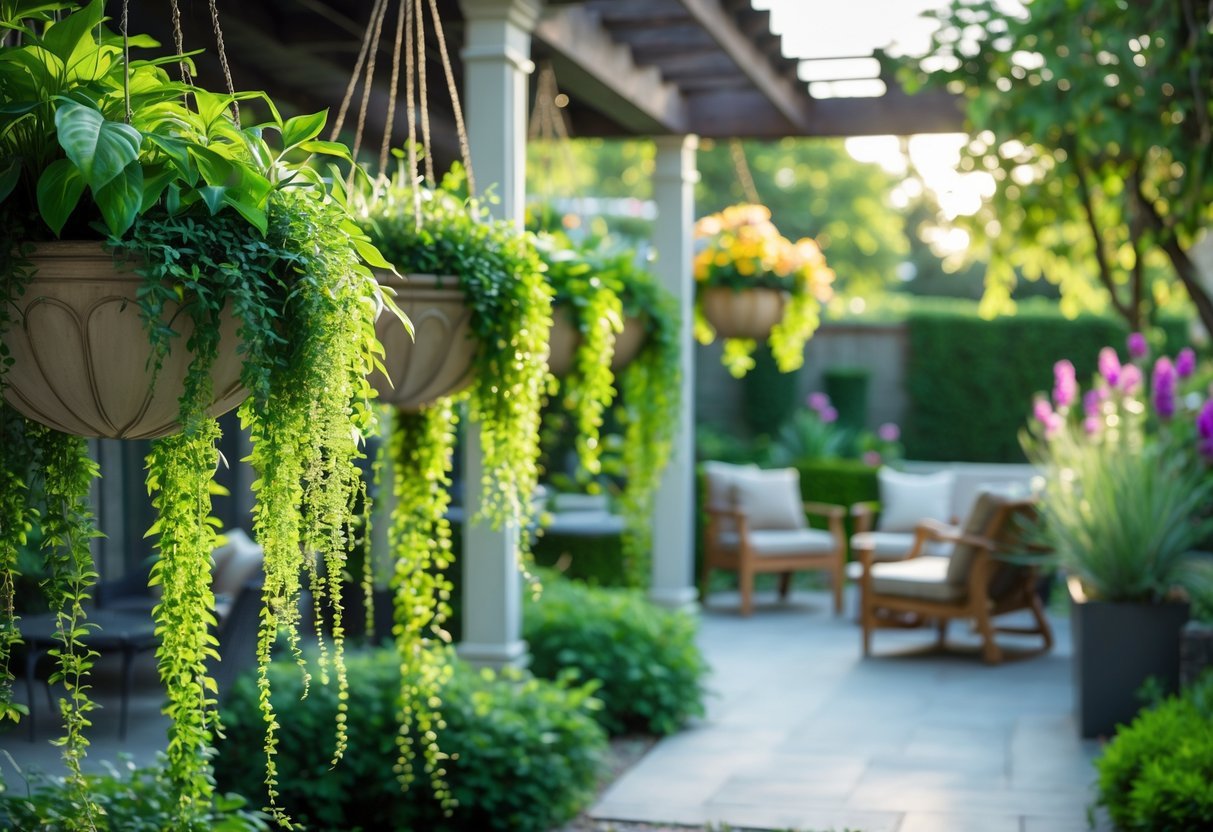
Hanging gardens with cascading plants add beauty and depth to a backyard. They use vertical space well, making small areas feel fuller and more vibrant.
Plants like petunias, ivy, and ferns work great for this. Their trailing growth creates a natural, flowing look.
Using hanging baskets or containers can help bring color and texture at different heights. This approach also makes gardening easier, especially for those with limited ground space.
Design Principles for Backyard Gardens
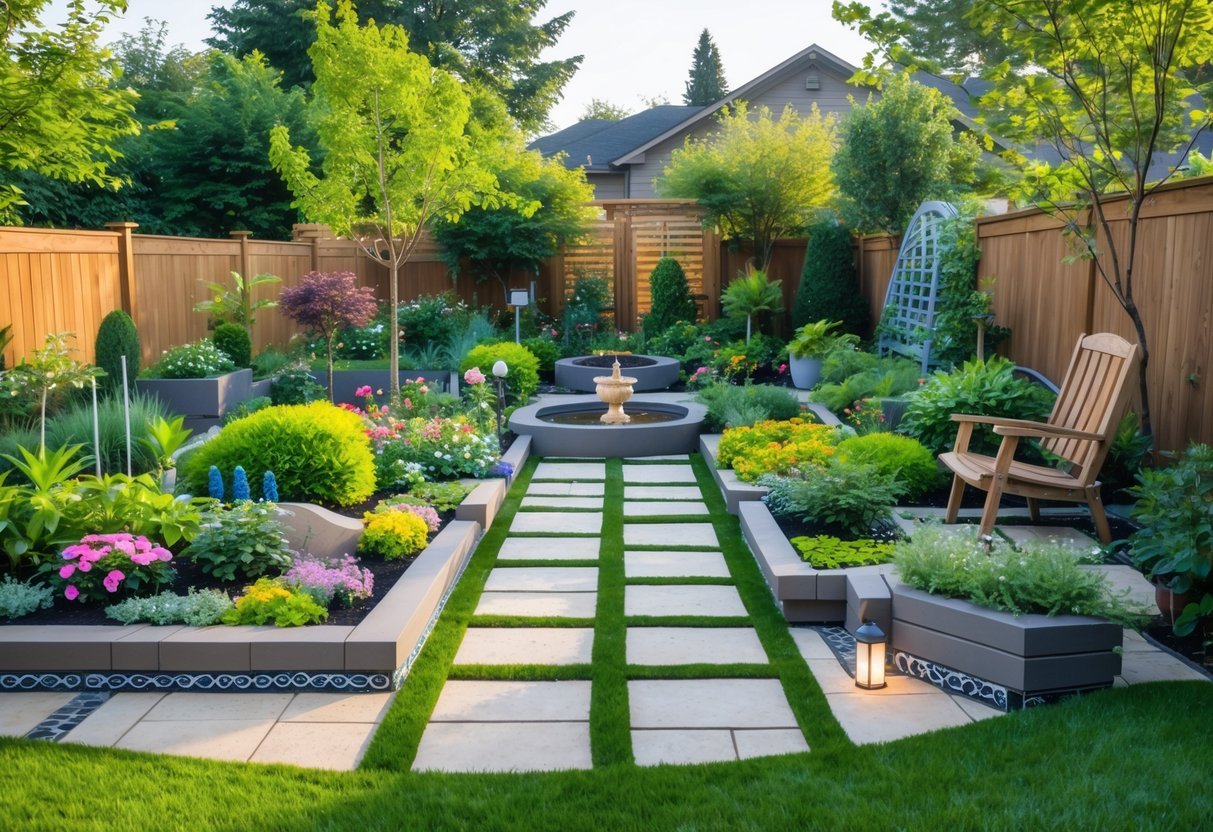
Good backyard garden design balances space, height, and texture. It focuses on using every inch effectively, adding layers vertically, and mixing hard surfaces with plants. These key ideas help create a yard that feels larger, more inviting, and easier to maintain.
Maximizing Small Spaces
In small yards, every square foot counts. Using multi-purpose furniture, like benches with storage, saves space. Planting compact or dwarf varieties of shrubs and flowers keeps the garden from feeling crowded.
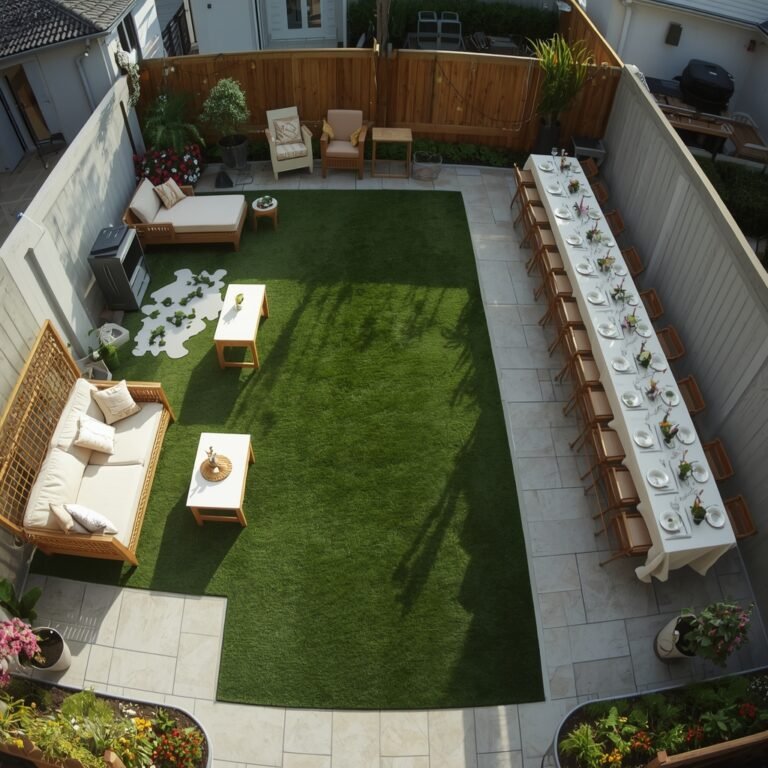
Zoning the garden into different areas, such as a seating spot, a garden bed, and a small lawn, helps organize the space. Paths or stepping stones guide movement without taking extra room. Using light-colored materials for pathways or furniture can make the area look bigger and brighter.
Adding mirrors or reflective surfaces can create an illusion of depth. Choosing vertical gardening or wall-mounted planters also frees up floor space while adding greenery.
Incorporating Vertical Elements
Vertical elements expand usable space without expanding the yard’s footprint. Trellises, arbors, and pergolas support climbing plants like vines and roses, adding height and interest.
Hanging planters and wall gardens make walls part of the garden. This approach increases planting area and adds texture. Vertical gardens can include herbs, flowers, or even small vegetables, providing fresh produce in tight spaces.
Install shelves or stacked containers to display plants at different heights. This creates layers, draws the eye upward, and keeps the garden dynamic. Proper structural support and choosing the right plants for vertical growth are key to success.
Blending Hardscape and Softscape
Balancing hardscape (paths, patios, rocks) with softscape (plants, grass, flowers) creates a functional, inviting garden. Hard surfaces provide structure and durability, making areas for sitting, walking, or entertaining.
Softscape adds color, scent, and life to the space. Mixing textures—like smooth stones against leafy plants—creates contrast and interest. Use natural materials like wood or stone to keep the look cohesive.
Design pathways wide enough for comfort but not oversized. Group plants in varied sizes and heights to soften hard edges. Adding mulch or ground cover around plants keeps soil moist and completes the look. This blend makes the yard practical and beautiful.
Maintenance Tips for Lasting Beauty
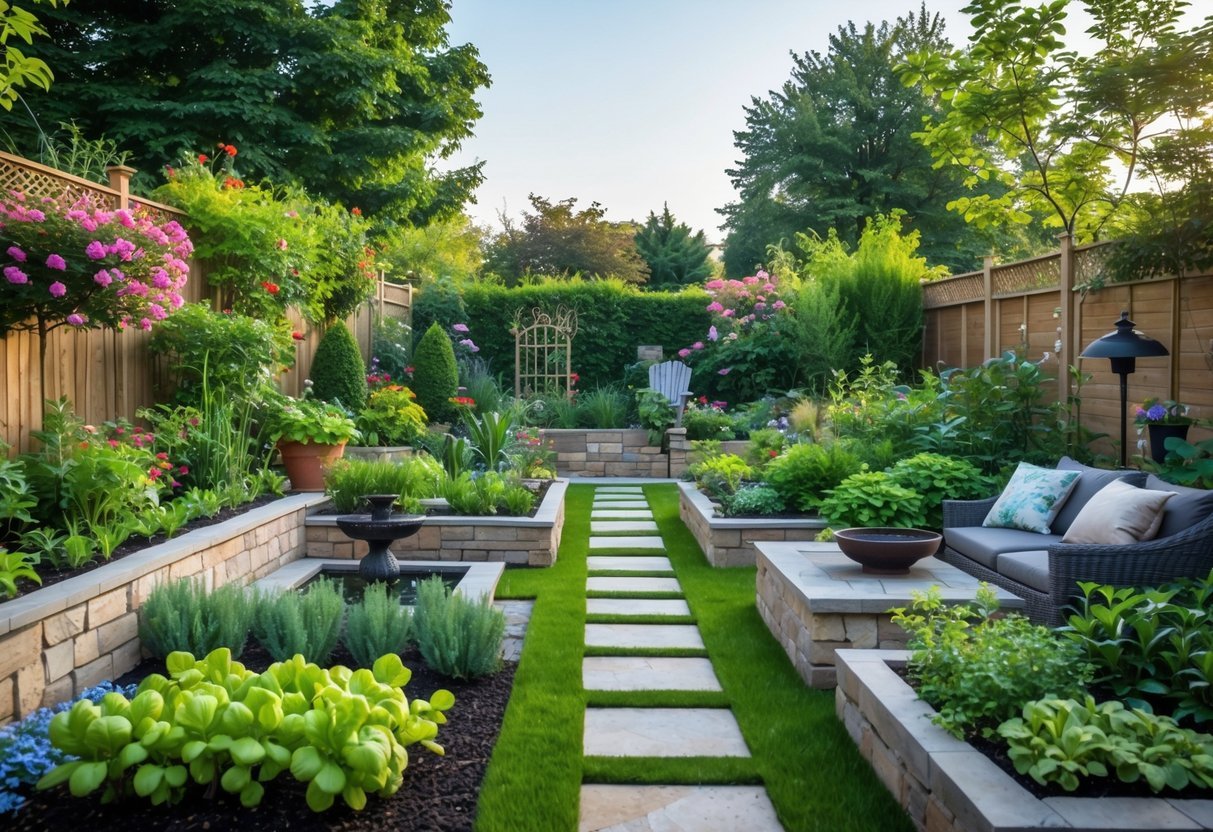
A low-maintenance garden stays healthy with the right watering habits and seasonal care. Focusing on efficient watering and timely plant attention helps gardens thrive without constant effort.
Watering Strategies
Consistent and efficient watering is key to healthy plants. Early mornings or late evenings are the best times to water, reducing evaporation and allowing roots to soak up moisture fully. Deep watering encourages strong root growth, so watering less often but more deeply is better than light, frequent watering.
Using drip irrigation or soaker hoses delivers water directly to the soil, avoiding wet leaves that can cause disease. Mulching around plants helps retain moisture and lowers the need for daily watering. Checking soil moisture regularly prevents overwatering, which can lead to root rot, or underwatering, which stresses plants.
Seasonal Plant Care
Adjusting care with the seasons supports lasting garden health. In spring, pruning dead branches and adding fresh mulch prepares plants for new growth. Summer requires monitoring for drought stress, using shade cloths or grouping plants with similar water needs.
Fall is ideal for planting perennials and bulbs while cutting back annuals. Protecting sensitive plants from early frost with coverings or moving pots indoors prevents damage. Winter calls for clearing fallen leaves and preparing soil with compost. This seasonal attention keeps plants strong and reduces pest and disease risks.
Frequently Asked Questions
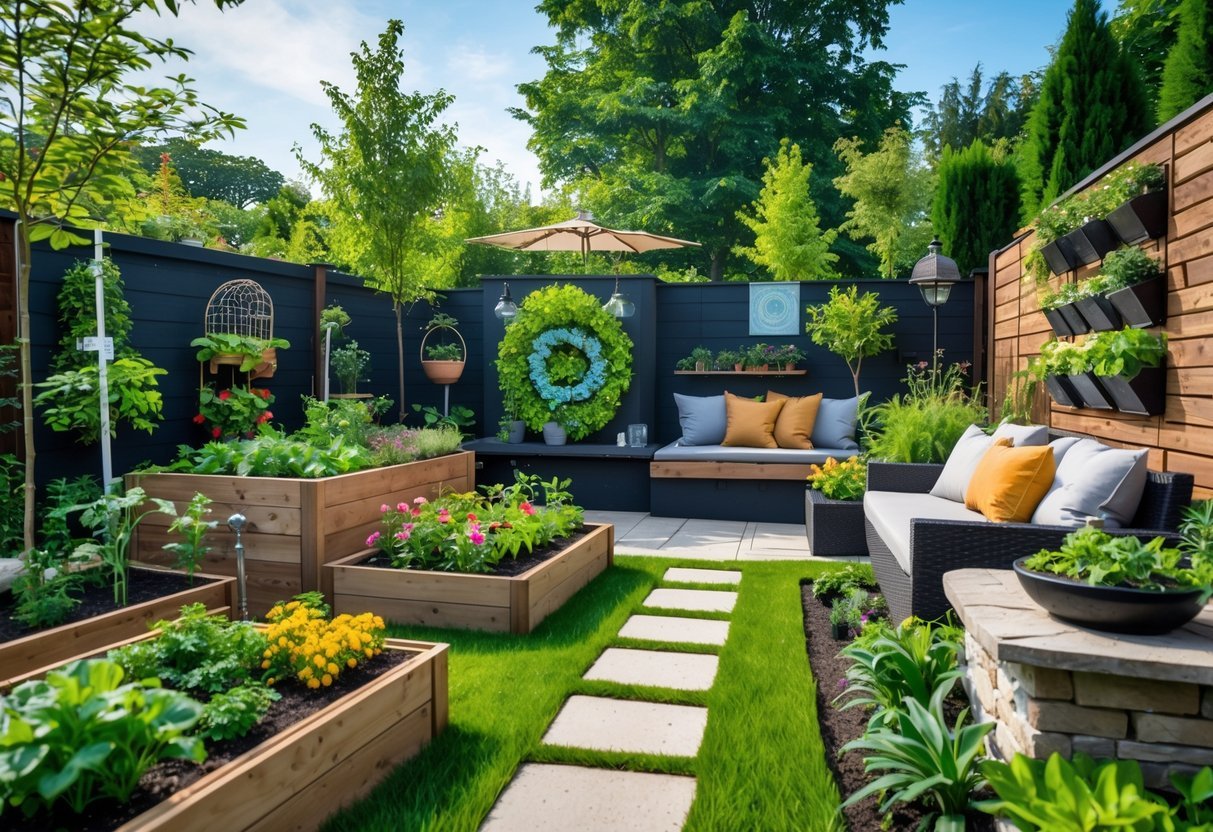
Backyard gardens benefit from choosing plants that need little care and designing spaces that feel calm and welcoming. Using smart layouts and materials can help make the most of small or limited spaces. Budget-friendly approaches can also improve garden beauty without large expenses.
What are the top low-maintenance plants to include in a backyard garden?
Perennials like lavender, daylilies, and hostas require minimal watering and care. Shrubs such as boxwood and barberry provide greenery year-round with little upkeep. Native plants are often good choices since they adapt well to local conditions.
How can you create a zen atmosphere in a small garden space?
A small pond or fountain adds calm water sounds that promote relaxation. Simple stone paths and smooth rocks help define the space without overcrowding. Using bamboo or slender grasses enhances a peaceful, natural look.
Which garden design principles maximize the use of limited backyard space?
Vertical planting systems allow for more plants without needing extra ground area. Raised beds organize the garden and improve soil control. Grouping plants with similar water needs simplifies care and keeps the garden tidy.
What are some cost-effective ways to beautify a backyard garden?
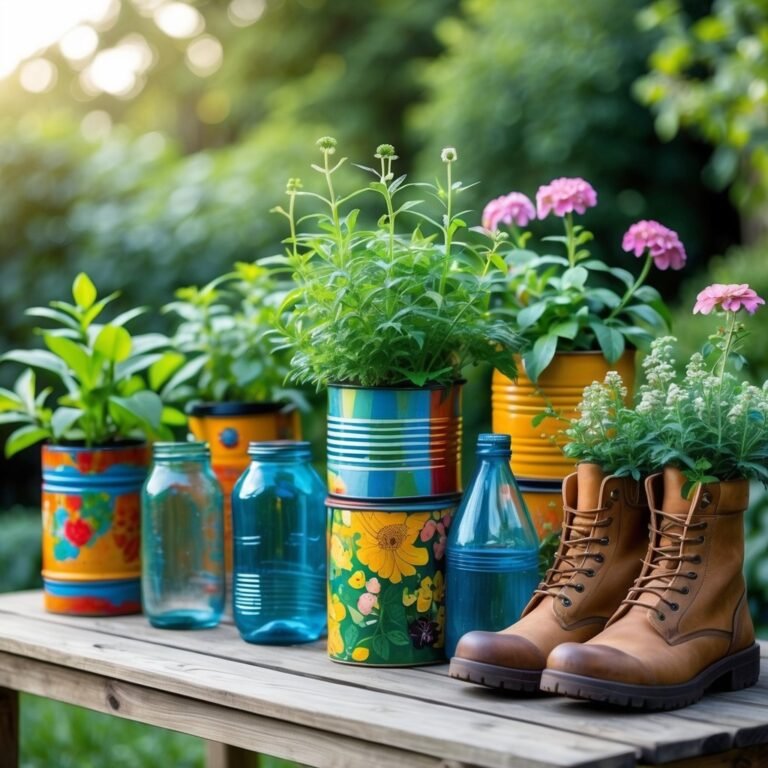
Stone paths can be built using affordable, natural materials to add structure. Using recycled containers for planters cuts costs and adds uniqueness. Mulching reduces weed growth and watering needs, saving time and money.
Can you recommend any strategies for creating a year-round garden in zone 7?
Combining evergreens with seasonal flowers ensures color in every season. Planting shrubs such as azaleas and camellias provides blooms in cooler months. Raised beds warm up faster in spring, extending the growing season.
How should one approach creating a themed garden that reflects personal style?
Start by choosing a style, like cottage, modern, or tropical, and select plants and decorations that fit. Personal touches, such as favorite colors or garden art, make the space unique. Consistent materials, like matching stone or wood, tie the theme together.