10 Hibiscus Flower for Home Gardens: Confident Guide for Top Varieties
You can bring bold, tropical color to your yard or porch with just a few hibiscus plants that suit your space and climate. This article shows ten hibiscus types and practical tips so you can pick plants that thrive where you live and bloom when you want them to.
You will learn how light, soil, watering, pruning, containers, and winter care affect blooms and plant health. Follow simple, clear guidance to attract hummingbirds and keep hibiscus flowering all season.
1) Choose tropical hibiscus (Hibiscus rosa-sinensis) for vibrant, colorful blooms
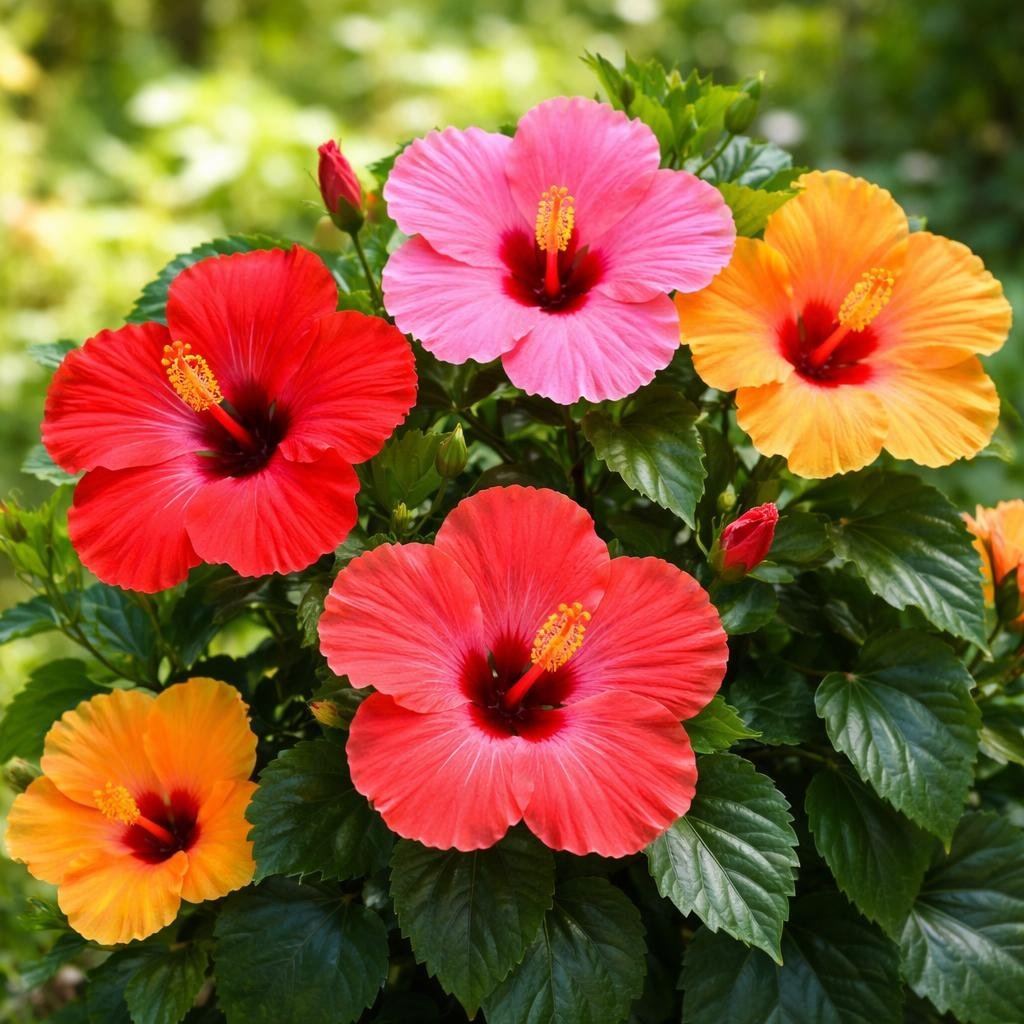
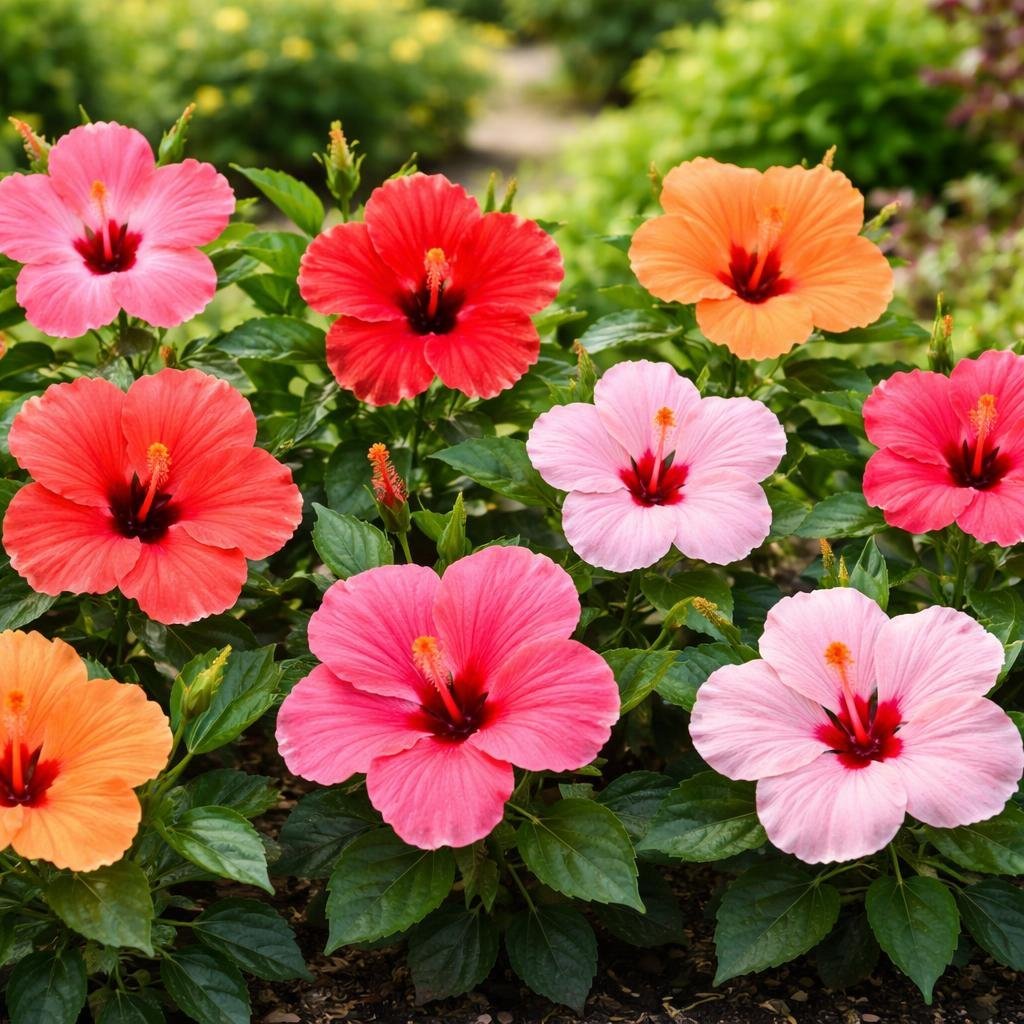
Pick tropical hibiscus when you want big, showy flowers in many colors. You’ll find reds, pinks, yellows, oranges, and bicolors that brighten patios and gardens.
These shrubs bloom often in warm weather, though each flower usually lasts only a day. Grow them in full sun, rich soil, and water regularly for best results.
2) Plant hardy Rose of Sharon (Hibiscus syriacus) for late-season flowers
Choose Rose of Sharon for reliable blooms from mid summer into fall. It tolerates heat, drought, and poor soil, so it fits many yard conditions.
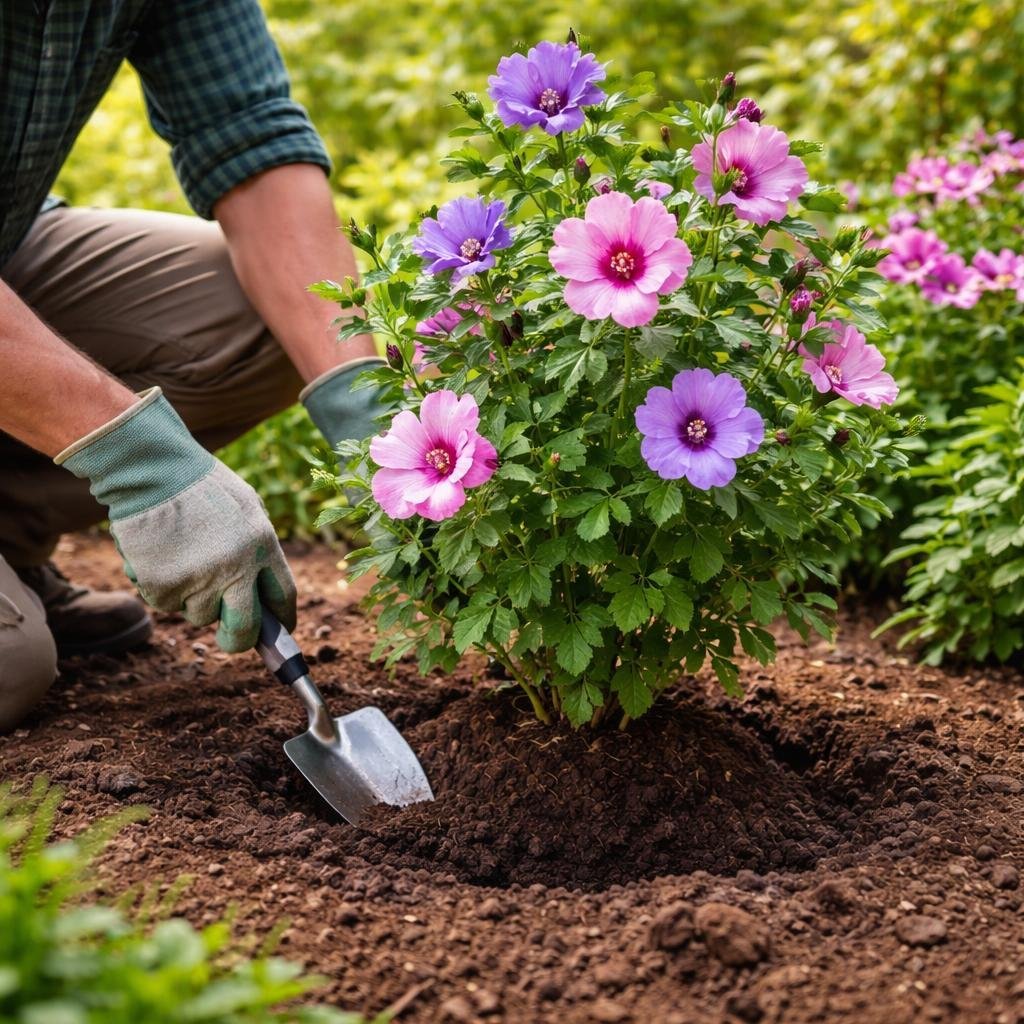
Plant in full sun with well-drained soil and space for a shrub or small tree. Prune in late winter to shape and encourage more flowers the next season.
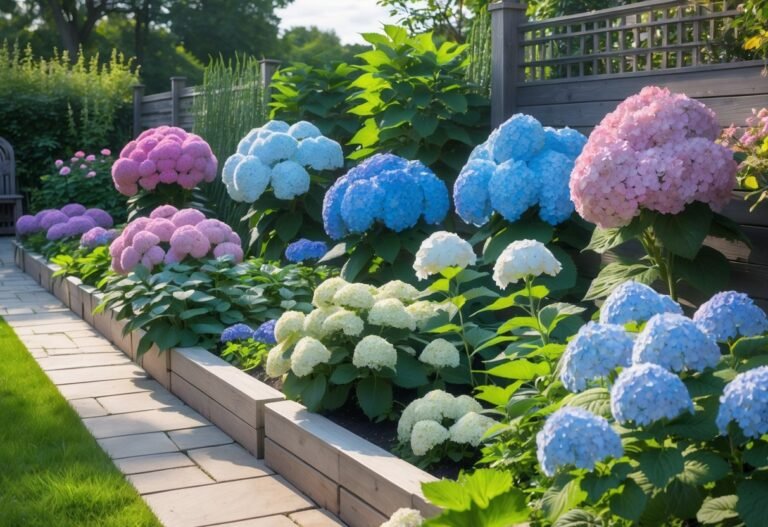
You’ll get large, showy flowers in pink, white, purple, or blue tones when other plants fade. This makes it a strong choice for late-season color.
3) Use well-draining soil rich in organic matter
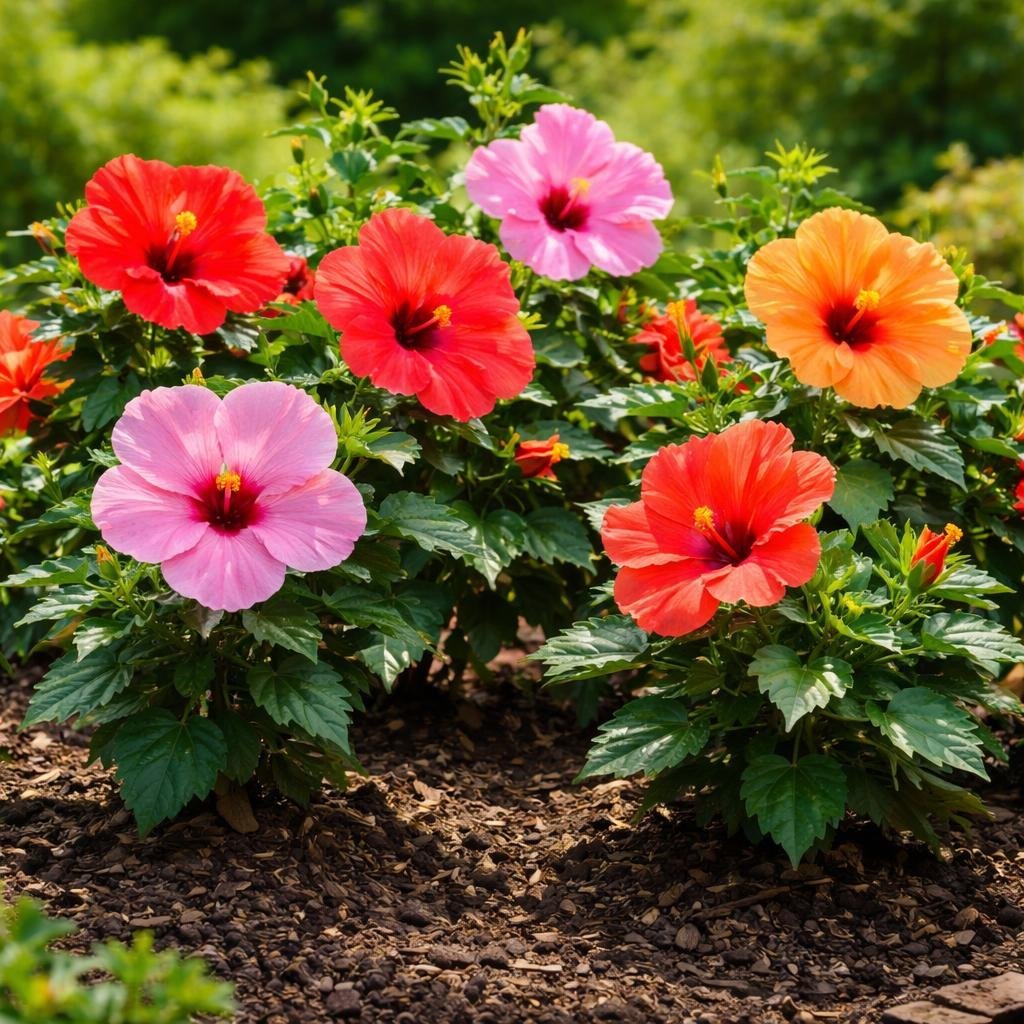
You should plant hibiscus in soil that drains well to prevent root rot while staying evenly moist.
Mix potting soil with compost, peat moss, or coconut coir and add perlite or coarse sand for better drainage.
Aim for a slightly acidic to neutral pH near 6.0–6.8 so your hibiscus can take up nutrients.
Refresh the top few inches of soil each year and add compost to keep nutrients available.
4) Place hibiscus in full sun for best flowering
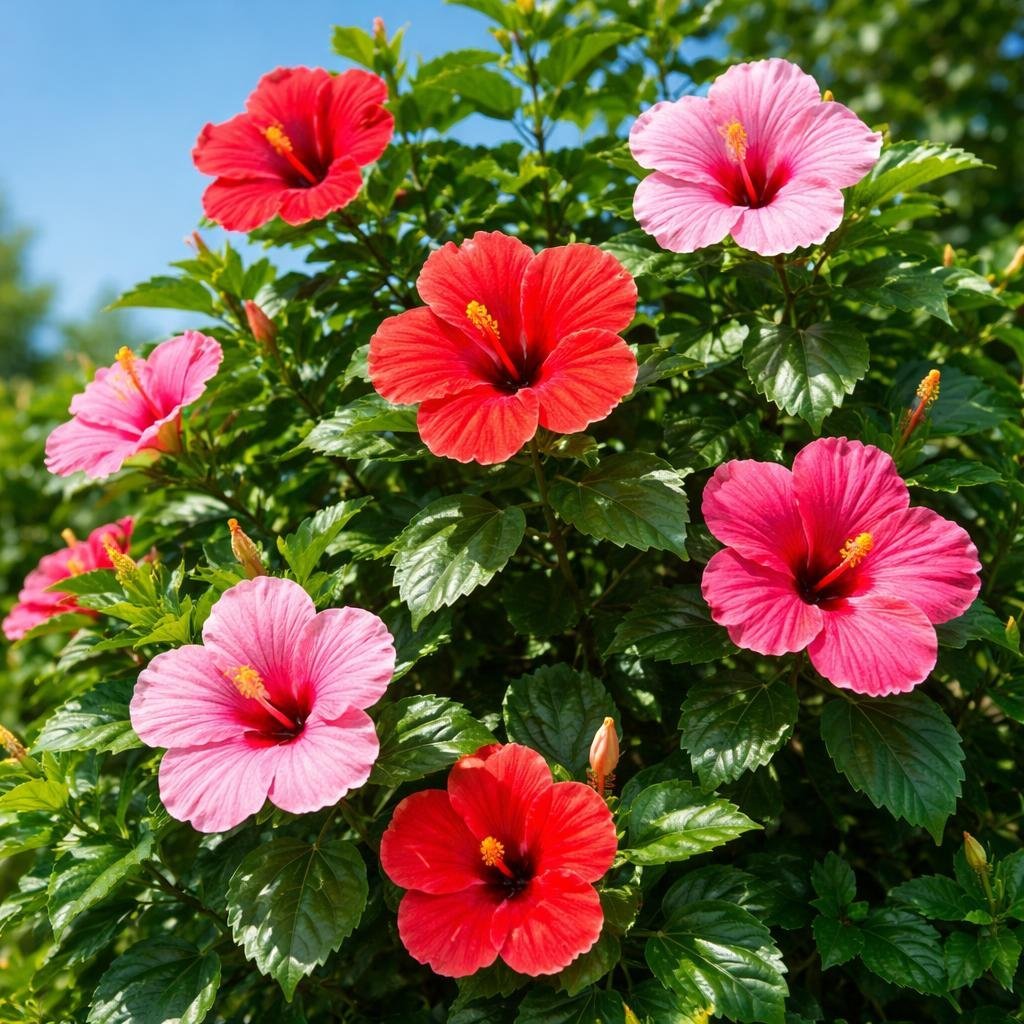
Put your hibiscus where it gets at least six hours of direct sun each day. More sunlight helps buds form and flowers open fully.
If you have tropical hibiscus, aim for full sun; hardy types tolerate a bit more shade. Watch for leaf scorch in very hot climates and move to filtered sun if needed.
Morning sun is best when possible. You’ll see more blooms and stronger growth when light needs match the plant type.
5) Water regularly but allow soil to dry slightly between watering
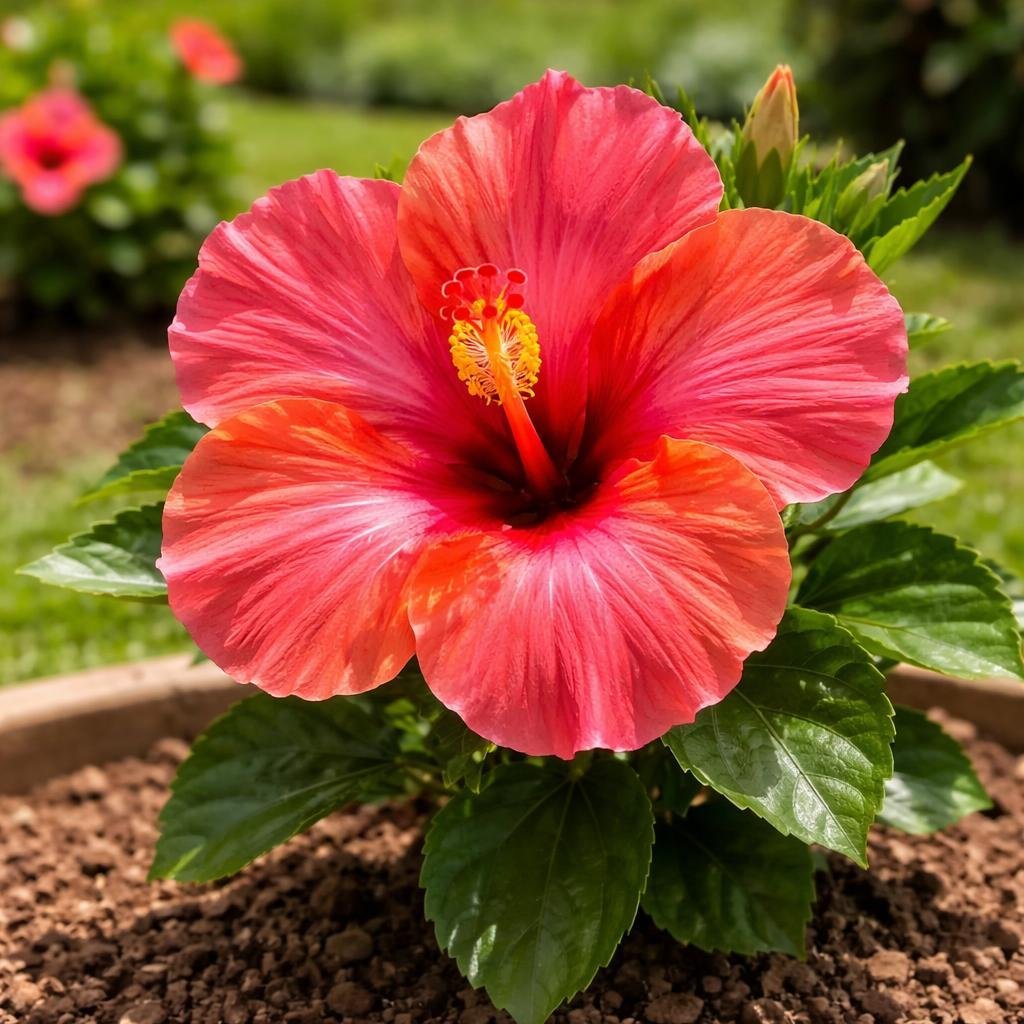
You should keep hibiscus soil mostly moist but not soggy. Water deeply so roots reach moisture, then wait until the top inch feels slightly dry.
Check soil with your finger or a moisture meter. Overwatering causes root rot; underwatering wilts buds and leaves.
In hot weather you may need to water more often. In winter cut back and water only when the soil begins to dry.
6) Fertilize monthly with balanced, slow-release fertilizer
Feed your hibiscus once a month during the growing season with a balanced, slow-release fertilizer like 10-10-10.
This gives steady nutrients without burning roots and supports both leaves and blooms.
Use half the label rate for potted plants to avoid overfeeding.
Water after applying to help release nutrients into the soil.
Avoid high-nitrogen mixes that favor foliage over flowers.
If blooms lag, switch to a formula with slightly more phosphorus for a few months.
7) Prune in early spring to encourage healthy growth and blooms
Prune your hibiscus in early spring just before new growth starts. Cut back dead or crossing branches to improve air flow and shape the plant.
Remove about one-third of the growth on tropical types; hardy hibiscus only needs dead stems trimmed. Use clean, sharp tools and make cuts above outward-facing buds to guide new shoots.
8) Grow hibiscus in containers with good drainage for flexibility
Choose a pot with drainage holes so excess water can escape. Good drainage prevents root rot and keeps your plant healthy.
Use a well-draining potting mix and consider a slightly larger container to allow growth. You can move pots to follow sun or protect plants from cold, giving you seasonal flexibility.
9) Attract hummingbirds and butterflies with large, sugary blooms
Plant hibiscus with big, trumpet-shaped flowers to bring hummingbirds and butterflies to your yard. Their bright colors and high-nectar blooms act like clear food signals for these pollinators.
Place plants where you can watch them from a window or patio. Give them sun and regular water so blooms stay full and nectar-rich throughout the season.
10) Protect tropical hibiscus from frost by moving indoors or using covers
Move your tropical hibiscus indoors before nighttime temperatures drop below about 50°F (10°C). Check stems and leaves for pests before bringing plants inside.
If you cannot move pots, cover plants with frost cloth, burlap, or a blanket on cold nights. Secure covers so they do not touch foliage, and remove them in the morning when temperatures rise.
Best Growing Conditions for Hibiscus Flowers
Give hibiscus bright sun, rich well-draining soil, and warm, humid air for the best blooms and steady growth.
Light and Soil Requirements
Hibiscus needs at least 6 hours of direct sunlight each day for consistent flower production. If you grow tropical hibiscus (Hibiscus rosa-sinensis), place it where it gets full sun in the morning and some afternoon shade in very hot climates to prevent leaf scorch.
Use a soil mix that drains well but holds some moisture. Aim for a loamy or sandy loam soil with organic matter like compost. For containers, use a potting mix with peat or coconut coir plus perlite for drainage. Check soil pH and keep it slightly acidic to neutral (pH 6.0–7.0) to help roots take up nutrients.
Fertilize on a regular schedule during the growing season with a balanced or slightly high-potassium fertilizer to support blooms. Water when the top inch of soil feels dry, and avoid waterlogged roots by ensuring pots have drainage holes.
Temperature and Humidity Considerations
Hibiscus performs best in daytime temperatures between 65–90°F (18–32°C). Tropical varieties will drop buds or suffer damage below about 50°F (10°C), so move potted plants indoors or provide frost protection if nights will dip lower.
Nighttime temperatures below 60°F (15°C) can reduce flowering for some hardy hibiscus less tolerant of cool nights. Protect plants from strong, cold winds that dry foliage and stress the plant.
Maintain moderate to high humidity around your hibiscus—40–70% is ideal. In dry indoor air, raise humidity with a tray of water, group plants together, or use a humidifier. Good air circulation matters too; avoid stagnant pockets that invite pests and disease.
Hibiscus Flower Care Tips
Keep soil evenly moist, give bright light, and feed on a regular schedule for big blooms. Watch for common pests and fungal issues and act quickly with targeted treatments.
Watering Guidelines
Water hibiscus when the top 1–2 inches of soil feel dry. For potted plants, water until it drains from the pot’s bottom to flush salts. In ground, give about 1 inch of water per week during warm weather, more during heat waves.
Reduce watering in cool months; avoid soggy soil because roots will rot. Use mulch around garden hibiscus to keep moisture steady and cut watering frequency. For container hibiscus, check daily in hot weather and water more often than garden plants.
Use room-temperature water if you can. If your water is hard, let it sit overnight to reduce chlorine, or use filtered water to prevent leaf tip browning.
Fertilizing for Optimal Blooms
Feed hibiscus with a balanced liquid fertilizer every 2–3 weeks during the growing season. Choose a formula labeled for flowering shrubs (for example, 10-10-10 or 14-14-14). Stop heavy feeding in late fall.
For potted hibiscus, use half-strength fertilizer if growth seems leggy to avoid salt build-up. Flush pots with plain water once a month to remove excess fertilizer salts. Slow-release granules at planting can supply nutrients for 2–4 months; supplement with liquid feed for continuous blooms.
If leaves turn yellow but veins stay green, add iron chelate or a fertilizer with micronutrients. Always follow label rates to prevent fertilizer burn.
Common Pests and Disease Management
Check leaves regularly for aphids, whiteflies, spider mites, and mealybugs. Spray a strong stream of water to dislodge pests on hardy plants. Use insecticidal soap or neem oil for small infestations; repeat every 7–10 days until controlled.
Watch for fungal diseases like powdery mildew and root rot. Improve air circulation and avoid overhead watering to prevent mildew. For root rot, let soil dry and repot into fresh, well-draining mix if needed.
Remove and dispose of badly infested or diseased leaves to stop spread. Use sticky traps for whiteflies and introduce beneficial insects, such as ladybugs, to keep pest levels down naturally.