7 Don’t Make These Common Raised Bed Garden Mistakes — How to Avoid Them and Maximize Yields
You want a raised bed that makes gardening easier, not harder. Avoiding a few common mistakes now—wrong location, poor soil mix, beds too wide, or skipping a plan—keeps your plants healthier and saves you time and money. Choose the right spot, build beds you can reach, and use the right soil and drainage from the start to prevent most problems.
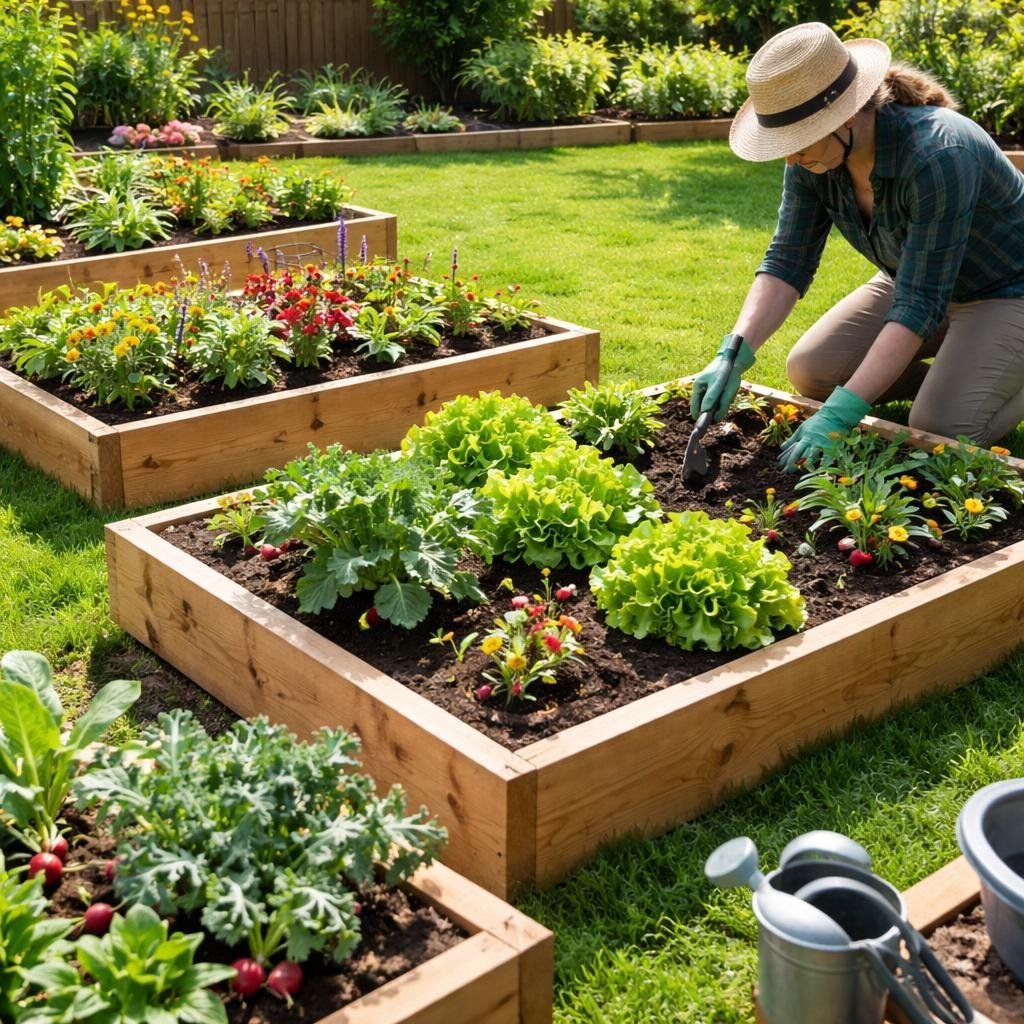
This post walks you through seven practical errors many gardeners make and shows simple fixes you can use today. You’ll learn how to plan layout, build sturdier beds, and keep plants thriving with easier maintenance so your garden becomes productive instead of frustrating.
Key Takeaways
- Plan bed location and layout before you build.
- Build beds sized for easy access and solid drainage.
- Use good soil and simple upkeep to avoid common failures.
Planning Your Raised Bed Garden
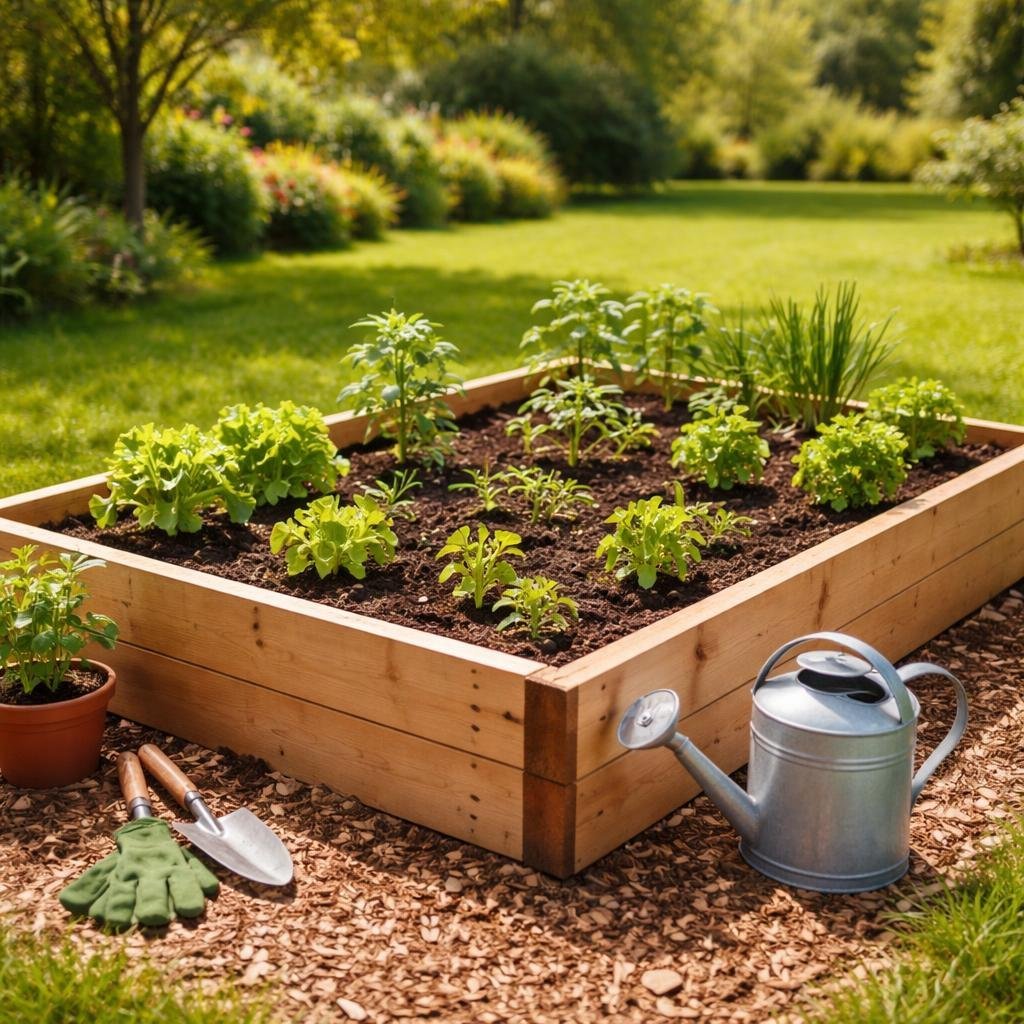
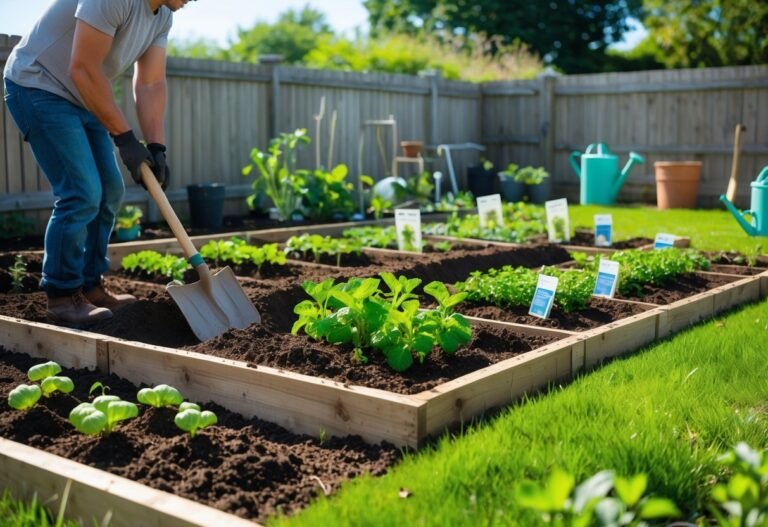
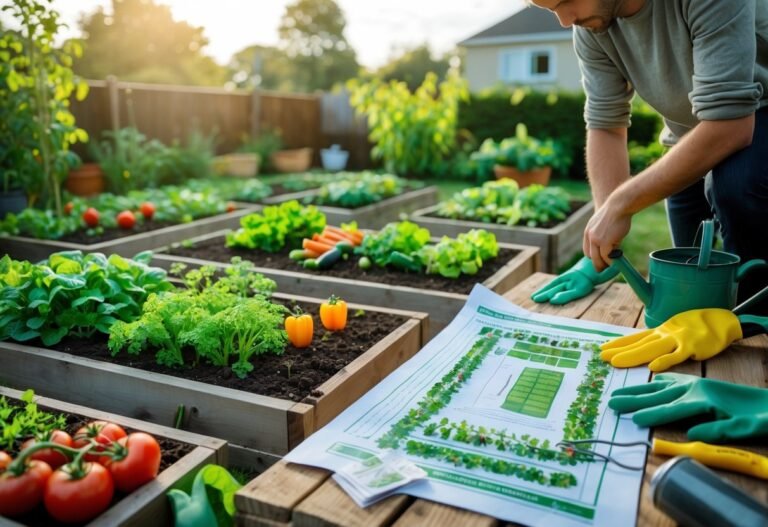
Place beds where plants get sun, water access, and good drainage. Pick materials and bed sizes that fit your space and how you will work the beds.
Choosing the Right Location
Put your beds where they get at least 6–8 hours of direct sun for vegetables. Observe the yard for a few days to note morning vs. afternoon sun and any shade from trees or buildings. Avoid low spots that collect water; raised beds need good drainage.
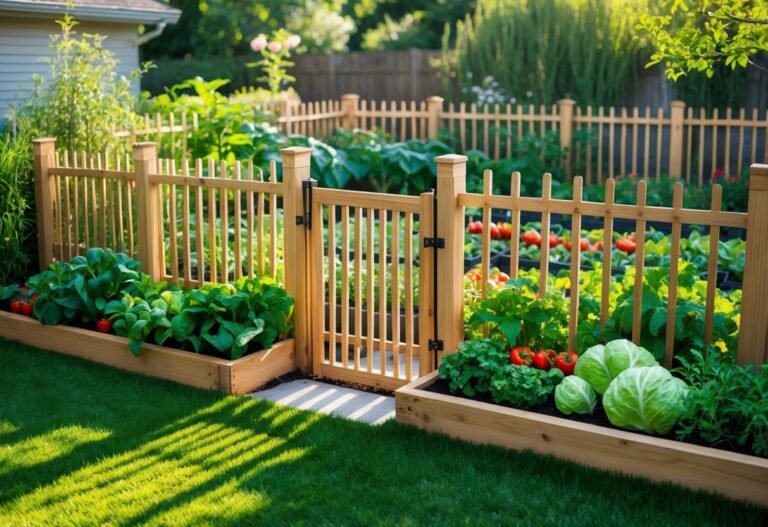
Make sure you have a water source within 25 feet so you can water with a hose or drip line. Check soil under the bed for buried roots or construction debris that could block roots or drainage. Consider wind: a windbreak or fence helps for lightweight plants.
Sizing Beds Appropriately
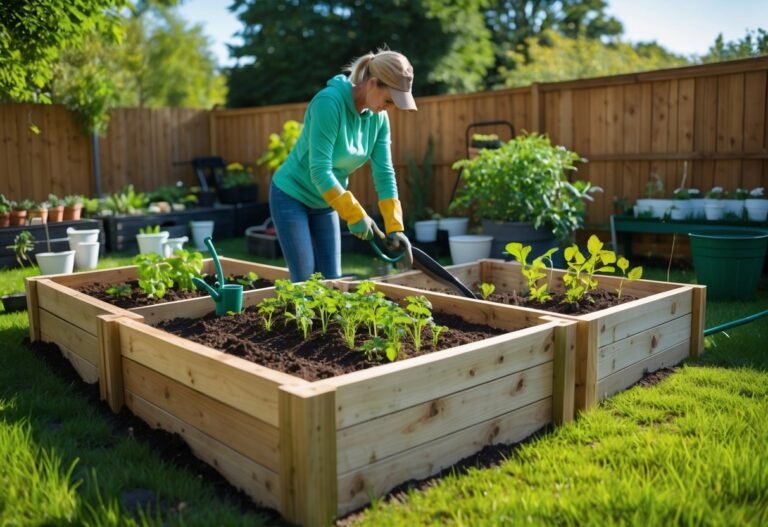
Keep bed widths to 3–4 feet so you can reach the center from either side without stepping in. Make aisles 18–36 inches wide to allow wheelbarrows and easy access for maintenance. Typical lengths of 4, 8, or 12 feet fit common lumber and reduce waste.
Choose bed height based on soil depth and mobility needs. A 6–12 inch bed suits most vegetables, while 12–24 inches is better for root crops, poor native soil, or easier bending. If you have limited mobility, raise beds to 30–36 inches.
Avoiding Poor Soil Selection
Use a mix of topsoil, compost, and a light mineral like sand or perlite for drainage. A common blend is 60% topsoil, 30% compost, and 10% coarse material. Test soil pH; most vegetables prefer 6.0–7.0. Adjust with lime or sulfur as needed.
Avoid straight garden soil from heavy clay areas—compaction and poor drainage will stunt roots. Don’t rely only on bagged “garden soil” without checking ingredients; some contain peat or fillers and low nutrients. Add compost each season to keep fertility high and structure loose.
Preventing Common Raised Bed Construction Errors
Fixing mistakes at build time saves you work later. Focus on how water moves, what you build the bed from, and how you will reach and tend the plants.
Improper Drainage Solutions
Poor drainage drowns roots and invites disease. Drill drainage holes or leave gaps in the bottom if you use a solid container. For beds placed directly on soil, loosen the ground and add a 2–4 inch layer of coarse sand or small gravel under the soil to speed water flow.
Slope beds slightly (about 1%) if you expect heavy runoff from a nearby roof or hard surface. Avoid compacted soil and heavy clay in your mix; instead use a blend of topsoil, compost, and coarse sand or grit to improve porosity. Check drainage after a heavy rain: water should move through within 24 hours. If it doesn’t, lift a corner and add drainage material or install a simple French drain along the bed edge.
Using Unsuitable Materials
Choose materials that last and won’t harm plants. Use untreated cedar, redwood, or rot-resistant composite boards for frames. Avoid pressure-treated lumber that still contains older preservatives like CCA; if you must use treated wood, line the interior with heavy-duty plastic and allow an air gap so wood can breathe.
Do not fill beds with construction rubble, blacktop, or untreated manure-only mixes. These can compact, leach toxins, or burn roots. Use a soil mix of 40% topsoil, 40% compost, and 20% coarse material (perlite, sand, or grit). Fasteners should be stainless steel or galvanized to resist rust. Label materials so you remember what went into each bed.
Neglecting Pathways and Accessibility
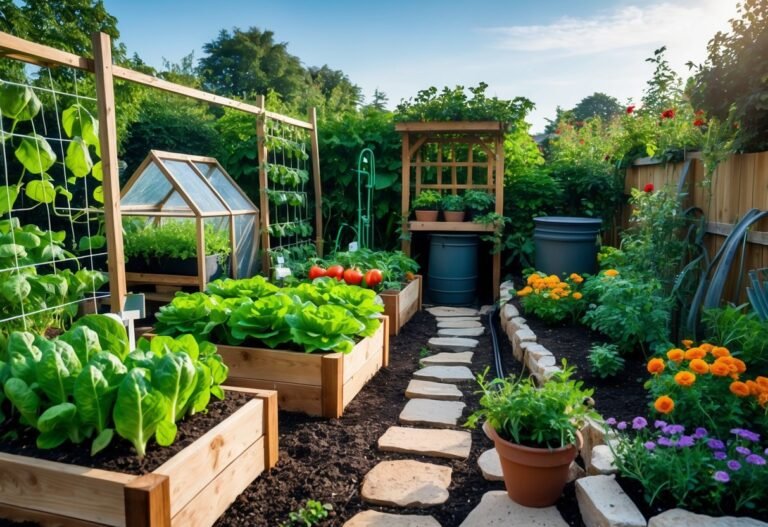
Crowded beds make maintenance hard and reduce yields. Plan 2–3 foot wide paths for wheelbarrows and 18–24 inch stepping aisles for foot access between narrow beds. Use firm, permeable surfaces like crushed stone, wood chips over landscape fabric, or pavers to prevent mud and erosion.
Think about reaching the center of wider beds: keep bed width under 4 feet if you work from both sides, or build raised beds 24–30 inches high so you can tend from one side without bending. Add simple features like a bench, hand-hold edges, or removable boards to help reach deep-root crops. Design paths with gentle curves and straight runs so you can move tools without obstruction.
Optimizing Maintenance and Planting Practices
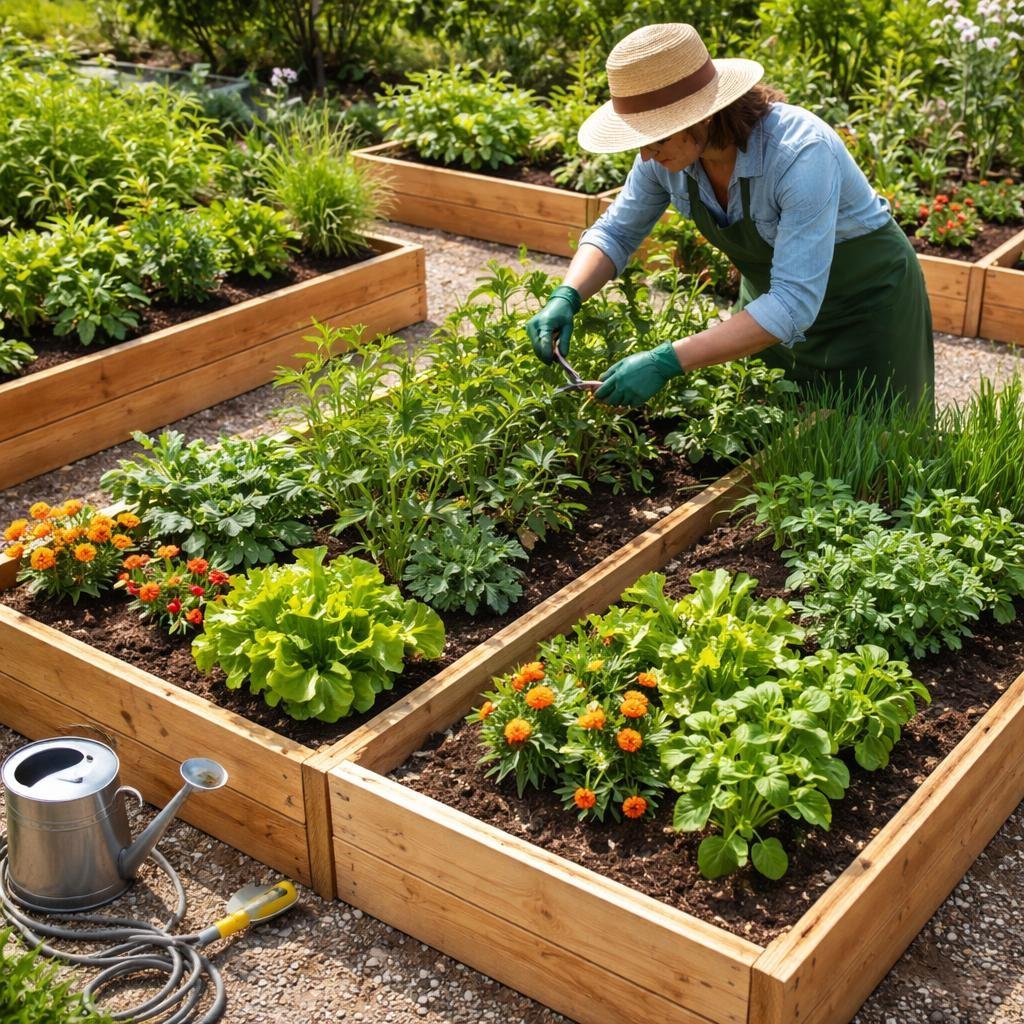
Focus on space, soil health, and water. Use proper spacing, rotate crops each season, and water deeply but less often to keep roots healthy.
Overcrowding Plants
Plant seeds and seedlings at the spacing the seed packet or plant tag lists. Crowded plants compete for light, water, and nutrients, which raises disease risk and lowers yields. For example, give tomato transplants 18–24 inches between centers and leaf lettuces 6–8 inches, depending on variety.
Thin seedlings early when you see true leaves. Pull the weakest stems and use them as salad greens if edible. Keep taller plants on the north side of the bed so they don’t shade short crops.
Trim dense foliage when needed to improve air flow. Mulch between rows to suppress weeds and keep roots cool. Staked or caged vining plants prevent them from sprawling into neighboring spaces.
Ignoring Crop Rotation
Rotate plant families to reduce pests and disease that build up in the soil. Avoid planting tomatoes, peppers, potatoes, and eggplants (all nightshades) in the same spot year after year.
Use a simple 3-bed rotation: leaf crops (lettuce, spinach), fruiting crops (tomatoes, peppers), and root/legume crops (carrots, beans). Move each group one bed forward each season. This lowers pathogen levels and evens nutrient use.
Record what you plant on each bed with a notebook or photo. When you add cover crops like clover or rye in fall, you help rebuild nitrogen and organic matter. That makes the next season’s rotation more productive.
Watering Mistakes
Water the root zone, not the leaves. Use drip irrigation, soaker hoses, or a watering wand aimed at soil to reduce fungal disease and water loss from evaporation.
Water deeply and less often to encourage roots to go deeper. For most vegetables, aim for 1–1.5 inches of water per week, delivered in one or two sessions depending on soil type and weather.
Avoid frequent shallow watering that keeps roots near the surface. Check soil moisture by pushing a finger 2–3 inches down; if it’s dry, water. Mulch 2–3 inches thick to retain moisture and reduce how often you need to water.
Frequently Asked Questions
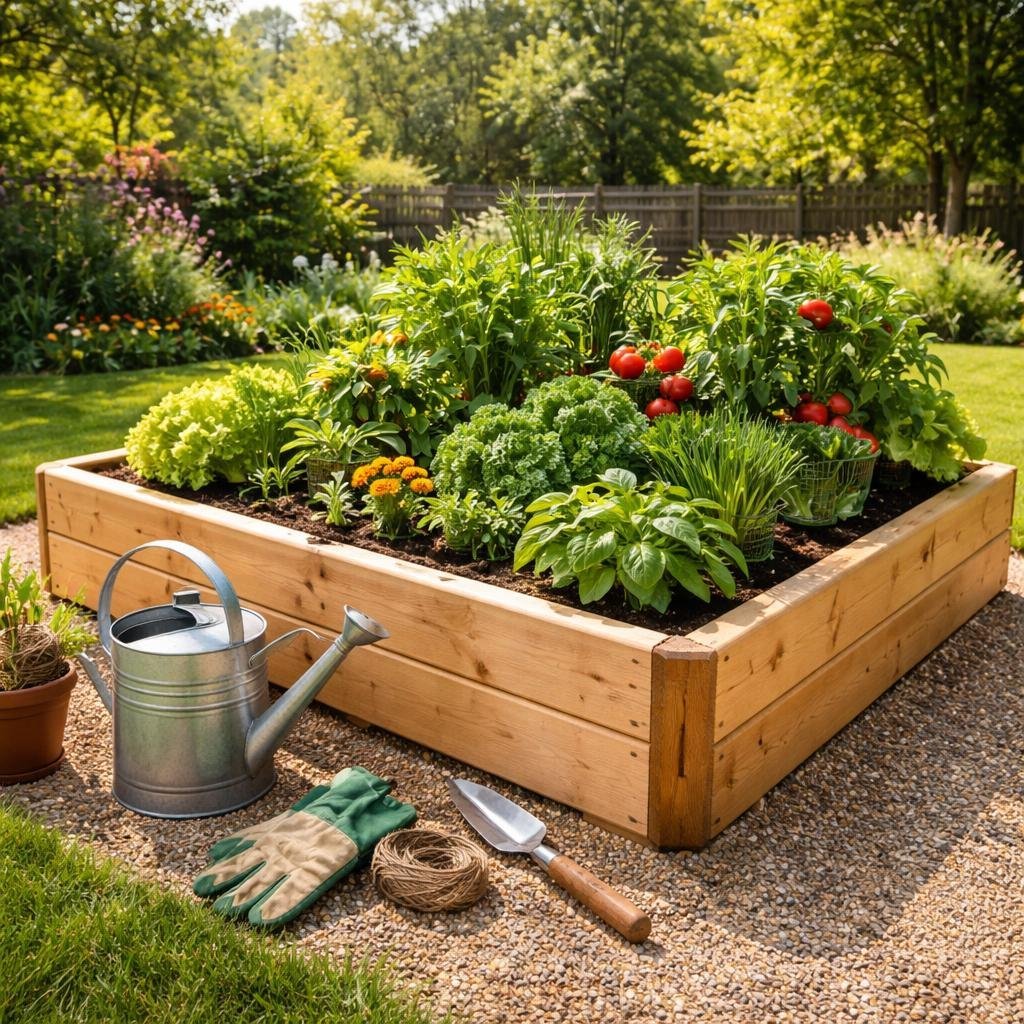
These answers cover common setup errors, safe and unsafe fill materials, drainage fixes, nonwood build options, the best soil mix, and whether to add a bottom to your bed. Each answer gives clear steps you can use right away.
What are the most common errors to avoid when starting a raised bed garden?
Placing beds in too much shade reduces yield. Pick a spot with at least 6 hours of sun for most vegetables.
Using poor soil or buying cheap topsoil can stunt growth. Fill beds with a balanced mix of compost, topsoil, and aeration material instead.
Making beds too narrow or too wide hurts access. Aim for 3–4 feet wide so you can reach the middle from either side.
Skipping weed barriers or not preparing the base lets weeds and roots invade. Remove major roots and weeds, and use cardboard or landscape fabric if weeds are a problem.
Over- or under-watering is common. Check moisture by hand and water deeply and less often rather than light frequent watering.
What materials should be avoided when filling a raised bed garden?
Avoid using untreated sawdust or fresh wood chips as the main fill. They tie up nitrogen while they break down and can harm young plants.
Do not use construction debris, treated lumber scraps, old railroad ties, or chemically treated wood inside the bed where soil contacts the material. These can leach toxins.
Avoid pure manure that is not composted. Raw manure can burn plants and contain pathogens. Use well-aged or composted manure only.
Skip using soil from under trees if you can. It often lacks nutrients and may carry invasive roots.
What are the best practices for ensuring proper drainage in raised garden beds?
Start by building beds at least 6–12 inches deep; 12 inches is better for most vegetables. Greater depth improves root growth and drainage.
Use a mix with good structure: compost, loam, and a small amount of coarse sand or perlite. That mix holds moisture but lets excess water pass through.
Level the site and, if needed, slope the base slightly so water can run off. Avoid compacting soil when filling; fluff it as you layer.
If your site has heavy clay, raise the bed higher or add a 2–4 inch layer of gravel or crushed stone under the soil to improve flow.
What alternatives to wood can be used to construct a raised garden bed?
Galvanized steel or corrugated metal resists rot and lasts many years. It warms quickly in spring, which can help early crops.
Concrete blocks or cinder blocks provide a sturdy, long-lasting wall. You can leave gaps for drainage and roots to access native soil.
Recycled plastic or composite boards mimic wood but resist rot and decay. They are lightweight and low maintenance.
Stone or brick gives a permanent, attractive look. They require more effort to install but last decades.
What is the ideal mixture to fill raised garden beds for optimal plant growth?
Layer 40% high-quality topsoil or loam, 40% compost, and 20% aeration material like coarse sand, perlite, or fine gravel. This mix balances nutrients, drainage, and structure.
Add a slow-release organic fertilizer if your compost is low in nutrients. Test soil pH and adjust with lime or sulfur if crops demand it.
Top off beds each season with 1–2 inches of compost to replenish nutrients and organic matter.
Should raised garden beds include a bottom, and what are the implications of having one?
Including a solid bottom blocks weed roots and prevents burrowing pests, but it also limits root access to native soil and can reduce drainage.
A solid bottom may require drilling drainage holes and raising the bed higher to allow full root depth. It can also trap water in heavy soils.
Leaving the bottom open lets roots reach deeper moisture and nutrients and improves drainage. You should remove major surface roots and add a weed barrier if weeds are present.
Choose a bottom based on your goals: pest and weed control favors a closed bottom; deep-root crops and drainage favor an open bottom.