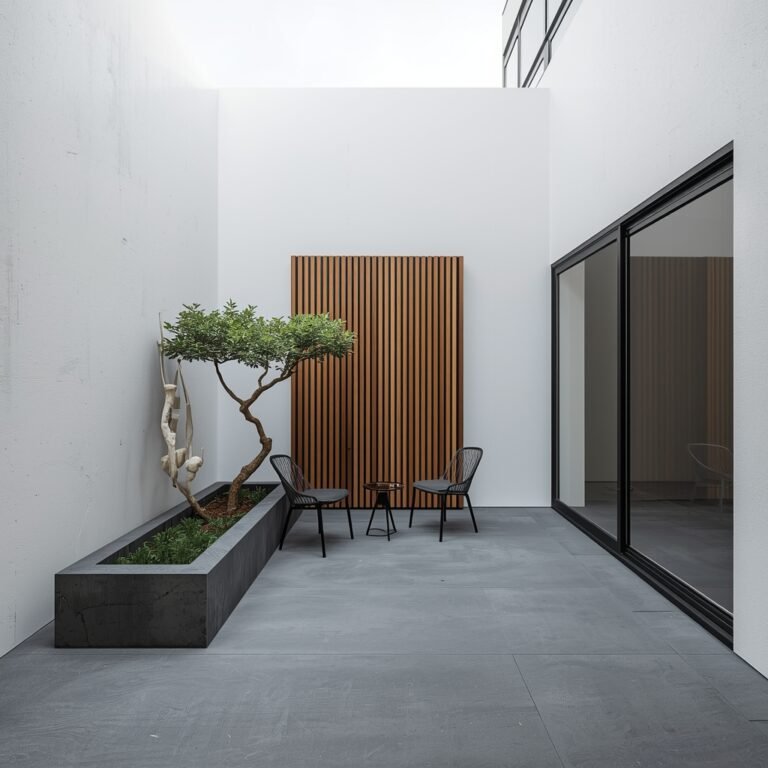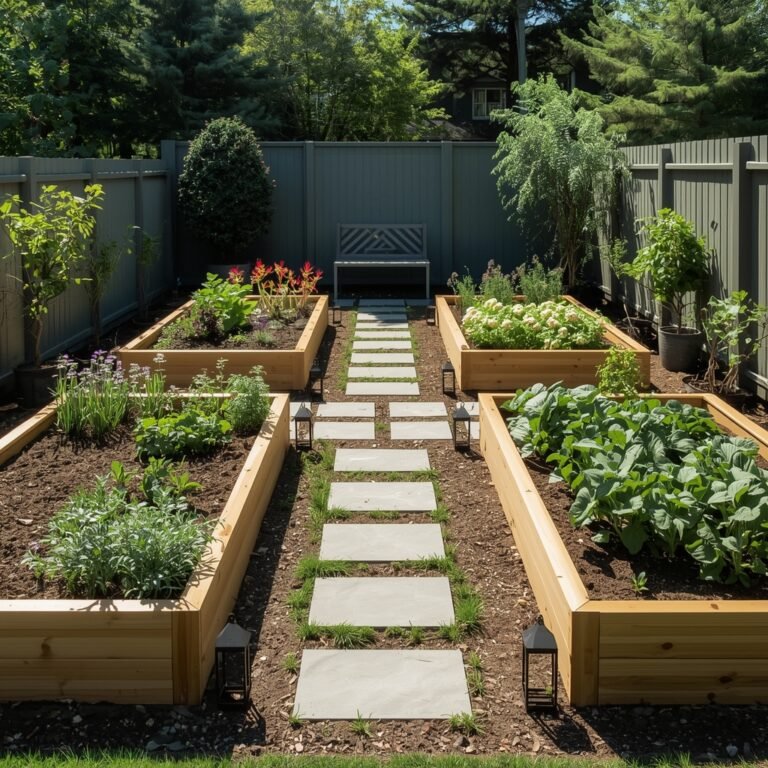
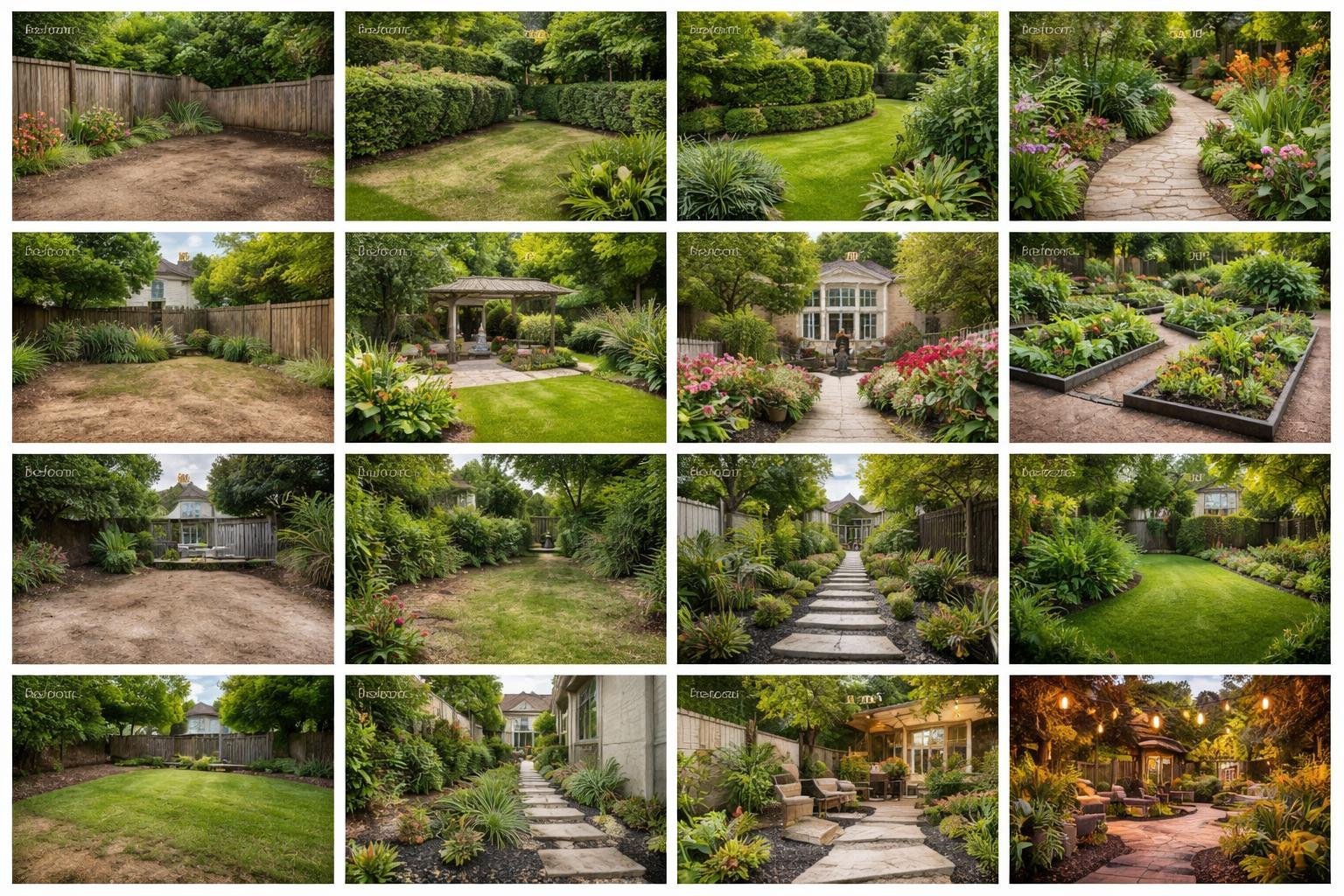
12 Transformative Before-and-After Makeovers and Practical Tips
You’ll find practical ideas and fresh inspiration to change your outdoor space without guessing which projects work. This collection shows real before-and-after garden projects so you can see what changes look like and decide which ideas fit your yard and budget.
Flip through transformations that range from small, budget-friendly makeovers to larger installs like patios, raised beds, lighting, and vertical gardens. You’ll learn which design moves create the biggest visual and functional gains and pick up maintenance tips to keep your new space thriving.
1) Nicole Burke’s Kitchen Garden Transformation
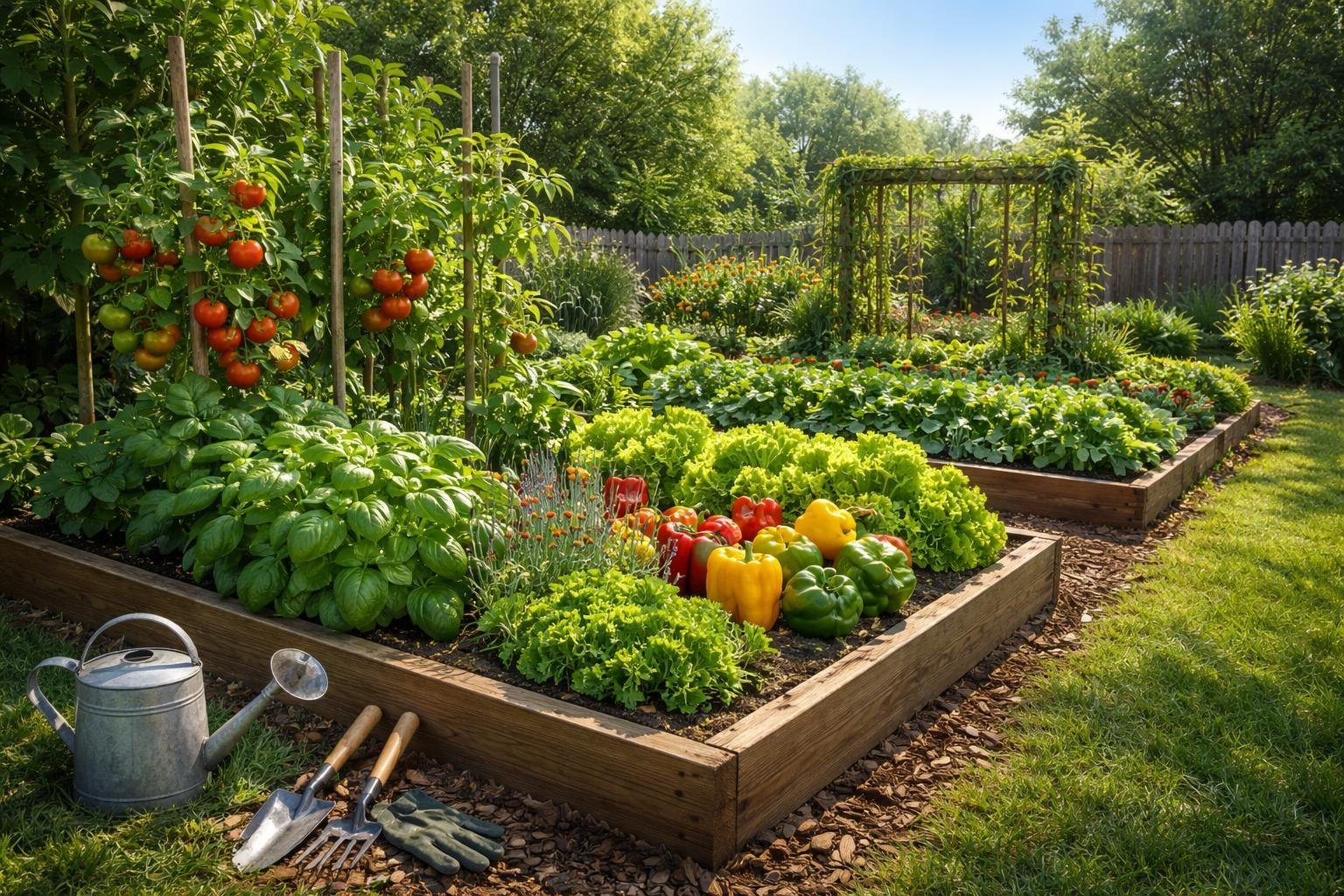
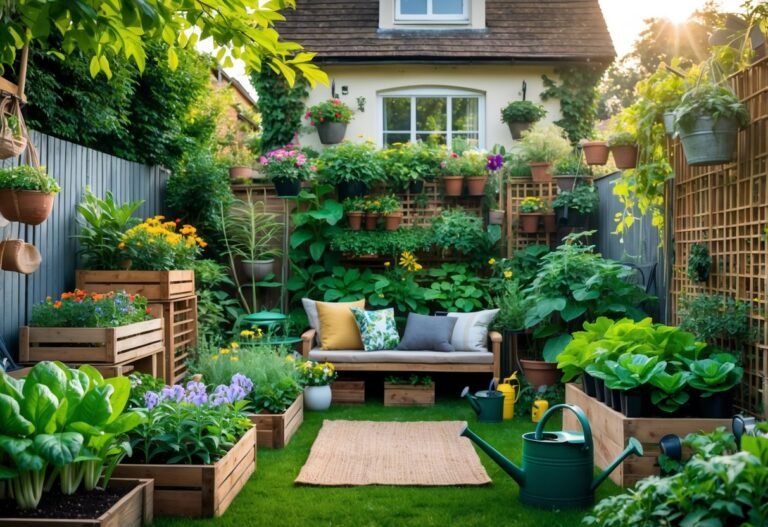
You’ll see a small, neat kitchen garden replace wasted space in this transformation. Paths, raised beds, and edible plantings make it easy to grow herbs and vegetables.
The design fits a modest yard and boosts food access for daily cooking. The before-and-after images show how simple changes create tidy, productive beds you can maintain.
2) Raised Vegetable Garden Installation
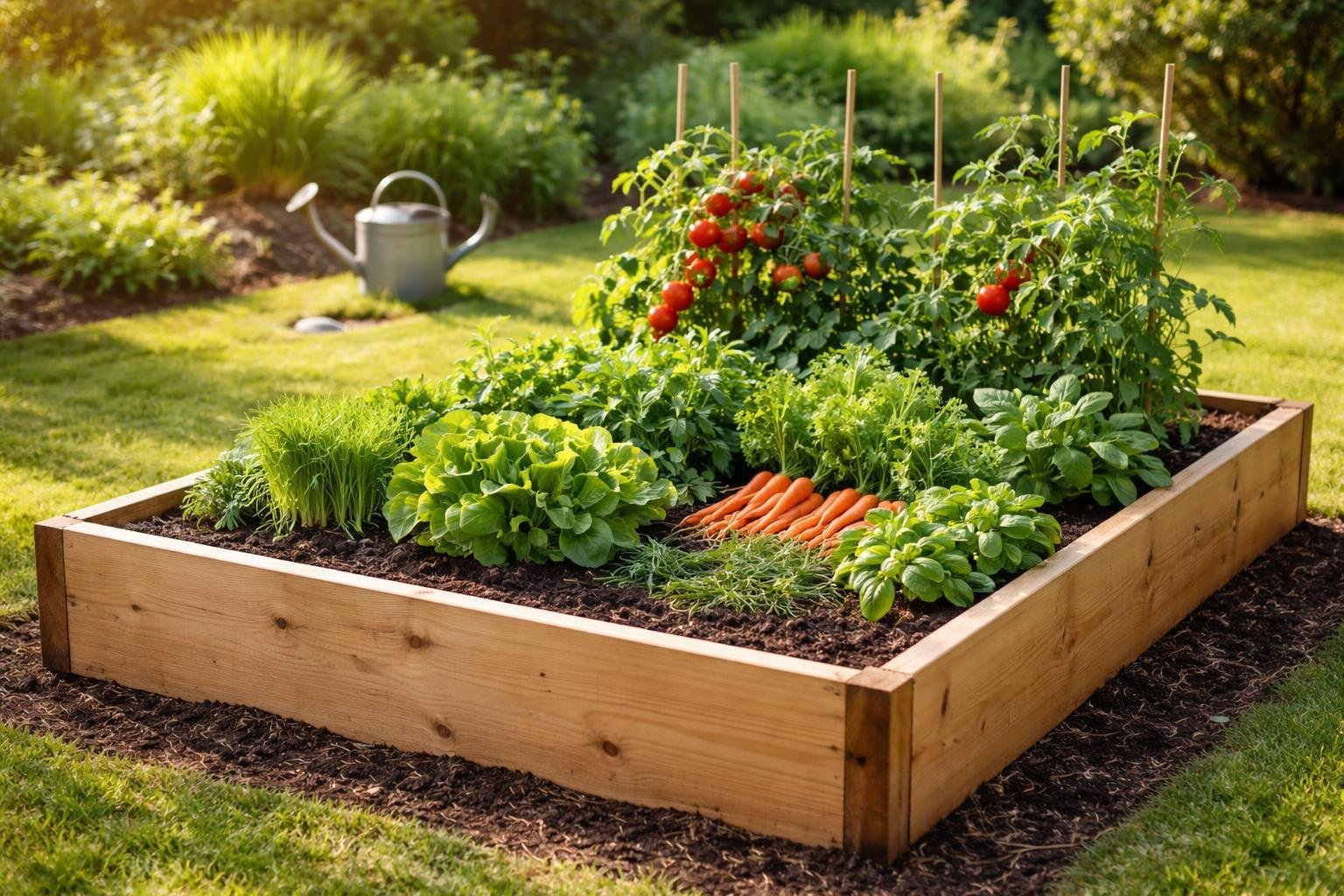
You replaced a lawn patch with neat raised beds that make planting easier and soil control simple. The beds lift roots above compacted ground, so drainage and warm-up happen faster.
You get better access for planting, weeding, and harvesting without bending as much. Use good compost and a simple crop plan to keep yields steady.
3) Colorful Perennial Flower Beds
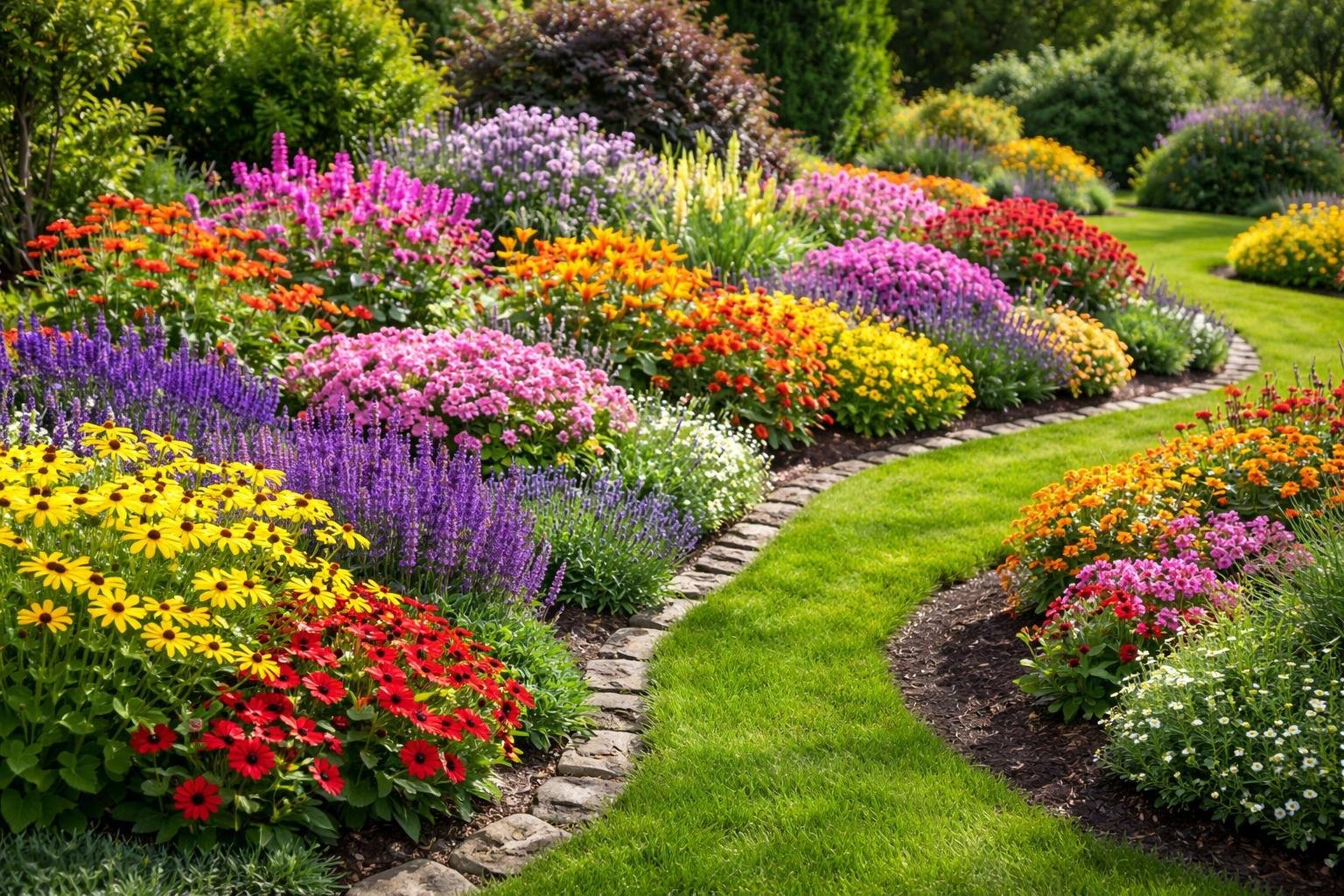
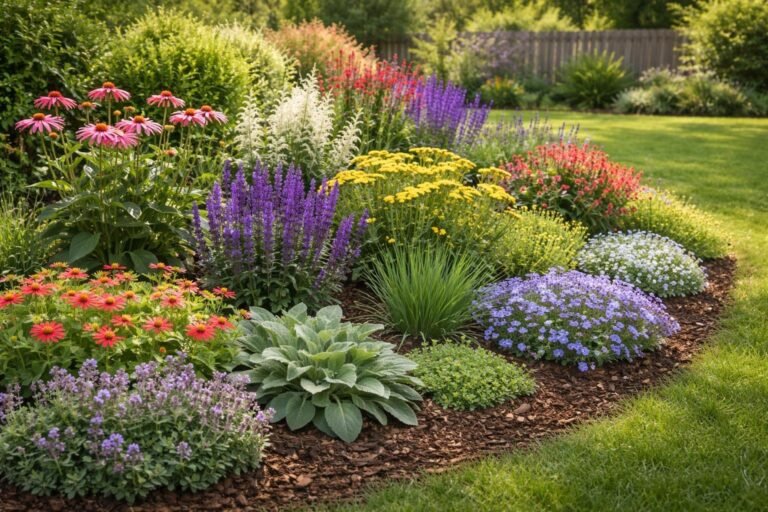
You can transform a dull border into a lively, low-maintenance display by planting perennials that return each year.
Choose a mix of bloom times, heights, and textures so you get color from spring through fall.
Place taller plants at the back and repeat groupings for a cohesive look.
Pick varieties suited to your light and soil to avoid extra work later.
4) Small Yard Budget-Friendly Makeover
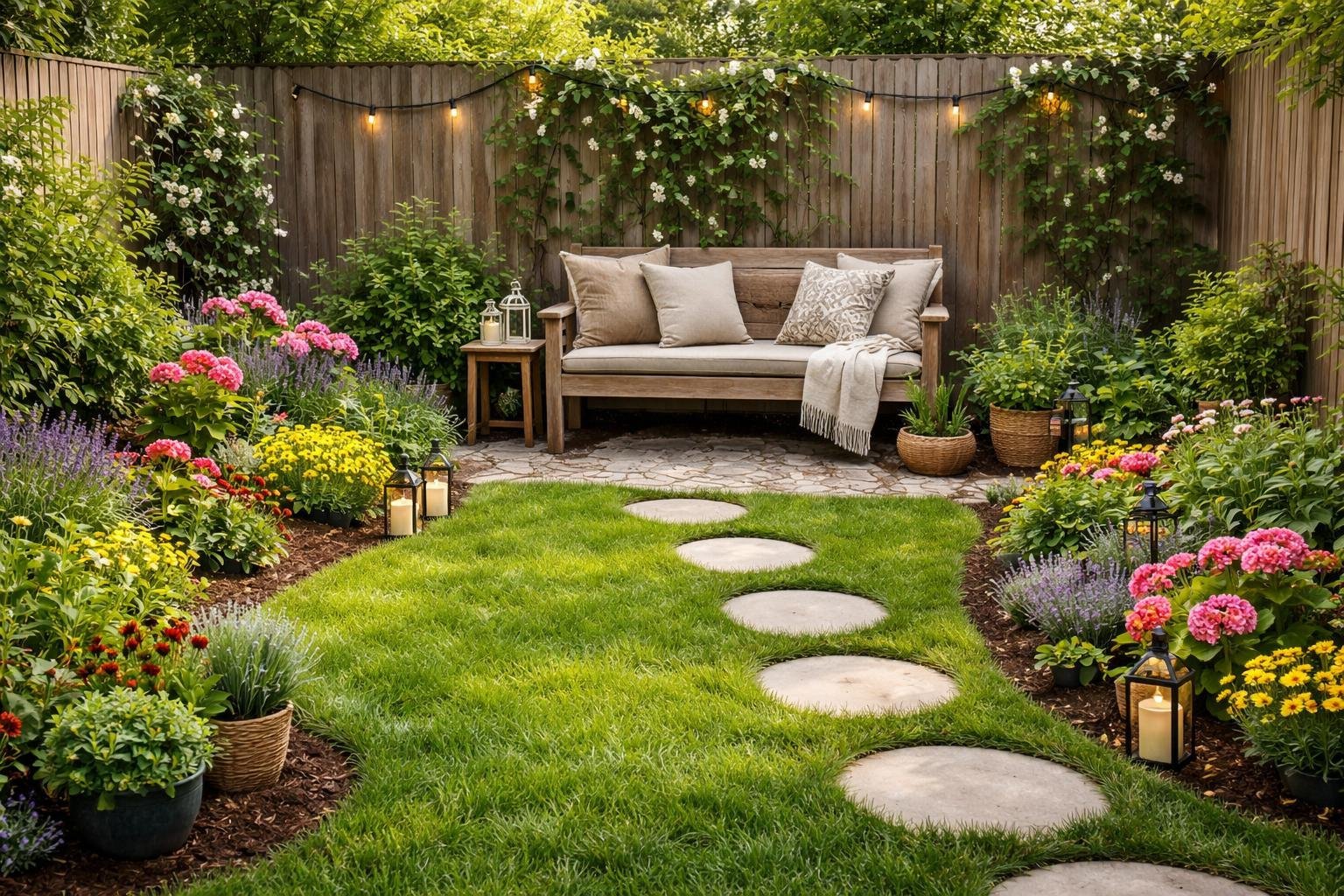
You can refresh a small yard without spending much. Start by defining a focal spot with potted plants or a simple seating area.
Swap out tired grass for mulch or gravel to cut maintenance and cost. Add vertical planters or a trellis to boost green space without losing room.
Use recycled materials for paths or raised beds to save money. Small, deliberate changes can make your yard feel larger and more inviting.
5) Outdoor Fire Pit with Seating Area
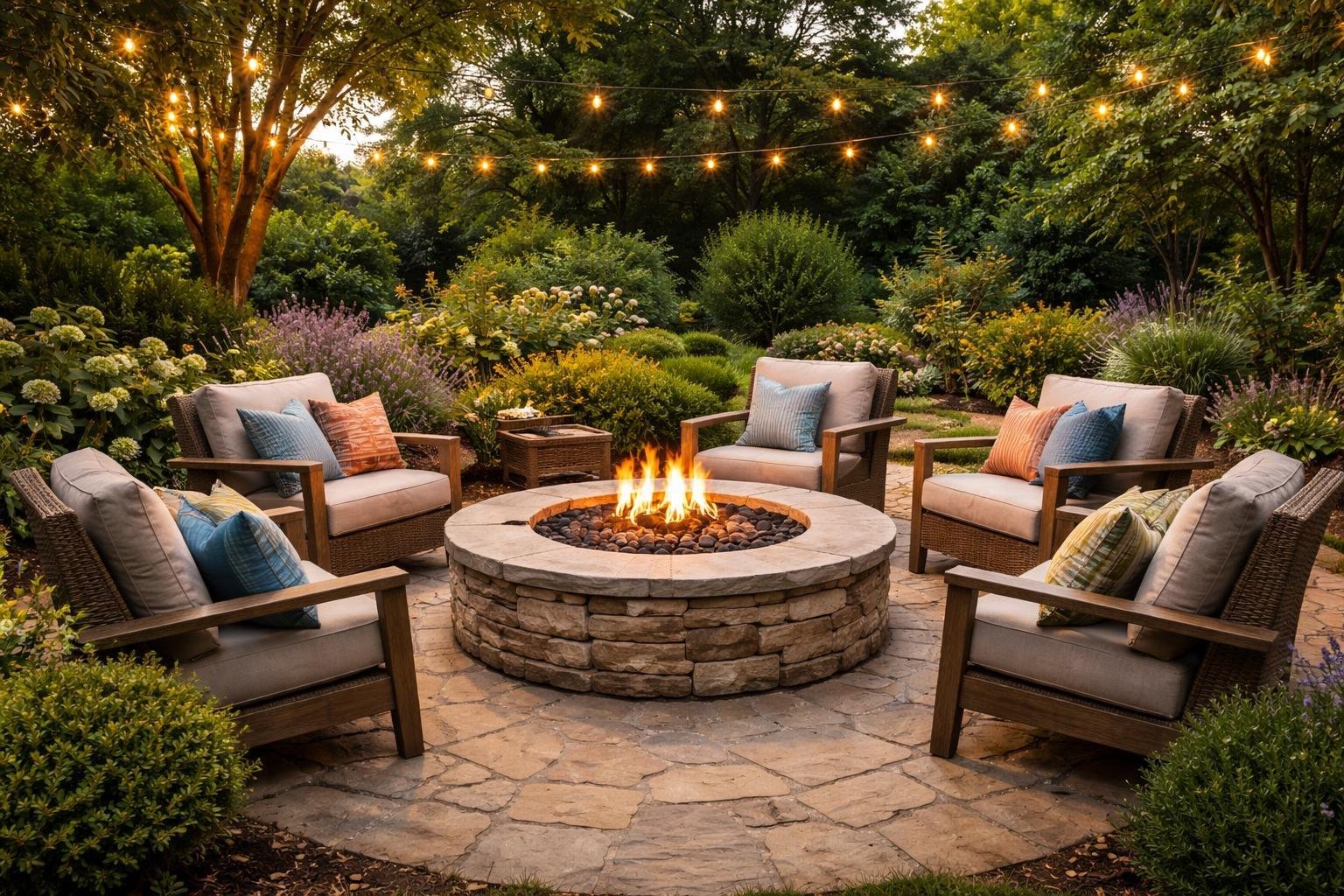
Add a fire pit to create a warm focal point you can use year-round. Place seating in a circle so conversations feel natural and everyone has a view of the flames.
Use low-maintenance materials like gravel, pavers, or compacted sand for the base. Add built-in benches or moveable chairs so you can change the layout for small or larger groups.
Plant heat-tolerant shrubs a safe distance away to soften the space and block wind. Keep a clear path and a fire extinguisher nearby for safety.
6) Custom Art Piece Garden Feature
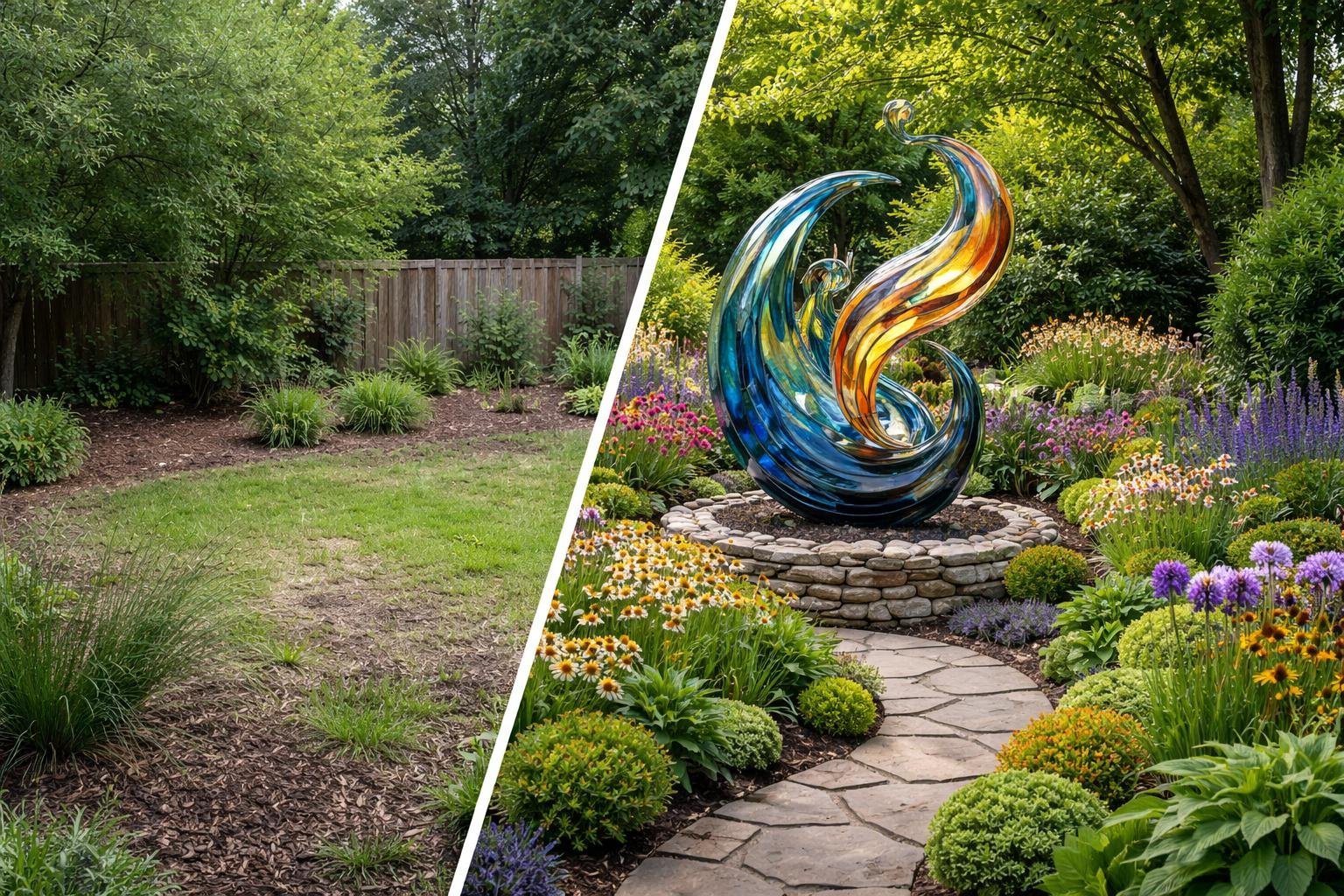
You can make your garden stand out with one custom art piece. A sculpture, mosaic, or repurposed object gives the space a clear focal point.
Choose materials that weather well and match your garden’s style. Place the piece where paths or sightlines naturally draw the eye.
Commissioning local artists supports the community and gives you a unique work. Alternatively, hunt salvage yards for affordable, characterful finds you can adapt.
7) Potted Plant Arrangement and Seating
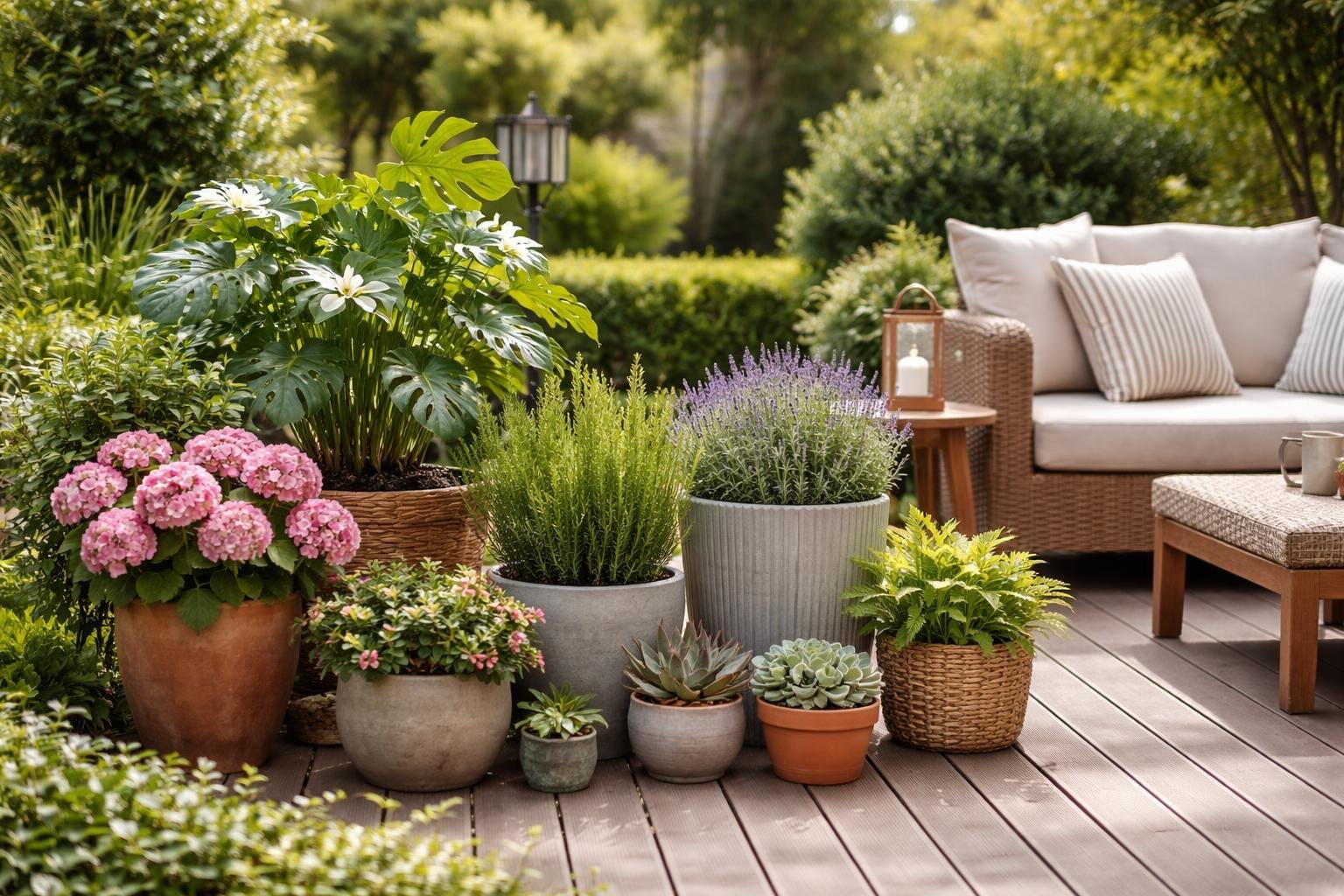
You can turn a plain patio into a cozy corner with grouped pots and a simple seating area. Mix heights and textures—tall grasses, medium shrubs, and low flowering pots—to create depth without crowding.
Place a bench or a pair of chairs near the pots so you can sit and enjoy the plants. Use durable materials and leave enough space to walk around the seating for easy maintenance.
8) Vegetable Garden with Pathways
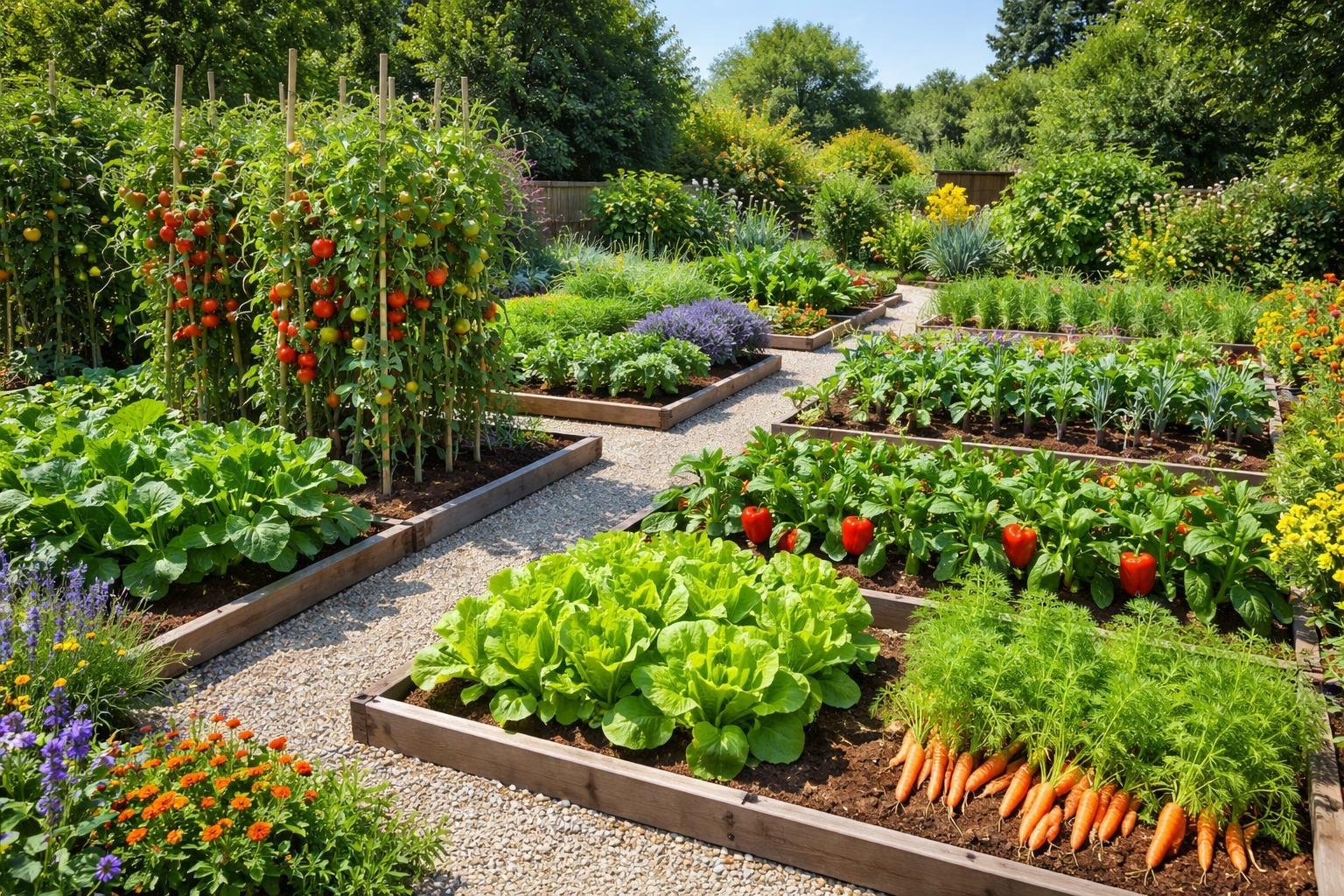
You get clear routes through beds so planting and harvesting become faster and neater. Paths also keep soil from compacting and protect roots when you walk.
Choose materials like mulch, gravel, or stepping stones that suit your budget and match garden style. Keep paths wide enough for a wheelbarrow and space to bend without stepping on plants.
Arrange paths to form simple beds for easy crop rotation and watering. Straight lines save space; curves add visual interest.
9) Landscape Lighting Enhancements
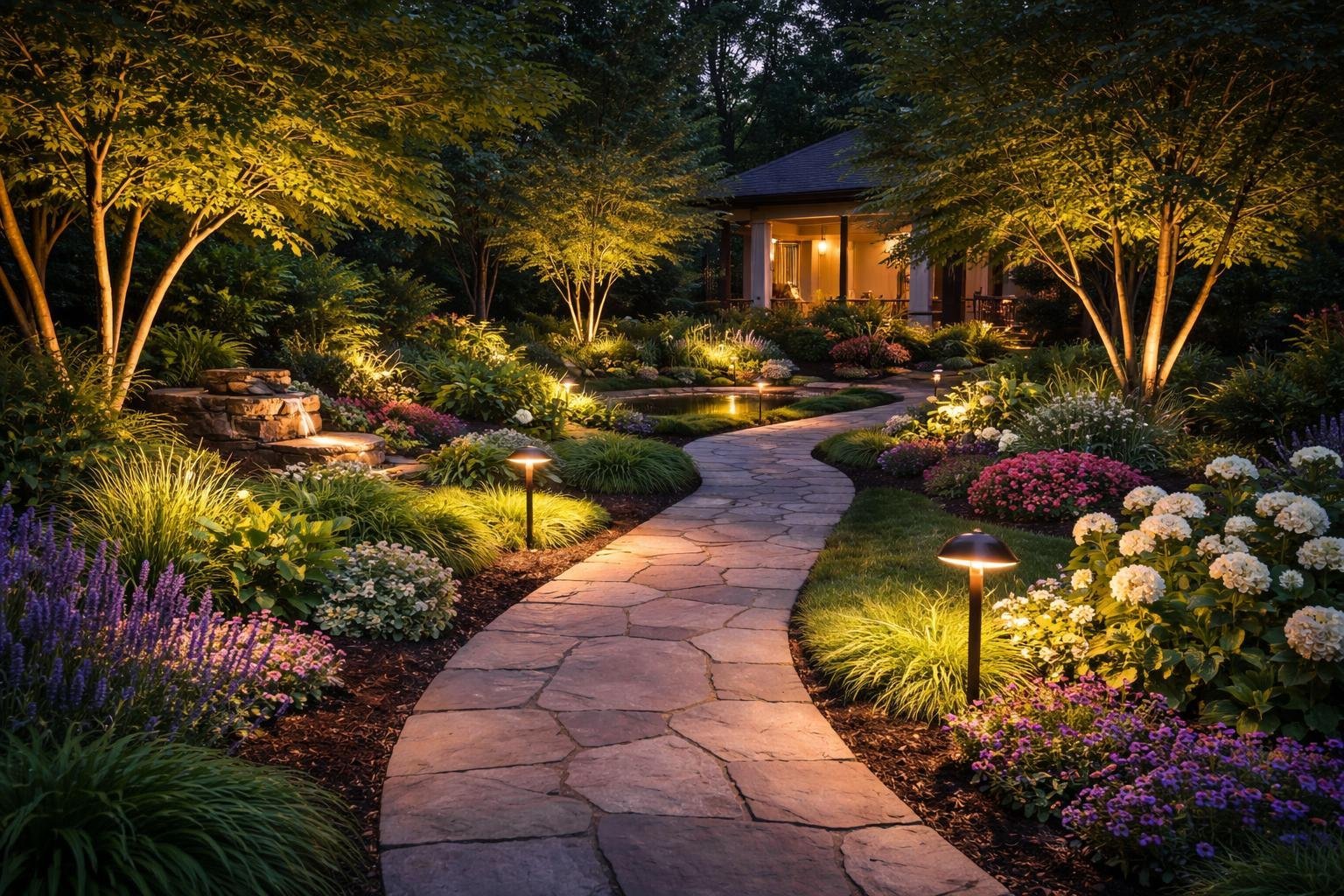
You can transform your yard after dark with layered landscape lighting. Low-voltage path lights, spotlights on trees, and soft wash lights on the house add depth and safety.
Plan fixtures to highlight focal points and keep glare away from neighbors. Smart controls let you set schedules and dim scenes without manual switches.
A thoughtful layout uses warm color temperature and low glare to keep the space inviting. Proper spacing and aiming prevent over-lighting and preserve nighttime privacy.
10) Natural Stone Patio Addition
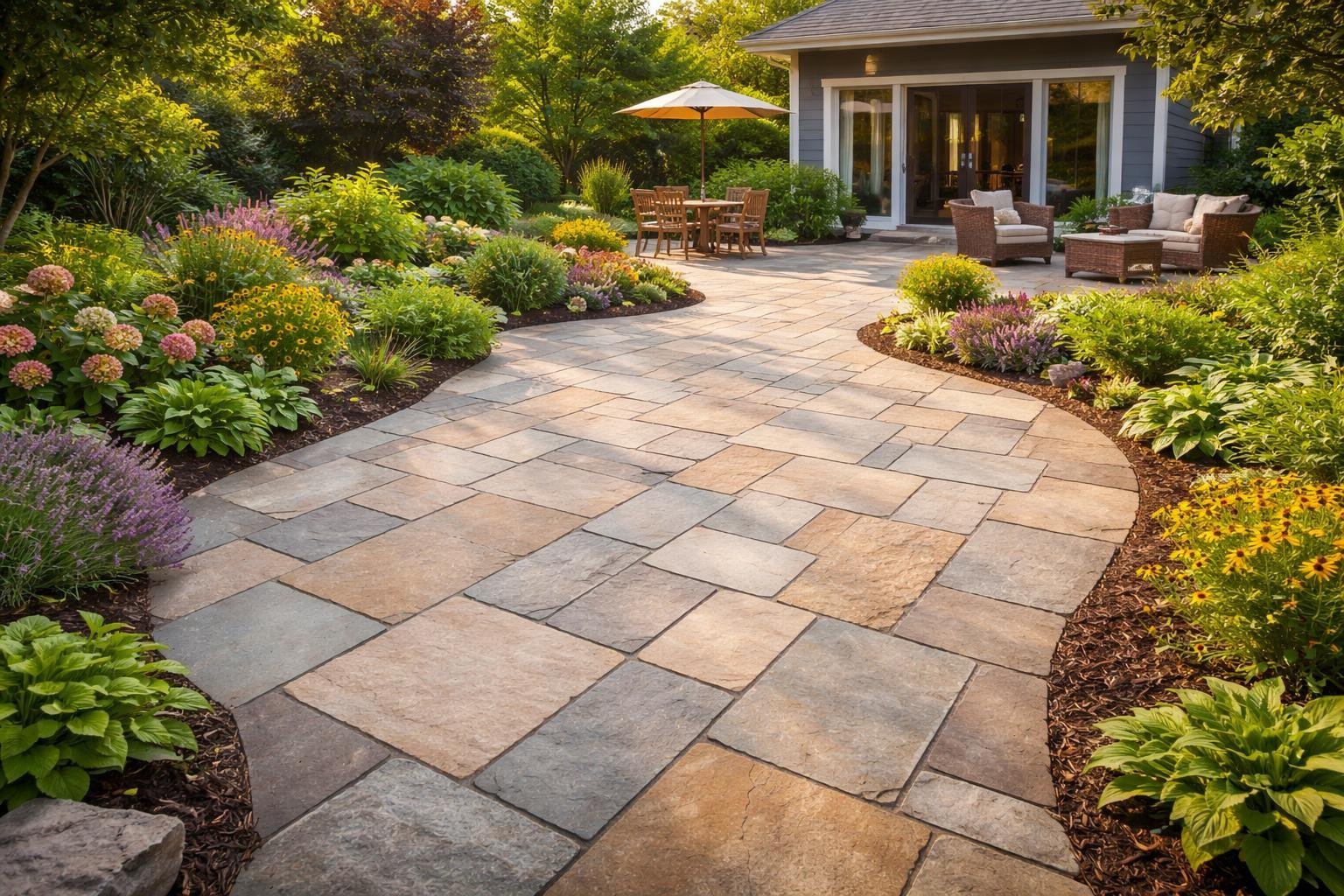
A natural stone patio gives your yard a solid, lasting focal point you can use every day. You can choose flagstone, bluestone, or local stone to match your home’s style and budget.
Lay the stones on a compacted base for good drainage and stability. Add low plants or gravel edges to soften the edges and make the space feel linked to the garden.
Include seating and lighting to extend use into evenings. Simple steps like sealing the stone will help it stay looking good for years.
11) Vertical Garden Wall Installation
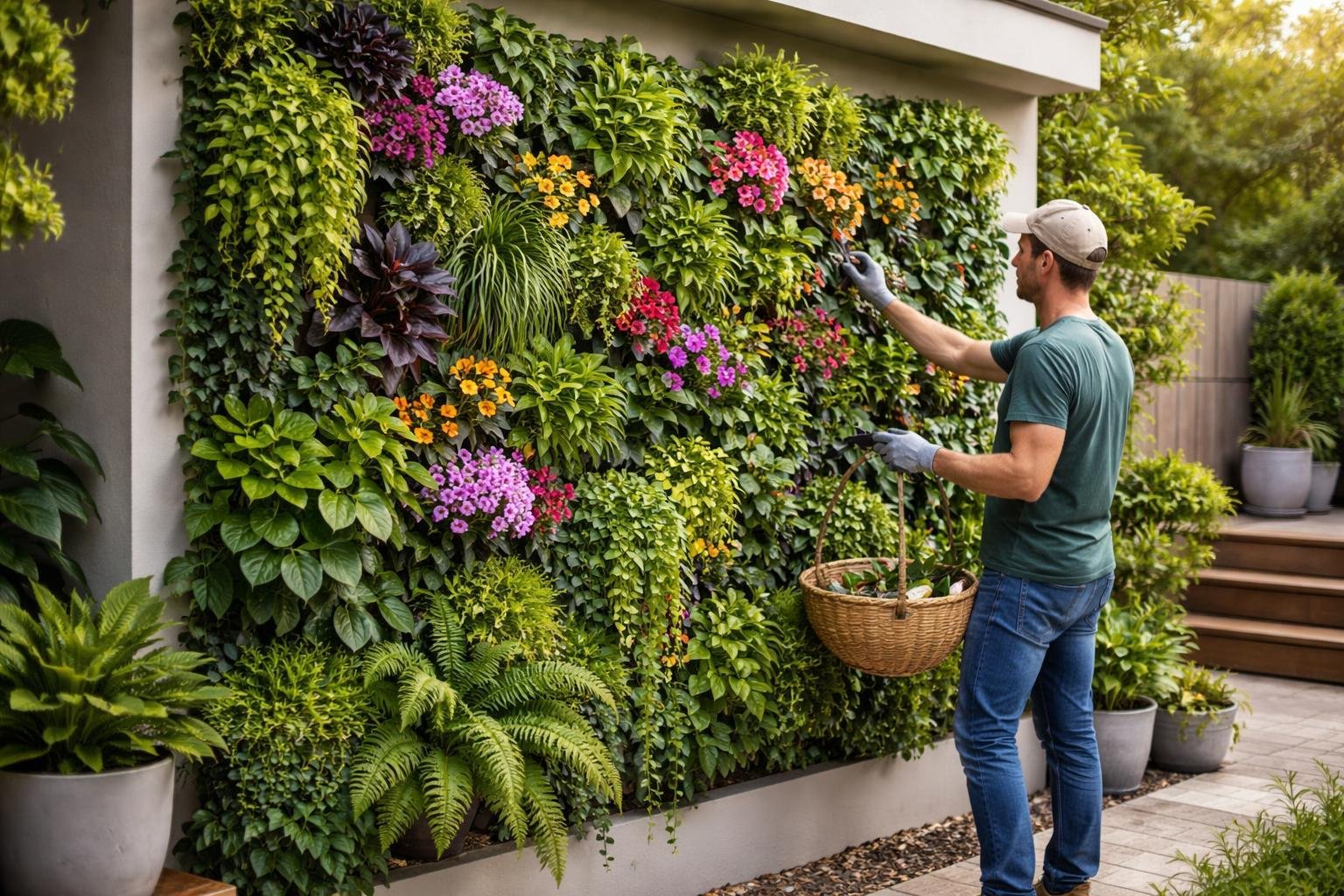
You can turn a bare wall into a lush focal point with a vertical garden wall. Start by choosing a sturdy frame and moisture-resistant backing for safety and longevity.
Pick plants that match the light and watering you can provide—herbs, succulents, and shade-tolerant perennials work well. Mount pockets or planters securely, then add lightweight soil and plants to avoid overloading the wall.
Water with a drip system or drip trays to keep moisture even. Check supports and plants regularly to catch problems early.
12) Herb Garden in Recycled Containers
You can turn old mugs, tin cans, and wooden crates into tidy herb planters. Pick containers with drainage or add holes to prevent soggy roots.
Place herbs like basil, mint, and parsley where they get 4–6 hours of sun. Use good potting mix and water when the top inch feels dry.
Label each container and group plants by water needs to make care simple. Fresh herbs will be ready in weeks and brighten your kitchen or balcony.
Design Strategies for Transformative Garden Makeovers
You will plan for changing weather, fit more function into tight plots, and choose materials that last while cutting waste. Each choice shapes how the garden looks, grows, and performs across seasons.
Planning for Seasonal Changes
Map your garden by month. Note sun angles, frost dates, and heavy-rain seasons so you place plants where they thrive. Put bulbs and early-spring bloomers in sunny beds that warm quickly. Locate late-summer perennials where they get afternoon shade.
Use a mix of plant types to keep color and structure year-round. Combine evergreens, grasses, bulbs, and long-blooming perennials. Layer heights: tall plants in the back, medium in the middle, low in front to maintain interest in every season.
Design paths and seating with drainage and access in mind. Use slightly raised beds or gravel paths in wet areas to prevent puddles. Place seating where you get morning sun or evening shade, depending on how you use the space.
Maximizing Small Spaces
Measure the area and draw a simple plan before buying plants. Choose multi-use elements: a bench that doubles as storage, trellises that support climbing vegetables, or narrow raised beds for neat rows.
Pick plants with small footprints and high yield. Compact shrubs, columnar trees, and vertical vines free up ground space. Use containers for herbs and salad greens near the kitchen for easy harvesting.
Create the illusion of space with repetition and sightlines. Repeat the same plant or material to make the garden feel larger. Keep paths straight or gently curved so your eye travels farther. Mirrors, light-colored paving, and raised planting levels add depth without crowding.
Incorporating Sustainable Materials
Choose recycled or locally sourced hardscape materials to cut transport emissions and cost. Reclaimed brick, crushed concrete for paths, and salvaged timber for raised beds are durable choices.
Select permeable materials for patios and walkways. Permeable pavers, gravel, or compacted decomposed granite reduce runoff and recharge soil. Combine them with rain gardens or dry wells to handle heavy storms.
Use long-lasting finishes and low-toxicity treatments on wood. Opt for native stone and metal accents that need little maintenance. For irrigation, install a drip system and a simple rain barrel to save water and cut your utility bills.
Maintenance Tips for Lasting Results
A few targeted actions will keep beds healthy and reduce work later. Focus on building good soil now and watering the right amount on a schedule that matches plant needs.
Soil Preparation Basics
Test your soil pH and texture before planting. Use a simple kit or send a sample to a local extension service. Aim for pH 6.0–7.0 for most vegetables and flowers; adjust with lime to raise pH or sulfur to lower it.
Add 2–3 inches of compost to the topsoil each year and work it in 4–6 inches deep. Compost improves structure, drainage, and nutrient holding. For heavy clay, mix in coarse sand and organic matter to break up dense soil.
Use a soil thermometer in spring to know planting time; most warm-season crops need 60°F (16°C) or warmer. Place mulch 2–3 inches deep around plants to keep moisture steady and suppress weeds. Replenish mulch yearly.
Watering Techniques for Longevity
Water at the root zone, not the leaves, to reduce disease. Use drip lines, soaker hoses, or a narrow hose nozzle aimed at the base of plants. Run longer, less frequent cycles—about 1 inch of water per week total—rather than short daily sprinkling.
Check soil moisture with your finger or a probe 2–4 inches deep. If it feels dry, water deeply. Early morning watering minimizes evaporation and fungal risk.
Group plants by water need (hydrozoning). Put drought-tolerant plants together and high-water plants together. This makes irrigation efficient and prevents over- or under-watering. Adjust schedules seasonally and after heavy rain.
Frequently Asked Questions
This section answers practical questions about low-cost makeovers, finding before-and-after photos, current garden trends, apps for planning, front-yard landscaping tips, and small-garden design. You’ll get clear, actionable steps tied to real projects like Nicole Burke’s kitchen garden, raised beds, colorful perennials, a small budget makeover, and an outdoor fire pit area.
What are some budget-friendly garden renovation ideas?
Reuse materials from other projects, such as old bricks for edging or reclaimed wood for raised beds. Plant perennials and bulk packs of pollinator-friendly seeds to cut long-term costs.
Focus on one feature at a time. For example, build a single raised vegetable bed like in the Raised Vegetable Garden Installation, then add mulch and inexpensive annuals to improve the look.
How can I find before and after pictures for garden renovations?
Search garden design websites and project galleries like Gardenary, Gardenista, and Houzz for curated before-and-after collections. Use keywords that match your interest, such as “kitchen garden before and after” or “small yard makeover.”
Check social media and creator blogs for project albums. Many gardeners post step-by-step photos of projects like Nicole Burke’s kitchen garden transformation and small yard budget makeovers.
What features are trending in garden design currently?
Raised vegetable beds remain popular for growing food and making neat planting zones. Colorful perennial beds and pollinator plantings show up in many recent projects.
Outdoor living elements, such as a fire pit with seating, are also trending. Designers favor low-maintenance hardscaping, simple paths, and mixed-use spaces for entertaining.
Can you suggest any apps for visualizing garden makeovers?
Use apps like iScape, Planner 5D, or SketchUp Viewer to place beds, paths, and furniture in a photo of your yard. They let you experiment with sizes and materials before you buy.
Some apps include plant libraries and cost estimates, which helps when you plan a raised bed, perennial border, or seating area around a fire pit.
What are some tips for landscaping a front yard?
Start with a clear focal point, such as a path, a specimen plant, or a small seating area. Keep sightlines open so visitors can see your main feature from the street.
Use low-maintenance shrubs and a mix of perennials for seasonal color. Add mulch to reduce weeds and install simple edging to define beds.
How do I design a small garden with a great transformation?
Maximize usable space by choosing vertical elements like trellises or stacked planters. Build a raised bed to bring planting up to eye level and create neat, productive zones.
Limit the palette to a few plant types and colors for visual unity. Add a functional focal point—such as a compact fire pit or a seating nook—to make the space feel larger and more purposeful.