10 Timeless Bungalow Landscapes That Will Inspire Your Garden — Classic Designs, Planting Plans, and Practical Tips
You can turn your bungalow’s yard into a warm, low-key space that feels both classic and inviting. This article shows practical ideas and clear design choices to help you shape a garden that fits your home and your lifestyle.
Expect simple, lasting landscape ideas that blend structure, plant choices, and outdoor living so your garden stays beautiful year after year.
1) Lush Ivy-Covered Trellises Integrating Seamlessly with Bungalow Architecture
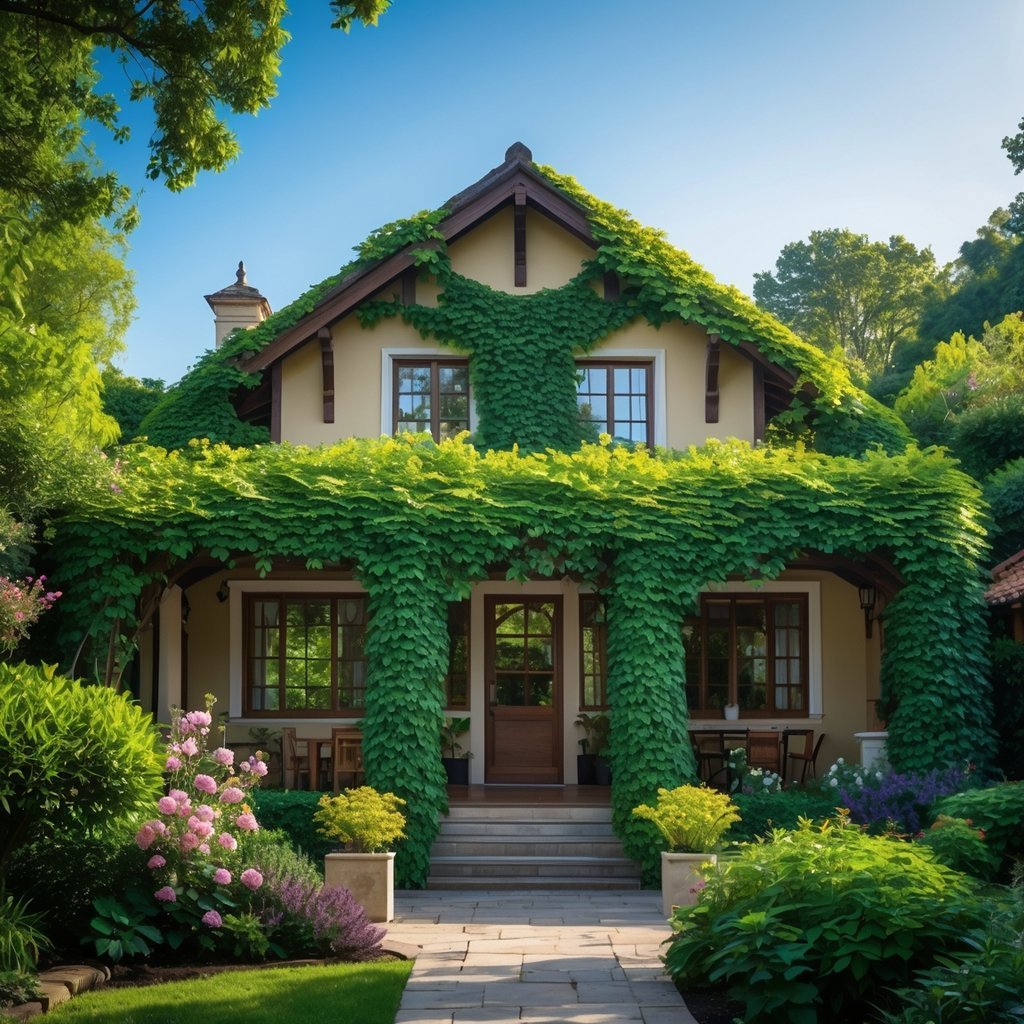
You can soften a bungalow’s lines by adding ivy-covered trellises along porches and gable ends.
Ivy adds year-round green and frames windows without hiding architectural details.
Place trellises where they guide growth away from wood trim and siding.
Prune annually to protect structure and keep vines healthy.
2) Classic Symmetrical Boxwood Hedges Framing Walkways
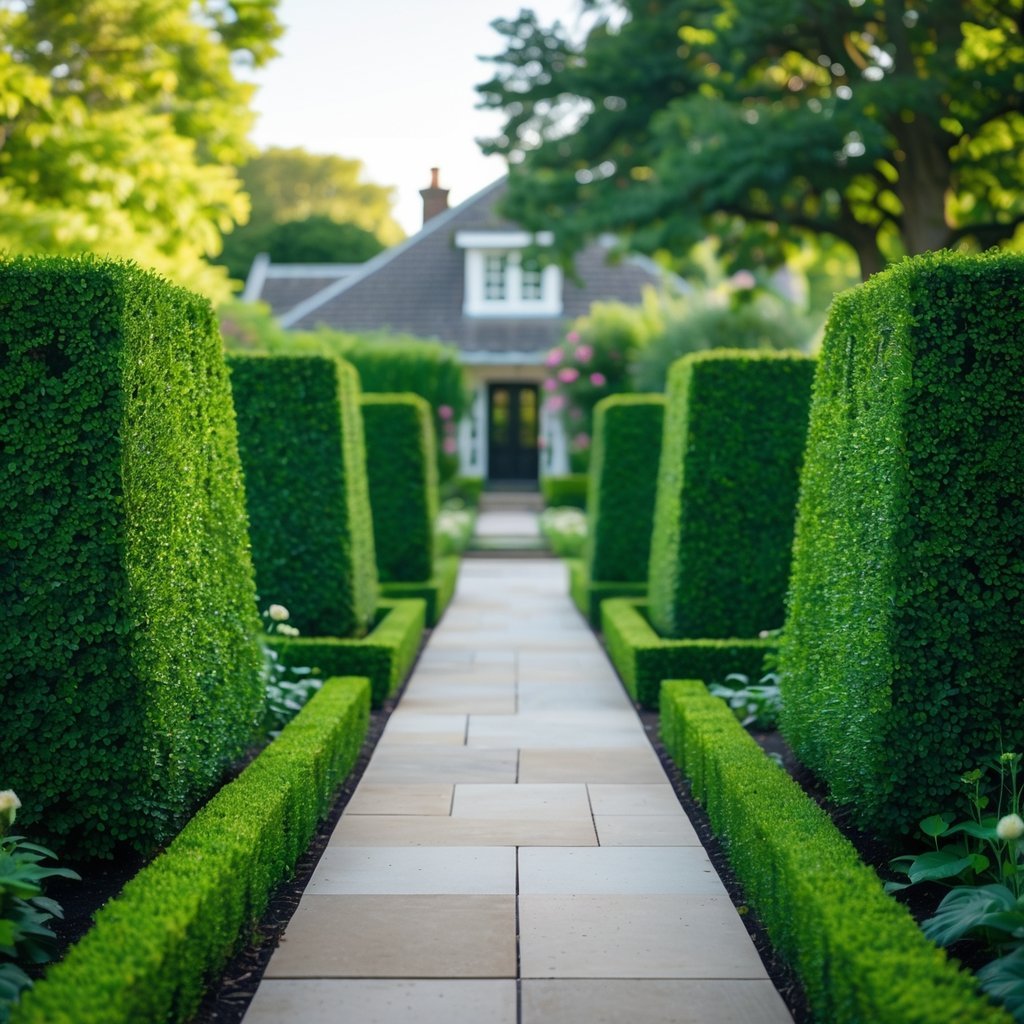
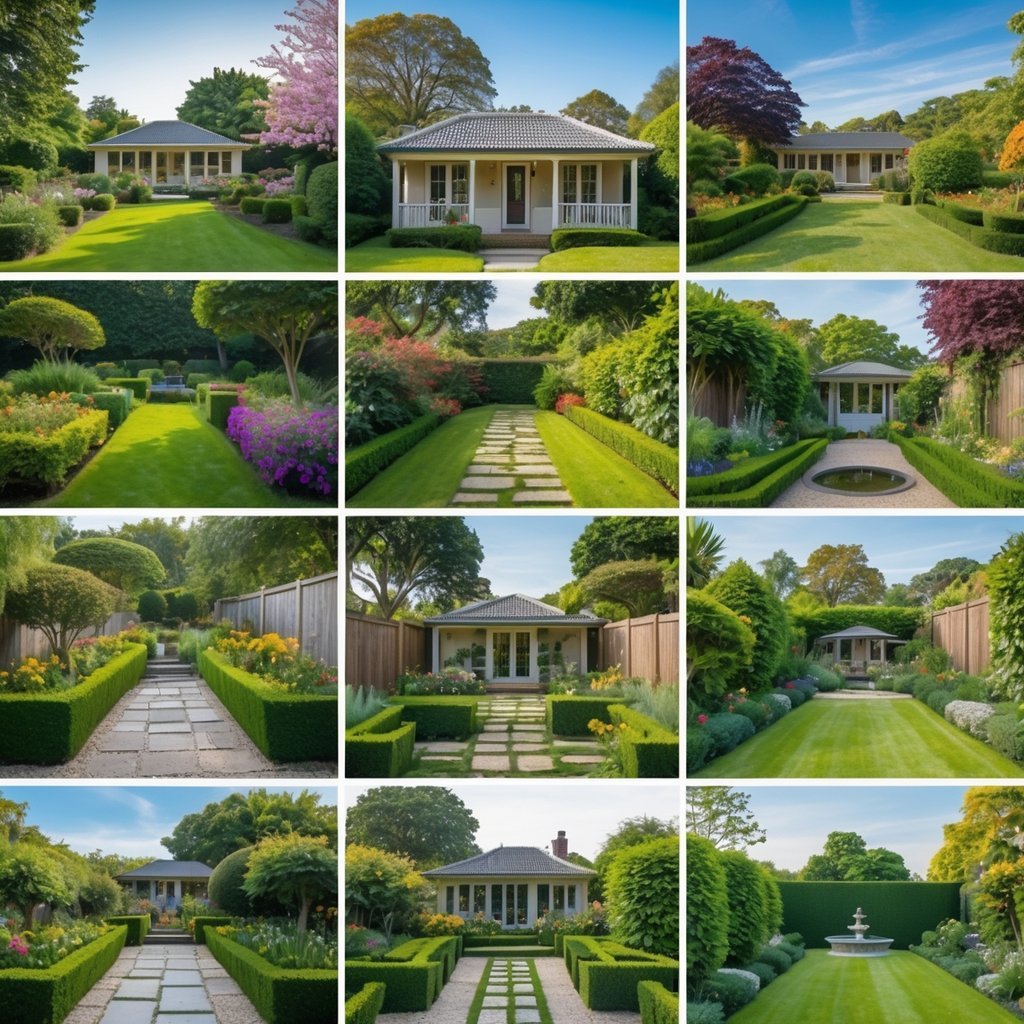
You can use low boxwood hedges to frame a path and give your bungalow a neat, timeless look.
Keep the hedges trimmed to a uniform height for clear sightlines and easy maintenance.
Plant them in pairs along both sides of the walkway to create balance.
This layout guides visitors to your door and works well with stone or brick paths.
Boxwoods suit formal and casual yards, and they stay green year-round.
Space plants properly and prune lightly each season to keep the shape.
3) Stone Pathways with Rustic Flagstones Leading to Garden Entrances
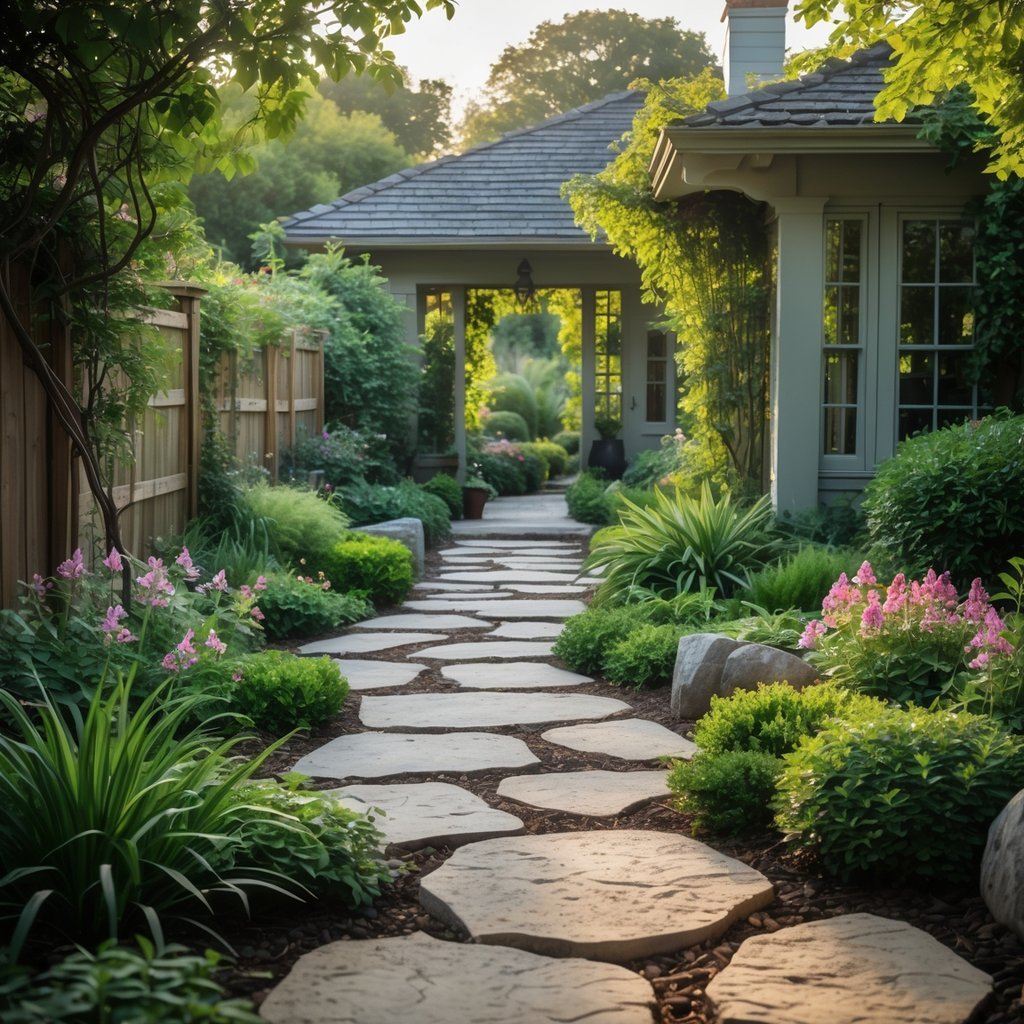
You can use irregular flagstones to create a natural, worn look that fits a bungalow style. Set stones in sand or gravel for good drainage and an easy DIY install.
Add low groundcover or moss between stones to soften edges and cut maintenance. Keep the path wide enough for two people to pass to make your entrance welcoming.
4) Vibrant Perennial Flower Beds with Coneflowers and Black-Eyed Susans
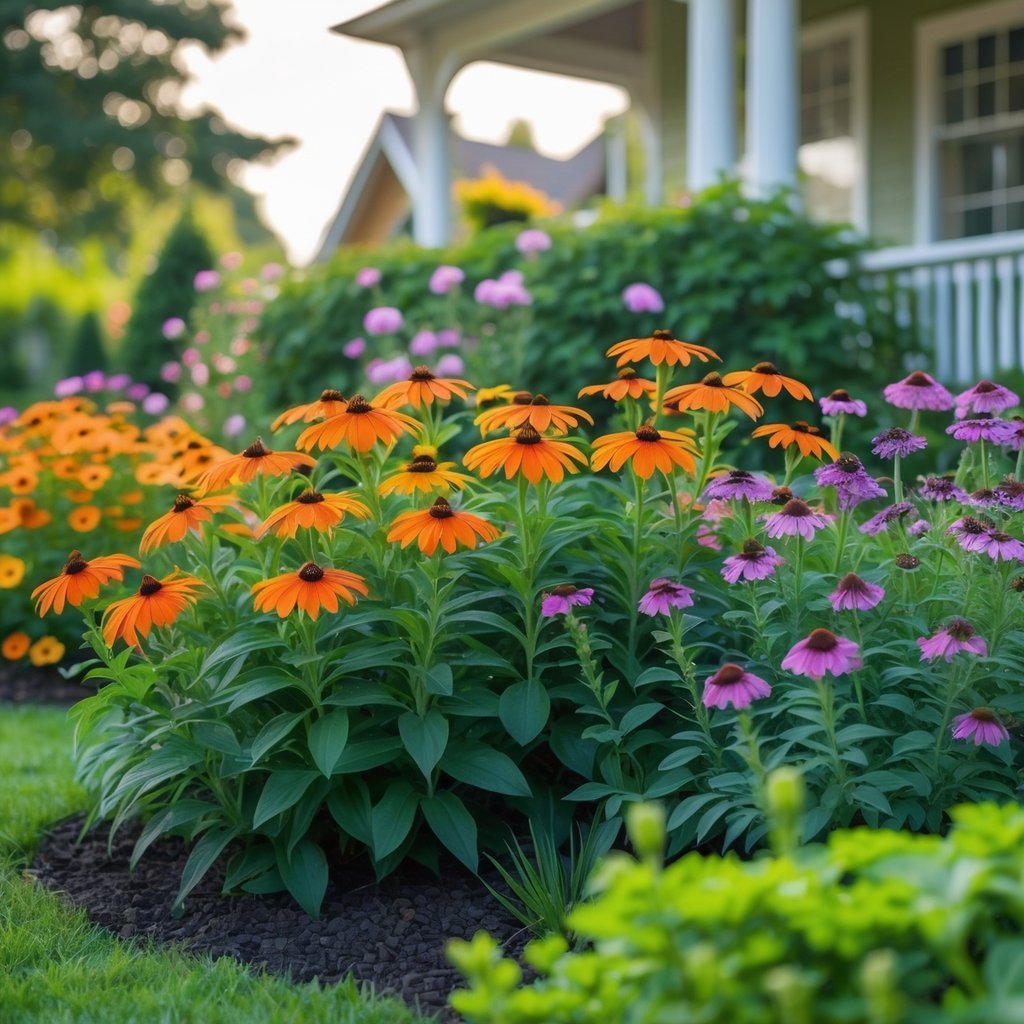
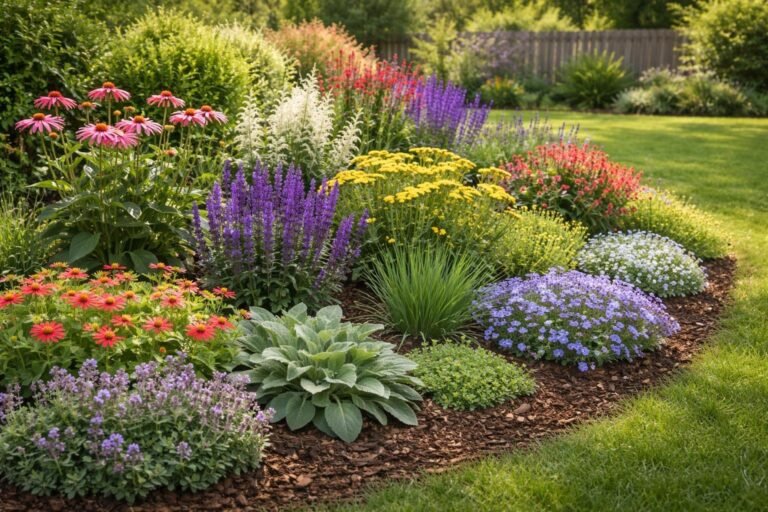
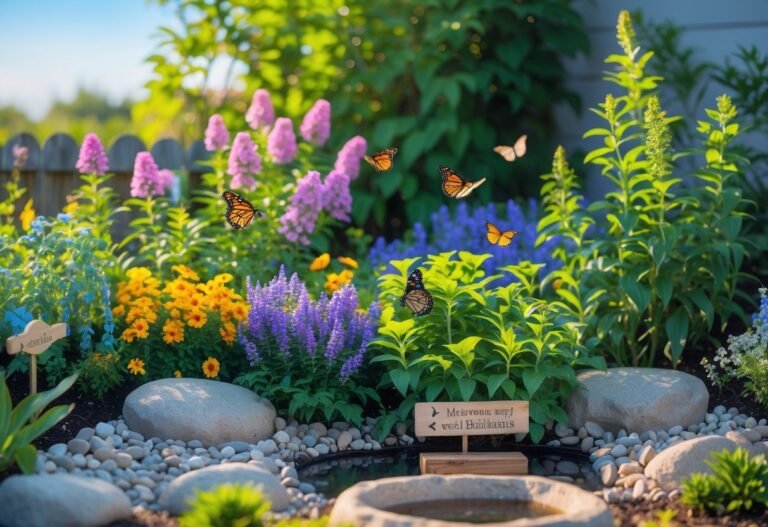
You can create a low-care, colorful bed by planting coneflowers and black-eyed Susans together. Both are hardy perennials that bloom long into summer and resist heat and drought.
Mix heights and colors to add depth and steady bloom. These flowers attract pollinators, bringing bees and butterflies to your bungalow garden.
Plant in full sun with well-drained soil and space them for air circulation. Cut back spent blooms to encourage more flowers and a tidy look.
5) Wooden Pergolas with Climbing Roses for Cozy Outdoor Spaces
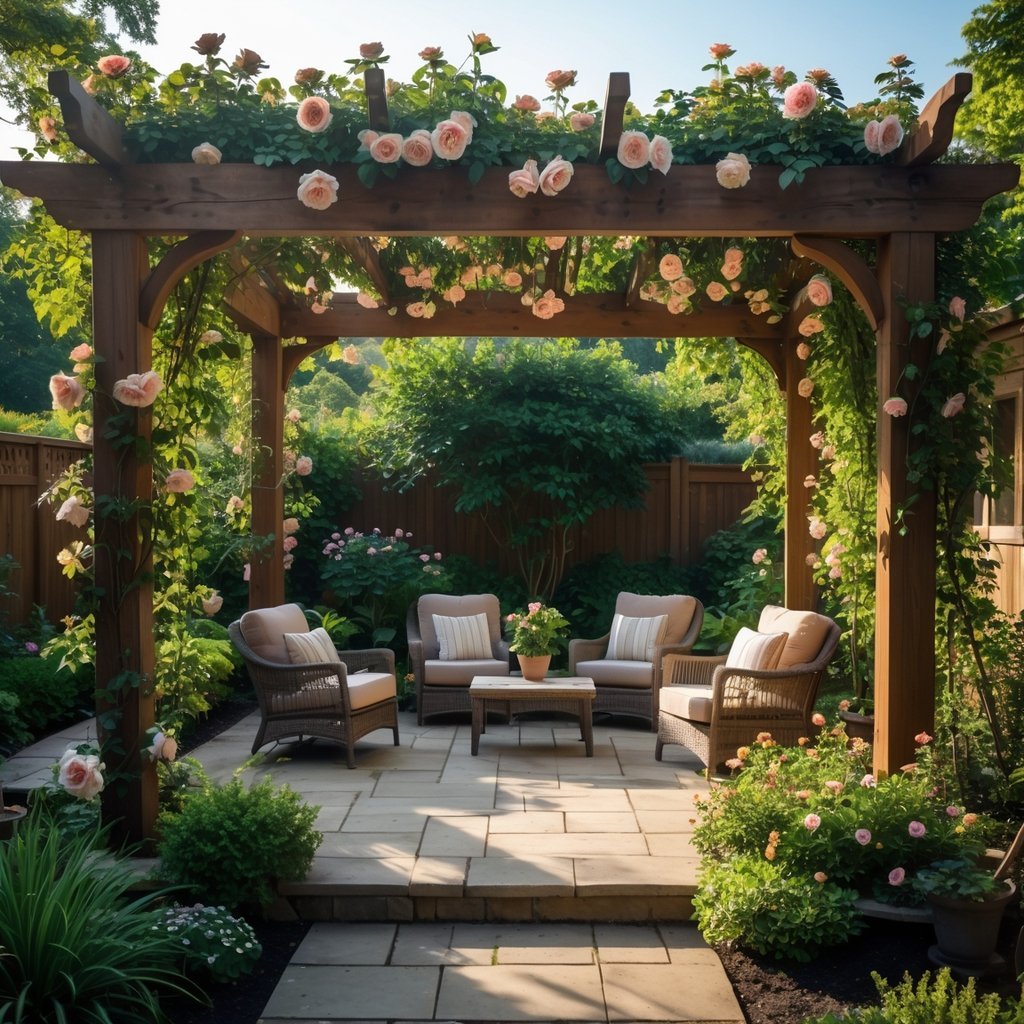
You can add a wooden pergola to define a seating area and anchor your bungalow garden. Climbing roses soften the beams and bring color without blocking light.
Choose rot-resistant wood and spaced slats for filtered shade. Train roses on twine or wire so blooms cascade without overwhelming the structure.
Add simple string lights or lanterns for evening use. Keep pruning regular to maintain airflow and prevent heavy growth that can strain the pergola.
6) Vintage Lantern-Style Lighting for Soft Evening Ambiance
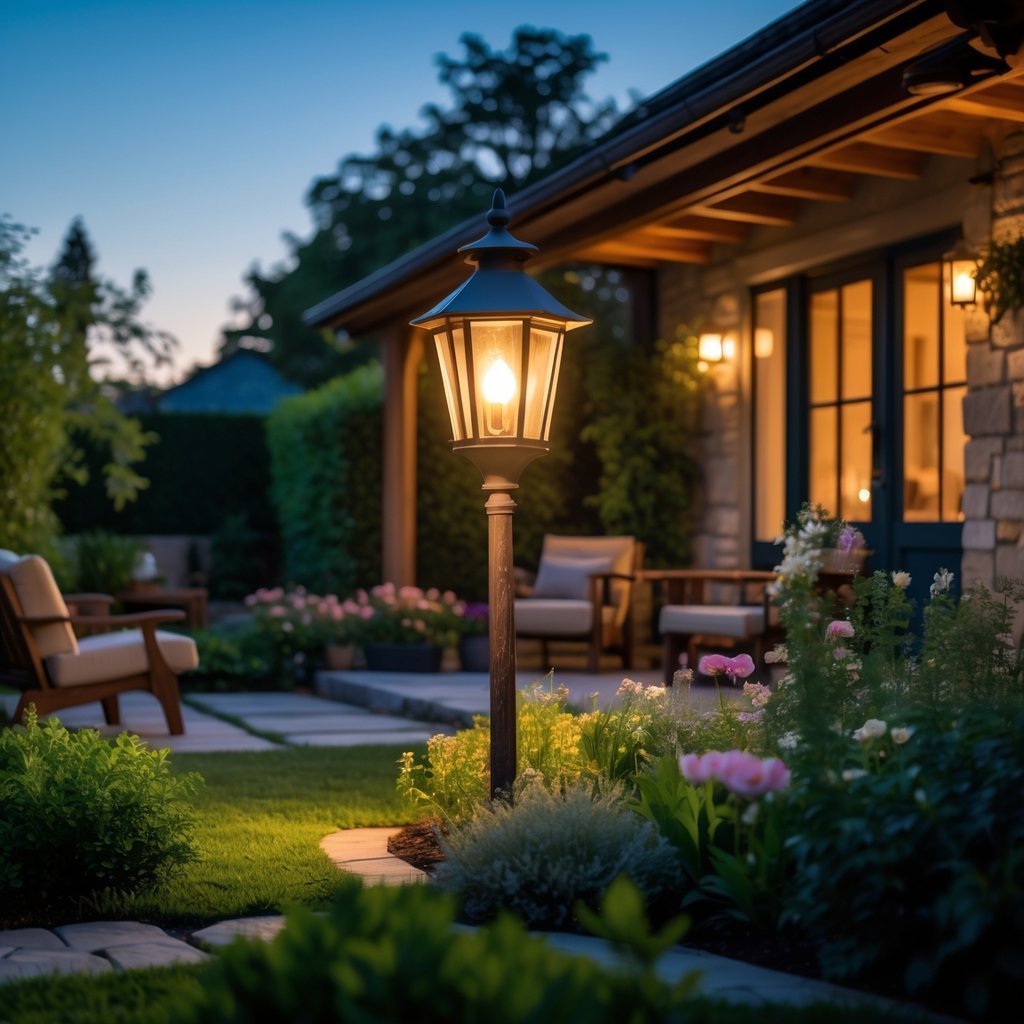
You can add vintage lantern-style lights to paths, porches, and patios to create gentle evening glow. These fixtures blend classic shapes with modern bulbs for safety and efficiency.
Place lanterns at different heights to layer light and highlight plants or entryways. Choose weatherproof, battery, or rechargeable options to match your needs and simplify installation.
7) Raised Garden Beds Crafted from Weathered Cedarwood
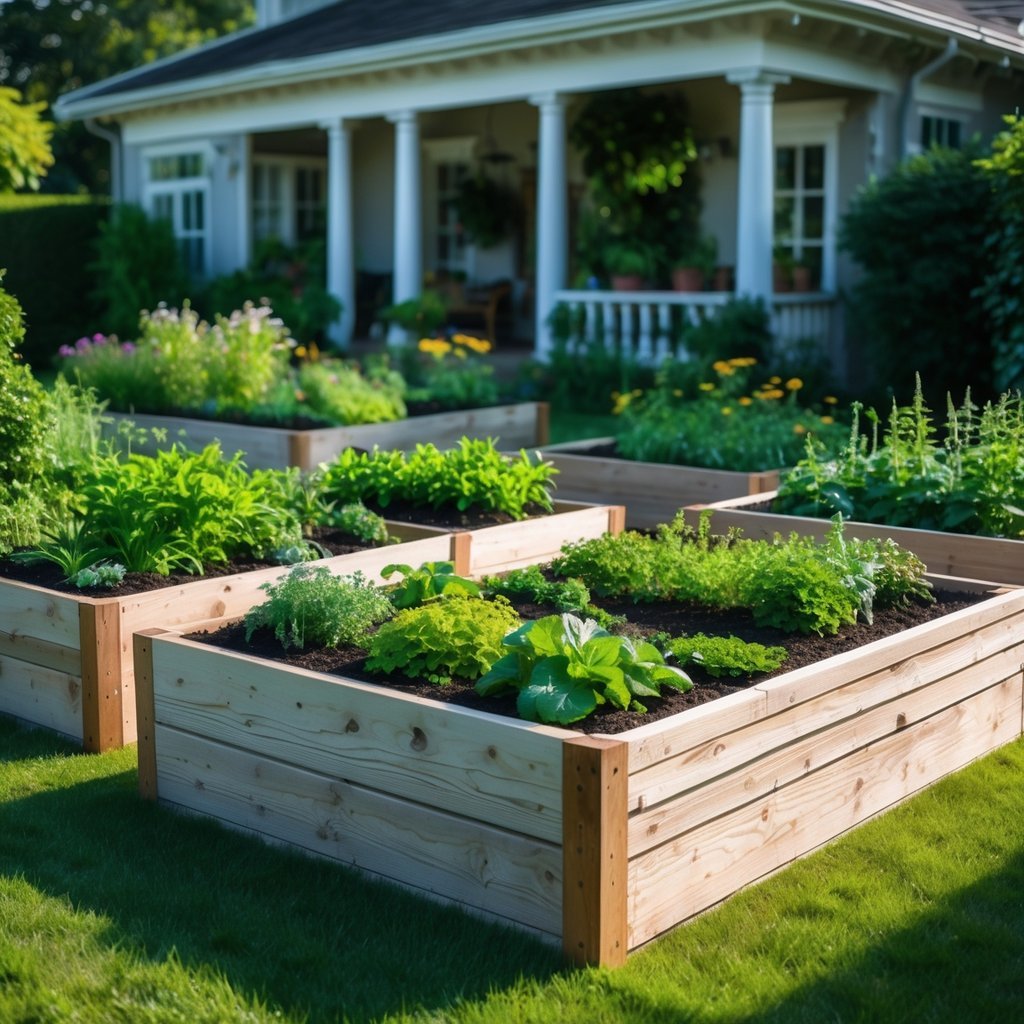
You can use weathered cedar for raised beds to add a warm, aged look that fits bungalow style. Cedar resists rot and insects, so it lasts longer without treatment.
Raised beds cut bending and make planting easier on your back. They also define garden rooms and keep soil neat for vegetables and flowers.
Choose simple, low profiles and natural finishes to match bungalow lines. Tool-free or tongue-and-groove kits speed assembly and keep the look clean.
8) Serene Water Features such as Small Reflecting Pools or Fountains
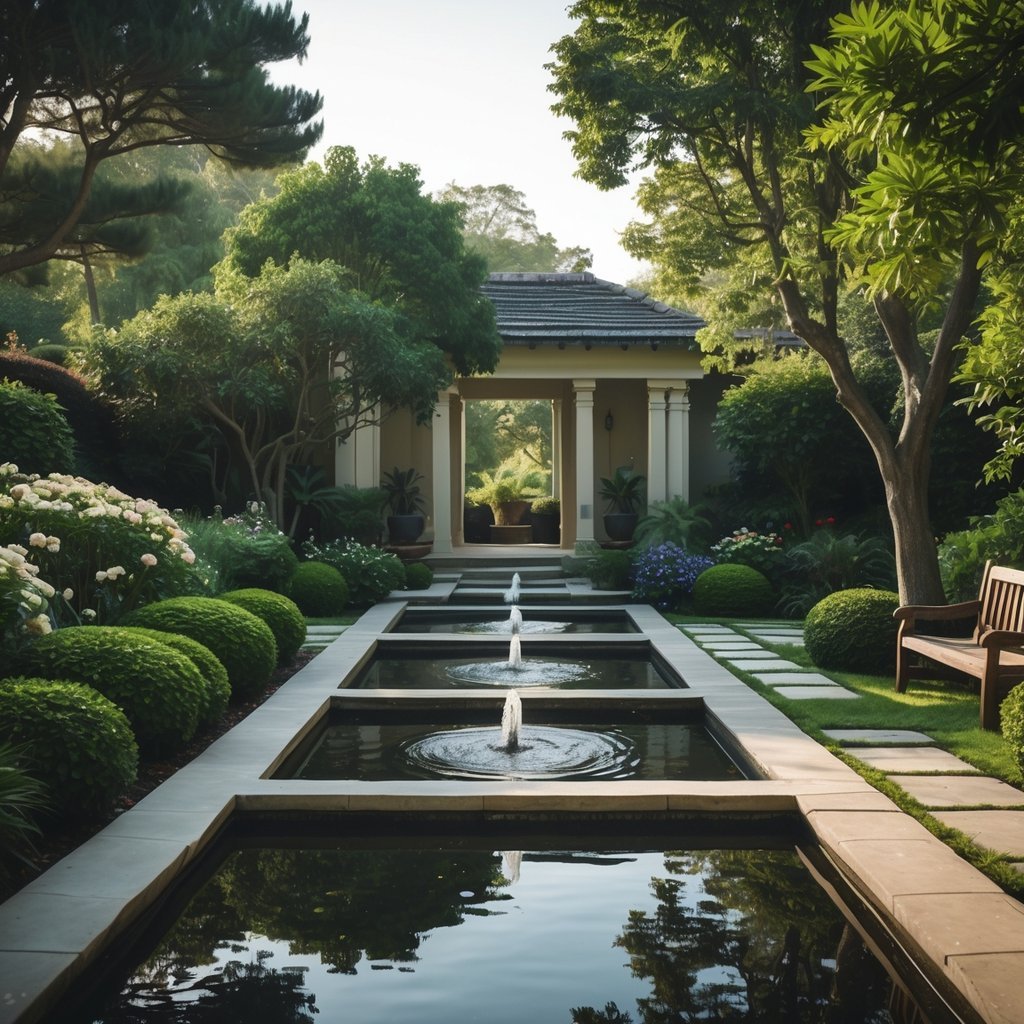
You can add a small reflecting pool or fountain to bring calm sound and gentle movement to your bungalow garden.
A shallow reflecting pool creates a mirror for sky and plants, making tight spaces feel deeper.
Choose simple materials like stone or metal to match bungalow style and keep maintenance low.
Position the feature near a seating area or path so you can enjoy sight and sound up close.
9) Mixed Herb Gardens Near Kitchen Access Points
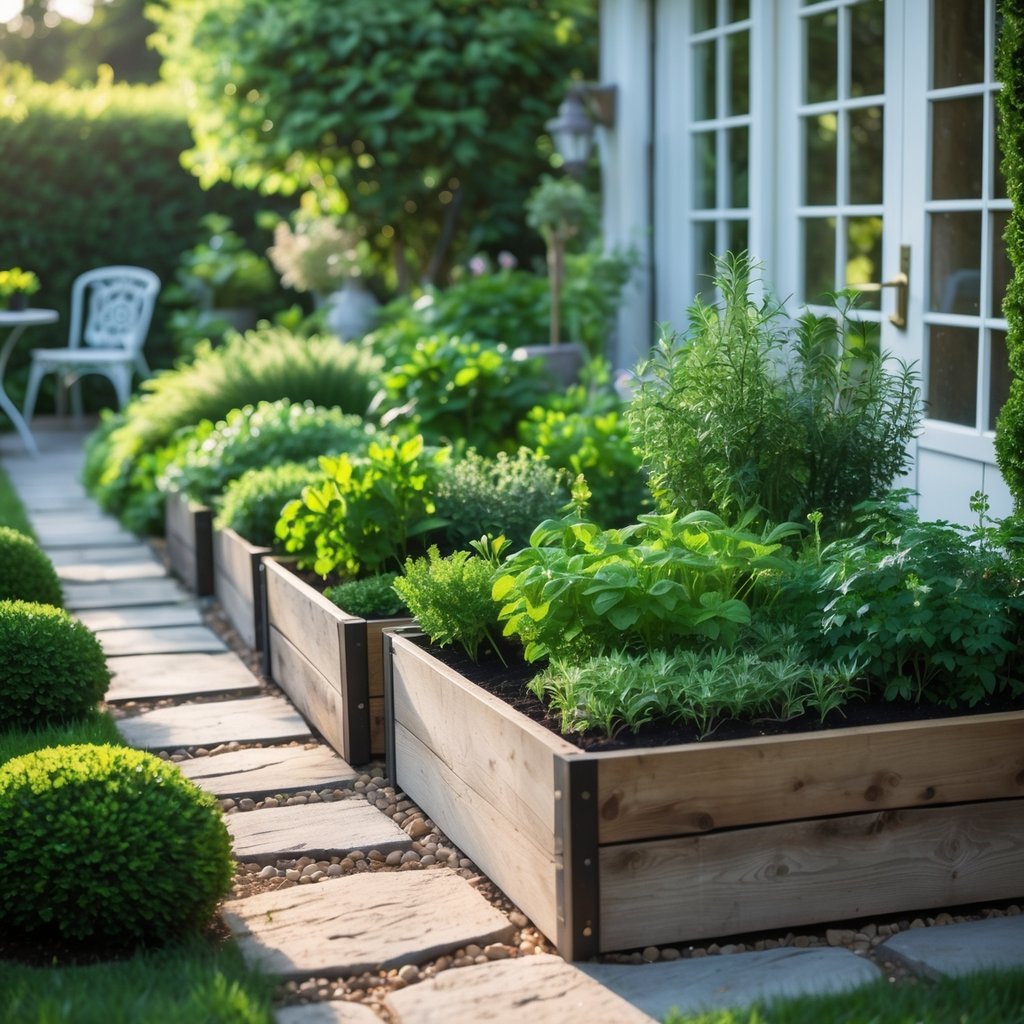
Place a cluster of pots or a small raised bed close to your kitchen door or windowsill for easy snipping while you cook. Keep basil, parsley, and rosemary in separate containers so you can water and move them as needed.
Mix low, medium, and tall herbs to create a layered look that stays tidy and productive. Position fragrant herbs like mint slightly apart to prevent them from overtaking neighbors.
10) Native Ornamental Grasses Adding Year-Round Texture
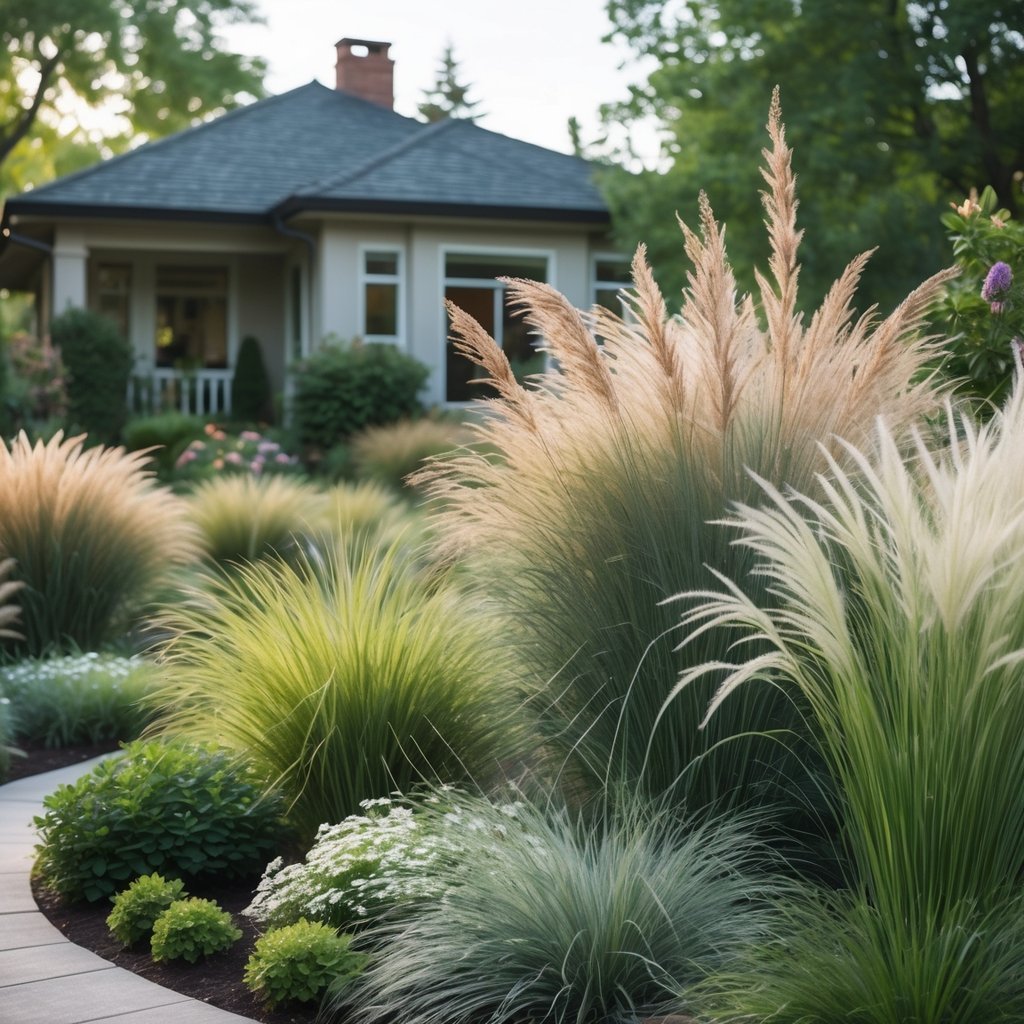
You can use native ornamental grasses to give your bungalow landscape steady texture and motion.
They suit borders, screens, and mixed beds while needing little care once established.
Choose species that are local to your region to support wildlife and avoid invasive spread.
Their seed heads and foliage offer interest through all seasons without heavy maintenance.
Key Design Principles for Timeless Bungalow Landscapes
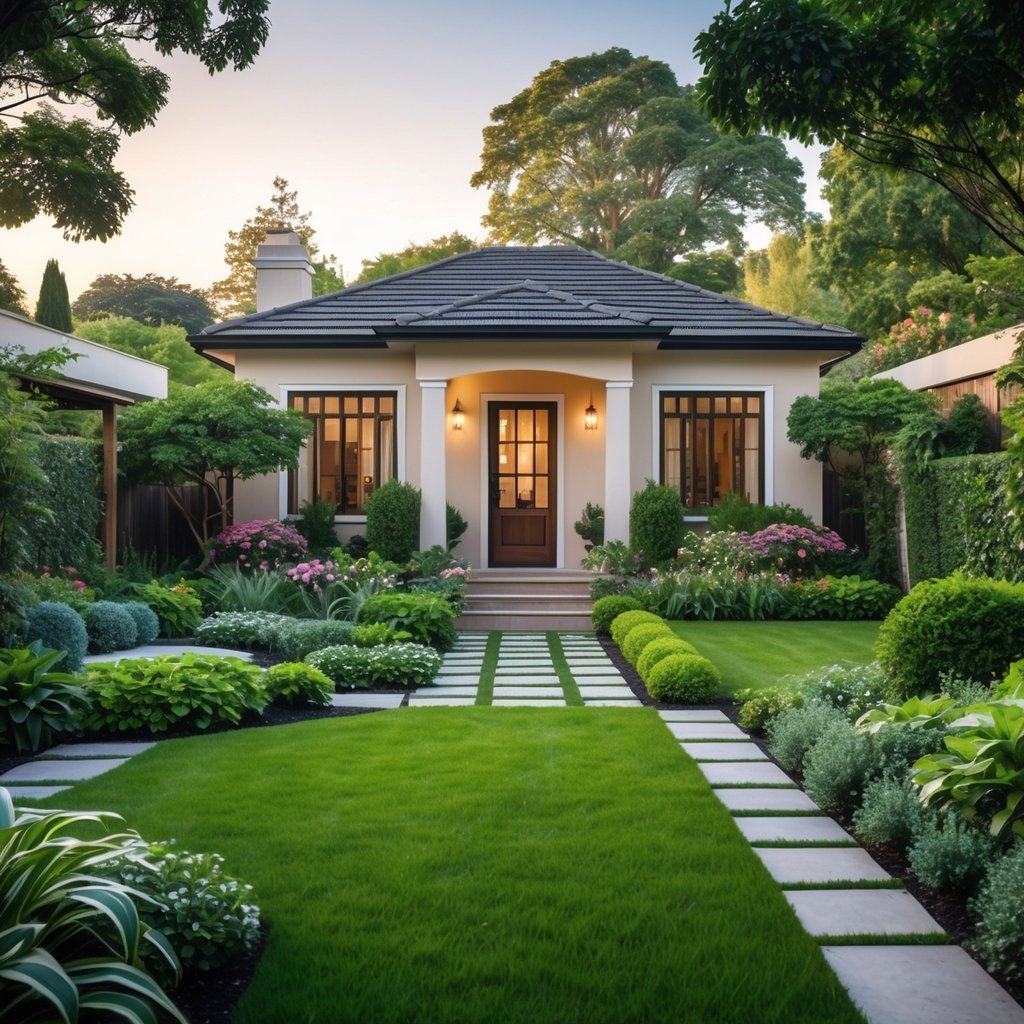
Focus on simple layouts, plant choices that suit your climate, and paths that guide movement. Use structure to frame views, pick hardy plants that need little fuss, and make walkways that invite you to stroll.
Balancing Structure and Softness
Use hardscape elements—low stone walls, a front porch planter, or a simple pergola—to anchor the yard and match bungalow scale. Keep structures low and horizontal so they echo the home’s rooflines and don’t block sightlines.
Balance those elements with soft planting. Group shrubs and perennials in odd numbers and layer heights: low edging plants, mid-height flowering shrubs, and taller background shrubs or small trees. This creates depth without clutter.
Repeat a few plant types and materials to make the design feel unified. For example, repeat a single paving stone, a native grass, and a flowering shrub to tie front and side yards together.
Utilizing Native and Drought-Tolerant Plants
Choose plants native to your region or labeled drought-tolerant to cut water use and maintenance. Check local extension lists for reliable perennials, shrubs, and groundcovers that thrive in your hardiness zone.
Group plants by water need in simple hydrozones: a dry front bed for succulents and lavender, a moderate bed for native grasses and ceanothus, and a wetter spot near downspouts for moisture-loving plants. This makes irrigation simpler and prevents plant loss.
Pick multi-season interest: evergreen structure for winter, spring bulbs for color, summer perennials for blooms, and textured grasses for fall. That mix keeps your bungalow landscape appealing year-round with little extra work.
Creating Inviting Pathways
Design paths that lead to key spots: the front porch, a side gate, or a seating nook. Use straight runs for short, direct routes and gentle curves where you want to slow movement and show more planting.
Select materials that match the house: brick or flagstone for Craftsman bungalows, crushed gravel for cottage styles, and simple concrete pavers for modern bungalows. Keep path widths at least 3–4 feet for comfortable walking and add a wider landing at the porch.
Edge paths with low plants or subtle lighting to improve safety and define the route. Avoid dense, tall borders that hide the way or feel narrow.
Integrating Outdoor Living Spaces
You can create cozy, usable outdoor rooms that match your bungalow’s scale and style. Focus on durable materials, clear circulation, and plants that frame seating without blocking views.
Incorporating Porches and Patios
Porches and patios should feel like true extensions of your home. Choose a porch depth of at least 6–8 feet so you can fit a small table and two chairs. Use wide, comfortable stairs and add built-in benches or planters to save space and anchor the area.
Pick materials that match the bungalow: painted wood or stained cedar for porches, and natural stone or brick pavers for patios. Lay pavers in simple patterns like running bond or herringbone for visual interest without fuss.
Plan lighting and heating. Wall-mounted sconces, low-voltage path lights, and a propane or electric patio heater extend use into cool evenings. Add an overhead ceiling fan for summer comfort.
Seamless Indoor-Outdoor Transitions
Make the move from inside to outside smooth and obvious. Install a wide door—French doors or a 6–8 foot sliding door—so sightlines and movement feel open. Match flooring tones or textures at the threshold to reduce the visual break.
Use consistent trim and paint colors on door frames and nearby exterior walls to tie spaces together. Place a rug and the same style of seating on both sides of the threshold to encourage flow.
Define outdoor rooms with low walls, a change in paving material, or a row of potted plants. Keep pathways at least 3 feet wide for easy passage and choose low-maintenance plants within arm’s reach to make care simple.
Frequently Asked Questions
This section gives clear, practical answers about design choices, plant types, hardscape details, and long-term care. You will find specific tips on plant placement, small-space tactics, value-boosting features, and upkeep routines tied to the bungalow features described earlier.
What are the essential elements of a classic English garden design?
A classic English garden mixes structured shapes with abundant planting. Include symmetrical boxwood hedges, layered perennial beds, and a measured lawn or gravel court to anchor views.
Add vertical interest with trellises or pergolas covered in climbing roses or ivy. Use stone pathways and rustic flagstones to connect rooms and create a relaxed, lived-in look.
How can one maximize the aesthetics of a small space for an English garden?
Choose compact versions of key elements: dwarf boxwoods for hedging and narrow flagstone strips for paths. Plant tall, narrow specimens or climbers on a trellis to draw the eye up without taking floor space.
Cluster perennials like coneflowers and black-eyed Susans for big color in small beds. Keep sightlines clear to make the area feel larger and place seating near focal points like a rose-covered pergola.
What constitutes an elegant bungalow landscape design plan?
Balance the bungalow’s low roofline with horizontal plant layers and low hedges that echo the home’s scale. Frame the entry with symmetrical boxwood and maintain simple, strong sightlines to the porch.
Combine materials such as rustic flagstone paths, wooden pergolas, and warm mulch to match bungalow woodwork. Use plant groups—evergreen structure plus colorful perennials—for year-round interest.
How can you incorporate architectural digest trends into your home garden?
Adopt clean geometry and high-quality materials: neat hedges, natural stone paving, and a well-crafted wooden pergola. Favor restrained palettes—two or three main plants—and invest in durable, stylish outdoor furniture.
Highlight one dramatic element, such as an ivy-covered trellis or a signature pergola with climbing roses, while keeping surrounding beds tidy and intentionally planted.
In what ways can a landscaped garden add value to a bungalow property?
Well-designed front yards boost curb appeal and create stronger first impressions for buyers. Defined pathways, mature structure plants, and charming features like pergolas or stone steps make the home feel more complete.
Functional outdoor rooms extend living space and can justify higher sale prices. Low-maintenance, attractive plantings signal that the house has been cared for, which eases buyer concerns.
What are some effective techniques for maintaining the timeless appeal of your garden?
Prune shrubs and climbers regularly to keep clean shapes and healthy growth. Refresh mulch, repair or reset flagstones, and replace a portion of perennials each season to avoid decline.
Stick to a simple palette of reliable plants—boxwood, coneflowers, black-eyed Susans, roses, and ivy—and rotate only a few specimens. That steadiness preserves the classic look while letting you swap accents over time.