Full Sun Climbing Plants: 7 Stunning Options and How to Grow Them
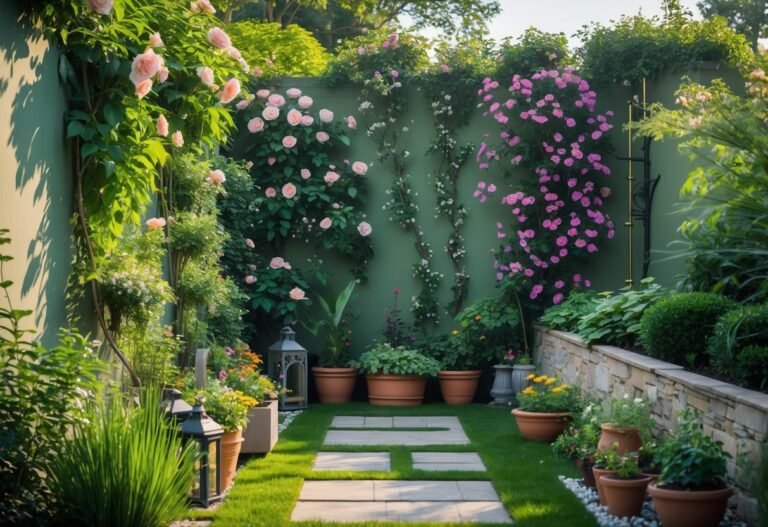
You can turn a blank wall, fence, or pergola into a living focal point by choosing climbers that love full sun. This guide shows seven eye-catching vines and the key steps to plant, train, and care for them so they perform their best in bright, sunny spots.
You will learn how to pick species with bold color, strong fragrance, or fast coverage, and which growing conditions and supports each type needs. The article also covers practical tips for pruning, feeding, and common problems so you can keep your climbers healthy and blooming.
1) Bougainvillea – vibrant bracts in pink, red, orange, and purple
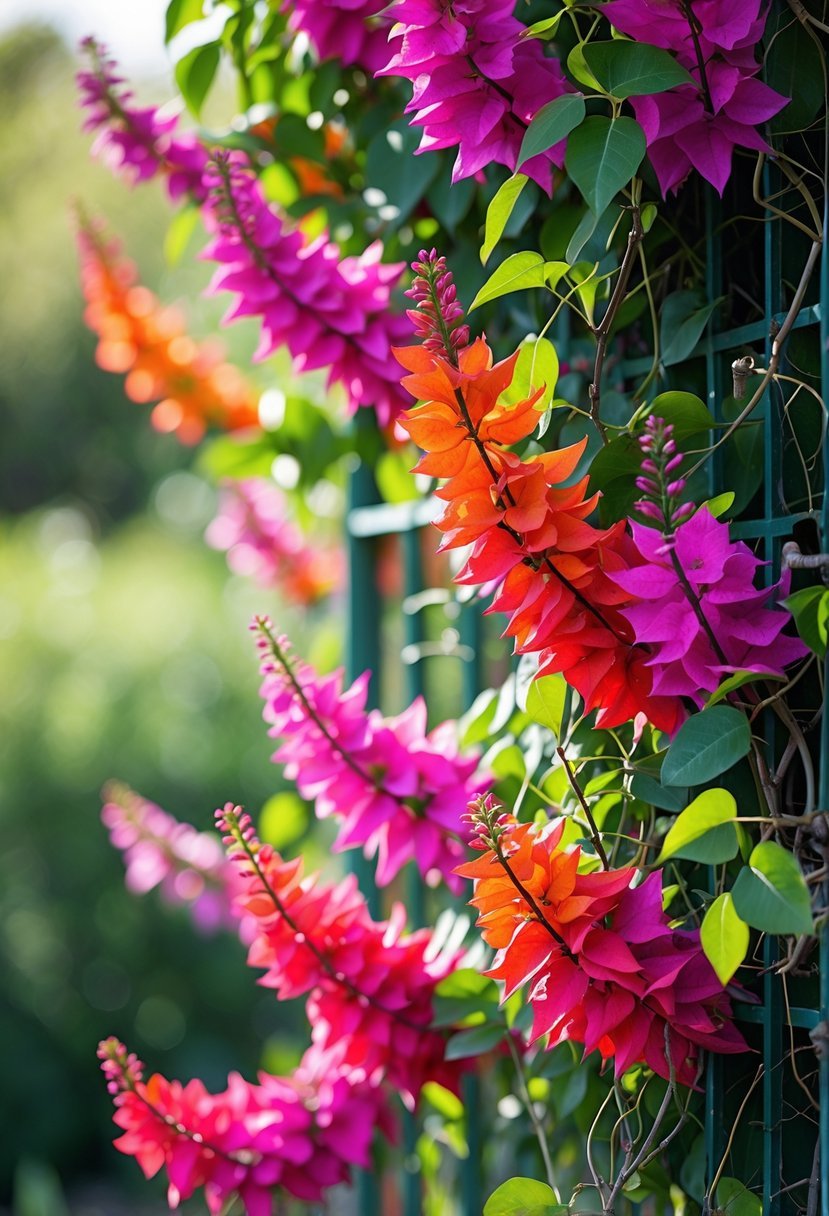
You’ll get bold color from bougainvillea’s paper-like bracts that show in pink, red, orange, and purple.
These climbers love full sun and dry conditions, so plant them where they get at least six hours of direct sun.
Prune to shape and train on a trellis; expect thorny stems and rapid growth.
Use well-draining soil and water sparingly once established to encourage more blooms.
2) Passion Flower – exotic, intricate flowers that attract pollinators
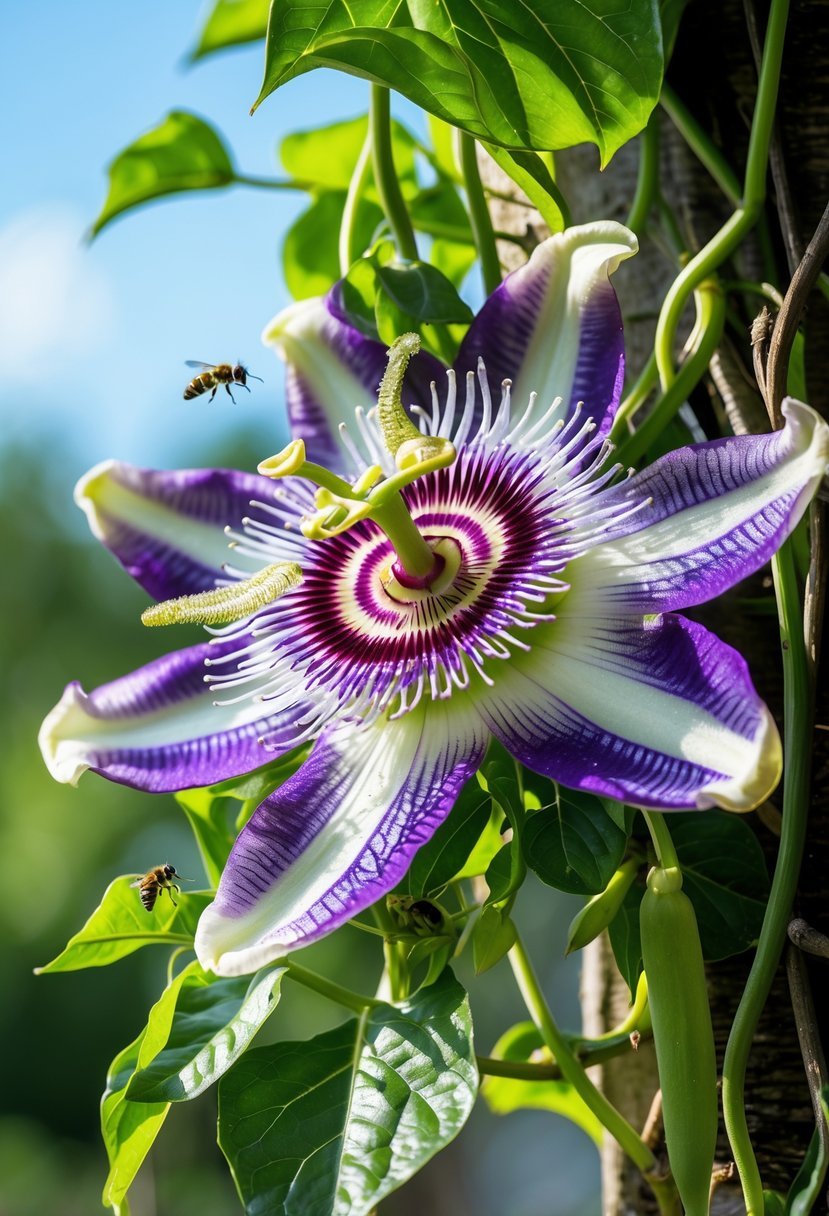
Passion flowers (Passiflora) climb fast and fill trellises with lush leaves and ornate blooms. You’ll see unusual, layered flowers that draw bees, butterflies, and hummingbirds.
Plant them in rich, well-drained soil with full sun and regular water until established. Protect tropical varieties from hard frost or grow them in containers you can move indoors.
3) Morning Glory – fast-growing climber with colorful blooms
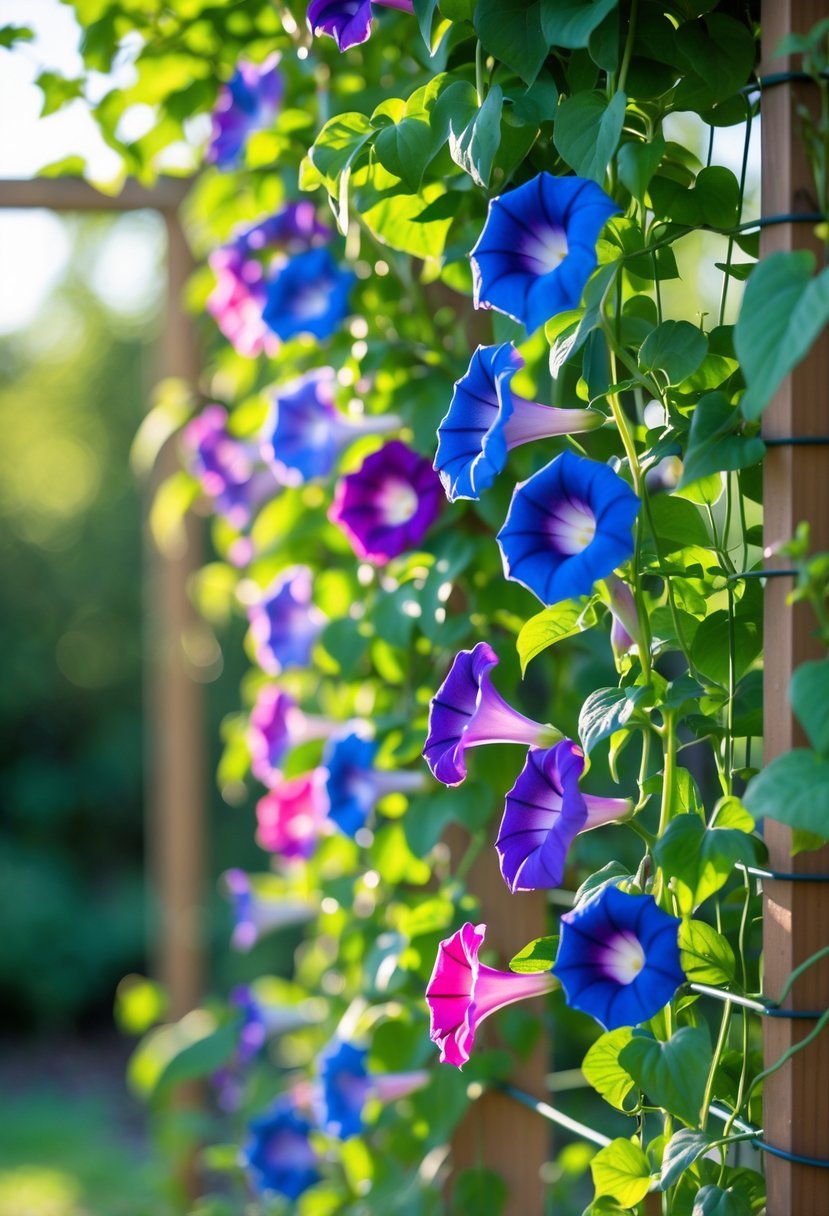
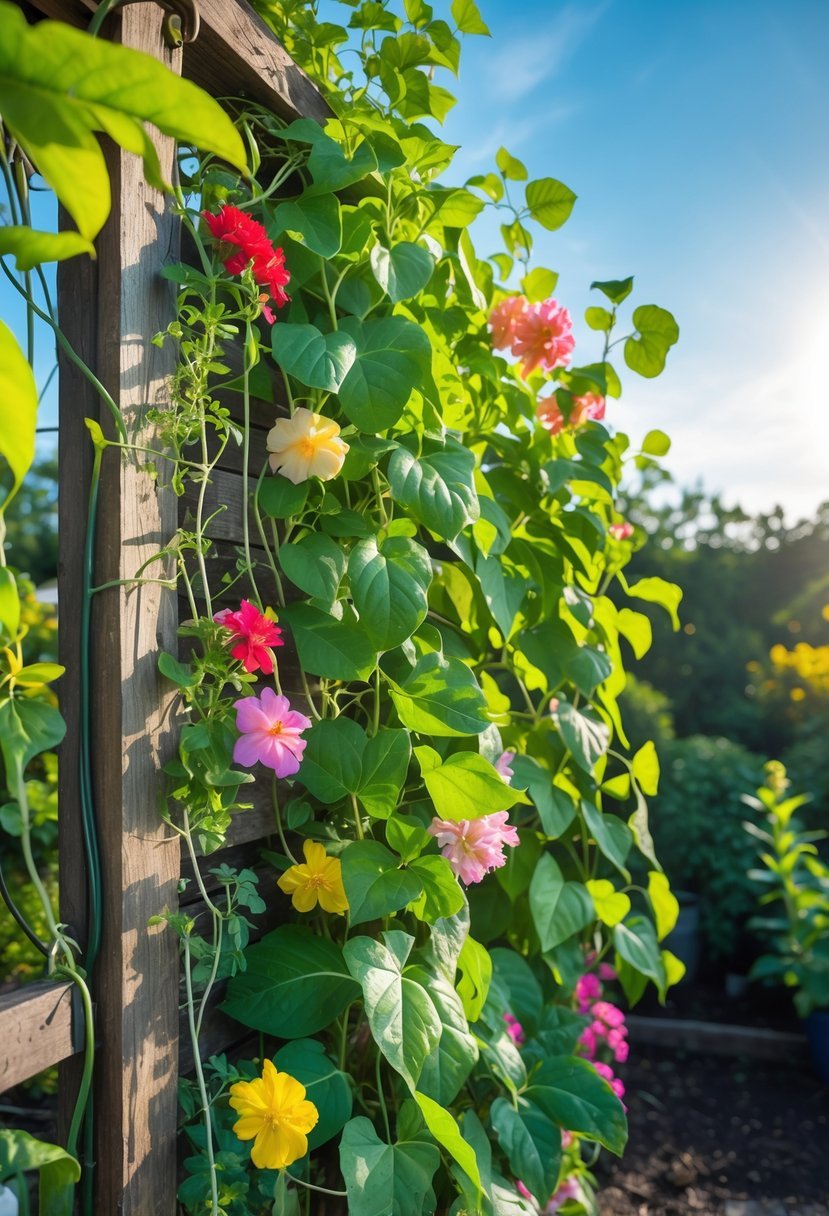
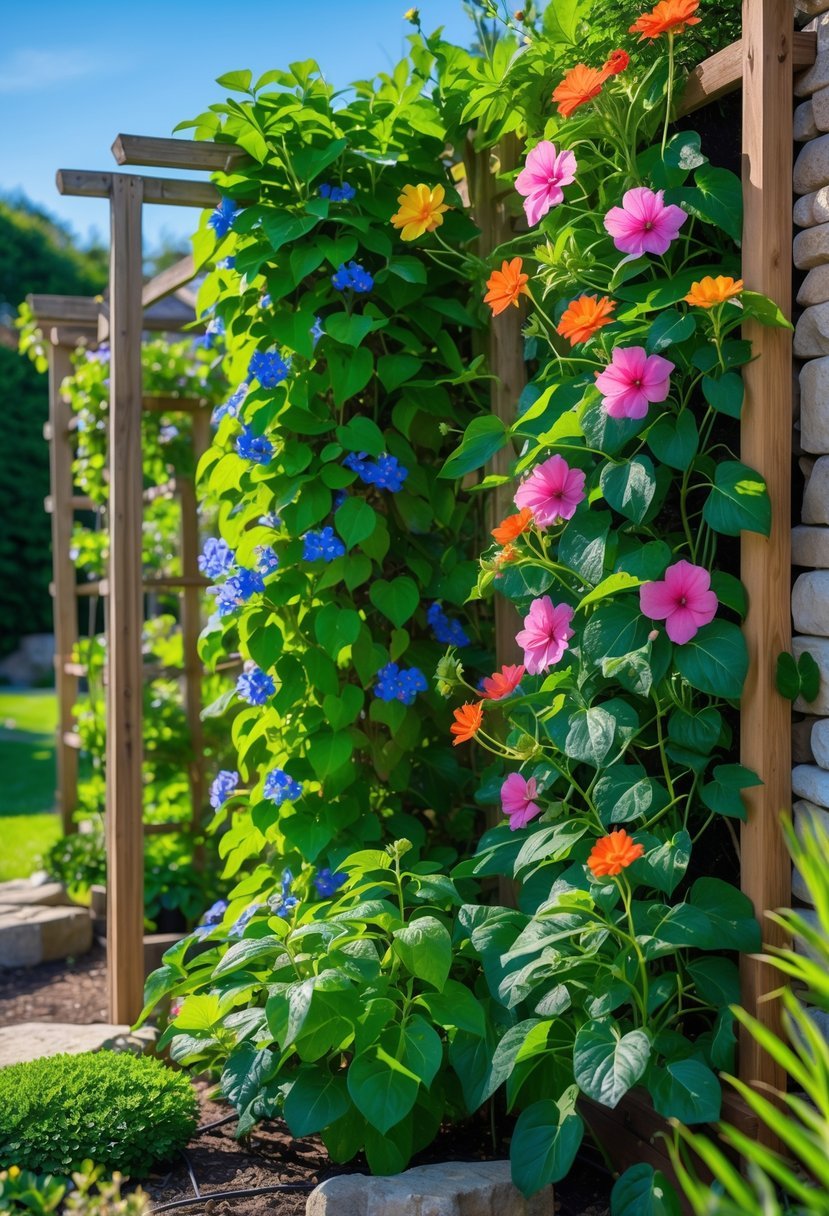
You’ll get quick color with morning glories, which climb by twining and produce trumpet-shaped flowers each morning. Plant seeds in full sun where they receive at least 6–8 hours daily for best flowering.
Give them well-drained soil and a sturdy trellis or fence to climb. Water regularly but avoid waterlogged soil; these vines prefer moderate moisture.
They bloom in many colors and grow fast, making them ideal for filling vertical spaces during warm months. Deadhead spent flowers to encourage more blooms.
4) Clematis – large, showy flowers that thrive in full sun
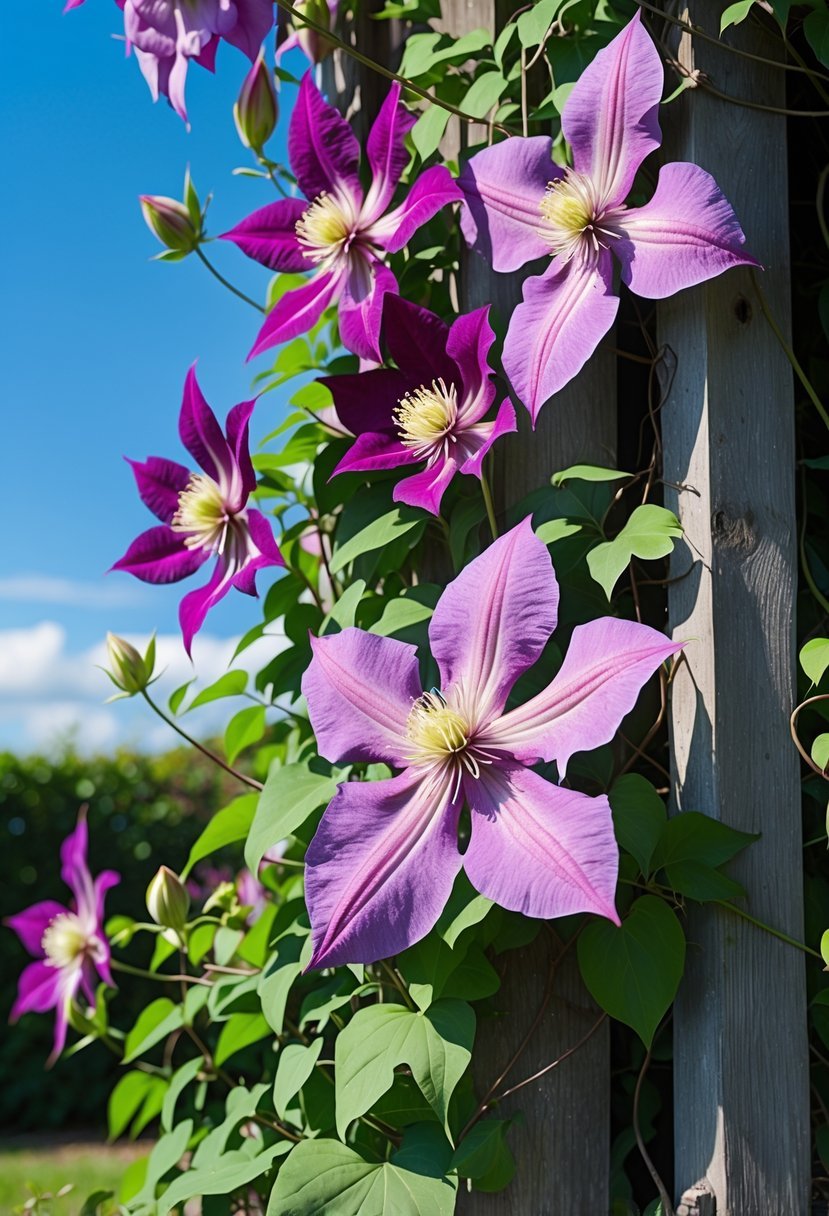
You can grow clematis for big, colorful blooms that light up fences and trellises. Many varieties do best with about six hours of sun, but they need cool, shaded roots.
Plant low groundcover or mulch around the base to keep roots cool. Prune by the plant’s group and provide a sturdy support so vines climb without tangling.
5) Trumpet Vine – trumpet-shaped blossoms that attract hummingbirds
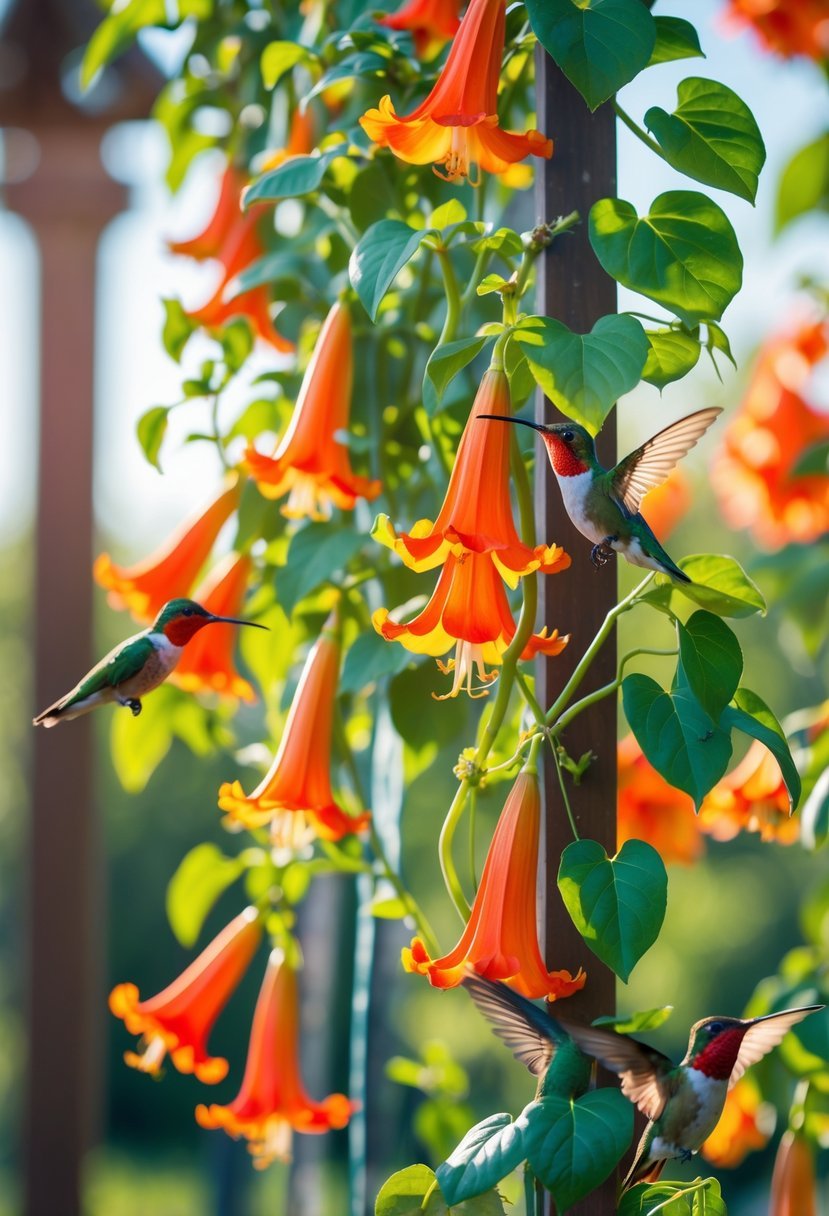
You’ll get bright, trumpet-shaped flowers in summer that draw hummingbirds and other pollinators.
The vine is fast and vigorous, so give it strong support and plenty of space.
Prune yearly to control size and remove unwanted shoots.
Plant in full sun and well-drained soil for best flowering.
6) Jasmine – fragrant white or yellow flowers for scent and beauty
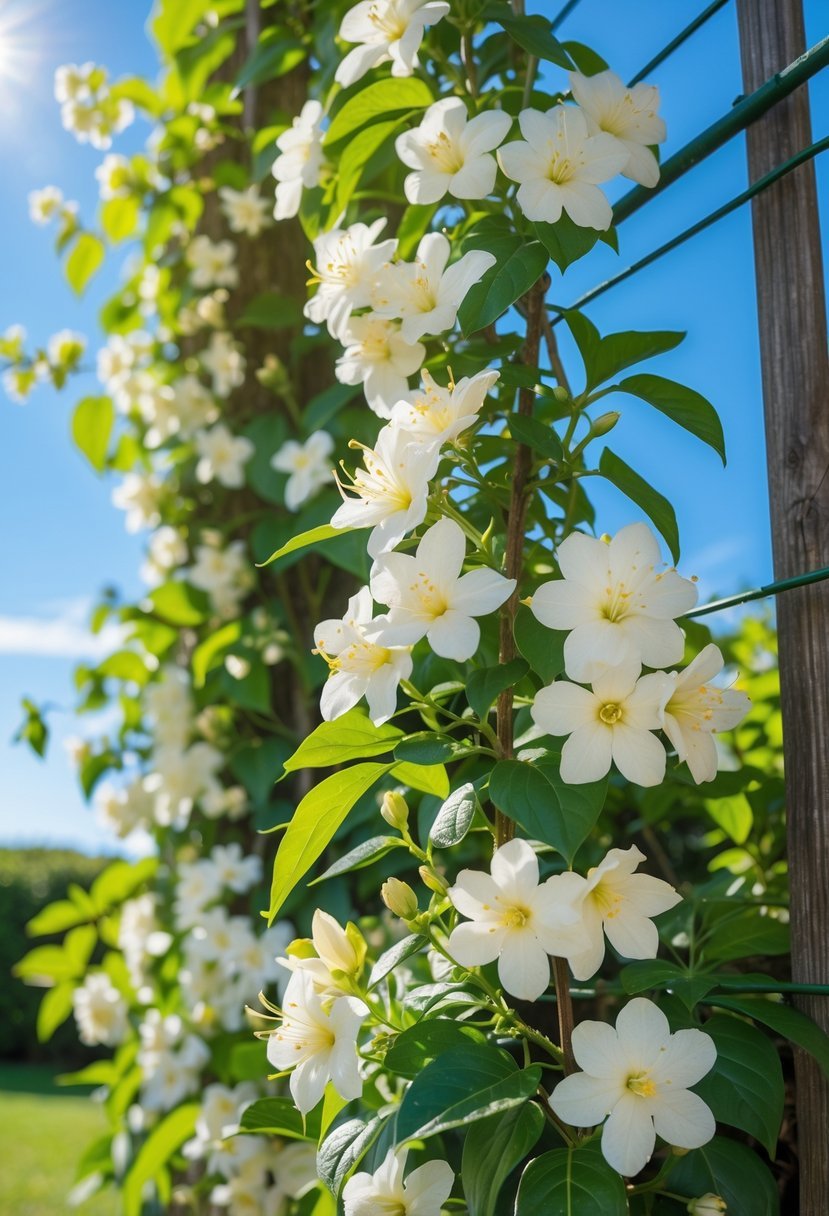
You can train jasmine to climb a trellis, fence, or arbor where it will add scent and soft blooms. Many true jasmines have glossy leaves and white or yellow flowers that release fragrance, especially in evening hours.
Plant jasmine in full sun to light shade and give it well-draining soil and regular water while it establishes. Prune after flowering to shape the vine and keep growth vigorous without becoming wild.
7) Wisteria – cascading clusters of purple or white flowers
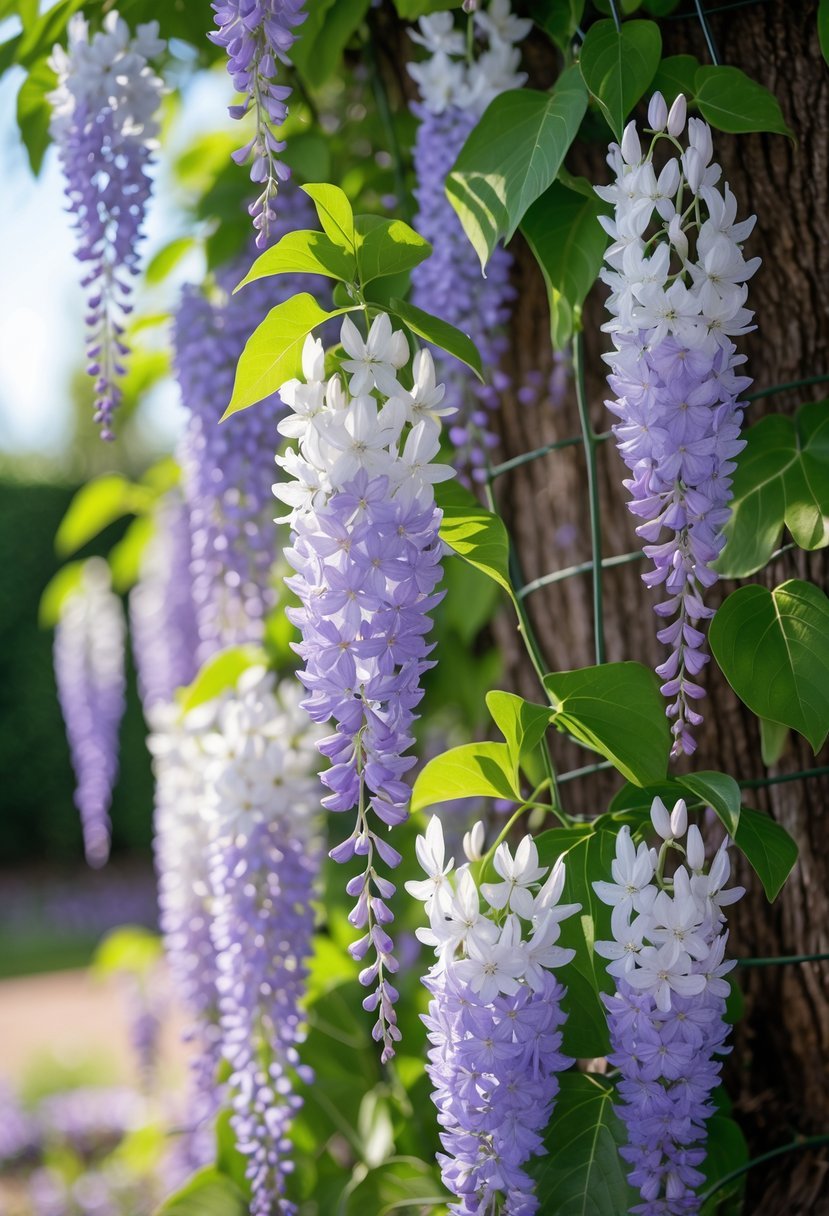
Wisteria gives you long, hanging flower clusters in purple, blue, or white. Plant it where it gets full sun and deep, well-drained soil for best blooms.
This vine grows vigorously and needs a strong support like a pergola or sturdy wall. Prune yearly to control size and encourage flowering.
Expect fragrant spring blooms that attract pollinators. Be patient—some plants take a few years to bloom after planting.
Critical Growing Conditions for Full Sun Climbing Plants
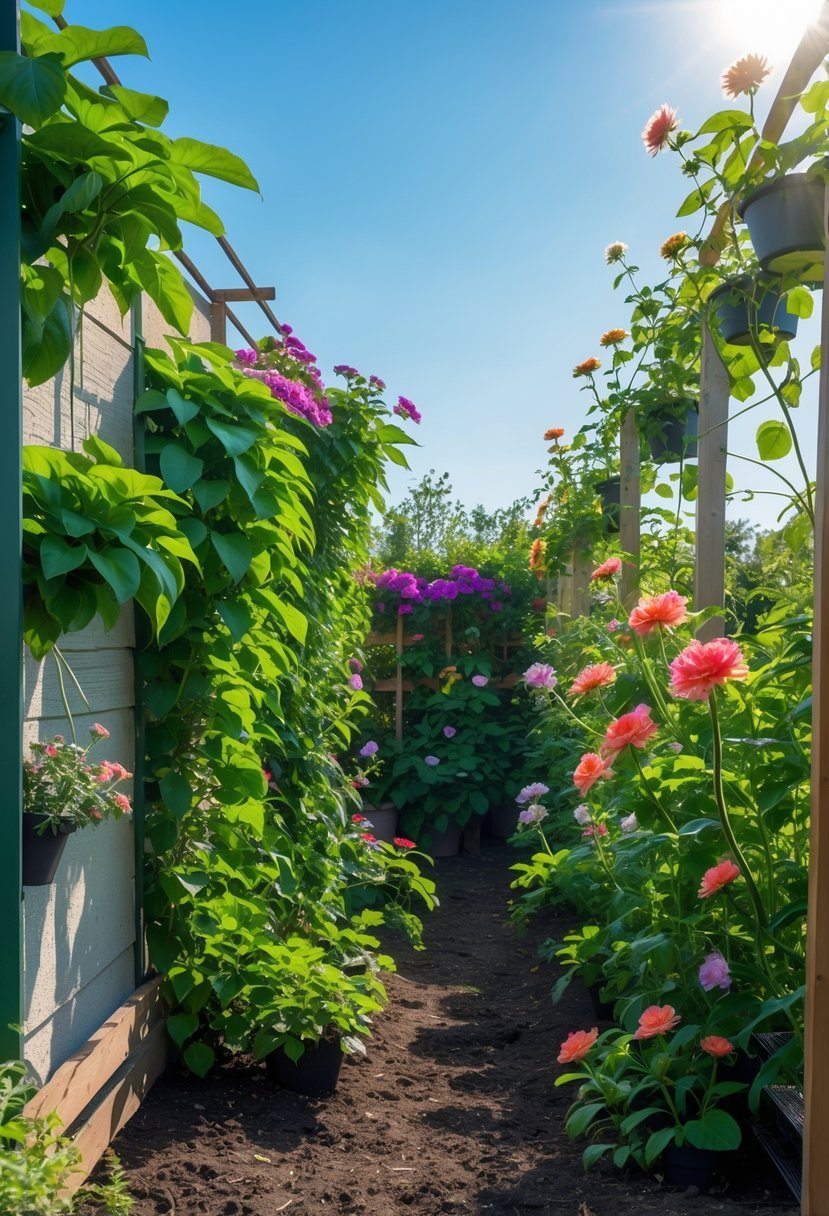
Good soil, steady water, and the right feeding schedule keep sun-loving climbers healthy and blooming. Address drainage, schedule watering by season, and pick fertilizers that match each plant’s growth stage.
Soil Preparation and Drainage
You need well-draining soil that still holds enough moisture for roots. Amend heavy clay with coarse sand and compost at a ratio of about 2 parts soil : 1 part compost : 1 part coarse sand or grit. This improves structure and adds organic matter for nutrients.
Test drainage by digging a 12-inch hole, filling with water, and timing the drain. If water remains after 4–6 hours, add more grit or plant on a raised bed or mound.
Keep pH in the range the plant prefers. Many sun climbers do well in slightly acidic to neutral soil (pH 6.0–7.0). Use a simple soil test kit and add lime to raise pH or sulfur to lower it, following product directions.
Mulch with 2–3 inches of organic material, keeping mulch a few inches away from the stem base. Mulch conserves moisture and reduces soil temperature swings that stress sun-exposed roots.
Optimal Watering Strategies
Water deeply and less often to encourage strong root systems. For established climbers, aim for a slow soak that wets the soil 8–12 inches deep rather than light daily watering.
Adjust frequency by season and soil type. In sandy soil, water every 4–7 days in summer. In loam or amended soils, water every 7–14 days. Reduce watering in cooler months and after heavy rain.
Use soaker hoses or drip irrigation to deliver water at the root zone and avoid wetting foliage, which can cause disease in hot, sunny conditions. Check soil moisture with your finger; if the top 2 inches are dry, it’s time to water.
Young vines need more frequent, shallow watering until roots reach deeper soil. Once established, water less often and more deeply to build drought tolerance.
Fertilizing for Vigorous Growth
Feed climbers based on their bloom and growth habits. Use a balanced 10-10-10 fertilizer for steady growth, or a bloom-boosting formula (e.g., 5-10-10) if you want more flowers than foliage.
Apply fertilizer in early spring when new growth starts, and again mid-season for long-blooming varieties. Avoid heavy late-season feeding that delays hardening off before winter.
Follow label rates closely. Over-fertilizing causes lush foliage with few blooms and can burn roots. For organic options, side-dress with compost or well-rotted manure in spring and add a light compost tea during bloom.
For container-grown climbers, use a slow-release fertilizer at planting and a liquid feed every 4–6 weeks during the growing season. Monitor plant response and reduce feeding if you see weak stems or leaf scorch.
Training and Supporting Your Climbers
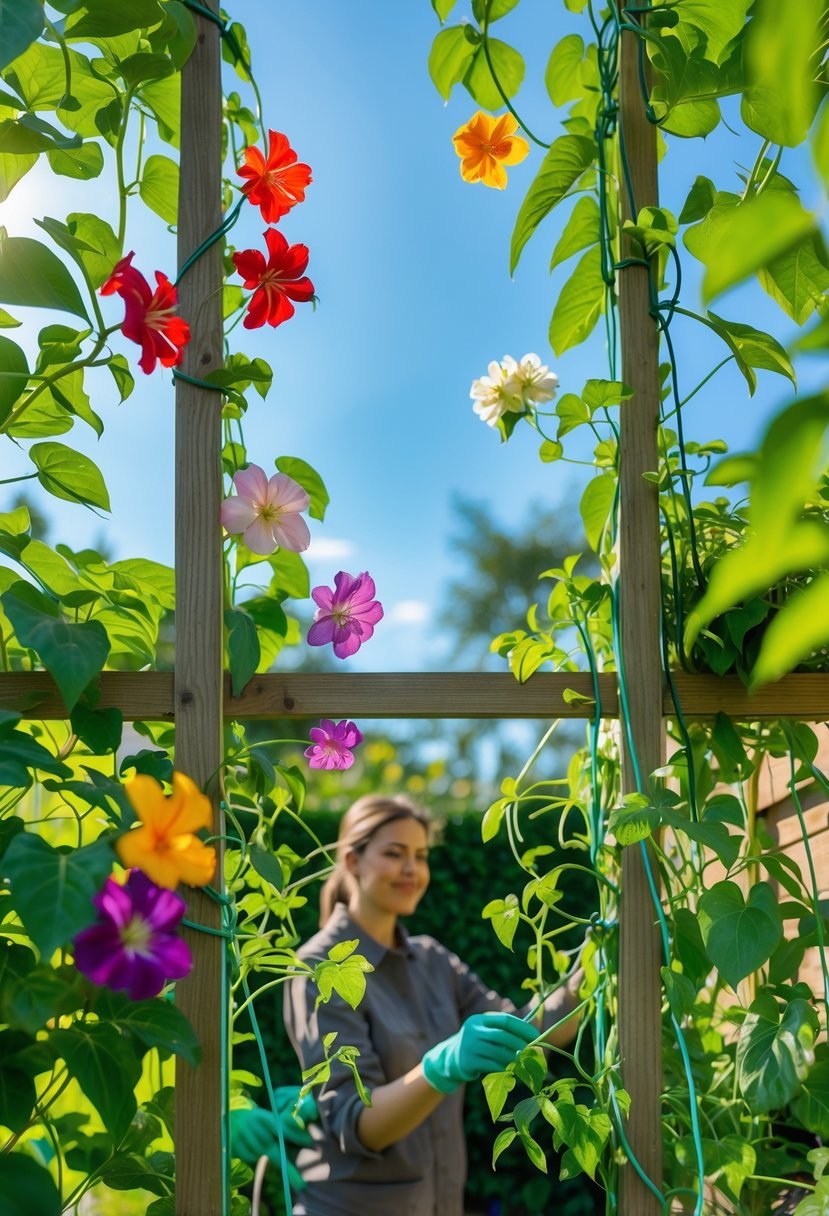
Good support and timely pruning direct growth, protect stems, and boost flowering. Use a sturdy support that matches the plant’s strength, and prune to shape, remove dead wood, and encourage new lateral shoots.
Choosing the Right Trellis or Support
Match the support to the climber’s habit. Lightweight twining vines like sweet peas and morning glory suit wire or bamboo obelisks. Heavy bloomers such as climbing roses or wisteria need strong timber or metal trellises anchored into the ground.
Attach ties where new shoots meet the support. Use soft garden twine, fabric ties, or plant clips to avoid cutting stems. Space ties every 12–18 inches for heavy stems and every 6–12 inches for fragile growth.
For walls, install horizontal wires 6–12 inches apart for flexible attachment and air flow. Leave a 1–2 inch gap between plant and wall to prevent moisture problems. Check fastenings each season and tighten or replace them as the plant grows.
Pruning Techniques to Encourage Growth
Prune to direct energy into flowering wood and healthier structure. For repeat-flowering climbers, remove dead or weak wood in late winter and cut back long laterals to two or three buds to stimulate blooms. For once-flowering types like old-fashioned roses or wisteria, prune immediately after flowering to keep next year’s buds.
Use clean, sharp secateurs and make cuts at a 45° angle about 1/4 inch above an outward-facing bud. Remove any crossing or rubbing stems to improve air flow and reduce disease risk. Thin crowded centers to let light reach inner shoots.
Train new leaders by tying them to supports as they grow. Pinch or shorten side shoots to encourage stronger main canes. Inspect and prune lightly through the growing season to keep shape and prevent the plant from becoming top-heavy.
Frequently Asked Questions
These answers cover which sun-loving climbers perform best, how to plant and support them, routine care needs, drought-tolerant picks for hot areas, privacy-building options, and growth rates plus planting time.
What are the best climbing plants for full sun exposure?
Bougainvillea does very well in strong sun and gives bright bracts in pink, red, orange, or purple.
Passion flower offers exotic blooms and draws pollinators, while morning glory gives quick color with minimal fuss.
Clematis varieties that prefer full sun produce large, showy flowers when their roots stay cool.
Trumpet vine tolerates harsh sun and brings hummingbirds with its tubular blooms.
How do I properly plant and support a climbing plant in a sunny location?
Pick a site with at least six hours of direct sun and well-draining soil.
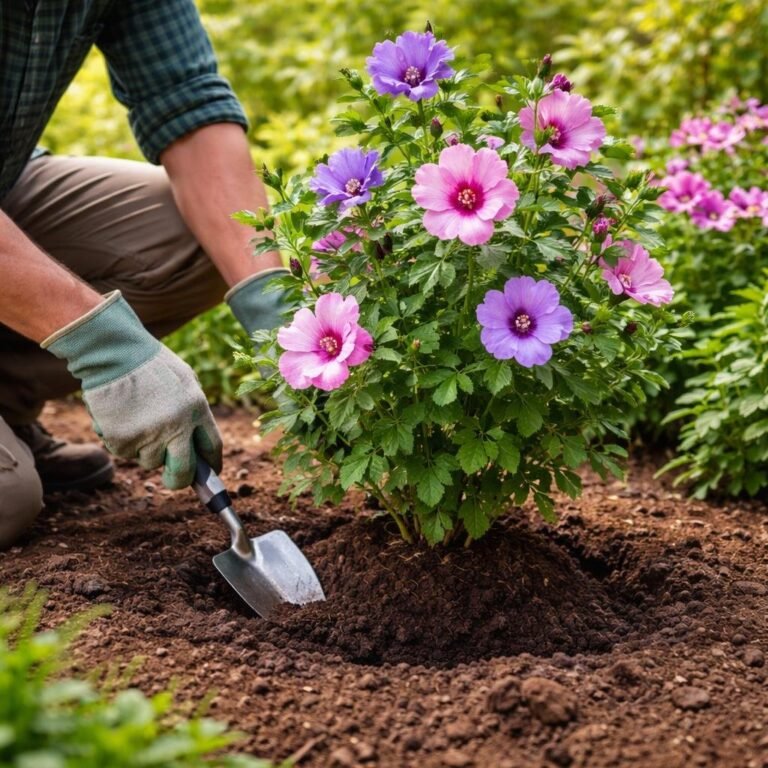
Dig a hole twice as wide as the root ball, set the plant at the same depth it grew in the pot, and backfill gently.
Install a sturdy support like a trellis, arbor, or wire system before the vine gets heavy.
Tie young stems loosely with soft garden twine and train them upward, checking ties as the plant grows.
What kind of maintenance do full sun climbing plants require?
Water deeply during establishment, then reduce to a schedule based on the species and soil.
Mulch around the base to retain moisture and keep roots cooler for plants like clematis.
Prune annually or as recommended: remove dead wood, shape the vine, and control size.
Fertilize in spring with a balanced feed if growth seems slow or blooms are sparse.
Can you recommend some drought-tolerant climbing plants for hot climates?
Bougainvillea is very drought-tolerant once established and prefers hot, dry conditions.
Trumpet vine also handles heat and dry soil, though it can spread aggressively.
Some morning glory varieties tolerate dry spells but will need water to bloom profusely.
Choose well-draining soil and mulch to help drought-tolerant climbers perform best.
What are the most suitable climbing plants for adding privacy in a sunny garden?
Fast-growing options like morning glory and trumpet vine create quick coverage for fences or trellises.
Bougainvillea builds dense screens with time and many thorns, so place it where thorns won’t be a problem.
Use vigorous clematis varieties on a strong support for a leafy, flowery screen.
Combine two species (one evergreen, one flowering) to get year-round coverage and seasonal color.
How quickly do full sun climbing plants typically grow, and when is the best time to plant them?
Morning glory grows fastest and can cover a trellis in one season from seed.
Trumpet vine and some bougainvillea types take longer to establish but then put on rapid seasonal growth.
Plant in spring after frost danger passes so roots establish through the warm months.
In mild climates, you can plant bougainvillea in late spring; start passion flower in spring for best bloom the first year.