Low-Cost Gardening Hacks That Actually Save You Money — Practical Tips for Thrifty Gardeners
You can cut gardening costs a lot without sacrificing healthy plants or better yields. Use cheap seeds, swap or hunt end-of-season and free plants, collect rainwater, and reuse household items for pots and mulch to keep expenses low while maintaining good results.
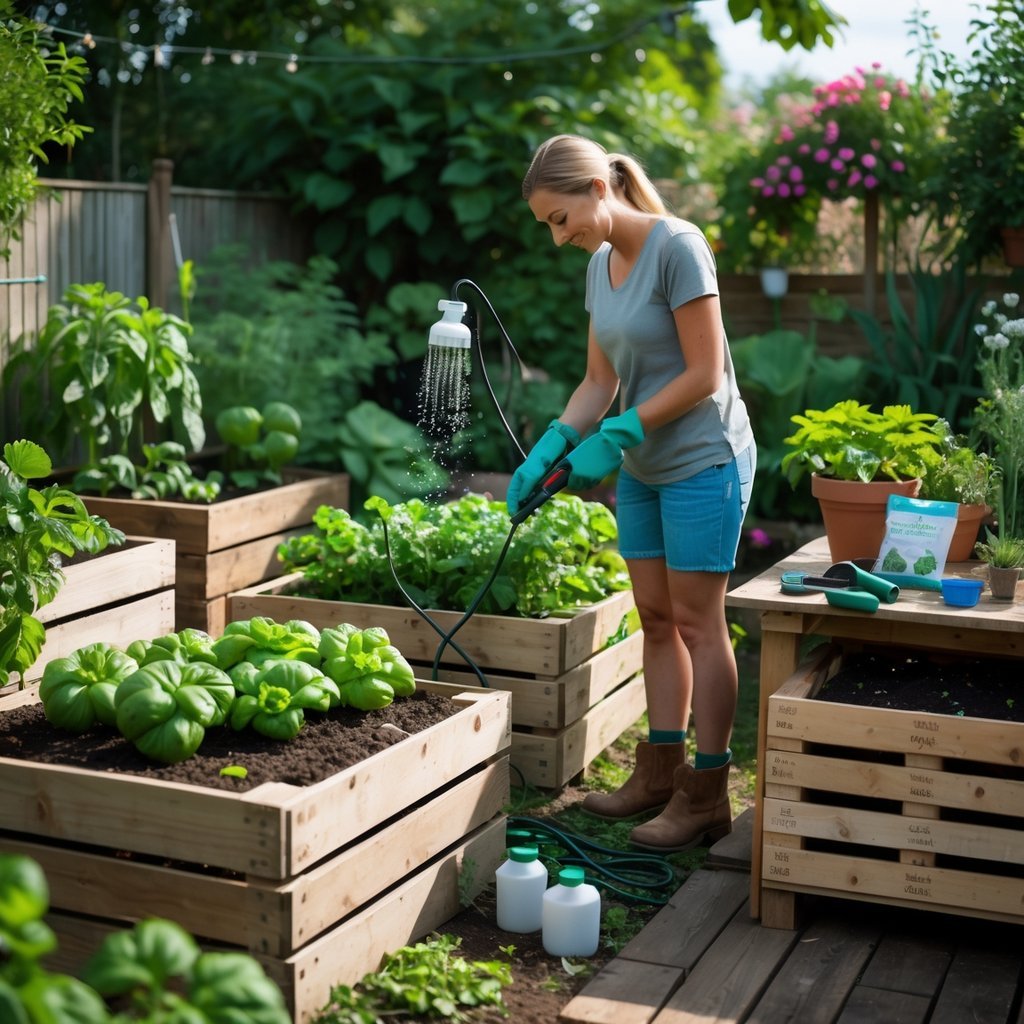
Think about small changes that have big payoffs: starting from seeds, using cardboard or newspaper to suppress weeds, and making simple natural sprays for pests. These moves save money and time, and they work whether you have a balcony box or a backyard plot.
You’ll save the most by combining low-cost supplies, DIY solutions, and smart plant choices that fit your space and climate.
Key Takeaways
- Start small and reuse everyday items to lower setup costs.
- Use water-saving and pest-prevention hacks to cut ongoing expenses.
- Pick affordable planting methods and local plant sources to boost savings.
Proven DIY Gardening Solutions
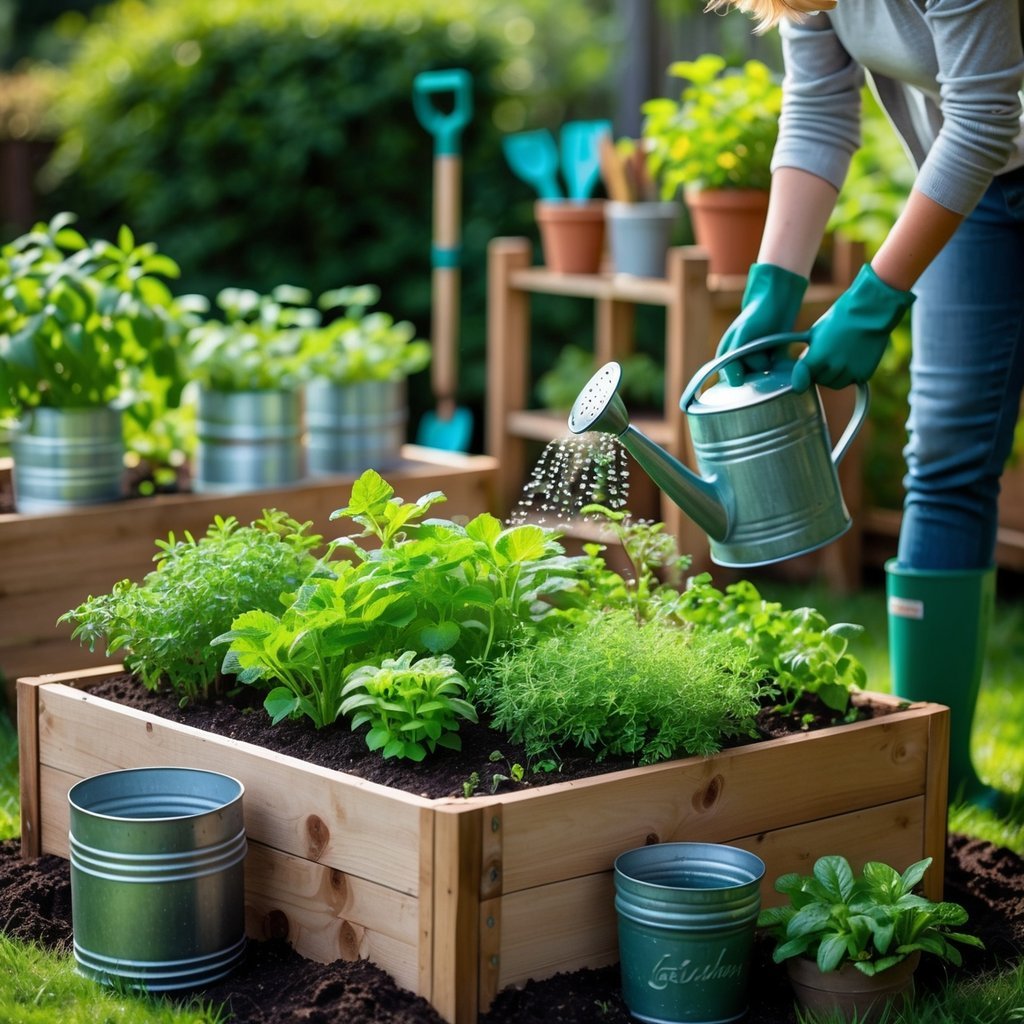
You can cut costs and boost plant health with simple DIY fixes. These methods focus on building soil, saving space, and reusing items you already have.
Homemade Compost Options
Make compost from kitchen scraps, yard waste, and paper to feed your plants without buying fertilizer. Chop vegetable peels, coffee grounds, and egg shells; mix them with dry leaves or shredded paper to keep a good carbon-to-nitrogen balance. Aim for a pile or bin at least 3×3 feet so it heats up and breaks down faster.
Turn the pile every 1–2 weeks to add oxygen. If you want faster compost, use a black plastic bin in sun and keep it damp like a wrung-out sponge. Finished compost looks dark and crumbly and smells earthy; use it as a topdress, mix into potting soil, or make compost tea for a quick nutrient boost.
Effective Container Gardening Tips
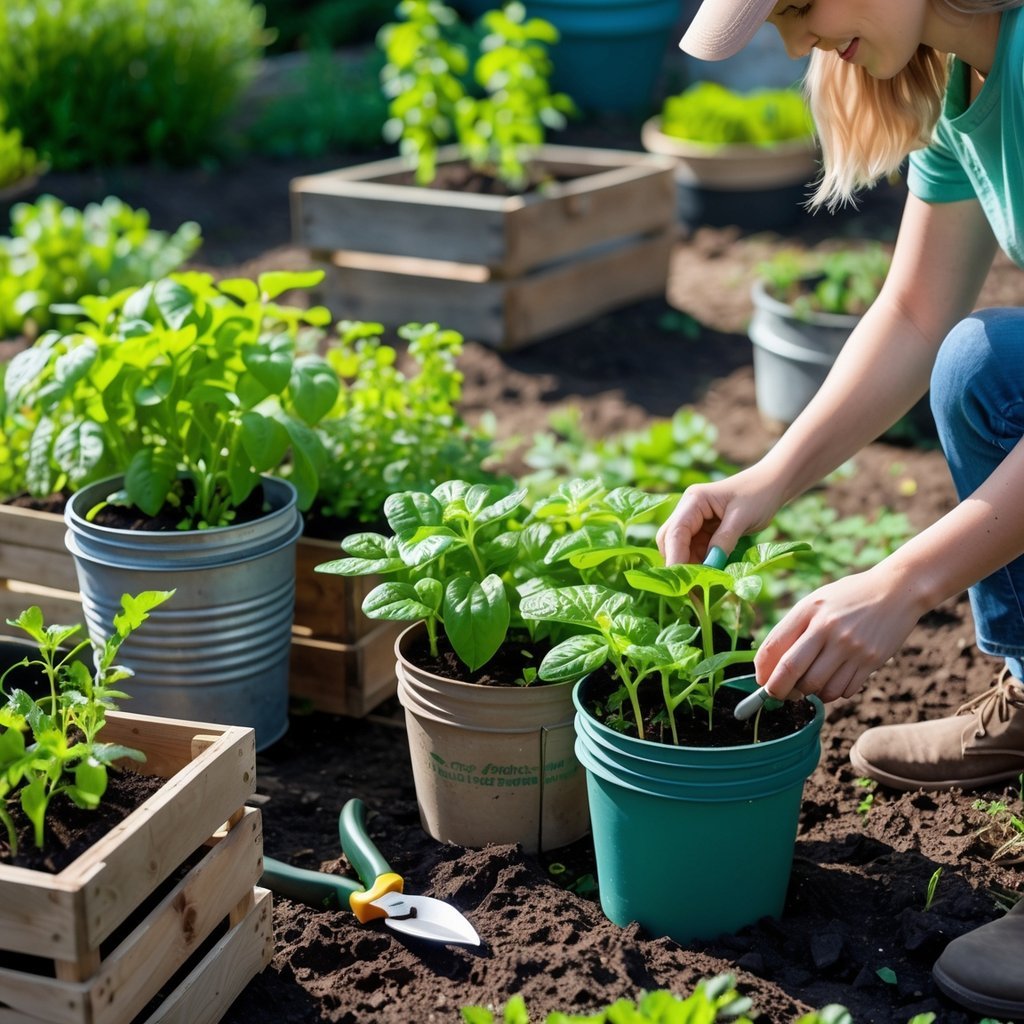
Choose containers with drainage holes to avoid root rot. Use pots sized for the plant: 1–3 gallons for herbs, 5–10 gallons for tomatoes and peppers. Lightweight, inexpensive options include recycled plastic buckets or fabric grow bags.
Use a loose potting mix with equal parts compost, peat or coconut coir, and perlite or coarse sand. Water deeply but less often to encourage deep roots. Group plants with similar water needs together and place containers where they get the right sun: vegetables need 6–8 hours; most herbs need 4–6 hours.
Fertilize with diluted liquid compost tea or a slow-release organic granule every 4–6 weeks during the growing season. Rotate crops or replace soil annually to prevent disease and nutrient loss.
Repurposing Household Items
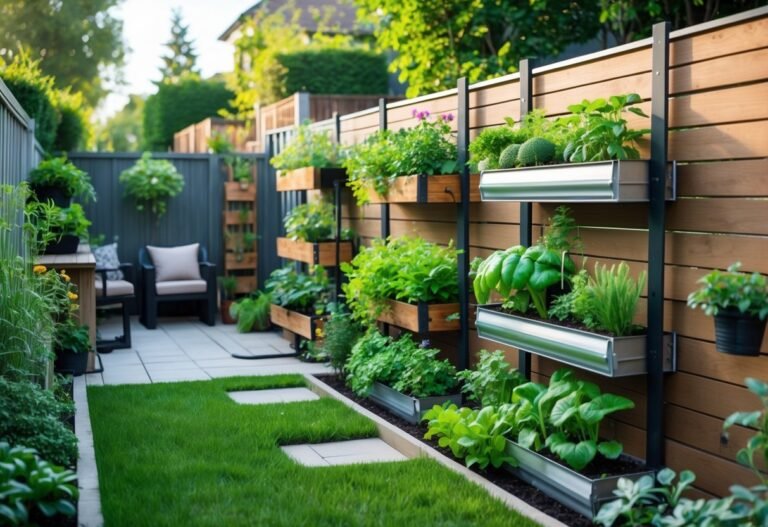
Turn common items into garden tools or planters instead of buying new. Use old tires stacked for raised beds, wooden pallets as vertical planters, and milk jugs as mini greenhouses for seedlings. Drill holes in the bottom of used buckets for drainage; paint them to protect plastic from sun damage.
Use broken terracotta shards to improve drainage in pots. Save plastic bottles to make DIY watering spikes or cloches. For low-cost row covers, repurpose sheer curtains or shade cloth to protect seedlings from pests and sunburn.
Label plants with painted rocks or repurposed spoons. These fixes reduce waste and cut supply costs while giving you durable, functional garden gear.
Money-Saving Gardening Tools and Resources
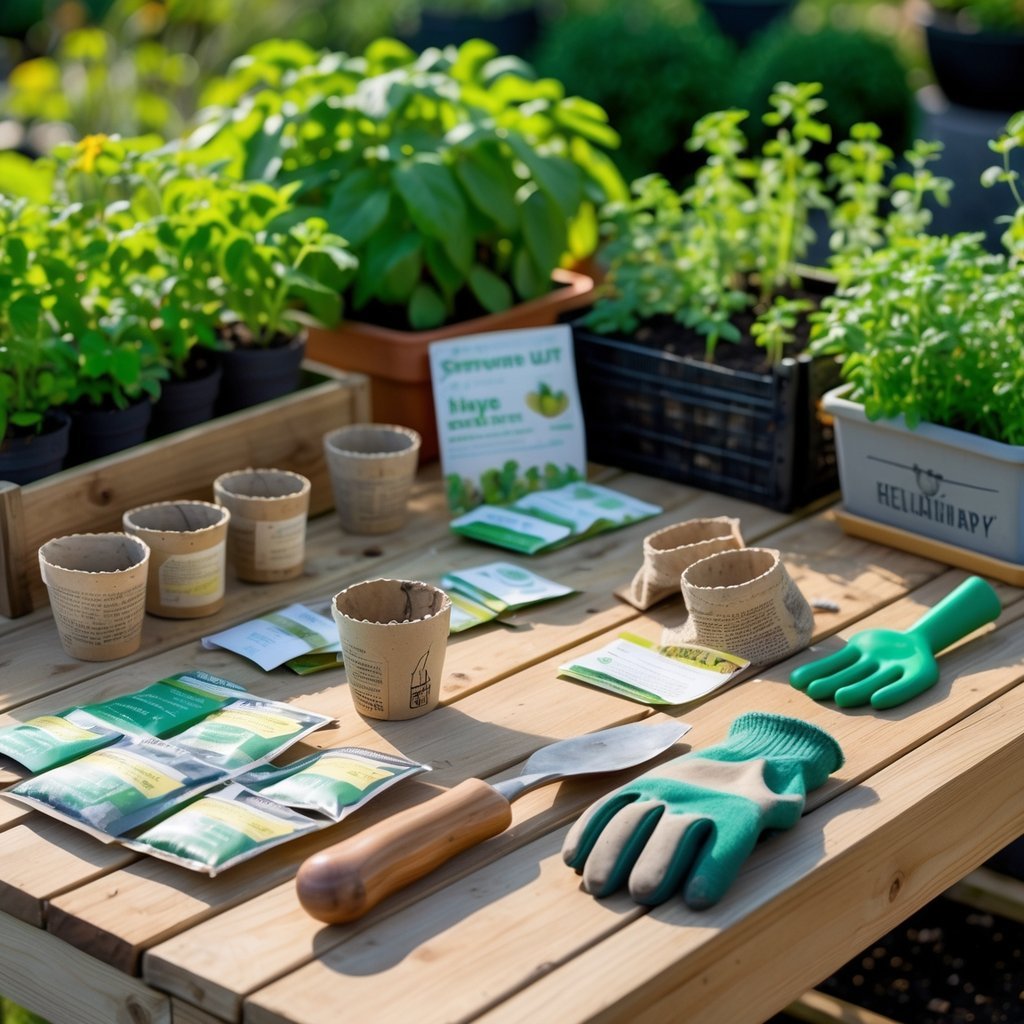
You can cut costs by reusing household items, making simple fertilizers, and choosing mulch methods that last. These practical moves lower startup and yearly expenses while keeping plants healthy.
Upcycling for Garden Tools
Look around your home for items you can repurpose into garden tools. Old forks and spoons become dibbers for seed planting. A broken rake head can turn into a trellis or soil sieve when mounted on wood.
Use plastic milk jugs as mini greenhouses or watering cans by poking holes in the cap. Paint or sand wooden handles from broken brooms to attach to small shovel or hoe heads. Label containers with permanent markers or waterproof tape so you don’t lose track of seedlings.
Keep a small box for nails, screws, and bolts. Reuse timber or pallets for raised beds and cold frames. When you must buy, choose a few high-use, durable tools (hand trowel, pruning shears, spade) rather than many cheap items that wear out fast.
Making Your Own Fertilizer
Save money by turning kitchen and yard waste into plant food. Compost fruit and vegetable scraps, coffee grounds, eggshells, and shredded paper in a bin or pile. Aim for a balance of “greens” (kitchen scraps) and “browns” (dry leaves) and turn the pile every week or two.
Make a liquid fertilizer by steeping manure or compost in water for a few days, then strain and dilute 1:10 before use. Use banana peels for potassium—chop and bury near plant roots or steep in water for a few days and apply as a foliar feed.
Avoid putting meat, dairy, or oily food into compost to prevent pests. Test soil once a year with an inexpensive kit and add lime or sulfur only as needed. Homemade inputs can supply most nutrients and reduce or eliminate purchased fertilizers.
Affordable Mulching Techniques
Mulch keeps soil moist, cuts weeds, and reduces watering costs. Use free or cheap materials like shredded leaves, straw, grass clippings, or cardboard. Lay cardboard down first to block weed growth, then cover with 3–4 inches of organic mulch.
Keep mulch a few inches away from plant stems to prevent rot. Reapply thin layers each season as material breaks down; this also feeds soil. Save woody prunings to make chip mulch with a rented chipper or by hiring a local service that drops chips for free.
For paths, use newspaper topped with gravel or wood chips to suppress weeds on a budget. In dry climates, darker mulches help warm soil; in cool climates, lighter mulches preserve soil warmth less. Choose what’s locally available to cut transport costs.
Low-Cost Planting and Maintenance Methods
You can cut costs by reusing plant material, pairing plants to boost yields, and using simple, natural pest controls. These methods lower buying and treatment needs while keeping your garden productive.
Starting Plants From Cuttings
Use cuttings from healthy parent plants to make new ones for very little cost. Take 4–6 inch stem cuttings from non-flowering shoots, remove lower leaves, and place them in water or a lightweight potting mix. Change the water every few days or keep the soil moist but not soggy.
For woody plants, dip the cut end in rooting hormone or sand to improve success. Keep cuttings in bright, indirect light and protect them from strong winds. Most herbs, many houseplants, and shrubs root within 2–6 weeks. Label batches so you track dates and parent plants.
Tools you need: clean scissors, small pots or jars, and a propagation tray or clear plastic bag for humidity. This method saves money on seeds and nursery starts and lets you multiply favorite cultivars cheaply.
Companion Planting for Cost Efficiency
Pair plants that help each other to reduce fertilizer, water, and pest-control costs. For example, plant basil next to tomatoes to improve flavor and repel some insects. Beans fix nitrogen and benefit leafy crops like lettuce or spinach planted nearby.
Use tall plants to shade heat-sensitive ones and lower water loss. Sow fast-growing crops (radishes, spinach) between slower ones (peas, brassicas) to use bed space efficiently. Rotate companion groups each season to keep soil nutrients balanced and lower disease build-up.
Create simple planting maps: list main crop, two companions, and spacing. This reduces trial-and-error expenses and boosts overall yield from the same area.
Natural Pest Control Hacks
Start with monitoring: inspect leaves weekly and remove pests by hand when you find them. Use homemade sprays like diluted soap (1 tsp mild liquid soap per liter of water) for soft-bodied insects. Spray undersides of leaves early morning or late evening.
Introduce or attract beneficial insects by planting flowers like calendula or alyssum. Set up traps: beer traps catch slugs, and yellow sticky cards monitor flying pests. Use diatomaceous earth around base of plants for crawling insects; reapply after rain.
Avoid broad-spectrum pesticides. They kill helpful insects and can raise long-term costs. Targeted, low-cost tactics cut pest damage while keeping your garden safer and cheaper to maintain.
Frequently Asked Questions
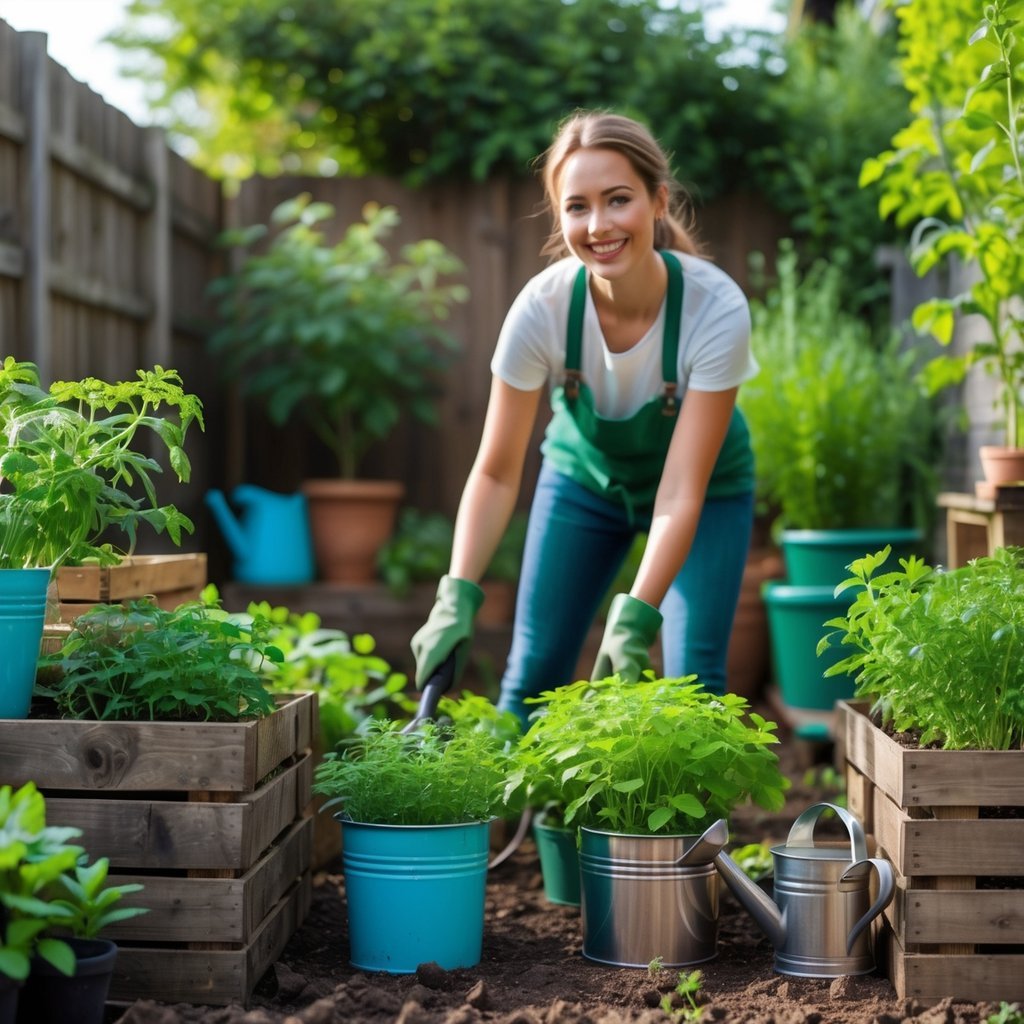
You’ll find specific, low-cost tools, seed and soil tricks, and easy routines that save time and money. Each answer gives simple steps you can try this week, plus what to avoid.
What are the most effective dollar store items to use in gardening?
Buy seedling trays, plastic pots, and small hand tools. They handle starting seeds and potting without spending much.
Use spray bottles, plant labels, and ties for daily care. These help you water gently, track varieties, and support stems.
Look for mesh bags, twine, and funnels. Mesh protects bulbs, twine trains vines, and funnels make filling pots neat.
How can beginners implement gardening hacks to improve their planting success?
Start seeds indoors using clear plastic containers with drainage holes. Place them on a windowsill or under a lamp for steady light.
Make simple soil mixes of potting soil and compost. That boosts nutrients without costly bags of specialty mixes.
Mark planting dates and depth on labels. Tracking when you sow and transplant prevents mistakes and wasted seeds.
Where can I find reliable and practical gardening hack videos?
Search for channels from public gardens, extension services, or reputable garden stores. Those creators usually show tested methods and clear steps.
Look for videos titled with tasks like “how to sow seeds” or “build a compost bin.” Short, task-focused clips give quick, repeatable instructions.
Check upload dates and comment feedback. Recent videos and positive viewer results indicate ideas that still work.
What are cost-effective gardening activities suitable for adults?
Start a compost pile or bin using kitchen scraps and yard waste. Compost reduces the need to buy fertilizer and improves soil structure.
Swap seeds or plants with neighbors and community groups. Trading saves money and expands what you can grow.
Create simple drip irrigation from old hoses and a timer. That cuts water use and lowers your utility costs over time.
What are some simple hacks to enhance vegetable garden productivity?
Use cardboard as a weed barrier and sheet compost under mulch. It suppresses weeds and builds soil as it breaks down.
Practice succession planting with fast crops like lettuce and radishes. You get more harvests from the same bed across the season.
Pinch flowers off early for bushier plants when you grow tomatoes or peppers. That increases fruiting stems and yields.
Which tactics work best for flower gardening on a tight budget?
Divide perennials in spring or fall to get new plants for free. Each division becomes a new bed or fills gaps.
Collect seed from annuals and sow them next season. Store seeds in a cool, dry place and label them clearly.
Use mulch from local leaves or wood chips to retain moisture and reduce weed work. It also frees up time and money spent on watering.