Garden Wall Setup Ideas: Practical Designs and Planting Tips for Every Yard
You can turn any outdoor space into a calm, private, and beautiful spot with the right garden wall setup. Use simple materials like stone, brick, wood, or living plants to match your style and budget, and place the wall where it solves a problem—privacy, wind, or a plain view—while adding charm.
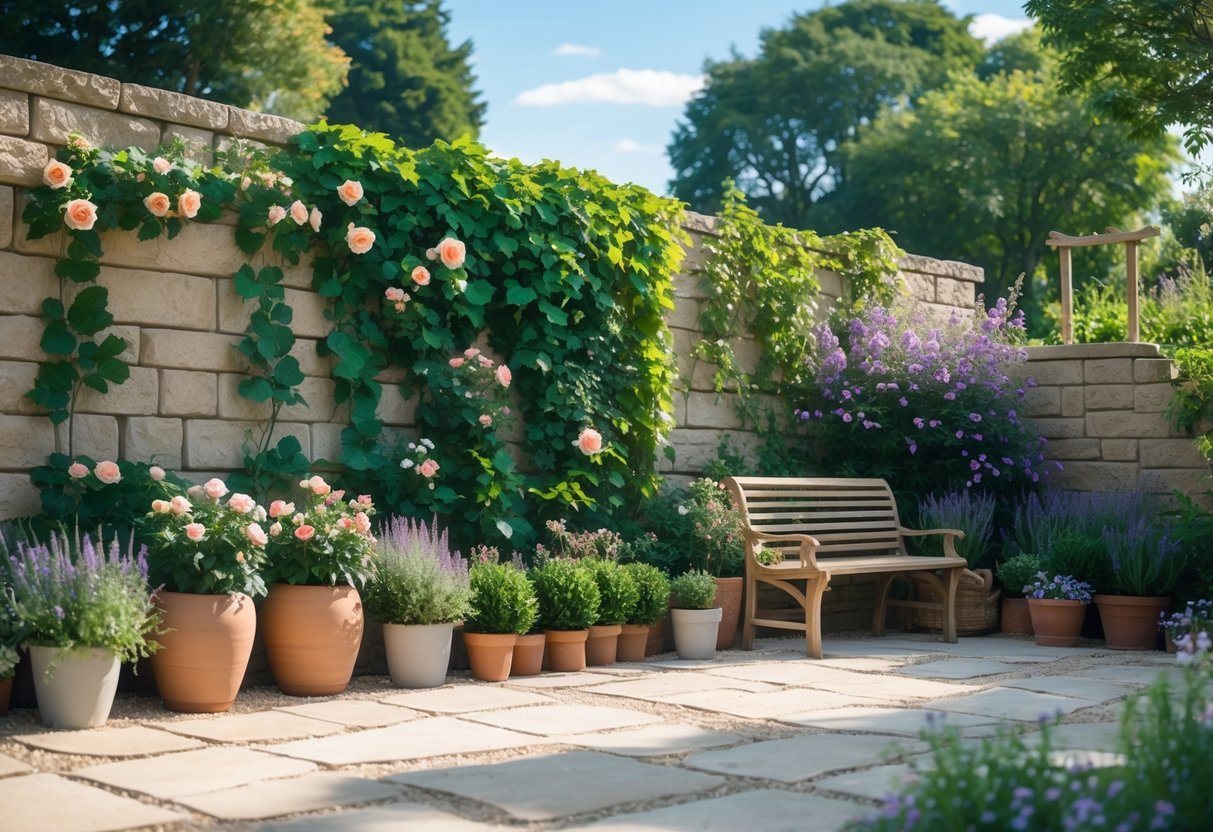
Pick a style that fits your yard and plan the height, materials, and any planting or seating features before you start to avoid costly changes later. Small walls can double as benches; taller walls can host climbing plants or vertical gardens for color and texture.
Think about maintenance, drainage, and local rules as you choose materials and build. A thoughtful plan makes installation smoother and lets you add finishing touches that make the wall feel like part of your home.
Key Takeaways
- Choose wall style and materials that solve your site’s needs and fit your budget.
- Plan height, placement, and drainage before building to avoid rework.
- Add plants or seating to make the wall functional and attractive.
Planning Your Garden Wall Setup
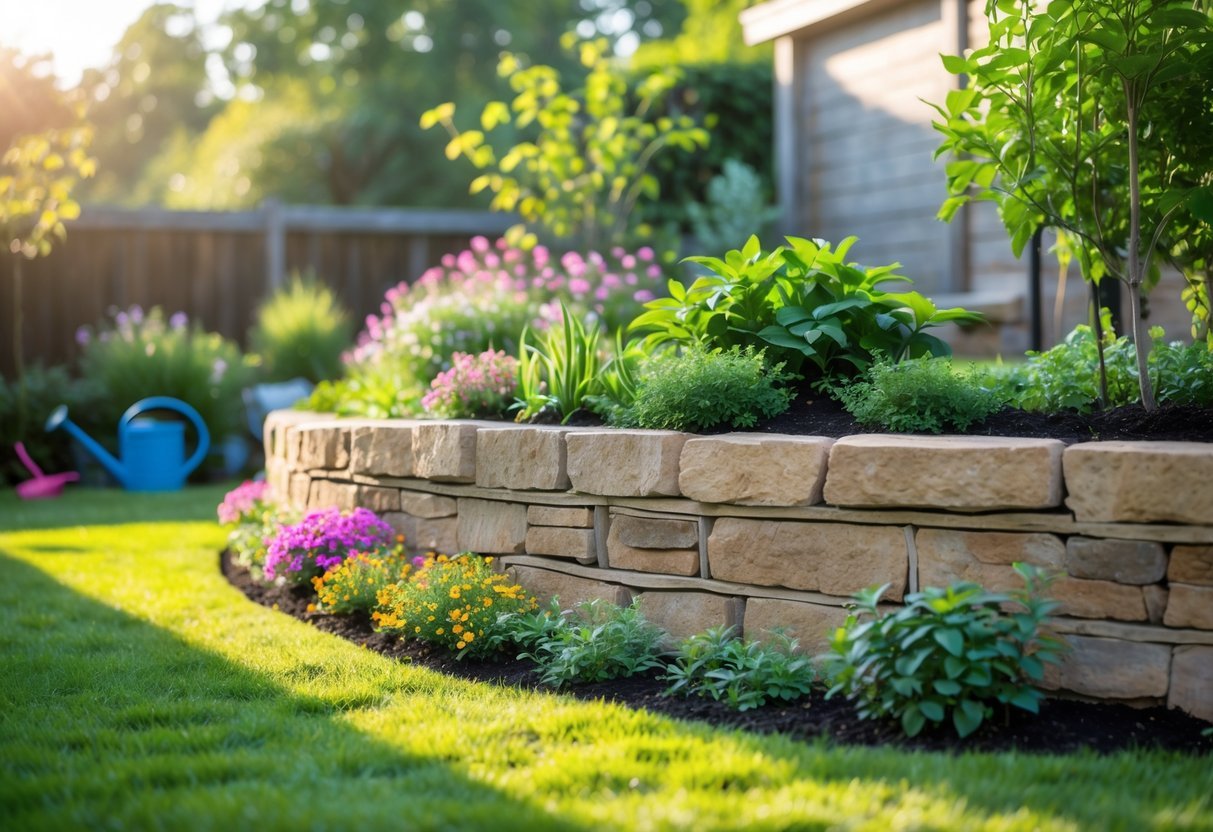
Decide what you want the wall to do, where it will sit, and what it will be made of before you buy materials or start digging. Think about height, length, budget, and how the wall will interact with plants, paths, and neighbors.
Choosing the Right Materials
Pick materials that match your climate, budget, and how permanent you want the wall to be. For load-bearing or tall walls, choose natural stone, concrete blocks, or mortared brick for strength and low maintenance. For lower edging or quick DIY, consider stacked dry-stone, timber sleepers, or precast concrete.
Check frost and drainage needs: porous stone and concrete allow some water flow, while mortared walls need proper footing and weep holes.
Match material to style: reclaimed brick for historic charm, smooth rendered block for modern looks, and natural stone for a rustic feel.
Estimate costs per linear foot and add 10–20% for waste and special tools. Buy a little extra material to avoid pattern mismatches.
Assessing Garden Space and Structure
Measure the exact length, height, and slope of the site before ordering anything. Use a tape measure, level, and string line to mark the wall line and note grade changes or roots near the surface.
Check for underground utilities by calling your local service line before digging. Local council rules and neighbors’ rights can limit height or location, so check permit needs and boundary ownership early.
Plan a solid base: compacted crushed stone or concrete footing prevents settling. Allow access for equipment and think about how water will flow—add drainage behind retaining walls and include a slight batter (lean-back) for tall structures.
Factor in plant clearance and maintenance access on both sides of the wall.
Designing for Style and Function
Decide whether the wall’s main role is privacy, support, planting, or decoration and design around that function. For privacy, aim for 6–8 feet with proper footing; for a raised planter, allow deeper soil behind the wall and include drainage.
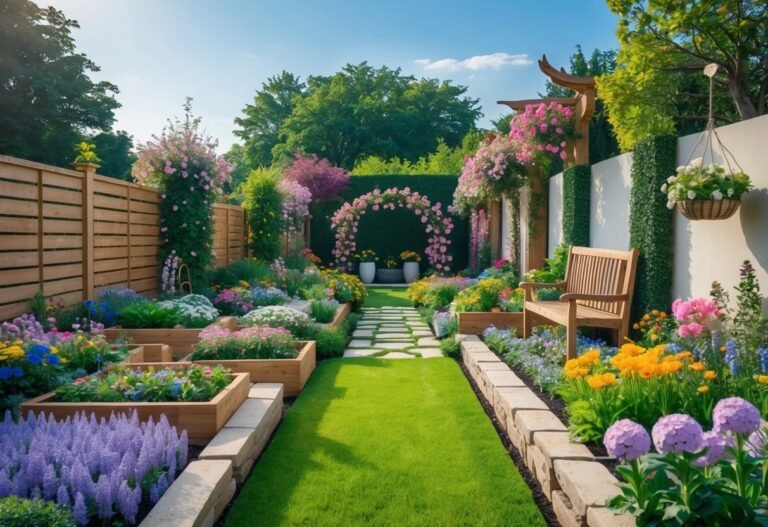
Combine form and function: add built-in seating, staggered stone for texture, or niches for pots to boost usability. Use color and joint patterns to match your house or patio materials.
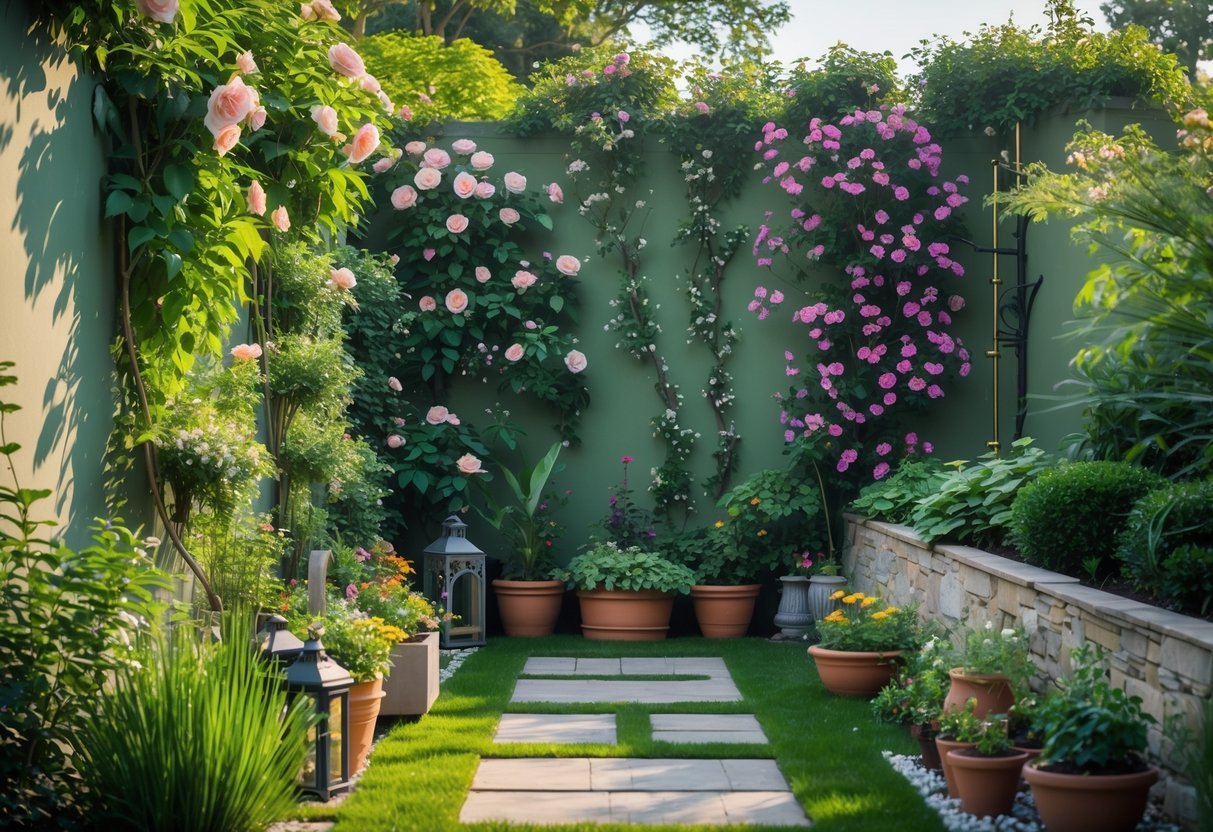
Consider living walls or trellis attachments if you want vertical planting without a bulky structure. Sketch the layout and pick three sample materials or finishes to compare in sunlight and wet conditions before you commit.
Creative Garden Wall Ideas
These ideas focus on adding plants, texture, and clean lines to walls that define space, add privacy, or support soil. Each option lists practical steps, material choices, and maintenance tips so you can pick the one that fits your yard and skill level.
Vertical Gardens and Living Walls
A vertical garden turns a flat wall into a productive or decorative planting area. Use modular planters or a felt pocket system attached to a sturdy frame. Choose plants by light: succulents and sedums for full sun, ferns and ivies for shade, and herbs or salad greens for a kitchen-facing wall.
Install a drip irrigation line with a timer to avoid daily watering. Add a lined backing to protect the wall from moisture. For heavier pots, anchor mounting points into studs or masonry. Expect seasonal pruning and occasional fertilizer; replace annuals each year.
Decorative Retaining Walls
Decorative retaining walls hold soil and create raised beds or terraced steps. Build with natural stone, interlocking concrete blocks, or treated timber depending on the look and budget. For walls higher than 3 feet, include proper drainage: gravel backfill and a perforated drain pipe at the base.
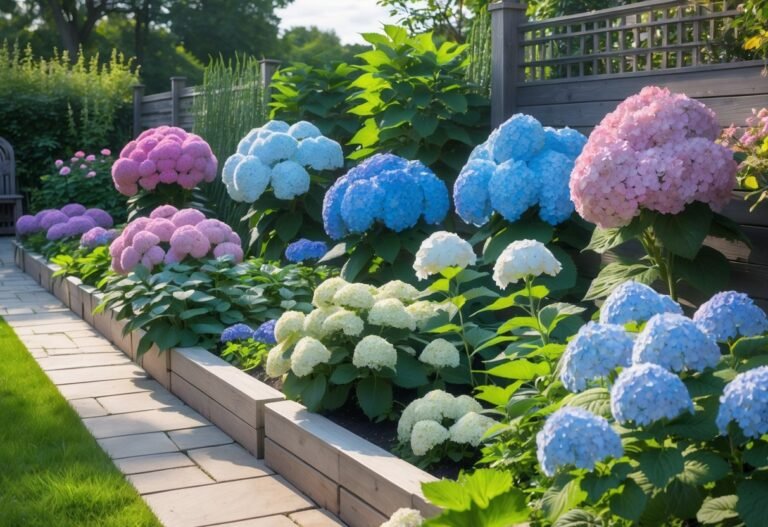
Compact the soil in layers and use geogrid reinforcement for steeper slopes. Cap the wall with a flat stone or timber for seating. Plant drought-tolerant groundcovers or low shrubs in the bed above to reduce erosion and soften the hard edge.
Modern Minimalist Walls
Modern minimalist walls emphasize clean surfaces and simple materials like poured concrete, smooth stucco, or narrow horizontal boards. Keep color neutral—gray, white, or natural wood tones—and use long, uninterrupted lines to make the space feel larger.
Incorporate narrow planters or a single row of low, structural plants such as boxwood or ornamental grasses to maintain the minimalist look. Add integrated lighting—recessed uplights or slim LED strips—to highlight texture at night. Choose weather-resistant finishes and hidden fastenings for a sleek, low-maintenance result.
Installation Tips and Best Practices
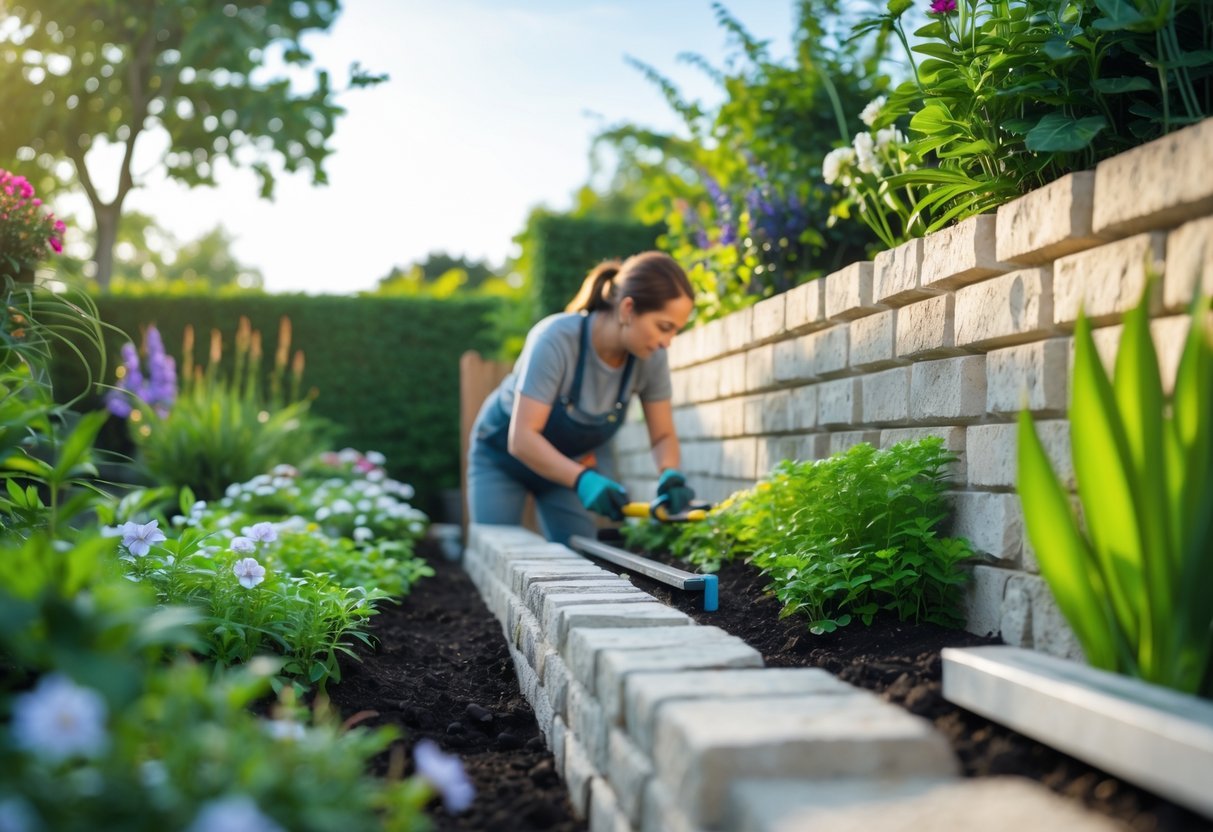
Plan the base, drainage, and reinforcement before you lay the first block. Use firm footing, clear water paths, and solid ties or anchors so the wall lasts and stays straight.
Preparing the Foundation
Start by marking the wall line and digging a trench at least 6–12 inches wider than your wall and below the frost line if your area freezes. For a low garden wall (under 3 ft) dig 8–12 inches deep and compact the subsoil with a hand tamper. For taller or retaining walls, dig deeper and consider a concrete footing sized to wall height.
Add a 4–6 inch layer of crushed stone or gravel, then compact it to create a stable, level base. For concrete footings, form, pour, and cure before laying blocks. Check level frequently and set the first course carefully; a crooked first row will cause bigger problems later.
Proper Drainage Solutions
Prevent water pressure behind the wall by installing drainage. Place a perforated drain pipe (4-inch PVC or corrugated pipe) at the base in a gravel trench sloping toward a discharge point. Wrap the pipe in landscape fabric to keep soil out.
Backfill with clean gravel up to 12 inches behind the wall to allow water to flow down to the pipe. Add geotextile fabric between soil and gravel to stop fine particles from clogging drains. For planter walls or beds, include weep holes or use retaining blocks with built-in drainage channels.
Securing Wall Stability
Tie or anchor the wall to resist leaning and overturning. Use metal wall ties, rebar pins, or interlocking block features shown by the product manufacturer. For taller walls, place vertical rebar through block cores and grout them when required.
Batter the wall slightly back toward the soil (1:8 slope is common) and step back courses if you stack stone. Compact backfill in 6-inch lifts and use coarse material to reduce settlement. If the wall will bear load or hold saturated soil, consult engineering guidelines and use reinforced concrete or a licensed contractor for higher-risk builds.
Finishing Touches for a Personalized Look
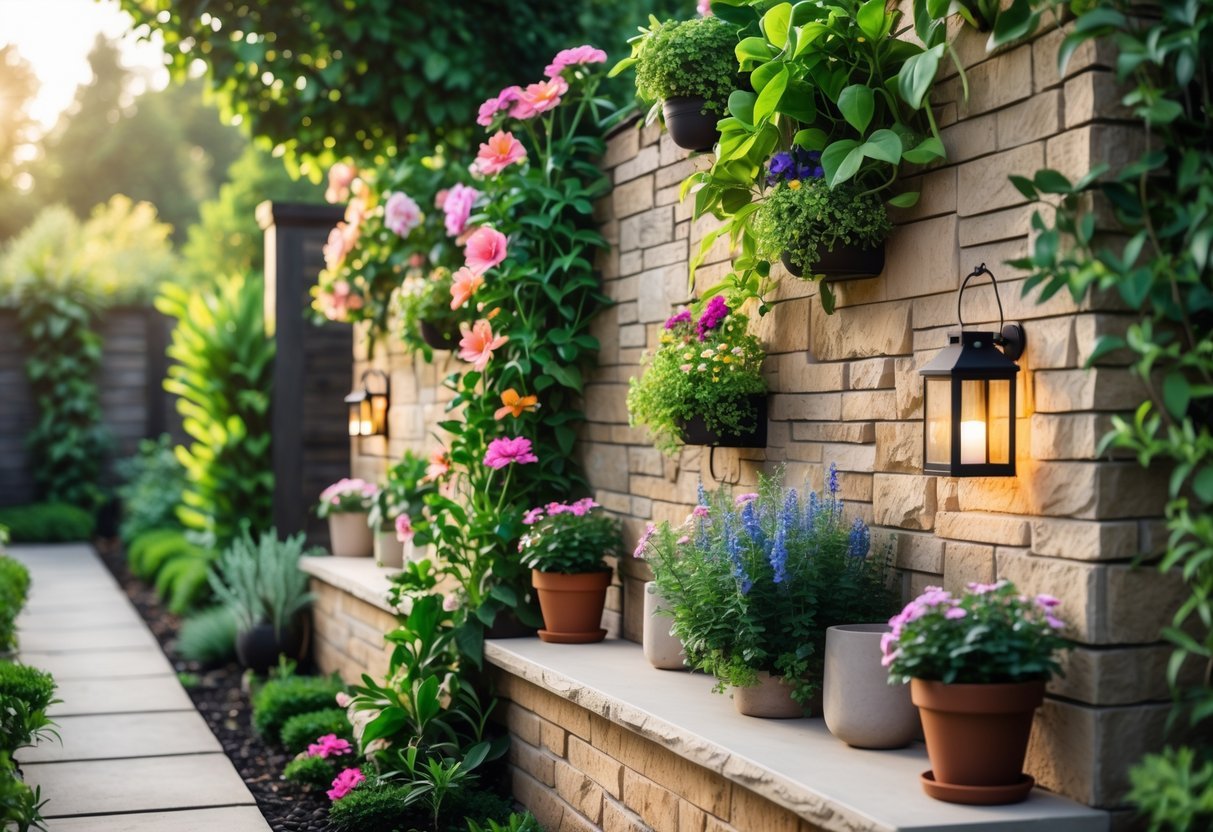
Add items that match your use and style, and place them where they’ll be seen and used. Think about light, color, and how plants will look through the day and night.
Incorporating Lighting and Accessories
Choose lighting that fits the mood and function. Use warm LED string lights for a cozy evening glow, and install low-voltage spotlights to highlight a focal plant or wall texture. Place solar pathway lights near planters to save wiring work. Mount a single adjustable spotlight high and aim it downward to create drama without washing out texture.
Pick accessories that resist weather. Powder-coated metal trellises, waterproof cushions, and ceramic planters hold up better than untreated wood or fabric. Secure hanging pots with sturdy hooks rated for outdoor use. Group items in odd numbers—three pots or five lanterns—to create a balanced look. Keep a small storage box or bench near the wall to store clippers, string lights, and extra pots for quick changes.
Color Schemes and Plant Pairings
Start with a base color for the wall or main planter—soft gray, warm terracotta, or matte black—so plants stand out. Use a 60/30/10 rule: 60% foliage greens, 30% one accent color (like white blooms), 10% a bold pop (such as purple or orange). This keeps the palette simple and striking.
Pair plants by texture and light needs. For a sunny wall, combine silver-leaved rosemary, blue salvia, and bright marigolds. For shade, mix ferns, hostas, and white impatiens. Use trailing plants (e.g., ivy, petunia) at the top of a wall and upright plants (e.g., lavender, boxwood) at the base to create depth. Group pots with similar water needs so maintenance stays simple.
Frequently Asked Questions
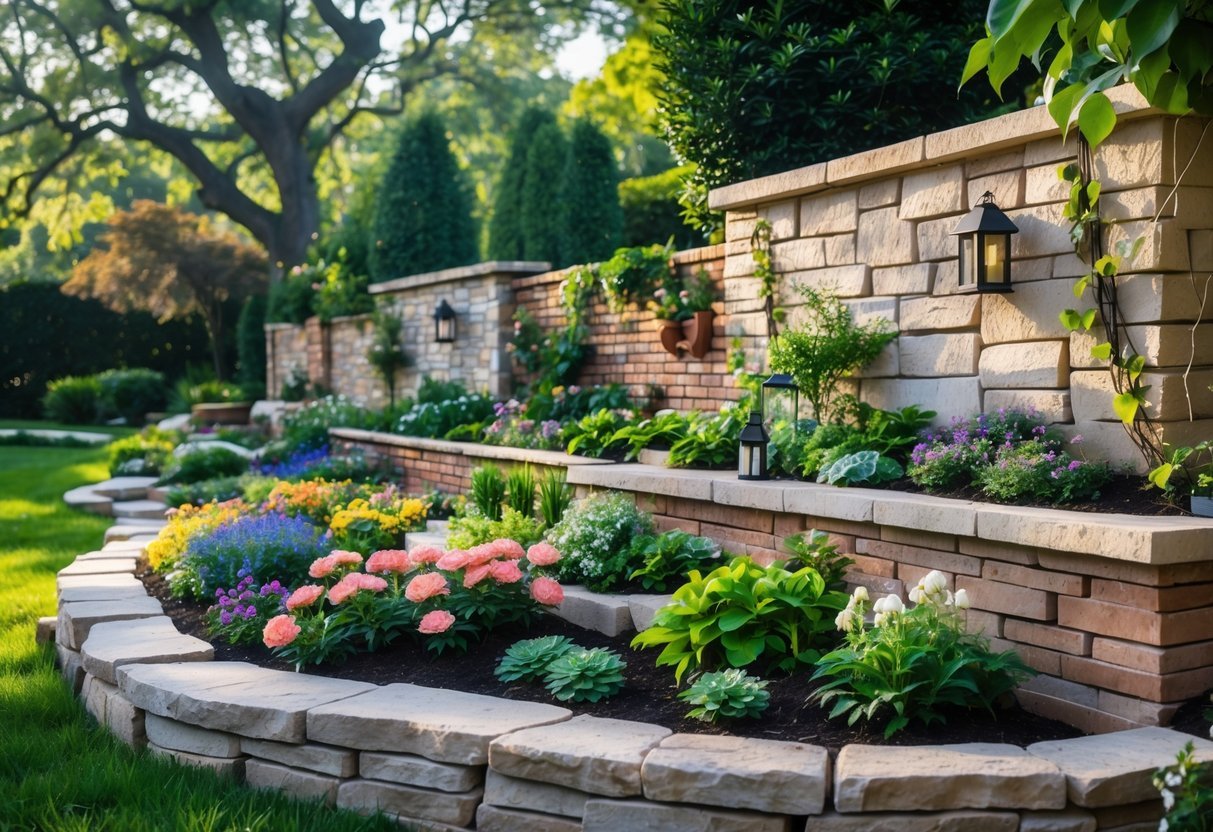
These answers cover small-space solutions, vertical garden options, simple wall methods, DIY project examples, current style trends, and steps to create an outdoor living wall. Each point gives practical steps, materials, and quick tips you can use right away.
How can I create an attractive garden wall in a small space?
Use narrow planters or a slim raised bed along the wall to add color without taking floor area. Choose compact plants like succulents, dwarf grasses, or small herbs to keep scale right.
Add mirrors, light-colored paint, or vertical tiles to make the area feel larger. Use wall-mounted lighting and staggered planter heights to create depth and interest without crowding.
What are some innovative ideas for a vertical garden wall?
Install modular pocket planters that clip together so you can rearrange plants easily. Use recycled gutters or wooden pallet pockets for a low-cost, layered look.
Incorporate drip irrigation and a simple reservoir to keep plants fed with minimal upkeep. Mix edible herbs with flowering plants for beauty and function.
What are the simplest methods to design a garden wall?
Lay a single row of bricks or concrete blocks for a quick, stable low wall. Use stacked natural stone without mortar for a rustic, easy-to-build option.
Attach pre-made trellis panels to an existing fence or wall to add climbing plants fast. Paint or stain materials to match your yard and reduce extra construction.
Can you give some examples of DIY garden wall projects?
Build a pallet vertical planter by lining a pallet with landscape fabric, filling with soil, and planting shallow-root species. Create a simple dry-stone low wall by stacking fieldstone on level ground for seating or edging.
Convert old tires or wooden crates into tiered planters and secure them to a short wall for color and texture. Each project uses common tools: drill, level, saw, and protective gloves.
What are the latest trends in modern garden wall designs?
Living walls that mix ferns, succulents, and moss with integrated irrigation are very popular. Smooth concrete panels, slim steel screens, and minimalist horizontal stone bands give a clean, modern look.
Multifunction walls that pair seating, lighting, and planters in one structure save space and look intentional. Neutral palettes with one accent material, like metal or natural wood, lead current design choices.
How do I build a sustainable living wall outdoors?
Start with a sturdy frame and a water-resistant backing to protect the structure behind the plants. Use a modular planting system with felt pockets or lightweight trays to allow air flow and easy maintenance.
Choose native, drought-tolerant plants and install a low-flow drip system with a timer. Add a slow-release fertilizer and check drainage regularly to keep roots healthy and reduce water waste.