7 Garden Planters Inspo: Stylish Container Ideas for Small Spaces and Urban Yards
Ready to freshen your outdoor space? You’ll find seven planter ideas that fit small balconies or sprawling yards, use easy DIYs or ready-made pots, and bring colors, textures, and year-round interest to your garden. Pick the right planter and plant combo, and you can transform a plain corner into a focal point without a big budget or lots of work.
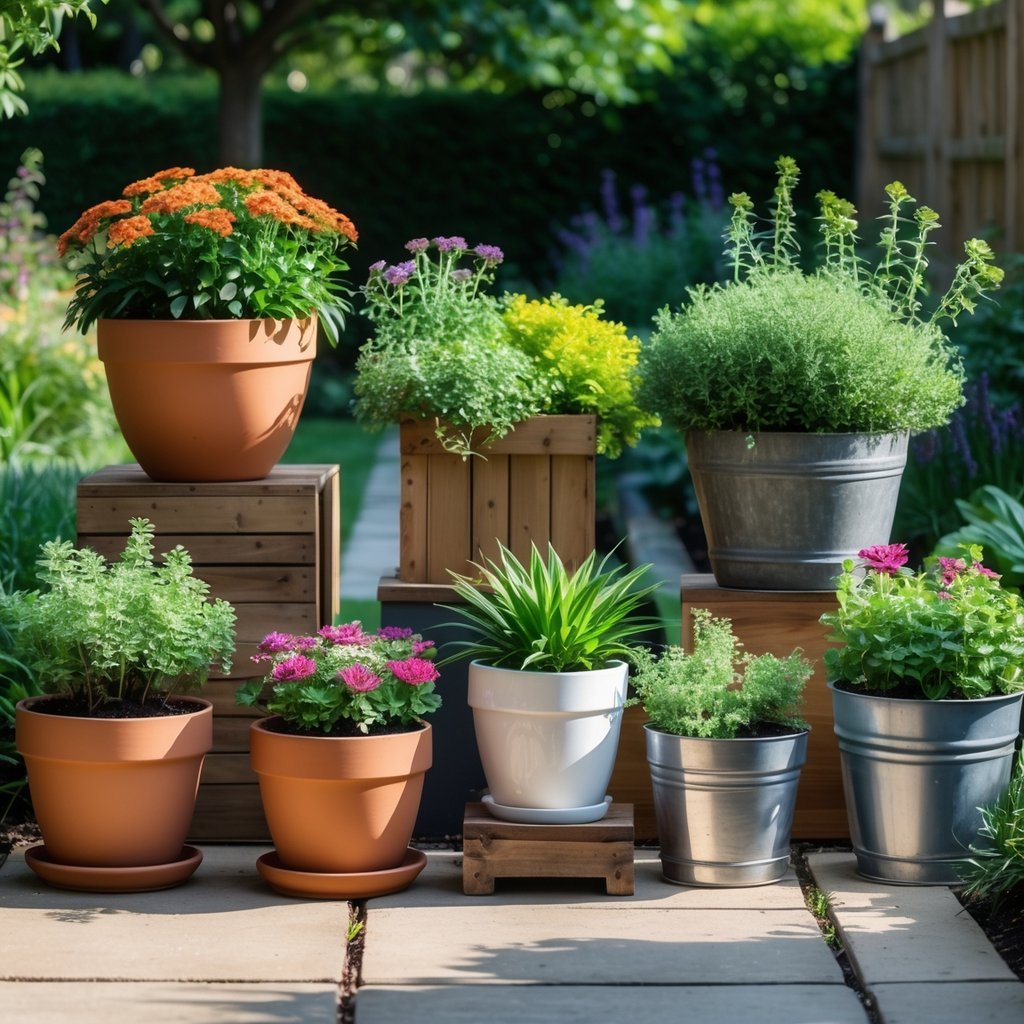
You’ll see practical options like vertical and container setups, themed groupings for fast impact, and choices that suit sun, shade, or drought. Each idea shows what to plant, what pots work best, and one simple tip to make it look polished.
Key Takeaways
- Simple planter swaps can change the look of any outdoor space.
- Match planter type and material to your light and maintenance needs.
- Themed arrangements make quick, high-impact displays.
Creative Garden Planter Ideas
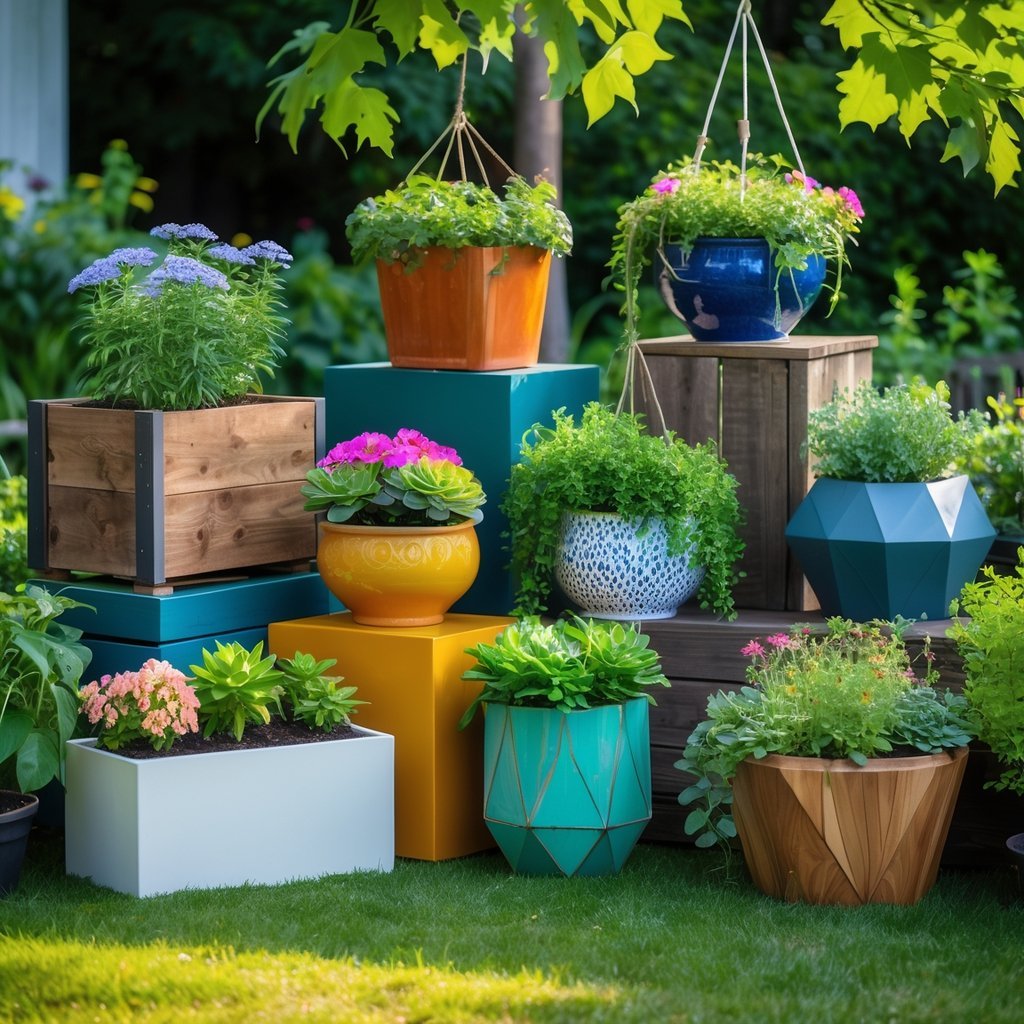
Use small budgets, reclaimed items, and vertical space to get big visual impact. Pick materials that drain well, fit your weather, and match the style of your yard or balcony.
Repurposed Materials for Unique Planters
You can turn old objects into planters that last. Wood wine crates, metal buckets, ceramic teapots, and broken drawers all work well. Drill drainage holes in metal and ceramic, line wood with landscape fabric, and add gravel under soil to prevent rot.
Match plant type to container size. Shallow items suit succulents and herbs; deep boxes hold vegetables and perennials. Paint or seal surfaces for weather protection and use clear labels so you remember watering needs.
Try one of these quick ideas:
- Teapots and mugs: small succulents or herbs.
- Pallets and drawers: horizontal herb displays.
- Tires or barrels: raised beds for tomatoes. These save money and add character without complex tools.
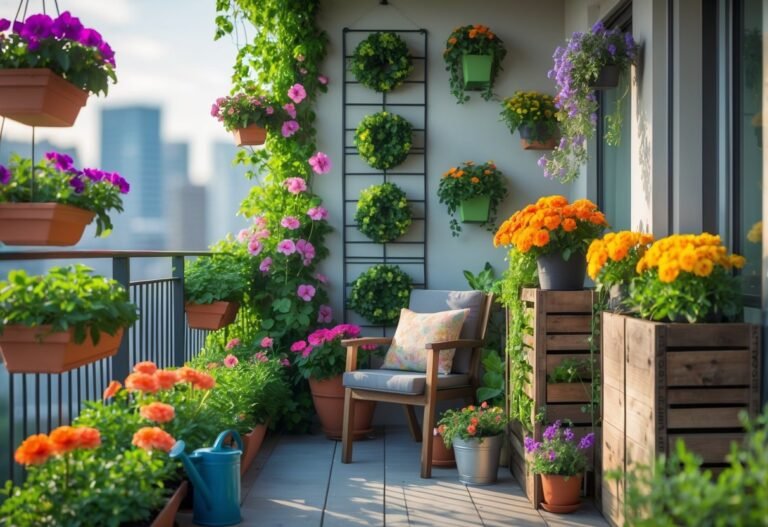
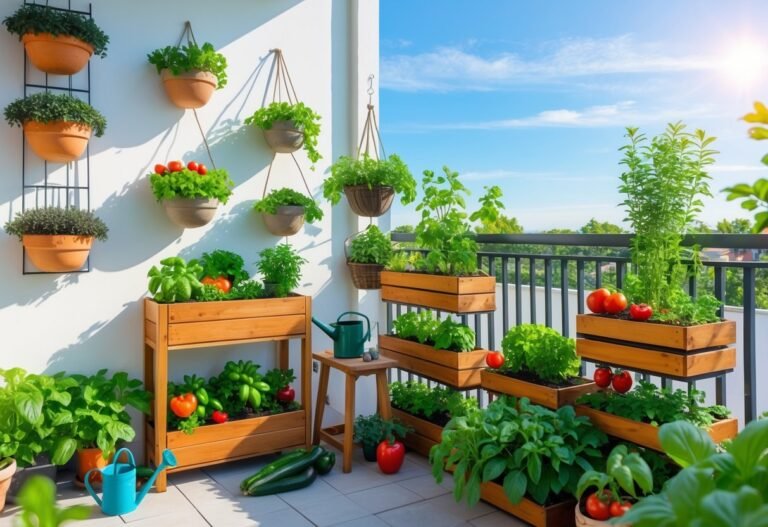
Vertical Garden Planter Displays
Vertical planters maximize small spaces like balconies and narrow yards. Use pocket planters, stacked pots, trellises with hanging pots, or a ladder shelf. Secure heavier items low and lighter ones high to keep the structure stable.
Choose plants by light: trailing ivies and petunias for sun; ferns and philodendron for shade. Ensure each pocket or pot has access to water; consider a drip line or self-watering inserts for consistent moisture.
Mounting tips:
- Anchor frames to studs or masonry.
- Use rust-resistant hardware outdoors.
- Leave 2–4 inches between tiers for air flow. This keeps plants healthy and makes maintenance easier.
Multi-Level Planter Arrangements
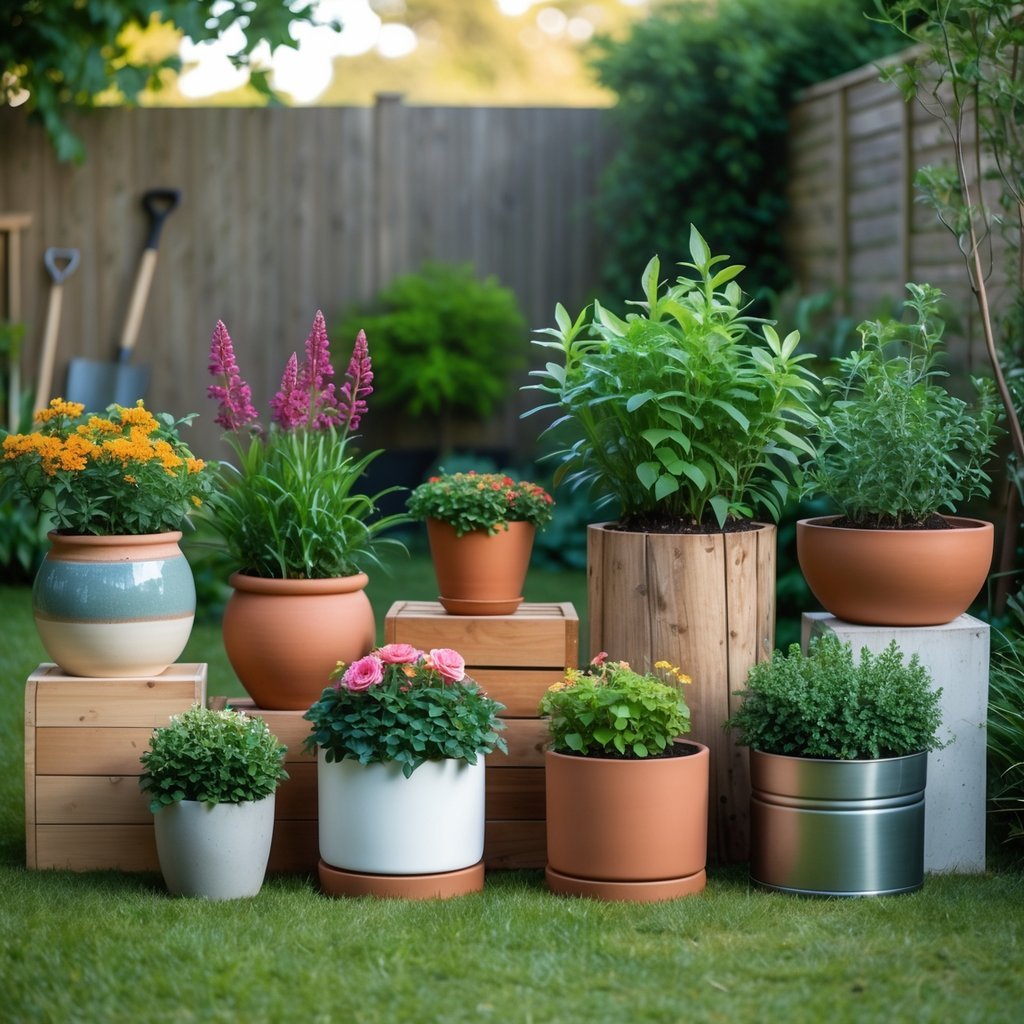
Layering planters creates depth and focal points in a garden corner or patio. Place tall planters at the back, medium in the middle, and low or ground-level pots in front. Use repeated colors or plant types to tie the group together.
Mix heights and textures: a tall metal urn, a mid-height wooden box, and small ceramic pots work well. Group pots on risers, steps, or a tiered plant stand to vary sightlines and improve drainage patterns.
Practical choices:
- Match pot size to root spread.
- Use saucers or trays to protect surfaces.
- Group plants with similar water needs. This approach makes small displays look intentional and easy to care for.
Choosing the Right Planters for Your Garden
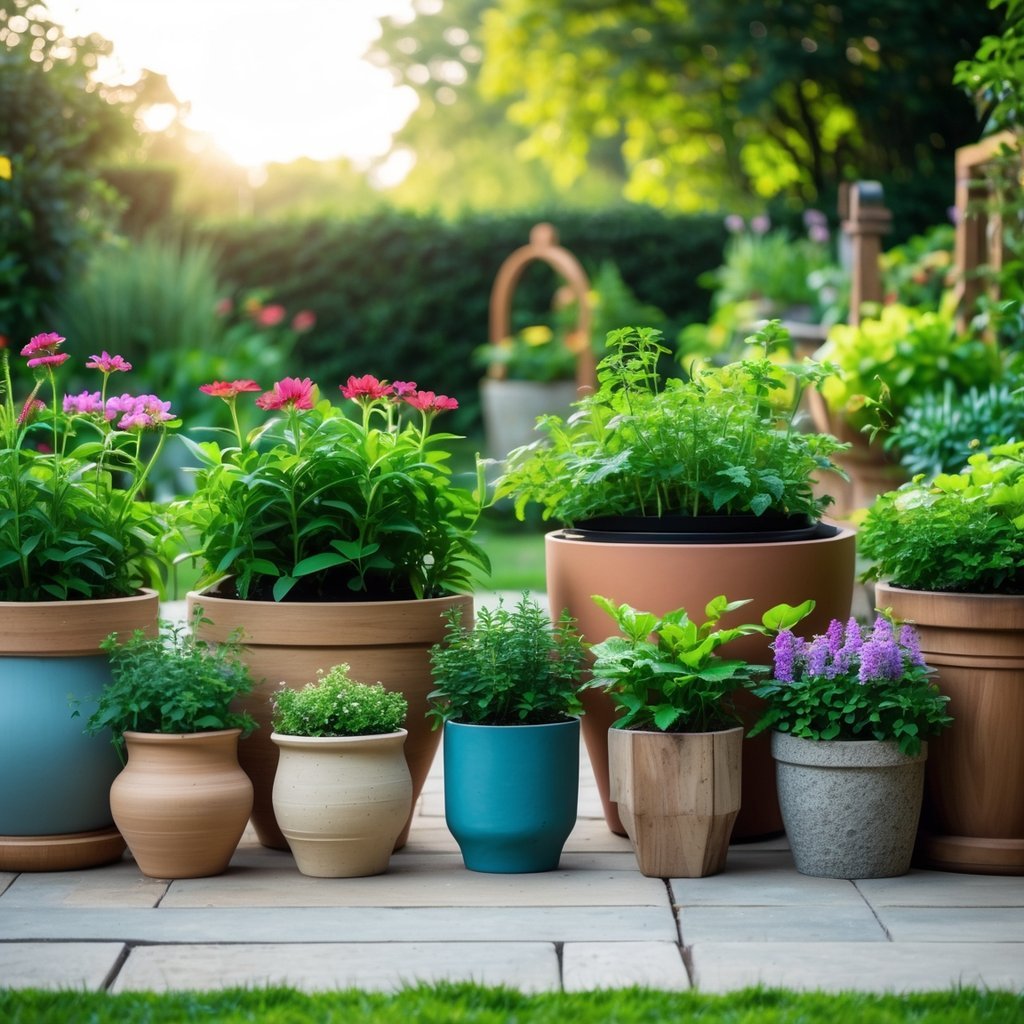
Pick materials that suit your climate and plant type. Match planter size and shape to root space and display goals. Ensure good drainage and plan for simple seasonal care.
Material Selection: Wood, Metal, Ceramic, and More
Wood looks warm and works well for vegetables and herbs because it insulates roots and holds moisture. Choose rot-resistant woods like cedar or use lined, treated wood to extend life. Avoid thin plywood that warps in wet weather.
Metal offers a modern look and lasts if rust-resistant. Use galvanized steel or powder-coated metal; add insulation or a liner because metal heats quickly in sun and can stress roots. For cold climates, remove metal planters indoors in winter.
Ceramic and terracotta give great breathability for drier climates and look decorative. Unglazed terracotta wicks moisture, so water more often. Glazed ceramics retain moisture longer but can crack in freezing temperatures.
Plastic and resin are lightweight and budget-friendly. They retain moisture and resist breakage, making them good for balconies and hanging planters. Choose UV-stable plastics to avoid fading and brittleness.
Size and Shape Considerations
Pick a planter at least 2–3 times wider than the plant’s root ball for one mature specimen. For multiple plants, allow 6–12 inches between small plants and more for larger ones. Depth matters: shallow trays suit succulents, while deep pots (12–18 inches) fit tomatoes and shrubs.
Choose tall narrow pots for single-stem plants and low wide bowls for trailing displays. Square or rectangular planters make efficient use of space along patios and railings. Consider weight: large filled planters can be heavy. Use lightweight mixes or place casters under big pots to move them when needed.
Think about scale with your garden features. Small pots work on shelves and tables; large containers anchor corners or frame doorways. Match planter size to the final mature size of your plants to avoid frequent repotting.
Planter Drainage and Maintenance Tips
Ensure at least one drainage hole in every outdoor planter to prevent root rot. If a planter lacks holes, drill holes or use a layered system with coarse gravel under the soil, but drilling is usually better. Add potting mix with good drainage for most plants, and use soil designed for containers.
Clean planters between seasons to remove salts and disease spores. Scrub with mild soap and water; disinfect with a diluted bleach solution if you had pest or fungal problems. Replace topsoil yearly and refresh potting mix every 2–3 years for healthy roots.
Water consistently: check soil moisture with your finger or a moisture meter. In summer, pots will dry faster than garden beds. Mulch the surface of large pots to slow evaporation and keep roots cooler.
Inspiring Themed Garden Planters
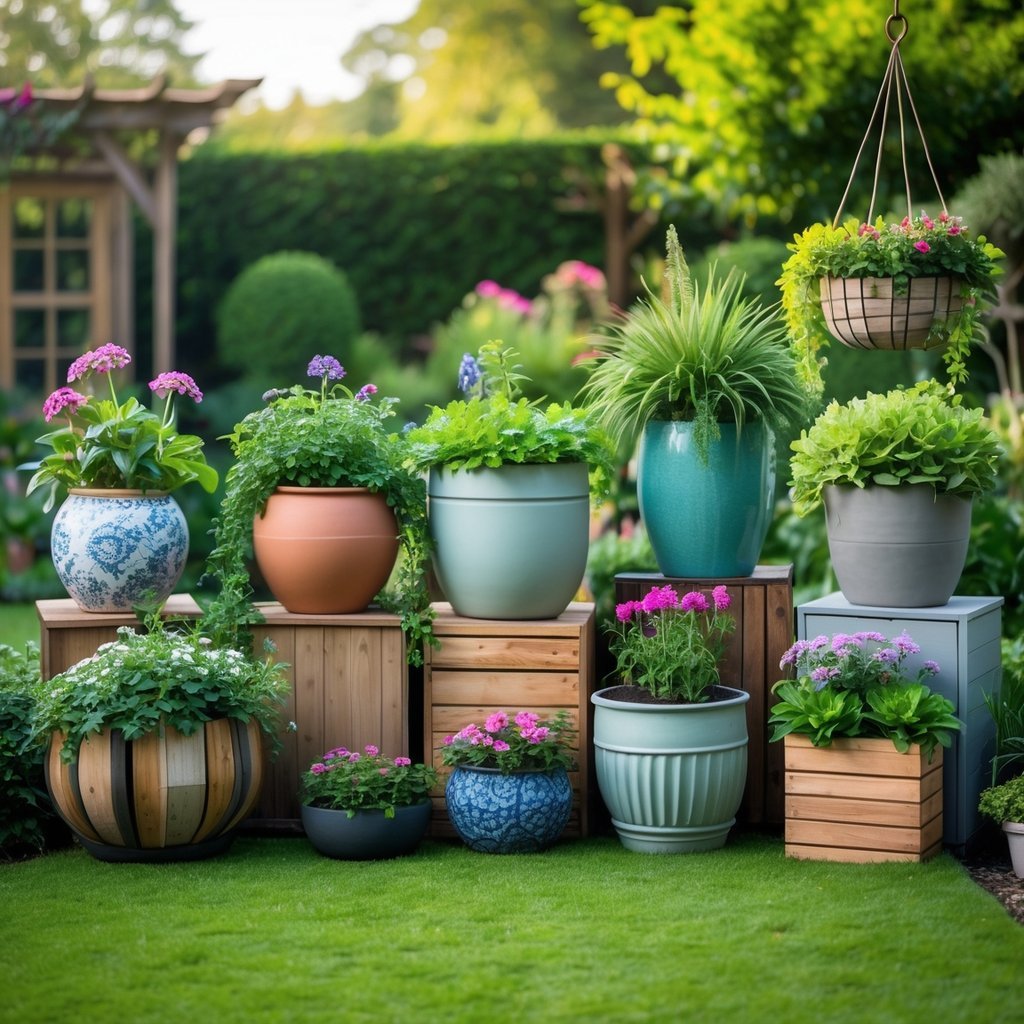
You can choose planters that match a clear style: clean lines and few colors, rough wood and soft flowers, or displays that change with the seasons. Each option lists plants, container types, and simple tips so you can copy the look.
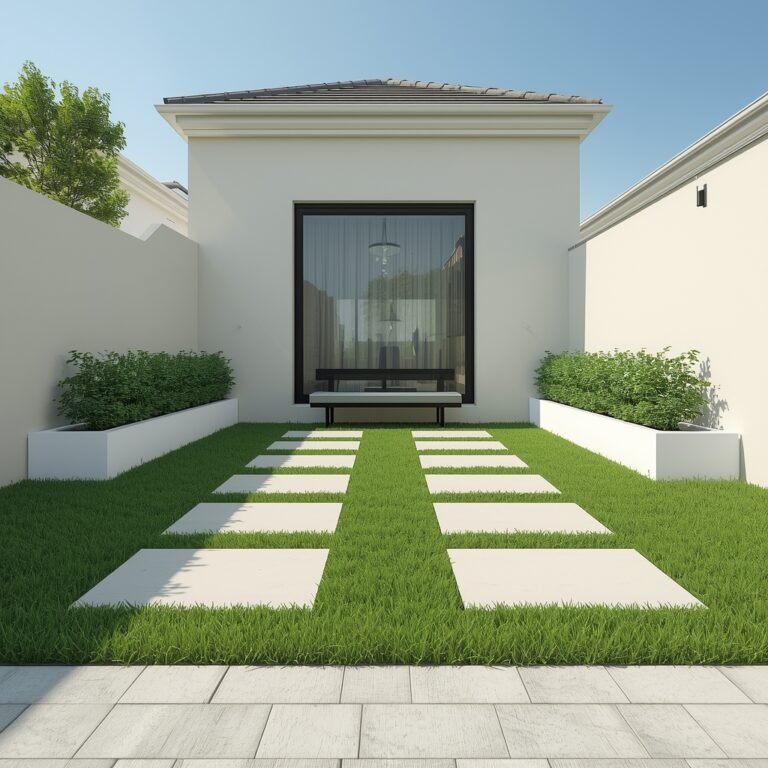
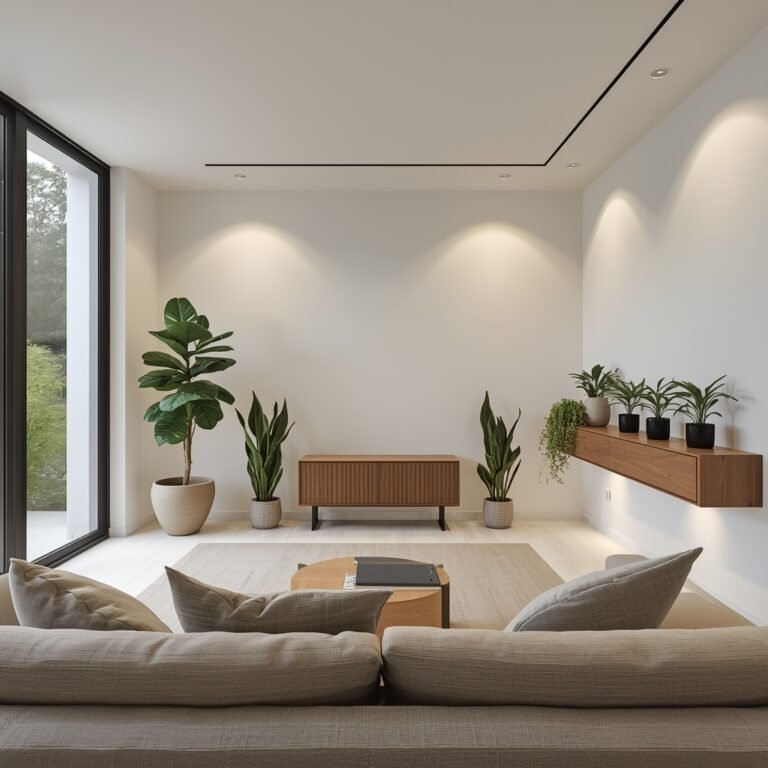
Modern Minimalist Planter Styles
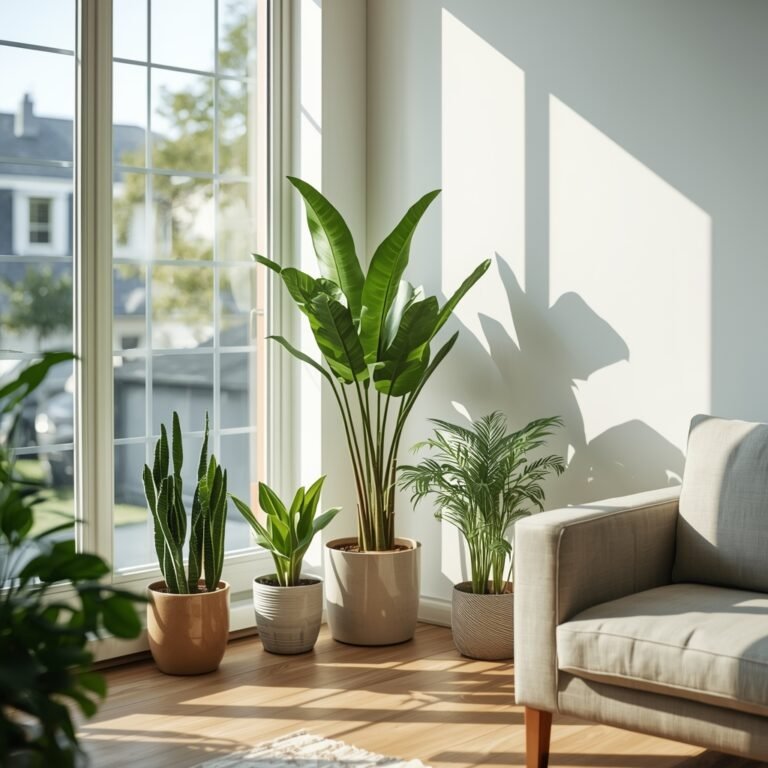
Pick containers with simple shapes: rectangles, cylinders, or low bowls in matte black, white, or concrete gray. Use one or two plant types for a calm look. Good plant choices include snake plant, fiddle leaf fig, succulents, or a single clump of ornamental grass.
Arrange plants with space between them so each form reads clearly. Use matching pots or a single long trough to unify the group. Keep soil covers neat — pebbles or moss makes the top look finished.
Maintenance stays low: water deeply but infrequently, prune only to keep clean silhouettes, and rotate pots for even light. If you want color, add one bold bloom (like a red bromeliad) instead of many different flowers.
Rustic and Cottage-Inspired Planters
Choose containers with texture: reclaimed wood boxes, galvanized tubs, terracotta, or woven baskets. Mix a variety of flowering plants such as geraniums, lavender, and nasturtiums with trailing ivy or sweet potato vine.
Layer plants by height in each container: taller bloomers at the back, medium foliage in the middle, and trailing plants at the edges. This creates the overflowing, relaxed look typical of cottage gardens.
Finish with small details: a weathered plant label, a cluster of mismatched pots, or a scatter of pebbles. These touches make the planter feel lived-in. Water more often than modern styles, and deadhead spent blooms to keep flowers coming.
Seasonal Garden Planter Displays
Plan seasonal rotations around three anchors: evergreen structure, seasonal color, and a finishing texture. For spring use tulips, pansies, and fresh herbs. In summer switch to petunias, marigolds, and basil. For fall choose mums, ornamental kale, and small pumpkins. In winter pick evergreen roping, spruce tips, and bright berried branches.
Use the same containers each season to save effort. Swap plants and add small props — a lantern for fall, a ribbon in winter. Match soil depth and drainage to the plants you choose. Check light and microclimate so each seasonal mix gets enough sun and shelter.
Frequently Asked Questions
Find practical ideas for DIY planters, pick materials that match climate and plant needs, choose plants that thrive in small containers, arrange planters to save space, and use long-lasting containers and vertical systems to boost planting area.
What are some creative ideas for DIY outdoor planters?
Turn old tin cans into painted herb pots with drainage holes drilled in the bottom.
Use broken teacups or coffee mugs for small succulents and shallow plants.
Make wooden crates or pallet boxes for mixed annuals and vegetables.
Concrete molds give a modern look and last several seasons outdoors.
How do I choose the right materials for my garden planters?
Match material to the climate: choose frost-resistant options where winter freezes occur.
Consider weight: lightweight plastic and fiberglass work for balconies; clay or concrete suits ground-level spots.
Think about drainage and breathability.
Terra cotta breathes well but dries fast; glazed ceramic holds moisture but is heavier.
What are the best plants to cultivate in small garden planters?
Herbs like basil, mint, and chives grow well in small pots and give quick rewards.
Small vegetables such as lettuce, radishes, and cherry tomatoes fit shallow or medium containers.
Succulents and sedums thrive in tiny planters that drain well.
Choose compact cultivars labeled “container” or “patio” for better success.
Can you suggest efficient ways to arrange planters in a limited space?
Group pots by water needs to simplify watering and reduce waste.
Place taller plants at the back or center and spillers at the edges to maximize visual depth.
Use plant stands and stagger heights to increase usable surface area.
Keep walkways clear and leave space for airflow to reduce disease.
What are the most durable types of planters for outdoor use?
Concrete and cast stone resist weather and last many years.
High-quality glazed ceramic and metal planters also hold up if they have frost protection.
UV-stabilized resin and fiberglass resist cracking and are lighter to move.
Avoid thin, low-grade plastics that become brittle in sun and cold.
How can I incorporate vertical gardening into my planter arrangement?
Install wall-mounted pockets or hanging planters to use vertical wall space.
Build a tiered shelf or ladder shelf to stack pots and increase planting area.
Use trellises or obelisks for vining plants like peas, beans, or climbing nasturtiums.
Consider modular vertical planters or a pallet system for herbs and small greens.