Garden Edging Design Ideas: Practical Styles and Materials for Every Yard
You can give your garden instant polish and clearer structure with the right edging. Choose a material and shape that match your style and upkeep level, and you’ll make beds, paths, and lawn edges look intentional and stay tidy.
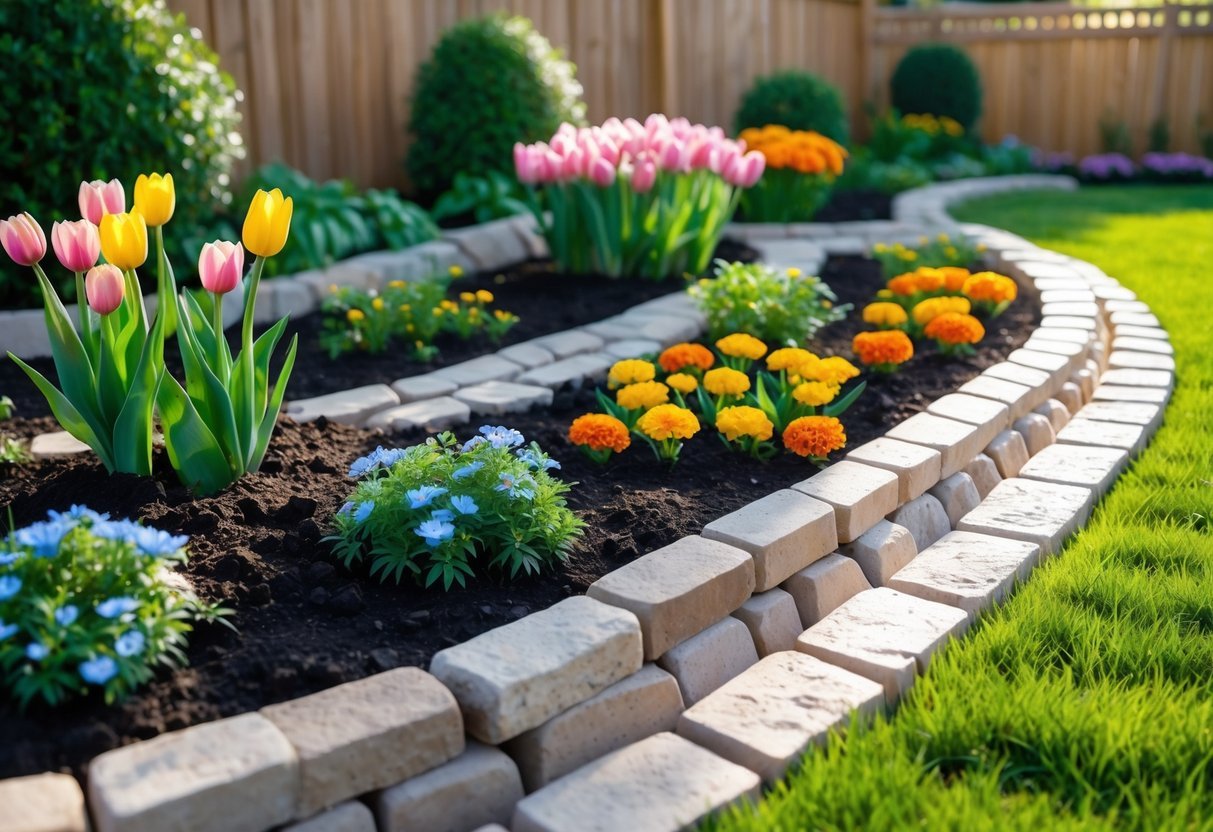
Whether you want rustic stone, sleek metal, simple brick, or a plant-based border, small choices change how your outdoor space reads and how much work it takes to maintain. Pick ideas that fit your budget and gardening habits, and you’ll enjoy a neater, more attractive yard without extra hassle.
Key Takeaways
- Pick edging that fits your style and how much time you’ll spend on upkeep.
- Mixing hard materials and plants gives visual interest and clear borders.
- Simple installation and regular maintenance keep edges looking sharp.
Popular Garden Edging Materials
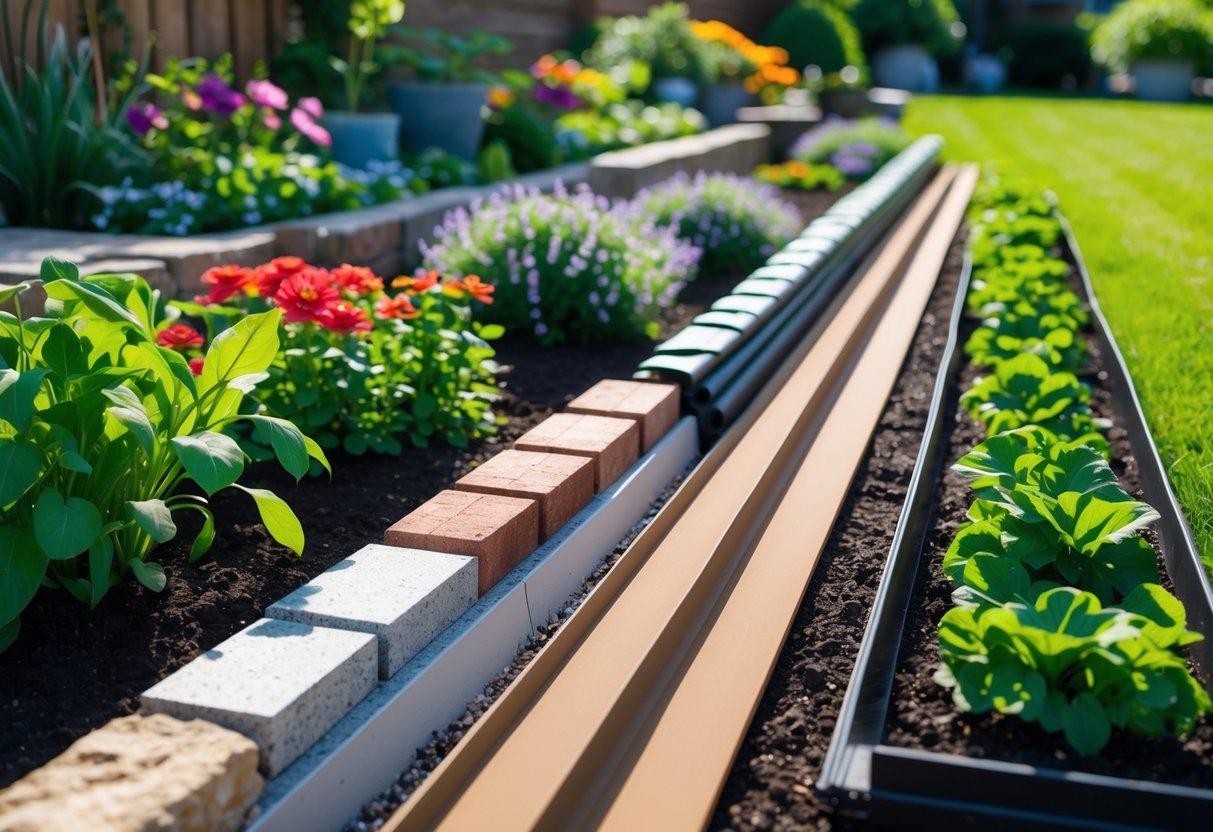
You can pick materials that match your yard’s style, budget, and maintenance ability. Choose stone for long life, metal for crisp lines, or wood for a warm, natural look.
Stone Edging Options
Stone gives a durable, low-maintenance border that resists weather and mowing. Use flagstone or bluestone for flat, clean lines along paths. Fieldstone and river rock work well for informal beds and add texture.
Set stones on a crushed-rock base for stability. For raised beds, dry-stack stone creates a neat retaining edge without mortar. Cut stone offers tight joints and a formal look, but costs more and needs a steady base.
Stone tolerates mulch, heavy watering, and weed control products. Expect higher up-front cost and more work to install than softer materials. Stone suits permanent beds and high-traffic pathways.
Metal Edging Choices
Steel and aluminum give the sharpest, thinnest edge for modern or formal gardens. Steel (galvanized or corten) holds its shape and resists impacts from lawn mowers. Corten steel develops a rusted finish that hides scratches and blends with warm palettes.
Aluminum won’t rust and is lighter to handle, but it bends more easily. Install metal with stakes and a trench so the top edge stays flush with turf and soil. Use thicker gauges for longevity in high-traffic areas.
Metal creates a clean barrier to stop grass and roots from spreading. It’s low-profile and good for curves, but can be pricier per foot than wood or plastic.
Wood Edging Styles
Wood feels warm and fits cottage, rustic, and natural designs. Use pressure-treated lumber or cedar for better rot resistance. Sleepers (wide timbers) make strong raised edges; short stakes and grooved planks work for level beds.
Round logs or split rails give a casual look, while treated 2×6 boards create a neat, contemporary line. Seal or paint exposed ends to extend life. Replace individual boards easily when they rot.
Wood is affordable and simple to install, but expect 3–10 years of life depending on species and moisture. Use wood where you want a softer edge and don’t mind occasional maintenance.
Creative Garden Edging Design Ideas
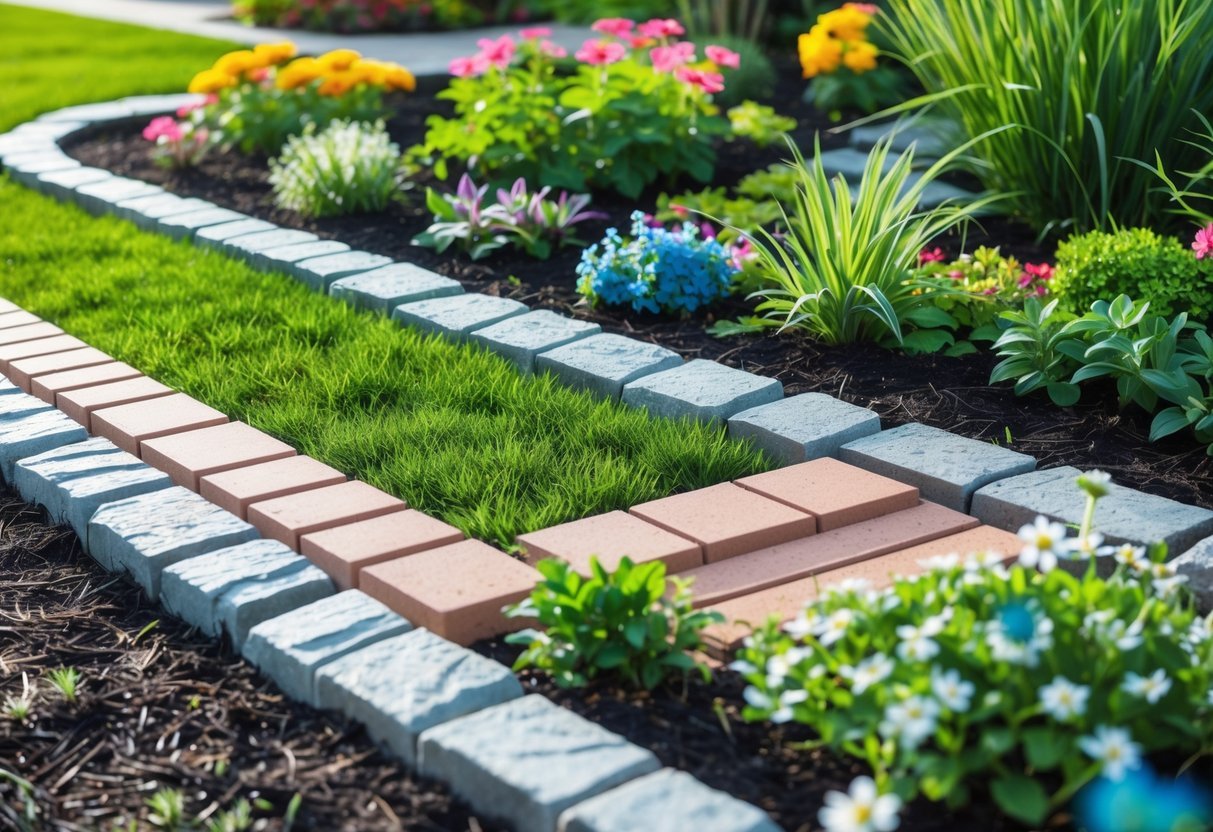
These ideas give your beds shape, texture, and contrast. You can pick flowing curves, stacked layers, or a mix of materials to match your plants and budget.
Curved and Geometric Borders
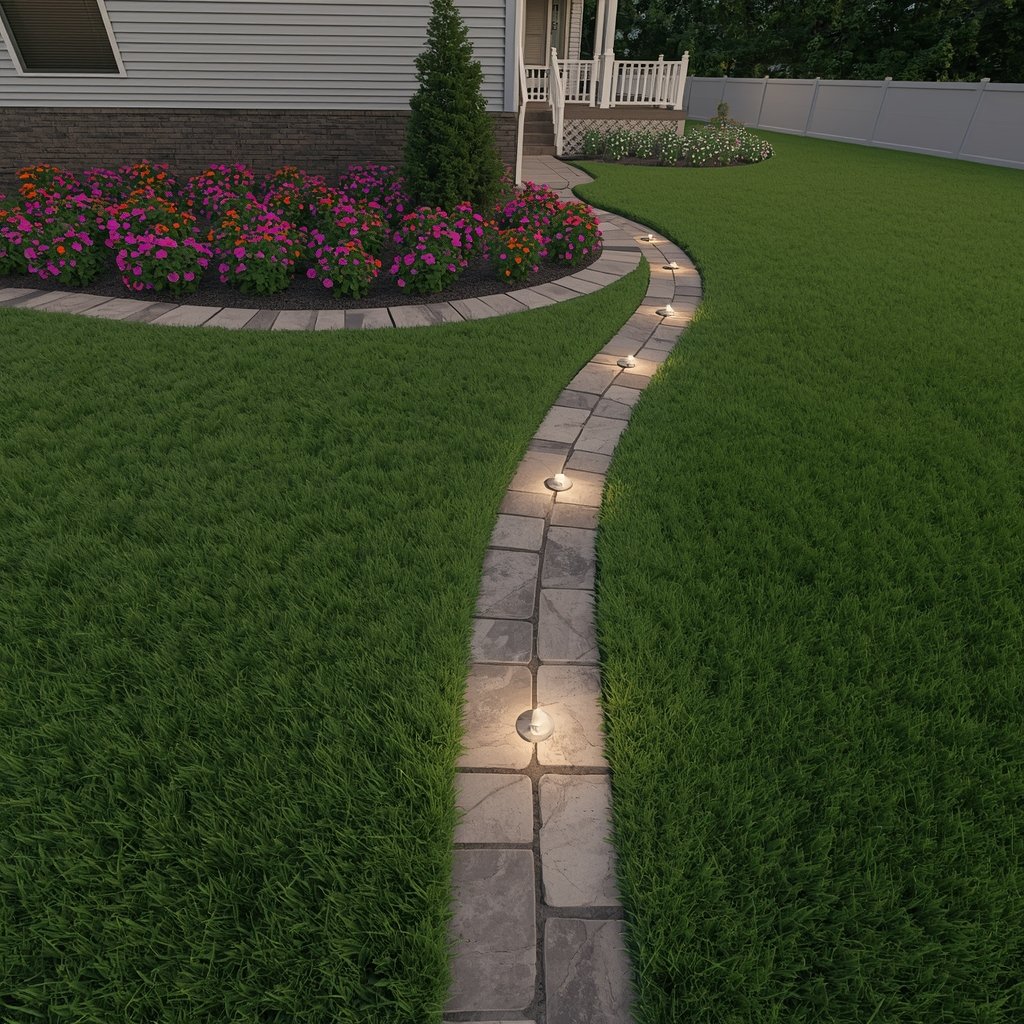
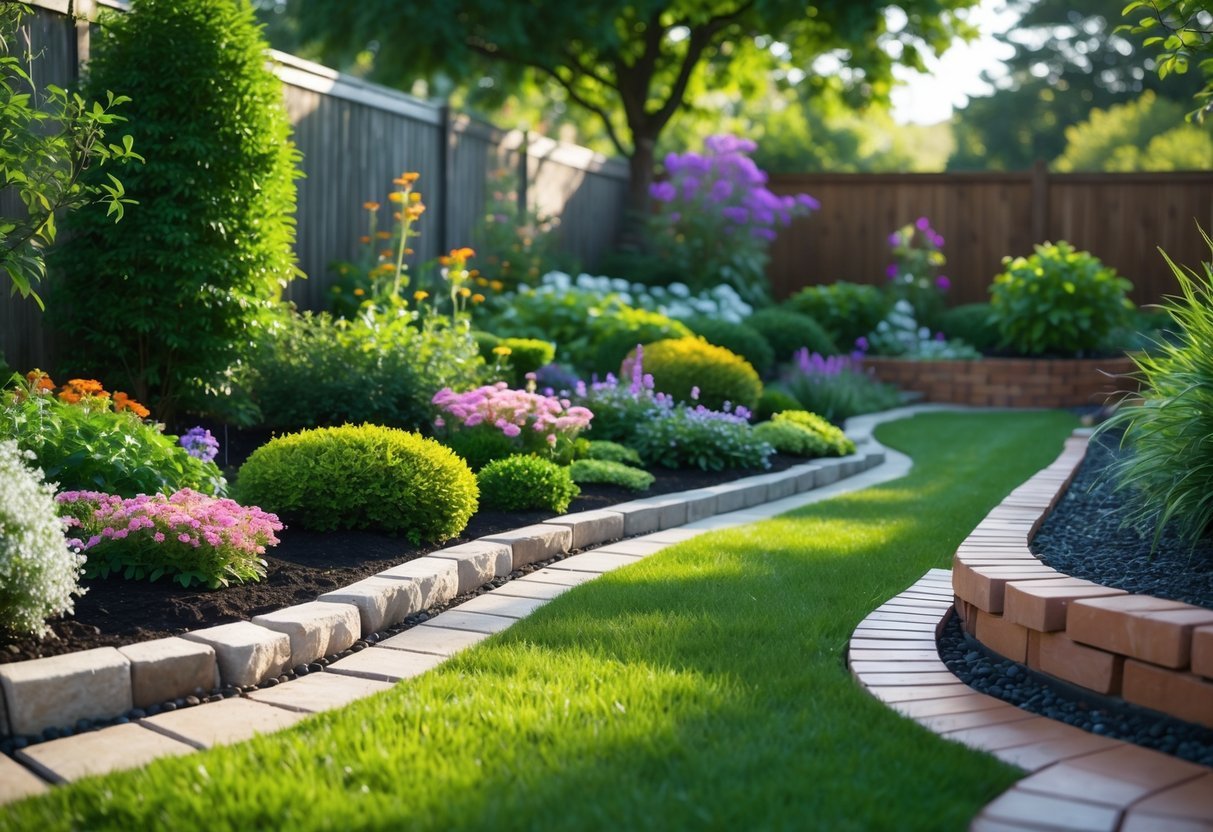
Curved borders soften paths and make small yards feel larger. Use flexible steel edging, scalloped bricks, or a low stone wall to create smooth arcs. For curves, stake a hose or rope to plan the line before you dig. Cut sod along the line with an edging tool or spade to get a clean edge.
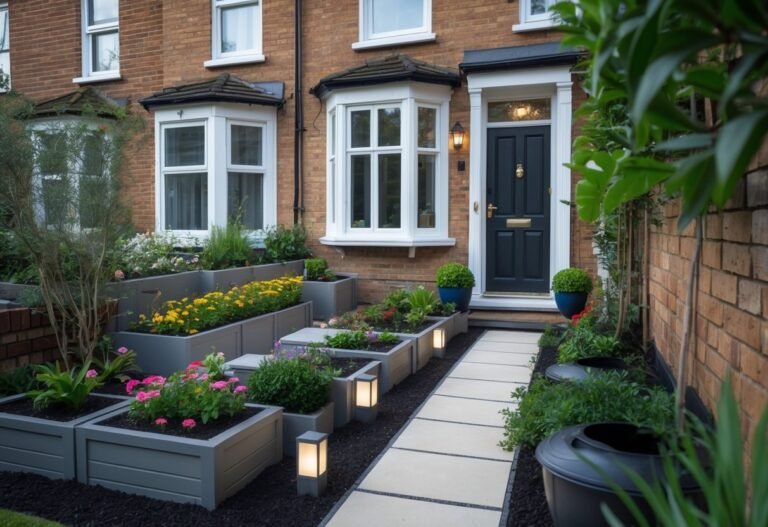
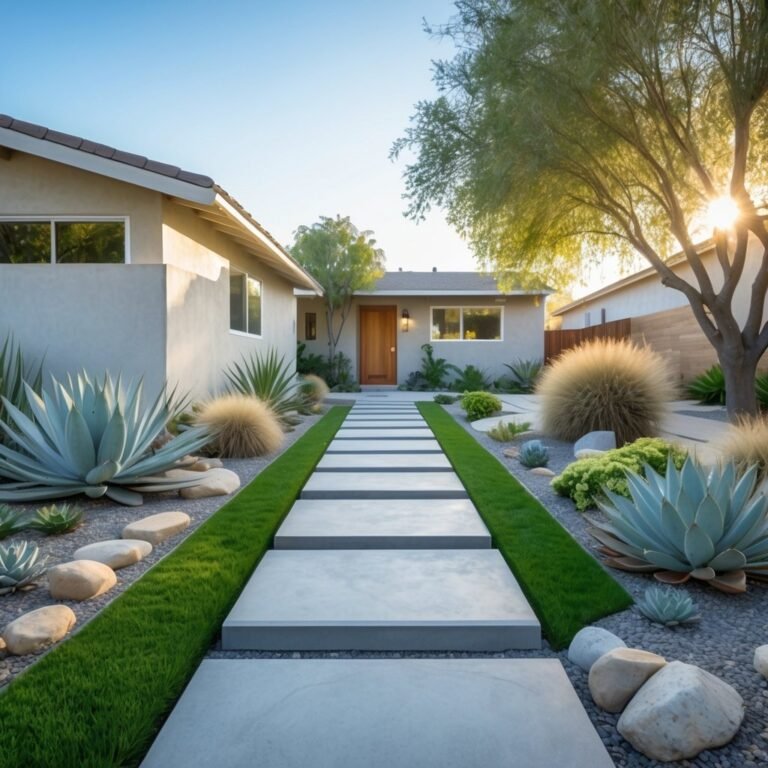
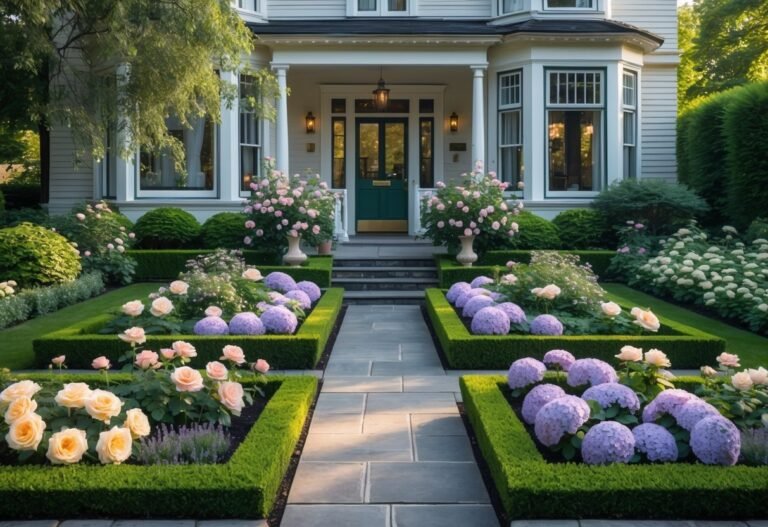
Geometric borders bring a modern, tidy look. Straight lines and right angles work well with formal plantings or contemporary hardscape. Use pavers set on compacted gravel or corten steel for razor-sharp definition. Space joints evenly and keep the base level so the edge stays straight over time.
Maintenance tip: mow and trim along the edge monthly, and reset any stones or metal that shift after heavy rain.
Layered Texture Designs
Layered edging adds depth and interest by combining heights and textures. Start with a low base—gravel or compacted crushed stone—then add a row of larger rocks, bricks, or timber on top. The visual steps guide the eye and help contain mulch and soil.
Use contrasting textures to highlight plantings. Smooth pavers next to rough river rock creates a clear border that still feels natural. For raised beds, stack two courses of brick or stone with a small cap to form a neat ledge. This also gives you a place to sit or set tools when you work.
Durability note: place landscape fabric under loose materials to slow weed growth and prevent mixing of soil and gravel.
Mixed Material Edging
Mixing materials gives you flexibility and a custom look. Combine metal strips with gravel-filled seams, or pair reclaimed wood with concrete pavers for a rustic-modern feel. Match materials to the garden style: weathered wood and fieldstone for cottage gardens, sleek steel and slate for modern schemes.
Think about installation: use metal edging to anchor loose materials and prevent gravel from spreading. Glue or mortar can secure pavers to timber for a permanent edge. For budget options, alternate inexpensive bricks with planted groundcover to hide gaps and create a living border.
Practical tip: choose materials with similar maintenance needs so you don’t create high-upkeep zones next to low-care beds.
Installation Tips and Maintenance
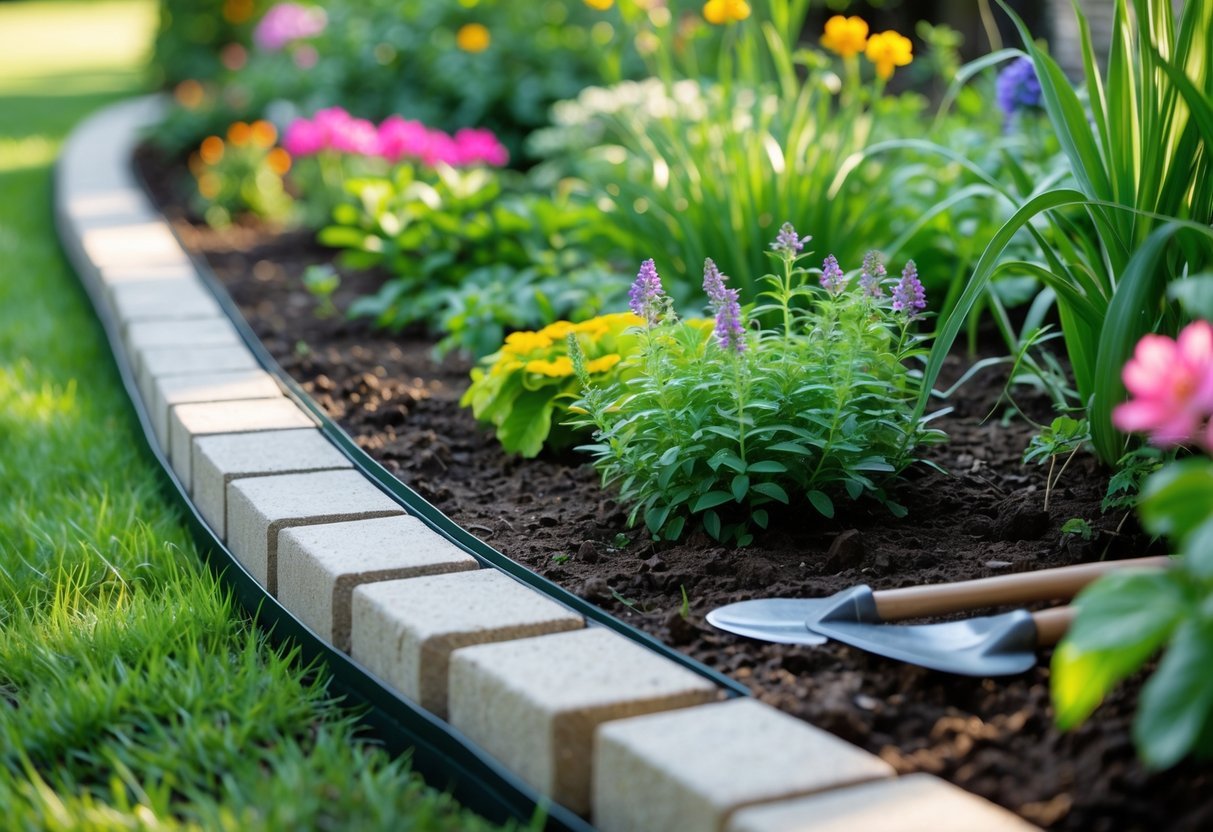
Plan measurements, prepare the soil, and set materials so edges stay straight, level, and anchored. Pick the right depth and base for your material, then set a simple maintenance routine to keep borders neat and functional.
Planning and Measuring
Measure the bed perimeter with a tape measure or long ruler to get exact linear feet. Mark the line using string tied to stakes or a garden hose for curves. Add 10–15% extra material for cuts, overlaps, and mistakes.
Decide edge height: 2–3 inches for visual definition, 4–6 inches to keep mulch and soil back, and 6–12 inches for root control. Check slope and grade; dig deeper on the high side or step the edge on a steep bank. Locate underground utilities before digging.
Gather tools: shovel, half-moon edger or spade, rubber mallet, level, and a tamper for compacting. For long runs, use galvanized stakes or concrete for stability. Sketch a quick plan noting material lengths and join methods so you buy the right pieces.
Soil Preparation Techniques
Clear grass and weeds along the line for a 6–12 inch width depending on your edging material. Remove roots and large stones to create a smooth trench bottom that matches the edge shape.
For rigid edging (stone, brick, concrete), add a 2–4 inch gravel base and compact it. Use a layer of sand for pavers to level and lock pieces. For metal or plastic edging, set edges into a 2–4 inch trench and backfill with compacted soil or gravel to prevent shifting.
If you expect heavy freeze-thaw cycles, dig the base below frost depth for your zone or use a concrete footer for each post. Compact every layer and use a level frequently so your edging stays straight and resists heaving.
Long-Term Care and Upkeep
Inspect edges twice a year—spring and fall—to spot shifts, gaps, or root intrusion. Tighten or re-anchor stakes and reset any settled stones or pavers within a few inches before problems spread.
Control grass and weeds by maintaining a 2–3 inch clear strip along the edge. Use a string trimmer carefully or install a narrow strip of landscape fabric under mulch where plants are sparse. Replenish gravel or sand where washout occurs after heavy rain.
For wood edging, apply a wood preservative every 2–4 years and replace any rotted sections promptly. For metal, watch for rust and touch up paint or replace corroded stakes. Keep soil and mulch level even to prevent burying low-profile edging.
Frequently Asked Questions
This section answers practical questions about materials, installation, and style. You’ll find step-by-step tips, low-cost material options, and clear design ideas you can use right away.
What are some effective techniques for edging small gardens?
Use narrow, low-profile edging to avoid eating space. Install metal or plastic strip edging sunk into the soil for a clean line and to stop grass from creeping in.
Create shallow trench borders for bricks, pavers, or stones so they sit level with the soil. This keeps pathways accessible and makes mowing easier.
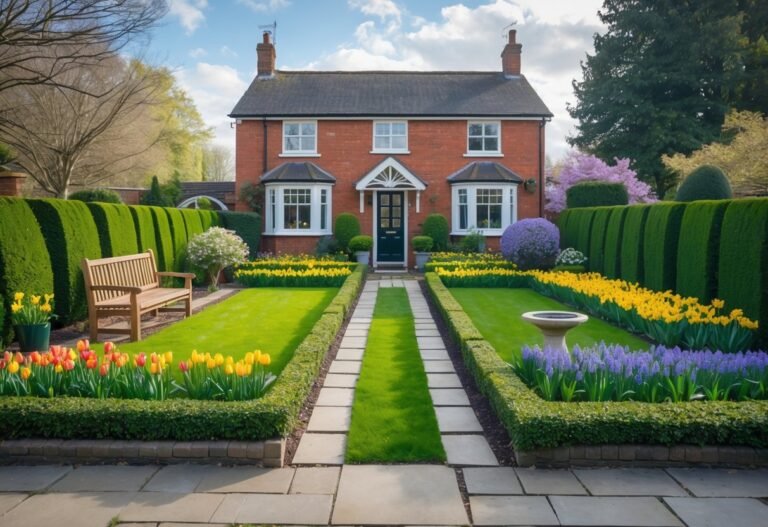
Plant low, dense groundcovers or dwarf boxwood along the edge for a soft living border. Trim regularly to keep a neat shape.
How can I create simple yet aesthetically pleasing garden edging?
Choose materials that match your home and plants—natural stone for a cottage look, sleek metal for a modern garden. Keep the edge height subtle (1–3 inches) for a tidy appearance.
Use repeating shapes or consistent spacing to make the edge look planned. For curves, use flexible materials like steel strip or poured concrete to keep smooth lines.
Add gravel or mulch behind the edging to improve drainage and reduce weeds. That small detail makes edges last longer and look sharper.
What are budget-friendly materials to use for garden edging?
Recycled bricks or pavers often cost little and create a classic edge. Bottle edging or reclaimed concrete pieces can also work and cut waste.
Plastic or PVC strip edging sells cheaply and installs fast with spikes. It won’t last forever, but it’s a low-cost, low-effort option.
Gravel or compacted decomposed granite creates an inexpensive and durable border when held by a simple timber or edge restraint.
Can metal be used for garden edging designs, and if so, how?
Yes. Steel or corten steel strips provide a thin, clean line and last many years when installed correctly. Sink the metal 2–4 inches into compacted soil and secure with stakes for stability.
Bendable metal strips let you form tight curves without joints. Seal cut edges and watch for rusting if you want a non-rusted finish.
Metal pairs well with modern plantings and hardscapes. Use it to separate lawn from beds or to contain gravel pathways.
What wood types are best suited for edging gardens and why?
Pressure-treated pine is common because it resists rot and costs less than hardwoods. Use ground-contact rated lumber for a longer life near soil.
Cedar and redwood resist decay naturally and look attractive, but they cost more. They need no chemical treatment and hold up well in wet climates.
Avoid untreated softwoods at ground level unless you plan to replace them often. Add a gravel base and good drainage to extend any wood’s lifespan.
What are some modern approaches to designing garden edging?
Use slim corten steel or black steel for a crisp, contemporary look that contrasts with plants. Those materials create strong lines without bulk.
Try recessed concrete curbs for smooth, durable edges that suit minimalist gardens. You can dye or finish concrete to match colors in your yard.
Combine living edges—like low grasses—with narrow hard edges to soften transitions. Mixing materials creates texture while keeping a clean, modern feel.