7 Courtyard Garden Ideas to Maximize Small Spaces and Year-Round Interest
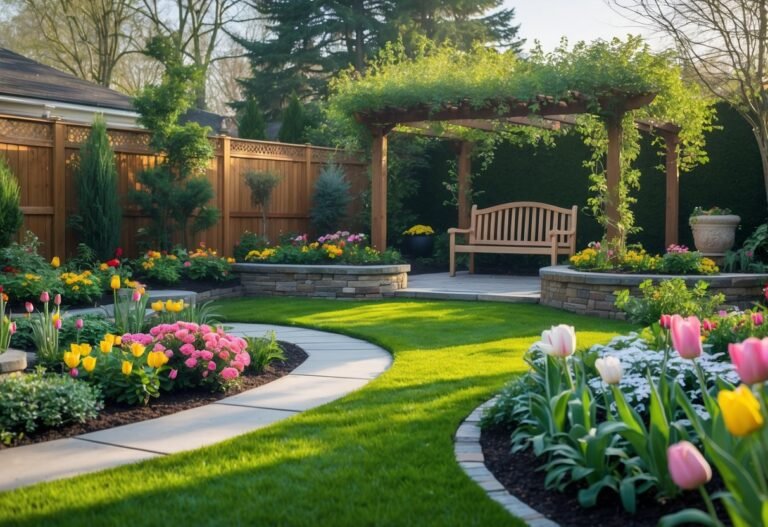
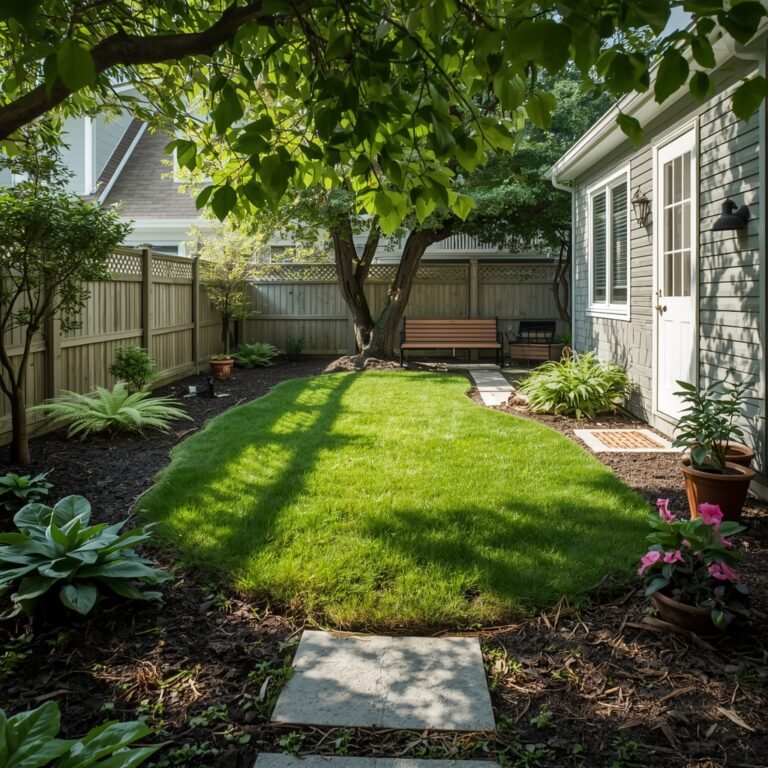
You can turn a small courtyard into a calm, beautiful space that fits your needs and style. This article shows simple, practical ways to add plants, seating, light, and water so your outdoor area feels like an intentional extension of your home.
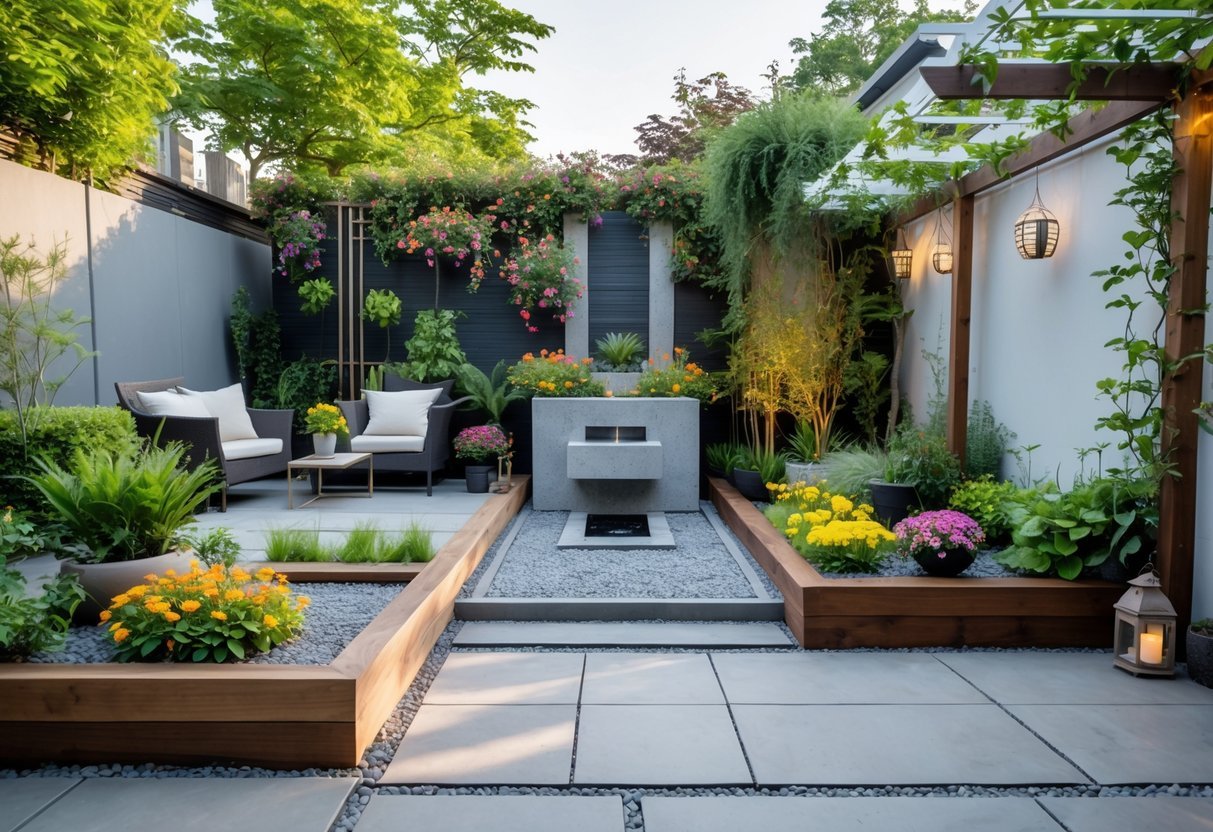
You will learn ideas that save space, cut maintenance, and boost comfort—so you can make a courtyard that looks good and works for you. Follow along to explore vertical planting, cozy seating, containers, lighting, low-care plants, and other design tips that help you plan and enjoy your ideal courtyard.
1) Vertical garden walls to maximize planting space
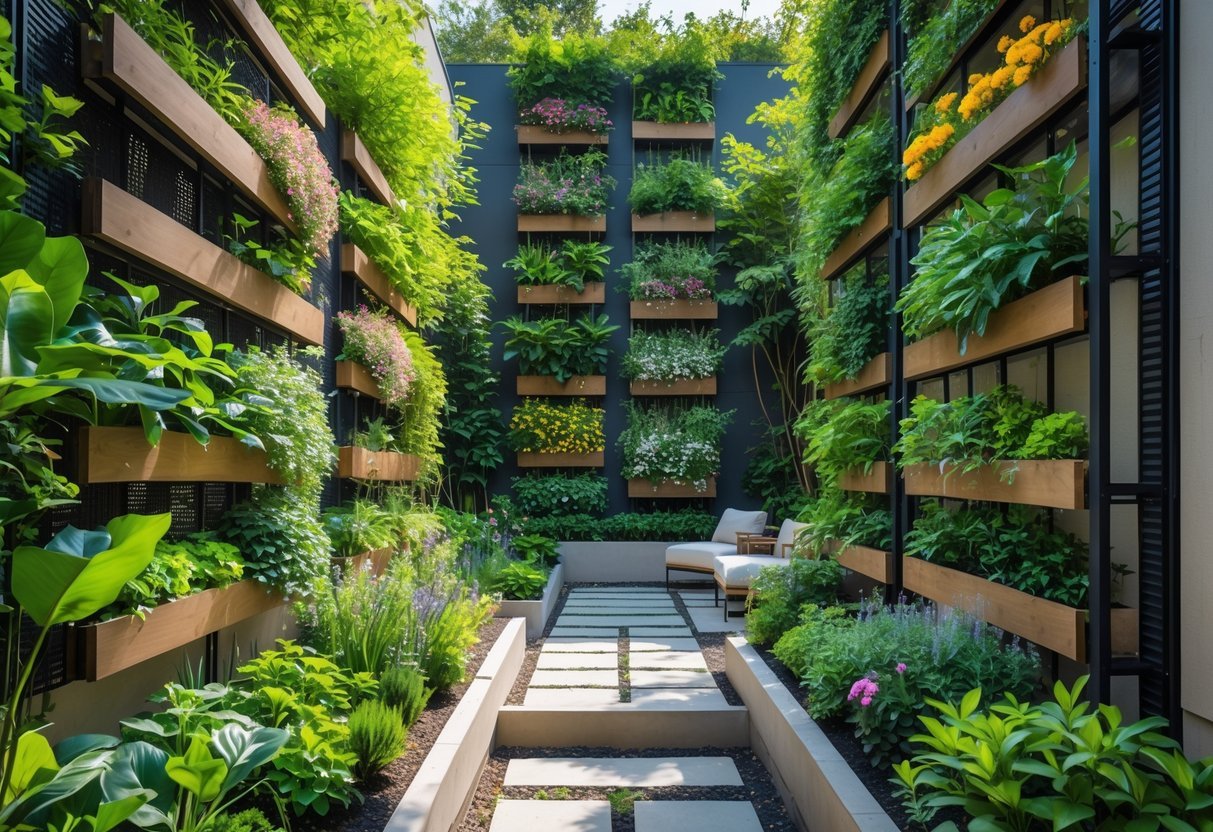
Use vertical garden walls to turn empty walls or fences into planting space. You can fit herbs, flowering plants, and small vegetables without using your courtyard floor.
Choose sturdy panels, pockets, or shelves that match your wall and watering needs. Place shade-tolerant plants where light is low and sun-loving ones where it’s bright.
Mount securely and include a simple drip or hand-watering routine to keep plants healthy. Vertical walls also add privacy and soften hard surfaces.
2) Incorporate cozy, built-in seating areas
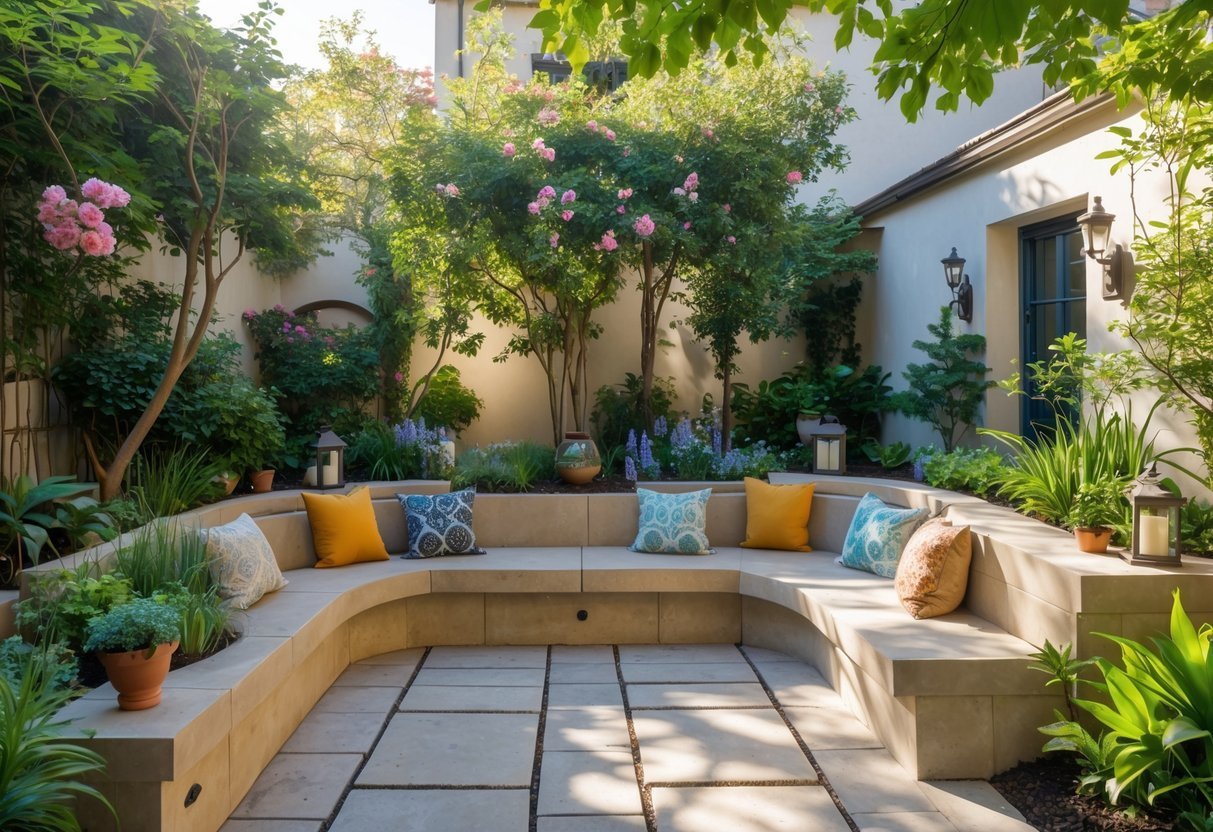
Add built-in benches to save space and give your courtyard a clean, finished look. You can use wood, stone, or composite materials that match your style and last outdoors.
Place seating near plants or a water feature to create a calm spot for reading or talking. Include cushions and storage under the bench to keep the area tidy and comfortable.
3) Use container plants for flexible arrangements
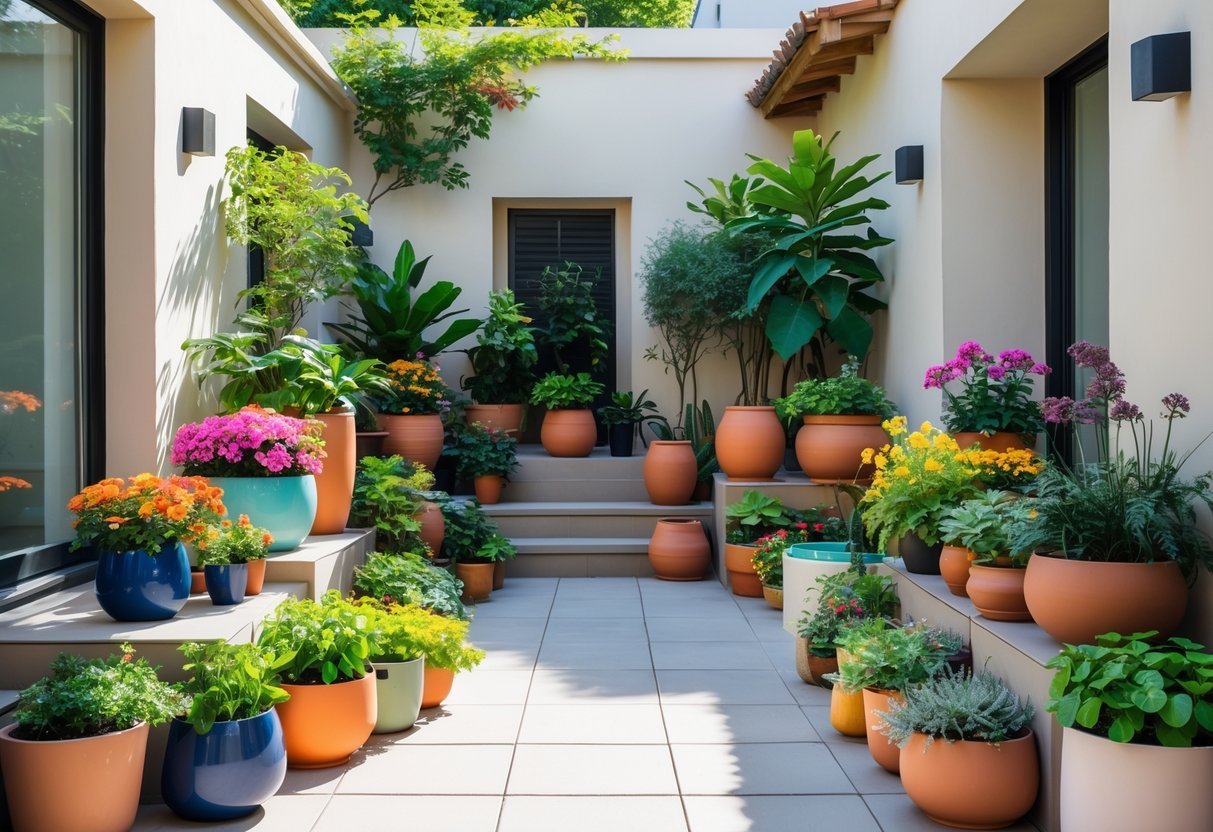
You can move containers to follow sun patterns or change the look of your courtyard. Pots let you try different layouts without digging or permanent changes.
Choose pots that fit the plant and your space. Ensure good drainage and use quality potting mix for healthier plants.
Mix heights, colors, and textures to create interest. Group several containers for a stronger focal point you can rearrange anytime.
4) Add a small water feature for tranquility
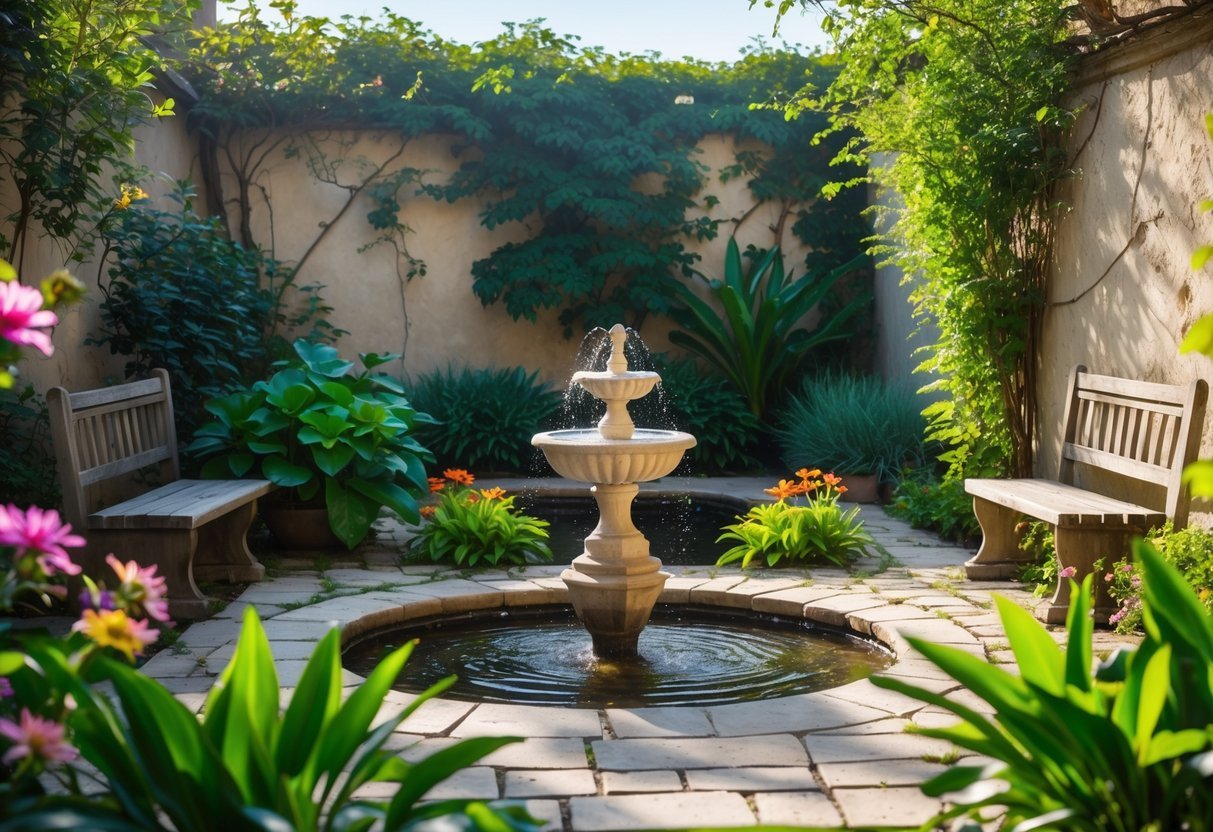
A small fountain or bubbling bowl brings gentle sound that calms the space. You can pick a compact design that fits a patio corner or sits in the center of a paving ring.
Choose materials that match your courtyard—stone, ceramic, or weatherproof metal work well. Install near seating so you notice the water without it overpowering quiet conversation.
Keep maintenance simple: a recirculating pump, occasional cleaning, and seasonal winter care will keep it running. A modest water feature gives steady, low-effort calm to your garden.
5) Choose a dominant color palette for plants and decor
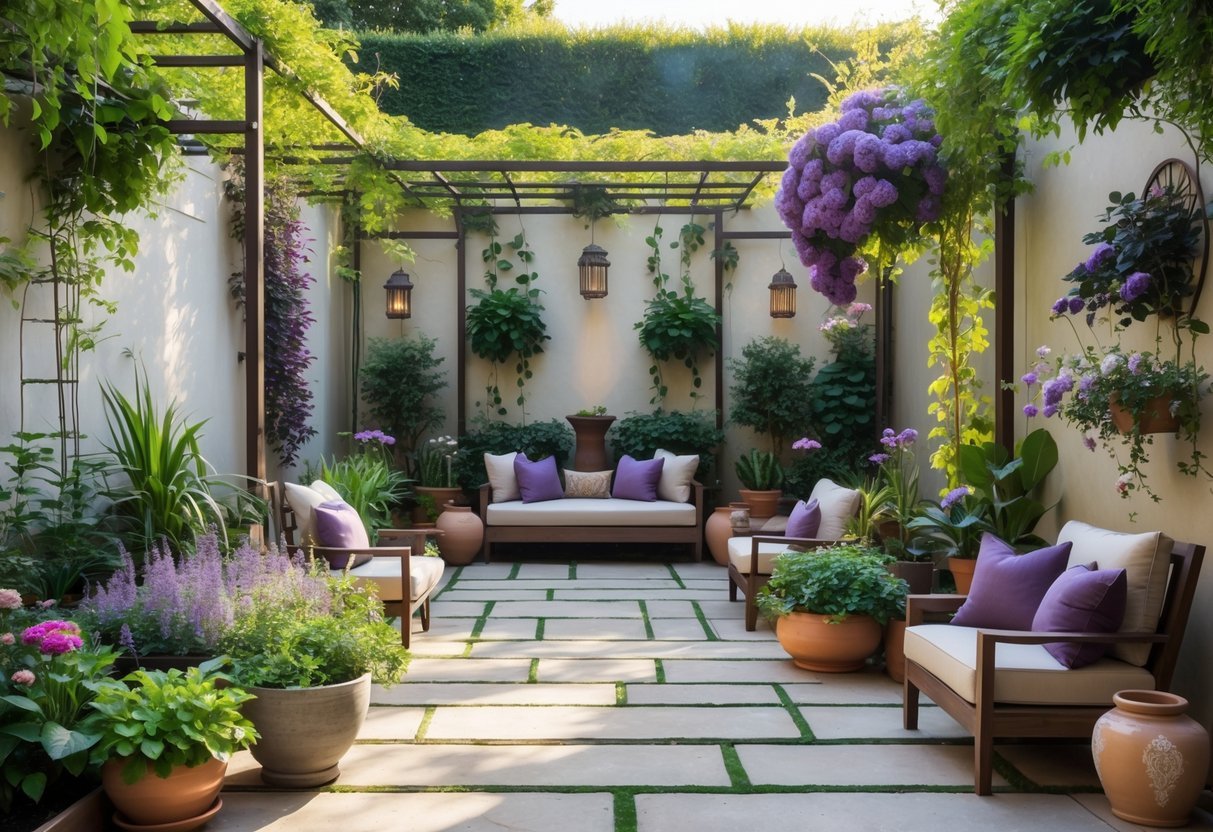
Pick one main color family—like white, purple, or red—to anchor your courtyard. This helps make the space feel calm and planned.
Use different plant shapes and textures within that palette so the garden still feels lively. Add pots, cushions, and art in matching or complementary tones to tie the look together.
Keep one or two accent colors for contrast. That small pop will draw the eye without cluttering the design.
6) Install smart LED lighting for ambiance
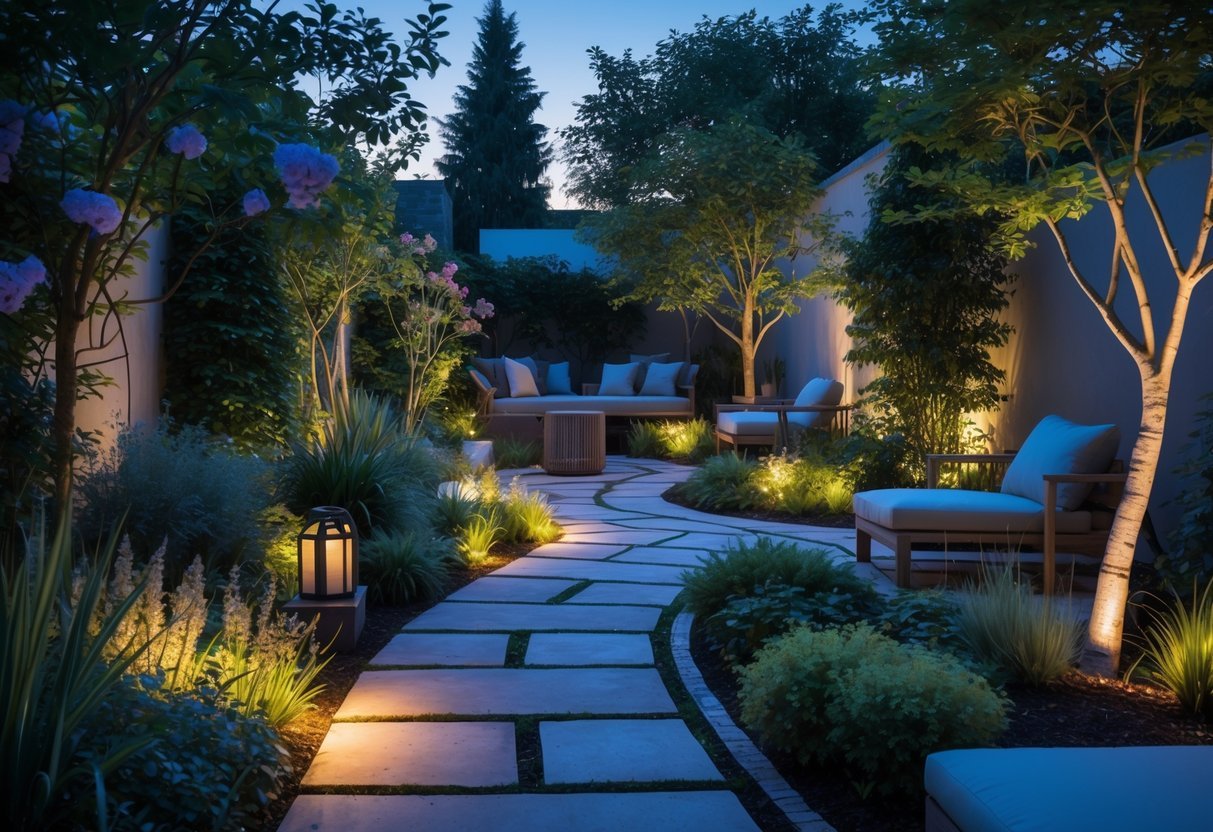
Use smart LED lights to set mood and extend evening use of your courtyard. You can choose warm tones for cozy nights or color-changing LEDs for special occasions.
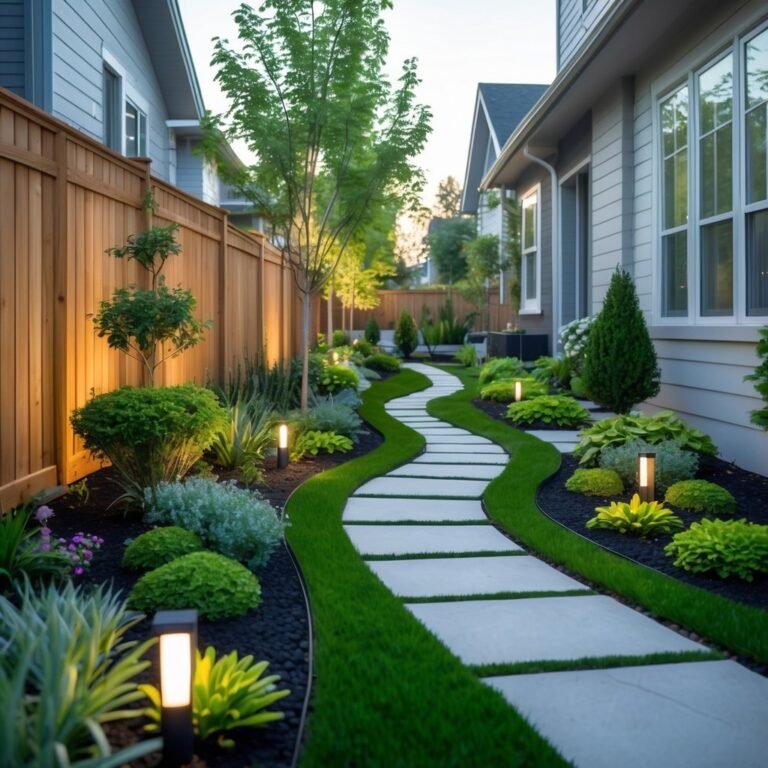
Place lights to highlight paths, seating, and focal plants. Use dimming and scheduling on your phone to save energy and match events.
Pick weatherproof fixtures and low-voltage or solar options for safety and easy installation. Test placements at night before finalizing.
7) Incorporate low-maintenance succulents and shrubs
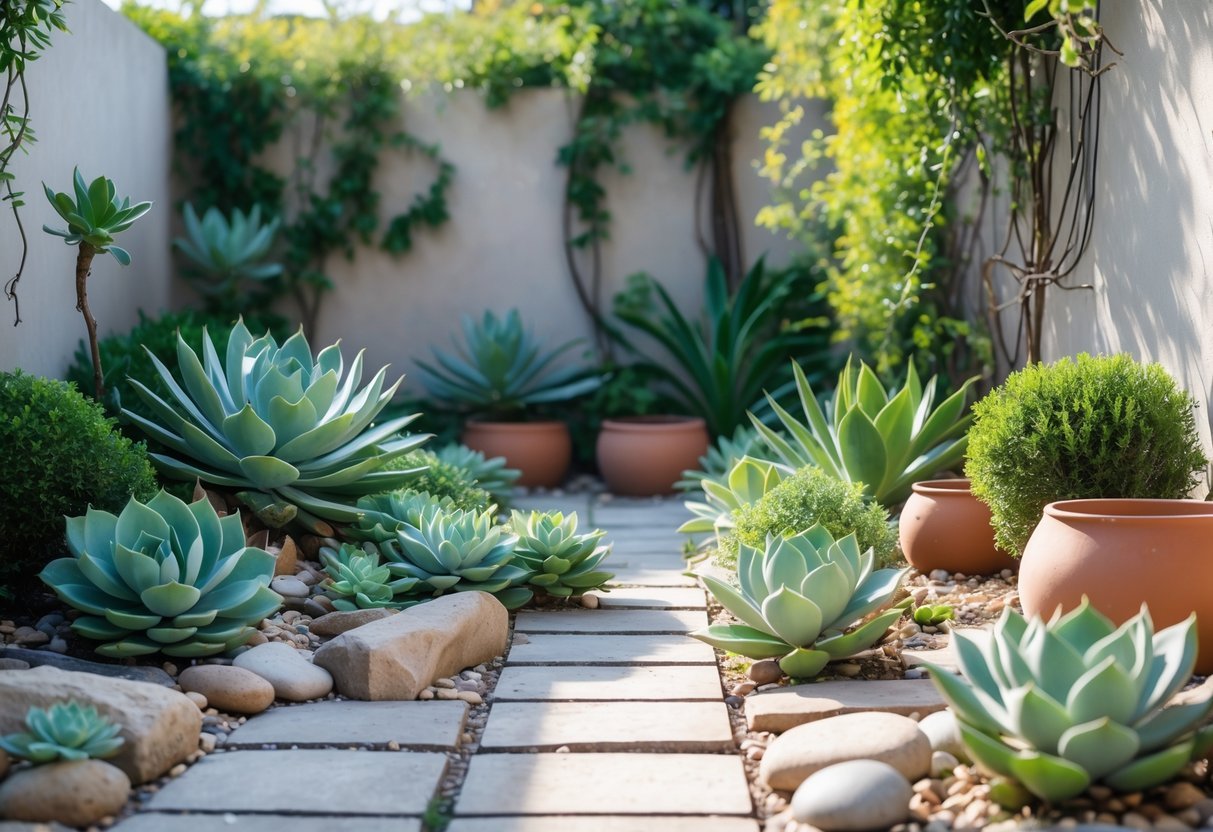
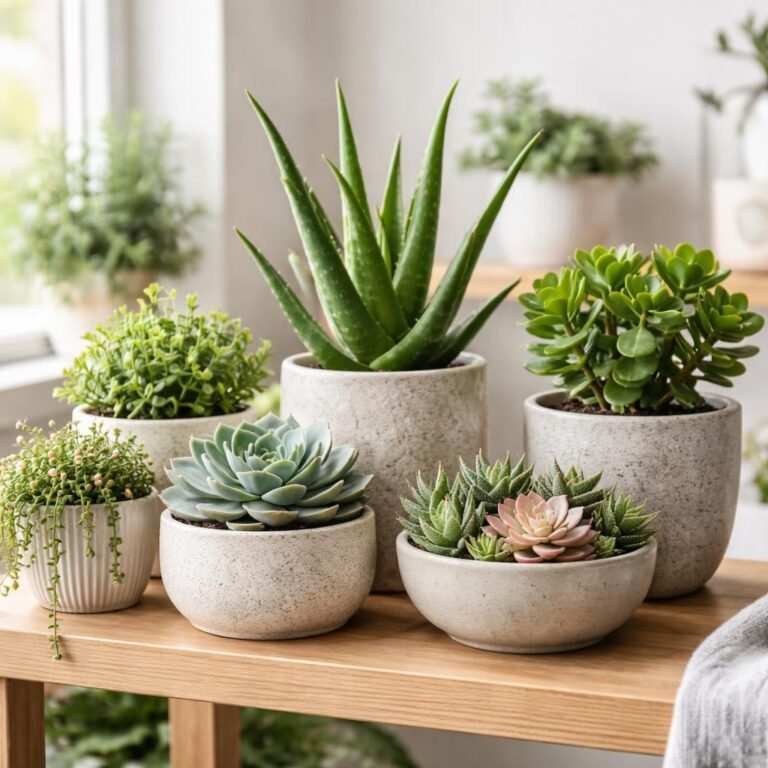
Choose succulents and drought-tolerant shrubs to cut watering and care time. They handle heat, need well-draining soil, and suit containers or beds.
Mix textures and heights for visual interest; small agaves, sedums, and rosemary work well together. Group plants with similar water needs to keep maintenance simple.
Use gravel mulch and raised beds to improve drainage. This reduces root rot and makes your courtyard easier to maintain.
Design Principles for a Courtyard Garden
Focus on how people move through the space and what draws the eye. Use pathways, planting, and a clear centerpiece to make the courtyard feel larger, private, and usable.
Understanding Spatial Flow
Think about the main routes you and guests will take. Place a clear path from the house door to seating, a gate, or a water feature. Use paving, gravel, or stepping stones that match the scale of your courtyard so the path feels natural and not cramped.
Break the area into small zones: a seating nook, a planting bed, and a utility spot for bins or storage. Use low walls, raised planters, or different surface materials to mark these zones without blocking sightlines. This keeps movement easy and makes the space feel bigger.
Aim for sightlines that guide people. Keep tall plants or structures away from the main approach, and use mid-height planting to create gentle transitions. Ensure door swings and furniture positions leave at least 90 cm (3 ft) clear for walking.
Incorporating Focal Points
Choose one main focal point and one or two secondary touches. A fountain, sculpture, or a bold tree works well as the main anchor. Place it where you naturally stop or where paths meet so it draws attention from multiple angles.
Use lighting and texture to enhance focal points. Uplights, lanterns, or a strip of warm LED on a wall will make a feature visible evening and night. Contrast materials—smooth stone around a rough planting bed or a glossy pot against matte brick—to make the focal point stand out.
Keep scale and proportion in mind. A small courtyard needs a compact focal piece (a 1–1.5 m water bowl or a single potted olive). A larger courtyard can handle taller elements but avoid anything that blocks views or makes the space feel crowded.
Maximizing Small Courtyard Spaces
Use furniture sized for the area and grow plants upward to free floor space. Pick pieces that fold, stack, or serve more than one purpose, and choose wall or container solutions for your plants.
Choosing Scaled Furniture
Measure your courtyard before you buy anything. Note clear walking paths of at least 24–30 inches and mark where doors swing so furniture won’t block them. Choose a small bistro set, a narrow bench, or a compact loveseat rather than full-size patio sofas.
Prioritize multiuse items: a storage bench doubles as seating, a coffee table with shelves holds planters, and nesting tables tuck away when not in use. Go for slim profiles and raised legs to keep the space feeling open. If you host, use foldable or stackable chairs you can store against a wall.
Stick to one or two materials and a limited color palette to keep the area visually calm. Add a single outdoor rug sized to anchor seating—avoid oversized rugs that make the courtyard feel smaller.
Vertical Gardening Tips
Pick sturdy wall planters, hanging pots, or a modular panel system to move plants up instead of out. Use lightweight containers and a drip irrigation line or self-watering inserts to reduce watering effort and weight on walls.
Choose plants by exposure: trailing ivies, ferns, and succulents work for mixed light; jasmine or climbing roses suit sunlit walls. Mix sizes—small herbs in pockets, medium perennials in hanging pots, and a few larger container trees on the ground—to create depth.
Secure trellises and anchors into masonry or use freestanding frames if you rent. Leave 2–4 inches between pots for air flow and maintenance access. Rotate seasonal pots to refresh color without reworking the whole system.
Frequently Asked Questions
This section gives clear, practical answers about layout mistakes, plants, privacy, small-space tricks, lighting, and centerpieces. You’ll find specific steps you can apply, like where to place a water feature or which plants suit containers and shady walls.
What are some courtyard design mistakes to avoid?
Don’t overcrowd the floor with too many pots or furniture. Leave clear walkways and a focal point so the space feels open and usable.
Avoid planting everything at the same height. Use vertical garden walls and tiered containers to create depth and sightlines.
Don’t pick plants only for looks; match them to light and watering conditions. Overplanting thirsty species in a sunny courtyard causes constant maintenance.
What plants thrive in courtyard gardens?
Choose drought-tolerant Mediterranean plants like lavender, rosemary, and olive for sunny, dry courtyards. They suit containers and need little water once established.
Use shade-tolerant plants like ferns, hostas, and heuchera where walls or overhangs block sun. These work well in the lower layers of a vertical garden wall.
Pick compact or slow-growing trees such as dwarf citrus or Japanese maple for a central pot. They give height without overwhelming a small space.
How can I create privacy in a courtyard garden?
Install a lattice or trellis against a wall and train climbing plants like jasmine or clematis to it. This adds green cover without taking floor space.
Use tall, narrow containers with bamboo, Italian cypress, or tall grasses along sightlines. They form living screens that you can move if needed.
Build built-in seating with a high back or a raised planter behind it. This doubles as seating and a privacy barrier.
How to make the most of a small courtyard garden?
Maximize vertical space with a garden wall or hanging planters. This frees the floor for seating and a small water feature.
Choose multi-use furniture, such as built-in benches with storage. Keep pathways narrow but clear to make the area feel larger.
Stick to a limited color palette for plants and decor. A dominant color scheme creates unity and reduces visual clutter.
What are some creative lighting solutions for courtyard gardens?
Mount wall sconces at eye level to wash light across textures and plants. They highlight vertical garden walls without using floor space.
String warm LED fairy lights above seating for soft ambiance. You can drape them from anchors or between walls.
Place low, waterproof spotlights near a small water feature or focal plant. They add drama at night without bright, harsh light.
What to put in the middle of a courtyard?
Use a small water feature—like a bubbling bowl or fountain—as a calm focal point. It fits in tight spaces and adds sound without needing much maintenance.
Place a single specimen plant in a raised planter or large container, such as a dwarf citrus or sculptural succulent. It draws the eye and anchors seating.
Create a compact seating group with a round table and two chairs if you want dining. Round shapes fit narrower courtyards and keep circulation smooth.