
7 Secret Garden Ideas to Transform Small Spaces Into Lush, Private Retreats
You can turn a plain corner of your yard into a calm, private place that feels special and inviting. This article shows simple, practical ways to build a secret garden so you can enjoy quiet moments, privacy, and a slice of nature right outside your door.
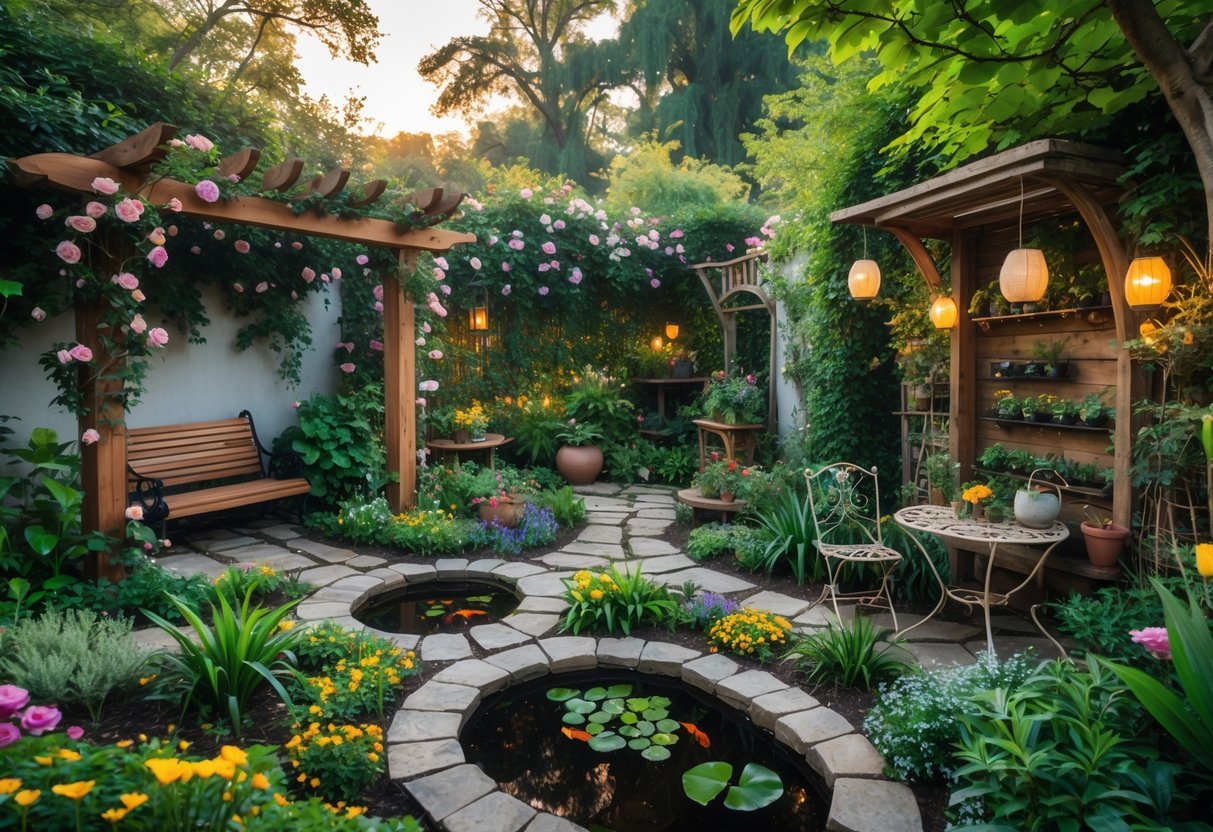
You will find ideas for entrances, seating, plants, paths, water features, and small decorative touches to shape the mood you want. Use these tips to plan a space that fits your time, budget, and the seasons, and start creating a hidden garden that feels like your own quiet retreat.
1) Stone Archway with Grape Vines Entrance
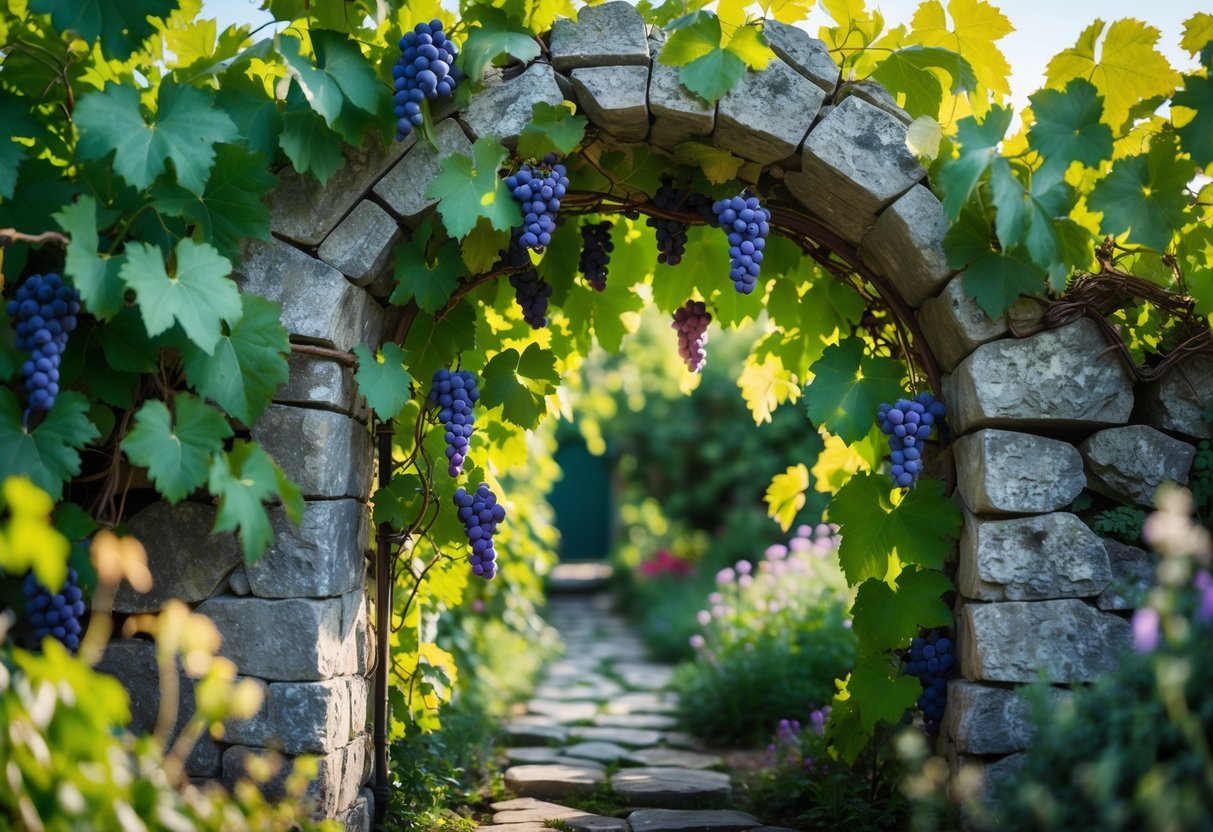
You can build a stone archway to mark your garden’s threshold. The rough stone adds age and texture, and it pairs well with green vines.
Train grape vines up the arch for seasonal leaves and clusters. Grapes give scent and a bit of fruit, and the vines weave into the stones over time.
Place a small bench or stepping stones just inside to invite pause. Keep pruning yearly so the arch stays neat and safe.
2) Victorian Secret Garden with Wrought Iron Furniture
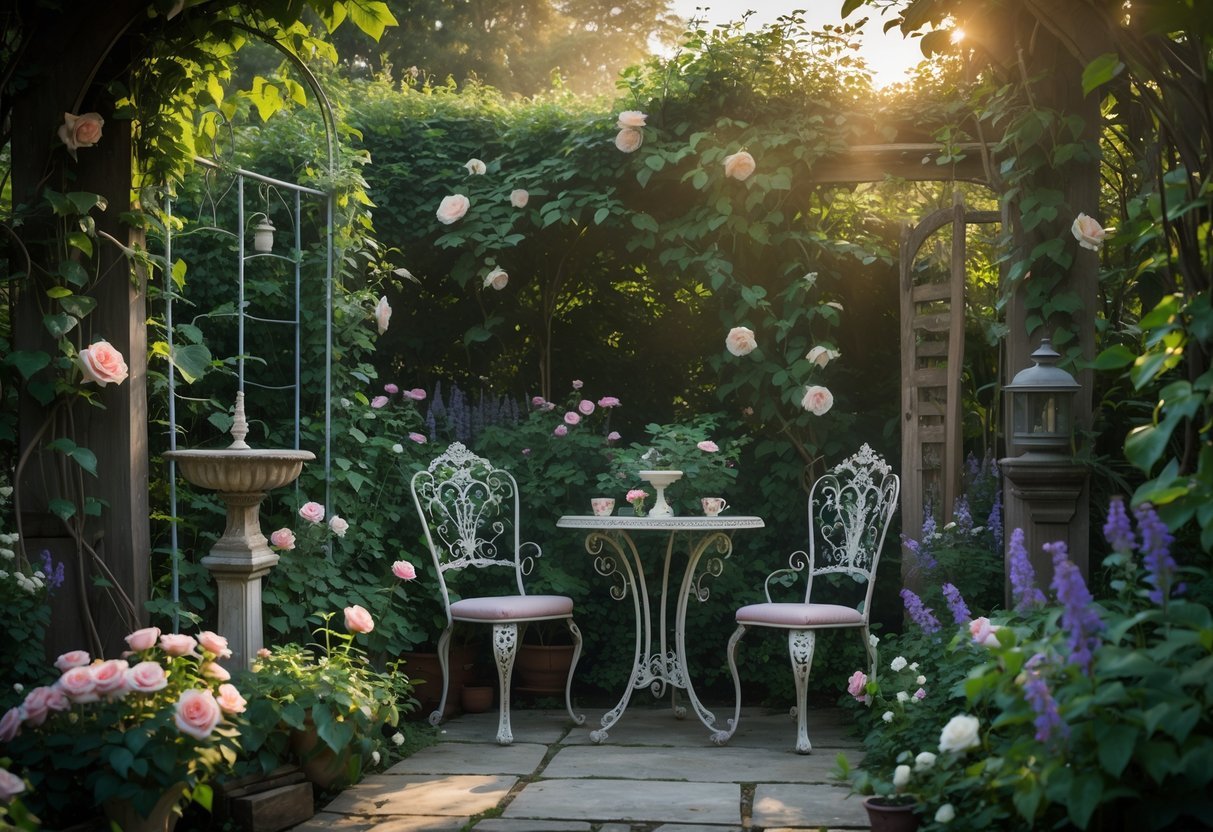
You can set a Victorian mood with wrought iron chairs, a small round table, and an arched gate. Place climbing roses or jasmine on trellises to soften the metal and add scent.
Use formal planting beds with roses, tulips, and lavender for color and structure. Add a stone path and a simple fountain to keep the space calm and balanced.
3) Hidden Pathways Lined with Flower Tunnels
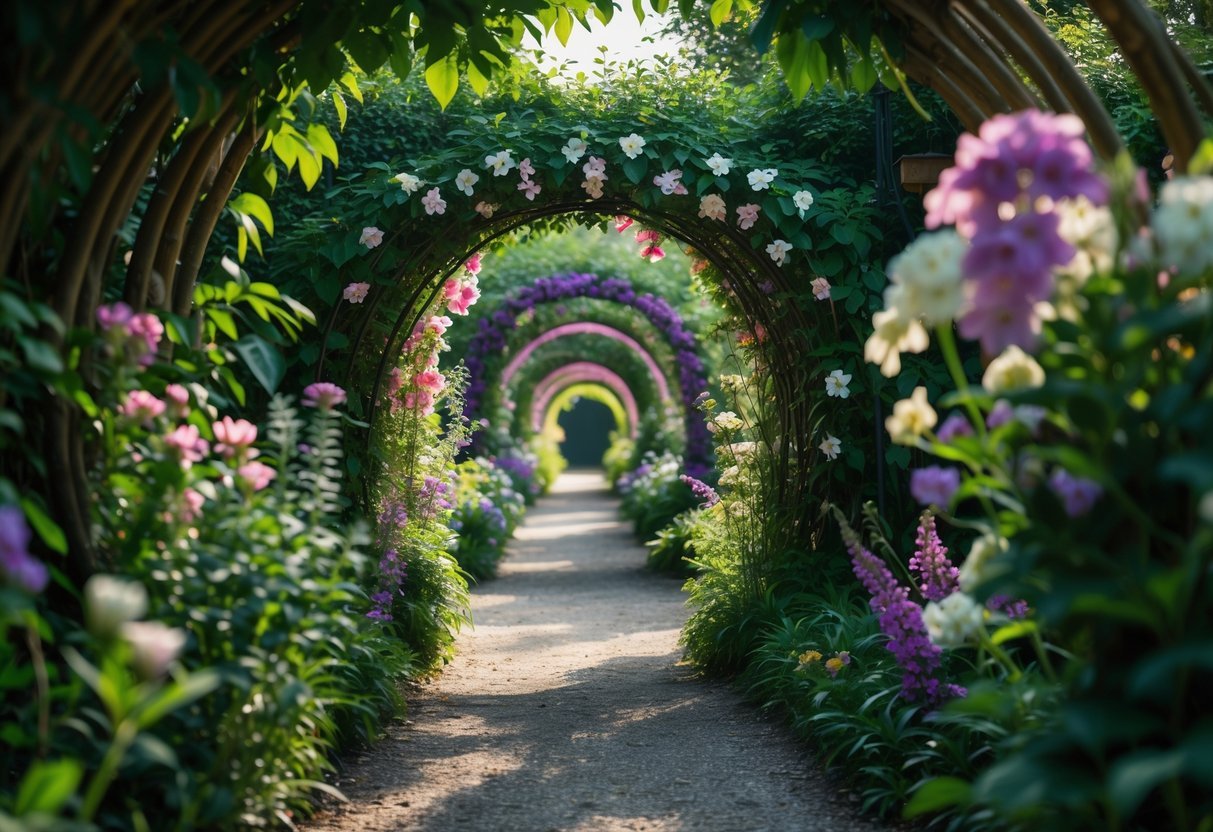
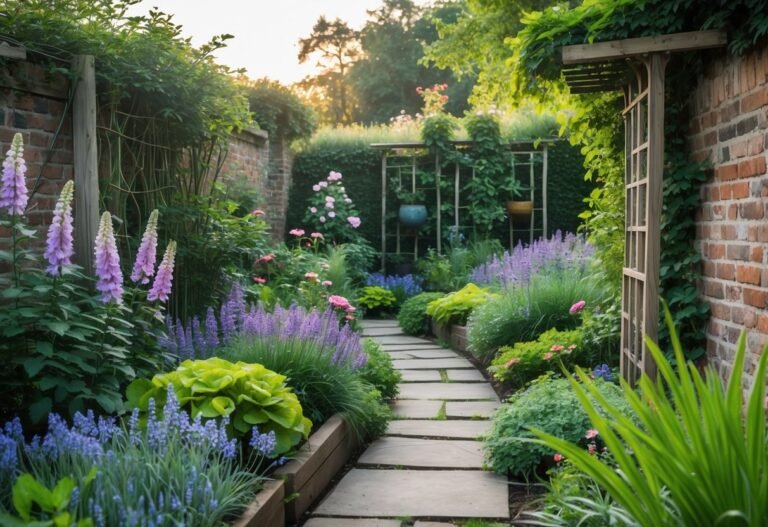
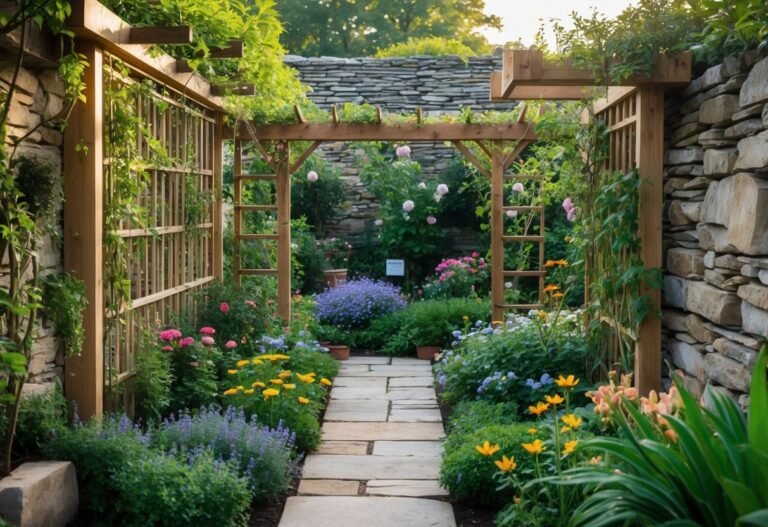
You can create a narrow path that feels private by planting climbing vines or roses on arches. The plants form a soft tunnel that shades the walk and muffles street noise.
Use stepping stones, gravel, or wood chips for the walkway to add texture and guide footsteps. Prune regularly so the tunnel stays open and healthy.
Mix fast-growing vines with longer-blooming perennials to keep color through the seasons. Add a bench or lantern halfway to invite pause and view.
4) Cozy Nook with Lush Greenery and Benches
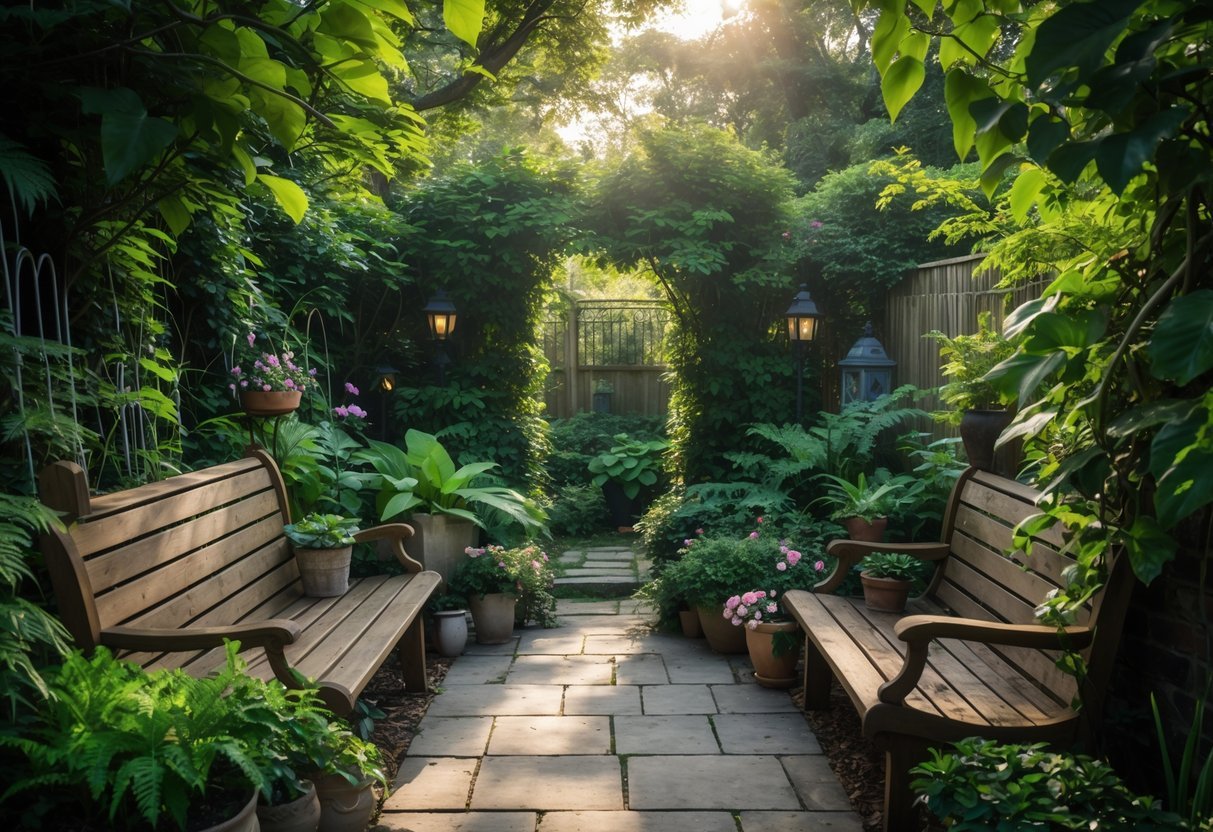
Choose a sturdy bench or built-in seating and place it near flower beds or potted plants for immediate privacy. Add weatherproof cushions and a small side table to hold drinks or a book.
Surround the seating with layers of plants—tall shrubs at the back, medium perennials, and low groundcover—to soften sightlines. Use climbing vines or a trellis to add vertical green and gentle shade.
5) Natural Screens Using Tall Bamboo or Hedgerows
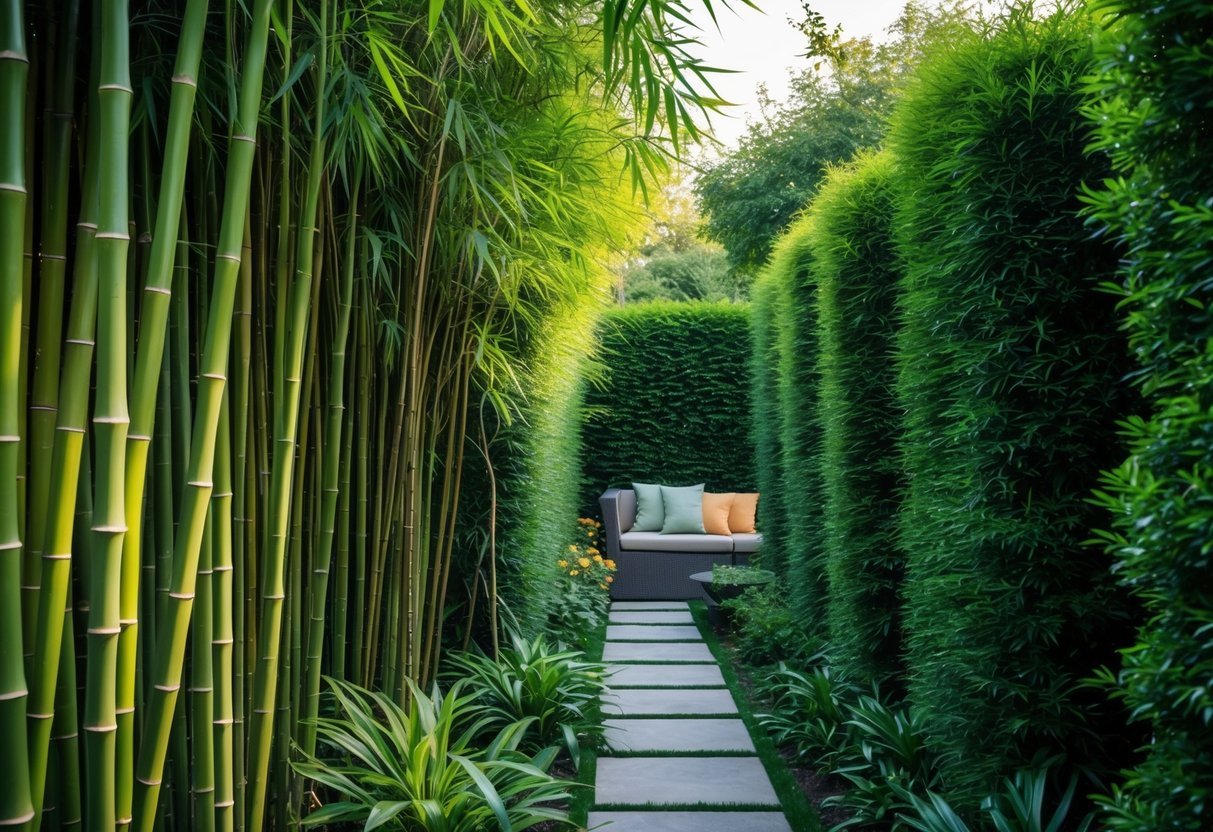
You can use tall bamboo or dense hedgerows to block sightlines and noise without building walls. Bamboo grows fast and gives a slim, vertical look, while hedgerows offer varied texture and seasonal interest.
Plant bamboo in root barriers or containers to control spread. Choose evergreen hedging like laurel or yew for year-round privacy and plant spacing that allows thick growth.
Both options need regular pruning and some maintenance. With care, they create a calm, green room around your garden.
6) Water Feature like a Small Fountain or Pond
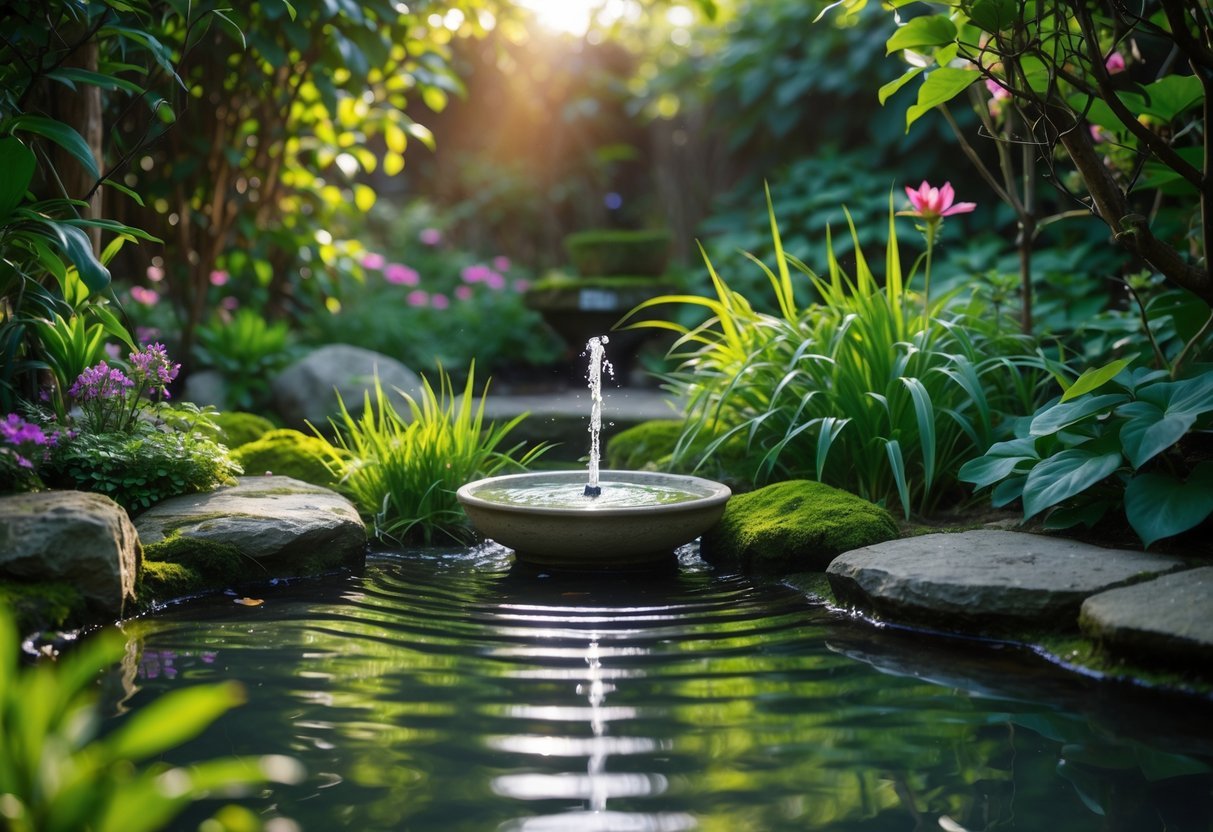
Add a small fountain or pond to create a quiet focal point in your secret garden. The sound of moving water masks noise and draws birds and wildlife to your space.
Choose a container fountain or a shallow pond for limited space. Use a submersible pump and keep edges simple for easy maintenance.
Place the feature near seating or a path so you can enjoy it up close. Regular cleaning and a simple filter will keep water clear and healthy.
7) Whimsical Garden Decor like Fairy Lights
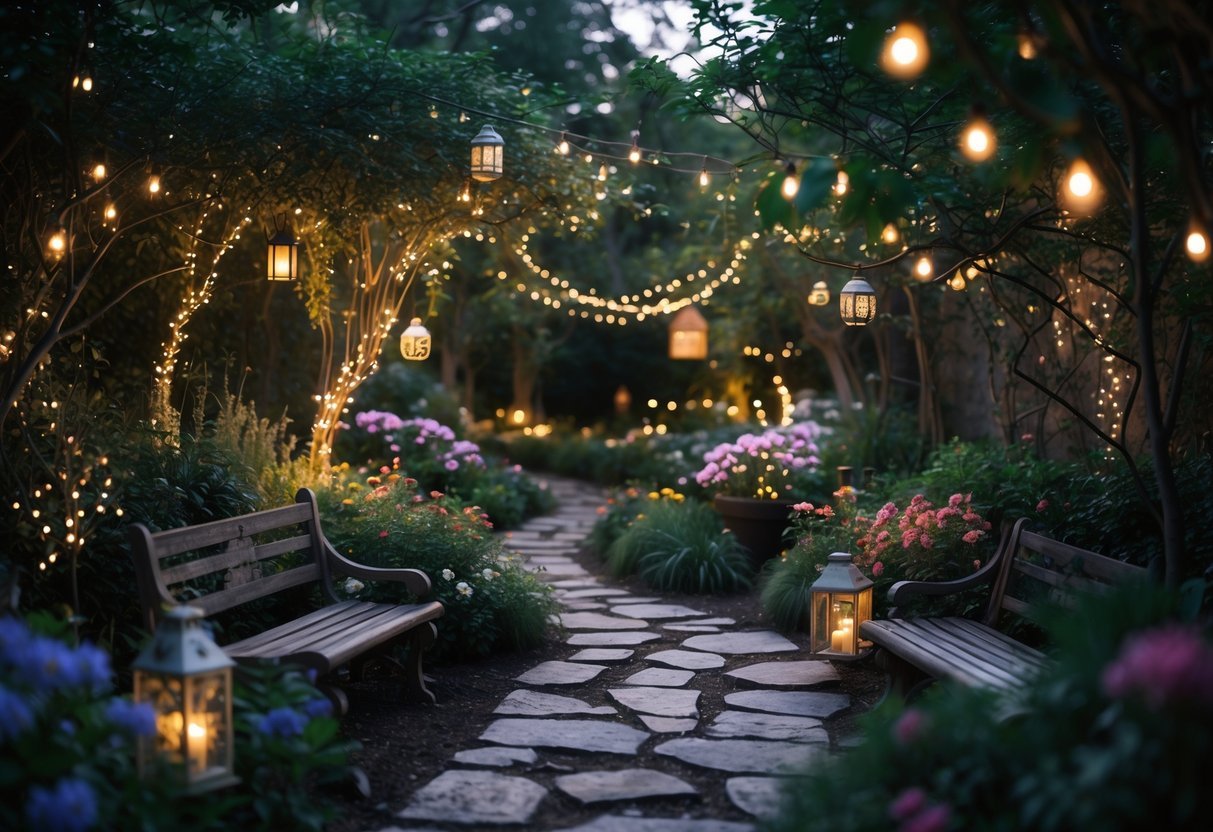
Add fairy lights to paths, trees, or pergolas to make your garden usable after dusk. String lights create soft, even glow without bright glare.
Mix solar or low-voltage lights for easy installation and lower energy use. Use warm white or soft colors to keep the mood calm.
Combine lights with small sculptures, colorful stones, or vintage teacups for a playful touch. Keep cords tidy and choose weatherproof bulbs for safety.
Planning Your Secret Garden
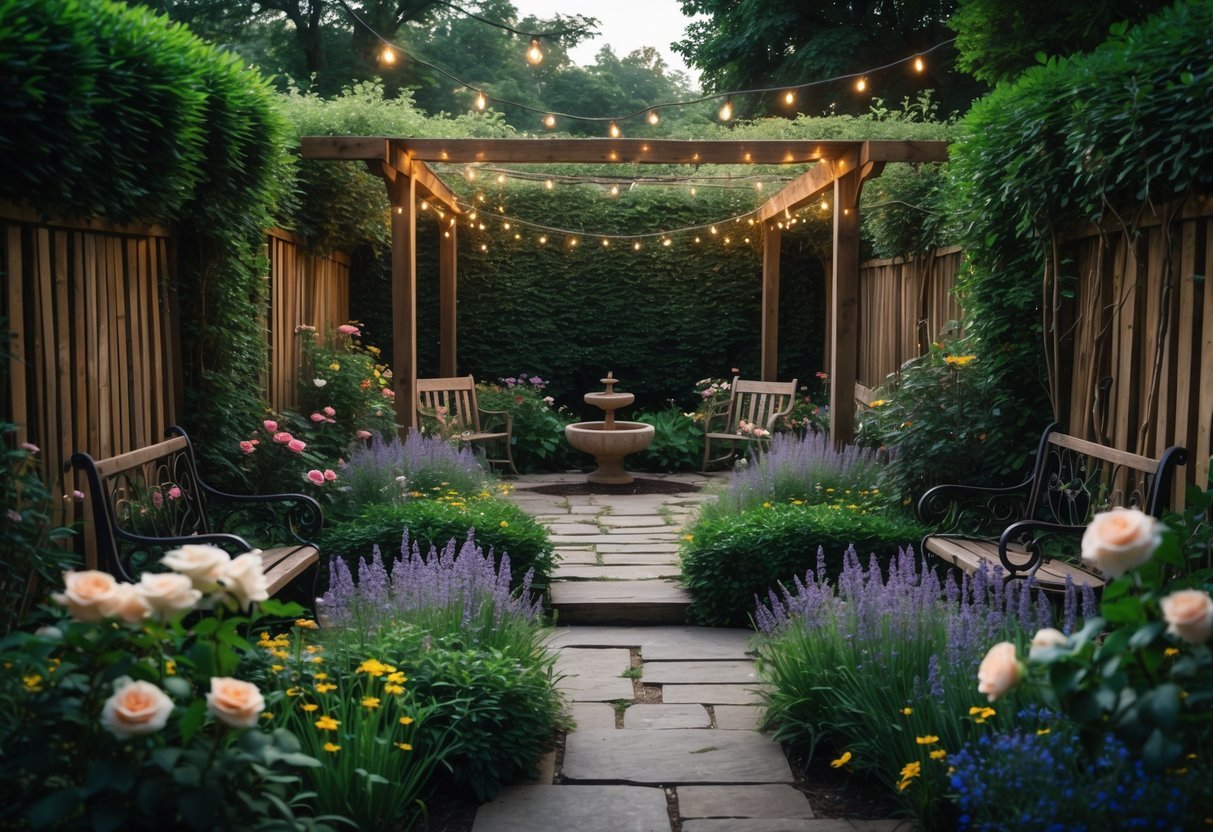
Decide how private you want the space and what features matter most, such as shade, paths, seating, and plant types. Think about light levels, sightlines from the house or street, and how you will enter the garden.
Essential Elements for Seclusion
Choose layers of screening to block views and sound. Combine a fence or wall with tall shrubs (evergreen holly or laurel) and climbing vines on a trellis. A narrow line of bamboo can work, but select clumping varieties to avoid spreading.
Add soft sound buffers. A small fountain, a rustling grass bed, or dense hedging reduces street noise. Place the sound source near seating to mask distant traffic.
Use pathways and sightlines to control what you see. Curved gravel paths and a planted berm create mystery and keep the garden feeling private. Keep seating set back at least 10 feet from any boundary you don’t control.
Choosing the Right Location
Pick a spot that matches your daily habits. If you want morning coffee, choose an east-facing corner that gets sun before noon. For evening relaxation, pick a west-facing spot that holds warmth after sunset.
Check soil and drainage before planting. Dig a test hole 12 inches deep to see if water pools. If it does, raise beds or add gravel under planting areas.
Account for maintenance access. Leave a 3-foot path for mower or wheelbarrow access and plan for irrigation lines or a hose reel near the bed. Place seating on level ground and near power or water if you’ll add lighting or a fountain.
Seasonal Garden Maintenance
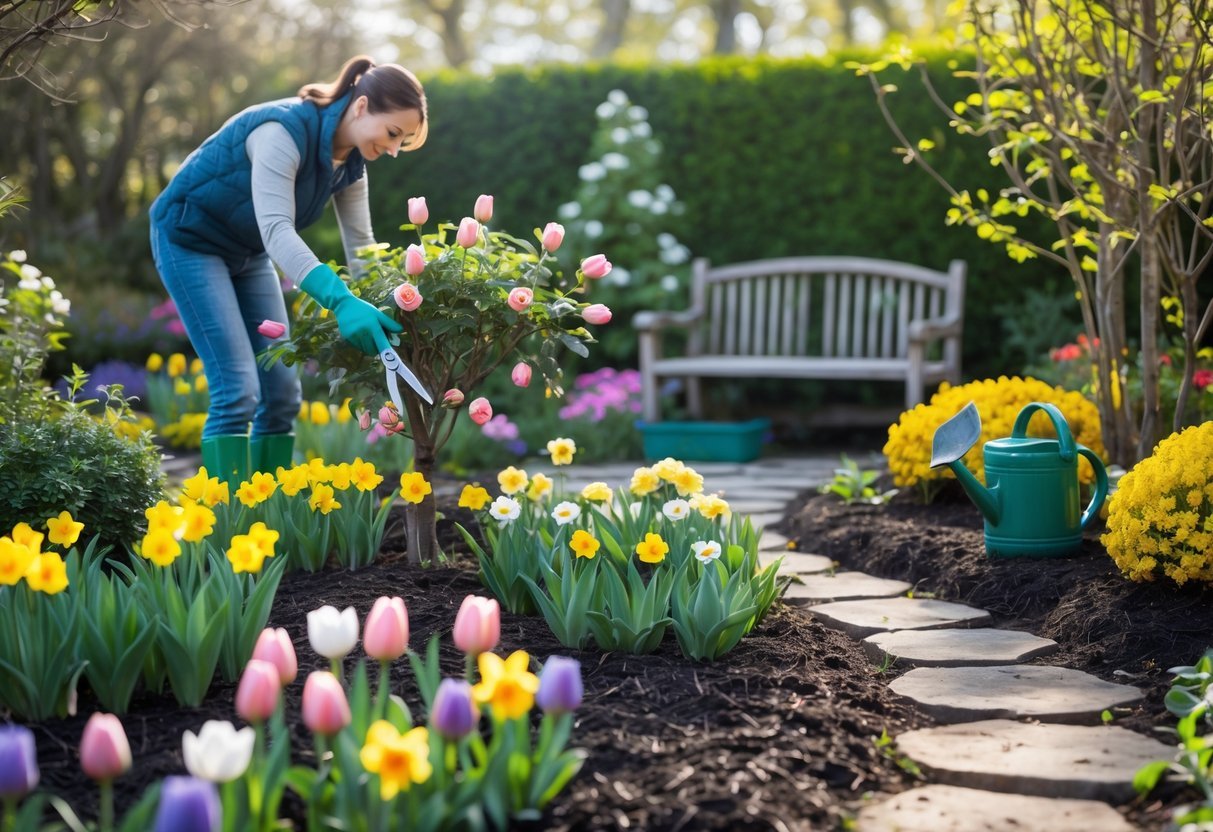
Plan simple tasks each season so your secret garden stays private and healthy. Focus on pruning, mulching, and choosing plants that keep screens thick year-round.
Optimizing Year-Round Privacy
Check living screens every quarter and trim them to keep gaps closed. For hedges like yew or laurel, prune in late spring and again lightly in mid-summer to maintain density without shocking the plant.
Use fast-growing cover where you need quick concealment. Install a trellis and train clematis or climbing roses; tie new growth gently and remove dead canes each winter. For evergreen privacy, thin only the oldest branches in early spring so light reaches lower foliage.
Protect screens from winter damage. Apply a 2–3 inch layer of mulch at the base in late fall to insulate roots. After heavy snow, brush branches upward to prevent breakage. Replace any failed plants in early spring when you can see gaps.
Low-Maintenance Plant Suggestions
Pick plants that suit your climate and need little fuss. Evergreen shrubs like boxwood, yew, and hollies hold shape and color through winter with only occasional pruning.
Add climbers that require minimal care. Clematis armandii and some honeysuckles climb fast and need only annual tidy-ups. Use native grasses or sedges in borders; they provide texture and recover quickly after cutting back in late winter.
Group plants by water need to reduce watering work. Use drip irrigation on a timer for shrubs and deep-rooted perennials. Topdress beds with compost once a year to cut down on fertilizer needs and help soil retain moisture.
Frequently Asked Questions
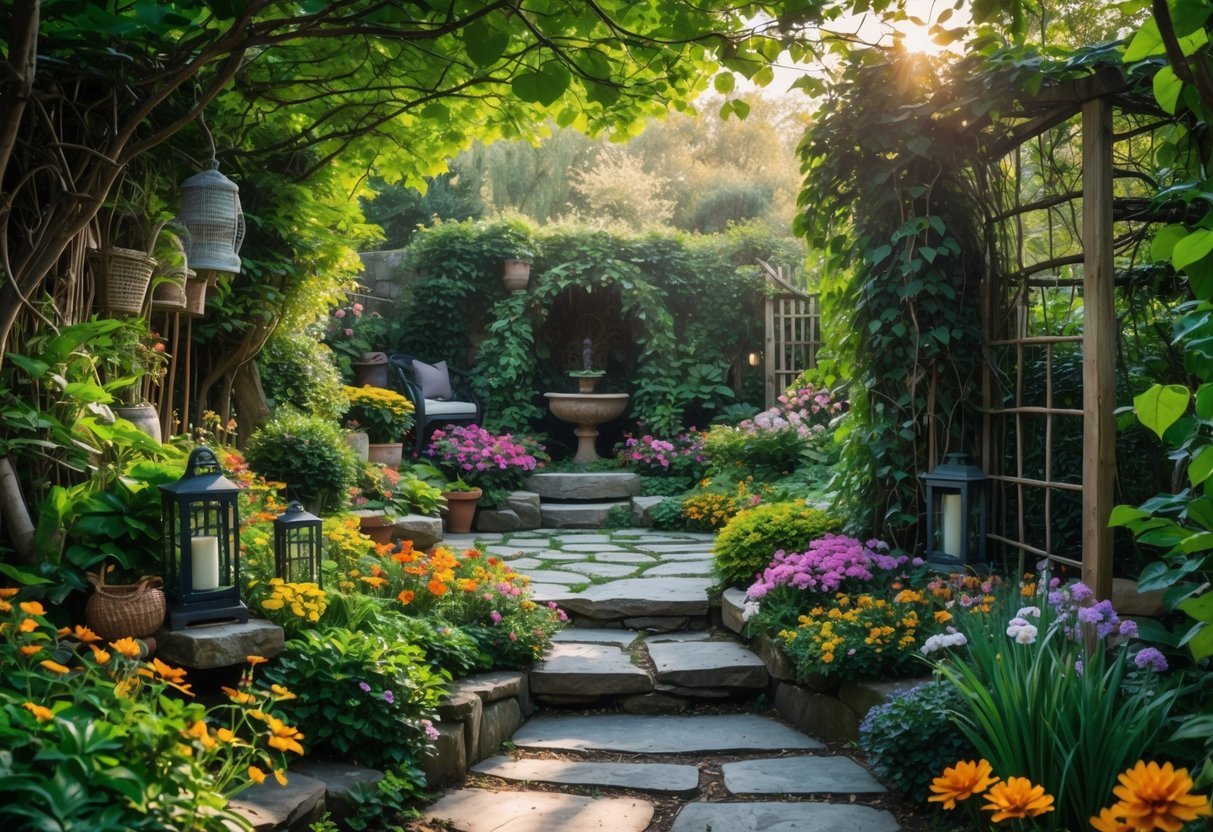
These answers focus on low-cost options, space-saving tricks, standout features, simple DIY projects, smart layout choices, and ways to make your garden feel private and calm.
What are the cost-effective strategies for creating a secret garden?
Use reclaimed or low-cost materials like salvaged bricks, pallets, and secondhand wrought-iron pieces for seating and borders. Plant fast-growing, low-maintenance shrubs and perennials instead of expensive annuals to fill space quickly.
Create screens with bamboo canes, hedgerow cuttings, or inexpensive lattice. Mulch heavily and use drip irrigation to cut water and maintenance costs over time.
How can a small space be transformed into a mystical secret garden?
Pick a focal point such as a small stone archway, a bench, or a compact water feature to draw the eye. Keep paths narrow and curved to create layers and the feeling of discovery.
Use vertical planting—climbing grape vines on an archway or trellis, hanging pots, and tall containers—to add depth without taking floor space. Choose plants with varying textures and scents to enrich the space.
What are some unique elements to include in a secret garden design?
Add a stone archway with grape vines for a classic entrance and instant charm. Place a small wrought-iron bench or table set in a Victorian style for a nostalgic touch.
Line hidden pathways with low flower tunnels or edging plants to guide visitors. Use natural screens like tall bamboo or dense hedgerows to create private pockets.
Can you suggest DIY projects for enhancing a secret garden?
Build a simple stone or gravel path using reclaimed pavers and sand for a rustic look. Construct a timber trellis or archway and train grape vines or clematis to climb it.
Make a bench from pallets or repurpose an old wrought-iron frame with new wooden slats. Create a container water feature from a large ceramic pot, a small pump, and river stones.
What layout considerations are important when planning a secret garden?
Plan entry and focal points first—decide where the archway, bench, or water feature will sit. Lay paths to connect those points with gentle curves rather than straight lines.
Think about sightlines and privacy. Position taller plants and screens to block views from neighbors while keeping sunlight access for key plantings.
How do you create a tranquil and hidden atmosphere in a garden space?
Soften noise with layered planting: shrubs, small trees, and dense ground cover absorb sound. Add running water or a small fountain to mask distant street noise and add a calming rhythm.
Use muted colors and scented plants like lavender or jasmine to soothe. Arrange seating in a cozy nook surrounded by lush greenery so you feel sheltered and private.