Home Garden Ideas for Small Spaces and Low-Maintenance Success
You can make a beautiful, useful garden no matter the size of your space or budget. Choose a few clear goals—grow food, add color, save water, or create a quiet spot—and you will shape every planting and design choice to get fast, satisfying results. Small changes like container planting, vertical walls, or a simple layout can turn a cramped patio into a lush, usable area.
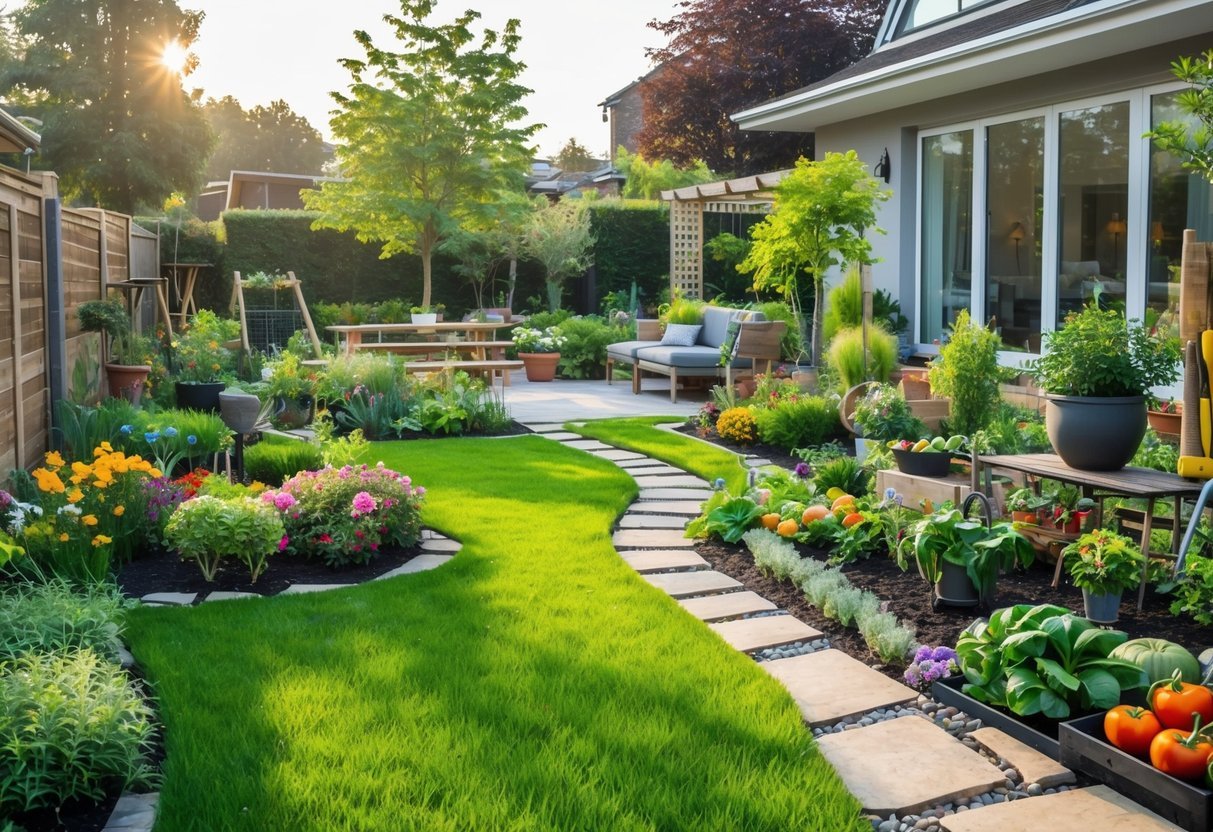
Start with a plan that fits your time and tools, then pick one or two high-impact ideas to try first. Mix practical touches (easy-care plants, water-wise choices) with one or two creative features (bold color, a cozy seating nook, or a vertical herb wall) to make your garden both lovely and livable.
Key Takeaways
- Set clear goals to guide your garden choices.
- Start small with one or two high-impact projects.
- Combine practical care with one creative feature.
Planning Your Home Garden
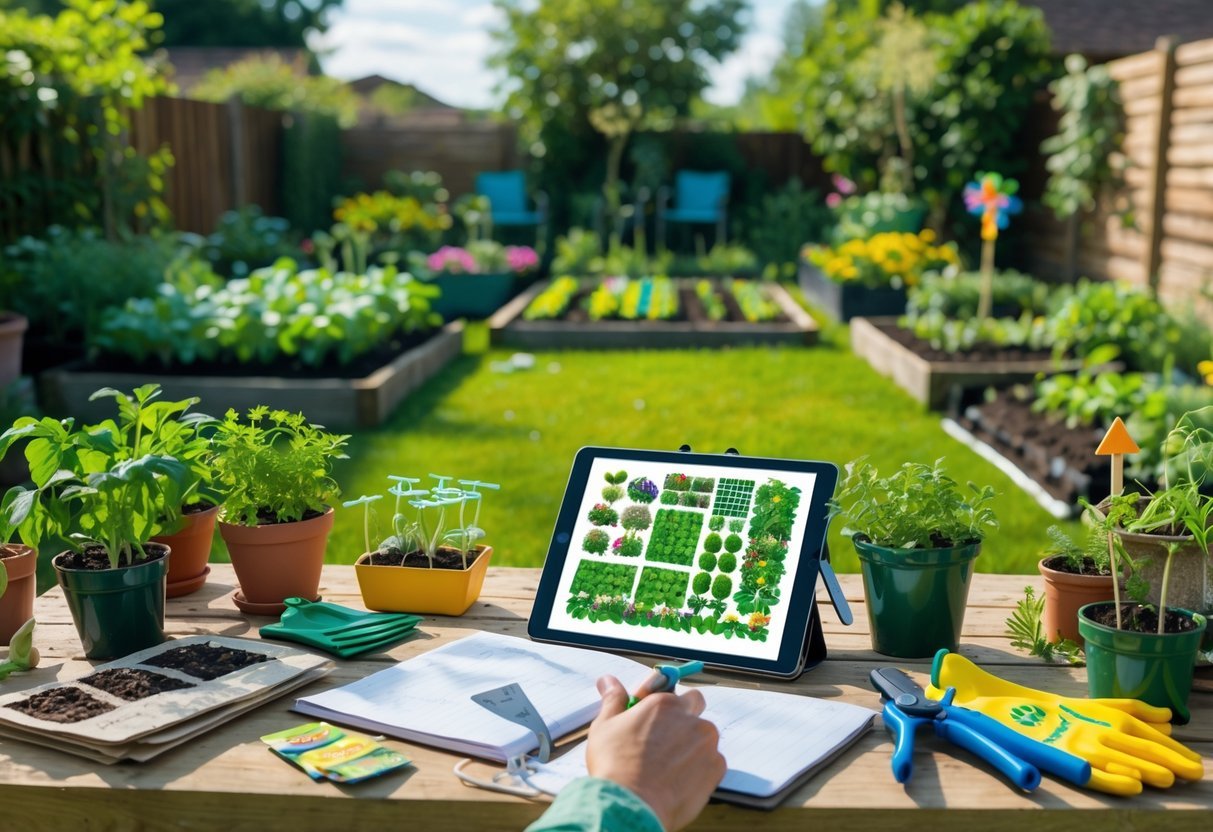
Decide what you want to grow, how much time you can spend, and where plants will get sun and water. Those choices shape bed layout, plant types, and tools you’ll need.
Assessing Your Outdoor Space
Measure the area you plan to garden. Note dimensions, hard surfaces, and existing trees. Draw a simple map showing fences, buildings, and any underground utilities.
Observe sunlight for a full week. Mark hours of sun, partial shade, and full shade. Most vegetables need 6+ hours of direct sun; many ornamentals tolerate less.
Check soil by digging a 6–8 inch hole and feeling texture. Sandy soils drain fast; clay holds water. Test pH with a kit or local extension service. Consider raised beds or containers if soil is poor.
Note water access and drainage. Locate the nearest spigot and slope direction. Plan paths to avoid muddy areas and keep beds within easy reach for watering and maintenance.
Setting Gardening Goals
Decide your primary purpose: food, flowers, pollinators, or relaxation. If you want vegetables, start with 3–4 easy crops like tomatoes, lettuce, and herbs. For cut flowers, pick long-blooming varieties like zinnias and cosmos.
Set a time budget you can keep. If you have 30 minutes twice a week, choose low-maintenance plants and mulched beds. If you love daily work, include more fiddly crops like peppers or potted ornamentals.
Define a timeline for results. Seed-starting in late winter gives a head start for spring harvests. Container gardens offer quicker results if you want instant color or salad greens.
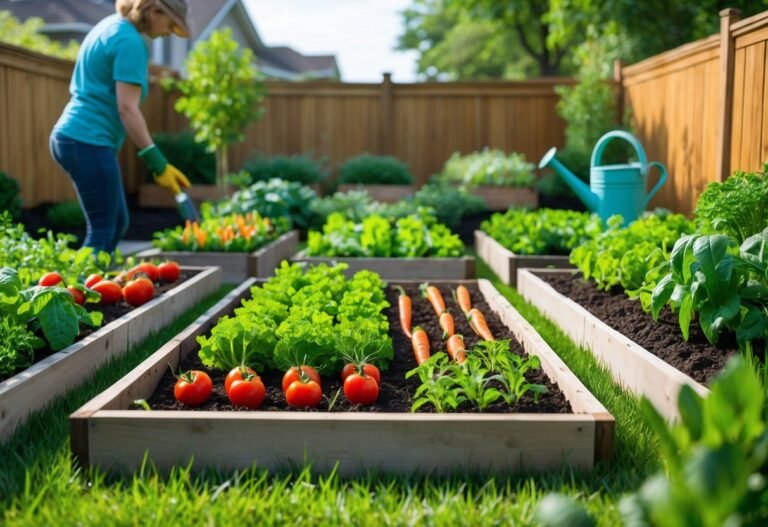
Plan a phased approach. Begin with one raised bed or a few containers, then expand next season. This reduces cost, helps you learn, and prevents overwhelm.
Choosing a Garden Style
Pick a style that matches your home and lifestyle: productive, cottage, modern, or low-water. A productive garden focuses on rows, trellises, and raised beds for easy harvesting.
Cottage-style mixes vegetables and flowers for a relaxed look and more pollinators. Use informal paths and repeated plant colors for cohesion.
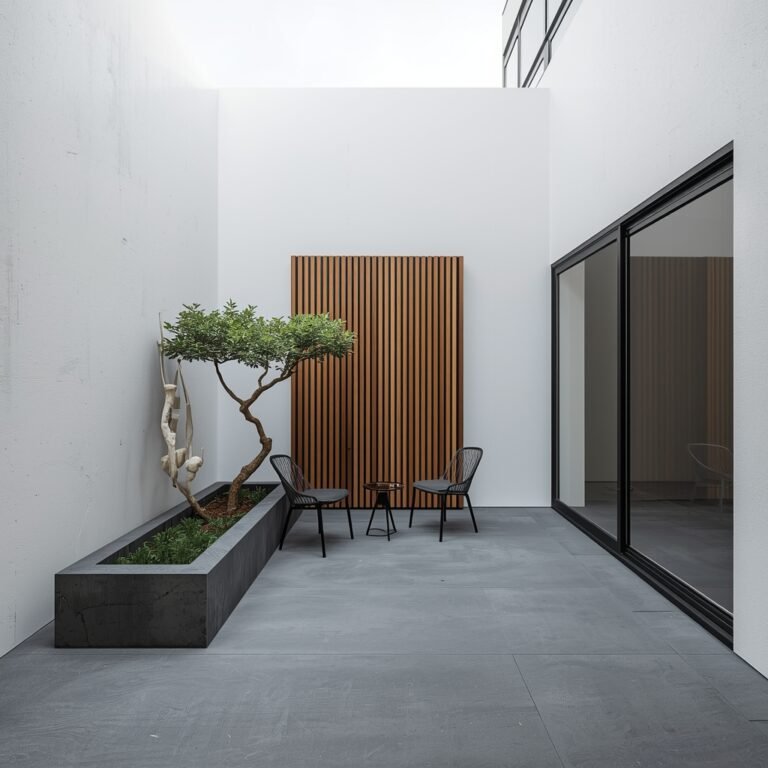
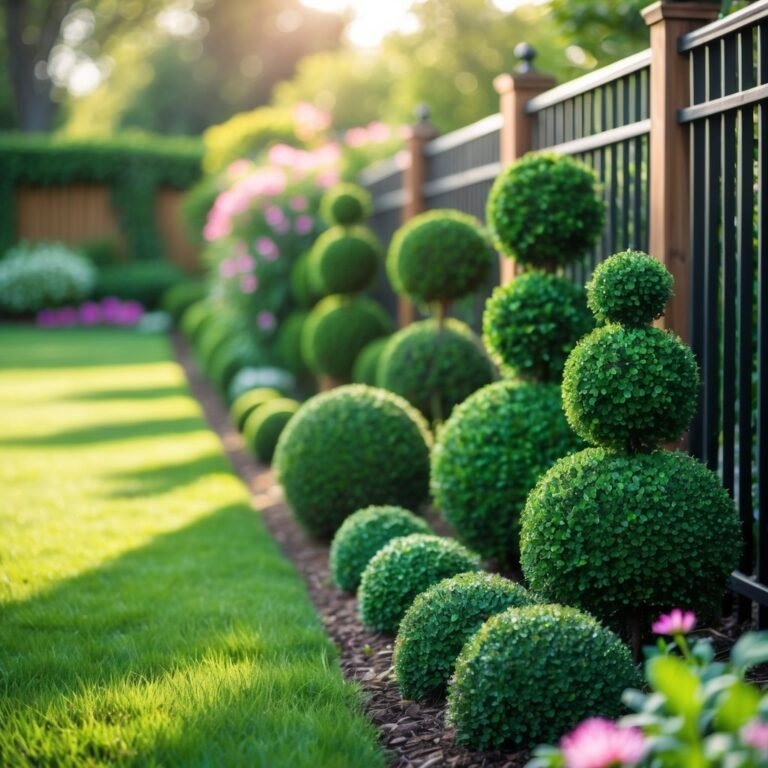
Modern gardens use clean lines, uniform plantings, and hardscape accents. Choose containers, gravel beds, and architectural plants like grasses or boxwood for low fuss.
For arid climates, design a low-water xeriscape with native plants, drip irrigation, and mulch. Group plants by water need to simplify irrigation and reduce waste.
Creative Home Garden Ideas
These ideas help you use small areas, grow food, and choose plants that fit your local climate. You’ll find practical setups, plant choices, and care tips that save space, time, and money.
Vertical Gardens for Small Spaces
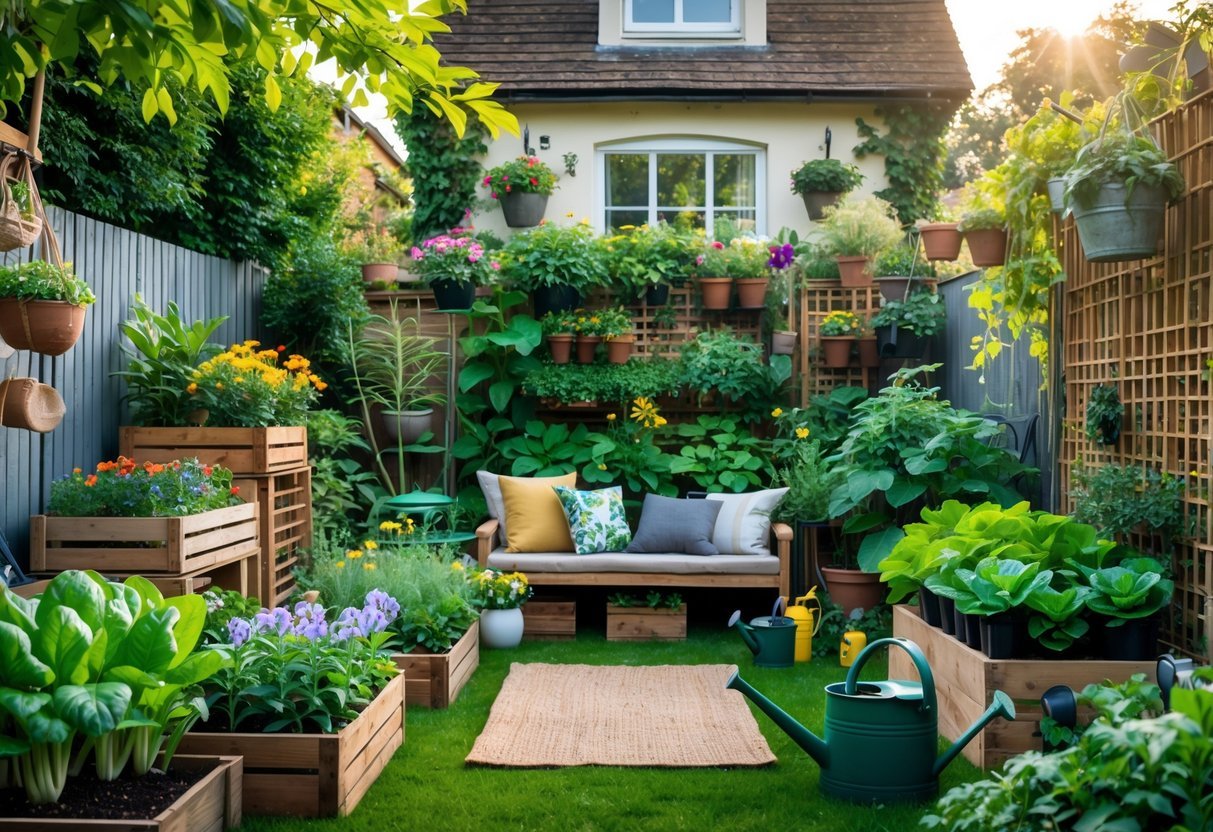
Vertical gardens let you grow many plants on a wall, fence, or balcony. Use pockets, shelves, or trellises to hang herbs, lettuce, and vining tomatoes. Choose lightweight soil mixes and containers with good drainage to avoid water damage to walls.
Mount planters at different heights to make watering and harvesting easier. Use a drip line or self-watering planters to keep moisture even. For sunny spots, pick sun-loving plants like basil or nasturtiums; in shade, choose ferns and salad greens.
Secure fasteners into studs or use freestanding frames for rented spaces. Rotate plants seasonally—cool-weather greens in spring/fall, heat-tolerant herbs in summer—to keep the wall productive all year.
Container Gardening Solutions
Containers give you control over soil, pests, and placement. Use pots sized to the plant: small herbs in 6–8 inch pots, peppers and tomatoes in 10–20 inch containers. Pick porous materials like terracotta for good airflow or plastic for lighter weight.
Group containers by water needs to simplify watering. Use a quality potting mix with compost and perlite for drainage and nutrients. Fertilize regularly with a balanced feed to replace what washes out with watering.
Try creative containers: wooden crates, hanging baskets, or repurposed buckets. Ensure each container has drainage holes and a saucer to catch excess water. Move pots to chase sun or shade during heat waves.
Edible Landscaping Concepts
Edible landscaping blends food plants with ornamentals so your yard looks good and feeds you. Plant berry bushes as a hedge, espalier fruit trees against a wall, and mix culinary herbs with flowering perennials to attract pollinators.
Design paths and seating near productive beds for easy harvests and enjoyment. Use companion planting—marigolds to deter pests or basil near tomatoes—to boost health naturally. Keep edible beds within 25–50 feet of the kitchen to encourage regular use and harvest.
Balance beauty and yield by pruning for shape, choosing decorative varieties (like purple basil), and using mulch to reduce weeding. Plan for succession planting: follow early crops with fast-growing greens to keep beds producing.
Incorporating Native Plants
Native plants suit your local weather, soil, and wildlife, so they need less water and care. Research species native to your region—wildflowers, grasses, and shrubs—and pick those that match sun and soil conditions in your yard.
Use natives in borders, rain gardens, and pollinator patches to support bees and birds. Group plants by water needs into zones: drought-tolerant natives in dry spots, moisture-loving natives in low areas. This reduces irrigation and maintenance.
Start small with plugs or young plants, and add organic mulch to retain moisture while roots establish. Replace high-maintenance exotics gradually with native alternatives to improve resilience and lower garden chores.
Enhancing Garden Functionality and Aesthetics
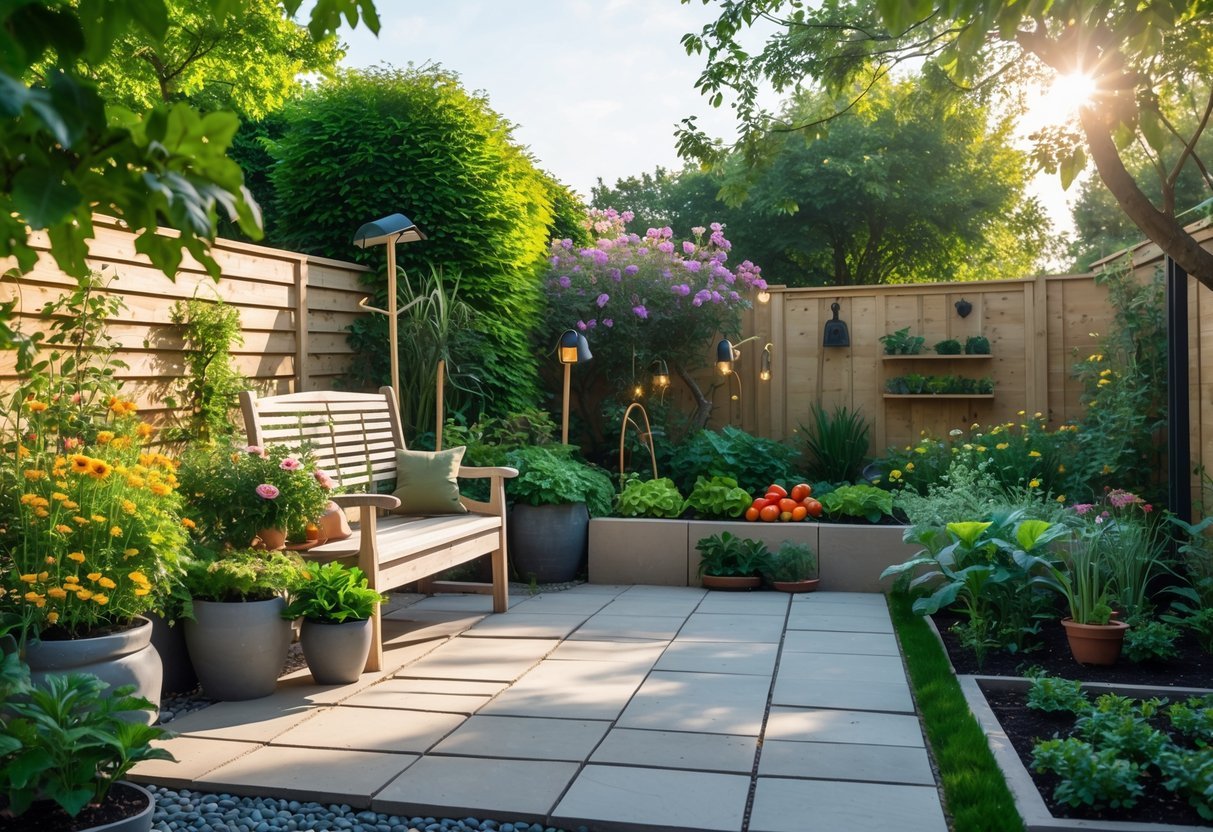
Make choices that help you use the space and enjoy it. Think about seating, water elements, and lighting that match your garden size and daily routines.
Outdoor Seating and Dining Areas
Decide how you will use the space: dining, reading, or hosting friends. For small yards, pick a folding table and two stackable chairs or a built-in bench along a fence to save space. For larger yards, use a 6-foot dining table with weatherproof chairs and a shade sail or pergola for sun protection.
Choose materials for low maintenance: teak, powder-coated metal, or recycled plastic resist weather and need little care. Add cushions with quick-dry foam and removable covers for easy washing. Anchor furniture on a stable surface—patio pavers, decking, or compacted gravel—to avoid wobble and damage to the lawn.
Create zones with rugs, planters, and lighting. Use a 5–7 foot umbrella for single-table shade or string lights above for casual evenings. Keep a small storage box near seating to store cushions, lanterns, and tableware.
Water Features and Ponds
Pick a water feature that fits your space and skill level. A tabletop fountain or wall-mounted spillway suits patios and small balconies. A 4–6 foot preformed pond or lined pond with a 200–500 gallon capacity works well for medium yards and supports plants and small fish.
Prioritize pump size and filtration. Match pump flow to pond volume; aim for a pump that circulates the full volume every 2 hours to keep water clear. Include a mechanical filter and a biological filter or plants like water lilies to reduce algae and slimy buildup.
Plan safety and maintenance. Install a child-proof fence or cover if small children visit. Keep a skimmer and pond net handy for leaves. Schedule a seasonal check: clean filters monthly in peak season and reduce overwintering tasks according to local climate.
Garden Lighting Designs
Use layered lighting: task, ambient, and accent. Place path lights every 6–8 feet for safe walking. Use 300–600 lumen fixtures for main walkways and 50–150 lumens for garden beds to create depth without glare.
Favor LED fixtures and low-voltage systems for energy efficiency and easier installation. Choose warm white (2700–3000 K) for seating and dining areas; cooler whites (3500 K) work for task areas. Add timers or smart controls to automate dusk-to-dawn operation and reduce energy use.
Position lighting to avoid light spill into neighbors’ windows and to highlight focal points: specimen trees, sculptures, or water surfaces. Use spike lights for flexibility and concealed uplights for a polished look.
Frequently Asked Questions
You will find practical tips on saving space, cutting costs, choosing easy plants, growing vegetables in small areas, boosting curb appeal, and the first steps to start a garden. Each answer gives clear actions, plant names, or simple plans you can use right away.
How can I maximize space in a small garden?
Use vertical space with wall planters, trellises, and hanging baskets to grow vines, herbs, and strawberries. Stackable containers and tiered shelving let you fit more plants into a narrow patio or balcony.
Choose compact or dwarf varieties like patio tomatoes, bush beans, and compact peppers. Pair deep-rooted and shallow-rooted plants in the same container to use soil volume efficiently.
Rotate crops seasonally and use succession planting to keep beds productive. Moveable containers let you chase sun and protect plants from harsh weather.
What are some budget-friendly garden projects for homeowners?
Build raised beds from reclaimed wood or cinder blocks to create tidy planting areas without buying expensive kits. Use free or cheap compost from kitchen scraps and yard waste to improve soil.
Plant perennials like daylilies and sedum that return each year and cut long-term costs. Start seeds indoors in egg cartons or recycled containers to avoid buying mature plants.
Reuse gravel, broken pavers, or mulch from local suppliers to make paths and reduce weed growth. Barter or swap plants with neighbors to expand your garden for little or no money.
What are the easiest low maintenance plants for a beginner’s garden?
Lavender, sedum, and yarrow tolerate poor soils and need little water once established. Hostas and daylilies do well in shade and require minimal care.
Herbs like rosemary, thyme, and mint grow well in pots and need only basic pruning. For shrubs, choose boxwood or spirea for simple shaping and long-term structure.
Choose native plants suited to your climate to reduce watering and pest work. Group plants with similar water needs to simplify irrigation.
How can I grow vegetables in a limited space at home?
Use containers, grow bags, and window boxes to grow tomatoes, peppers, lettuce, and herbs on patios or balconies. Pick compact varieties labeled “patio,” “bush,” or “dwarf.”
Try vertical gardening with trellised peas, pole beans, cucumbers, and indeterminate tomatoes. Use square-foot planting in raised beds to maximize yield per square foot.
Practice succession planting: sow fast crops like radishes and lettuce between slower ones. Use potting mix with compost and feed weekly with a balanced liquid fertilizer for steady growth.
What are effective ways to enhance the curb appeal of my garden?
Plant a mix of flowering perennials and evergreens for color and year-round structure. Add a neat edge to beds with pavers or low borders to create a tidy look.
Place container plants by the entrance and use a matching pot style to create a coordinated look. Add a focal point such as a bench, birdbath, or a small sculpture to draw the eye.
Keep paths clear and mulch beds to suppress weeds and keep the garden looking clean. Regularly trim hedges and remove spent blooms for a well-kept impression.
What are the essential steps for starting a garden for the first time?
Test your soil pH with a simple kit and amend it with compost or lime according to results. Observe sunlight for a week to pick a spot that gets at least 6 hours of sun for vegetables.
Start small with one raised bed or a few containers to learn without getting overwhelmed. Choose easy plants like lettuce, radishes, basil, and marigolds to build confidence.
Set up a simple watering plan—drip lines or soaker hoses save time and water. Keep a calendar for planting dates and note what works so you can improve next season.