Cottage Flower Garden Ideas: Timeless Plant Combinations and Layouts for Charming Yards
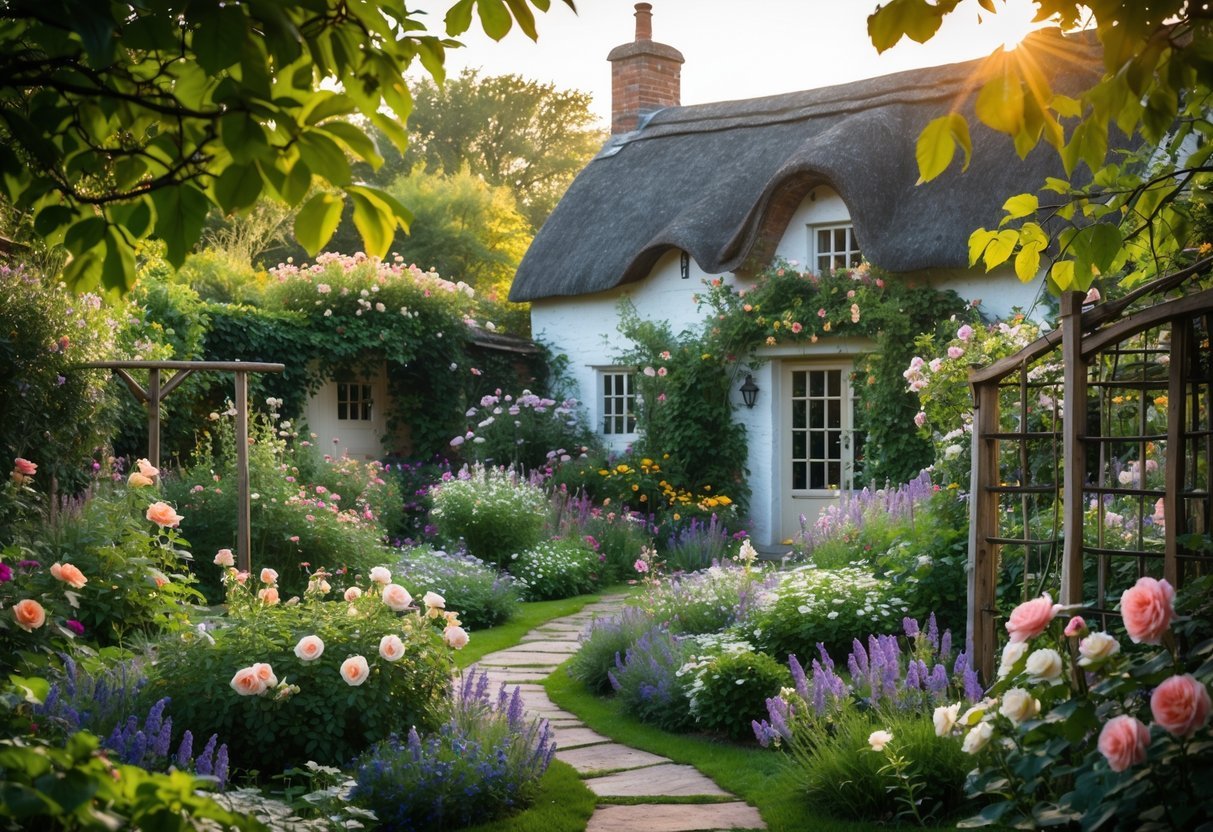
You can create a cottage flower garden that looks full and effortless by mixing self-seeding blooms, climbing vines, herbs, and shrubs for height and texture. Plant flowers that re-seed or spread, add a few structural plants, and let paths or a trellis guide the eye to create that classic, lush feel.
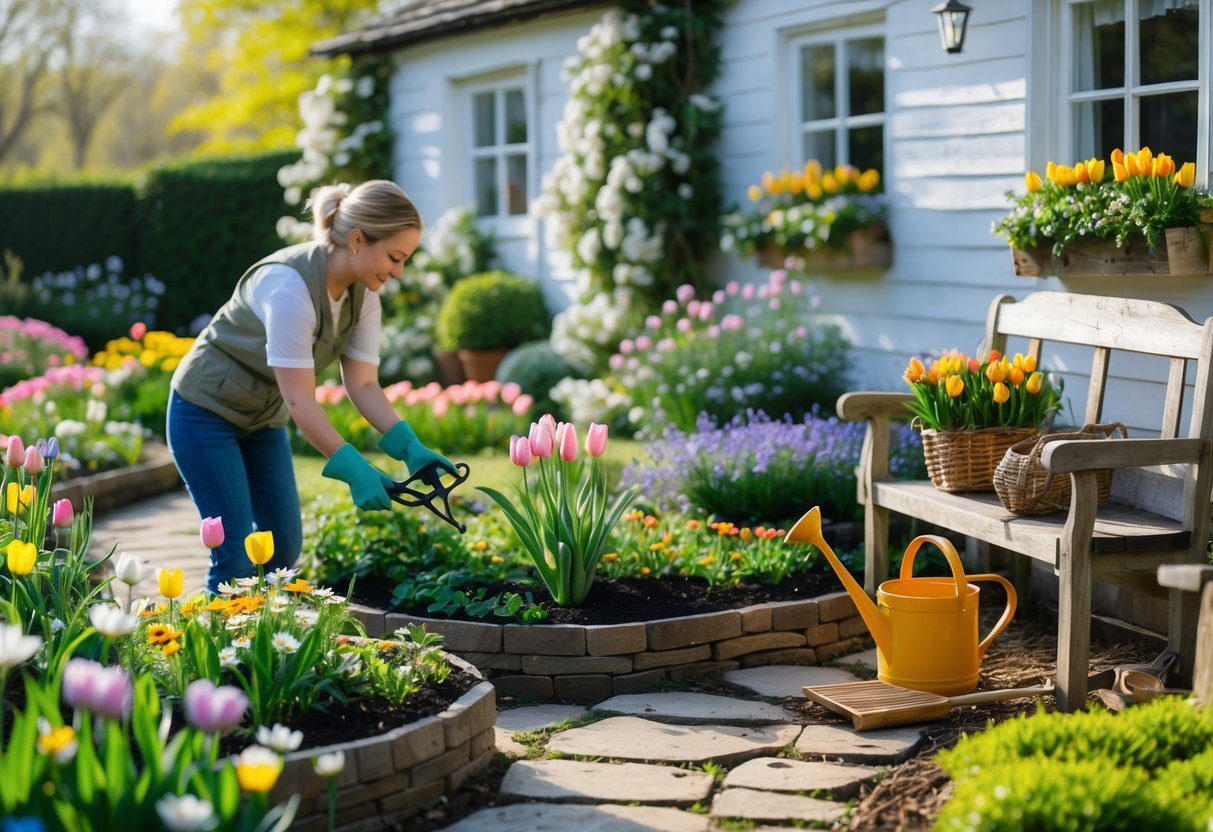
Start with a simple plan that fits your sun exposure and time for care, then choose plants that bloom at different times so your garden stays colorful all season. A well-planned cottage garden balances easy-care perennials, self-seeders, and a few statement climbers to give you constant color with less work.
Let your style be relaxed: embrace some overlap and informality, but keep sightlines and access for maintenance clear so the garden stays both pretty and practical.
Key Takeaways
- Plan plants for your light and care level to set up success.
- Combine perennials, self-seeders, and climbers for continuous color.
- Keep paths and sightlines for easy maintenance and a tidy look.
Design Principles for Cottage Flower Gardens
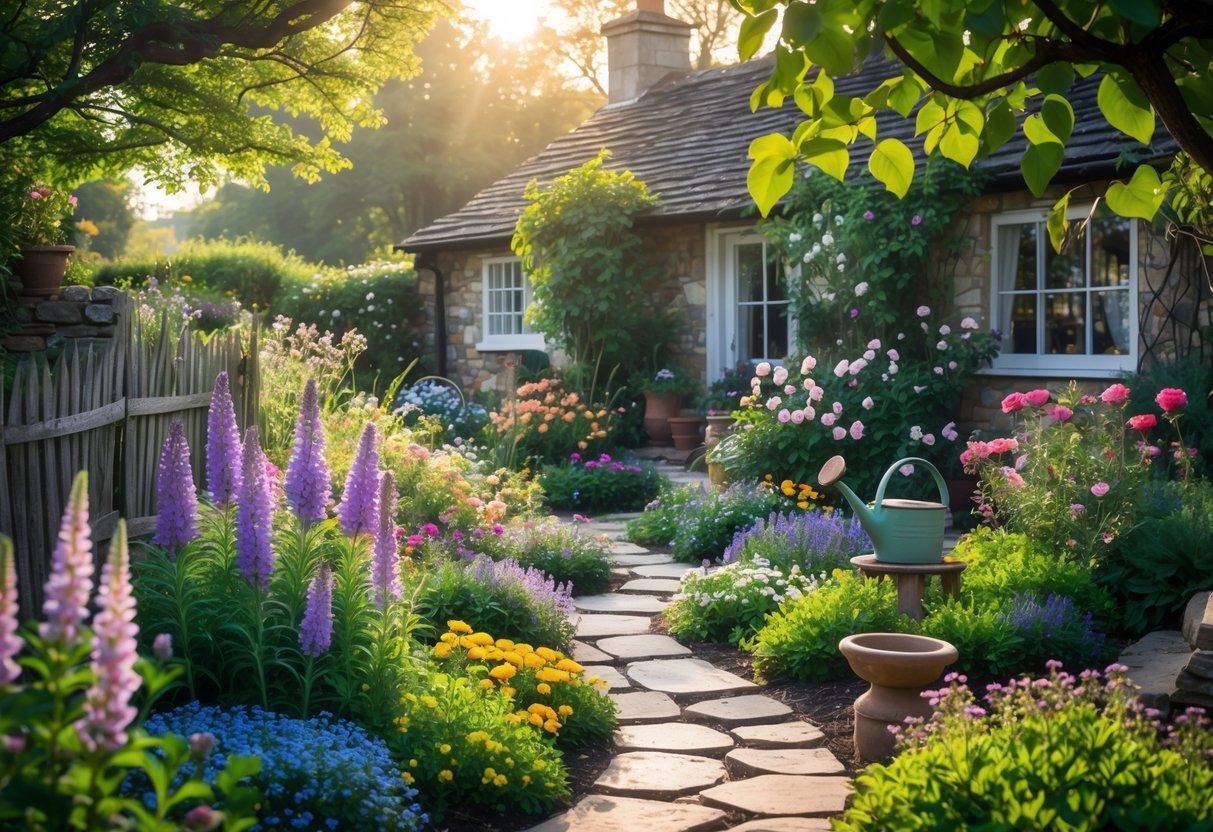
Focus on creating a relaxed, layered look that feels full without chaos. Use varied textures, repeating colors, and stepped heights to guide the eye and make maintenance easier.
Creating a Natural Look
Let plants mingle instead of forcing rigid rows. Sow self-seeding annuals like cosmos or calendula near perennials such as foxglove and phlox to allow gentle spread without constant replanting. Leave small gaps for volunteer seedlings and thin them selectively so dominant plants don’t crowd out everything else.
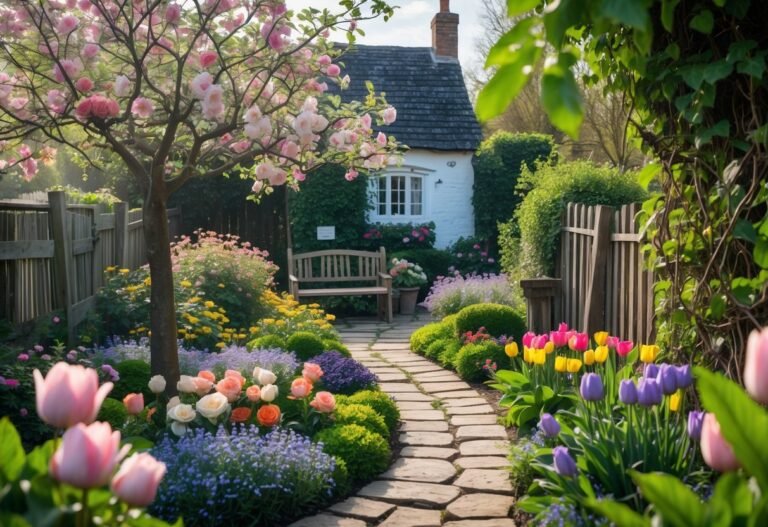
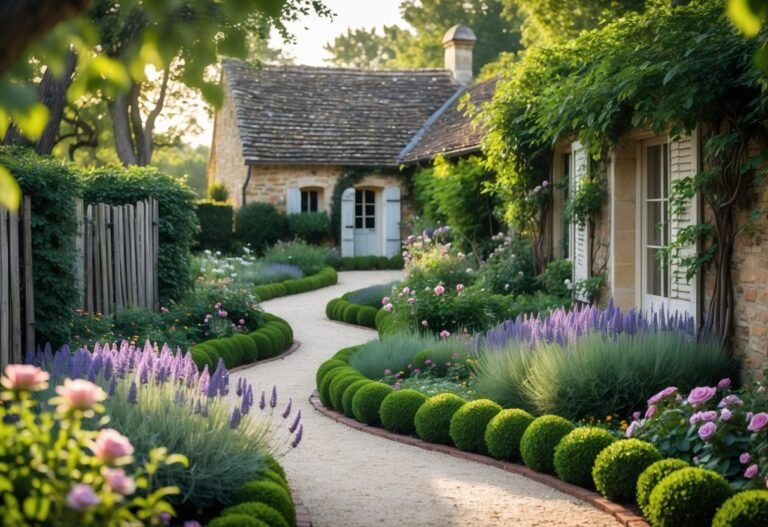
Add informal paths of gravel or crushed stone that curve through beds. Paths invite you to move through the garden and make maintenance access simple. Use low fences, old bricks, or driftwood as edging to keep the boundary soft, not strict.
Choose native or well-adapted species for fewer pests and less watering. Group plants by water needs to keep irrigation efficient and reduce plant stress.
Balancing Color and Texture
Pick a color palette of 2–4 main colors and repeat them across the garden. Repetition ties different beds together and prevents a chaotic look. Use one bold color as an accent and more muted tones to fill the background.
Mix foliage textures—fine-leaved plants (e.g., lavender) beside broad-leaved ones (e.g., peonies). Texture contrast keeps the eye interested even when a bed is not in full bloom. Add structural shrubs like lavender or boxwood for year-round form.
Use a simple table to plan repeats:
- Primary color: repeat 6–8 times
- Accent color: repeat 3–4 times
- Neutral foliage: fill remaining spaces
Layering Flower Heights
Place taller plants toward the back or center of circular beds. Tall choices: delphinium, hollyhock, climbing roses. Mid-height plants: lupine, salvia, geraniums. Short front-row plants: alyssum, dwarf pansies, thyme.
Stagger heights within bands rather than strict rows. This avoids a flat look and creates sightlines that flow. Leave a maintenance strip 18–24 inches wide between height zones so you can reach plants without stepping into beds.
Repeat height groups in multiple beds to create rhythm across the garden. That repetition helps the space feel cohesive while still offering the lush, layered effect cottage gardens are known for.
Choosing Flowers for a Cottage Garden

Pick plants that give long bloom times, mix heights and textures, and suit your soil and sun. Combine steady perennials with bright annuals and native, pollinator-friendly species for continuous color and wildlife visits.
Best Perennial Varieties
Choose perennials that return reliably and fill beds with structure. Roses (gallica or shrub types) provide repeat blooms and scent. Peonies give large, late-spring flowers and strong foliage contrast. Delphiniums and lupines add vertical blue and purple spikes for height near the back of beds.
Include hardy geraniums (cranesbill) and catmint for long bloom periods and low maintenance. Phlox and foxglove offer mid-season color and work well in mixed borders. Plant in groups of three to five for impact and place taller perennials toward the back or center of beds. Divide heavy clumpers like peonies every few years to keep them vigorous.
Annuals to Enhance Seasonal Color
Use annuals to plug color gaps and extend bloom through the season. Cosmos and zinnias bloom all summer and reseed easily. Nasturtiums provide edible flowers and trail over walls or spill from containers. Snapdragons and calendula bring early and late season color where perennials aren’t yet flowering.
Mix shorter annuals, such as alyssum or marigolds, at the front of borders to create a defined edge. Replace spent plants quickly to avoid bare spots. Sow some directly and start others in trays to time peak blooms for events or high-visibility areas. Annuals let you change color schemes each year without altering the permanent layout.
Native and Pollinator-Friendly Options
Pick native species that match your region’s growing conditions to support bees, butterflies, and birds. Native asters and goldenrod feed pollinators in late season. Coneflowers (Echinacea) and bee balm (Monarda) attract a wide range of insects and also hold up well in mixed plantings.
Prioritize plants with open flowers or flat disk blooms for easy nectar access. Include a mix of bloom times—spring bulbs (tulips, daffodils), summer natives (black-eyed Susan), and fall asters—to provide food all season. Avoid heavy pesticide use and include water and shelter features, like a shallow birdbath or a patch of unmown grass, to make your garden a better habitat.
Layout and Planting Strategies
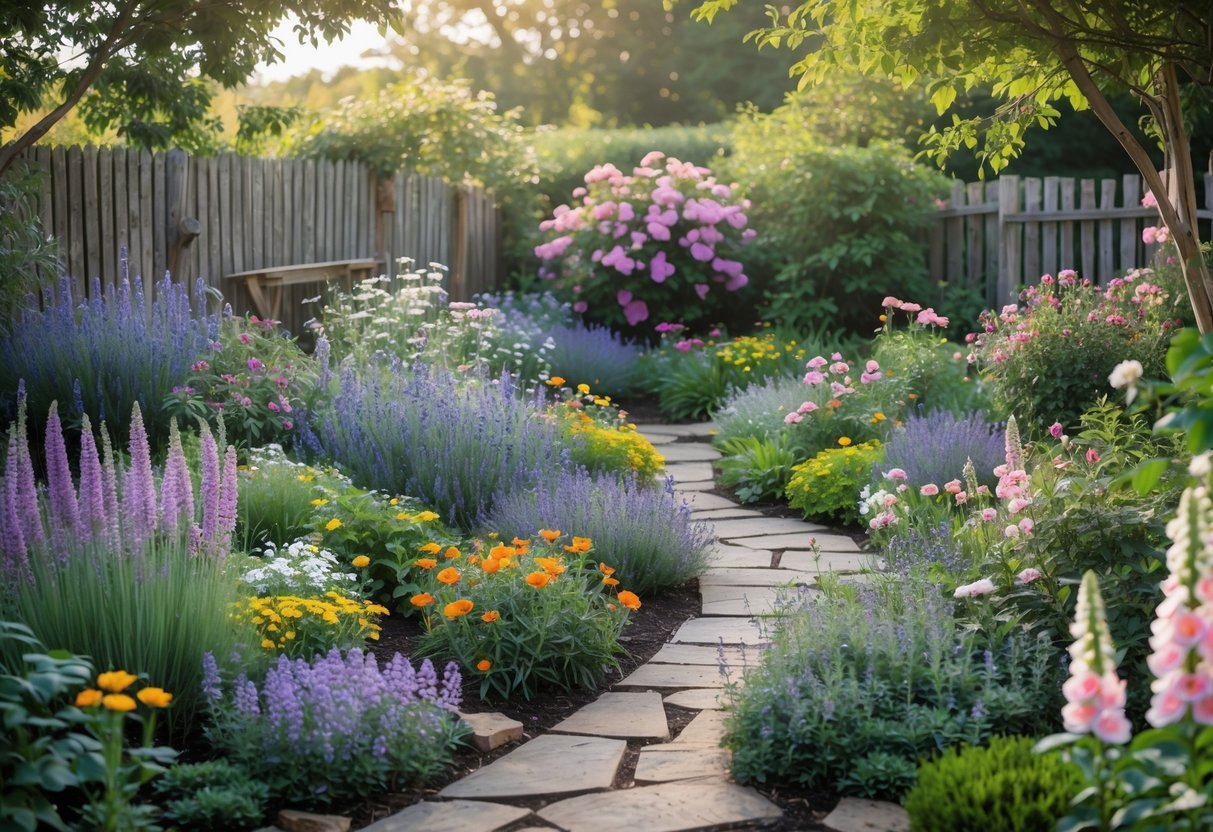
Plan paths that guide movement, create viewing spots, and make beds easy to reach. Use plant height, color, and texture to build layered beds that stay full from spring to frost.
Curved Pathways and Borders
Curved paths soften hard edges and make small yards feel larger. Lay a main winding path at least 3 feet wide so you can carry tools or a wheelbarrow. Use gravel, reclaimed brick, or stepping stones set in ground cover for a worn, cottage look.
Edge paths with low plants like lavender, thyme, or creeping Jenny to define the route and add scent. Keep taller plants like foxglove or delphinium a few feet back so they don’t block sightlines. Add a bench at a bend to create a pause point and frame it with upright plants or a small shrub.
For maintenance, use edging materials to stop grass from creeping into beds. Mulch paths lightly and repair uneven stones each season to keep the walk safe.
Grouping for Visual Impact
Group plants in odd-numbered clusters (3–7) to look natural and strong from a distance. Repeat key colors or textures in three or more places across the garden to tie separate beds together. Combine tall, mid, and low layers: tall salvias or hollyhocks at the back, geraniums or nepeta in the middle, and lobelia or alyssum at the front.
Mix perennials with annuals so you have reliable structure and fresh color each year. Put plants with similar water and light needs together to simplify care. Use a small table to plan group sizes and spacing before planting; this prevents overcrowding and reduces early thinning.
Incorporating Garden Structures
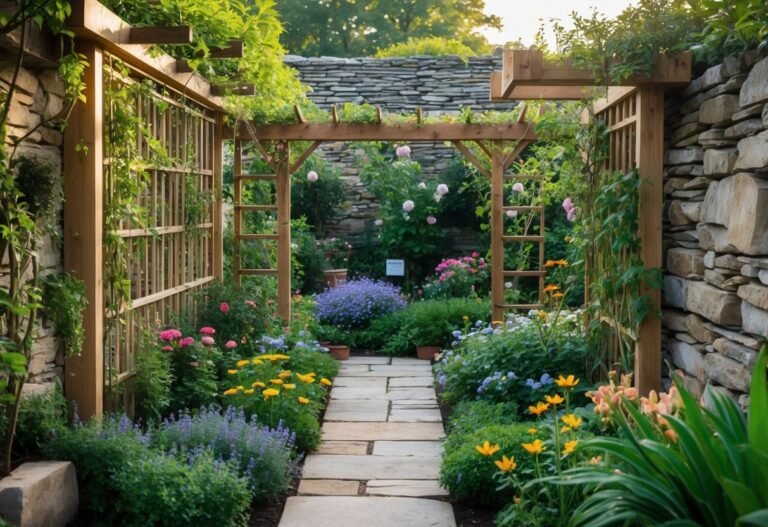
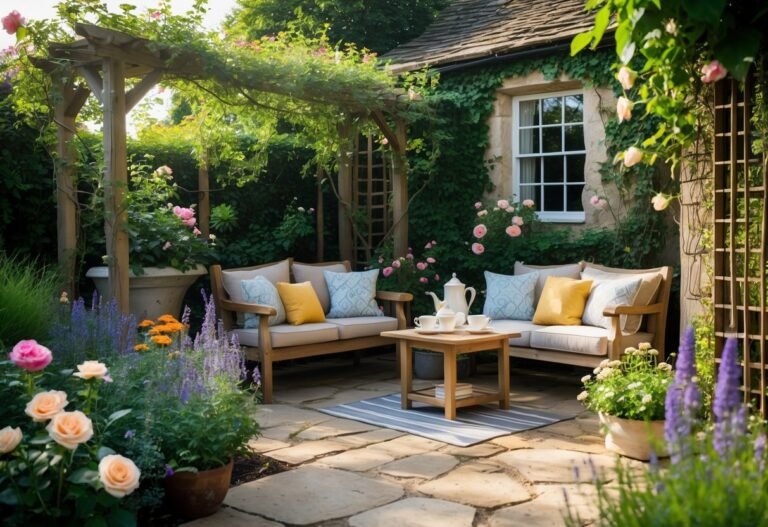
Add a simple pergola, arch, or obelisk to give vertical interest and support climbers like clematis or sweet pea. Place these structures where you want eye-catching height—near a path junction or beside a seating area. Use rusted metal or weathered wood to match cottage style.
Install raised beds or borders for herbs and vegetables so you can harvest without trampling flowers. Use trellises along sunny walls for climbing roses; train them early to avoid heavy, messy growth. Anchor structures securely and choose materials rated for outdoor use to cut down on repairs.
Seasonal Maintenance and Care
Keep plants healthy by adjusting water, mulch, pruning, and pest checks with the seasons. Focus on timely watering, renewing mulch, removing spent blooms, and catching pests or disease early.
Watering and Mulching Techniques
Water deeply at the base of plants early in the morning to reduce evaporation and fungal risk. Aim for about 1 inch of water per week from rain plus irrigation; increase this during heat waves or when newly planted. Use a soaker hose or drip line to target roots and avoid wetting foliage.
Apply 2–3 inches of organic mulch (shredded bark, straw, or compost) around beds in spring after soil warms. Keep mulch 1–2 inches away from stems to prevent rot. Replenish mulch in mid-summer if it has broken down or thinned. Mulch moderates soil temperature, reduces weeds, and keeps moisture consistent, which is key for cottage-style mixed beds.
Deadheading and Pruning Tips
Remove spent flowers (deadhead) regularly to extend bloom time on roses, daisies, foxglove, and geraniums. Pinch or cut back to the next healthy leaf or lateral bud—this encourages new growth and cleaner appearance. For long-blooming perennials, deadhead every 1–2 weeks during peak season.
Prune shrubs and climbers after their main bloom finishes. For spring-flowering shrubs, prune immediately after flowering to avoid cutting off next year’s buds. For summer-flowering shrubs, prune in late winter or early spring while still dormant. Cut back tall perennials in late fall or early spring to tidy beds and reduce disease carryover.
Pest and Disease Prevention
Inspect plants weekly for chewed leaves, sticky residue, spots, or wilting. Catch problems early: handpick slugs at night, spray aphids off with a strong water jet, and remove heavily infested foliage promptly. Use row covers for young seedlings to block pests and encourage beneficial insects by planting nectar-rich flowers like calendula or yarrow.
Follow cultural controls first: good air circulation, proper spacing, and clean tools. Rotate plant families in vegetable or edible patches to reduce soil-borne disease. If you must use treatments, choose targeted, least-toxic options (insecticidal soap, neem oil) and apply them according to label instructions in the cooler parts of the day.
Frequently Asked Questions
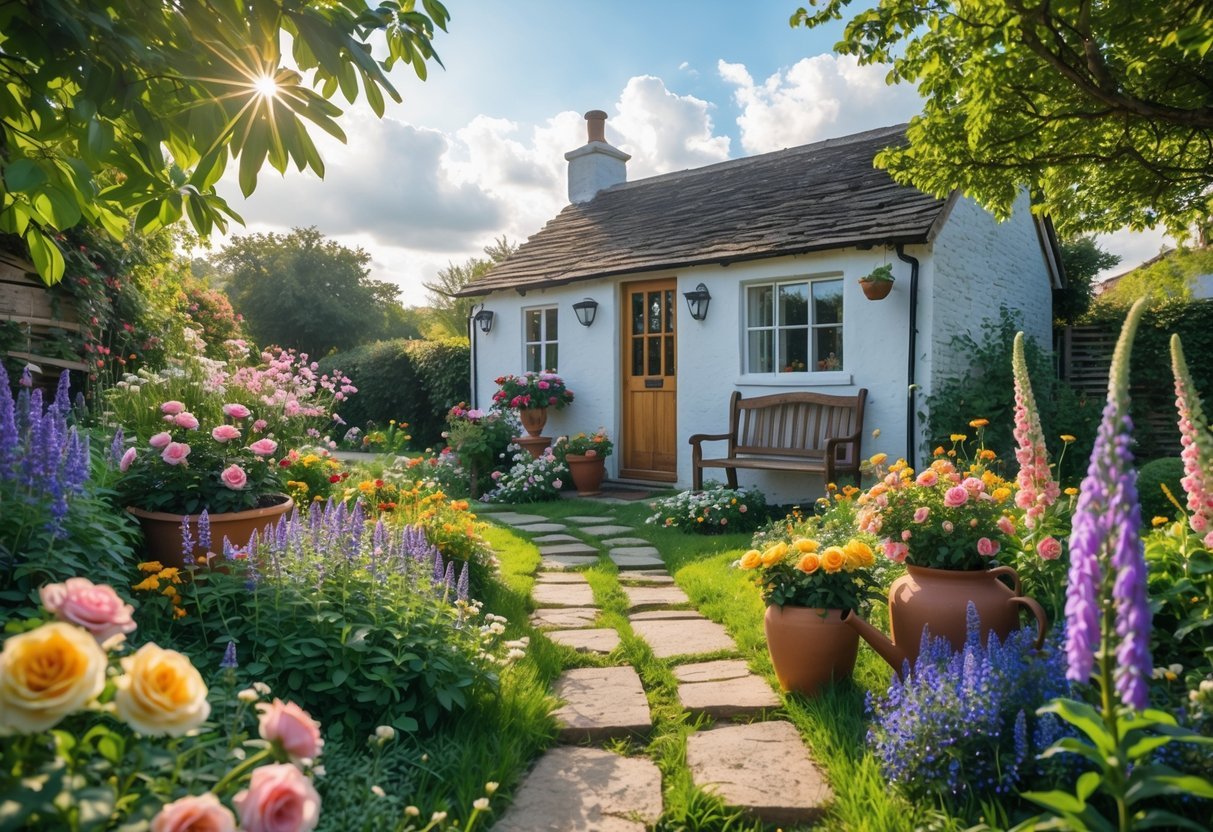
You will find clear steps for planning, plant choices, and simple DIY ideas. Each answer names specific plants, layout tips, and timing so you can act right away.
How do I plan a small cottage flower garden layout?
Measure the space and draw a simple sketch with paths, beds, and the house edge. Plan beds at least 3–4 feet wide so you can layer tall, medium, and low plants.
Place tall plants like foxglove or hollyhock at the back or center. Use repeated groups of three or five plants to create a natural look.
Add a curved path or stepping stones to break the area and give you access for weeding. Leave 12–18 inches between plants unless labels say otherwise.
What are some low maintenance plants for a cottage garden?
Lavender, sedum, and catmint handle dry soil and need little care. They keep color with minimal pruning.
Peonies and iris return each year with simple deadheading after bloom. Daylilies and sedges also tolerate poor soil and resist pests.
Use self-seeding annuals like cornflower and calendula to fill gaps without replanting. Mulch beds to cut down on watering and weeds.
Which flowers provide the longest blooming period in a cottage garden?
Repeat-blooming roses and hardy geraniums offer long seasons of color. They rebloom with regular deadheading.
Salvia, echinacea (coneflower), and phlox bloom for many weeks from late spring into fall. Plant early-season bulbs like tulips with later perennials to extend interest.
Include some annuals such as cosmos and zinnias for continuous color until frost.
Can you suggest ideas for a DIY cottage flower garden?
Convert a lawn strip to a mixed border using soil-friendly compost and a shallow trench. Start with three backbone perennials and add annuals for color.
Build a simple trellis from treated lumber for climbing roses or clematis. Reuse items like old wheelbarrows or crates as planters for instant charm.
Collect seed packets and sow in stages—early spring, late spring, and midsummer—to keep blooms steady. Install a basic drip irrigation line to save time on watering.
What are the top plant choices for a traditional cottage garden?
Climbing roses, hollyhocks, and sweet peas form the classic vertical layer. Add foxgloves and delphiniums for height and drama.
Fill midsize spaces with lavender, salvias, and geraniums. Ground-level filler can include alyssum, thyme, and violas for scent and color near paths.
Include some edibles like mint (contain it in a pot), strawberries, and perennial herbs for a practical touch.
How do I design a cottage garden border?
Start with a low edging plant—lavender, boxwood, or dwarf thyme—to define the border. Keep the edge neat so taller plantings look informal but contained.
Place medium-height plants like geraniums and salvia behind the edge. Put tall accents such as roses or foxgloves at intervals for vertical interest.
Stagger plant heights and repeat colors three times along the border to create flow. Leave a 2–3 foot path or space in front for viewing and maintenance.