10 Rock Garden Flowers Ideas for Low-Maintenance, High-Impact Plantings
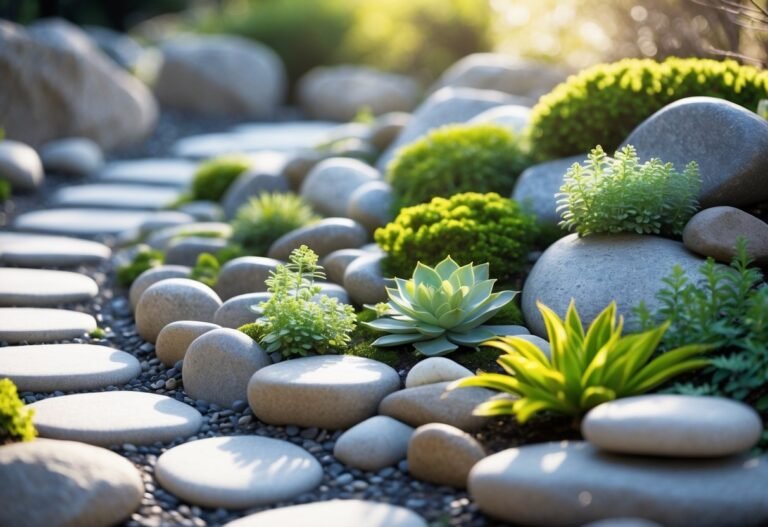
You can turn a bare slope, sunny corner, or tight patio into a striking rock garden that stays low-maintenance and full of color. This article shows ten flower ideas and practical tips so you can pick hardy, compact plants that match your site and style.
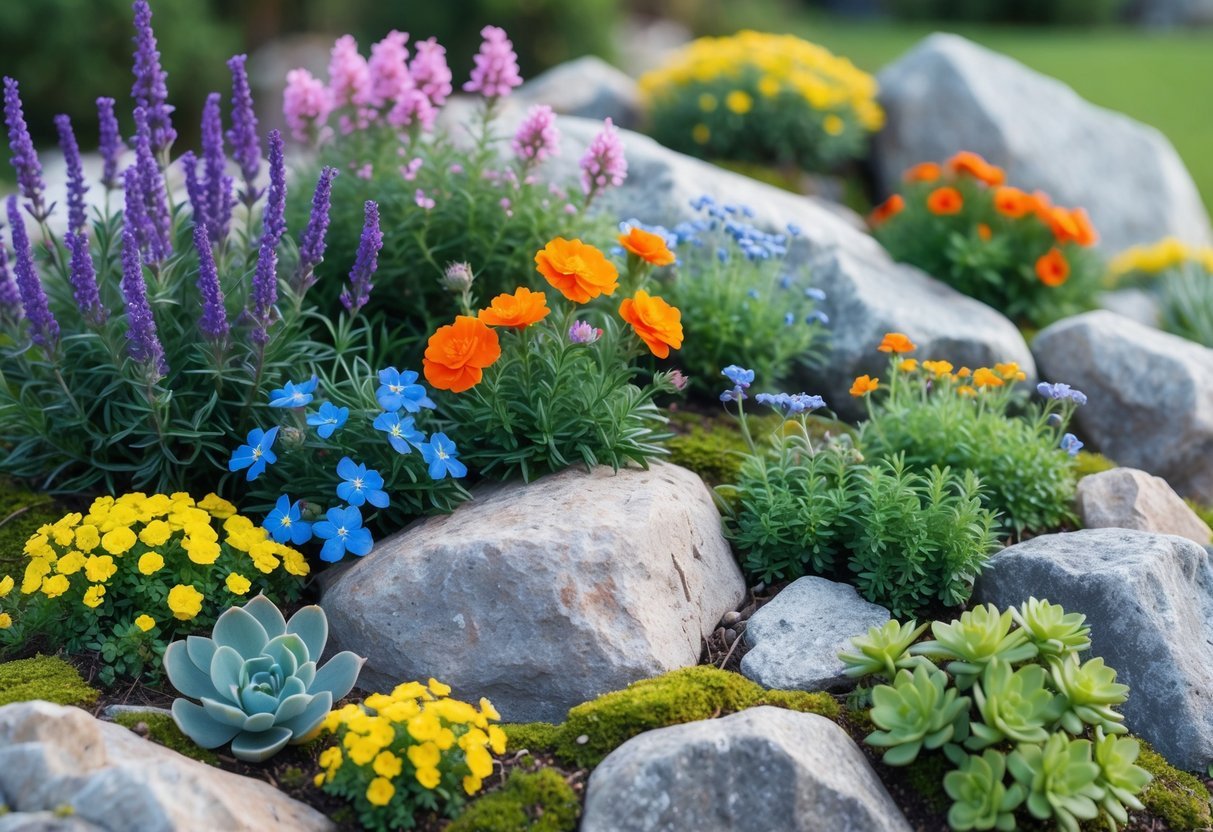
You’ll learn which blooms suit gravel, shallow soil, and sunny or cool spots, plus simple design and care steps to keep them thriving. Explore options from tiny alpine flowers to tough succulents so you can plan a durable, attractive rock garden that fits your yard.
1) Alpine Forget-Me-Not (Myosotis alpestris)
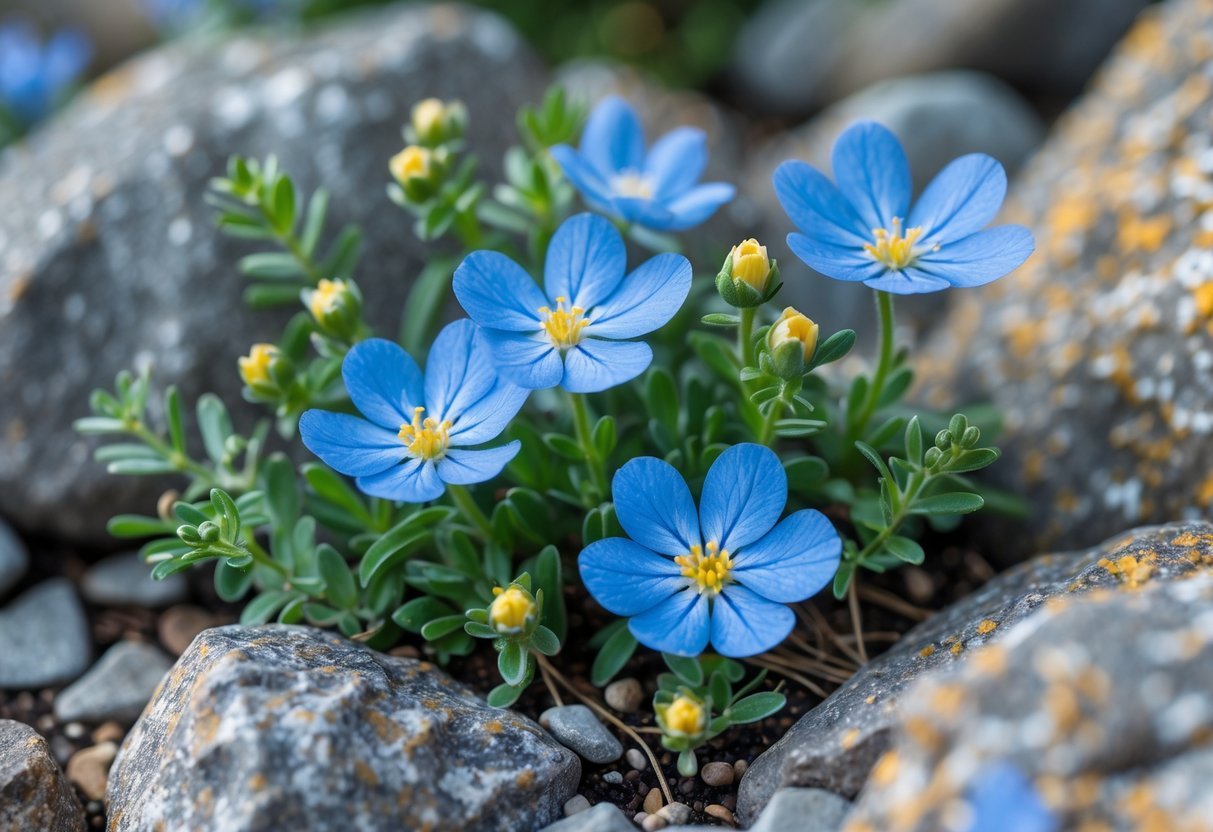
You’ll get small clusters of bright blue flowers with yellow centers that suit rock garden crevices.
This low-growing plant prefers cool, well-draining soil and sunny to partly shaded spots.
You can sow seeds or let it self-seed; it often returns for a few seasons.
Use it where you want delicate color near stones or stepping paths.
2) Creeping Phlox (Phlox subulata)
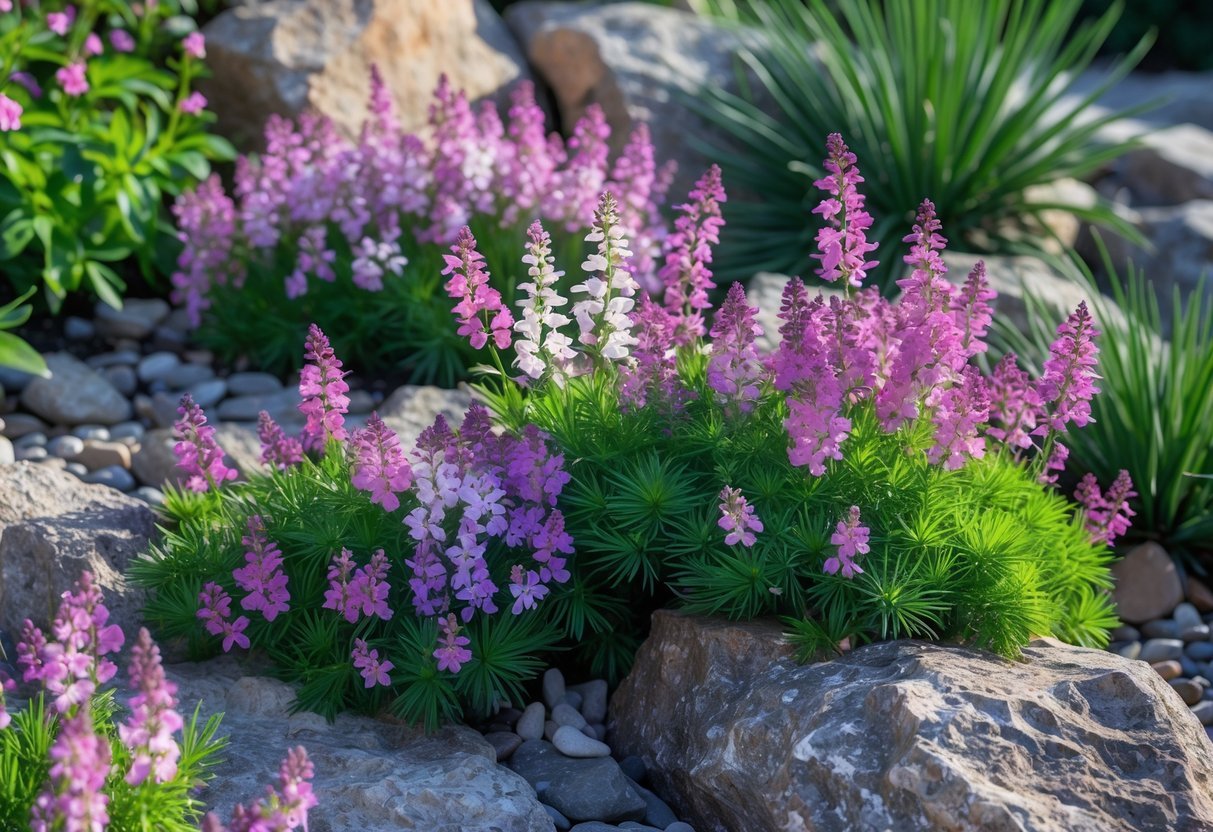
You can use creeping phlox as a low, spreading carpet of spring flowers that hugs rocks and slopes.
It stays low—about 6 inches tall—and spreads wide, making it ideal for edging and rock garden pockets.
Plant it in full sun and well-drained soil for best bloom.
It needs little care once established and can help suppress weeds by forming a dense mat.
3) Sedum (Stonecrop) varieties
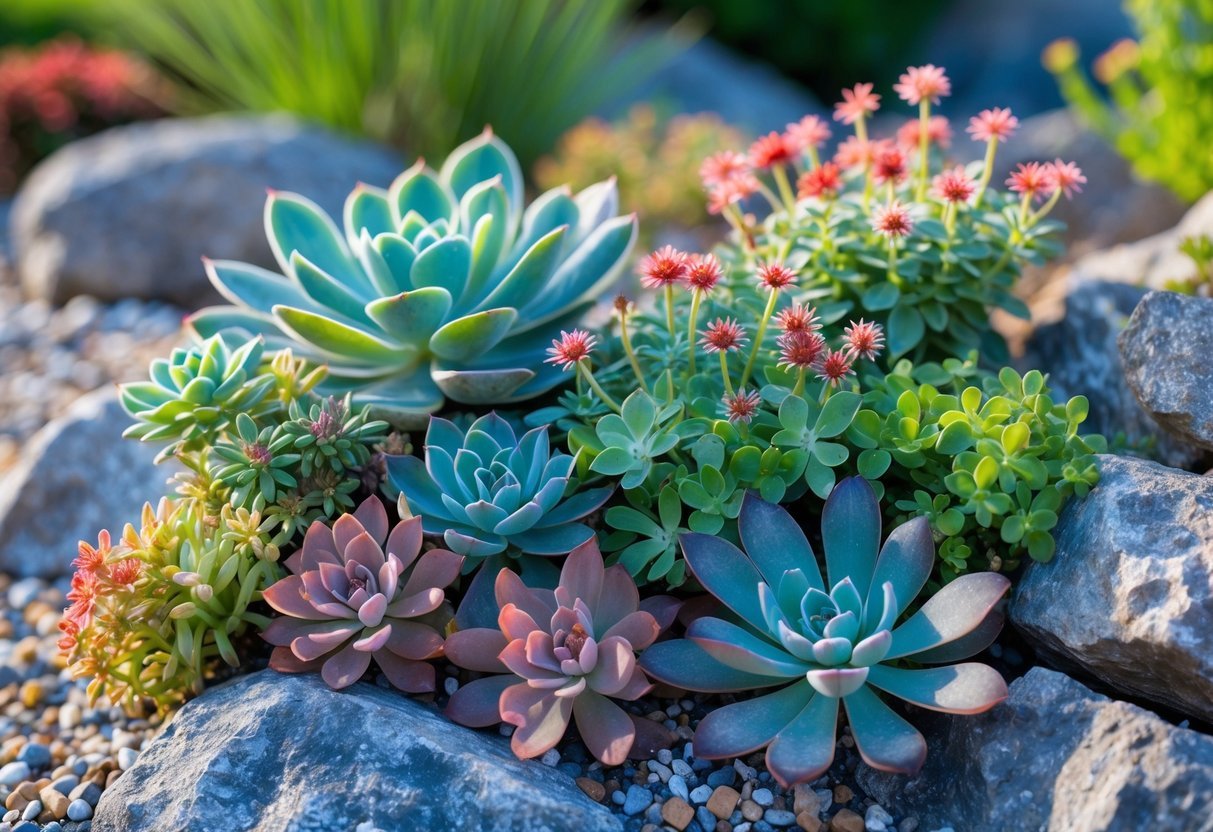
You can use sedums as low, spreading groundcover or taller clumps that attract pollinators.
They tolerate poor, rocky soil and need little water once established.
Choose creeping types like Sedum spurium for carpets between stones.
Pick upright kinds such as Sedum spectabile for late-summer flower clusters and added height.
Leaves range from silver-blue to deep green and often change color in sun or cold.
They make reliable, low-maintenance choices for a rock garden.
4) Rock Cress (Aubrieta)
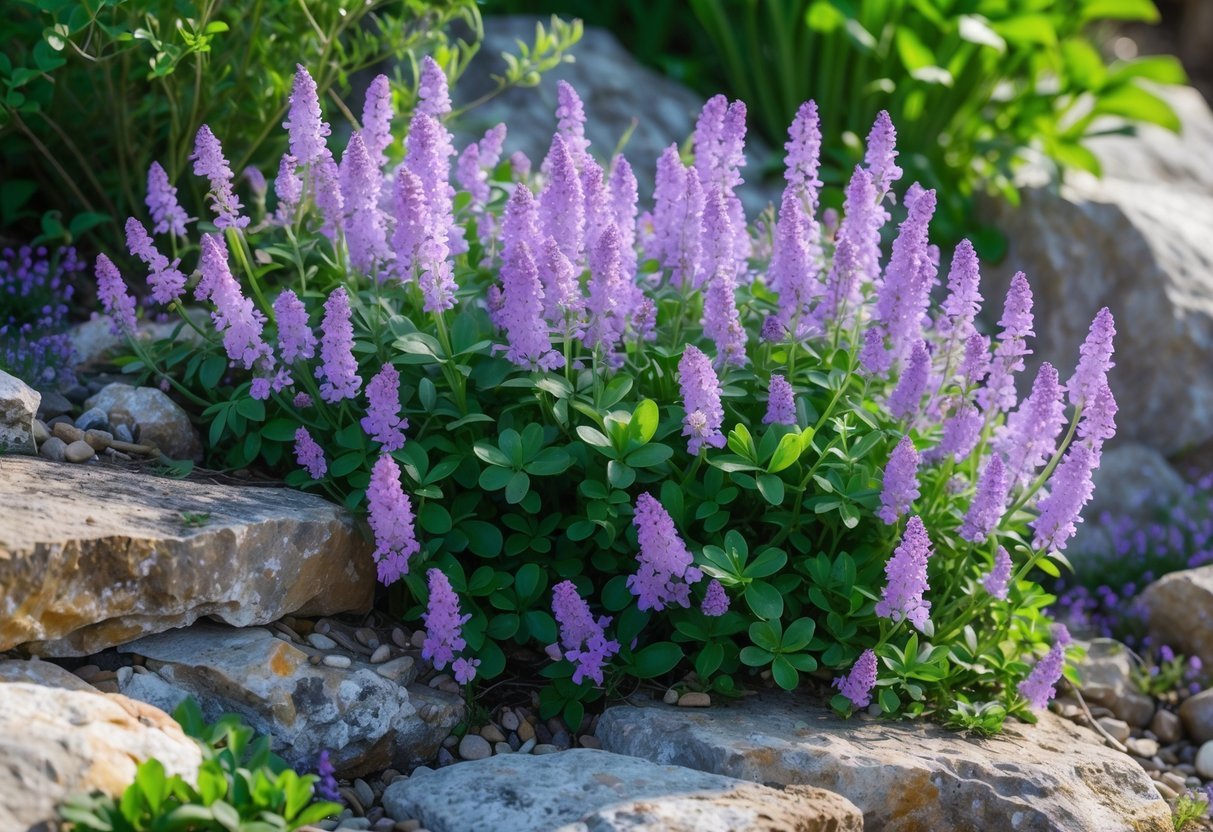
You can use rock cress to add low, spreading color in spring. It forms mats of small purple, pink, or white flowers that spill over walls and rocks.
Plant it in well-drained soil and full sun for best blooms. It pairs well under early bulbs and along rock garden paths.
Aubrieta is low-maintenance and semi-evergreen in mild climates. Trim after flowering to keep the mat neat and encourage more blooms.
5) Dwarf Iris (Iris reticulata)
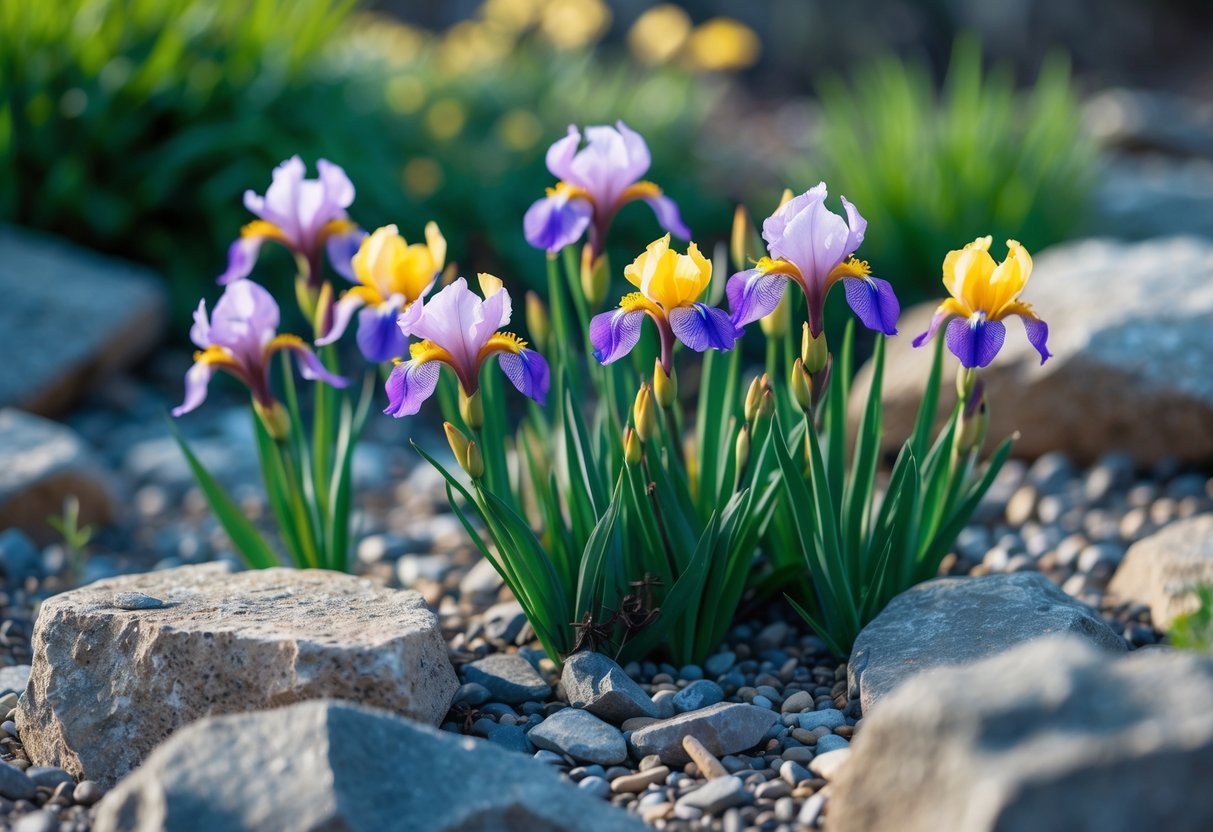
You can add early spring color with dwarf iris. These bulbs stay low, usually 4–6 inches tall, so they suit rock gardens and containers.
Plant them in well-drained soil and full sun to part shade. They naturalize well, so group several for the best effect.
Colors range from blue and purple to white. You can force them indoors for early blooms.
6) Sea Thrift (Armeria maritima)
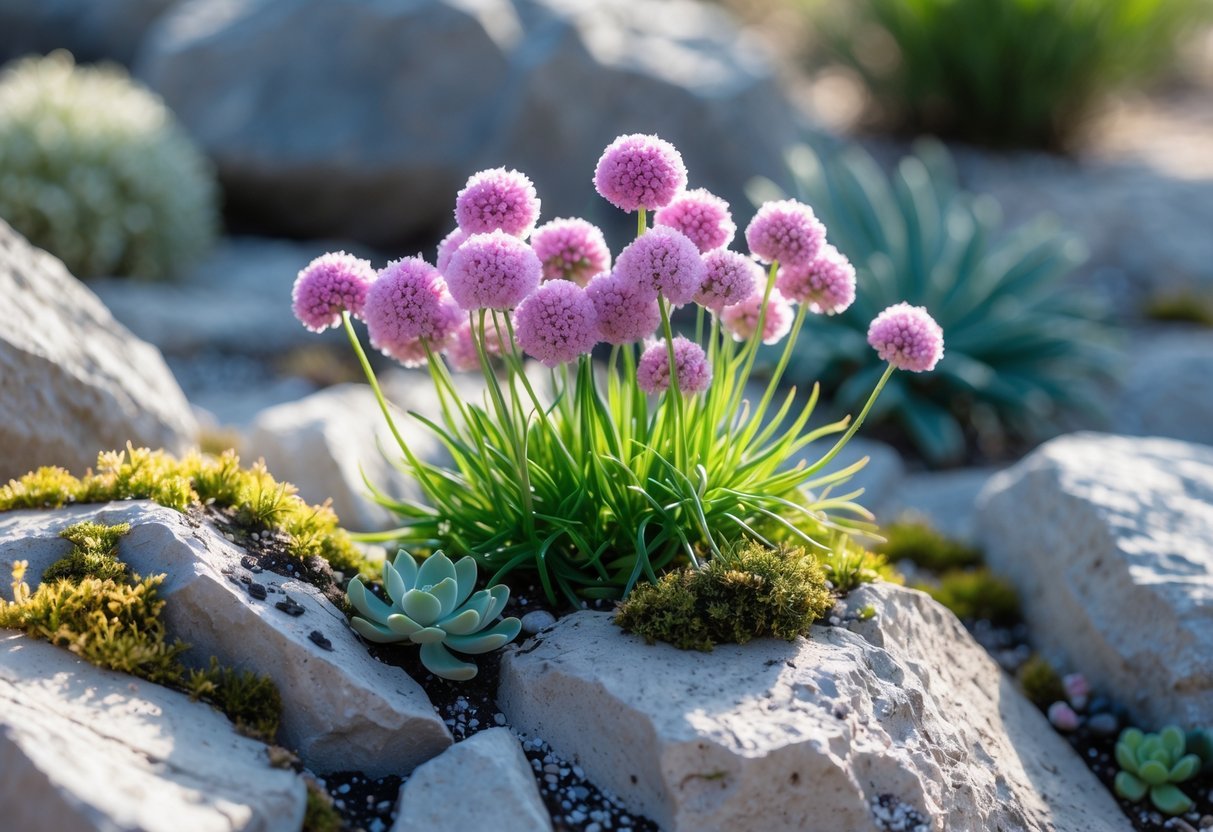
You’ll like Sea Thrift for its low, mounded form and round blooms that rise on slim stems.
It fits rock gardens, borders, and containers where you need neat, long-lasting color.
Plant in well-drained soil and full sun; it tolerates salt and dry spots.
Deadhead spent blooms to keep the clump tidy and encourage more flowering.
7) Pasque Flower (Pulsatilla vulgaris)
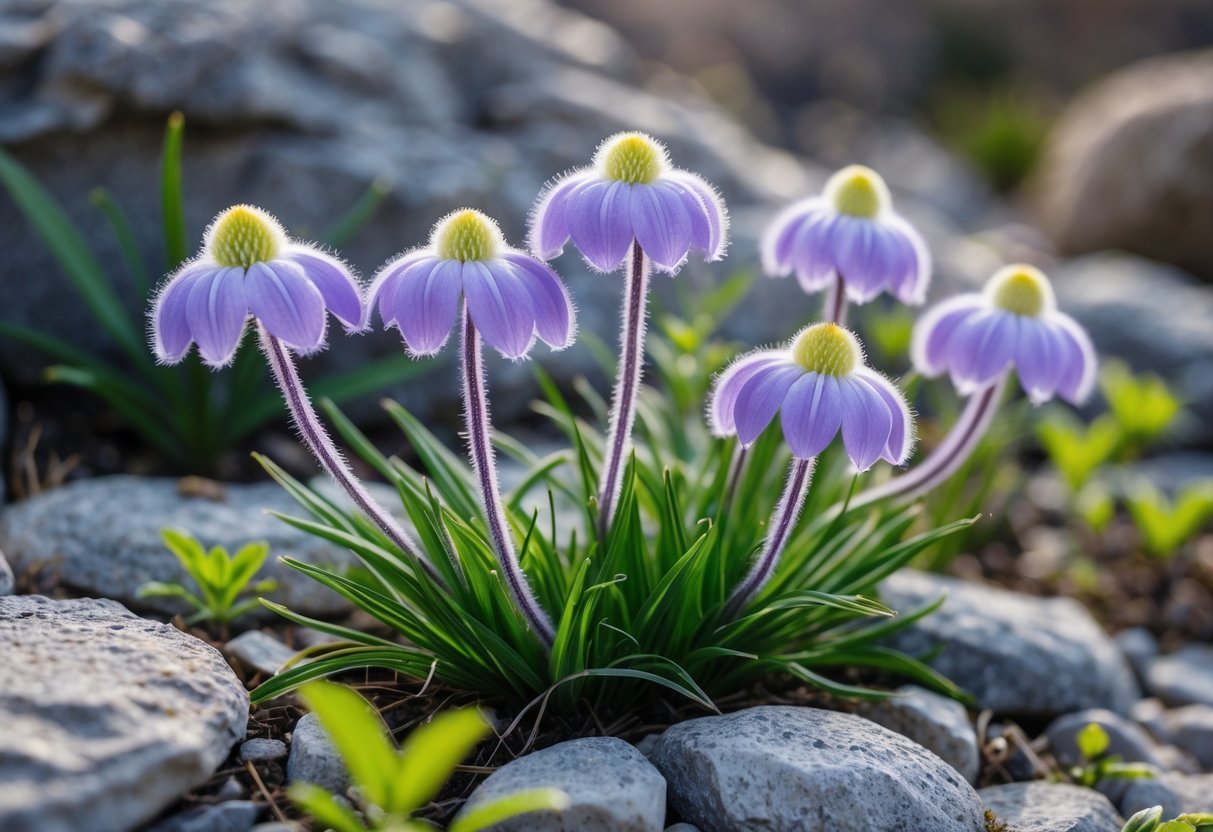
You’ll get early spring color with bell-shaped flowers in purple, white, or red. The blooms appear as feathery, silver foliage unfurls, so place them near the front of a rock garden.
They prefer well-drained, gritty soil and sun to part shade. Plants stay low and form neat clumps that suit rock edges and alpine beds.
Seedheads are attractive and add winter interest. Protect young crowns from heavy winter wet to keep them healthy.
8) Hens and Chicks (Sempervivum)
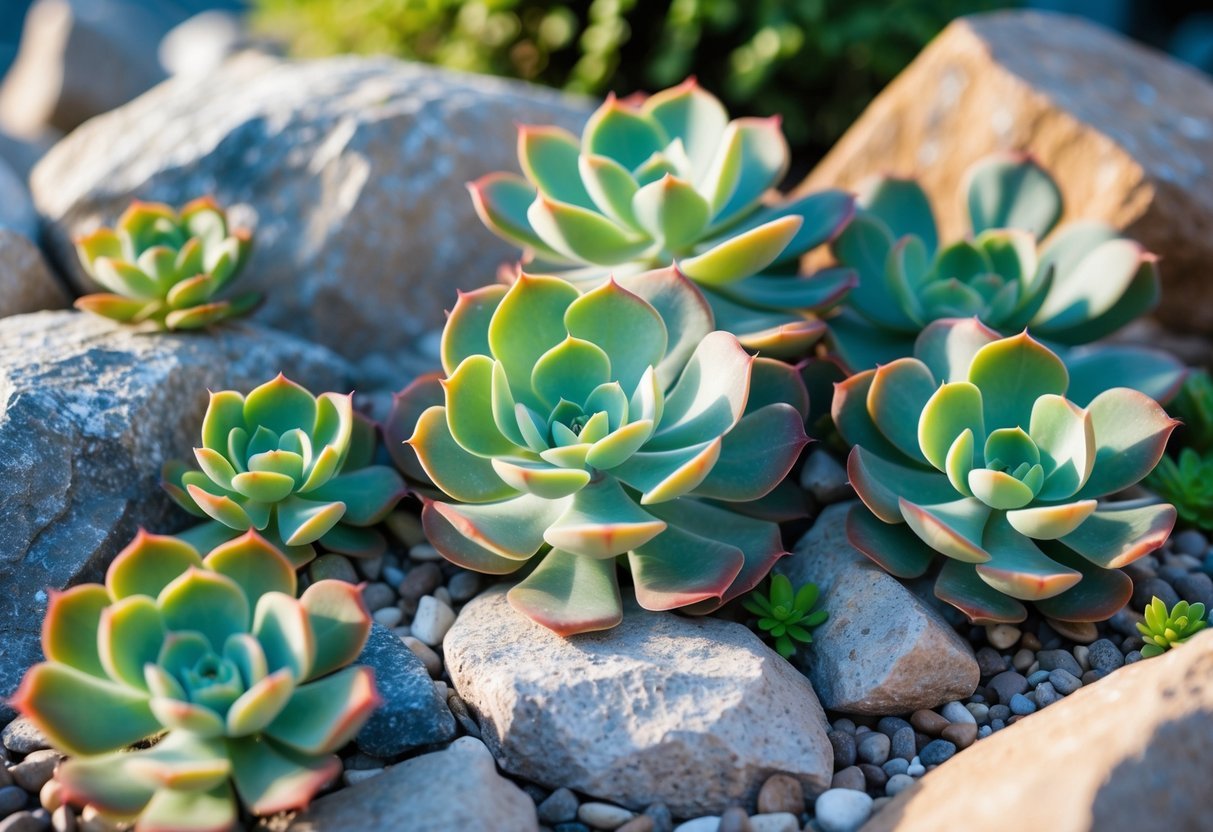
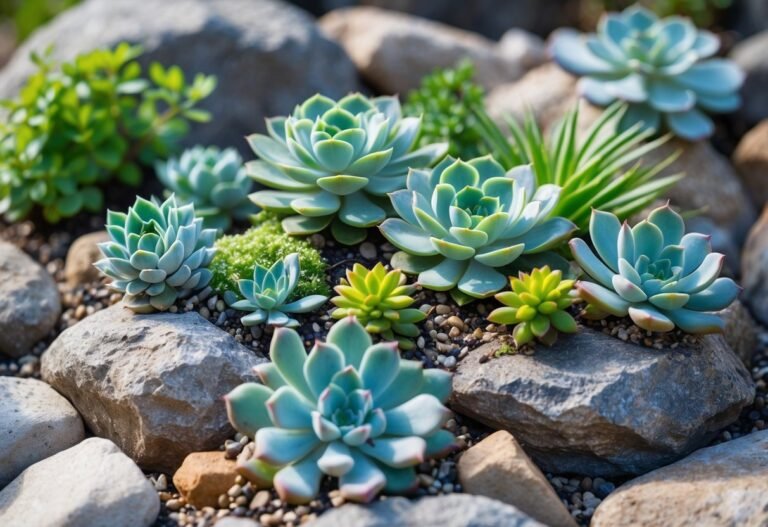
You can use hens and chicks for low-maintenance color and texture in rock gardens. They form tight rosettes that spread slowly, filling gaps between stones.
Plant them in very well-drained soil and full sun for best color. They tolerate drought and poor soil, so they suit shallow pockets and crevices.
You can propagate by separating offsets. Mix different varieties for contrasting shapes and tones.
9) Mountain Avens (Dryas octopetala)
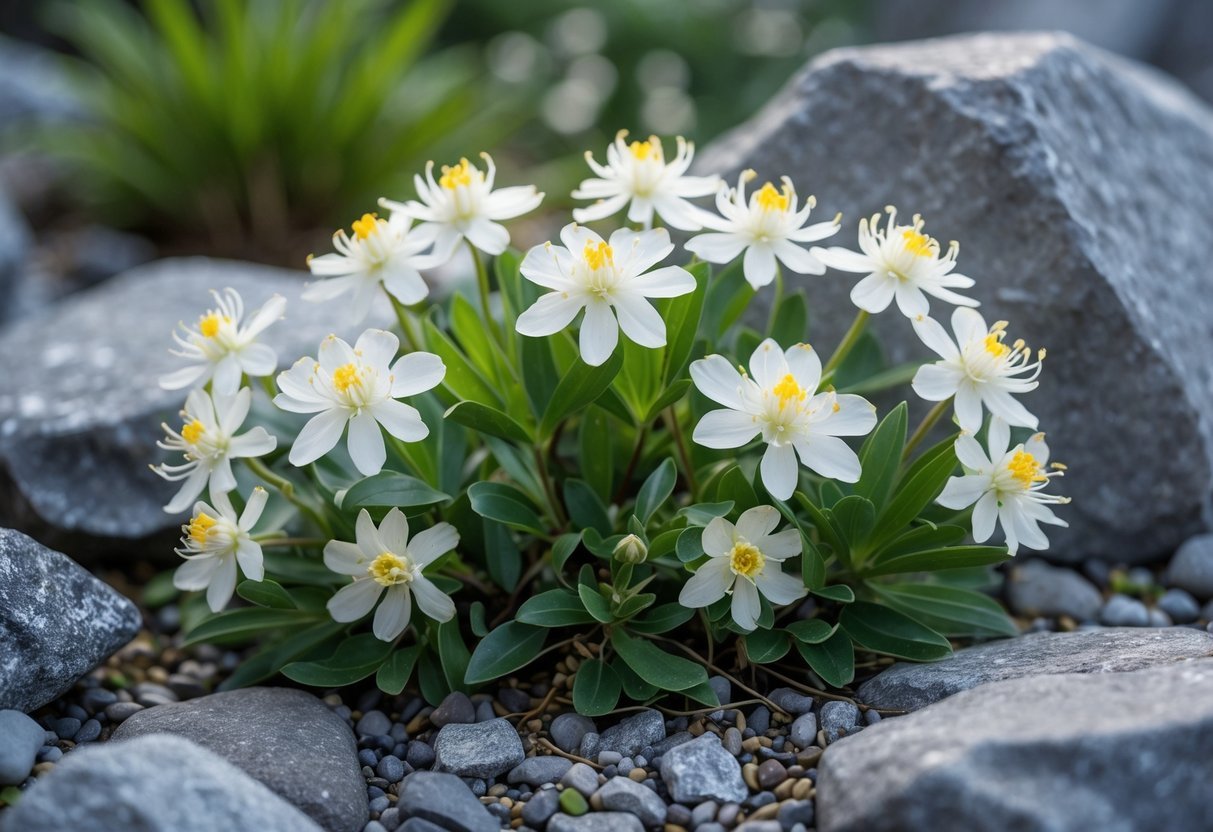
You’ll like Mountain Avens for a low, evergreen groundcover that forms tight mats. The glossy, oak-like leaves stay neat and the white, eight-petaled flowers appear in late spring to early summer.
Plant it in full sun with very well-draining, rocky or sandy soil. It tolerates cold and poor soils, so it’s ideal for alpine or exposed rock gardens.
Planning And Designing A Rock Garden
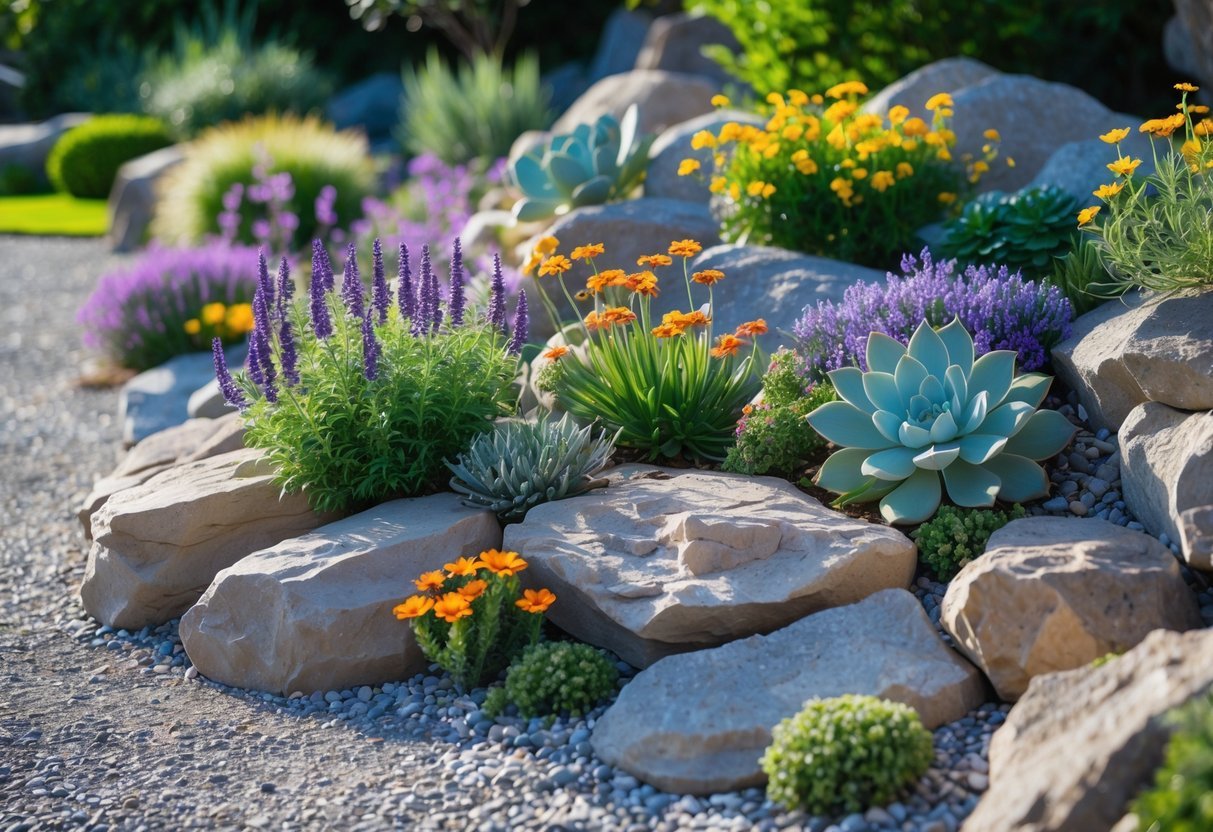
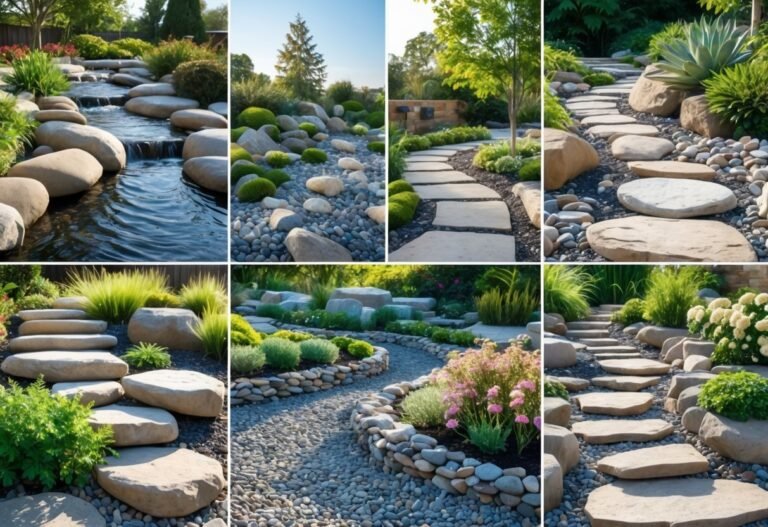
Decide where sunlight, drainage, and visual impact matter most. Match soil, plant types, and rock sizes to that spot so the garden looks intentional and grows well.
Choosing The Right Location
Pick a spot with the light pattern your plants need. Many rock garden plants prefer full sun (6+ hours) or at least morning sun; choose shade-tolerant species if the area is shaded. Watch the site for one week to note sun, shade, and wind patterns.
Check drainage before planting. Rock gardens need well-drained soil; avoid low spots that hold water. If drainage is poor, raise the bed or add a gravel layer beneath planting zones.
Think about visibility and scale. Place the garden where you will see it from a patio, path, or window. Use a size and rock scale that match your yard—large boulders can swamp a small yard, while small stones look lost in a large space.
Soil Preparation Tips
Test the soil pH and texture first. Many rock garden plants prefer slightly alkaline to neutral soil and gritty, sandy loam. Use a simple home test kit or send a sample to a local extension office.
Amend heavy clay or compacted soil. Mix in coarse sand, small gravel, or grit at about 20–30% by volume to improve drainage. For raised rock beds, create a mix of topsoil, compost (10–15%), and grit to support roots without holding water.
Avoid excessive fertility. Rock garden plants often do better in lean soils. Add compost sparingly and skip high-nitrogen fertilizers that encourage soft, floppy growth. Mulch with gravel or small pebbles to keep moisture even and reduce weeds.
Harmonizing Colors And Textures
Choose plants with varied leaf shapes and bloom times. Combine low mounding sedums, spiky alpines, and soft-textured thyme to create contrast. Group plants in odd-numbered clusters (3–5) for a natural look.
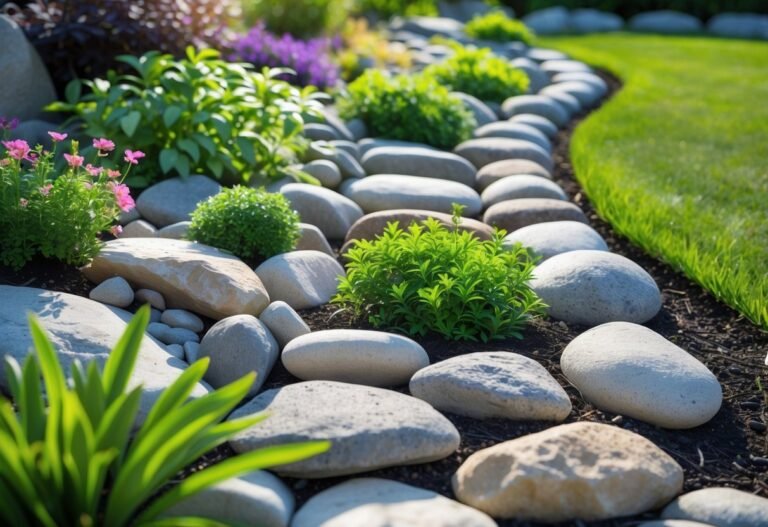
Match rock color and size to plant tones. Use warm-toned rocks (tan, rust) with yellow and red flowers; cool gray stones work well with blues and whites. Place larger rocks as anchors and scatter smaller stones near plantings to blend transitions.
Think seasonally. Include early bloomers like rock cress, summer-flowering stonecrop, and late-season asters or sedums for fall interest. This keeps color and texture balanced through the year.
Caring For Rock Garden Flowers
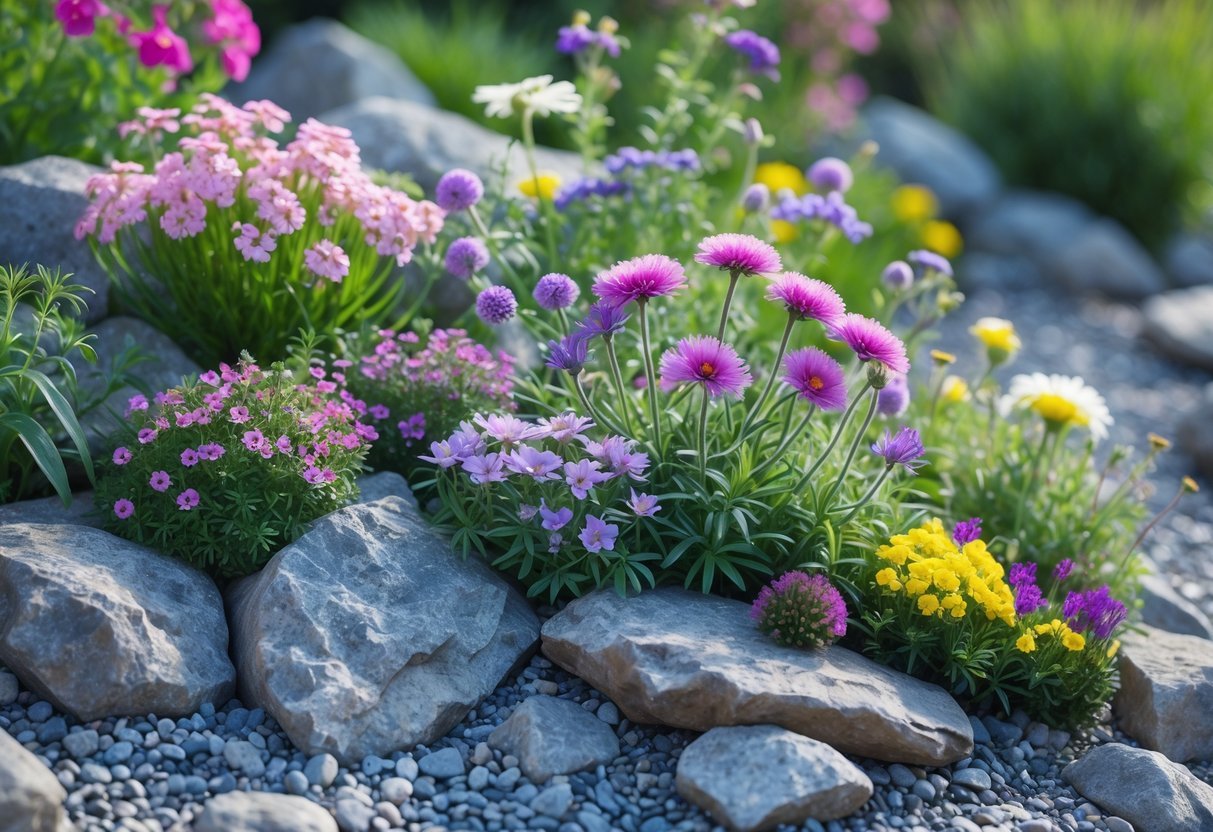
You will focus on good drainage, targeted water, light mulch, and seasonal pruning to keep plants healthy. Small, regular tasks prevent most problems and help flowers bloom on rocky, fast-draining sites.
Watering And Drainage Solutions
Rock garden plants need fast-draining soil and water only when the top 1–2 inches of soil are dry. Use a sharp trowel to check moisture near roots. For new plantings, water deeply once or twice a week for the first month, then cut back as roots establish.
Install a gravel or coarse-sand mix around roots to speed drainage. Raised mounds or rock crests help shed excess water away from crowns. If you use irrigation, choose drip lines or soaker hoses set on a timer for short runs (5–10 minutes) rather than overhead sprinklers.
Avoid letting water pool against plants. If you notice yellowing lower leaves or soft crowns, reduce water and improve soil mix with grit or pumice. In winter, protect shallow-rooted perennials by raising planting slightly or adding a light layer of dry mulch (see below) to prevent freezing-thaw damage.
Mulching For Weed Control
Use coarse gravel or crushed stone as the main mulch; it matches the aesthetic and keeps soil warm and dry. Apply a 1–2 inch layer over exposed soil, leaving a small gap (about 1 inch) around crowns to prevent rot.
For seedling beds, use a thin ½ inch layer of organic mulch like shredded bark for a short time, then replace with gravel once plants are larger. That helps hold moisture for young roots without creating lasting damp conditions.
Remove weeds by hand when small. Pull roots gently and replace disturbed gravel. For stubborn weeds, use a weed barrier fabric under the gravel, but avoid sealing the soil completely—roots still need some air and water exchange.
Pruning And Seasonal Maintenance
Deadhead spent flowers regularly to encourage more blooms and to keep plants tidy. Pinch or shears-cut flower stalks back to the base once blooms fade. For low-growing mats like sedum or thyme, trim lightly after flowering to keep shape.
Cut back herbaceous perennials in late fall or early spring, removing dead stems to reduce pests and disease. Leave a small layer of stem for winter protection if your zone has harsh freezes, then clean up new growth in spring.
Divide overcrowded clumps every 2–4 years in spring or early fall. Lift with a fork, split the root mass, and replant sections on fresh gravelly soil. Inspect roots when dividing—discard any soft or rotten parts to maintain healthy stock.
Frequently Asked Questions
This section answers common choices, placement, and care tips for specific rock garden flowers. You will find plant names, planting methods, and short care notes for dry, sunny, or shallow-soil spots.
What are the best low-maintenance flowers for a rock garden?
Creeping Phlox and Sedum varieties top the list for low care. Both spread to cover ground, need well-drained soil, and bloom with little feeding.
Alpine Forget-Me-Not is hardy and needs only occasional water once established. Rock Cress also requires little feeding and gives long-lasting spring color.
How can I incorporate plants into a simple rock garden design?
Place taller plants like Dwarf Iris toward the back or center of raised mounds. Use creeping plants such as Creeping Phlox and Sedum to soften rock edges and fill gaps.
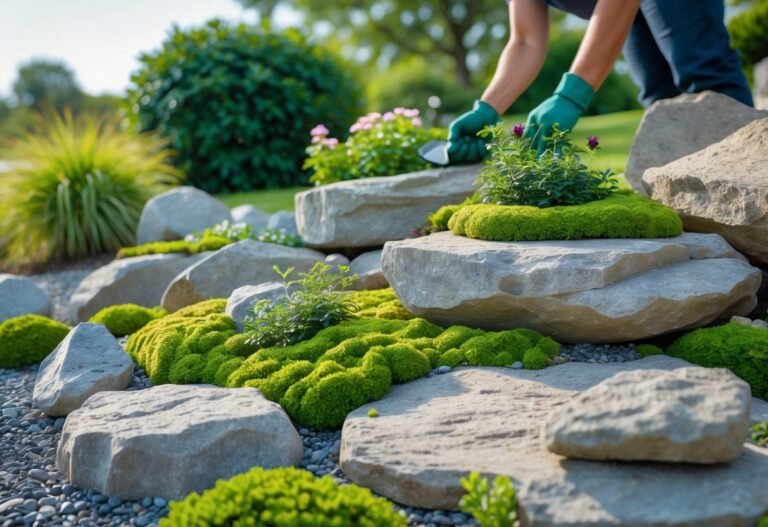
Create pockets of soil between stones for small perennials. Plant in groups of three to five for a natural look and easier maintenance.
Which plants thrive in rocky soil conditions?
Sedum and Rock Cress do best in gritty, fast-draining mixes. Alpine Forget-Me-Not tolerates thin soils on slopes and ledges.
Dwarf Iris grows well in shallow, rocky beds that warm quickly in spring. Choose plants rated for your hardiness zone.
Can you suggest some flowers that grow on rocks without soil?
Some Sedum varieties and alpine succulents can root in shallow crevices with minimal organic matter. Look for dwarf Sedum and tiny rosette succulents.
Aubrieta (Rock Cress) can also root in cracks where a thin film of soil collects. Ensure occasional water after planting until roots anchor.
What are some ideal plant choices for a sun-filled rock garden?
Creeping Phlox, many Sedum varieties, and Dwarf Iris prefer full sun and hot, dry conditions. These produce bright spring and summer color with little shade.
Plant sun lovers in the warmest, south- or west-facing parts of your rock garden. Provide excellent drainage to prevent root rot.
Could you provide ideas for a small rock garden in front of a house?
Build a shallow raised bed near the walkway and use flat stones to create terraces. Plant Creeping Phlox and Sedum around stones for long blooms and seasonal texture.
Add a focal clump of Dwarf Iris for early spring interest and scatter Alpine Forget-Me-Not for soft blue patches. Keep plantings compact and choose low-growing varieties to avoid blocking views.