Enclosed Vegetable Garden Design Ideas: Practical Layouts, Materials, and Planting Tips
You want fresh vegetables, year-round protection, and a garden that fits your space and style. Enclosed vegetable gardens give you climate control, pest defense, and tidy growing zones so you can grow more food with less hassle. Choose the right enclosure, layout, and features to match your light, space, and skill level, and you’ll see healthier plants and bigger harvests.
This article shows simple design ideas and practical choices so you can pick a plan that works for a small balcony, a backyard, or a raised-bed setup. You’ll find clear options for structure, planting layout, and useful features like trellises, removable covers, and built-in irrigation.
Key Takeaways
- Match enclosure type and layout to your space and sunlight.
- Focus on core features like protection, drainage, and access.
- Pick a style that balances function and visual appeal.
Core Elements of Enclosed Vegetable Garden Design
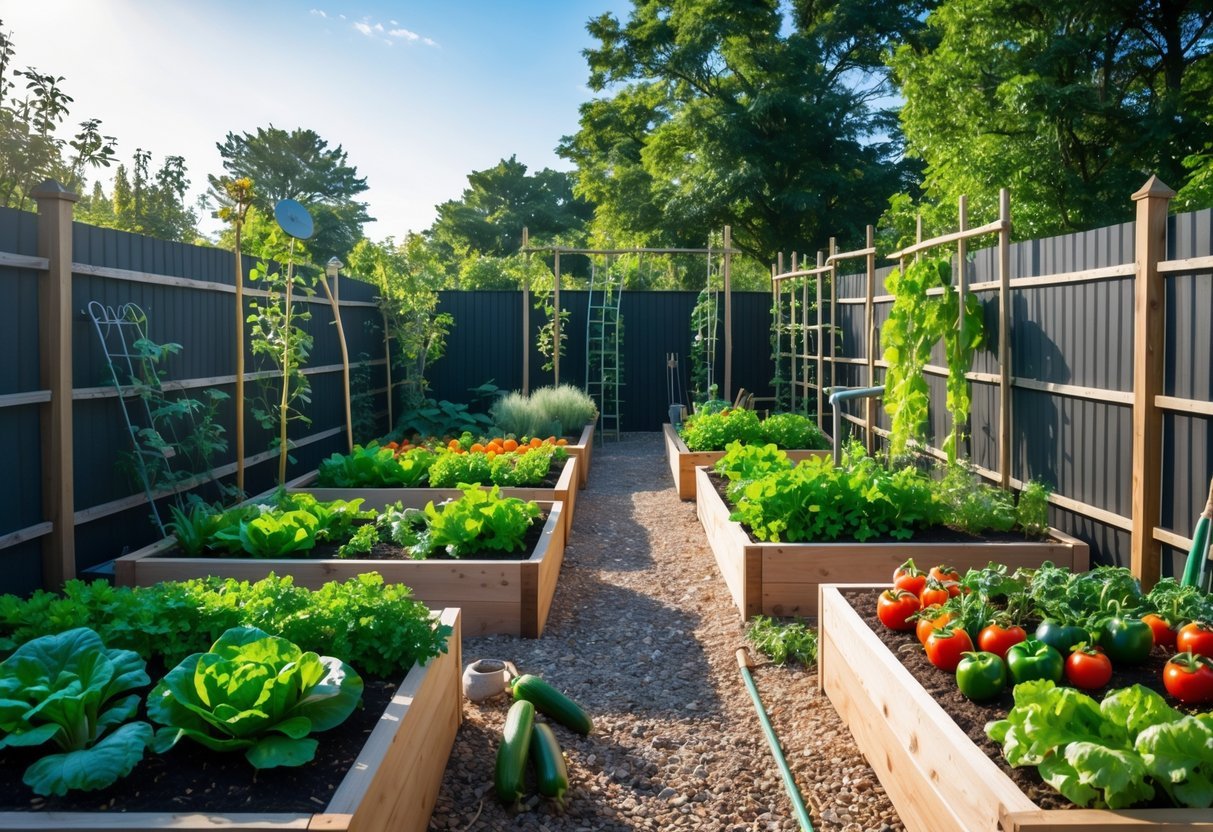
You need a durable enclosure, the right structures and materials, and a site layout that fits sunlight, drainage, and access. Each choice affects pests, microclimate, and ease of care.
Types of Enclosures for Vegetable Gardens
Choose an enclosure based on pest pressure, season length, and budget. Common options include:
- Hoop houses / low tunnels: Cheap and quick. Use flexible PVC or metal hoops with row cover or greenhouse film. Best for extending season and protecting from light frost.
- Cold frames: Small, low-profile boxes with a hinged lid. Ideal for starting seedlings or hardening off transplants.
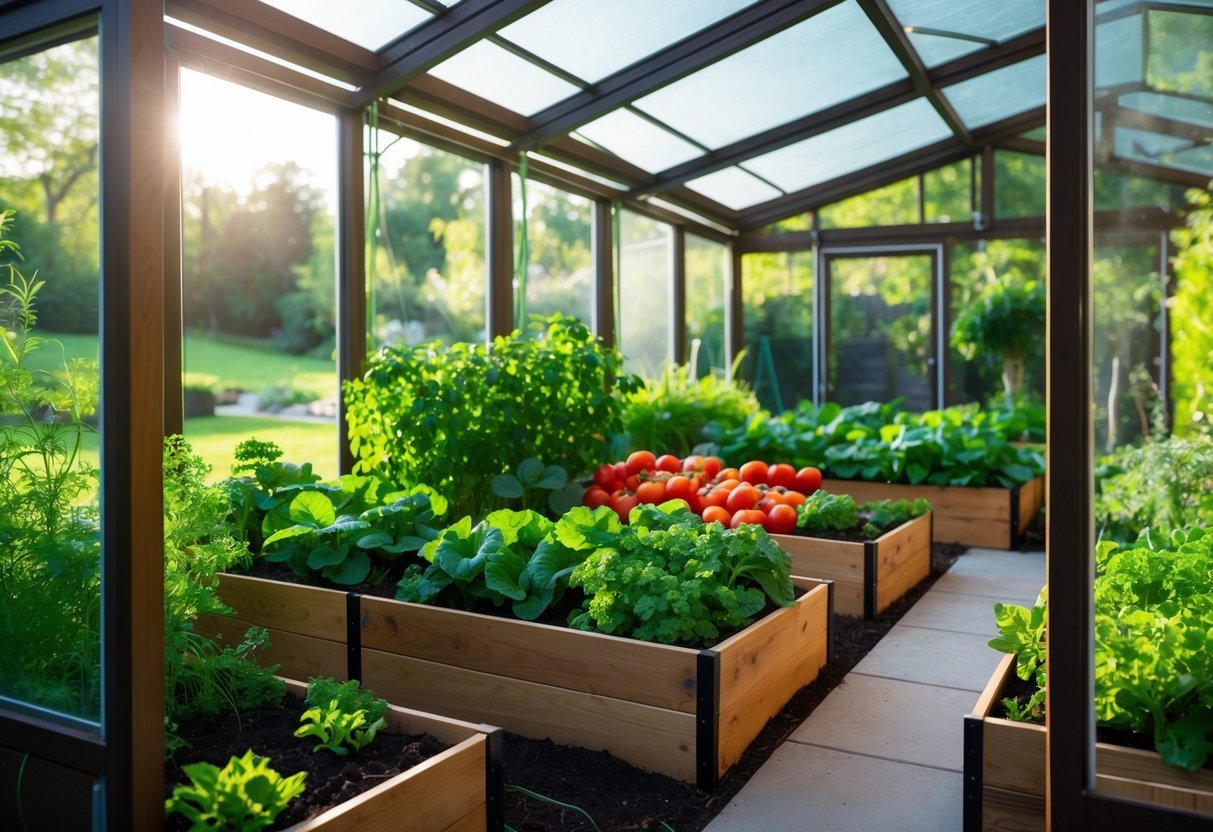
- Greenhouses: Rigid frames with glass or polycarbonate. Offer year-round control of temperature and humidity but cost more.
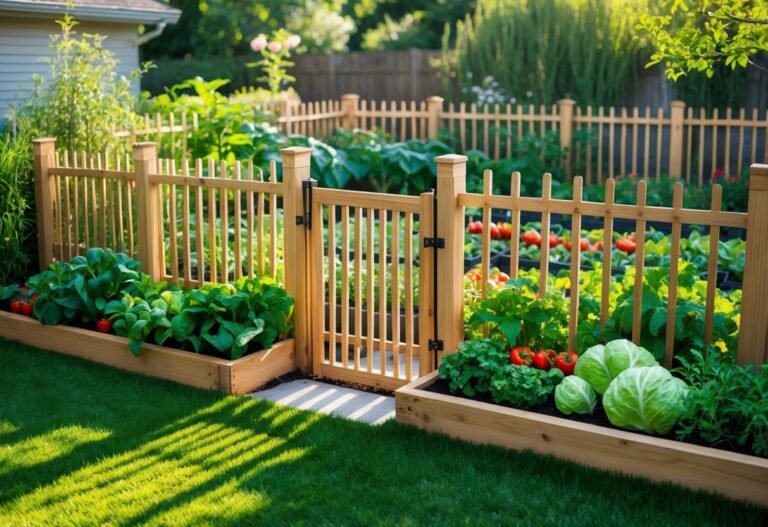
- Fenced raised beds: Solid perimeter fencing (wire, slat, or mesh) to block rabbits, deer, and pets. Combine with netting for birds.
- Fully enclosed sheds or mini-greenhouses: Provide high security and climate control for tender crops and valuable plants.
Match the enclosure to crops: tomatoes and peppers do well in greenhouses; lettuces and greens thrive under row covers. Consider ventilation, door placement, and how often you’ll access plants.
Essential Structures and Materials
Pick materials that balance durability, light transmission, and cost. Focus on these components:
- Frame: Galvanized steel, aluminum, or pressure-treated wood. Steel and aluminum resist rot and last longer; wood is cheaper but needs treatment.
- Covering: Polyethylene film, polycarbonate panels, or glass. Polycarbonate gives good insulation and impact resistance; film is low-cost but less durable.
- Benches and beds: Raised beds with rot-resistant wood or composite boards improve soil depth and drainage. Use 6–12 inch beds for herbs, 12–24 inches for most vegetables.
- Fasteners and seals: Use corrosion-resistant screws, weather stripping, and silicone sealant to keep pests and drafts out.
- Irrigation and drainage: Install drip lines or soaker hoses and slope beds slightly or add gravel to prevent waterlogging.
Prioritize ventilation (roof vents, louvered side vents), shade cloth for hot afternoons, and removable panels for seasonal flexibility.
Site Selection and Layout
Pick a spot with 6–8 hours of direct sun for warm-season crops and good air circulation to reduce disease. Avoid low spots where cold air and standing water collect.
Lay out paths at least 18–24 inches wide for comfortable access with tools and wheelbarrows. Position taller crops or trellises on the north side so shorter plants get full sun. Orient greenhouses with their ridge running east–west to capture more uniform light.
Test soil for pH and nutrient levels before building. If soil is poor, use raised beds filled with a mix of compost, topsoil, and coarse sand for drainage. Place water source and power within 20 feet to simplify irrigation and run small fans or heaters when needed.
Popular Enclosed Vegetable Garden Styles
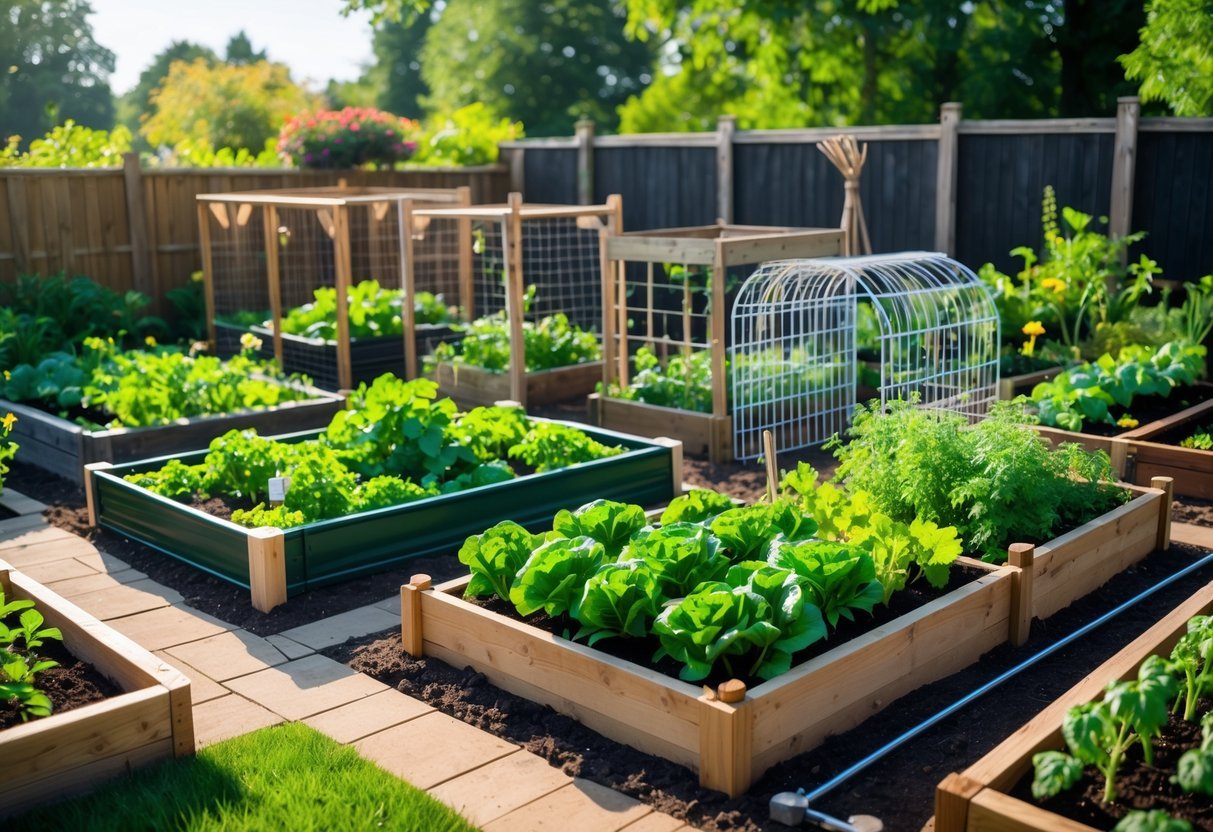
These designs focus on protection, season extension, and space use. You’ll see solid walls for shelter, glass or poly panels for controlled climates, and raised frames that keep soil tidy and pests out.
Traditional Walled Gardens
Traditional walled gardens use stone, brick, or wood walls that range from 3 to 8 feet high. Walls hold heat during the day and release it at night, so you can grow heat-loving crops like tomatoes and peppers earlier and later in the season.
You should orient walls to capture southern sun and leave gaps or vents for airflow to prevent mildew. Use south-facing microclimates for tender herbs and root crops that benefit from steady warmth.
Design tips:
- Build walls with thermal mass (brick or stone) for heat retention.
- Include trellises and espaliered fruit trees along walls to maximize vertical space.
- Add narrow paths for easy access and watering.
Greenhouse Vegetable Gardens
Greenhouses use glass or polycarbonate panels and come in sizes from small cold frames to 10×12 ft hobby structures. They give the most control over temperature, humidity, and light, so you can start seedlings early, grow winter greens, and protect plants from heavy rain and pests.
You need ventilation (roof vents or exhaust fans), shade cloth for hot afternoons, and a simple heater or thermostat for winter use.
Key features:
- Double-layer polycarbonate for insulation.
- Automated vents or manual louvered windows.
- Benches and shelving to keep plants off the ground and organized.
Raised Bed Enclosures
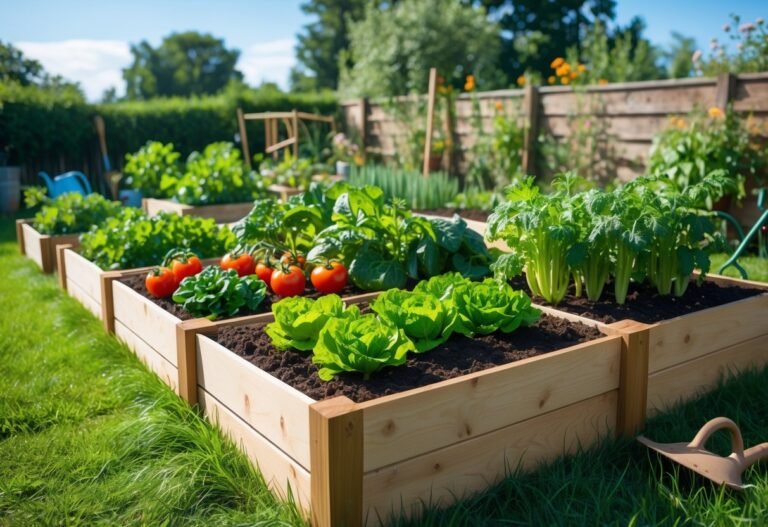
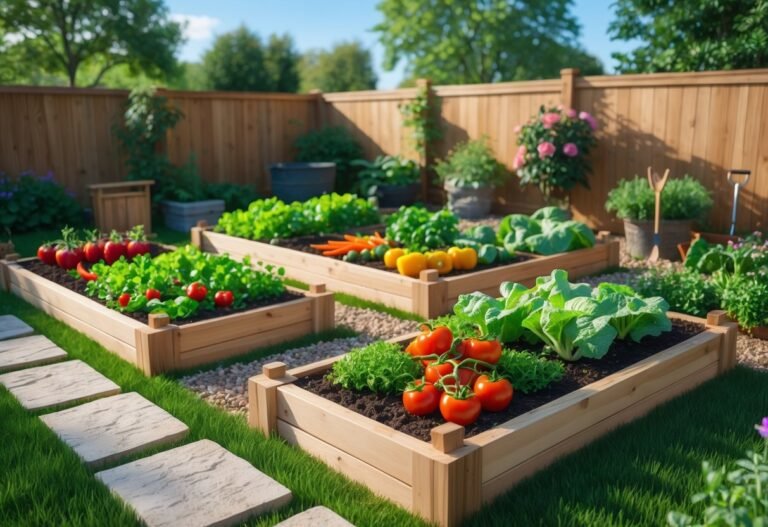
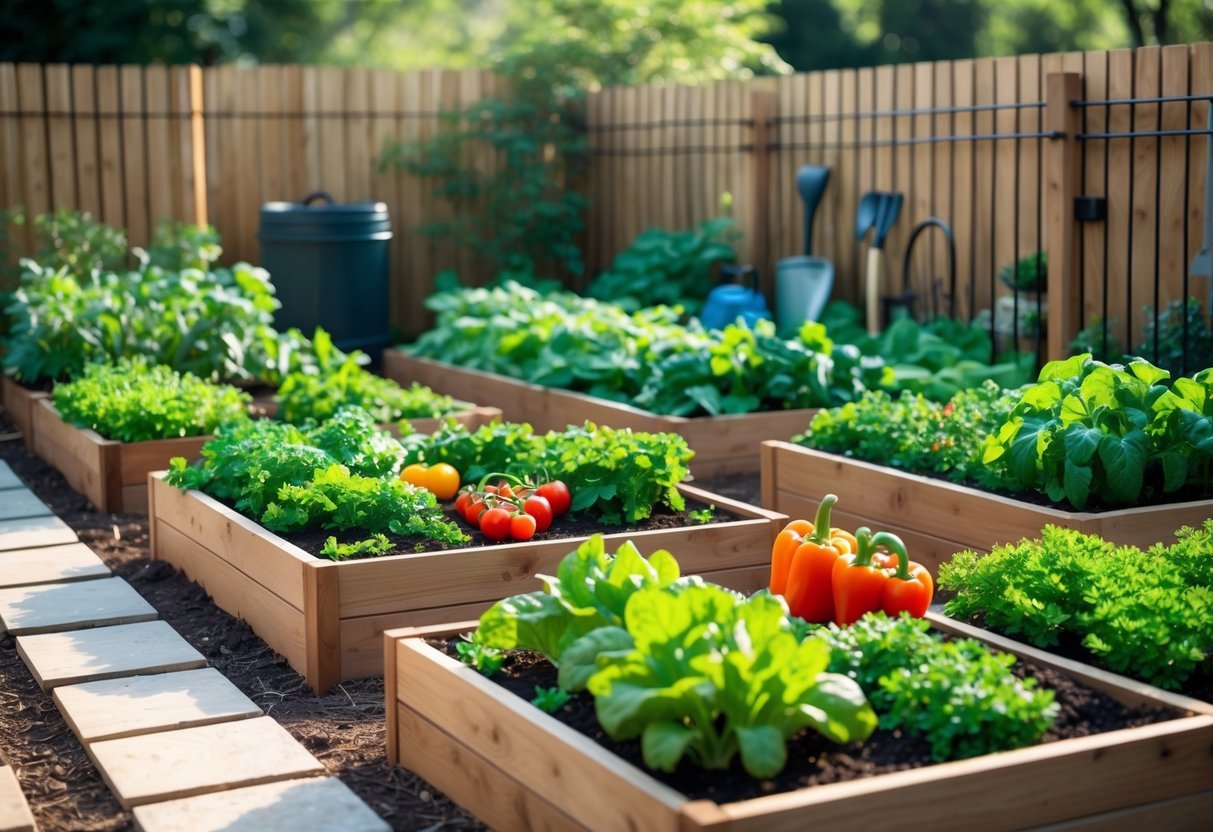
Raised bed enclosures combine framed beds with mesh, hoop covers, or low walls to keep soil healthy and pests out. They let you use high-quality soil mixes, improve drainage, and reduce bending while you work. Enclosures like wire cages or row covers protect crops from rabbits, deer, and birds without a full structure.
You should size beds 3–4 feet wide so you can reach the center. Use removable covers for season extension and hinged frames for easy harvesting.
Practical options:
- Cedar or composite frames for rot resistance.
- Poultry netting or hardware cloth to block rodents.
- Removable frost cloth or poly hoops for cold snaps.
Functional Features and Practical Considerations
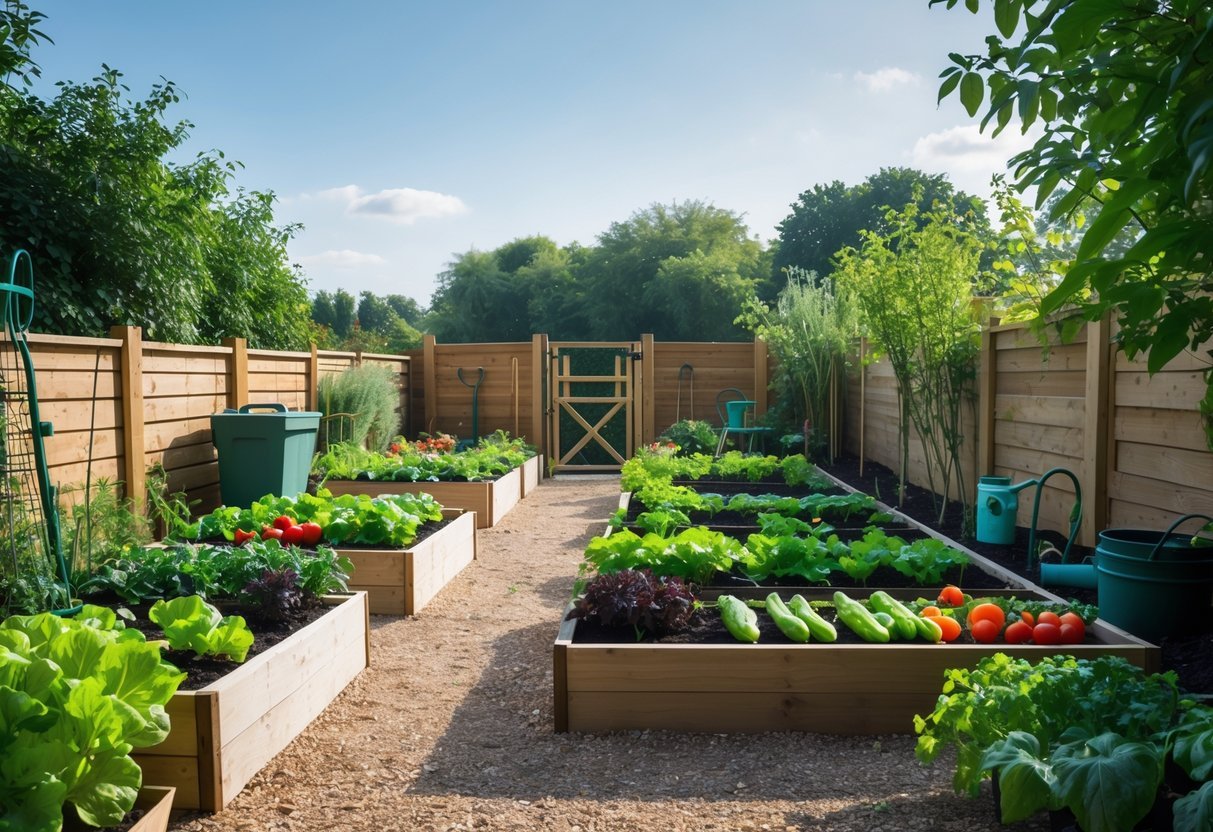
Plan for easy movement, reliable climate control, and water management so your enclosed garden stays productive and low-maintenance. Focus on clear access, airflow and temperature control, and a watering plan that prevents both drought and waterlogging.
Access, Pathways, and Entrances
Design paths at least 24–36 inches wide for wheelbarrows and tools; make them wider (40–48 inches) if you use a wheelchair or large equipment. Use firm, level surfaces such as compacted gravel, paving stones, or treated lumber to prevent mud and slips. Place gates or doors on the long side of the enclosure for easier reach to plant rows and to reduce trampling.
Position entrances to give direct access to high-use areas like raised beds, compost bins, and water spigots. Add a small mudroom or tool shelf near the entrance to store gloves, pruners, and seed trays. Include low thresholds and self-closing latches if you need to keep pets or pests out.
Ventilation and Climate Management
Install vents at high and low points to create passive airflow; hot air exits near the top and cooler air enters near the bottom. Use adjustable louvered vents or automatic vent openers for greenhouses so vents respond to temperature swings without constant monitoring. Shade cloth (30–50% shading) helps prevent overheating on sunny days.
Add a thermostat-controlled fan for active circulation when passive vents aren’t enough. For cold months, use electric or propane heaters rated for outdoor/greenhouse use and position them away from plants to avoid hot spots. Monitor humidity with a hygrometer and keep relative humidity near 50–70% to reduce fungal problems.
Watering Systems and Drainage
Choose drip irrigation or soaker hoses for consistent root watering and reduced foliage wetting. Connect timers or smart controllers to automate watering schedules based on time of day and seasonal needs. Place pressure regulators and filters to protect emitters from clogging.
Grade beds and paths to direct excess water to a gravel trench or a dry well; aim for a 1–2% slope away from structures. Use raised beds with well-draining mix if your site has heavy clay soil. Install an overflow outlet on any containment beds or water-collecting areas to prevent standing water after heavy rain.
Aesthetic and Creative Enclosed Garden Ideas
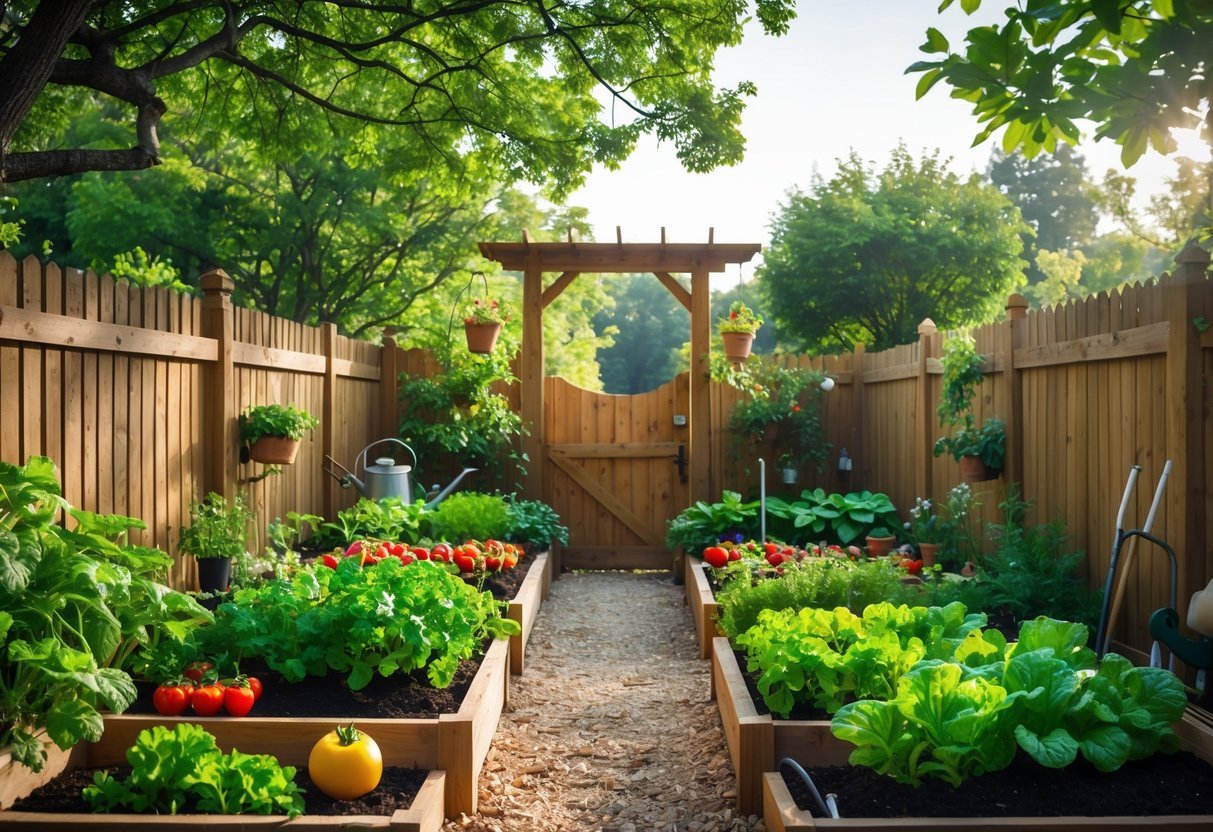
Use materials and plant choices that add color, texture, and structure to your space. Focus on fencing, vertical growing surfaces, and edible borders that look good and make maintenance easier.
Decorative Fencing Solutions
Choose fencing that matches your home’s style and keeps pests out. Wood picket fences give a classic look; use cedar or redwood for rot resistance. Paint or stain in muted tones like sage or grey to blend with plants. For a modern feel, install horizontal slat panels in metal or reclaimed wood. Leave 1–2 inches between slats for airflow and light.
Add functional features: hinged gates with latches, built-in trellis panels, or attached planter boxes. Trellis-topped fences let climbing beans or peas grow upward without extra supports. If deer or rabbits are a problem, add a 2–3 foot welded wire mesh at the base of the fence. Use decorative post caps and integrated lighting to make the fence part of the garden’s design after dark.
Incorporating Vertical Growing Spaces
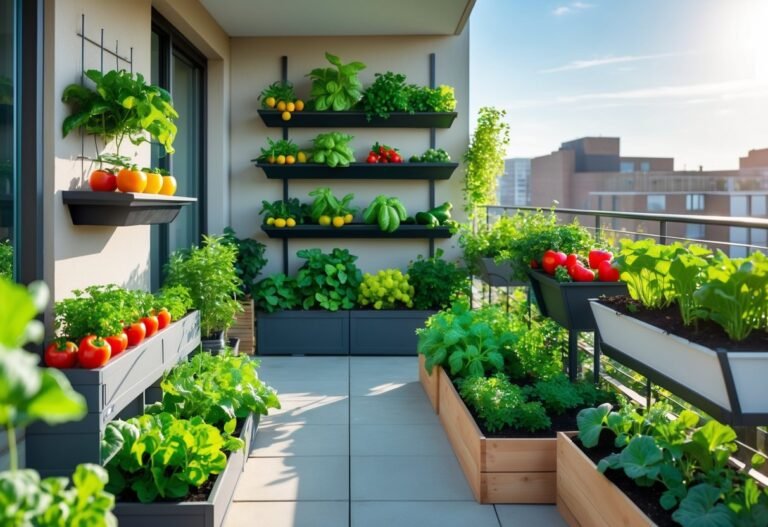
Vertical growing saves ground space and creates visual interest. Mount sturdy trellises on the inside of the enclosure for cucumbers, gourds, and pole beans. Use wall-mounted pockets or pallet planters for herbs, lettuces, and strawberries. Make sure supports can hold wet soil weight—use brackets and galvanized hardware.
Mix plant heights and textures. Train indeterminate tomatoes up cages tied to overhead wires. Alternate flowering vines like nasturtiums with edible vines to attract pollinators. Place heavier containers on lower shelves and lightweight pots higher to avoid tipping. Ensure irrigation reaches upper levels—drip tubing with emitters works best for consistent moisture.
Companion Planting and Edible Borders
Design edible borders that look intentional and help plant health. Plant marigolds, oregano, and chives along paths to repel pests and add scent. Use low-growing lettuce, thyme, or alpine strawberries as edging to soften bed edges and provide frequent harvests. Space taller crops behind the border so they don’t shade smaller edibles.
Combine colors and bloom times. Pair basil with tomatoes to enhance flavor and deter insects. Interplant flowers like calendula and borage to attract beneficial insects and improve pollination. Keep a 6–12 inch clearing for paths so you can harvest without compacting soil. Rotate border plants each season to reduce disease buildup and keep soils productive.
Frequently Asked Questions
This section answers practical choices about cost, materials, layouts, and small-space designs. You will get step-by-step ideas, specific material options, and layout tips that fit many budgets and yard sizes.
What are some cost-effective ways to create an enclosed vegetable garden?
Use recycled pallets, old windows, or salvaged lumber for raised bed frames and fence panels to cut material costs. Buy secondhand greenhouse plastic or repurpose clear storm windows for cheap glazing.
Choose inexpensive covers like 6-mil polyethylene or shade cloth instead of rigid glazing for temporary enclosures. Grow in soil mixes you make yourself from compost, topsoil, and coarse sand to lower planting costs.
Shop sales for hardware cloth, screws, and hinges and buy materials in bulk when possible. Start seedlings indoors to reduce the number of transplants you need and extend the season with low-cost row covers.
How can I build a DIY enclosed vegetable garden?
Measure and mark the site first, aiming for flat ground with 6–8 hours of sun. Build raised beds (4×8 feet is common) from rot-resistant lumber or recycled materials and level them before filling.
Frame the enclosure with treated posts or metal conduit set in the ground. Add a simple roof or hoop supports, then cover with greenhouse film, polycarbonate sheets, or bird netting depending on your climate and pest risk.
Install a gate or hinged panel for access and use hardware cloth buried 6–12 inches to block burrowing pests. Include drip irrigation and a thermostat-controlled vent or manual vents for reliable temperature and moisture control.
What materials are best for constructing a durable enclosed vegetable garden?
For frames, use pressure-treated wood, cedar, or galvanized steel for long life and rot resistance. For walls or roofs, polycarbonate panels resist impact and insulate better than single-layer plastic.
Use UV-stabilized greenhouse film if cost and light transmission matter more than insulation. Hardware cloth (1/4–1/2 inch) keeps out rodents while allowing airflow; choose stainless or galvanized finishes to resist rust.
Choose heavy-duty hinges, stainless screws, and exterior-grade sealants for doors and joints to reduce maintenance. Add proper foundation stakes or concrete footings if you expect strong winds.
Which layout is the most productive for an enclosed vegetable garden?
Use 4×8 raised beds with 18–24 inch paths for easy access and efficient planting. This layout fits standard tools and allows you to rotate crops and add trellises at the short ends.
Consider narrow beds (3–4 feet wide) so you can reach the center without stepping into beds. Place tall plants on the north side so they do not shade shorter crops, and pair heavy feeders with nitrogen-fixing companions.
Add vertical supports or trellis walls to increase planting area without expanding the footprint. Use succession planting and intercropping to keep beds productive all season.
Can you recommend designs for a small space enclosed vegetable garden?
Use stacked or tiered raised beds against a wall to save ground area and gain sun exposure. Try a vertical pallet garden or a trellis system for vining crops like beans and cucumbers.
Install a compact hoop house over one or two narrow beds for season extension. Use containers and hanging pots on balcony rails or fence panels if you have no soil space.
Choose dwarf or compact varieties of vegetables and plant intensively with square-foot spacing to maximize yield in tight plots.
Are there benefits to using a keyhole garden layout for enclosed vegetable spaces?
Keyhole gardens concentrate compost and water in the center, which feeds surrounding beds and reduces watering needs. The circular shape shortens walking paths and gives easy access to all plants from the center.
This layout works well in confined enclosures because it maximizes planting area and simplifies maintenance. You can adapt the central compost basket size to match your household waste and watering habits.