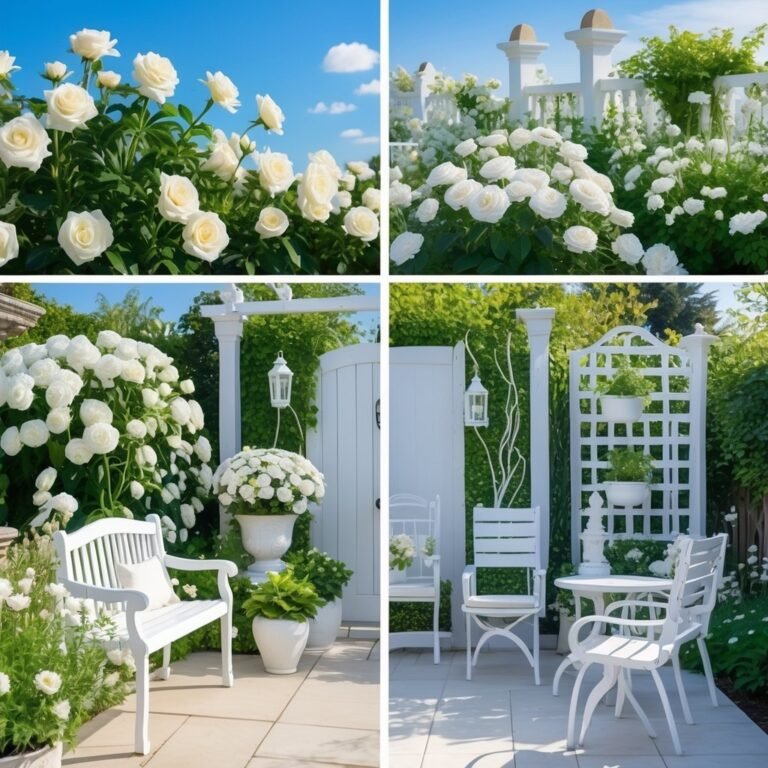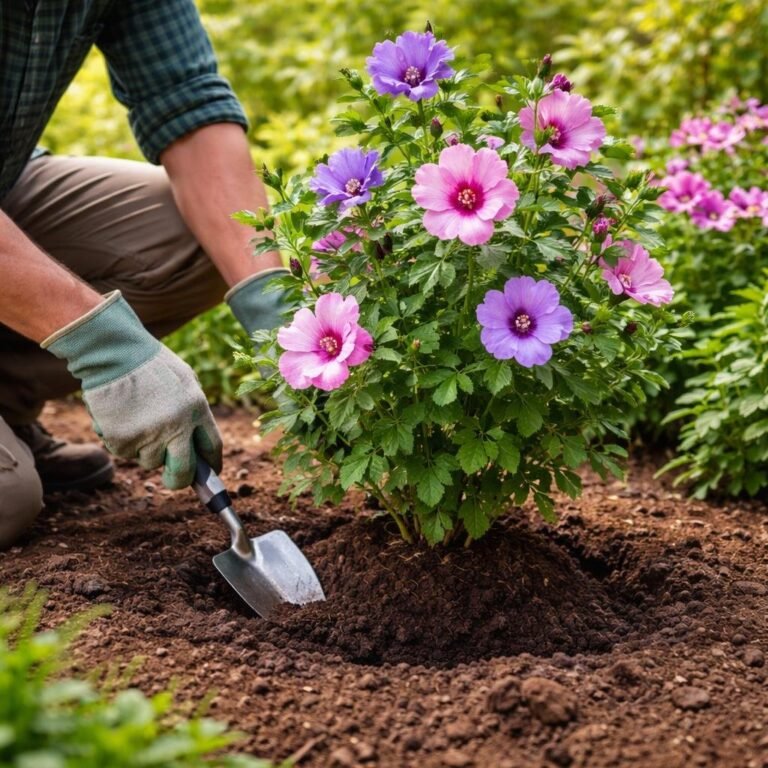
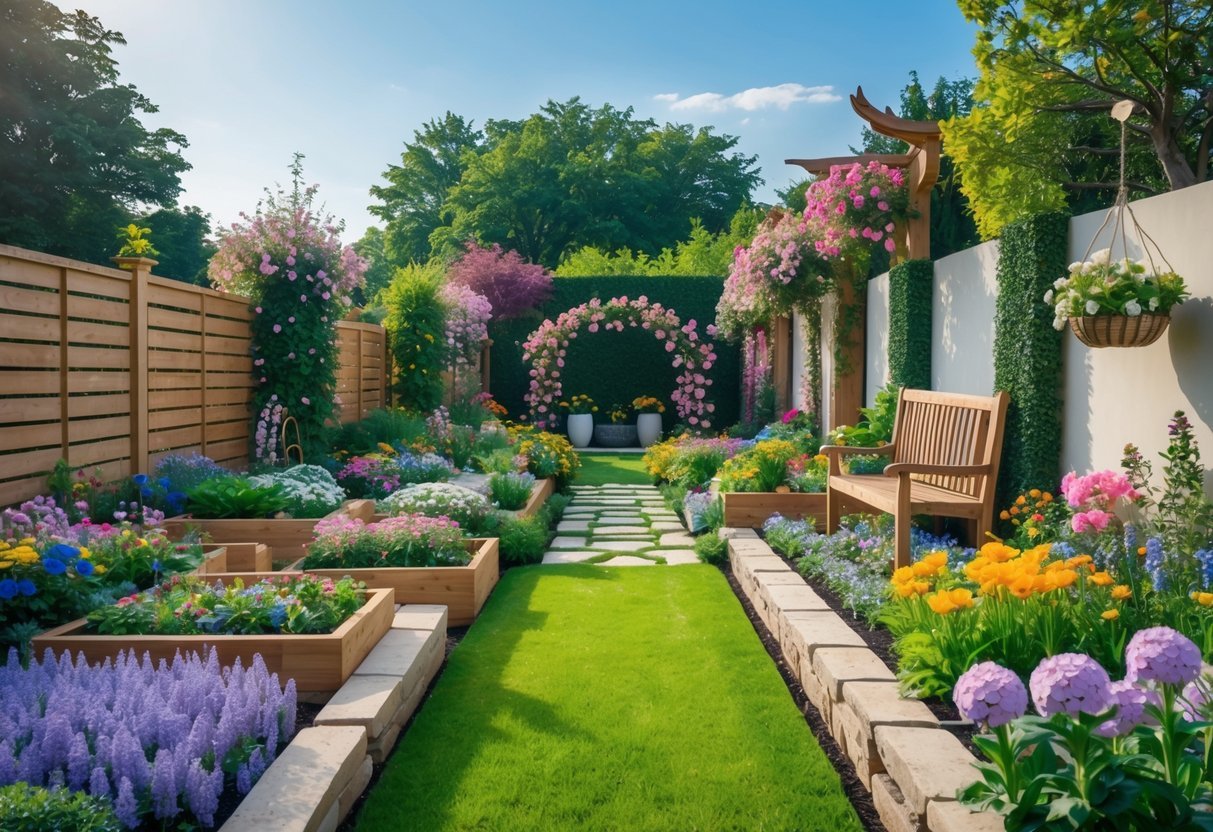
10 Flower Garden Backyard Ideas to Transform Small Spaces Into Vibrant Retreats
You can turn any backyard into a bright, inviting space with simple flower-garden ideas that match your style and time. This article gives ten easy-to-follow backyard flower garden ideas that help you choose layouts, plants, and maintenance tips so your garden looks great and stays healthy.
Expect practical inspiration for different styles—from cottage mixes and tiered beds to container gardens and native plant choices—plus clear design principles and upkeep advice to keep blooms vibrant. Use these ideas to shape a plan that fits your yard, your schedule, and the look you want.
1) Cottage-style flower garden with mixed wildflowers
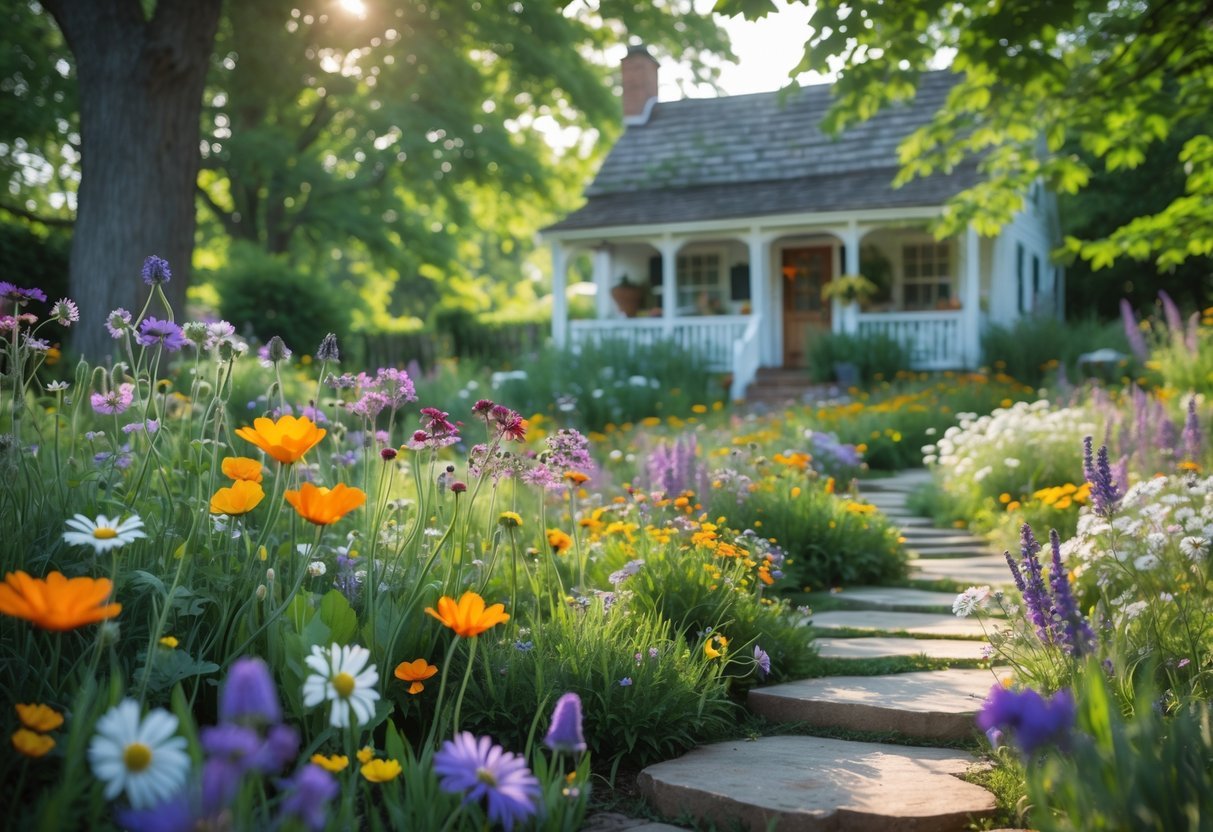
You can create a relaxed, colorful cottage bed by mixing native wildflowers with classic cottage plants like roses and foxglove. Layer tall blooms at the back and low groundcovers in front for a full, informal look.
Choose plants that suit your soil and climate to keep maintenance low. Add a simple path or bench to invite you into the space and enjoy pollinators that the wildflowers attract.
2) Tiered flower beds for layered color effects
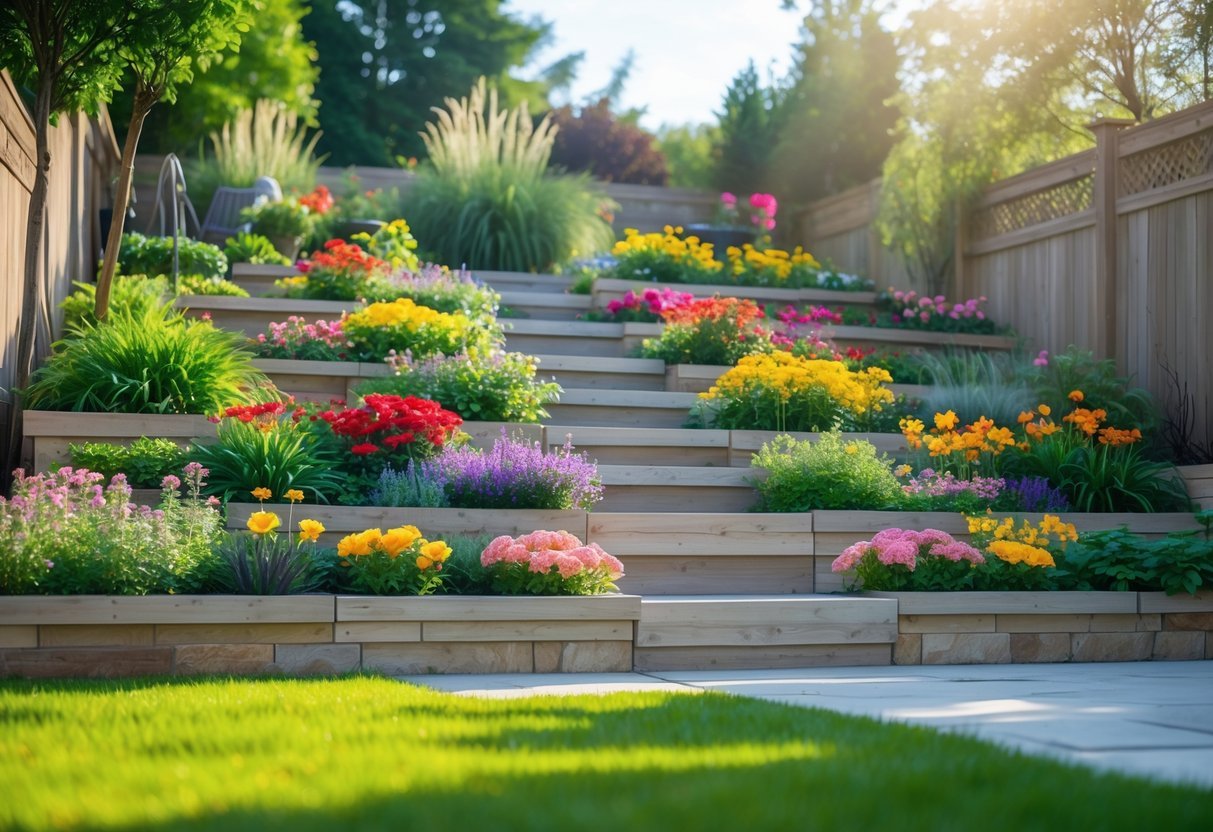
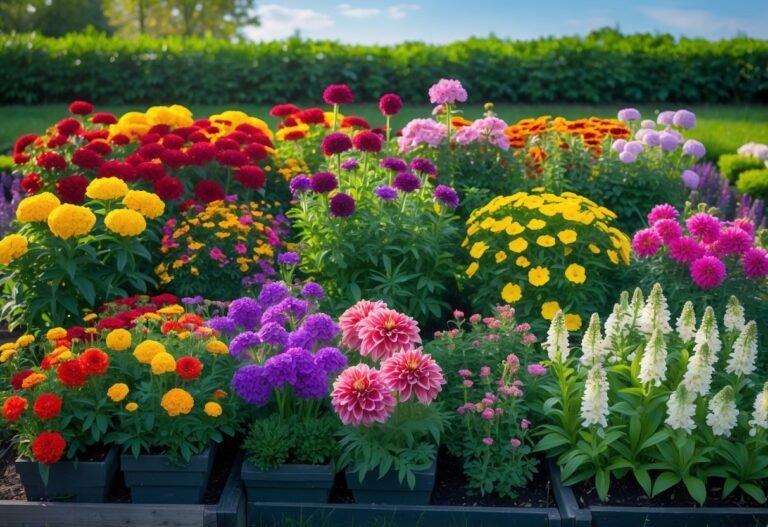
You can use tiered beds to make color stand out and to fit more plants in a small space. Arrange low groundcovers at the front, mid-height blooms in the middle, and taller flowers at the back for clear sightlines.
Choose repeating colors or contrasting hues to guide the eye across layers. Use stone, wood, or raised planters to build stable tiers that drain well and are easy to maintain.
3) Pathway lined with colorful perennial blooms
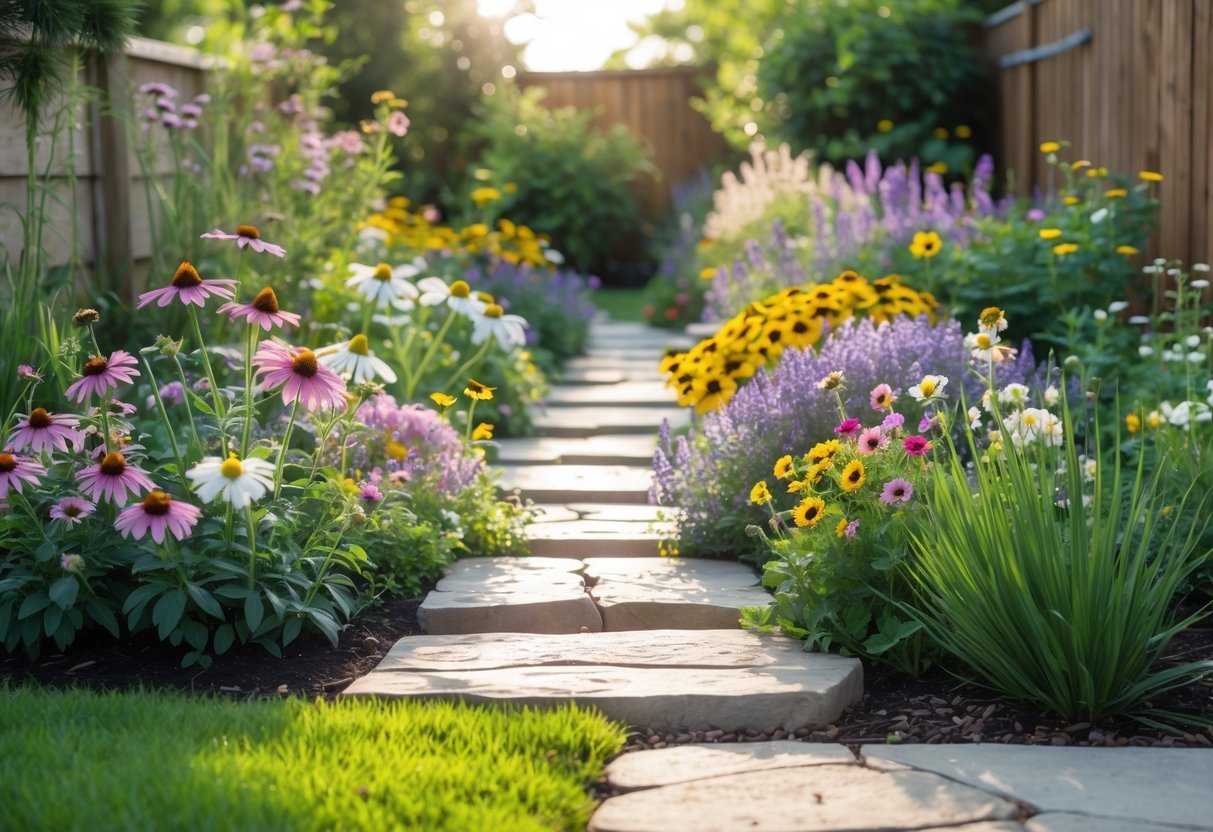
Plant sturdy perennials along your path to give year-after-year color with low upkeep. Mix heights and bloom times so the walkway looks good from spring into fall.
Choose options that suit your light and soil, like sun lovers for bright spots and shade-tolerant plants under trees. Keep the border narrow to preserve walking space and use mulch to reduce weeds.
4) Cut flower garden with long-lasting varieties
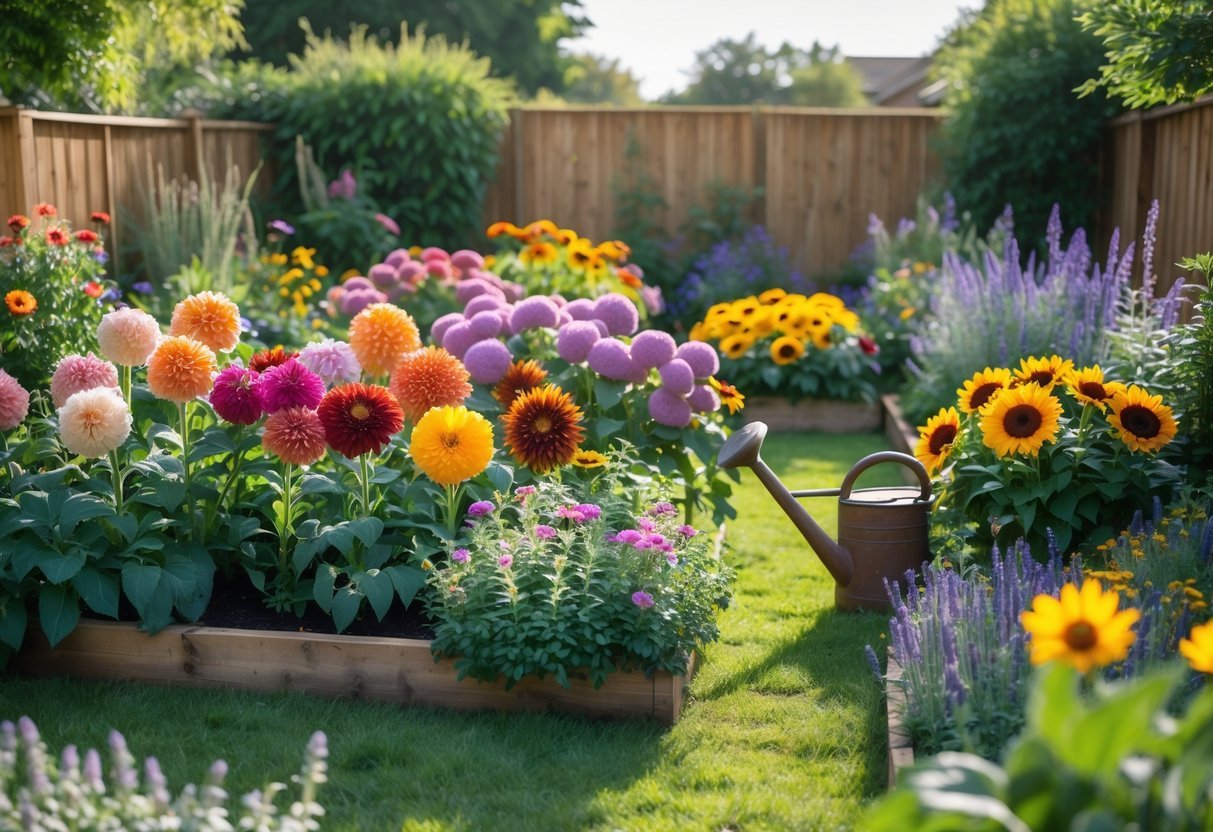
Choose blooms that hold up well after cutting, like zinnias, cosmos, and snapdragons. These give you longer vase life and more bouquets from the same bed.
Plant in staggered groups so you have steady blooms all season. Trim regularly to encourage new growth and prevent wasted flowers.
Keep soil rich and well-drained, and water deeply but less often. This helps stems stay strong and reduces disease, so your cut flowers last longer indoors.
5) Spring bulb garden with tulips and daffodils
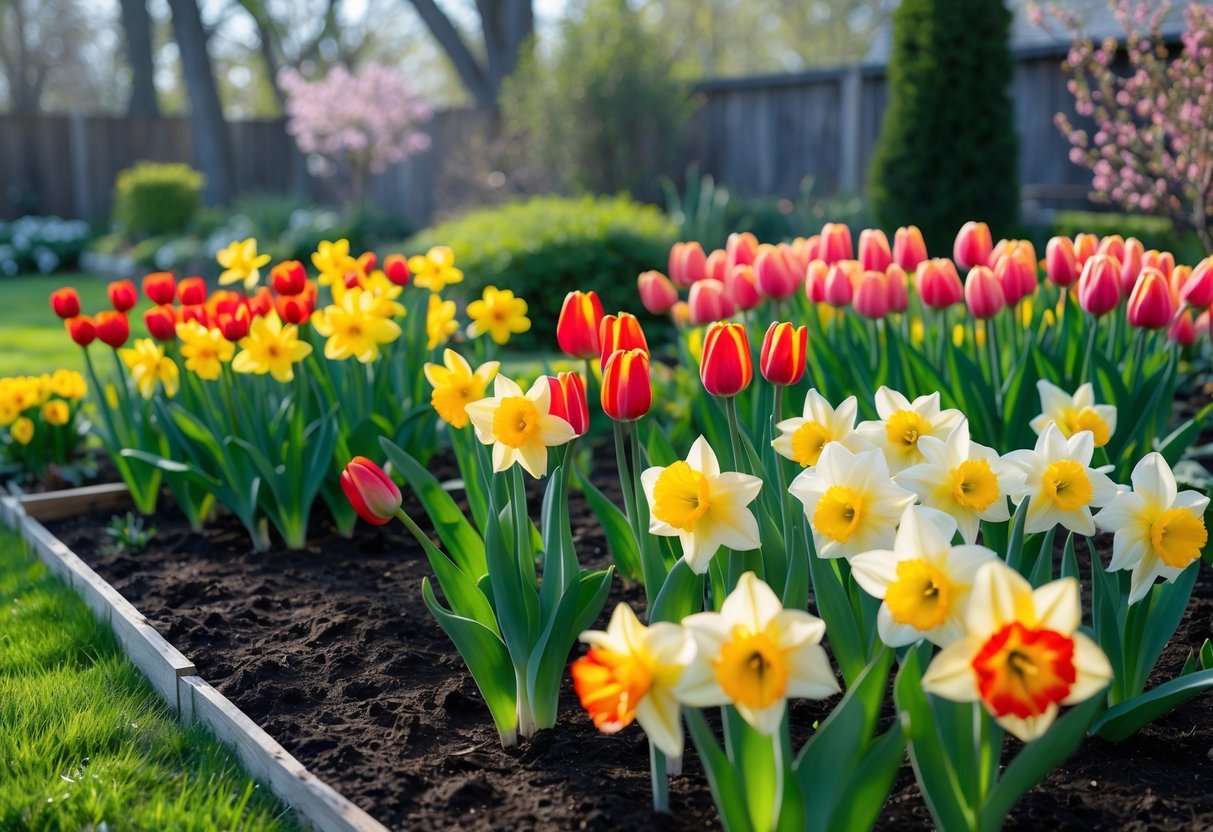
Plant tulips about 5 inches deep and set daffodils at a similar depth so both emerge reliably in spring. Mix colors and heights for a layered look that fills beds and borders.
Add bulbs in clusters rather than single rows to create bigger visual impact. Feed with organic bulb fertilizer or compost at planting to help strong roots and blooms.
Space bulbs so foliage can weave together as flowers fade. That lets you enjoy a continuous, natural-looking display.
6) Butterfly-friendly garden with nectar-rich flowers
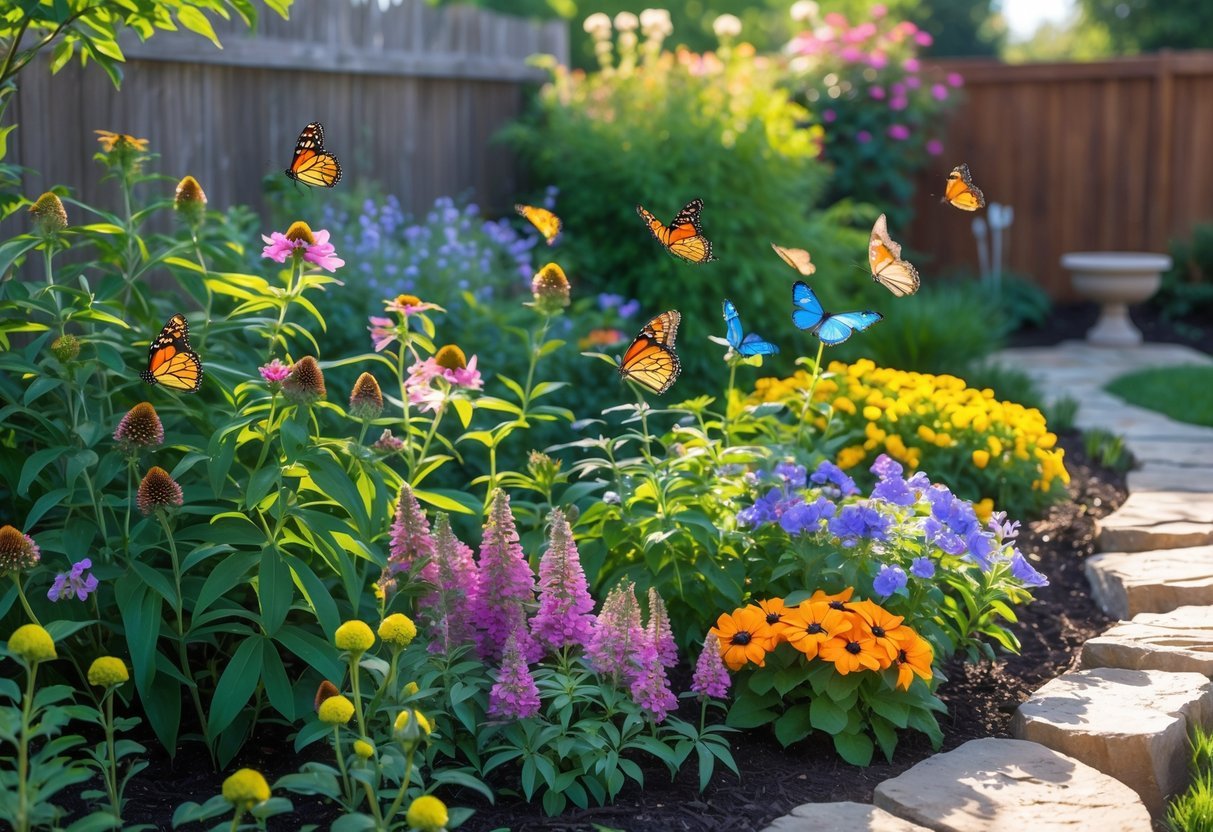
Plant clusters of nectar-rich blooms like coneflowers, bee balm, and lantana to give butterflies easy feeding spots.
Choose native species when possible to support local butterflies and reduce maintenance.
Place flowers in sunny, sheltered areas and group colors together to help butterflies find nectar.
Leave some flat stones for basking and avoid pesticides that can harm pollinators.
7) Formal symmetrical flower bed layouts
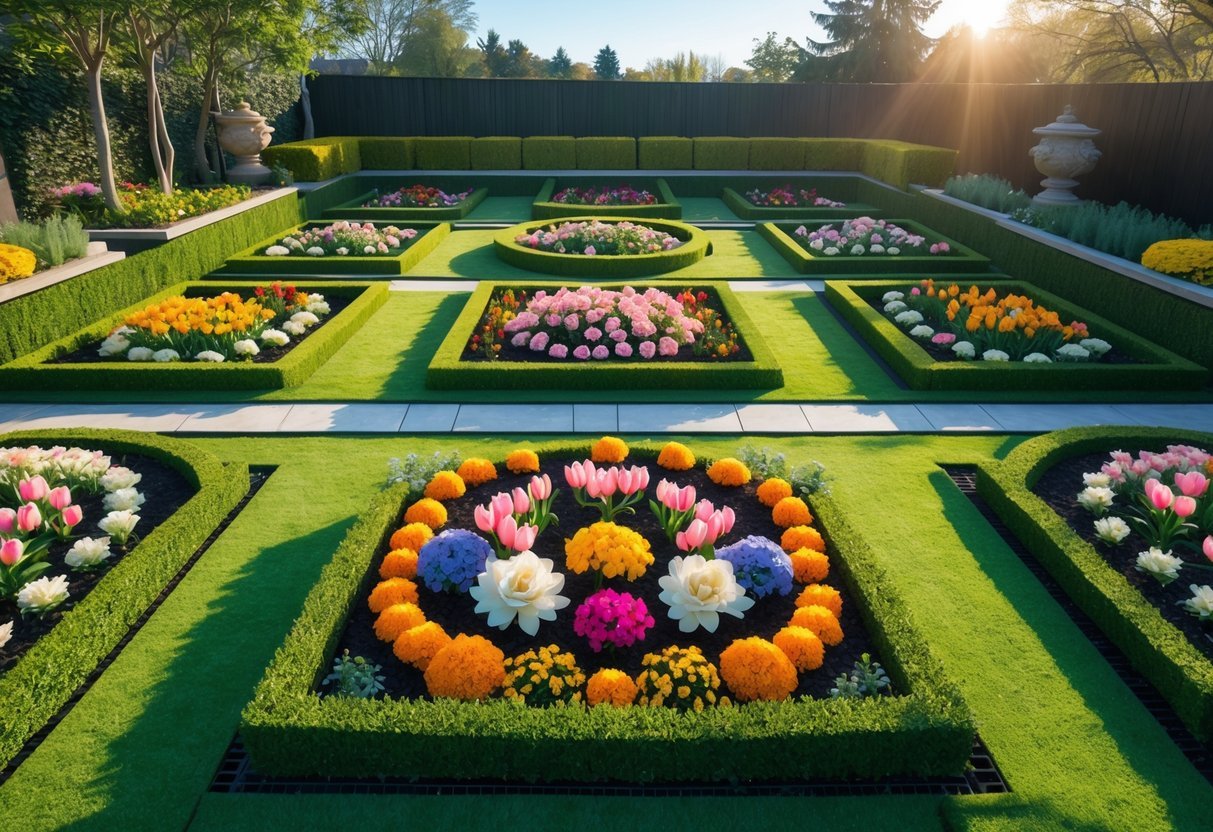
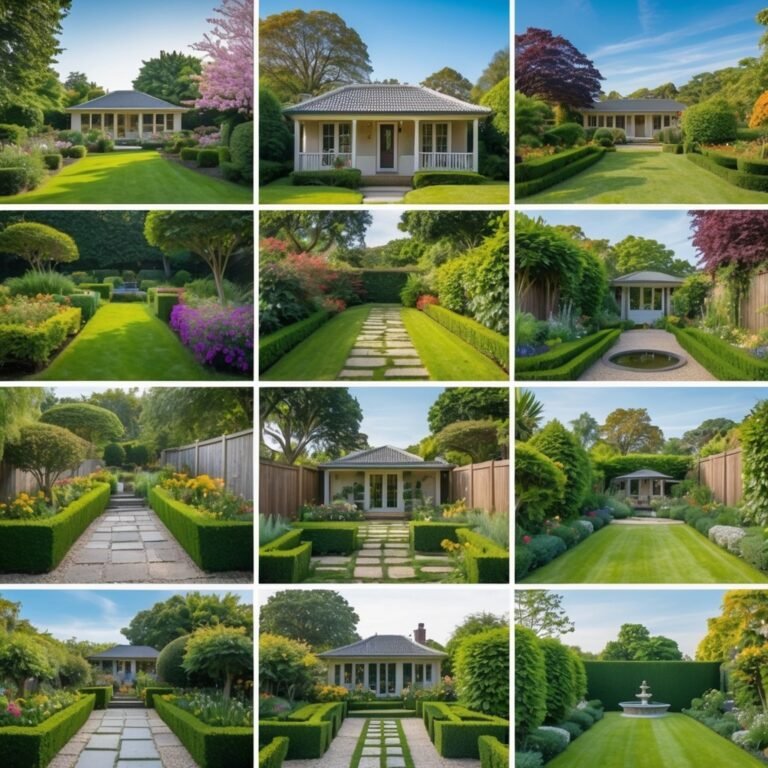
You can use symmetry to give your backyard a calm, ordered look.
Place matching beds on either side of a path or central feature to create balance.
Choose low hedges, repeated plants, and a clear focal point like a birdbath or statue.
This makes maintenance easier and keeps the design tidy without many plant types.
Keep shapes geometric—rectangles, circles, or parterres—and mirror them exactly.
Small yards work well with this approach because symmetry makes spaces feel intentional.
8) Flower garden with trailing vines and ground covers
Use trailing vines on walls, fences, or containers to add vertical interest without much space. They soften edges and draw the eye down into planting beds.
Plant low, spreading ground covers to fill bare soil, suppress weeds, and reduce erosion. Choose sun- or shade-tolerant varieties to match your site.
Mix flowering vines with evergreen ground covers for season-long color and texture. This keeps the bed attractive even when some plants stop blooming.
9) Container flower garden on patio or deck
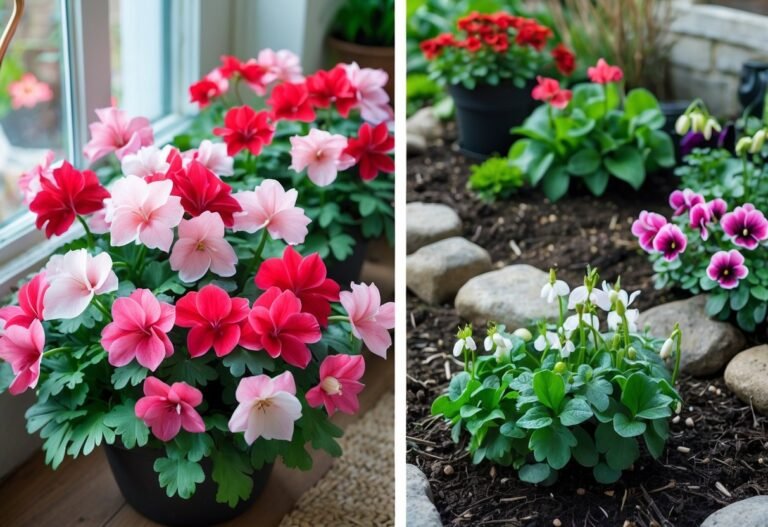
You can turn any patio or deck into a colorful garden using containers of different sizes. Mix tall, trailing, and mounding plants for depth and visual interest.
Choose containers with good drainage and use a high-quality potting mix to keep plants healthy. Group pots by water needs to make watering easier.
Use lightweight containers for balconies and heavier ones for stability in wind. Change plants seasonally to keep the display fresh.
10) Native flower garden for low maintenance
Choose native flowers that suit your climate and soil. They need less water, fertilizer, and pruning than exotic species.
Group plants by sun and moisture needs to make care simple. This helps you water efficiently and cut weeding time.
Native blooms also attract local pollinators and support wildlife. You get color and habitat with less work than a typical ornamental bed.
Design Principles for a Flower Garden
Plan around color balance, bloom timing, and plant height so beds look full and cared for. Match flower textures and sun needs, and place taller plants where they won’t shade smaller ones.
Color Theory and Plant Pairing
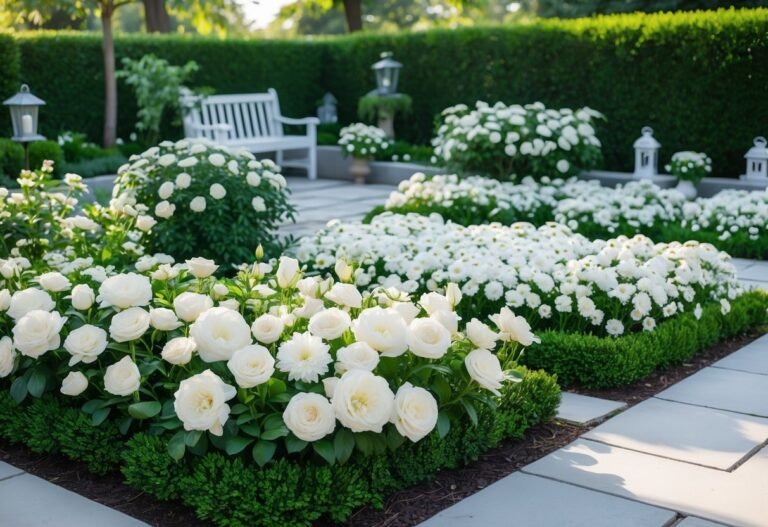
Use a simple color plan: choose one dominant color, one accent, and one neutral. Dominant could be pink phlox or daylilies; accents might be blue salvia or orange marigolds; neutrals are whites, silvers, or green foliage.
Pair warm colors (red, orange, yellow) together for energy and cool colors (blue, purple, white) for calm. For contrast, put complementary colors like purple and yellow near each other to make blooms pop.
Consider leaf color and texture too. Broad, dark leaves can ground a bed while fine-textured grasses add airiness. Plant groups in odd numbers (3–7) for natural-looking clusters.
Match plants by light and water needs. Avoid pairing sun-loving roses with shade-preferring hostas. Keep spacing that allows mature widths so you don’t crowd or over-prune later.
Seasonal Planting Strategies
Plan for at least three seasons of interest: spring bulbs, summer perennials/annuals, and fall bloomers. For spring, plant bulbs like tulips and daffodils under shrubs that leaf out later. Summer should include long-blooming perennials such as coneflowers and some heat-tolerant annuals like zinnias.
Stagger bloom times by selecting early, mid, and late-season varieties of the same color family. This extends color without mixing too many different styles. Add biennials or cut-and-come-again annuals to fill gaps.
Use a simple chart to track bloom windows and sun needs:
- Spring: bulbs — full/part sun
- Summer: perennials/annuals — full sun
- Fall: asters, sedum — part/full sun
Mulch to conserve moisture and plant small shrubs or evergreens to provide winter structure and early spring shelter for new shoots.
Maintenance Tips for Vibrant Blooms
Keep blooms healthy by giving plants the right water, mulch, and nutrients. Focus on deep, infrequent watering, a 2–3 inch layer of mulch, and feeding based on soil needs.
Watering and Mulching Best Practices
Water deeply at the soil level so roots grow strong. Aim for about 1 inch of water per week from rain and irrigation; increase during heat waves. Water early morning to reduce evaporation and fungal risk.
Use mulch to conserve moisture and suppress weeds. Apply 2–3 inches of organic mulch like shredded bark or composted leaves, keeping it an inch away from stems to prevent rot. Refresh mulch once a year or when it breaks down.
Check soil moisture with your finger or a moisture meter. If the top 2 inches feel dry, water. Group plants with similar needs together to make watering simpler and avoid overwatering drought-tolerant species.
Fertilization and Soil Health
Test your soil every 2–3 years to know pH and nutrient levels. Use a simple soil test kit or send a sample to a local extension for specific recommendations. Match fertilizer to what the test shows, not a generic “more is better” approach.
Choose balanced fertilizers for most mixed flower beds (for example, 10-10-10) or slow-release formulas to feed over weeks. Apply in early spring and again after heavy bloom periods, following label rates.
Improve soil with compost each fall or spring to boost structure and microbe life. For heavy clay, add coarse sand and organic matter; for sandy soil, add compost and fine organic material to hold moisture and nutrients.
Frequently Asked Questions
These answers focus on practical steps you can use in your yard. They cover low-care planting, small-space designs, flower choices for bright color, layout basics, using perennials, and space-saving tactics.
How can I create a low maintenance flower garden in my backyard?
Choose plants that match your local climate and soil, such as native perennials and drought-tolerant varieties. Group plants by water needs so you can water less and more efficiently.
Use mulch to cut weeds and retain moisture. Install a simple drip irrigation or soaker hose on a timer to reduce hand-watering.
Pick long-blooming, disease-resistant varieties like salvia, coneflower, and lavender. Limit lawn-to-bed transitions to reduce mowing and edging.
What are some unique flower garden designs suitable for small backyards?
Try a cottage-style mini garden with a tight mix of wildflowers and herbs in a raised bed. It gives a full, informal look in a small footprint.
Use vertical elements like trellises or wall planters to add height without using ground space. Tiered flower beds also create layered color on a compact plot.
A narrow pathway lined with short perennials and bulbs makes the space feel longer. Combine spring bulbs like tulips with low perennials to keep interest across seasons.
Which flowers are best for creating a vibrant backyard garden?
Combine spring bulbs (tulips, daffodils) with summer perennials (black-eyed Susan, coneflower) for continuous color. Add splashes of bright annuals like zinnias where you want instant, bold blooms.
Include contrast in foliage and bloom shape—grasses or lamb’s ear beside rounded peonies or delphinium spikes. Choose varieties known for strong color and repeat flowering for prolonged impact.
Think about pollinator-friendly choices like bee balm and phlox to attract beneficial insects and add life to your beds.
What are the essential steps for planning the layout of a backyard flower garden?
Start by mapping sun exposure and measuring the space. Note where shade, full sun, and drainage spots occur through the day.
Sketch beds and paths to scale, placing taller plants toward the back or center of islands. Plan for sight lines and access for watering and deadheading.
Divide the garden into theme zones—cottage wildflower area, tiered beds, cut-flower patch, and a spring-bulb strip—to match maintenance needs and bloom times.
Can you provide tips for incorporating perennial plants into a backyard flower garden?
Select a mix of early, mid, and late-season perennials to maintain color through the year. Plant in odd-numbered groups (3, 5, 7) for natural-looking clumps.
Amend soil before planting and mulch after to reduce weeds and retain moisture. Divide crowded perennials every 3–4 years to keep them healthy and vigorous.
Combine perennials with spring bulbs so bulbs fill gaps before perennials fully leaf out. This keeps beds full from early spring into summer.
What strategies can I use to maximize space in a small backyard for a flower garden?
Use vertical gardening: wall planters, hanging pots, and climbing plants on trellises. This adds blooms without taking up ground area.
Create multi-use beds that mix low shrubs, perennials, and bulbs for layered height and longer bloom seasons. Place tiered beds or stacked planters in corners to use vertical depth.
Choose portable containers and move them to follow the sun or create seasonal displays. This lets you rotate plants and change the look without major replanting.