7 Winter Flowers Garden Ideas to Keep Your Beds Blooming Through Frost
You can keep your garden lively through the cold months with simple, smart choices that suit your climate and space. This article shows seven winter flower garden ideas that help you add color, scent, and structure to your outdoor (or indoor) spaces when most plants rest.
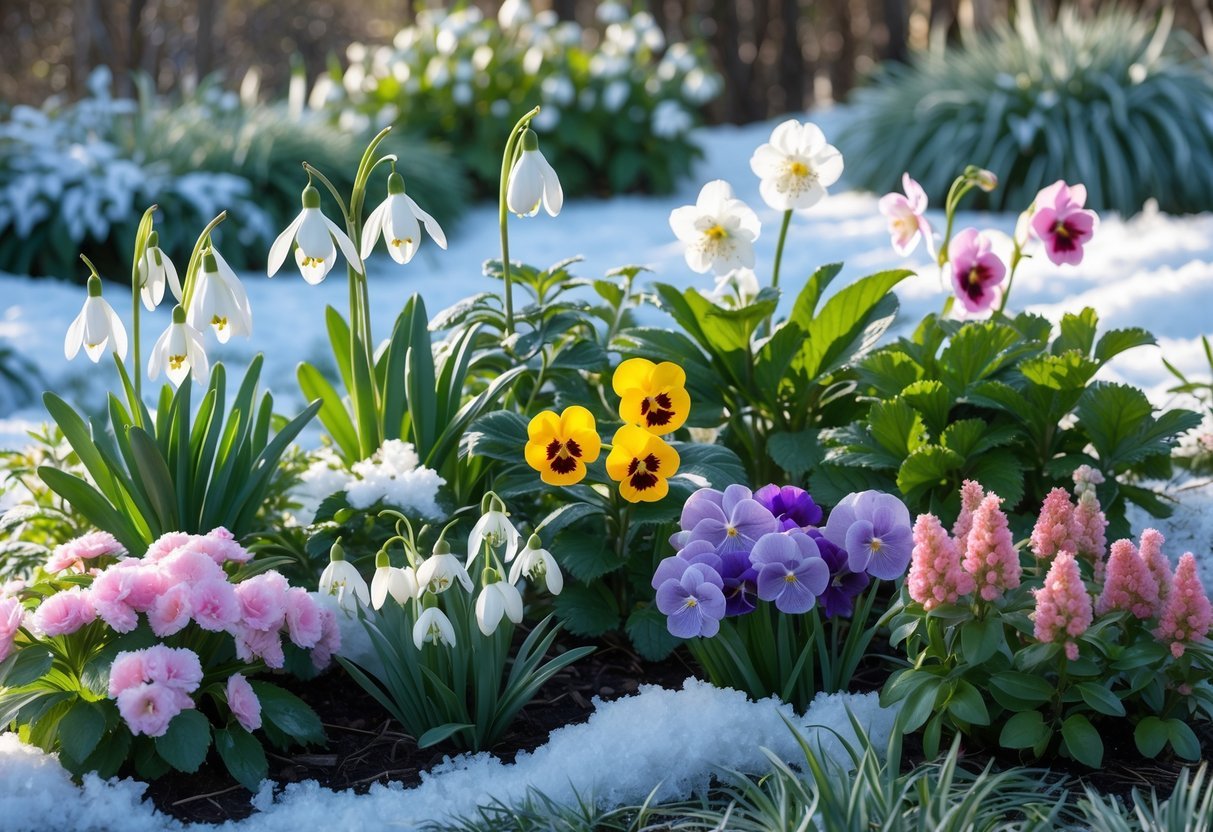
You’ll learn easy options for early blooms, shade-tolerant picks, fragrant shrubs, and hardy bedding plants, plus tips on soil and climate to make them thrive. Use these ideas to plan a winter garden that looks cared for and stays resilient.
1) Plant snowdrops for early winter blooms

Plant snowdrops in well-drained soil and a spot that gets partial shade. They tolerate cold and often flower while snow still lies on the ground.
Bulbs should go in during fall, about 2–3 inches deep. Space them in groups so you get natural drifts of white flowers.
Once established, snowdrops need little care. They come back each year and help feed early pollinators.
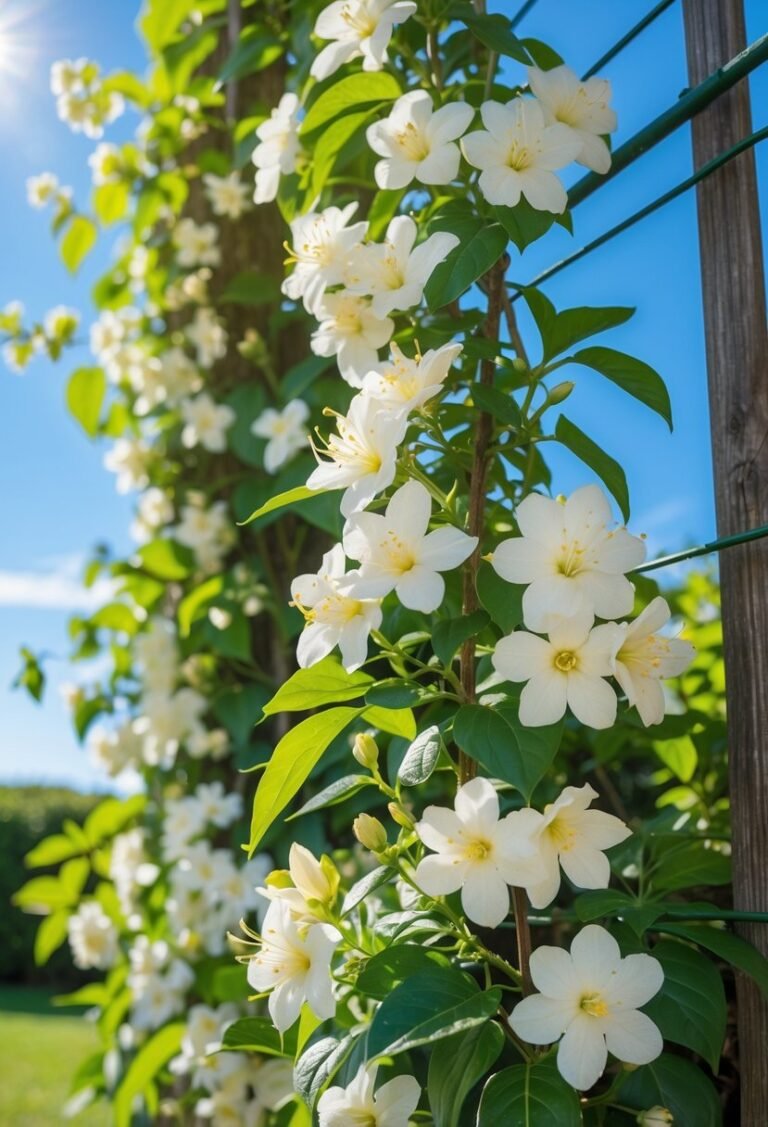
2) Add vibrant winter jasmine for color
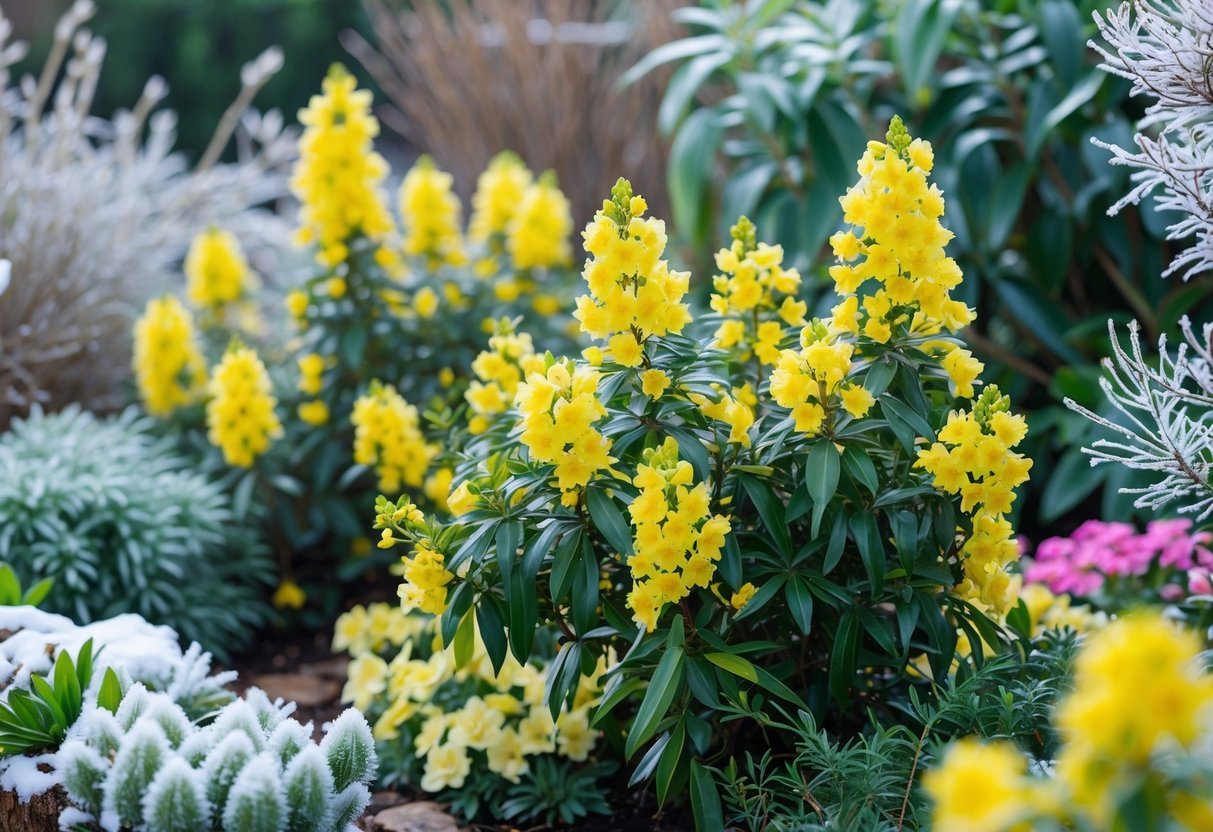
Plant winter jasmine where you want early yellow blooms to brighten cold months. It flowers on bare stems, so color appears before leaves, giving a clear winter focal point.
Train it on a fence, wall, or espalier for vertical interest. You can also let it trail as groundcover to fill gaps between shrubs.
Winter jasmine is hardy and low-maintenance, but water young plants well until established. Prune lightly after flowering to keep shape and encourage more blooms.
3) Include hellebores for shade-tolerant flowers
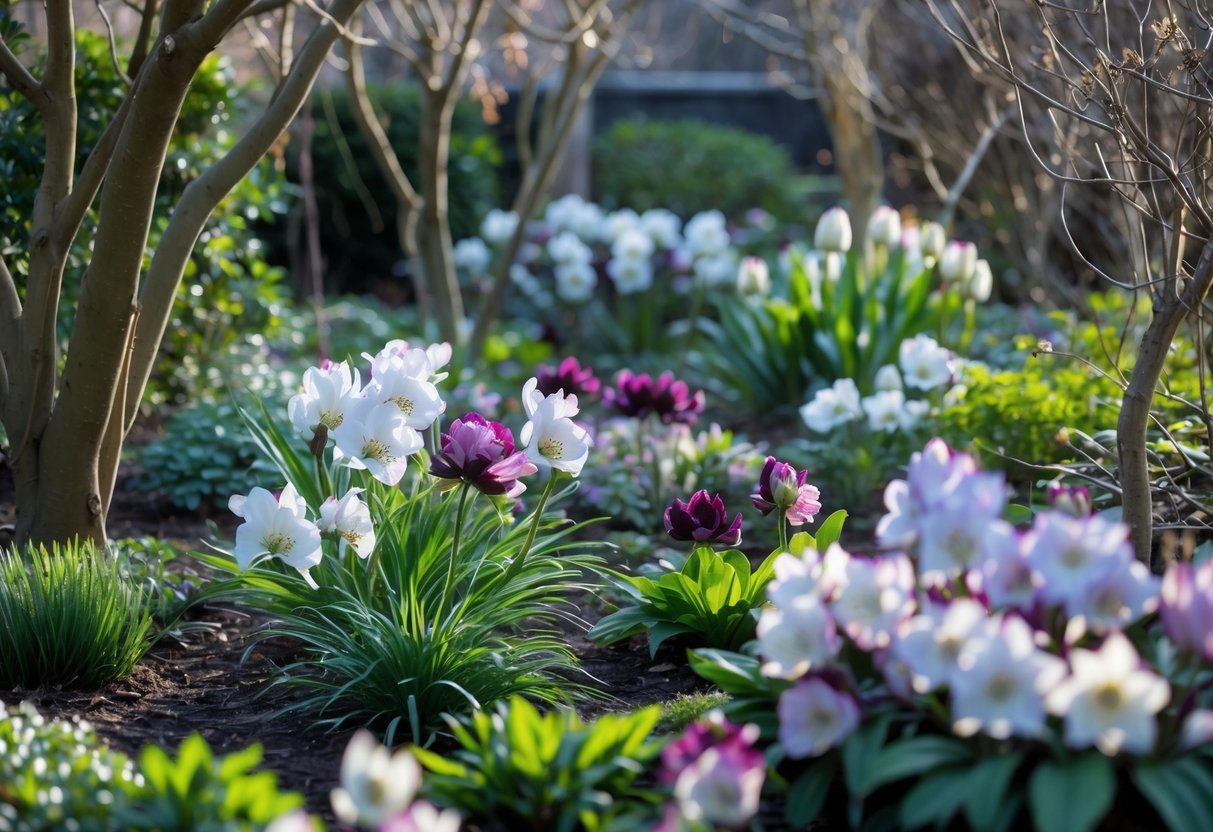
Plant hellebores where your garden stays cool and shaded; they thrive under trees and on north-facing slopes.
You get blooms in late winter to early spring when most plants are dormant, adding early color without extra care.
Choose evergreen varieties to keep foliage year-round and cut back old leaves in late winter for cleaner blooms.
Hellebores resist deer and many pests, so they work well in low-maintenance beds and naturalized borders.
4) Plant camellias for long-lasting blooms
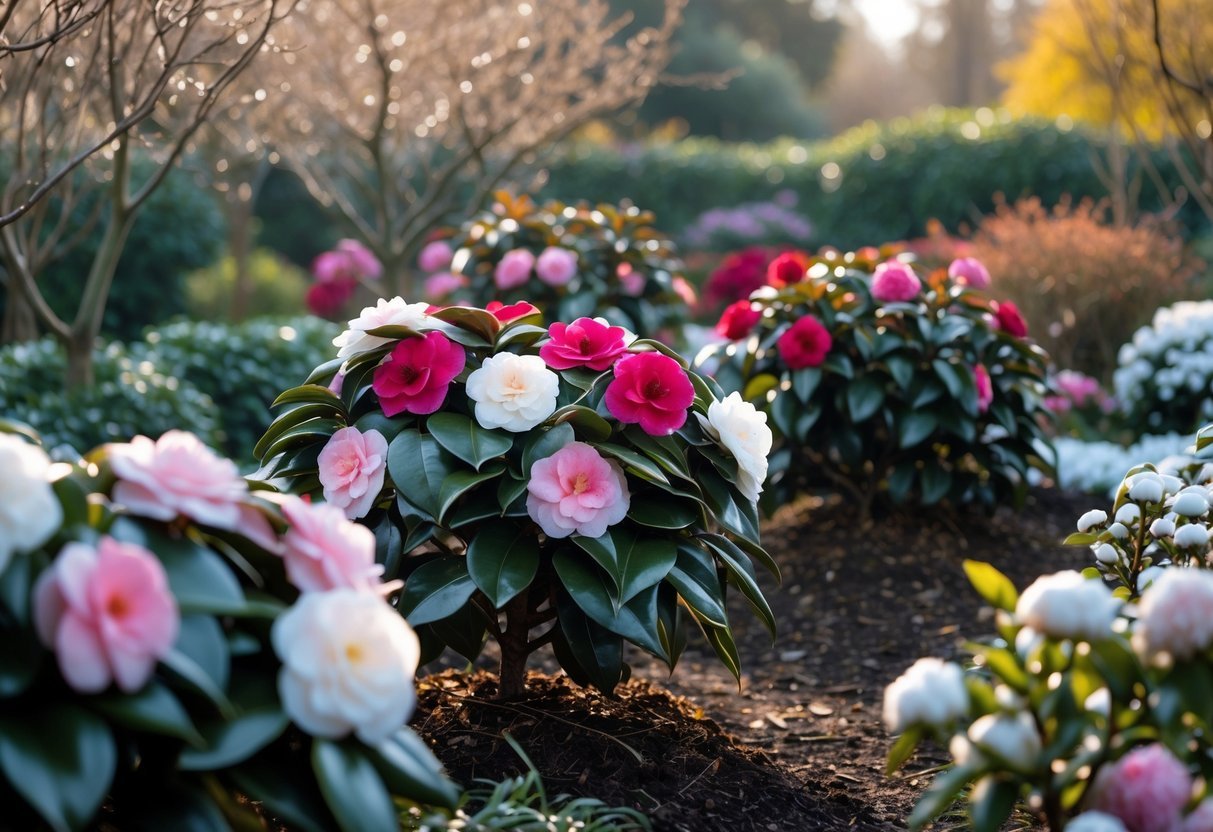
Choose camellia varieties that bloom from late fall into spring so your garden stays colorful through winter. They thrive in part shade and need well-drained, acidic soil to set buds reliably.
Plant them near doors or windows where you can enjoy flowers up close. Mulch to keep roots cool and water evenly during dry spells to prevent bud drop.
5) Use pansies for cold-hardy flower beds

Plant pansies in groups to brighten beds through fall, winter, and early spring. They tolerate light frost and keep blooming when temperatures stay cool.
Choose winter-hardy varieties and space them so air circulates. Mulch lightly to protect roots during hard freezes.
Mix pansies with evergreens or low shrubs for color contrasts. You’ll get long-lasting blooms with simple care and occasional deadheading.
6) Incorporate witch hazel for winter fragrance

Plant witch hazel where you can smell its spicy, sweet blooms on cold days. It flowers in winter, so it adds scent when most plants are dormant.
Choose a sunny spot with well-drained soil and give it room to grow. Pair it with evergreens or early bulbs for color and texture through the season.
Prune lightly after flowering to keep shape and encourage blooms. You’ll get a reliable source of winter fragrance with minimal fuss.
7) Grow cyclamen for indoor and outdoor color
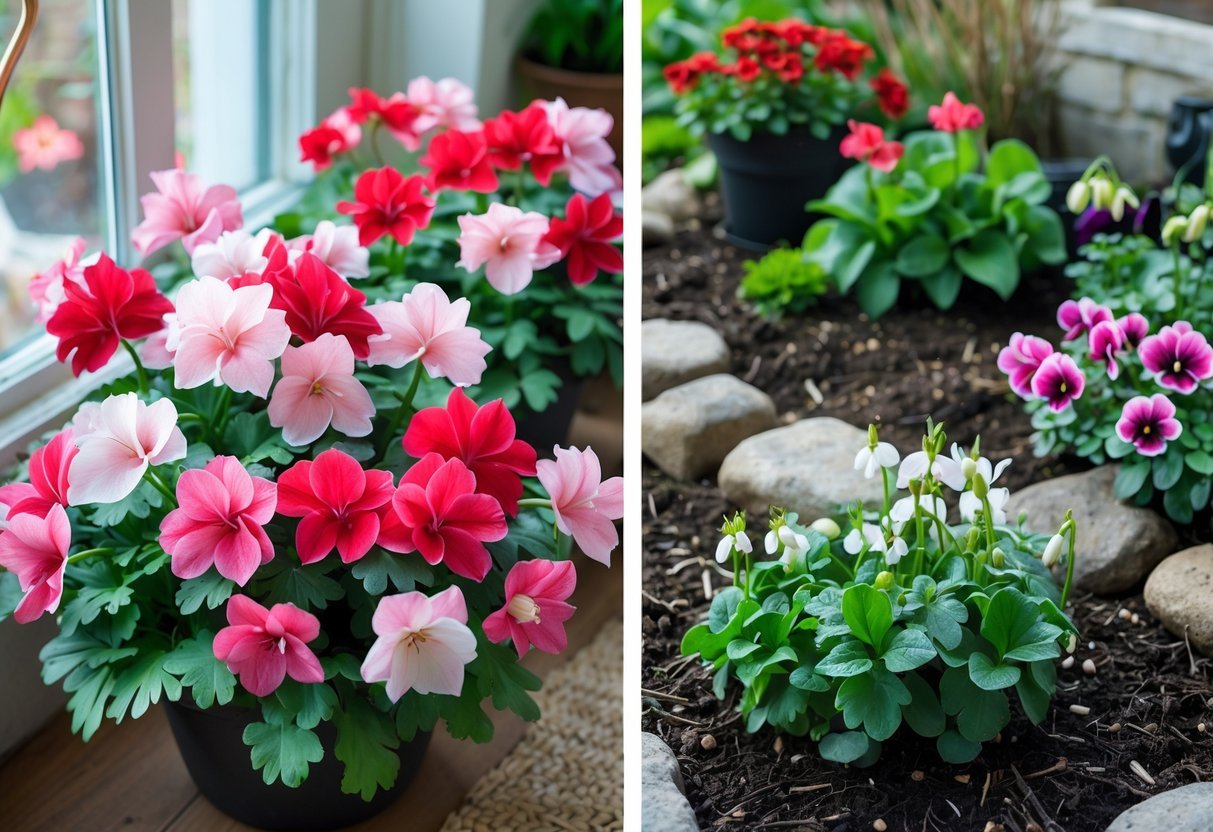
You can plant cyclamen in pots or garden beds to add color when most plants are dormant.
They bloom in winter with pink, red, white, or purple flowers and pretty heart-shaped leaves.
Keep potted cyclamen in cool, bright spots and water when the soil feels dry at the surface.
In the garden, choose sheltered, well-draining soil and morning sun or light shade for best results.
Climate Considerations for Winter Flower Gardens
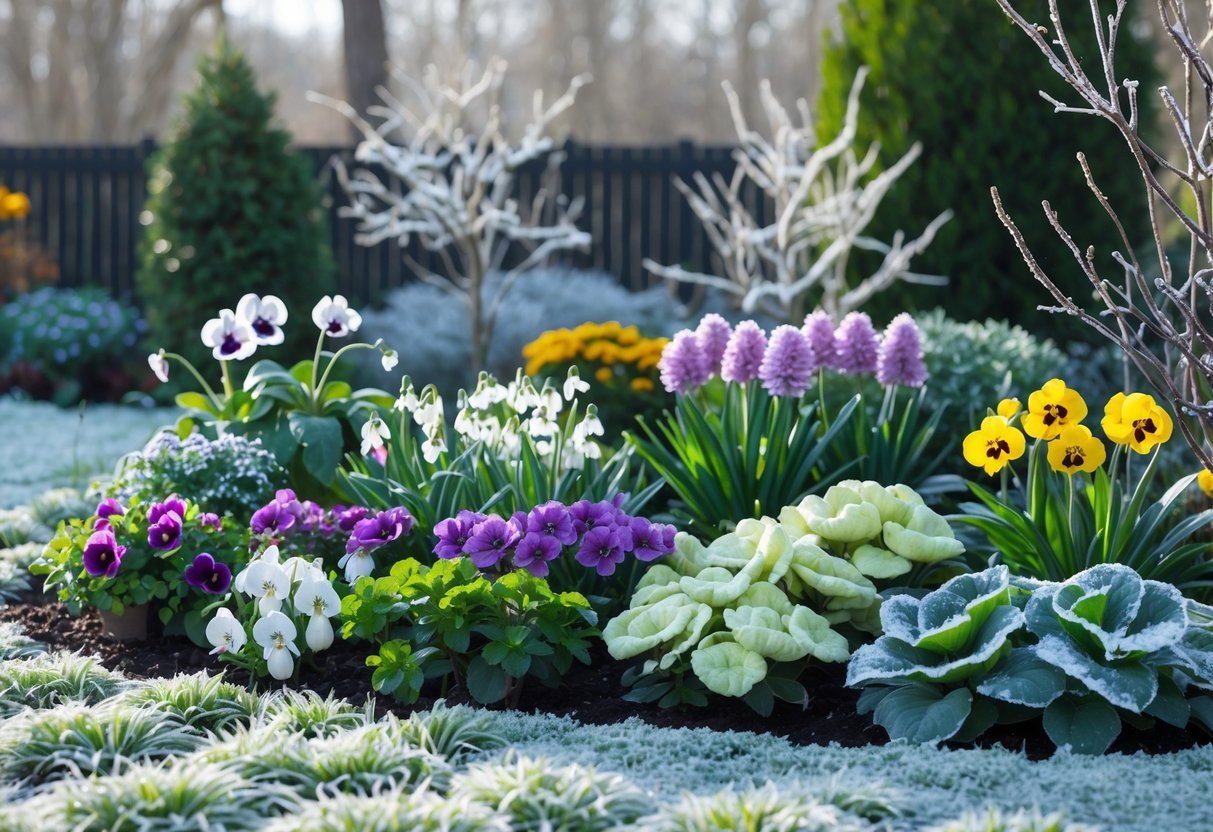
You need to match plant choices to local winter severity and protect blooms from freezes and drying winds. Know your zone, microclimates, and the simple steps that keep cold-hardy flowers alive and attractive.
Understanding Hardiness Zones
Hardiness zones tell you the lowest average winter temperature your plants can survive. Find your USDA zone (or local equivalent) and choose flowers rated for that zone or one zone colder for safety.
Look at zone maps online or ask a local extension office for current maps and microclimate advice.
Consider microclimates around your yard. South-facing walls, sheltered corners, and paved areas can be 2–6°F warmer and let you grow slightly tender winter bloomers. Cold sinks—low spots where frost settles—will be much harsher.
Also factor in winter sun hours. Plants like winter jasmine and hellebores need some light; too much shade delays blooming.
Record your lowest winter temps and first/last frost dates. Use that record when selecting bulbs, shrubs, and perennials so you pick varieties with proven cold tolerance for your exact conditions.
Cold Protection Strategies
Start with plant placement: put tender plants near walls, under eaves, or in raised beds to improve drainage and warmth. Group containers together and move them to sheltered spots during hard freezes.
Mulch with 2–4 inches of straw, shredded bark, or leaf compost to protect roots and moderate soil temperature.
Use physical covers for short cold snaps. Frost cloth, burlap, or floating row covers work well; avoid plastic touching foliage. For shrubs, frame a cover so air can circulate.
Provide temporary windbreaks with lattice or stakes draped with burlap to reduce drying winds that damage blooms.
For containers, insulate pots with bubble wrap or move them into unheated garages on the coldest nights. Water soil before a freeze—moist soil holds heat better than dry soil.
Skip fertilizer late in fall; new growth is more frost-prone. Consider small seasonal heaters or low-wattage heat cables only where allowed and safe.
Soil Preparation and Maintenance
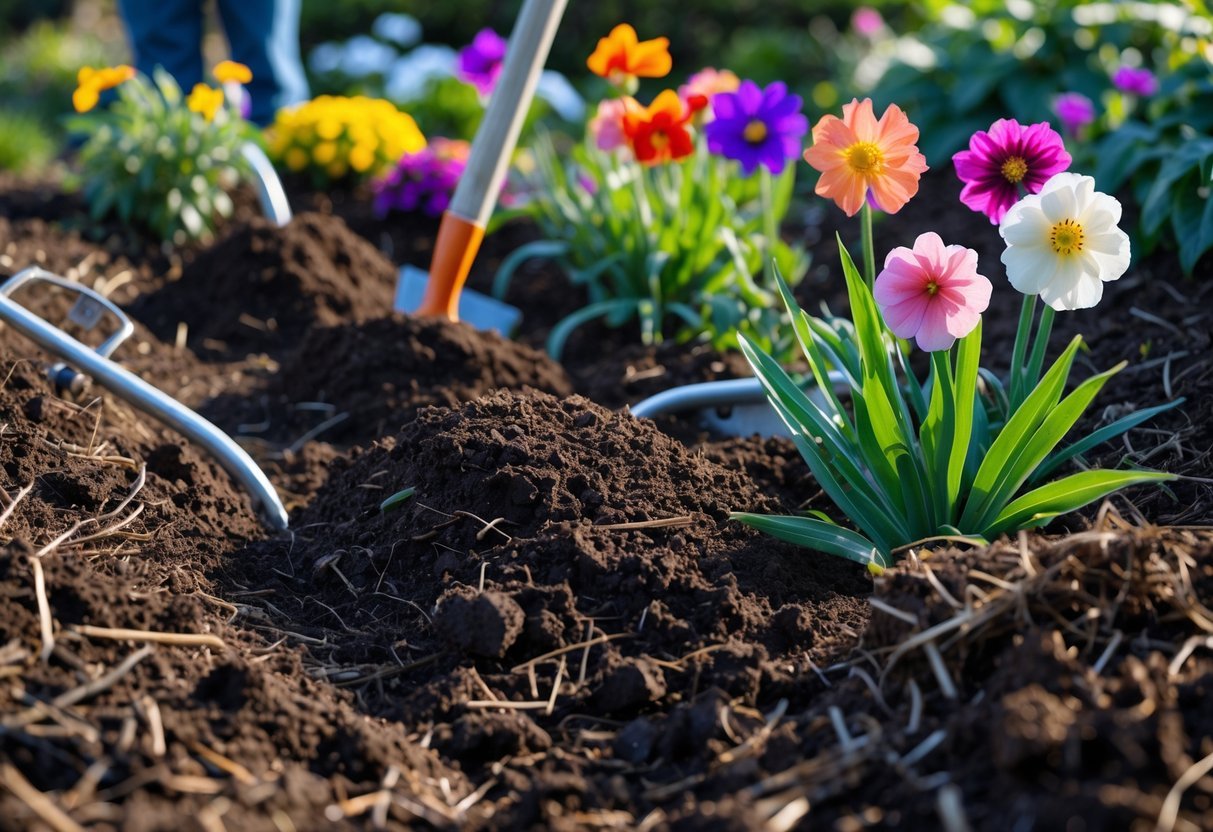
Prepare soil that drains well but still holds some moisture, and feed it lightly so winter blooms get steady nutrition without forcing growth. Focus on improving texture, preventing waterlogging, and timing any fertilizer so roots stay healthy through cold spells.
Enhancing Drainage in Winter
Check your beds for puddles after heavy rain or snowmelt. If water sits more than an hour, create raised rows or add 2–4 inches of compost and coarse sand to the top 6–8 inches of soil to open it up. Work amendments in lightly with a fork to avoid compacting the root zone.
Use mulch strategically: apply 2–3 inches of shredded bark or leaf mulch over soil in late fall. Mulch prevents freeze-thaw cycles that heave roots and keeps surface soil from sealing. For clay-heavy sites, consider installing simple shallow trenches or a stone-filled French drain to channel excess water away from crowns.
Fertilization Tips for Cold Seasons
Stop high-nitrogen feeds by mid to late fall to avoid pushing tender top growth. Instead, apply a slow-release, low-nitrogen fertilizer (look for formulas like 5-10-10) once in early fall to strengthen roots and build reserves. Use 1/2 to 3/4 of the label rate for established beds; reduce more for newly planted areas.
Top-dress with 1 inch of well-rotted compost around winter-flowering perennials and bulbs in late fall. Scratch it in lightly so nutrients reach the root zone without encouraging new shoots. Avoid feeding during hard freezes and do not apply fresh manure close to planting; it can burn roots and raise soil salts.
Frequently Asked Questions
This section answers common questions about winter flower choices, hardiness, and timing. You will find specific plant names, where to plant them, and which ones suit different winter conditions.
What are some low maintenance flowers that thrive in winter?
Pansies are low maintenance and tolerate cold. They handle light frosts and add steady color with minimal care.
Hellebores need little attention once planted. They do best in part shade and quietly bloom for years.
Snowdrops naturalize in lawns and beds with almost no work. Plant them once and they often return each winter.
Which flowers can survive outdoor winter conditions?
Camellias survive many winter climates if you choose a cold-hardy variety. Give them shelter from strong wind and afternoon sun.
Winter jasmine stands up to frost and keeps producing bright blooms on bare stems. It tolerates poor soil and low care.
Pansies and violas survive repeated frosts and brief freezes. Mulch helps protect their roots in colder spells.
Can you list winter-blooming flowers suitable for a home garden?
Snowdrops bloom very early, often through snow cover. Plant bulbs in fall for late-winter flowers.
Hellebores bloom from late winter into spring in shady borders. They pair well with evergreen groundcover.
Camellias produce large, long-lasting blooms through winter on shrubs. Choose south-facing or sheltered spots for best results.
Winter jasmine offers bright yellow flowers on bare branches in mid to late winter. Use it as a bonsai, groundcover, or trained on a trellis.
Pansies provide color from fall through spring in many regions. Use them in beds, containers, and window boxes.
Are there flowers that remain in bloom throughout the winter season?
Few plants truly bloom nonstop all winter, but some give long runs of flowers. Camellias can bloom for many weeks, especially in mild winters.
Hellebores and pansies often overlap bloom periods and can appear continuous with successive plantings. Staggering varieties extends color.
Winter jasmine blooms multiple weeks on bare stems, offering extended color during colder months.
What plants are recommended for winter gardening in zone 7?
In zone 7, you can grow camellias for long-lasting shrub flowers. Pick cultivars rated for zone 7 or lower.
Hellebores perform well in shaded borders in zone 7. They handle cool winters and flower early.
Plant snowdrops for early winter and late-winter interest. They naturalize well in zone 7 gardens.
Pansies work across zone 7 for beds and containers. Use them in fall plantings to enjoy blooms through winter.
What are the best winter flower options to plant in early fall?
Plant snowdrop bulbs in early fall so they establish roots for late-winter bloom. Choose a well-drained site.
Set out pansies and violas in early fall to build sturdy plants before cold weather. They flower through winter in mild spells.
Transplant hellebores in early fall to give roots time to settle before winter. They establish best with a season to root.