9 English Garden Backyard Ideas for Timeless, Low-Maintenance Charm
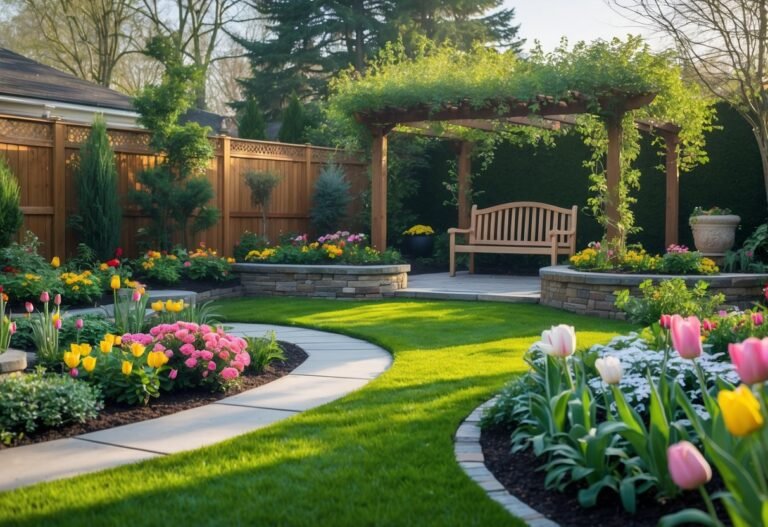
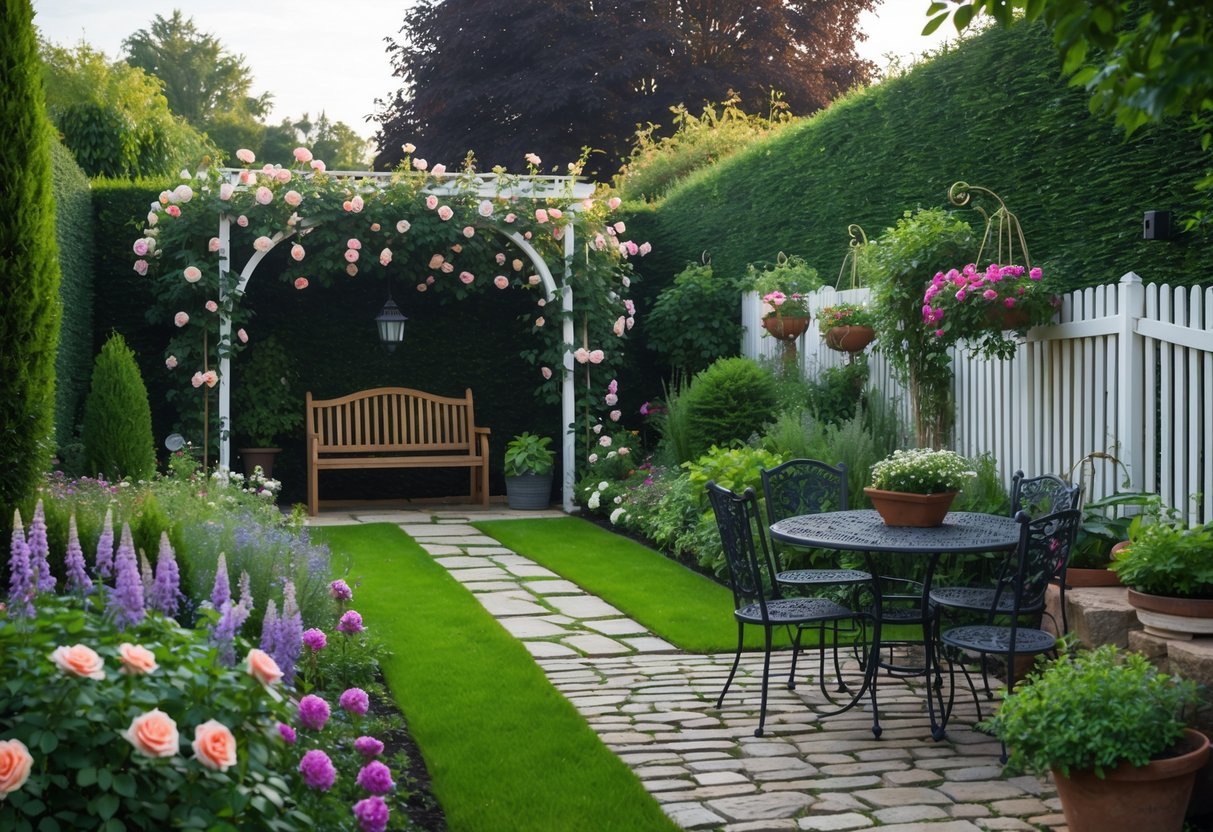
You can turn your backyard into a calm, classic English garden that feels both lived-in and carefully designed. This article shows nine practical ideas you can use to add winding paths, climbing roses, tidy hedges, vintage benches, and water features that create a timeless look without being hard to maintain.
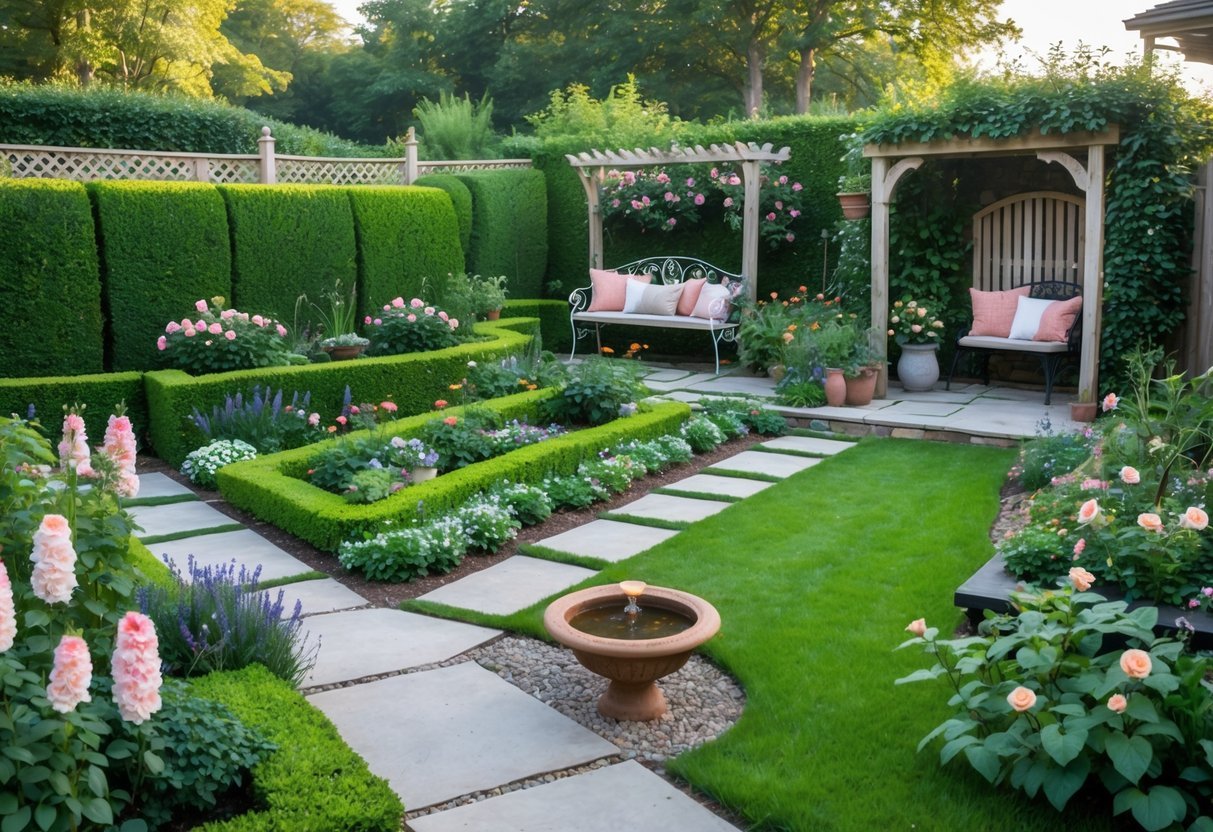
You’ll find clear design tips and simple maintenance advice to help you plan and enjoy each element, from planting fragrant blooms to placing antique accents. Use these ideas to shape your space, guide guests, and create cozy garden rooms that suit your style.
1) Create winding stone pathways to add charm and guide guests

You can lay a winding stone path to lead visitors through your garden. Choose irregular flagstones or small pavers for a relaxed, cottage look.
Plant low borders like lavender or thyme to soften edges and add scent. Keep the path slightly curved to create visual interest and gentle pauses.
Set stones on compacted sand or gravel for good drainage. Maintain joints with moss or crushed stone to keep the path tidy and natural.
2) Plant climbing roses on trellises for vertical color
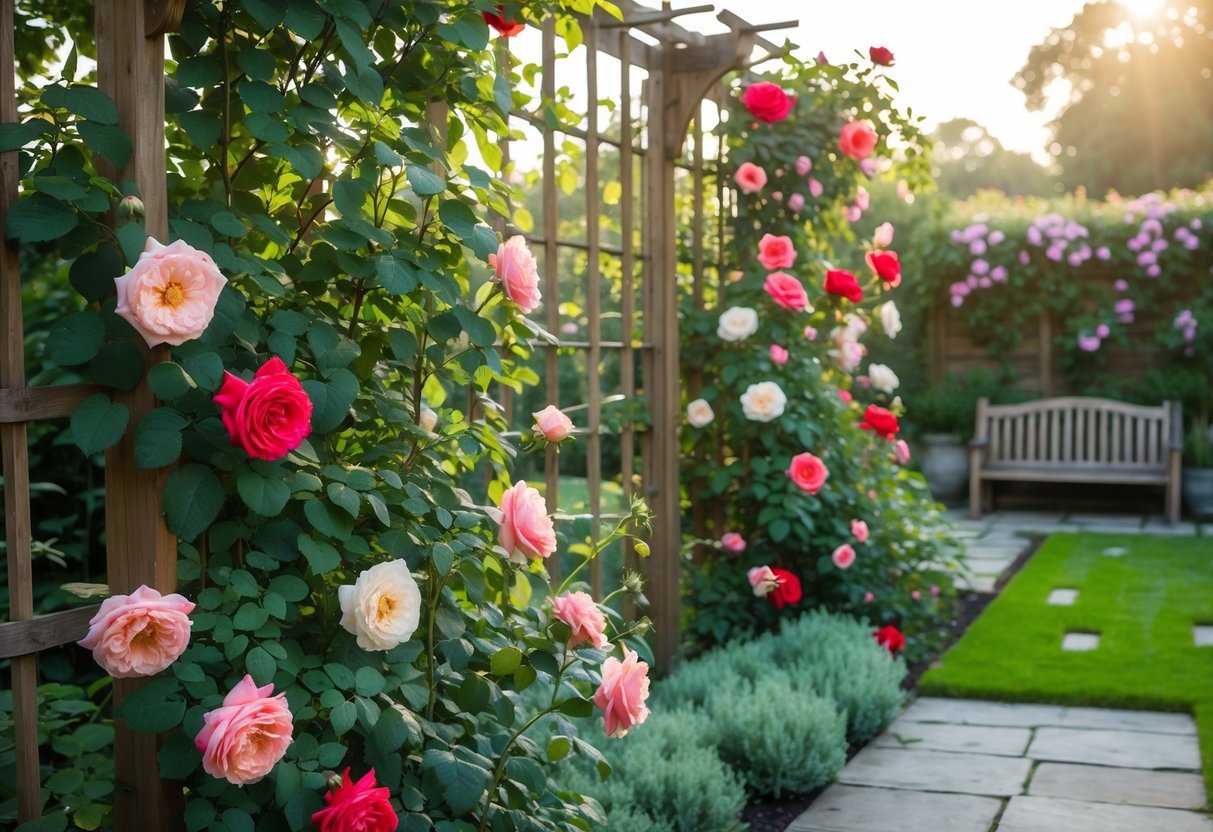
Choose a sturdy trellis and place it where your roses get at least six hours of sun each day. You’ll get taller, fuller blooms when the support and light are right.
Train main canes horizontally to encourage more flowers. Tie new growth gently and prune dead wood each spring to keep plants healthy.
Mix climbers with low perennials at the base to hide stems and add texture. This gives your backyard layered, classic English-garden charm.
3) Include formal boxwood hedges to define garden rooms
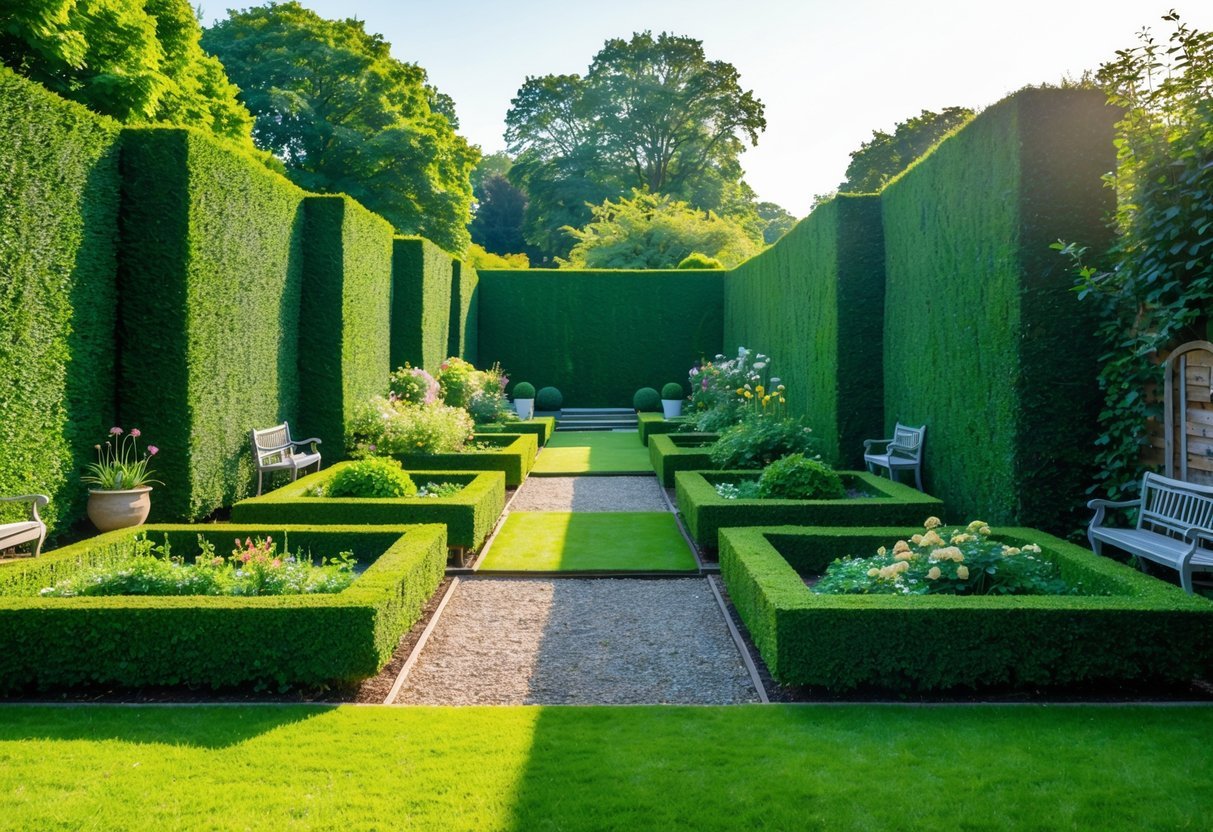
Use low, clipped boxwood hedges to mark paths and separate planting areas. You get clear edges that make each space feel intentional.
Keep hedges to one or two species for a neat look and easier care. Trim them regularly to hold shape and scale.
Boxwoods work year-round and pair well with roses, lavender, or seasonal flowers. Place them where you want sightlines and privacy without heavy walls.
4) Incorporate vintage-style wrought iron benches
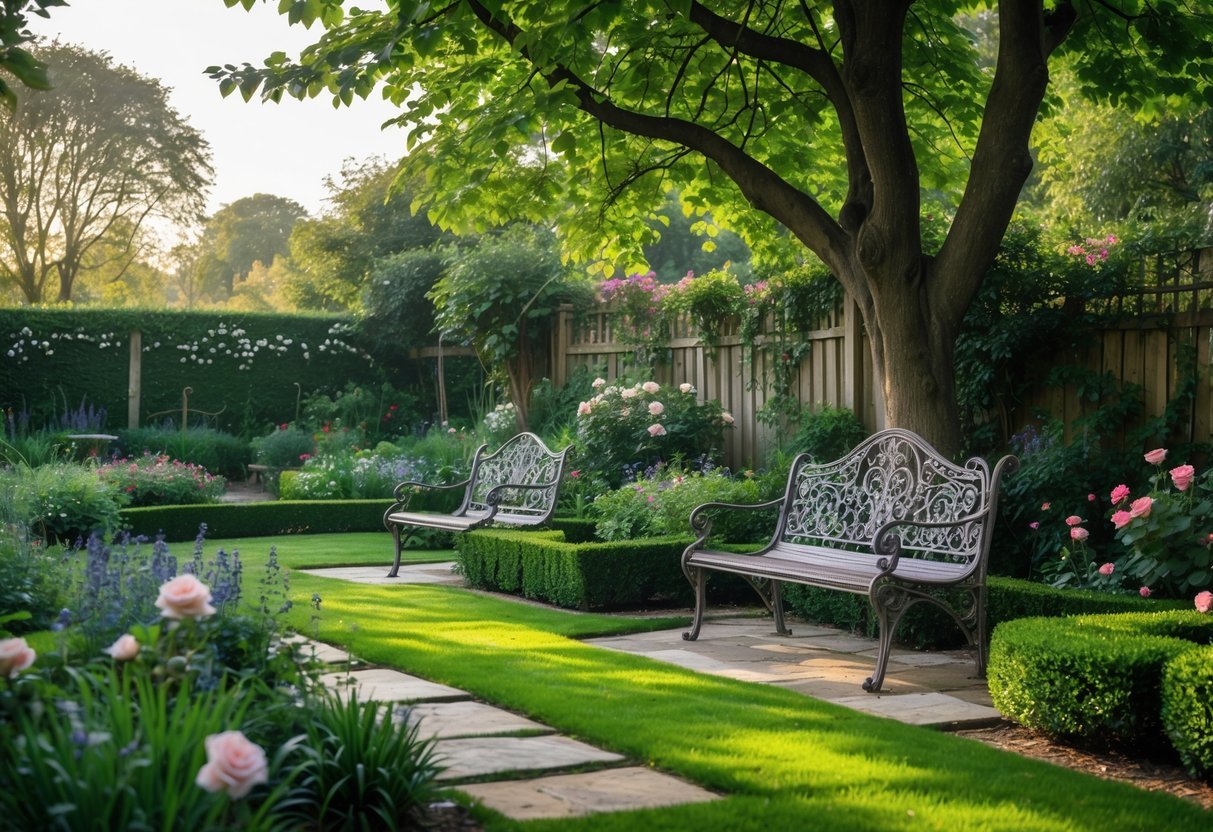
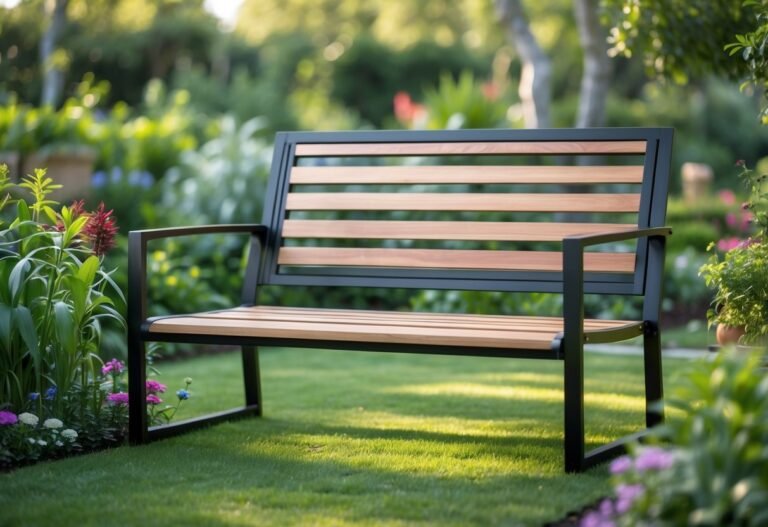
Place a wrought iron bench where you can relax and enjoy a view or a scented flower bed. It adds classic English charm and works well under a tree or beside a path.
Choose a simple painted finish or let the metal weather for a rustic look. Add cushions in muted florals for comfort without hiding the bench’s details.
Keep the area tidy and plant low shrubs or climbing roses nearby to frame the bench and make it feel like a private spot.
5) Use foxgloves and fragrant roses for authentic blooms
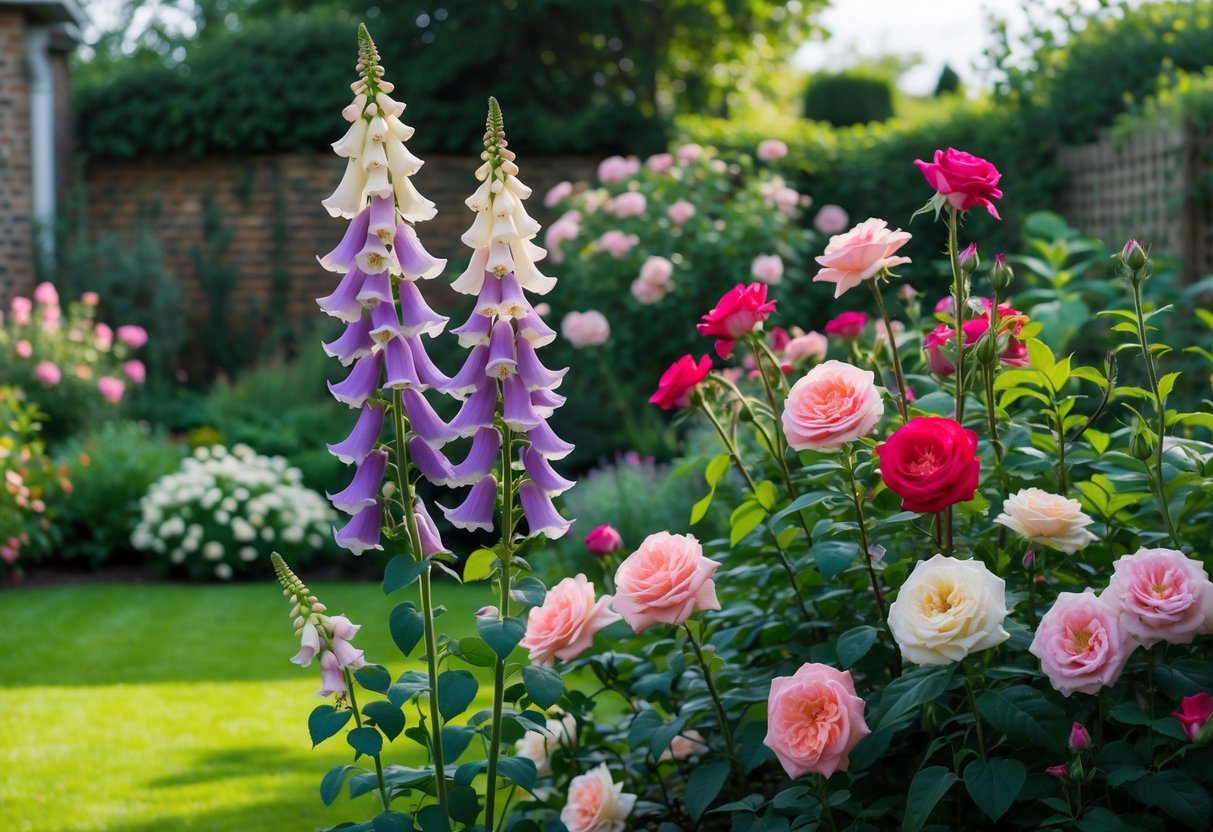
Plant foxgloves behind or between roses to add height and vertical interest. Their tall spires contrast well with the rounded shape of rose bushes.
Choose fragrant rose varieties so your garden smells as good as it looks. Foxgloves attract bees, which helps pollination without harming your roses.
Space plants for air flow to reduce disease. Sow foxglove seed in light shade and keep roses in sunny spots with good soil and regular feeding.
6) Add a decorative pond with water lilies
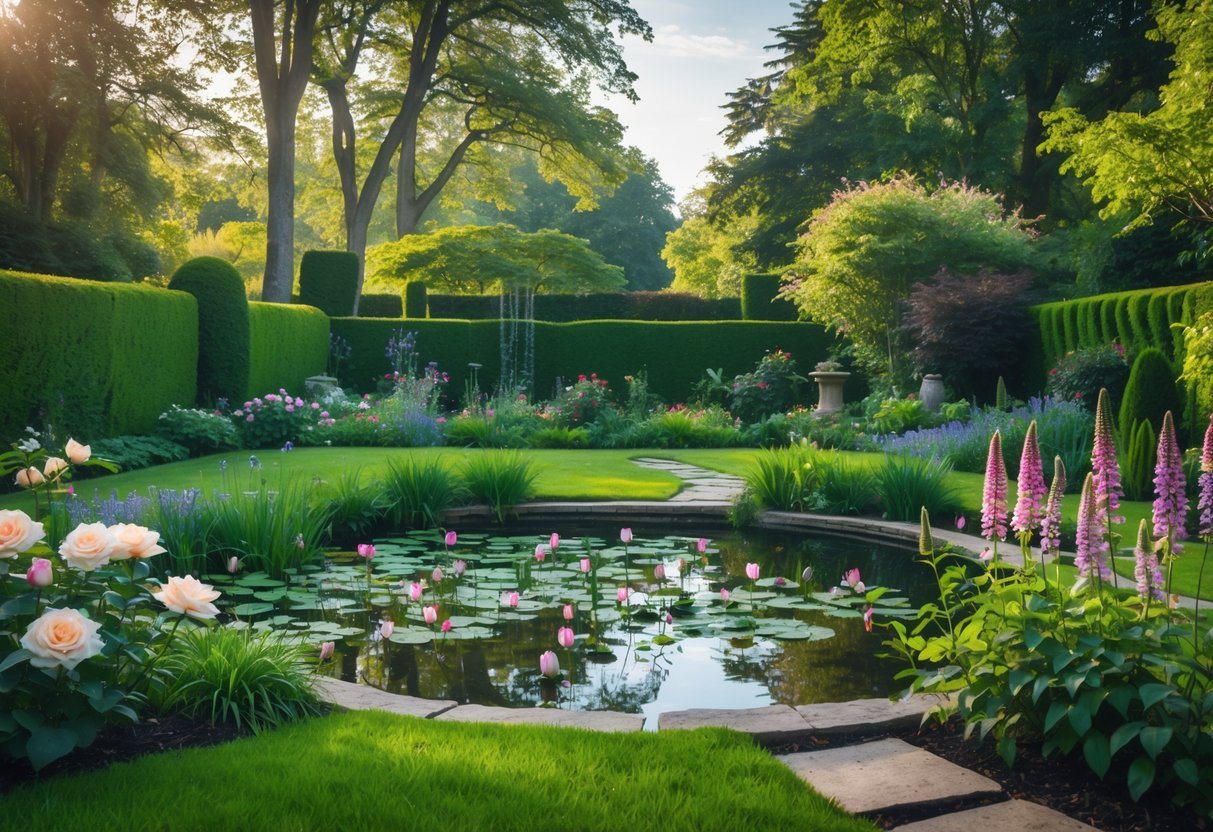
A small pond brings calm sound and a focal point to your English garden. You can edge it with stone or brick to match classic paths and beds.
Plant water lilies for floating blooms and shade that helps keep water cool. Add a simple pump for gentle circulation; it keeps water clear and deters mosquitoes.
Use native aquatic plants and a shallow ledge for frogs and pollinators. Keep maintenance low by removing debris and trimming spent leaves each season.
7) Place antique garden statues for timeless appeal
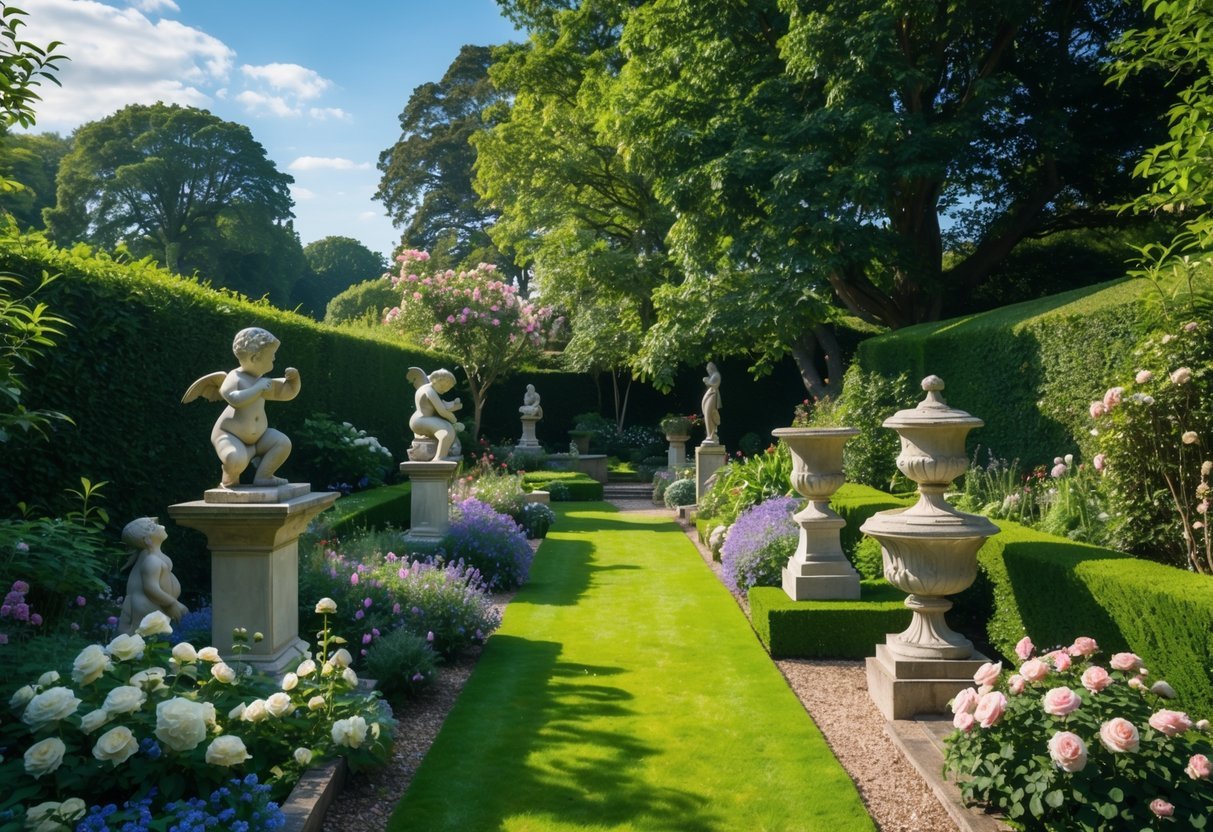
You can add antique statues to give your garden a classic look. Place one near a path or between flower beds to draw the eye.
Choose weathered stone or cast-iron pieces that match your garden’s scale. A small statue fits a cottage bed; a larger figure suits a lawn or focal point.
Keep statues on stable bases and away from low branches. Regular cleaning prevents moss buildup while keeping the aged charm.
Design Principles of English Garden Backyards
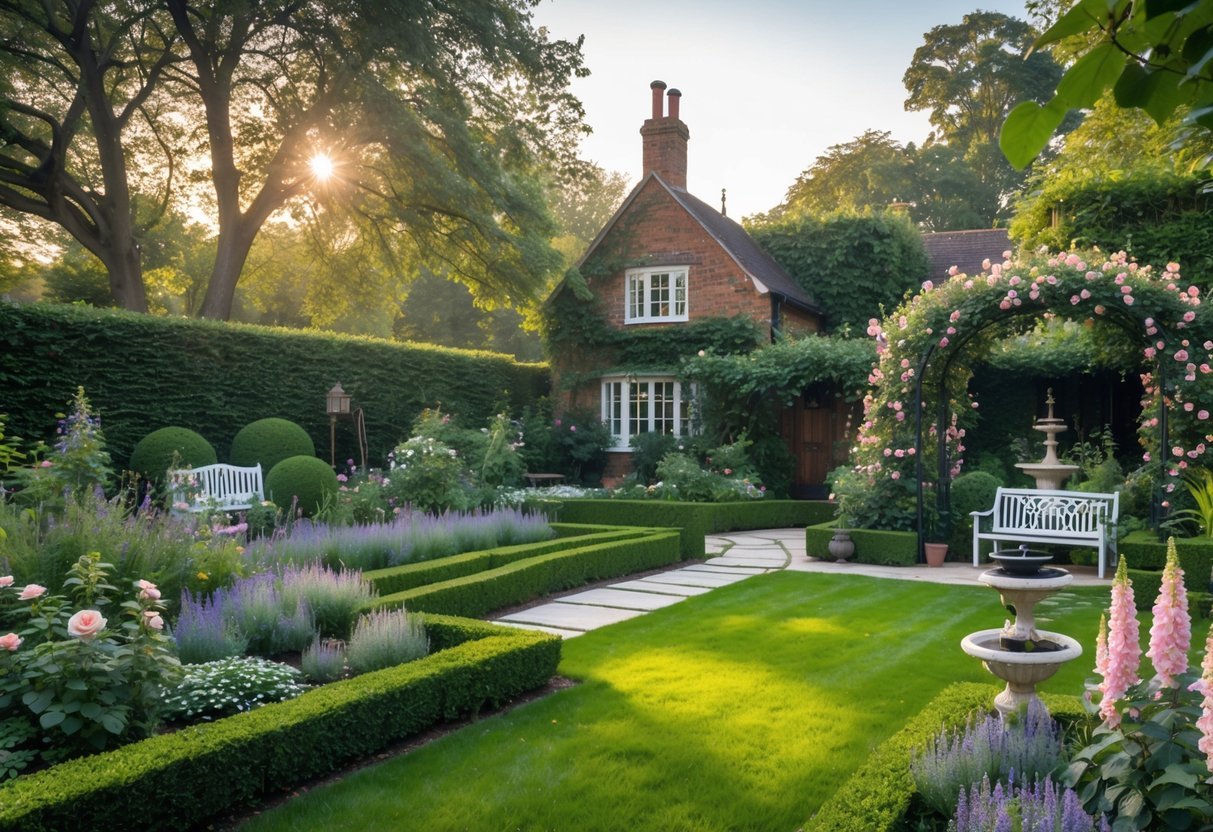
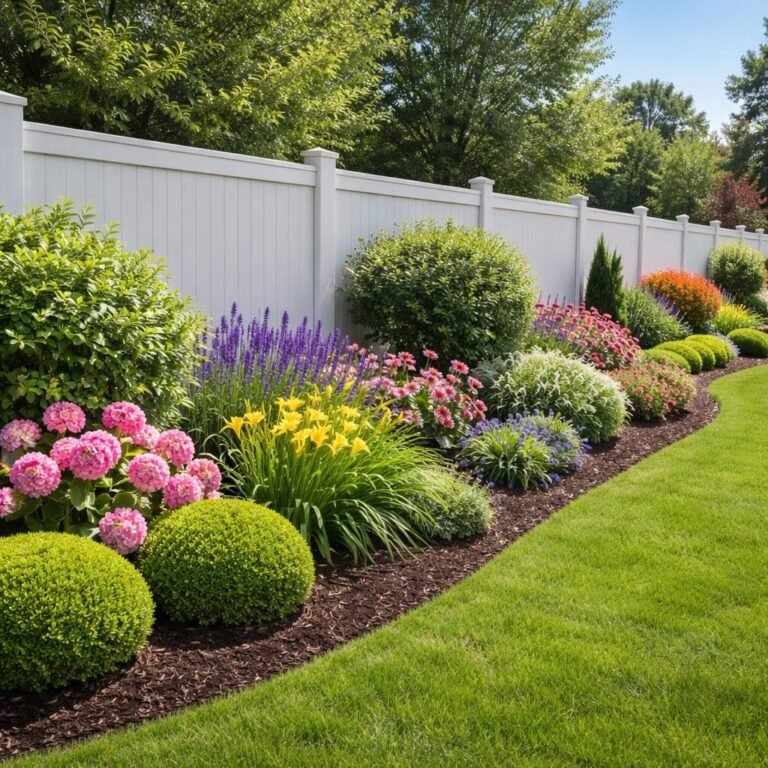
Focus on order and softness: use repeated shapes, a limited color range, and clear paths. Combine formal elements like clipped hedges or walls with looser, cottage-style planting to get that lived-in English look.
Balance and Symmetry
Use symmetry to create a clear focal point. Place a central element—like a bench, fountain, or statue—and mirror larger shapes on either side. You can balance without strict copying by matching mass and height rather than exact plant species.
Mix formal and informal forms. For example, pair a clipped boxwood hedge with asymmetric flower borders. That contrast keeps the space orderly but not rigid.
Think about scale. Match tree and shrub sizes to the garden room they sit in. Small rooms need low hedges and narrow paths; larger lawns accept taller trees and wider sightlines.
Color Palettes and Plant Selection
Choose 3–5 main colors and use repeats to tie the garden together. Classic mixes include soft pastels—roses, foxglove, delphinium—or white with touches of blue for a calm feel.
Pick plants for bloom time and texture. Combine early bulbs (tulips, daffodils), mid-season perennials (peonies, geraniums), and late-season interest (asters, sedum). Add evergreens like boxwood or yew for year-round structure.
Select plants for your site conditions. Match sun-loving roses and lavender to sunny borders, and hostas or ferns to shaded walks. Choose disease-resistant varieties and native pollinator plants to reduce maintenance.
Pathways and Structural Elements
Lay paths to guide movement and create rooms. Use a main axis from the house to a focal point, then add secondary meandering paths to explore borders. Keep path widths proportional: 3–4 ft for single walkers, 6–8 ft for seating areas.
Use materials that fit the mood. Gravel and brick give a timeless English feel. Stepping stones through lawn or moss between pavers adds charm for informal areas.
Include structures for height and function. Arbors, trellises, low hedges, and stone walls define spaces and support climbers like roses and clematis. Place seating where paths meet to encourage pause and viewing.
Maintaining an English Garden Backyard
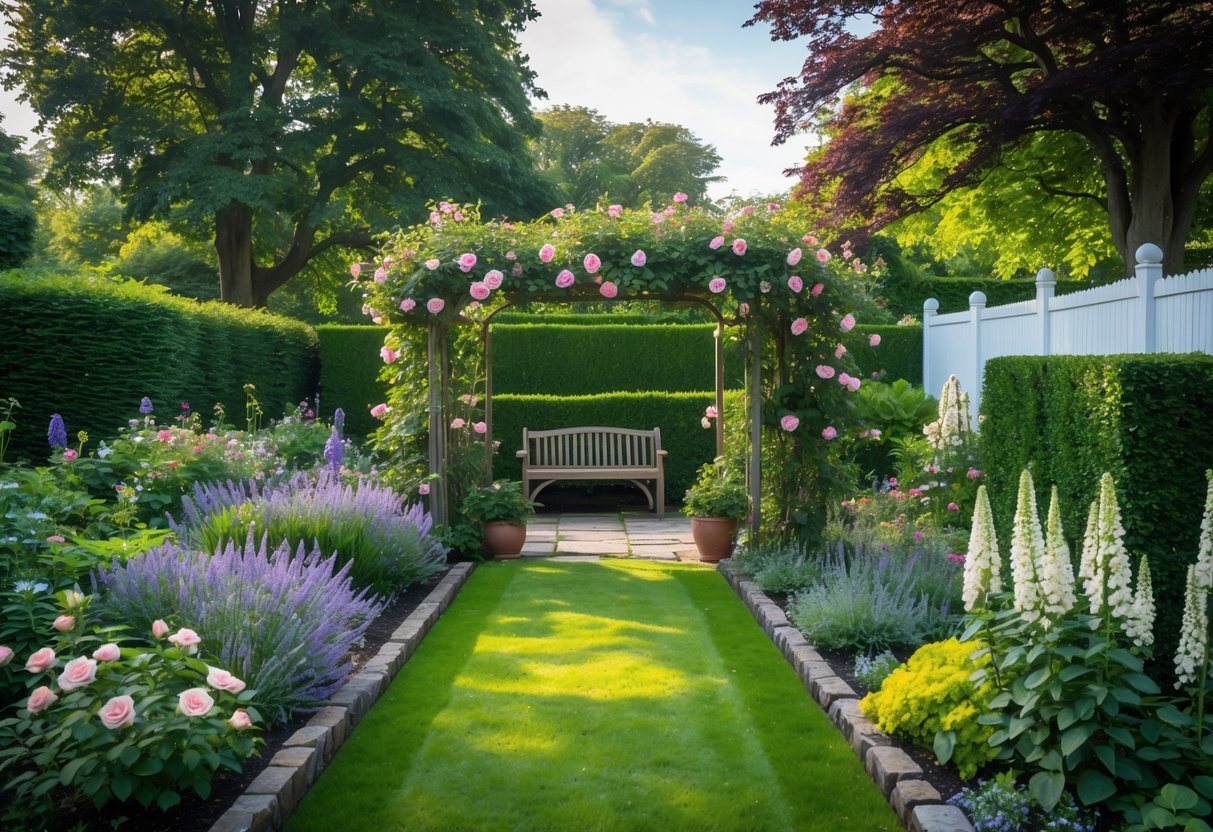
Keep plants healthy with regular pruning, soil care, and timed feeding. Watch for pests and disease early, and protect tender plants from frost or heat as seasons change.
Seasonal Care Tips
Spring: prune dead wood from roses and shrubs, divide perennials, and apply a balanced granular fertilizer to borders. Start staking tall plants and install supports for climbers. Mulch beds with 2–3 inches of organic mulch to suppress weeds and retain moisture.
Summer: deadhead spent blooms of roses and perennials every 1–2 weeks to prolong flowering. Water deeply once or twice weekly rather than light daily sprinkling; focus on the root zone. Check irrigation lines and adjust for heat waves.
Autumn: cut back tender annuals and lift bulbs like tulips and daffodils after foliage yellows. Add compost to beds and refresh mulch to protect roots over winter. Prune late-flowering shrubs only after bloom.
Winter: protect young roses and half-hardy plants with a mulch mound or burlap wrap. Clean and sharpen tools, and plan next year’s planting while storing seeds and labels in a dry place.
Common Challenges and Solutions
Problem: black spot or powdery mildew on roses. Solution: remove affected leaves, improve air flow by thinning crowded growth, and apply a fungicide labeled for roses when needed. Water at the base to keep foliage dry.
Problem: soggy soil and root rot. Solution: amend heavy clay with coarse sand and organic matter, raise beds or add drainage channels, and avoid overwatering. Use moisture meters to check soil moisture before watering.
Problem: hungry deer, rabbits, or slugs. Solution: install 3–4 foot deer fencing or use motion-activated lights for larger mammals. Use slug traps or iron phosphate pellets for slugs. Use protective collars on young plants and choose less-palatable varieties where possible.
Problem: poor flowering or legginess. Solution: test soil pH and nutrient levels, correct with lime or sulfur as indicated, and apply phosphorus-rich fertilizer in early spring. Pinch back long shoots to encourage bushier growth.
Frequently Asked Questions
This section answers practical how-tos and plant picks. You’ll get step-by-step ideas for small spaces, low-maintenance choices, plant lists, budget options, DIY projects, and where to find reliable plans.
How can I design a small backyard space in the style of an English garden?
Use narrow winding stone pathways to make the space feel larger and guide movement. Place a small wrought iron bench at a path bend to create a focal point and sitting area.
Grow climbing roses on a single trellis or against a wall to add vertical color without taking much ground space. Define a tiny “garden room” with clipped boxwood hedges or potted boxwood to frame a seating spot.
What are the essentials for creating a low-maintenance English garden in my backyard?
Choose hardy perennials and shrubs so you don’t replant every year. Use mulched beds and drip irrigation to cut weeding and watering time.
Limit high-maintenance annuals and avoid large lawns. Replace lawn with gravel paths and clustered planting beds to reduce mowing and upkeep.
Which plants should I choose to emulate a traditional English garden feel?
Start with roses for scent and classic form; select disease-resistant varieties for easier care. Add foxgloves, lavender, delphinium, and herbaceous perennials for layered blooms and texture.
Include evergreen boxwood for structure and clipped hedges. Use a few climbing plants like clematis or climbing roses to reach vertical interest.
What are some budget-friendly ideas to incorporate English garden features into my backyard?
Reuse reclaimed stone or broken pavers to build winding pathways. Shop local plant swaps or divide friends’ perennials to get established plants for free.
Buy small shrubs and grow them into shape over time rather than buying mature specimens. Paint or restore a secondhand wrought iron bench for vintage charm on a low budget.
How can I achieve an authentic English garden look through DIY projects?
Build simple timber or metal trellises to train climbing roses and clematis. Lay a compacted gravel path edged with reclaimed brick or stone; it’s cheaper than full paving and looks traditional.
Make small raised beds edged with reclaimed stone and plant layered perennials. Prune boxwood yourself into neat shapes to create defined garden rooms.
Where can I find inspiration and plans for designing my English garden landscape?
Look at garden books focused on cottage and classic English gardens for planting combos and layout ideas. Visit local public gardens or historic homes to study pathways, hedges, and plant spacing in person.
Search reputable garden websites and landscape design blogs for step-by-step plans and plant lists, and check community garden groups for workshops and shared plans.