12 White Garden Ideas: Confident Design Tips for a Clean, Year-Round Landscape
You can give your outdoor space a calm, elegant look by using white plants and simple structures. A white garden softens busy views, reflects light, and makes a small yard feel more spacious, so you can create a peaceful retreat with clear, achievable choices.
This article shows 12 ways to build that look using flowers, foliage, and garden features like trellises and paths. You will find ideas for scent, texture, season-long interest, and simple care steps to keep the scheme looking fresh.
1) Use white roses for classic elegance and fragrance.
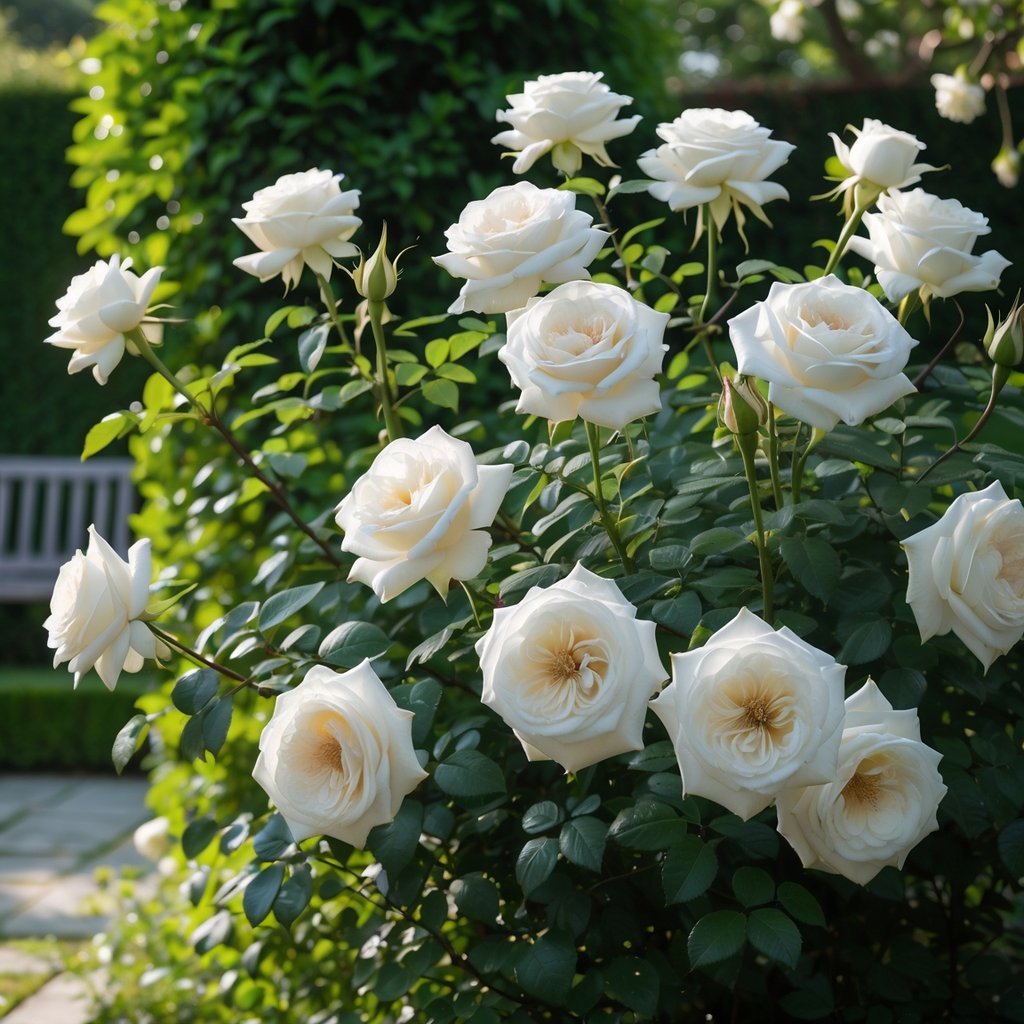
Plant white roses to give your garden a timeless, elegant look. They pair well with green foliage and other pale blooms.
Choose varieties known for scent if fragrance matters to you. Hybrid teas and shrub roses often offer strong, pleasant aromas.
Place roses near paths, seating, or entries so you can enjoy their scent up close. Regular pruning and feeding keep blooms healthy and fragrant.
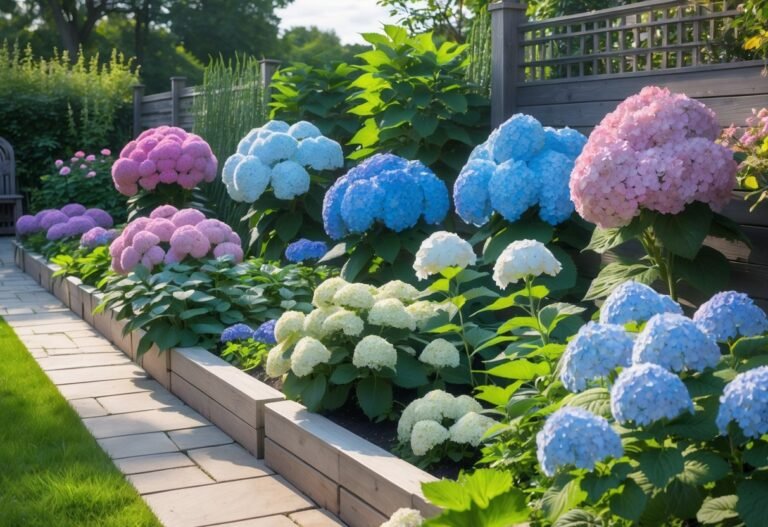
2) Incorporate hydrangeas for lush, voluminous blooms
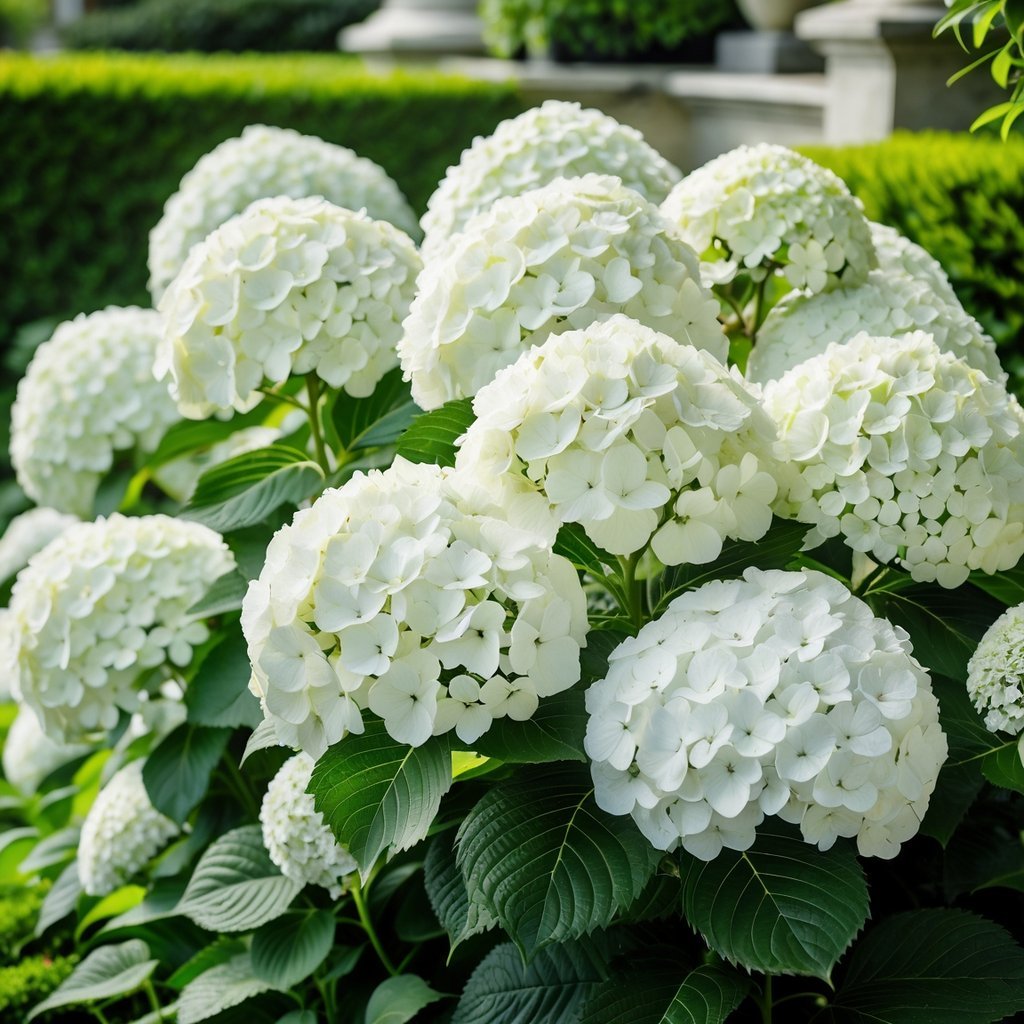
Plant hydrangeas where they get morning sun and afternoon shade to keep blooms full and colors steady. You can mix mophead or lacecap types for different shapes and textures.
Use white varieties like ‘Annabelle’ or ‘Incrediball’ for a clean, bright look. Space plants to allow air flow and reduce disease.
Combine hydrangeas with low groundcovers or evergreens for year-round structure. Prune lightly after flowering to maintain size and encourage next year’s blooms.
3) Add garden phlox for height and subtle fragrance.
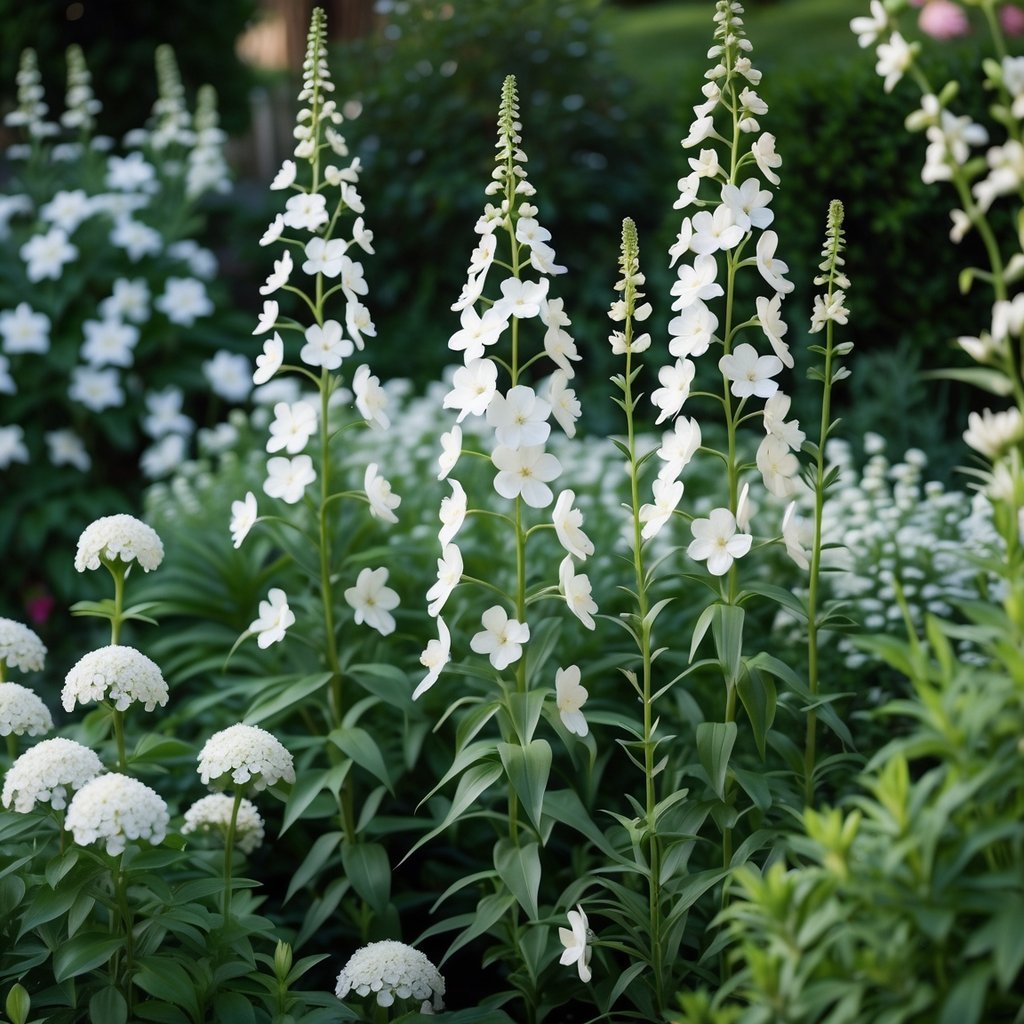
Add garden phlox to lift the back of your borders with tall, airy flower clusters. You get vertical structure without loud color, since many varieties bloom in white or soft tones.
Plant phlox where it will get full sun and moist, well-draining soil for the longest bloom. It attracts butterflies and gives a light, sweet scent that complements other white blooms.
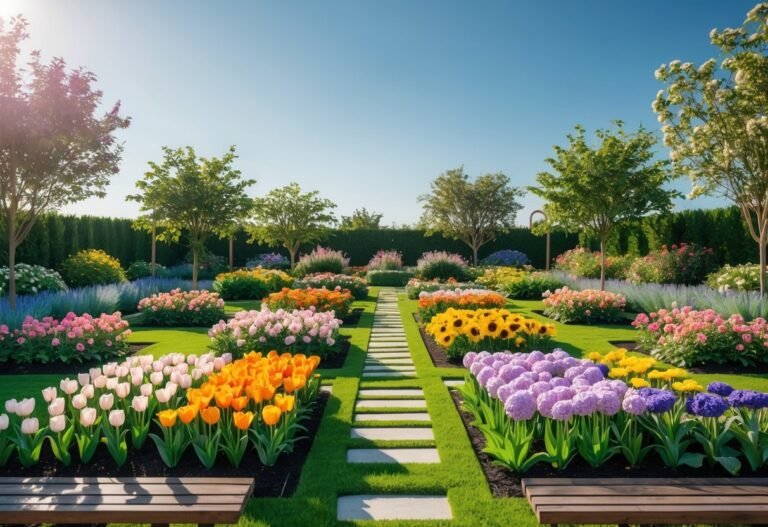
4) Design with white tulips for spring vibrancy
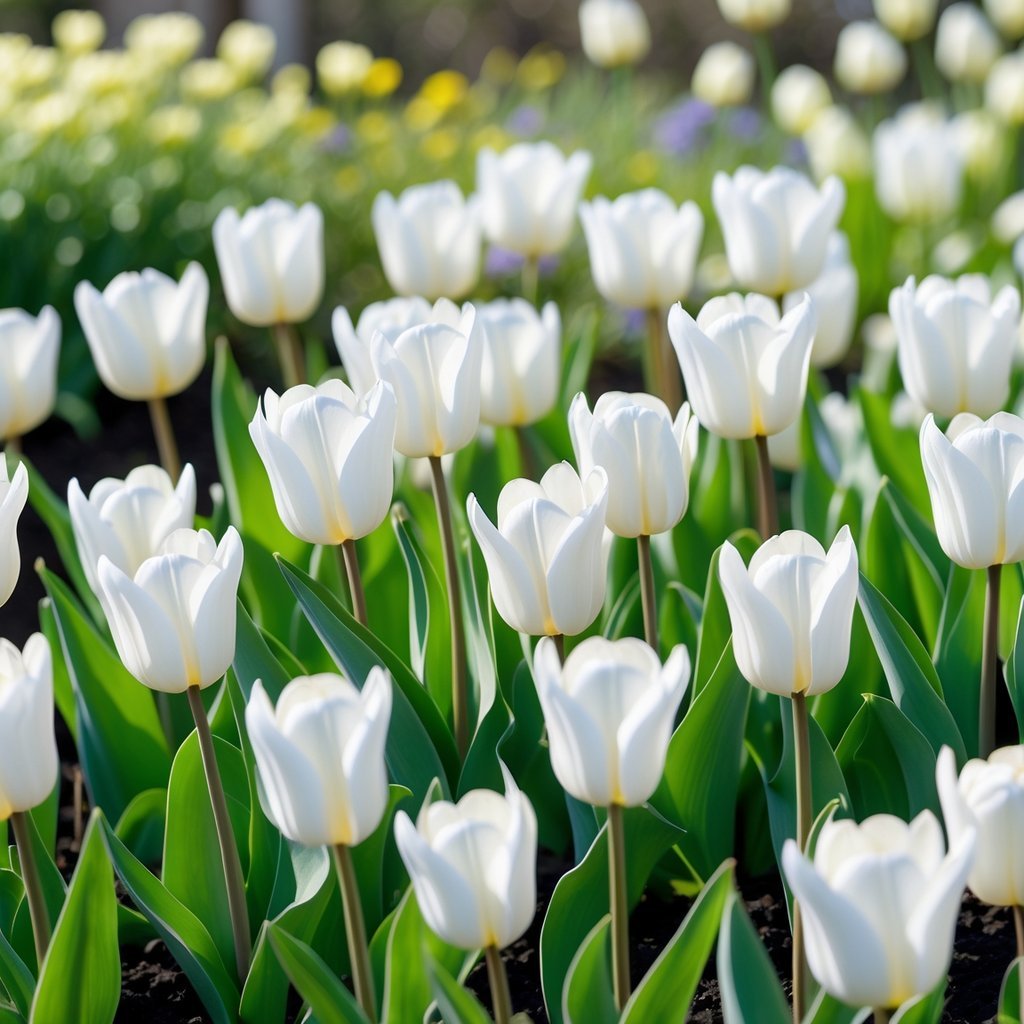
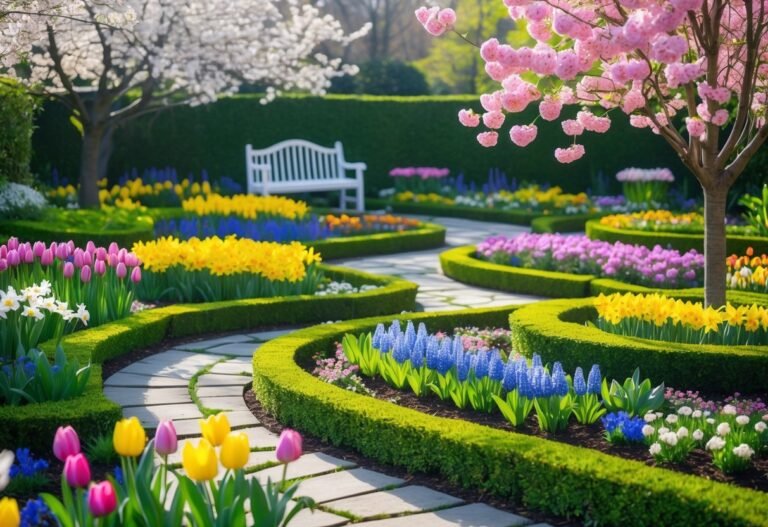
Plant white tulips in drifts to create bright, clean waves that catch the eye in early spring. Mix heights for depth; shorter varieties at the front and taller ones behind.
Pair white tulips with soft greens like lamb’s ear or ferns to keep the palette calm and fresh. Use bulbs in containers for porch pops you can move around.
5) Include peonies for soft, romantic texture
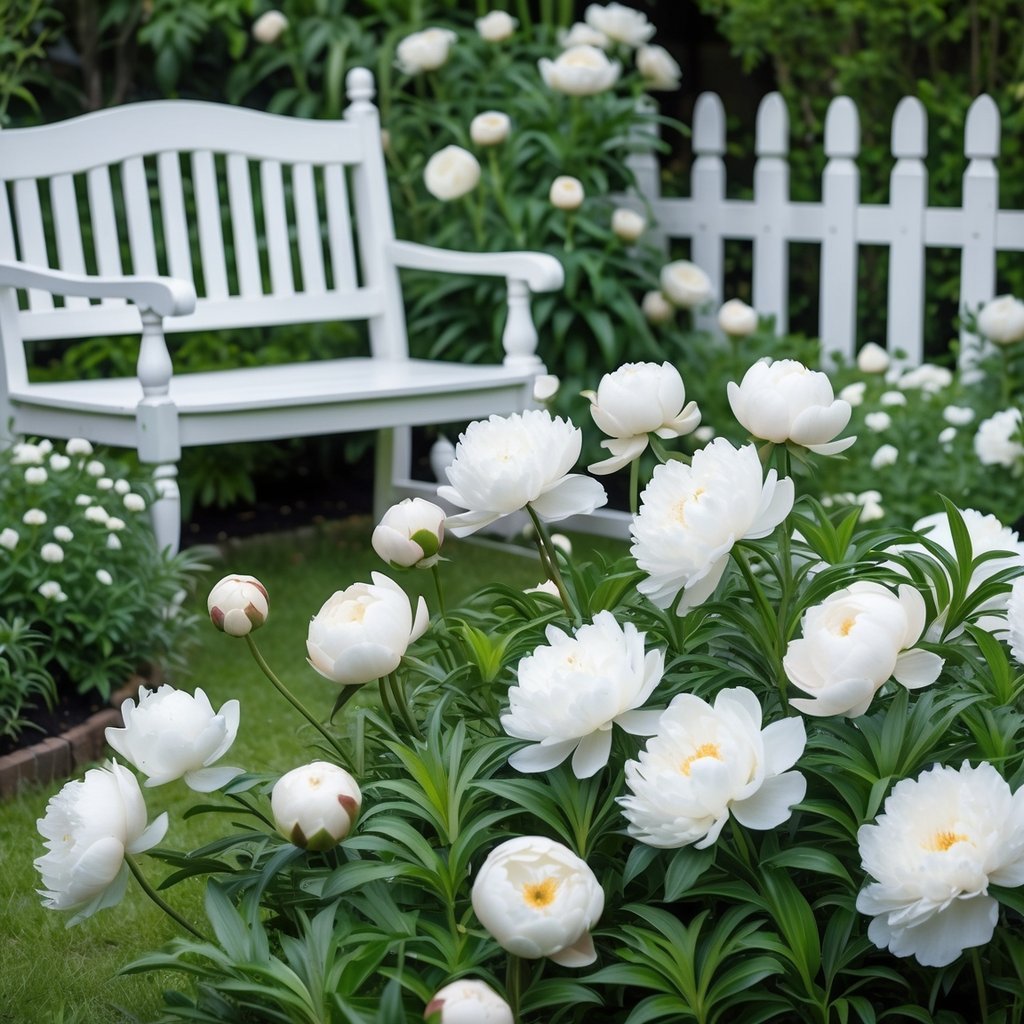
Plant white and blush peonies to add large, layered blooms that read as soft texture from a distance. You get a romantic, timeless look without loud color.
Space peonies about 3 feet apart so each plant can fill out and show its best form. Their dark green foliage makes white flowers pop and keeps borders neat.
Pair peonies with low evergreens or silvery groundcover for contrast and season‑long interest. Deadhead spent blooms to keep plants tidy and encourage healthy growth.
6) Plant white cosmos and chamomile for a wildflower feel.
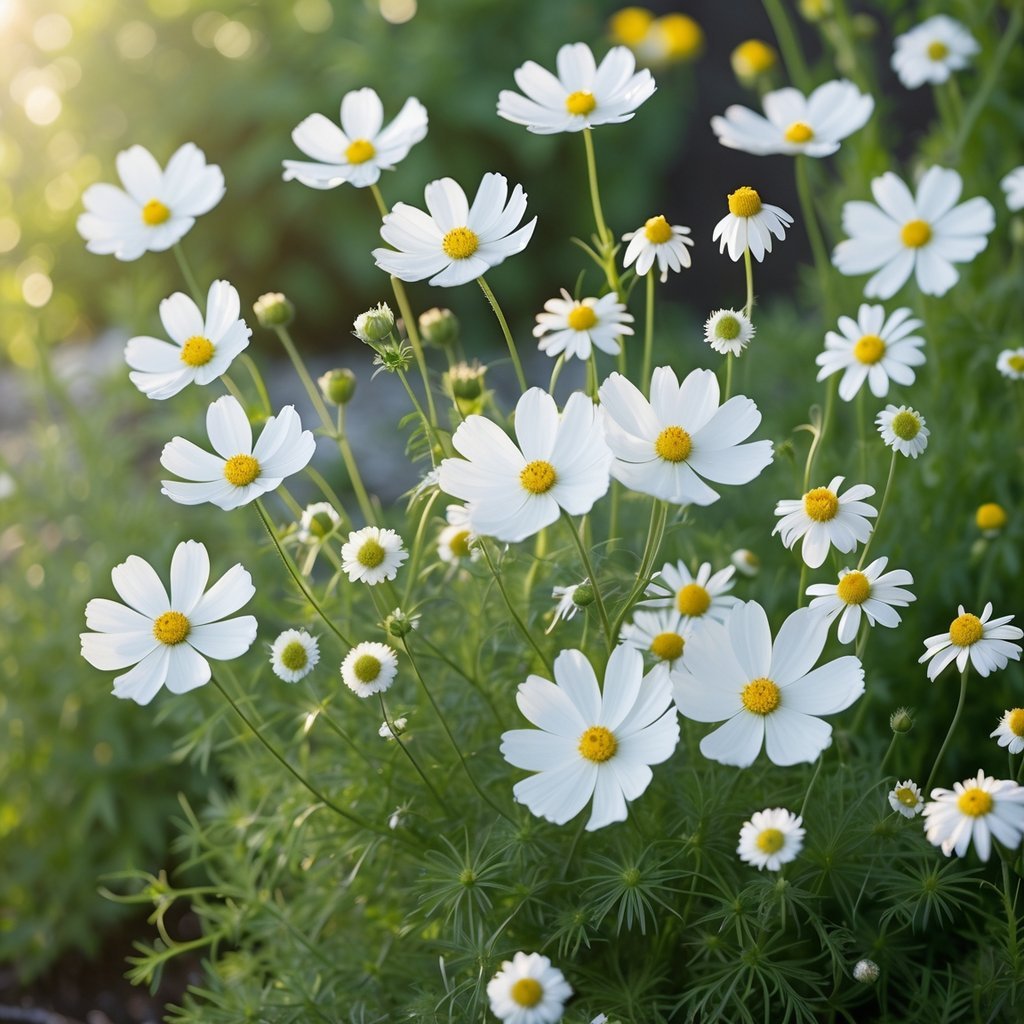
Plant white cosmos and chamomile together to create a light, airy look that feels natural. Cosmos give tall, graceful stems while chamomile fills gaps with low, daisy-like blooms.
Both are easy to grow from seed and need full sun and well-drained soil. Let them self-seed and thin as needed to keep the area looking relaxed rather than crowded.
7) Use Queen Anne’s lace for delicate, lacy accents
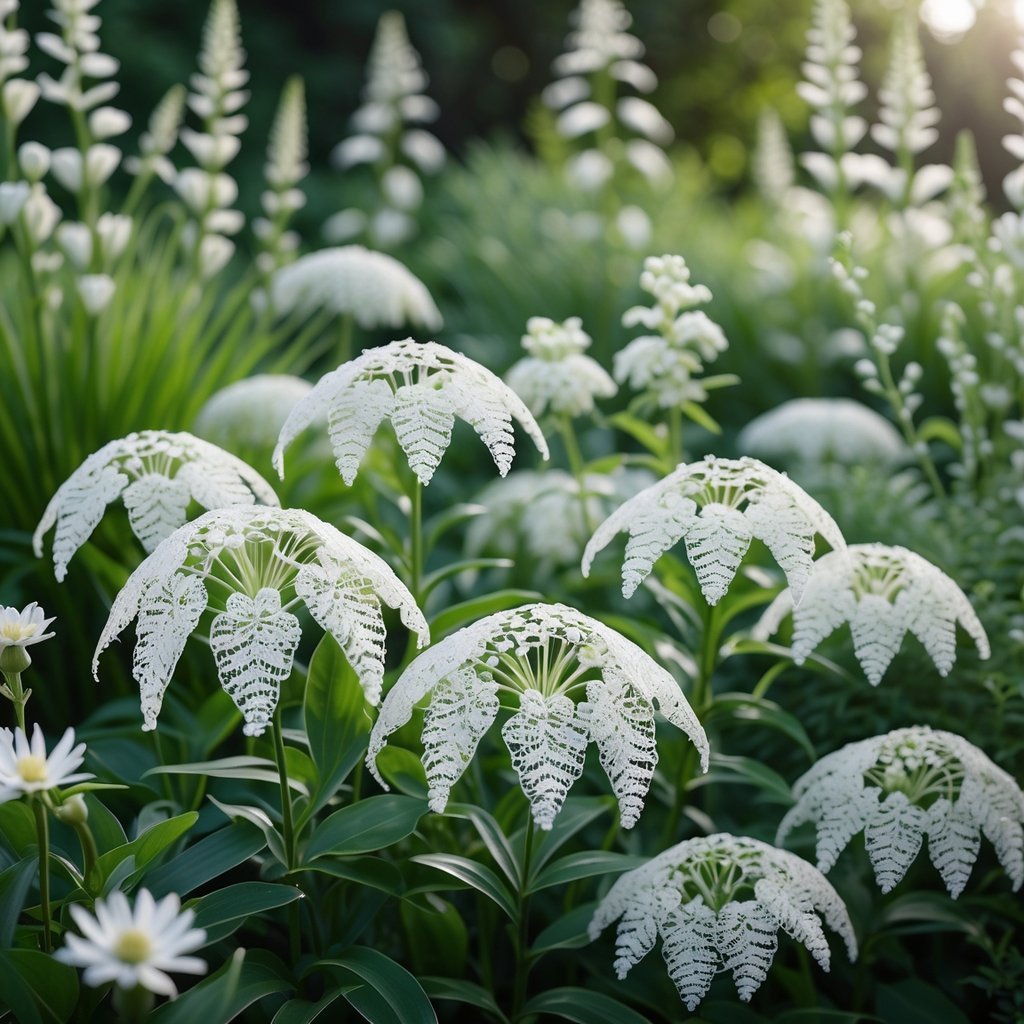
Add Queen Anne’s lace to borders and beds to soften edges with its airy white blooms. You’ll get a light, cottage-garden look without heavy color.
Plant it near roses or lavender to fill gaps and add texture. The flower heads work well fresh or dried for simple bouquets.
Stake taller plants if wind is an issue. Harvest stems when blooms open to keep them looking neat.
8) Add silvery foliage like lamb’s ear for contrast.
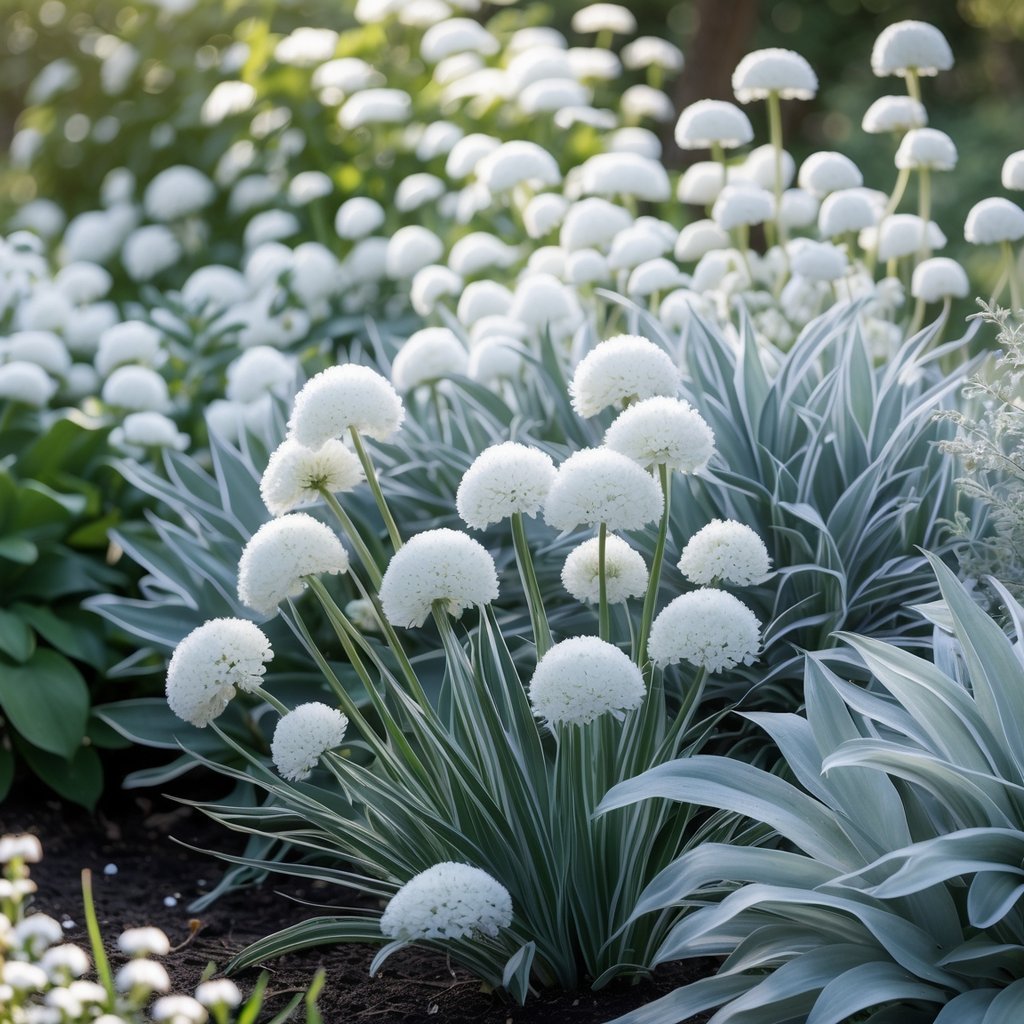
Use lamb’s ear or other silver-leaf plants to break up all-white beds and add texture.
Their soft, fuzzy leaves catch light and make white blooms stand out without adding color.
Plant them in clumps near white perennials or along paths for a cool, calming effect.
They tolerate sun and heat well, and need good drainage to stay healthy.
9) Create a monochromatic palette using varying white shades.
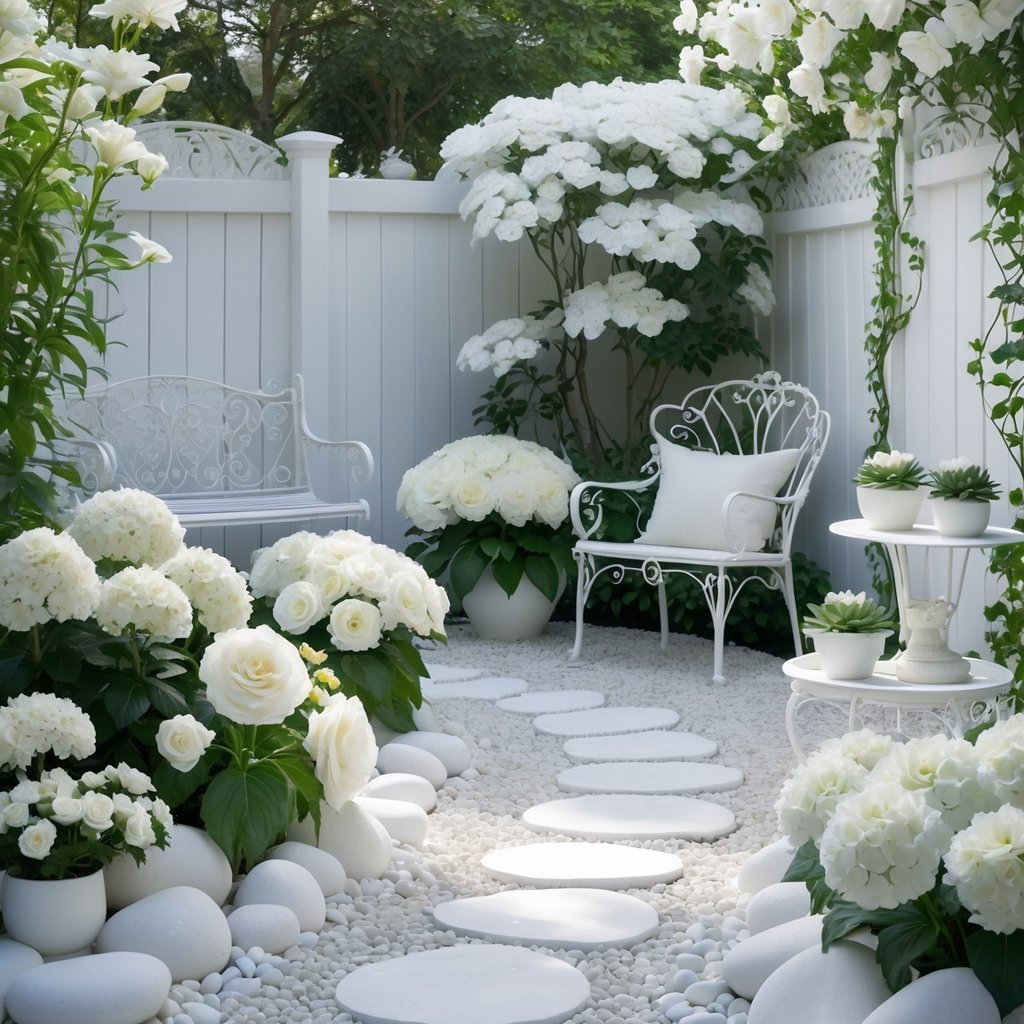
Choose whites with different undertones and textures to add depth without color. You can mix warm creams, cool off-whites, and bright pure whites for contrast.
Use plants with varied leaf color and texture to keep the garden interesting. Matte pots, glossy leaves, and soft blooms each reflect light differently and create layers.
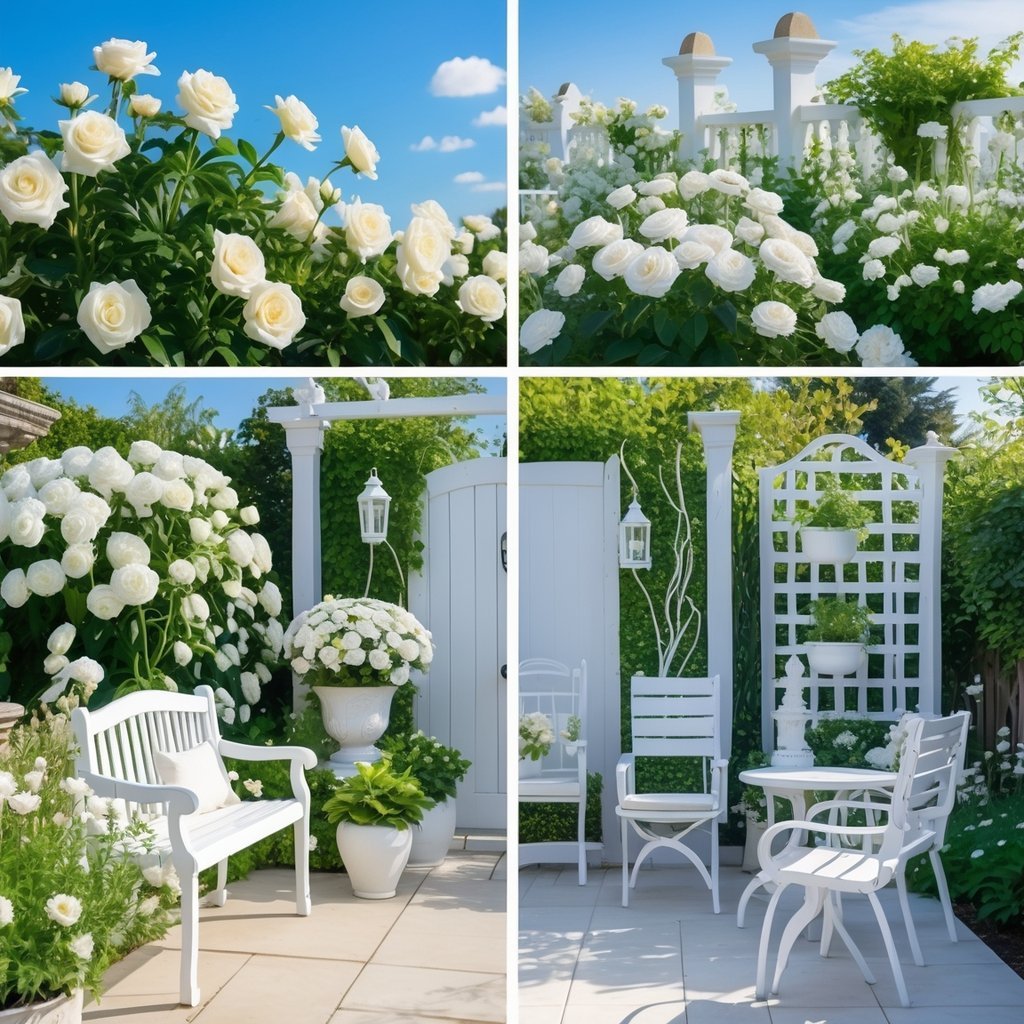
10) Incorporate structural elements like trellises with climbing white roses.
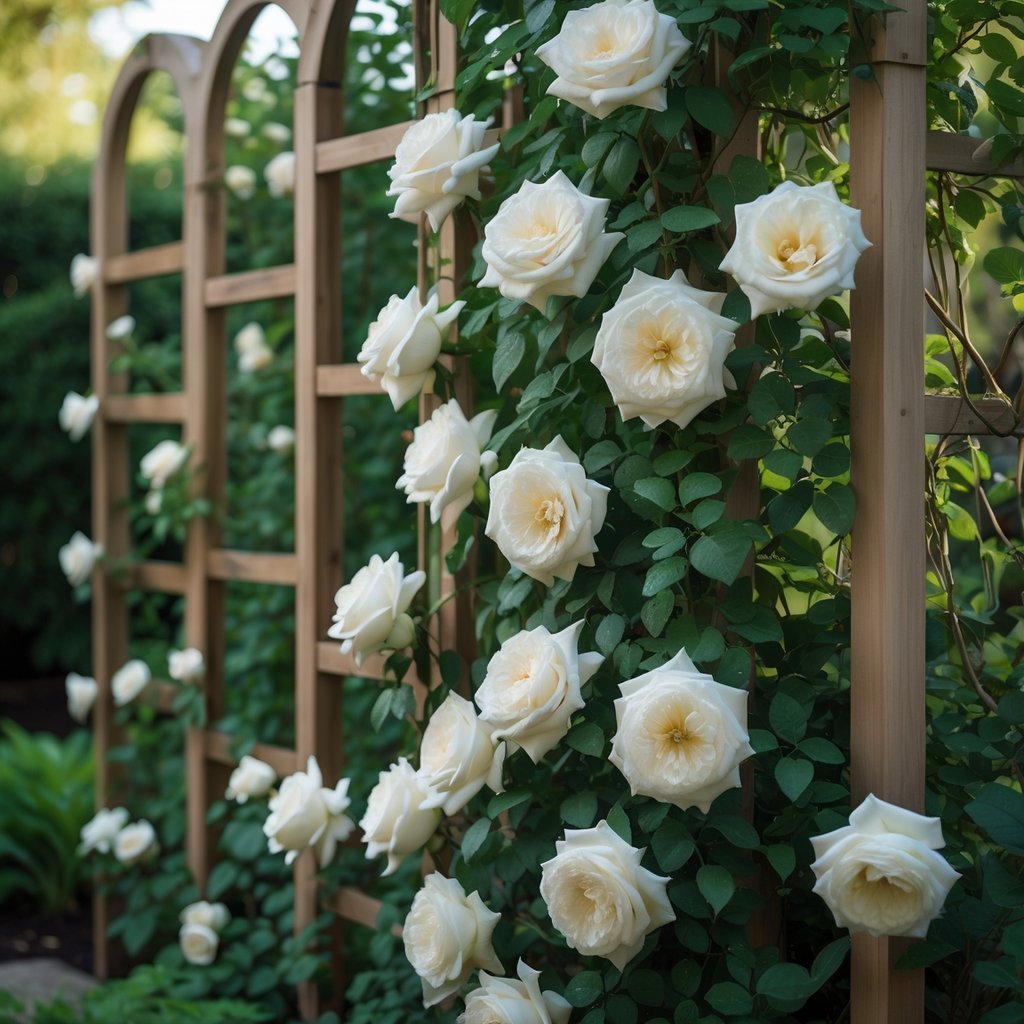
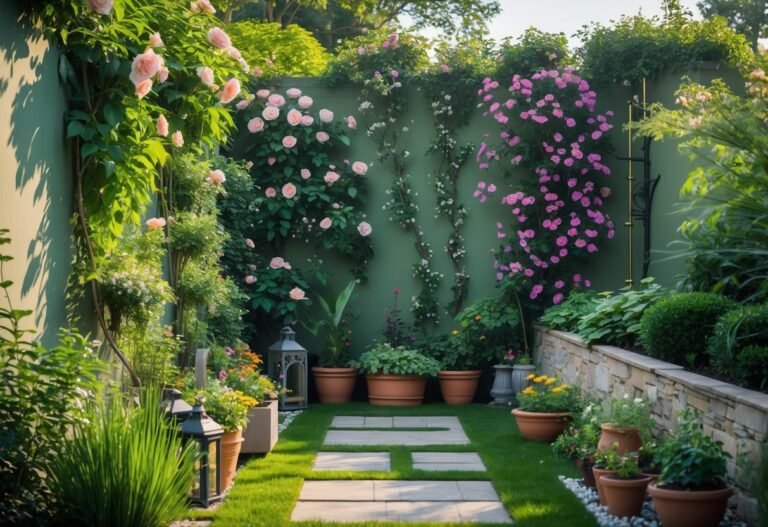
Use a trellis to add height and form to your white garden. You can train climbing white roses up lattice, arches, or cable systems for neat vertical bloom.
Place trellises where you want focal points, like entryways or along fences. Choose materials and paint that contrast or blend with your palette to keep the look simple and elegant.
Prune and tie shoots gently each season to maintain shape. Proper support keeps blooms visible and plants healthy.
Design Principles for White Gardens
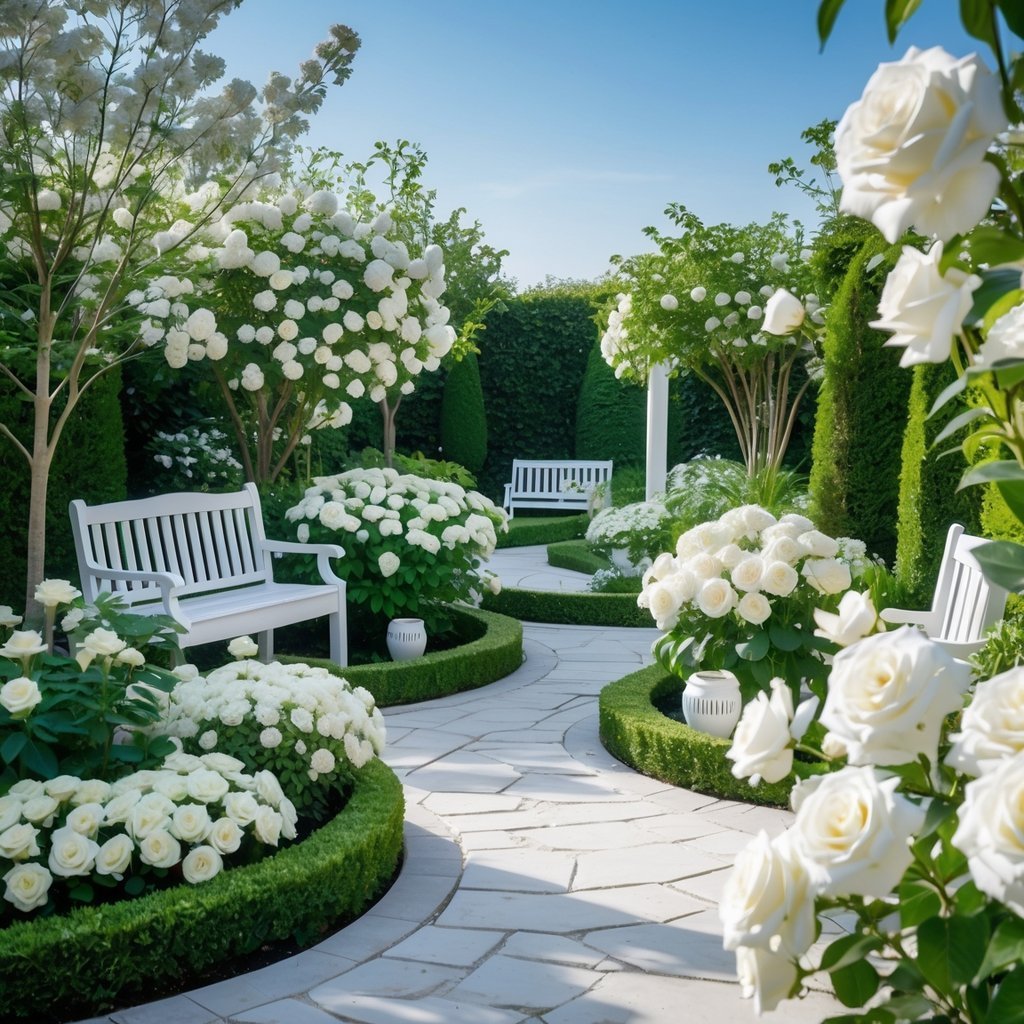
These guidelines help you shape a calm, layered white garden that reads well at different times of day and across seasons. Focus on contrast, texture, and plants that give reliable blooms or structure through winter.
Color Balance and Contrast
White alone can look flat, so add contrast with foliage, hardscape, and a few darker accents. Use plants with blue-green, silver, or deep green leaves—like lamb’s ear, artemisia, or yew—to make white blooms stand out. Place darker foliage behind or around white flower groups to create depth.
Introduce small dark elements in moderation: a charcoal bench, black pots, or deep-purple foliage in a mixed border. These anchors prevent the space from feeling like a single plane. Keep at least three repeating contrast points across the garden to guide the eye and maintain balance.
Textural Variety
Texture gives a white garden interest when color is minimal. Mix fine-textured plants such as grasses and lavender with broad-leaved plants like hostas or hydrangea leaves. Use layered heights: low groundcovers, mid-height perennials, and tall spires or shrubs to create a living tapestry.
Add non-plant textures too. Gravel paths, smooth stone, and weathered wood create contrast with soft blooms. Repeat a couple of textural themes—silvery foliage and feathery grasses, for example—so the garden feels cohesive rather than scattered.
Seasonal Interest
White gardens should look good year-round, not just in peak bloom. Plant spring bulbs (tulips, narcissi) for early light, then layer summer perennials (shasta daisy, white phlox) for the main display. Include late bloomers like sedum and autumn-flowering asters that keep the white theme into fall.
Add evergreen structure—yews, boxwood, or clipped laurels—to hold form in winter. Consider seed heads, bark color, and plant silhouettes for off-season interest. Plan bloom succession so you always have at least one focal area showing white flowers or strong structure.
Maintenance Tips for White-Themed Landscapes
Keep flowers bright, foliage clean, and pests under control. Focus on timely pruning, gentle cleaning, and targeted treatments to preserve the pure look of your white garden.
Keeping Blooms Pristine
Deadhead spent flowers every 5–10 days to prevent brown petals and boost reblooming for plants like petunias and roses. Remove faded blooms by pinching or cutting back to the first healthy leaf or bud.
Do light pruning after major bloom cycles—trim hydrangea or phlox according to their flowering habit to keep shape and encourage new growth. Clean splashed soil off lower petals after heavy rain to avoid stains; use a soft brush or a gentle spray of water.
Use mulch like white pebbles or pale bark to reduce soil splash and keep beds looking tidy. Avoid high-nitrogen fertilizers that make lush green growth at the expense of flowers; choose a balanced slow-release formula and feed in early spring and mid-summer. Monitor watering—water at the base in the morning to prevent fungal spots on white petals.
Dealing With Common Pests
Scout plants weekly for aphids, whiteflies, slugs, and snails, which show up most on tender new growth. Look under leaves and along stems; treat small aphid colonies with a strong water spray or insecticidal soap. For persistent infestations, apply a targeted systemic for roses or ornamentals, following label rates.
Use traps or barriers for slugs and snails—copper tape, beer traps, or handpicking at dusk work well. Introduce or encourage predators like ladybugs and lacewings to control soft-bodied pests naturally. Rotate plantings and remove infected leaves to limit spread of pests and disease. If you must use chemicals, select narrow-spectrum options and apply at dusk to protect pollinators.
Frequently Asked Questions
This section gives clear, specific tips on plant choices, space-saving ideas, and design moves you can use. Expect names, planting tips, and short care notes to help you plan and maintain a white garden.
What are the best white flower varieties for creating a themed garden?
White roses give classic elegance and strong fragrance; choose disease-resistant varieties and plant at least six feet apart for good air flow.
Hydrangeas offer large, lush blooms; plant them where they get morning sun and afternoon shade to keep blooms full.
Garden phlox adds height and a light scent; space plants to reduce mildew and deadhead spent flowers to encourage more blooms.
White tulips create bright spring displays; plant bulbs in fall at about three times the bulb height and in well-drained soil.
Peonies bring soft, romantic texture; plant crowns just 1–2 inches below soil and expect blooms in late spring to early summer.
How can I incorporate white garden elements into a small outdoor space?
Use pots and window boxes with compact white roses or dwarf hydrangeas to save ground space.
Plant layered heights: tulips and low perennials in front, phlox and peonies toward the back or center.
Add a white bloom focal point, like a single tall hydrangea or a small rose shrub, to create impact without crowding.
What are some low-maintenance white plants for a minimalist garden design?
Choose white tulips for seasonal payoff and low summer care after foliage dies back.
Peonies need little care once established; they tolerate poor soil and require just staking and winter mulch.
Select compact white roses labeled disease-resistant; prune lightly each spring and use regular water during establishment.
Which foliage plants can complement a white floral garden palette?
Silvery or grey foliage like artemisia or lamb’s ear adds contrast without color clash.
Deep green evergreens such as boxwood create year-round structure and a neat backdrop for white blooms.
Variegated hostas or green-and-white heucheras add pattern and interest at the base of taller white flowers.
What design strategies can enhance the appeal of a monochromatic white garden?
Mix textures: pair large hydrangea heads with fine-textured grasses or lamb’s ear for visual depth.
Vary bloom times so different white flowers peak across spring and summer.
Include structural elements—white-stained benches, pale gravel paths, or simple trellises—to echo the plant palette and guide the eye.
How can I ensure year-round interest in a garden with predominantly white flowers?
Plan for staggered bloom seasons: tulips in spring, peonies and phlox in late spring to summer, and hydrangeas into late summer.
Add evergreen shapes like boxwood and silver-leaf plants for form in winter.
Use white-flowered shrubs and small trees that bloom at different times, and include seed heads or pale berries for winter texture.